Click here to open 'USArmyGermany' frameset
BLUMENAU CLASS III |
||
FEUDENHEIM BUNKER |
NEUOSTHEIM AIRFIELD |
|
FRIEDRICHSFELD QM SVC |
RHINE RIVER PATROL, "M" |
|
RHEINAU KASERNE |
||
For additions, corrections, or suggestions please contact the webmaster
| MAPS | 
|
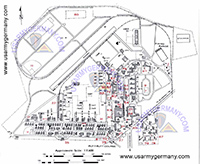 1. Coleman Barracks, Sandhofen, late 1970s (KB) |
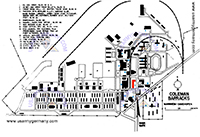 2. Coleman Barracks, Sandhofen, early 1960s (KB) |
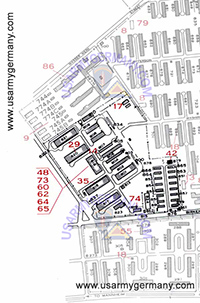 3. Funari Barracks, Käfertal, late 1970s (KB) |
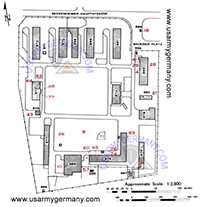 4. Hammonds Barracks, Seckenheim, late 1970s (KB) |
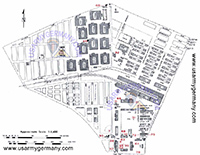 5. Spinelli Barracks, Mannheim, late 1970s (KB) |
 6. Sullivan Barracks, late 1970s (KB) |
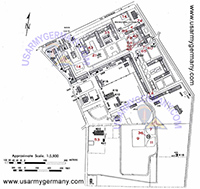 7. Taylor Barracks, Käfertal, late 1970s (KB) |
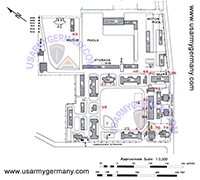 8. Turley Barracks, Mannheim, late 1970s (KB) |
| 1980 Topographical maps of Mannheim and surrounding area. These maps are reproduced from the "U.S. Military Installation Atlas" published by the 37th Transportation Group in 1980. Click on the thumbnail to view a larger format of the same map. Click here for a list of the installations. |
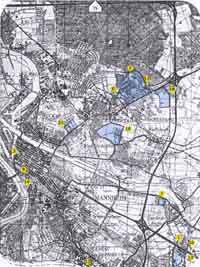 Mannheim (384 KB) |
 |
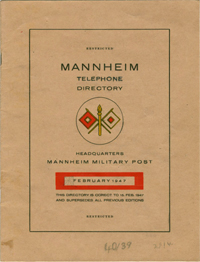 1. Mannheim Telephone Directory, 15 February 1947 |
|
||||
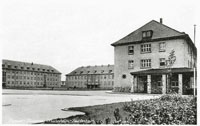 A. Pionier Kaserne |
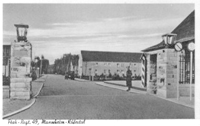 B. Flak Kaserne |
|
|
|
|
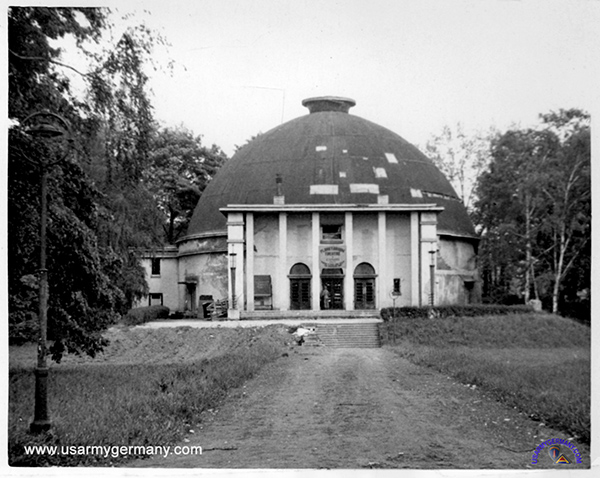 Planatarium Theater, Mannheim, 1945 (Webmaster's collection) |
|
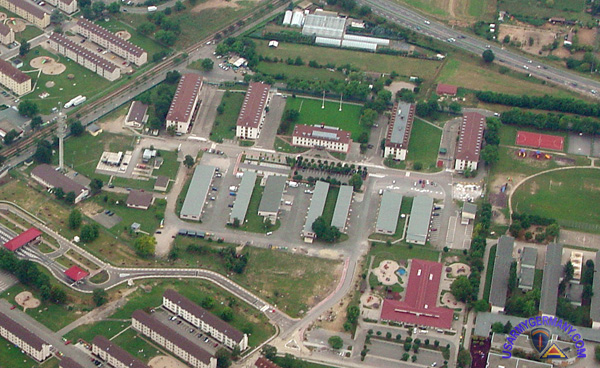 Funari Barracks, recent (Mike Smith) |
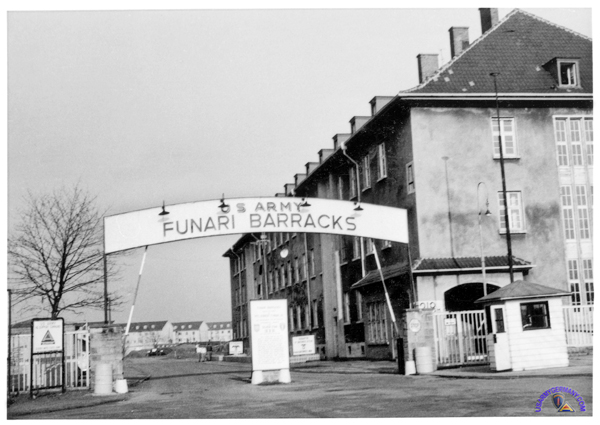 Funari Barracks main gate, probably late 1950s |
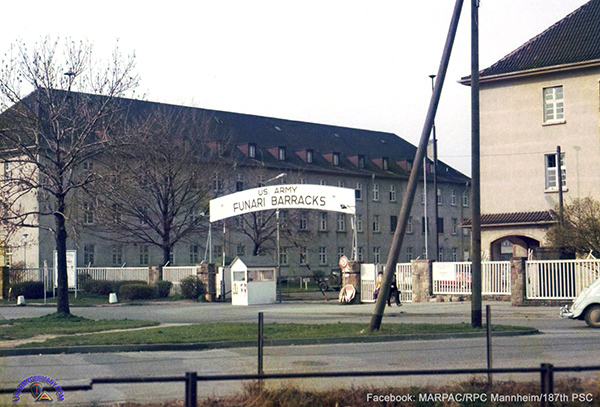 Funari Barracks main gate, mid-1970s (MARPAC/RPC Mannheim/187th FB) |
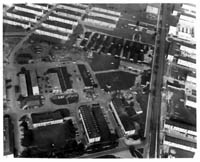
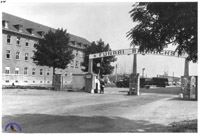
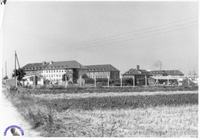
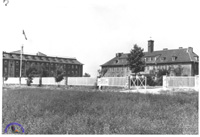
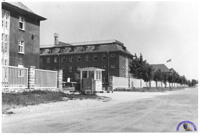
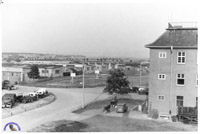
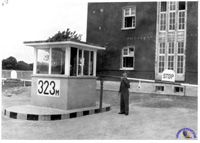
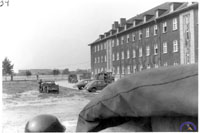
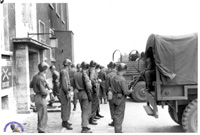
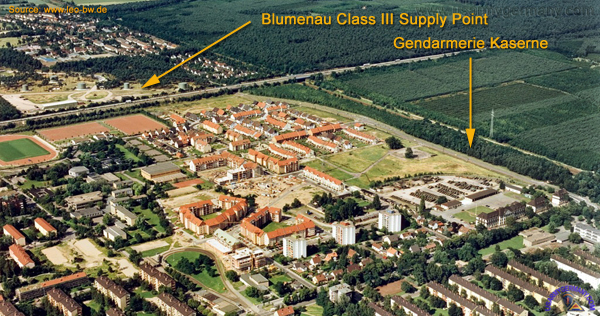 Gendarmerie Kaserne (right); Blumenau POL dump (upper left), 1988 (www.leo-bw.de) |
|
|||||
|

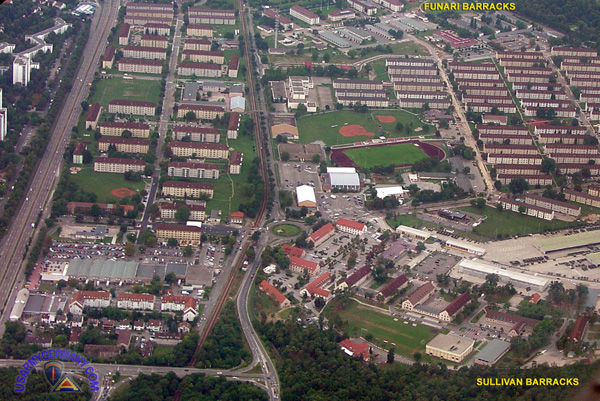 Sullivan Barracks, Funari Barracks and BFV, recent (Mike Smith) |
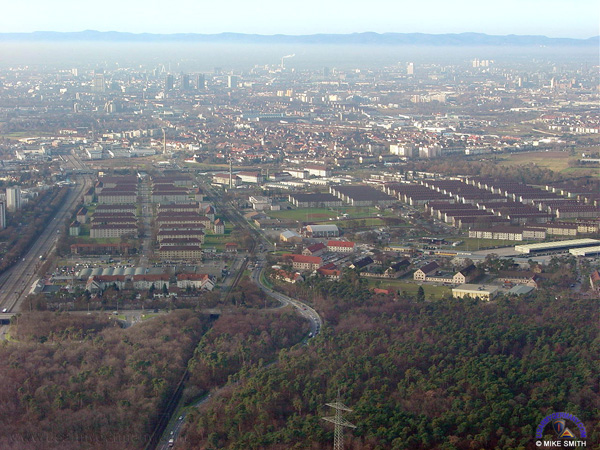 Sullivan Barracks, Funari Barracks and BFV, recent (Mike Smith) |
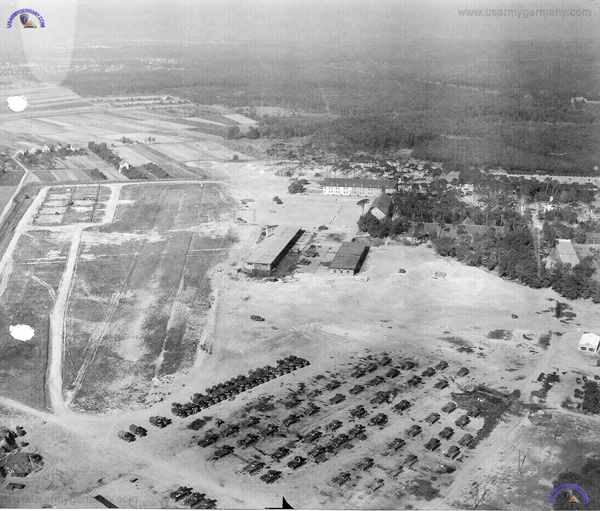 Partial aerial of Sullivan Barracks, 1952 |
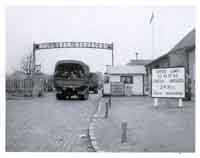 1. Sullivan Bks Main Gate, 1954 (102 KB) |
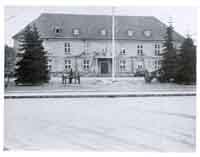 2. 510th Tk Bn Headquarters Building, Sullivan (104 KB) |
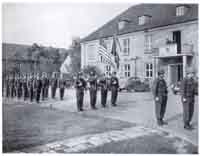 3 . Retreat Parade in front of 510th Tk Bn Hqs Bldg (121 KB) |
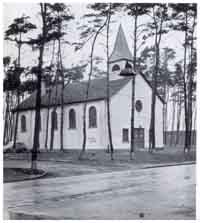 4. Sullivan Bks Chapel, 1954 (105 KB) |
|
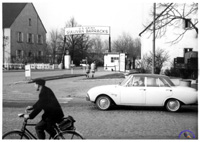 5. Sullivan Bks Main Gate, 1960s (243 KB) |
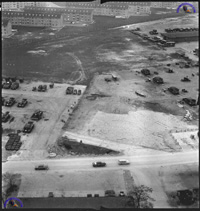 6. Aerial of Sullivan, 1959 |
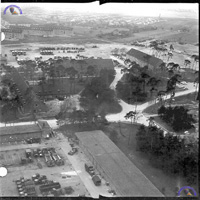 7. Aerial of Sullivan, 1959 |
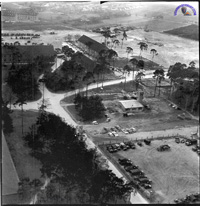 8. Aerial of Sullivan, 1959 |
|
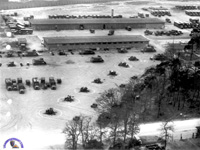 9. AAA battalion equipment, 1959 |
||||
|
 Taylor Barracks, recent (Mike Smith) |
|
 600.jpg) Turley Barracks, Mannheim ca. 1965 (Alan Farr) |
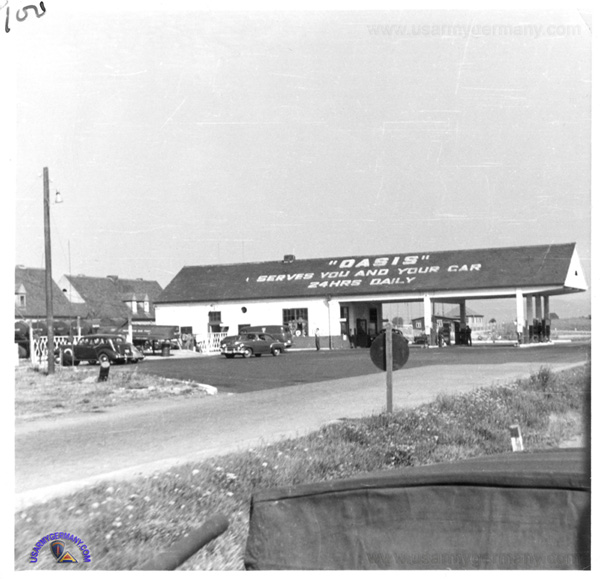
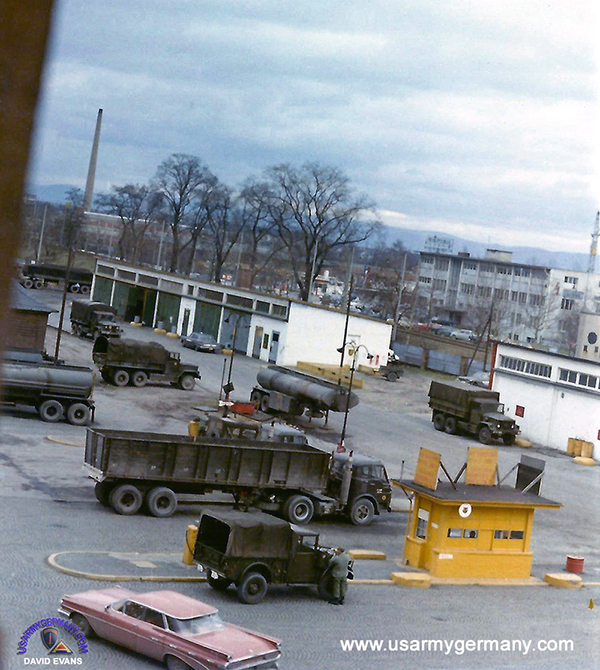 Fuel station at Turley Barracks, Mannheim 1969 (David Evans) |
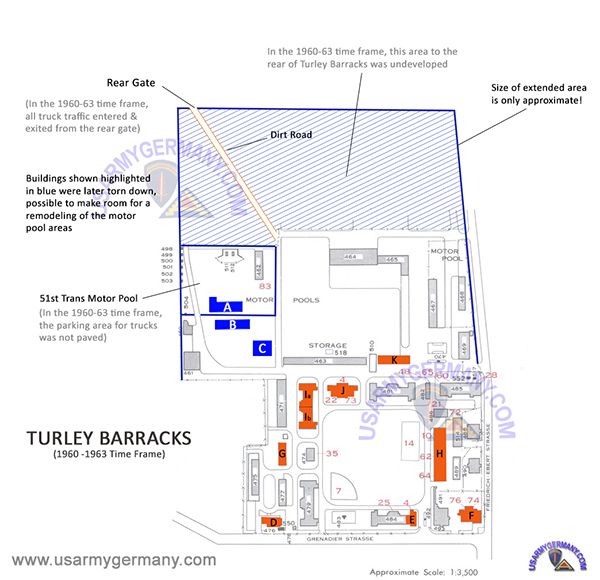 Turley Barracks, annotated installation map - 1960s Click on the map to view a larger version with a building schedule. If you have additional information or corrections, please contact the webmaster (email at top of page) |
 1 sm.jpg) 1. Service Club |
||||
|
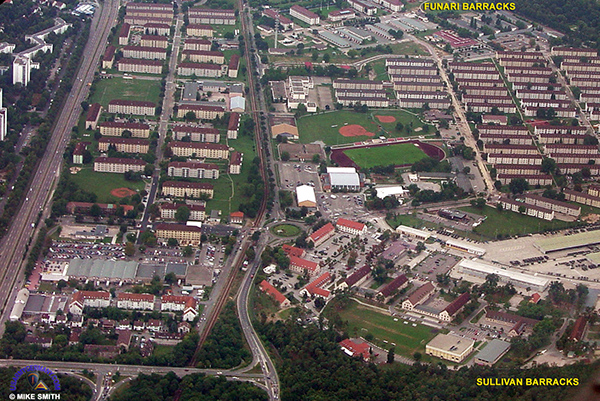 Benjamin Franklin Village, 1980s (Mike Smith) |
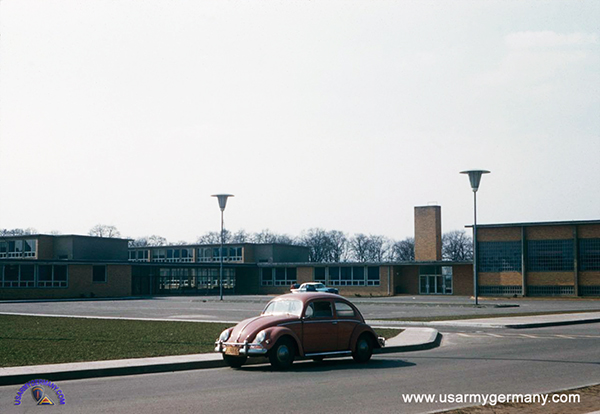 American Elementary School, BFV, 1957 (Webmaster's collection) |
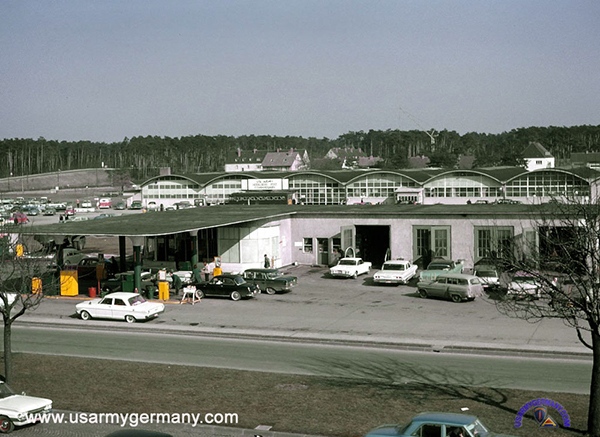 BFV PX and service station |
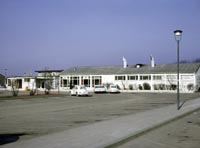 2. BFV Officers Club |
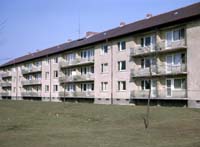 3. BFV BOQ |
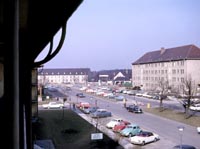 4. BOQ towards Sullivan Bks |
||
|
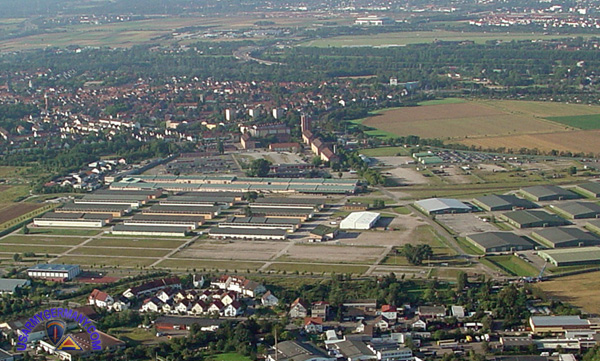 Spinelli Barracks, recent (Mike Smith) |
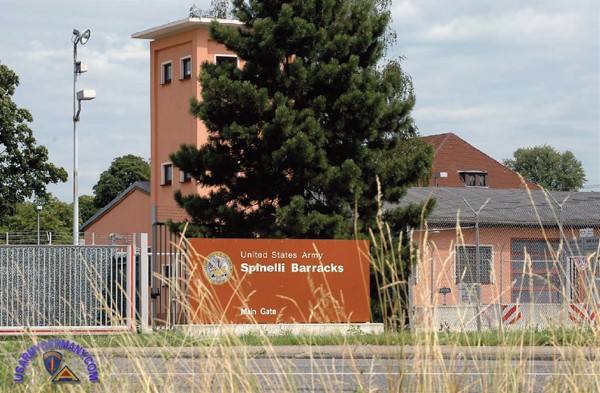
 1. (KB) |
 2. (KB) |
|||
|
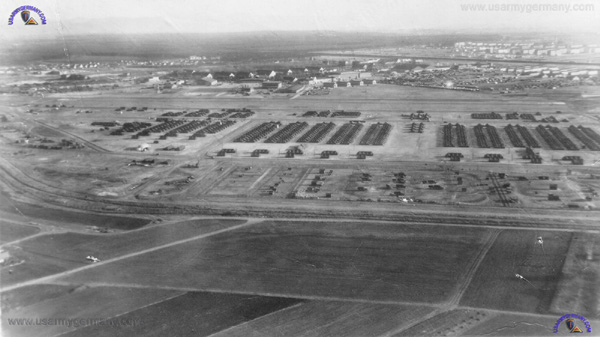 Tent City, Coleman Barracks, 1961 |
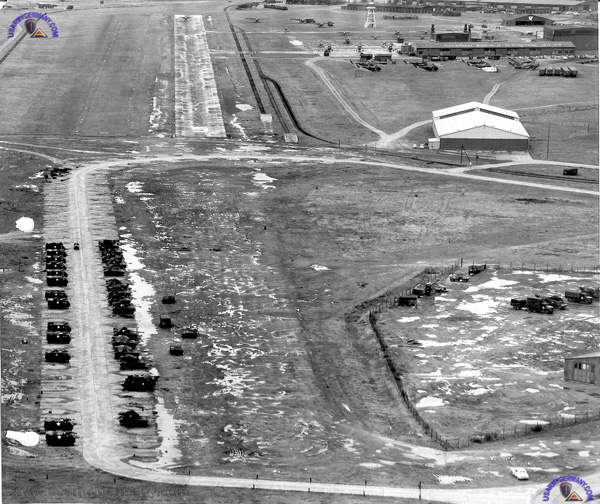 Army Airfield and track park, Coleman Barracks, prob mid-1950s (Alain Dailloux) |
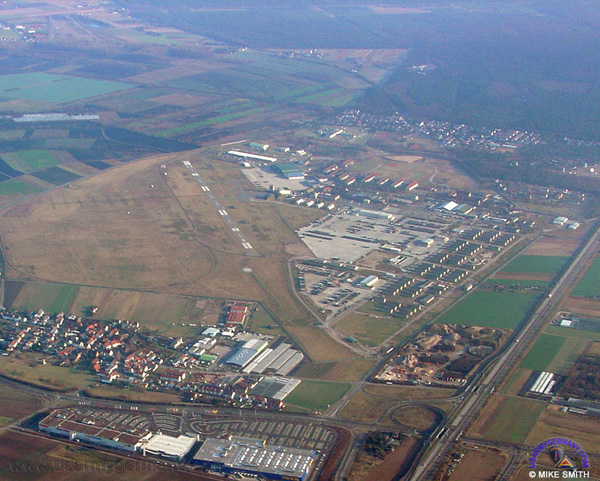 Coleman Barracks, Sandhofen, recent (Mike Smith) |
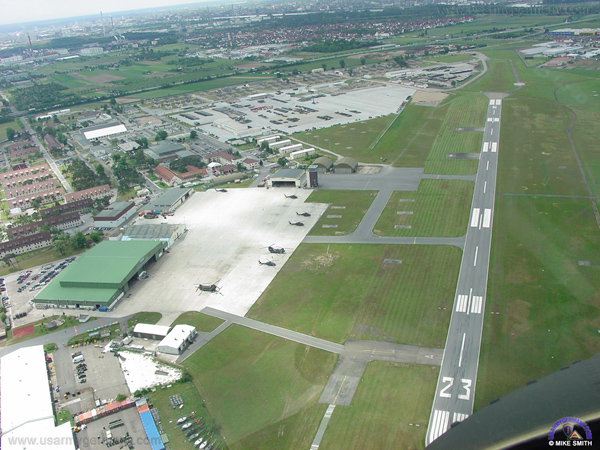 Coleman Barracks, Sandhofen, recent (Mike Smith) |
 1. Area behind Coleman tower |
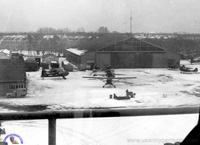 2. Area behind Coleman tower |
||
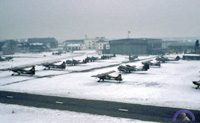 3. Area around Coleman tower |
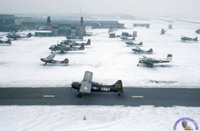 4. Area around Coleman tower |
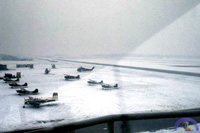 5. Area around Coleman tower |
|
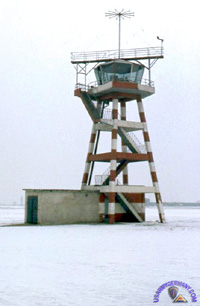 6. Coleman tower |
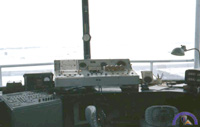 7. Inside the control tower |
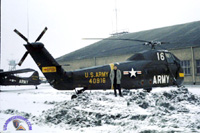 8. H-34 Choctaw |
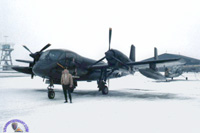 9. OV-1 Mohawk |
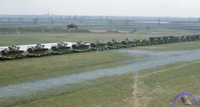 10. Returning from the field |
|||
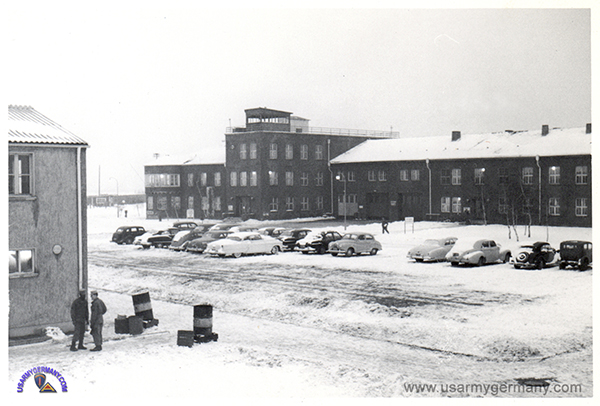 Base Operations and Fire Department, early 1950s (Michael Adel) |
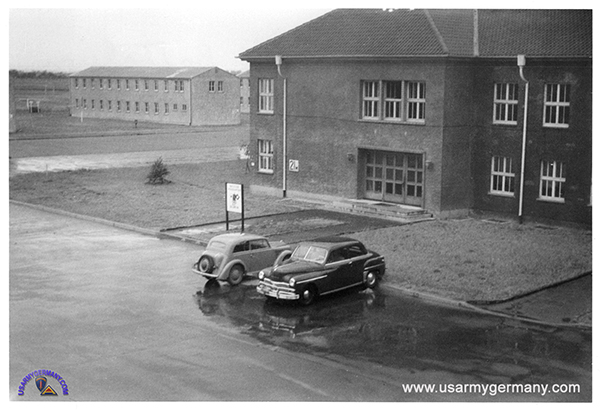 29th Sig Bn Hqs, early 1950s (Michael Adel) |
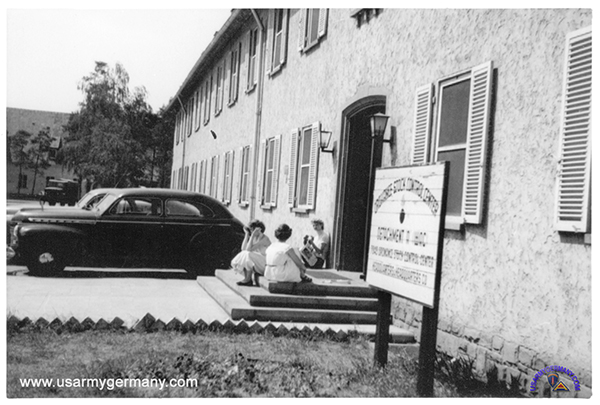 WAC barracks, Coleman Bks (Michael Adel) |
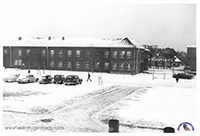 11. Bldg 21 |
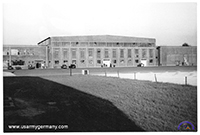 12. Bldg 25 |
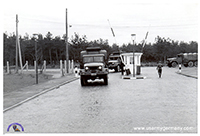 13. Gate to cantonment area |
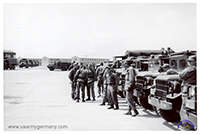 14. Arrival at Sandhofen |
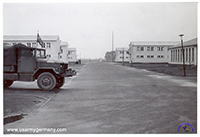 15. Cantonment area |
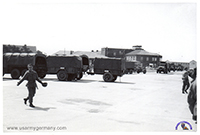 16. 29th Signal motor park |
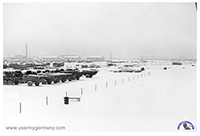 17. Winter at Sandhofen |
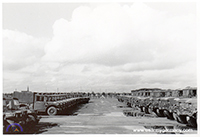 18. "C" Co motor pool |
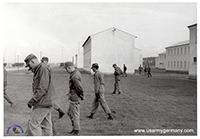 19. Morning clean up |
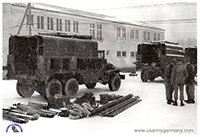 20. Loading up equipment |
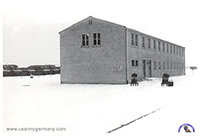 21. "C" Co barracks |
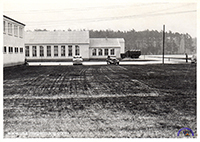 22. Mess hall |
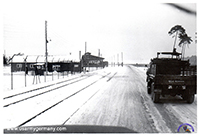 22. Unidentified area |
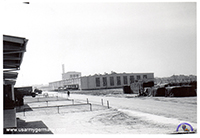 23. Now identified |
||
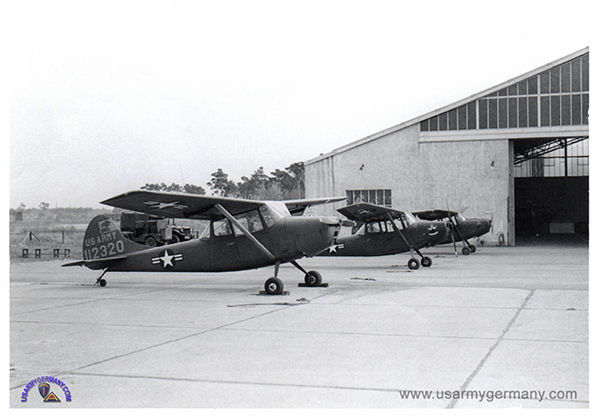 Hangar 4, Coleman Barracks, early 1950s (Michael Adel) |
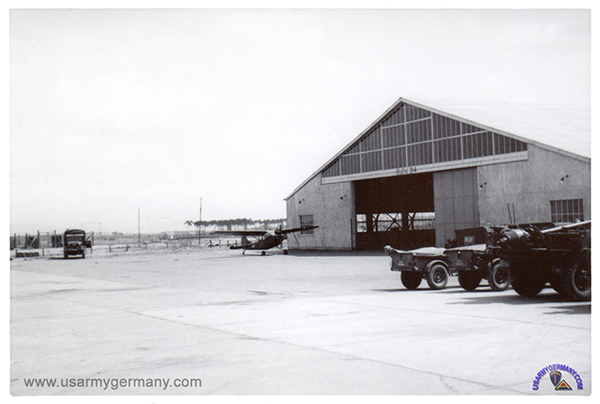 Hangar 4, Coleman Barracks, early 1950s (Michael Adel) |
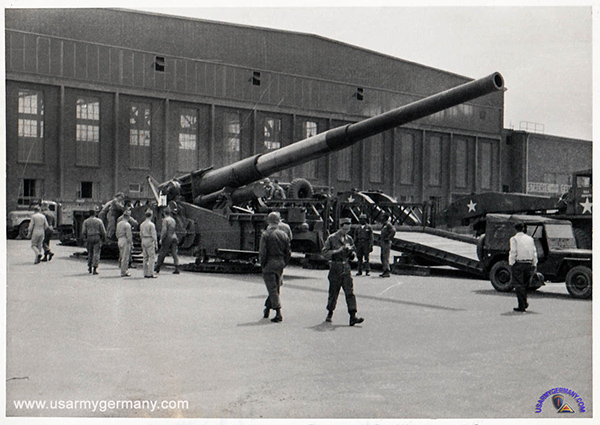 Weapons display at Coleman Barracks, around 1954 (Noel Little) |
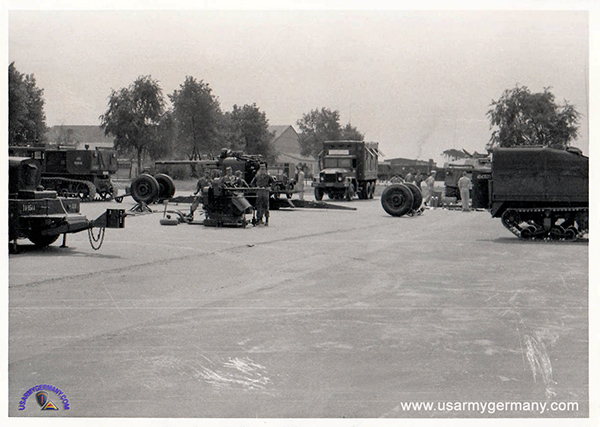 Weapons display at Coleman Barracks, around 1954 (Noel Little) |
|
See Jack Emanuelson's email for additional information |
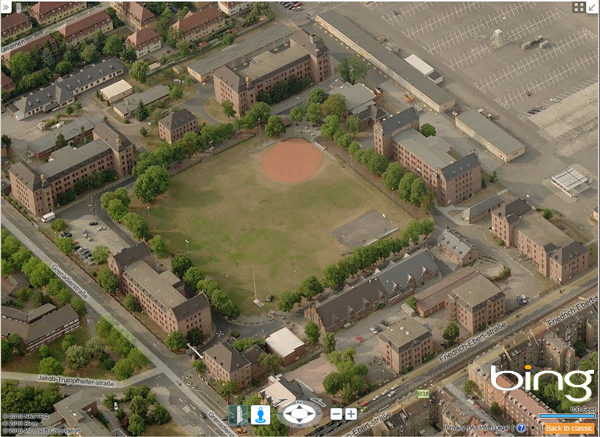
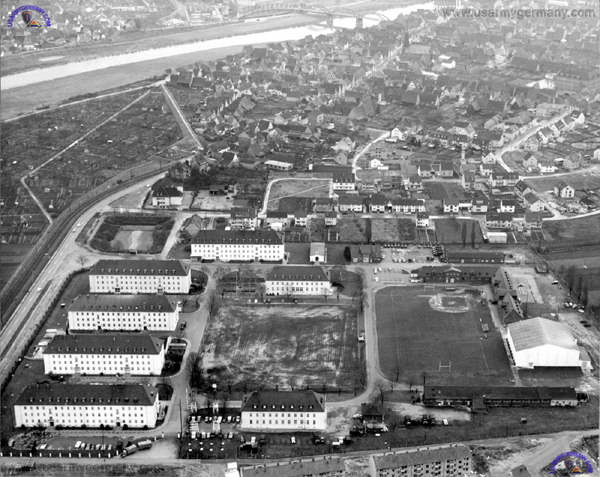 Hammonds Barracks, Seckenheim, c. 1961 (Leonard Mills) |
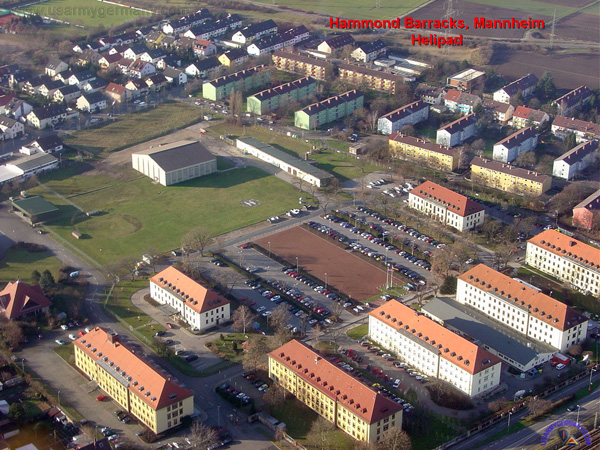 Hammonds Barracks, Seckenheim, recent (Mike Smith) |
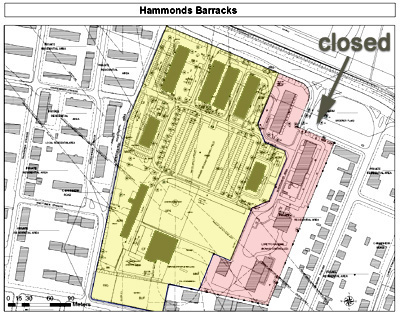 |
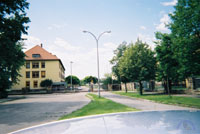 1. Old main gate, Hammonds Bks (KB) 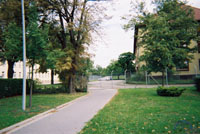 3. Part of the closed area (KB) |
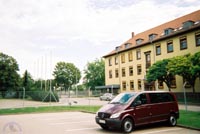 2. Main gate from inside the kaserne (KB) 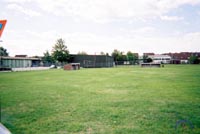 4. The old softball field (KB) |
|---|
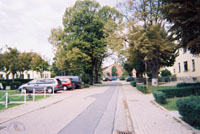 5. Company street (KB) |
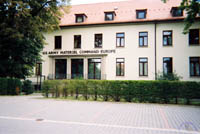 6. Former Hqs Area Command Bldg (KB) |
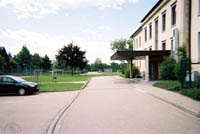 7. Back of former Hqs Area Command Bldg (KB) |
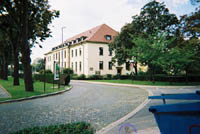 8. Former Service Club, Library, Cafeteria (KB) |
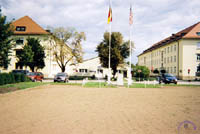 9. Flag pole; behind it the mess hall; Co B bldg to the left, Co A bldg to the right (KB) |
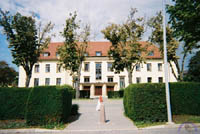 10. Front view of former Service Club (KB) |
||
|
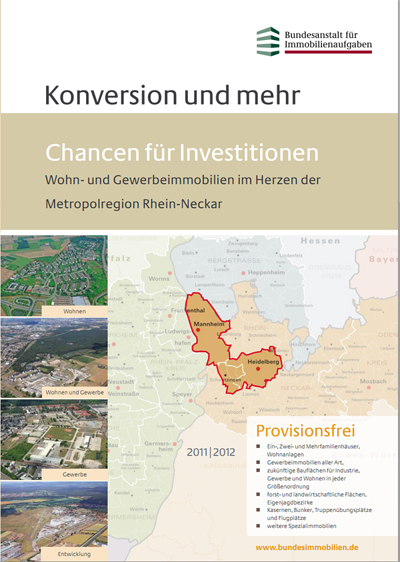
(Click on image to access the BImA brochure - 3.5 Mb PDF -
at bundesimmobilien.de)
The Bundesanstalt für Immobilienaufgaben (BImA) - the German Federal Agency for Real Estate - has issued a brochure - sorry, only in German - that presents the US military installations and other activities in the Mannheim and Heidelberg communities for sale as they are being vacated by the US military and returned to the German government. (Lots of current photos of US installations.) BImA is the German federal property management agency and is responsible for managing, selling or renting former NATO assets that have been returned to the German government as part of the various drawdowns and consolidations that started in the early 1990s. |
|
| (Source: Special publication No. 40 of the City Archives of Mannheim, Germany, 2013) |
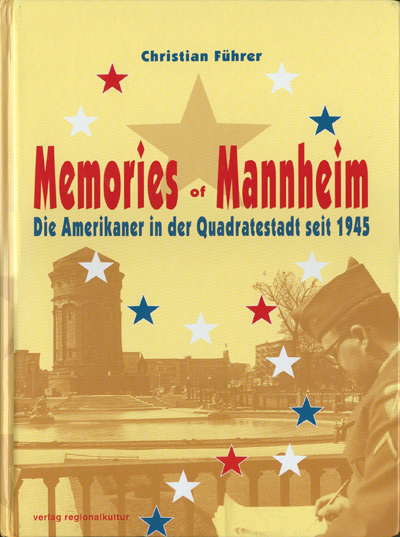 |
|
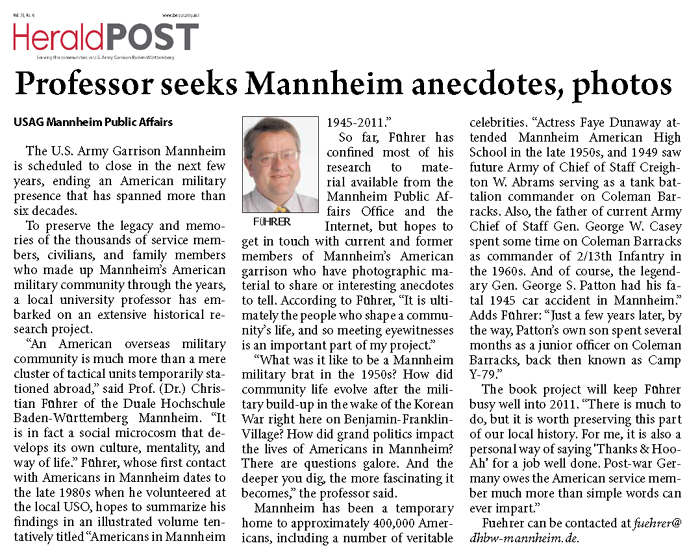
(Source: HERALD POST, Serving the communities of U.S. Army Garrison Baden-Würrtemberg, November 11, 2010: Vol. 36, No. 6 (online copy accessed Dec 12, 2010)) |
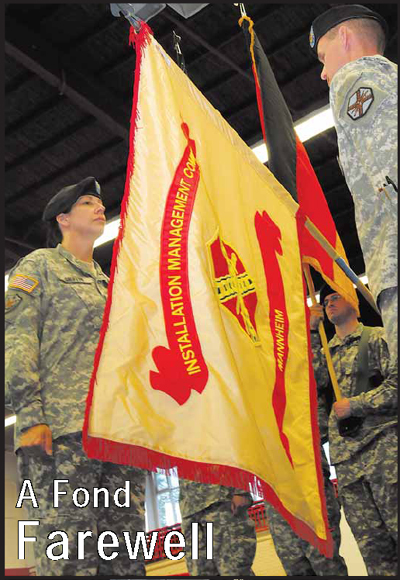
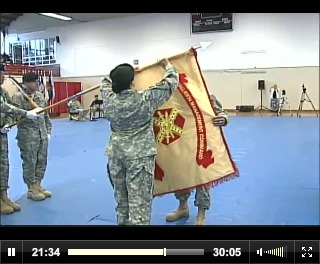
US Army Garrison Commander, Lt Col Elizabeth Ryan Griffin (left)
and Sgt Maj Timothy Magee stand at attention during the official
Mannheim deactivation ceremony, May 31, 2011 (Herald Post)
 Cover Cover |
|

Source: Heidelberg Herald-Post (Heidelberg MILCOM newspaper), September 5 1985
| Seckenheim joins Heidelberg Community Hammonds Barracks in Seckenheim becomes part of the Heidelberg Military Community Oct. 1. This is a return to the fold. Hammonds has come full circle. It was once the headquarters for a German infantry battalion. After World War II it was the headquarters of what was then called the Heidelberg Military Post. Today it houses a German Army headquarters, a U.S. Army command and several staff agencies. Completed in 1937 for the German Wehrmacht, the post was named Loretto Kaserne. The first unit to make its home in Loretto was the 2nd battalion of the 110th Infantry Regiment. Led by its band, the battalion marched through the barracks gates on Oct. 11, 1937, to take up garrison quarters in the brand-new casern; The 110th Infantry Regiment that moved into the then new billets had a history going back to 1852. The regiment was raised locally and had distinguished itself in fierce fighting on the Loretto heights in France during World War 1. The new casern was named in memory of this battle. The casern was built during the heyday of Hitler's remilitarization of Germany. The storm clouds of World War II were already looming on the horizon. Caserns constructed during this period, such as Hammonds and Patton, were constructed to stringent specifications. The basements and first floors of these buildings were built to withstand a hit from a 250-pound bomb. While the top floors were designed to absorb the blast, the first floor and basement were virtually bunkers with ceilings of reinforced concrete and iron. All these years later, the workmen who are installing district heating on Patton Barracks can be seen sweating and cussing as they try to get their jackhammers through these massive walls and ceilings. The 110th Regiment first fought in the May 1940 Blitzkrieg campaign in France. Then, as Hitler's ambitions turned to the east, it was transferred to the Russian front. In the autumn and early winter of 1941 it fought to within sight of the Kremlin spires. It was decimated in the process. By the end of the winter campaign of 1941 it had virtually ceased to exist as a fighting unit. Its survivors were transferred to the German 88th Infantry division. The 110th faded away. World War II ended for Seckenheim on Good Friday, 1945. Gen. George S. Patton's Third U.S. Army occupied the town. Lorreto Kaserne was renamed Hammonds Barracks in honor of PFC Robert M. Hammonds of the U.S. 100th Infantry Division, who was posthumously awarded the Silver Star. Hammonds Barracks became the headquarters for the Heidelberg Area Command and later, in 1961, for the Central Army Group. Centag left Hammonds to move to Campbell Barracks in Heidelberg a couple of years ago. Hammonds is now the home of the Army Materiel Command, Europe. History has come full circle for part of the casern. Part of it was returned to the German Army after the Central Army Group moved to Heidelberg. The Headquarters of the Southern Territorial Command moved into refurbished barracks and renamed them Loretto Kaserne. Today Hammonds Barracks and Loretto Kaserne stand side by side on the banks of the Neckar on the western fringe of Seckenheim. Seckenheim is a busy, prosperous suburb of Mannheim, connected to Heidelberg by the OEG street car, autobahn and the B37 highway along the Neckar. "Where there's muck there's money," goes an old folksaying, and nothing could be truer for Seckenheim, whose town symbol is the "honey-wagon," or manure cart. In the years before phosphates and artificial fertilizers, the canny farmers of Seckenheim lived off the sewage they collected from Heidelberg, Mannheim and Schwetzingen. The Seckenheim honey wagons would roll along the Neckar River, on what is now the B37, collecting the slops from the houses and palaces of their "big city" cousins. The Seckenheimers used this human manure as fertilizer for their fields, where a variety of root and grain crops were grown. The town's mascot and good luck symbol is the spigot ("Puhlzabbe" in Seckenheim dialect) on the back of the honey wagon; it controlled the flow of the liquid dung. Although the advent of the flush toilet brought an end to this trade, even today the unpleasant smell of pig manure hangs heavy over the fields around Seckenheim before the spring planting. This cultural heritage has given Seckenheimers a distinctive outlook on life: earthy, honest, and humorous. Although this is the part of their history of which Seckenheimers are most proud, they enjoy a past similar to other towns of this region. After successive Celtic and Roman settlements on the bank of the river a tribe called the "Neckarschwaben" settled the area. Their chief, called Sicco, gave his name to the village: Sicco-Heim (home of Sicco). Local historians have tracked Roman records that indicate that Roman legions fought a battle here about A.D. 350 and called that battle "Sequanheim." Although ravaged by the various wars that raged over this area through the centuries, the Seckenheimers more often had to contend with the Neckar river which had a sudden and capricious tendency to flood. It wasn't until an embankment was built in the 1800s that this danger was eliminated. A wealthy noble built Seckenheim's baroque church and Rathaus in the mid 1700s when the court flourished in Mannheim. Viewed from the north bank of the river, Seckenheim still has an extremely picturesque waterfront. The town celebrates its fests and has its own racetrack (just behind the Autobahn Kaserne). The track sees at least three race meetings a year, the best being the spring farmers' races. These are informal affairs with no starting gates, just a flag, and races for all ages and sizes horses and humans. They capture the earthy, lively spirit of people who maintain a healthy contact with their peasant roots. To one side of the bustling main street, near the bridge over the Neckar, stands a fountain. At first glance it looks like a water barrel, or maybe a winecart, but on closer inspection it reveals itself to be the symbol that the Seckenheimers have chosen for their town: the honey wagon with its "puhlzabbe." |
Source: Welcome Pamphlet, HQ 7th Sig Bde, early 1980s
| Coleman Barracks,
formerly Fliegerhorst (flyer's nest) Kaserne, was built during 1938
as an airfield for both fighters and bombers. At the beginning of
the war, the (Luftwaffe) fighter squadron "Pike-As," commanded by
Hans Moelder, was stationed here. Moelder was one of Germany's top
air aces, having shot down over 300 planes, mostly Russian. The naming of Coleman Barracks is exceptional in that it is the only Barracks in the Heidelberg area other than Patton to be named after an officer. Its name commemorates Lieutenant Colonel Wilson D. Coleman, who was posthumously awarded the Distinguished Service Cross for single-handedly halting an enemy column. The US Army requisitioned Coleman Barracks in the fall of 1945. Until mid-1949 the area was used as a quartermaster collecting point for the unserviceable automobile material and for surplus storage. In the fall of 1949, the 7849th Ordnance Automotive Center was activated at Coleman Barracks. This organization was redesignated as the Ordnance Procurement Center with liaison offices in all the principal cities of Europe. In 1951, a Replacement Depot was established at Coleman Barracks and served as the staging area for all troops arriving in Germany. From 1951 to 1962, Coleman Barracks has housed such notable organizations as elements of the 2d Armored Division, 13th Infantry Regiment and 1st Battle Group, 18th Infantry. During the Berlin crisis of 1961, the latter unit, commanded by Colonel Glover S. Johns, was the first unit moved to reinforce the Berlin Garrison. Coleman Barracks is the largest Barracks in the Heidelberg area, presently housing such major combat and combat support units as the Headquarters of the 3d Brigade, 8th Infantry Division; 7th Signal Brigade; and the USAREUR Confinement Facility. The Coleman Army Airfield has more take-offs and landings than any other Army airfield in Germany. |
(Source: Email from Joe Wilson, 761st Tank Bn, WWII)
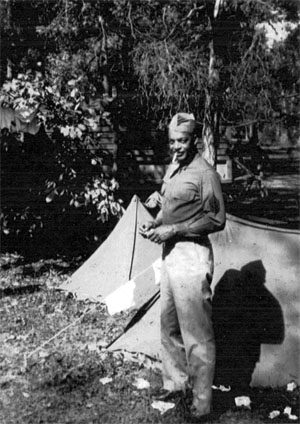 First Sergeant Samuel J. Turley |
|
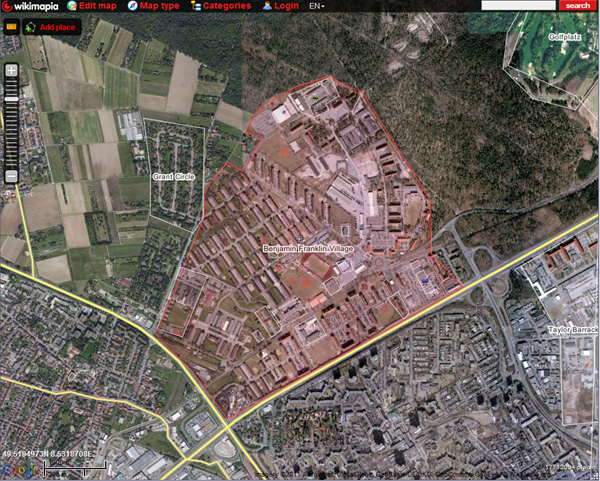 Benjamin Franklin Village dependent housing in Mannheim (Wikimapia) |
||||
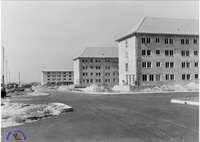
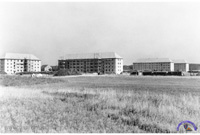
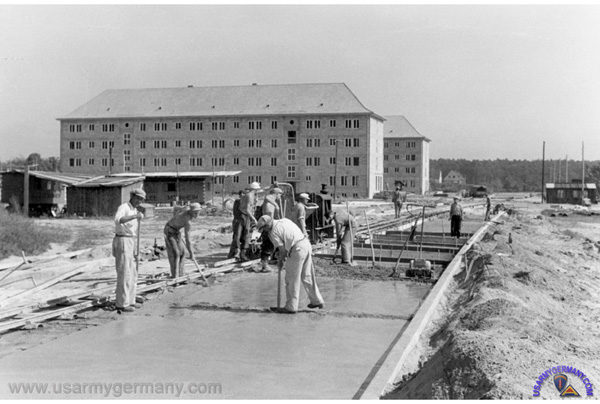 Construction of BFV began in 1951 (Christian Führer) |
||||
| (Source: Email from Christian Führer) | ||||
| The three photos show the beginnings of BFV during the early 1950s. Construction began along Birkenauer Straße in 1951 and ended near today's Elementary School in 1957. (Grant Circle area for officers was also completed in 1956/1957). (Webmaster note: I have reason to believe that the Grant Circle housing project was part of the "German Alternate Housing program" mentioned in the S&S article below. Can anyone confirm this?) |
||||
|
||||
| Family Housing, Mannheim (Source: STARS & STRIPES, Sep 28, 1954) |
||||
| Nearly 3,700 new apartment units are under construction or planned in the Mannheim-Heidelberg-Karlsruhe area under the American construction and German Alternate Housing programs. By November 19, the first four phases of the Army program, totaling 1,494 units, will be completed in the three new Amercian communities --  Paul Revere Village in KarlsruheBen Franklin Village in MannheimPatrick Henry Village in Heidelberg Paul Revere Village in KarlsruheBen Franklin Village in MannheimPatrick Henry Village in HeidelbergThe German Alternate Housing program will add 396 units. The Army has recently broken ground for four additional phases of construction that will eventually add 1,808 units. Plans include 23 BOQ buildings, with an estaimated completion date of March 1955. |
||||
|
Related
Links: |
 |
Closed US Army Installations in Mannheim and Heidelberg  - Gert Scheuermann has created a website that attempts to keep the memories of the installations that have closed in the Mannheim and Heidelberg communities. - Gert Scheuermann has created a website that attempts to keep the memories of the installations that have closed in the Mannheim and Heidelberg communities. |
||
|---|---|---|---|
 |
Fliegerhorst Sandhofen and Coleman Army Airfield - Dirk Schulz hosts this web site dedicated to the history of the airfield at Mannheim-Sandhofen that was used by the German Luftwaffe in WWII and became a major US Army Airfield in the post-war years. | ||