| If you do
NOT see the Table of Contents frame to the left of this page, then
Click here to open 'USArmyGermany' frameset |
|||||||||||||||||||||||||||||||||||||||||||||||||||||||||||||||||||||||||||||||||||||||||||||||||||||||||||||||||||||||||||||||||||||||||||||||||||||||||||||||||||||||||||||||||||||||||||||||||||||||||||||||||||||||||||||||||||||||||||||||||||||||||||||||||||||||||||||||||||||||||||||||||||||||||||||||||||||||||
|
21st
Support Command |
|||||||||||||||||||||||||||||||||||||||||||||||||||||||||||||||||||||||||||||||||||||||||||||||||||||||||||||||||||||||||||||||||||||||||||||||||||||||||||||||||||||||||||||||||||||||||||||||||||||||||||||||||||||||||||||||||||||||||||||||||||||||||||||||||||||||||||||||||||||||||||||||||||||||||||||||||||||||||
|
|
|||||||||||||||||||||||||||||||||||||||||||||||||||||||||||||||||||||||||||||||||||||||||||||||||||||||||||||||||||||||||||||||||||||||||||||||||||||||||||||||||||||||||||||||||||||||||||||||||||||||||||||||||||||||||||||||||||||||||||||||||||||||||||||||||||||||||||||||||||||||||||||||||||||||||||||||||||||||||
|
|||||||||||||||||||||||||||||||||||||||||||||||||||||||||||||||||||||||||||||||||||||||||||||||||||||||||||||||||||||||||||||||||||||||||||||||||||||||||||||||||||||||||||||||||||||||||||||||||||||||||||||||||||||||||||||||||||||||||||||||||||||||||||||||||||||||||||||||||||||||||||||||||||||||||||||||||||||||||
|
|
|||||||||||||||||||||||||||||||||||||||||||||||||||||||||||||||||||||||||||||||||||||||||||||||||||||||||||||||||||||||||||||||||||||||||||||||||||||||||||||||||||||||||||||||||||||||||||||||||||||||||||||||||||||||||||||||||||||||||||||||||||||||||||||||||||||||||||||||||||||||||||||||||||||||||||||||||||||||||
| History | |||||||||||||||||||||||||||||||||||||||||||||||||||||||||||||||||||||||||||||||||||||||||||||||||||||||||||||||||||||||||||||||||||||||||||||||||||||||||||||||||||||||||||||||||||||||||||||||||||||||||||||||||||||||||||||||||||||||||||||||||||||||||||||||||||||||||||||||||||||||||||||||||||||||||||||||||||||||||
 |
|||||||||||||||||||||||||||||||||||||||||||||||||||||||||||||||||||||||||||||||||||||||||||||||||||||||||||||||||||||||||||||||||||||||||||||||||||||||||||||||||||||||||||||||||||||||||||||||||||||||||||||||||||||||||||||||||||||||||||||||||||||||||||||||||||||||||||||||||||||||||||||||||||||||||||||||||||||||||
 Timeline from 1951 to 2011 |
|||||||||||||||||||||||||||||||||||||||||||||||||||||||||||||||||||||||||||||||||||||||||||||||||||||||||||||||||||||||||||||||||||||||||||||||||||||||||||||||||||||||||||||||||||||||||||||||||||||||||||||||||||||||||||||||||||||||||||||||||||||||||||||||||||||||||||||||||||||||||||||||||||||||||||||||||||||||||
| (Source: 21st Theater Sustainment Command website, accessed July 29, 2013) | |||||||||||||||||||||||||||||||||||||||||||||||||||||||||||||||||||||||||||||||||||||||||||||||||||||||||||||||||||||||||||||||||||||||||||||||||||||||||||||||||||||||||||||||||||||||||||||||||||||||||||||||||||||||||||||||||||||||||||||||||||||||||||||||||||||||||||||||||||||||||||||||||||||||||||||||||||||||||
| The above issue (Vol 2, 2011) of the MILLRINDER MAGAZINE, is a special issue of the 21st Theater Sustainment Command's publication that features articles on the evolution of the 21st TSC from its roots as the Communications Zone, Europe to its present configuration (2011) and ties the command's 60 year history to many significant milestones in USAREUR & US history. usarmygermany.com presents two of the main articles that cover the periods 1951 through 1989 as well as a timeline from 1951 to 2011. To review the entire issue which includes additional articles on the 21st TSC history post-Cold War, click here (the original PDF file is very large - 28 Mb and will take some time to load). |
|||||||||||||||||||||||||||||||||||||||||||||||||||||||||||||||||||||||||||||||||||||||||||||||||||||||||||||||||||||||||||||||||||||||||||||||||||||||||||||||||||||||||||||||||||||||||||||||||||||||||||||||||||||||||||||||||||||||||||||||||||||||||||||||||||||||||||||||||||||||||||||||||||||||||||||||||||||||||
| (Source: 21st Theater Sustainment Command website, accessed April 3, 2012) | |||||||||||||||||||||||||||||||||||||||||||||||||||||||||||||||||||||||||||||||||||||||||||||||||||||||||||||||||||||||||||||||||||||||||||||||||||||||||||||||||||||||||||||||||||||||||||||||||||||||||||||||||||||||||||||||||||||||||||||||||||||||||||||||||||||||||||||||||||||||||||||||||||||||||||||||||||||||||
Inheriting a distinguished tradition of combat service support, the lineage and honors of 21st Theater Army Area Command began in 1965 with the activation of the 1st Support Brigade |
|||||||||||||||||||||||||||||||||||||||||||||||||||||||||||||||||||||||||||||||||||||||||||||||||||||||||||||||||||||||||||||||||||||||||||||||||||||||||||||||||||||||||||||||||||||||||||||||||||||||||||||||||||||||||||||||||||||||||||||||||||||||||||||||||||||||||||||||||||||||||||||||||||||||||||||||||||||||||
| 1965 - 1969 | |||||||||||||||||||||||||||||||||||||||||||||||||||||||||||||||||||||||||||||||||||||||||||||||||||||||||||||||||||||||||||||||||||||||||||||||||||||||||||||||||||||||||||||||||||||||||||||||||||||||||||||||||||||||||||||||||||||||||||||||||||||||||||||||||||||||||||||||||||||||||||||||||||||||||||||||||||||||||
1st Support Brigade (1st Spt Bde) |
|||||||||||||||||||||||||||||||||||||||||||||||||||||||||||||||||||||||||||||||||||||||||||||||||||||||||||||||||||||||||||||||||||||||||||||||||||||||||||||||||||||||||||||||||||||||||||||||||||||||||||||||||||||||||||||||||||||||||||||||||||||||||||||||||||||||||||||||||||||||||||||||||||||||||||||||||||||||||
23 June 1965 to August 18, 1976Mission: The initial mission of the 1st Support Brigade was to provide a variety of support services within theater, primarily in the rear areas, that were not provided directly through the staff of USAREUR, or TASCOM (the 1st Support Brigade would later fall under TSCOM, but initially was a separate element). At this time, the three major Corps operating in theater also had significant Support Commands within their own structures. Background: The 1st Support Brigade was activated basically to pick up where other theater support units left off. Early the brigade's history, USAREUR conducted a significant restructuring that left no major subordinate logistical command and this place a significant burden of support on the brigade, which soon was upgraded to a command. The brigade's first home was Taylor Barracks, Mannheim, Germany. In 1974, TASCOM was merged with Headquarters, United States Army, Europe, and the missions of 1st Support Brigade were expanded to include base operations support for eight military communities as well as the management of regional area support. The brigade was upgraded to a general officer command, and the headquarters moved to Panzer Kaserne, Kaiserslautern, Germany. How it is different: As a brigade it was not a major subordinate command. It's capabilities of providing support within its structure did not match that of the preceding organizations of the COMZEUR and the TASCOM, and ultimately USAREUR upgraded the unit to something that much more closely matched the structure of the TASCOM. |
|||||||||||||||||||||||||||||||||||||||||||||||||||||||||||||||||||||||||||||||||||||||||||||||||||||||||||||||||||||||||||||||||||||||||||||||||||||||||||||||||||||||||||||||||||||||||||||||||||||||||||||||||||||||||||||||||||||||||||||||||||||||||||||||||||||||||||||||||||||||||||||||||||||||||||||||||||||||||
| 1969 - 1988 | |||||||||||||||||||||||||||||||||||||||||||||||||||||||||||||||||||||||||||||||||||||||||||||||||||||||||||||||||||||||||||||||||||||||||||||||||||||||||||||||||||||||||||||||||||||||||||||||||||||||||||||||||||||||||||||||||||||||||||||||||||||||||||||||||||||||||||||||||||||||||||||||||||||||||||||||||||||||||
21st Support Command (21st SUPCOM)
|
|||||||||||||||||||||||||||||||||||||||||||||||||||||||||||||||||||||||||||||||||||||||||||||||||||||||||||||||||||||||||||||||||||||||||||||||||||||||||||||||||||||||||||||||||||||||||||||||||||||||||||||||||||||||||||||||||||||||||||||||||||||||||||||||||||||||||||||||||||||||||||||||||||||||||||||||||||||||||
|
|
|||||||||||||||||||||||||||||||||||||||||||||||||||||||||||||||||||||||||||||||||||||||||||||||||||||||||||||||||||||||||||||||||||||||||||||||||||||||||||||||||||||||||||||||||||||||||||||||||||||||||||||||||||||||||||||||||||||||||||||||||||||||||||||||||||||||||||||||||||||||||||||||||||||||||||||||||||||||||
| 1988 - 2000 | |||||||||||||||||||||||||||||||||||||||||||||||||||||||||||||||||||||||||||||||||||||||||||||||||||||||||||||||||||||||||||||||||||||||||||||||||||||||||||||||||||||||||||||||||||||||||||||||||||||||||||||||||||||||||||||||||||||||||||||||||||||||||||||||||||||||||||||||||||||||||||||||||||||||||||||||||||||||||
21st Theater Army Area Command (21st TAACOM)
|
|||||||||||||||||||||||||||||||||||||||||||||||||||||||||||||||||||||||||||||||||||||||||||||||||||||||||||||||||||||||||||||||||||||||||||||||||||||||||||||||||||||||||||||||||||||||||||||||||||||||||||||||||||||||||||||||||||||||||||||||||||||||||||||||||||||||||||||||||||||||||||||||||||||||||||||||||||||||||
|
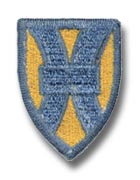
The shoulder sleeve insignia was originally approved on 11 Feb 1966 for the 1st Support Brigade. On 15 Oct 1976 it was redesignated for the 21st Support Command.
|
|||||||||||||||||||||||||||||||||||||||||||||||||||||||||||||||||||||||||||||||||||||||||||||||||||||||||||||||||||||||||||||||||||||||||||||||||||||||||||||||||||||||||||||||||||||||||||||||||||||||||||||||||||||||||||||||||||||||||||||||||||||||||||||||||||||||||||||||||||||||||||||||||||||||||||||||||||||||||
 |
|||||||||||||||||||||||||||||||||||||||||||||||||||||||||||||||||||||||||||||||||||||||||||||||||||||||||||||||||||||||||||||||||||||||||||||||||||||||||||||||||||||||||||||||||||||||||||||||||||||||||||||||||||||||||||||||||||||||||||||||||||||||||||||||||||||||||||||||||||||||||||||||||||||||||||||||||||||||||
|
|
|||||||||||||||||||||||||||||||||||||||||||||||||||||||||||||||||||||||||||||||||||||||||||||||||||||||||||||||||||||||||||||||||||||||||||||||||||||||||||||||||||||||||||||||||||||||||||||||||||||||||||||||||||||||||||||||||||||||||||||||||||||||||||||||||||||||||||||||||||||||||||||||||||||||||||||||||||||||||
|
|
|||||||||||||||||||||||||||||||||||||||||||||||||||||||||||||||||||||||||||||||||||||||||||||||||||||||||||||||||||||||||||||||||||||||||||||||||||||||||||||||||||||||||||||||||||||||||||||||||||||||||||||||||||||||||||||||||||||||||||||||||||||||||||||||||||||||||||||||||||||||||||||||||||||||||||||||||||||||||
| Annual History, 1st Support Brigade, 1974 | |||||||||||||||||||||||||||||||||||||||||||||||||||||||||||||||||||||||||||||||||||||||||||||||||||||||||||||||||||||||||||||||||||||||||||||||||||||||||||||||||||||||||||||||||||||||||||||||||||||||||||||||||||||||||||||||||||||||||||||||||||||||||||||||||||||||||||||||||||||||||||||||||||||||||||||||||||||||||
|
|
|||||||||||||||||||||||||||||||||||||||||||||||||||||||||||||||||||||||||||||||||||||||||||||||||||||||||||||||||||||||||||||||||||||||||||||||||||||||||||||||||||||||||||||||||||||||||||||||||||||||||||||||||||||||||||||||||||||||||||||||||||||||||||||||||||||||||||||||||||||||||||||||||||||||||||||||||||||||||
| (Source: Annual Supplement to the Unit History of the 1st Support Brigade, 1974) | |||||||||||||||||||||||||||||||||||||||||||||||||||||||||||||||||||||||||||||||||||||||||||||||||||||||||||||||||||||||||||||||||||||||||||||||||||||||||||||||||||||||||||||||||||||||||||||||||||||||||||||||||||||||||||||||||||||||||||||||||||||||||||||||||||||||||||||||||||||||||||||||||||||||||||||||||||||||||
| 1.
Introduction The Headquarters and Headquarters Company, 1st Support Brigade was activated on 23 June 1965, as a subordinate maintenance support headquarters under the Seventh Army Support Command. The Seventh Army Support Command was an organization reactivated during the summer of 1965 as part of the program to realign the Seventh Army logistic structure in accordance with the new COSTAR concept of operations. This concept of operations centralized the control of all field Army non-divisional combat service support resources. The 1st Support Brigade was one of the support brigades so designated under the Seventh Army Support Command. The newly formed Brigade Headquarters was organized around the nucleus of the headquarters of the recently inactivated 521st Engineer Group. The Headquarters was established at Taylor Barracks, Mannheim-Kafertal, Germany. The activation and reorganization of the subordinate units of the Brigade occurred during the period 25 May 1965 through 21 December 1965. Upon reorganization, the Brigade had operational and administrative control of the following units: 51st Maintenance Battalion (DS), 56th Supply & Service Battalion (DS), 66th Maintenance Battalion (DS), 81st Maintenance Battalion (GS), 97th Quartermaster Battalion (PETR), 115th Supply & Service Battalion (GS) and the 205th Transportation Battalion. As a result of the Command Control Logistic Study - 1970 (CCLS-70) the Seventh Army Support Command was dissolved with two support commands, one assigned to V Corps and VII Corps respectively. The 1st Support Brigade was reassigned as a major subordinate headquarters under the United States Theater Army Support Command (TASCOM). On 25 June 1970, there was a further reorganization and realignment of the supply and maintenance functions within the Brigade to better adapt to the configuration of the new TASCOM area of support responsibility. Due to this change, a number of Brigade missions were realigned within the TASCOM configuration and the 97th Quartermaster, 115th Supply & Services and the 205th Transportation Battalions were released from the Brigade. Based on a feasibility study prepared by a committee from HQ, USTASCOMEUR and 1st Support Brigade, the Commanding General, USTASCOMEUR, approved a reorganization of all aviation assets within USTASCOMEUR. Under this reorganization, the Army Aircraft GS/DS Maintenance Support Mission was assigned to the 1st Support Brigade and the US Army Aviation Maintenance Center (USAAMAC) was redesignated as the US Army Aviation Systems Support Center (USAASSC} (PROV) and assigned to the Brigade as a result of Project Fender. Upon completion of Project Fender in December 1973 major subordinate units of the Brigade included the US Army Aviation Systems Support Center, the 51st Maintenance Battalion, 66th Maintenance Battalion and 81st Maintenance Battalion. The 1st Support Brigade was the focal point of several important events in 1974. The Brigade was reorganized under Project CHASE (Consolidation of Headquarters and Area Support Elements) moved its headquarters from Mannheim to Kaiserslautern and participated as a control headquarters for Exercise REFORGER 74. 2. Organization and Administration.  A. Organization
(1)
Having been reorganized in December 1973 under Project Fender the
Brigade underwent another reorganization on 1 July 1974 under Project
CHASE. Under Project CHASE, area and support functions formerly performed
by TASCOM and ENGCOM were transferred to the communities under the
regional management of the two corps and the 1st Support Brigade.
The resulting organization of the 1st Support Brigade provided for
a dual function headquarters: Combat Service Support (DS/GS Maintenance
and POMCUS Stocks) and Area Support (Community Activities). The 1st
Support Brigade area encompassed most of the former Rheinland-Pfalz
Support and Engineer Districts, Norddeutschland Support District and
residual activities not within the corps Support Regions. (2)
The 1st Support Brigade reorganization was effected under:(a)
MTOE 54-22G, USAREUR GO 2063, dated 3 April 1974. (b)
AUG TDA ELWCOG99, USAREUR GO 5225, dated 3 April 1974. (3)
The following units remained assigned to 1st Support Brigade: 51st
Maintenance Battalion, 66th Maintenance Battalion, 81st Maintenance
Battalion and USAASSC. (4)
The following units were assigned to Headquarters, 1st Support Brigade: A. Organization
(1)
Having been reorganized in December 1973 under Project Fender the
Brigade underwent another reorganization on 1 July 1974 under Project
CHASE. Under Project CHASE, area and support functions formerly performed
by TASCOM and ENGCOM were transferred to the communities under the
regional management of the two corps and the 1st Support Brigade.
The resulting organization of the 1st Support Brigade provided for
a dual function headquarters: Combat Service Support (DS/GS Maintenance
and POMCUS Stocks) and Area Support (Community Activities). The 1st
Support Brigade area encompassed most of the former Rheinland-Pfalz
Support and Engineer Districts, Norddeutschland Support District and
residual activities not within the corps Support Regions. (2)
The 1st Support Brigade reorganization was effected under:(a)
MTOE 54-22G, USAREUR GO 2063, dated 3 April 1974. (b)
AUG TDA ELWCOG99, USAREUR GO 5225, dated 3 April 1974. (3)
The following units remained assigned to 1st Support Brigade: 51st
Maintenance Battalion, 66th Maintenance Battalion, 81st Maintenance
Battalion and USAASSC. (4)
The following units were assigned to Headquarters, 1st Support Brigade:
|
|||||||||||||||||||||||||||||||||||||||||||||||||||||||||||||||||||||||||||||||||||||||||||||||||||||||||||||||||||||||||||||||||||||||||||||||||||||||||||||||||||||||||||||||||||||||||||||||||||||||||||||||||||||||||||||||||||||||||||||||||||||||||||||||||||||||||||||||||||||||||||||||||||||||||||||||||||||||||
|
|||||||||||||||||||||||||||||||||||||||||||||||||||||||||||||||||||||||||||||||||||||||||||||||||||||||||||||||||||||||||||||||||||||||||||||||||||||||||||||||||||||||||||||||||||||||||||||||||||||||||||||||||||||||||||||||||||||||||||||||||||||||||||||||||||||||||||||||||||||||||||||||||||||||||||||||||||||||||
|
The USA Energy Center, Europe was placed under USAREUR for operational
control.
(5)
The following were attached to Headquarters, 1st Support Brigade:
|
|||||||||||||||||||||||||||||||||||||||||||||||||||||||||||||||||||||||||||||||||||||||||||||||||||||||||||||||||||||||||||||||||||||||||||||||||||||||||||||||||||||||||||||||||||||||||||||||||||||||||||||||||||||||||||||||||||||||||||||||||||||||||||||||||||||||||||||||||||||||||||||||||||||||||||||||||||||||||
|
|||||||||||||||||||||||||||||||||||||||||||||||||||||||||||||||||||||||||||||||||||||||||||||||||||||||||||||||||||||||||||||||||||||||||||||||||||||||||||||||||||||||||||||||||||||||||||||||||||||||||||||||||||||||||||||||||||||||||||||||||||||||||||||||||||||||||||||||||||||||||||||||||||||||||||||||||||||||||
|
(6)
The following community activities were established and assigned
to 1st Support Brigade effective 1 July 1974: |
|||||||||||||||||||||||||||||||||||||||||||||||||||||||||||||||||||||||||||||||||||||||||||||||||||||||||||||||||||||||||||||||||||||||||||||||||||||||||||||||||||||||||||||||||||||||||||||||||||||||||||||||||||||||||||||||||||||||||||||||||||||||||||||||||||||||||||||||||||||||||||||||||||||||||||||||||||||||||
|
|||||||||||||||||||||||||||||||||||||||||||||||||||||||||||||||||||||||||||||||||||||||||||||||||||||||||||||||||||||||||||||||||||||||||||||||||||||||||||||||||||||||||||||||||||||||||||||||||||||||||||||||||||||||||||||||||||||||||||||||||||||||||||||||||||||||||||||||||||||||||||||||||||||||||||||||||||||||||
|
(7)
The following units were transferred to other USAREUR major commands: |
|||||||||||||||||||||||||||||||||||||||||||||||||||||||||||||||||||||||||||||||||||||||||||||||||||||||||||||||||||||||||||||||||||||||||||||||||||||||||||||||||||||||||||||||||||||||||||||||||||||||||||||||||||||||||||||||||||||||||||||||||||||||||||||||||||||||||||||||||||||||||||||||||||||||||||||||||||||||||
|
|||||||||||||||||||||||||||||||||||||||||||||||||||||||||||||||||||||||||||||||||||||||||||||||||||||||||||||||||||||||||||||||||||||||||||||||||||||||||||||||||||||||||||||||||||||||||||||||||||||||||||||||||||||||||||||||||||||||||||||||||||||||||||||||||||||||||||||||||||||||||||||||||||||||||||||||||||||||||
|
(8)
The configuration of commands within the 1st Support Brigade as
of 1 July 1975 was as follows: |
|||||||||||||||||||||||||||||||||||||||||||||||||||||||||||||||||||||||||||||||||||||||||||||||||||||||||||||||||||||||||||||||||||||||||||||||||||||||||||||||||||||||||||||||||||||||||||||||||||||||||||||||||||||||||||||||||||||||||||||||||||||||||||||||||||||||||||||||||||||||||||||||||||||||||||||||||||||||||
 |
|||||||||||||||||||||||||||||||||||||||||||||||||||||||||||||||||||||||||||||||||||||||||||||||||||||||||||||||||||||||||||||||||||||||||||||||||||||||||||||||||||||||||||||||||||||||||||||||||||||||||||||||||||||||||||||||||||||||||||||||||||||||||||||||||||||||||||||||||||||||||||||||||||||||||||||||||||||||||
|
(9)
The Headquarters 1st Support Brigade was organized with the following
command and staff sections: |
|||||||||||||||||||||||||||||||||||||||||||||||||||||||||||||||||||||||||||||||||||||||||||||||||||||||||||||||||||||||||||||||||||||||||||||||||||||||||||||||||||||||||||||||||||||||||||||||||||||||||||||||||||||||||||||||||||||||||||||||||||||||||||||||||||||||||||||||||||||||||||||||||||||||||||||||||||||||||
 |
|||||||||||||||||||||||||||||||||||||||||||||||||||||||||||||||||||||||||||||||||||||||||||||||||||||||||||||||||||||||||||||||||||||||||||||||||||||||||||||||||||||||||||||||||||||||||||||||||||||||||||||||||||||||||||||||||||||||||||||||||||||||||||||||||||||||||||||||||||||||||||||||||||||||||||||||||||||||||
|
(The
remainder of Section: Organization and Administration is missing.)
|
|||||||||||||||||||||||||||||||||||||||||||||||||||||||||||||||||||||||||||||||||||||||||||||||||||||||||||||||||||||||||||||||||||||||||||||||||||||||||||||||||||||||||||||||||||||||||||||||||||||||||||||||||||||||||||||||||||||||||||||||||||||||||||||||||||||||||||||||||||||||||||||||||||||||||||||||||||||||||
|
3.
Major Accomplishments
A. Operations
(1)
From January 1974 to July 1974, the 1st Support Brigade continued
performing its mission of DS/GS Maintenance support. Of particular
interest was the Combat Equipment Group, Europe (CEGE) CM 5 Program
which was a maintenance repair program on approximately 1300 wheeled
and track vehicles in preparation for Exercise REFORGER 74.(2)
US Army Aviation Systems Support Center (USAASSC), in addition to
providing DS/GS aircraft maintenance to the theater area, continued
to provide general support to 1st Support Brigade, USAMMAE, TRANSCOM
and their subordinate units along with operating the USAREUR Closed
Loop program for retrograde and reception of aircraft to USAREUR.(3)
The 51st, 66th and 81st Maintenance Battalions continued to perform
DS/GS maintenance missions in the assigned 1st Support Brigade area.
(4)
As a result of the reorganization under Project CHASE, the units
assigned/attached to the 1st Support Brigade as of 1 July 1974 were
transferred with almost no change in mission. The unit transferred
was Combat Equipment Group, Europe (CEGE). Units attached were the
94th and 95th Military Police Battalions. (5)
Another facet of Project CHASE was the assumption of the mission
of the third USAREUR Regional Command in addition to V and VII Corps
regions, along with the mission was the assignment and operational
control of seven communities (Heidelberg, Karlsruhe, Kaiserslautern,
Mannheim, Pirmasens, Worms and Zweibruecken) and US Support District
Norddeutschland. The 1st Support Brigade became an organization
with two distinct operational missions: Combat Service Support and
Area Suppurt. B.
Training and Exercises (1)
The Brigade conducted its normal unit training during the year with
particular attention being given to attendance at service schools,
i.e., NCO Academy, NCOES and 7th Army Training Center Courses. (2)
The 1st Support Brigade participated in the following exercises:
(a)
FLAMING LANCE in Sardinia (b)
Vulcan service practice in Crete (c)
ARGUS EXPRESS in Norway (d)
REFORGER 74 (e)
AUTUMN TEST (3)
REFORGER 74 was the principal exercise during the year in which
the Brigade participated. A provisional command and control organization,
REFORGER 74 Control Group, was established at Worms, Germany in
mid-July 1974. The Control Group moved to Kaiserslautern in early
September, was augmented with representatives from all pertinent
staff sections, began 8-hour per day operations on 2 September and
24-hour operations on 26 September. During the exercise the operation
center staff served as the REFORGER control element of the Brigade.
They maintained current status of equipment and its issue, operational
status and location of REFORGER units and maintained convoy movements,
logistics support and communication. Daily briefings were conducted
for the Brigade Commander and staff. Headquarters, USAREUR was provided
required reports. To assist in the control of 1st Support Brigade
operatio in the MUAA (Major Unit Assembly Area), the 51st Maintenance
Battalion served as the forward liaison element for the Brigade
during Phase II of the exercise. The US Army Combat Equipment Group,
Europe (USACEGEUR) activated and issued track and wheeled vehicles
to REFORGER Forces. The maintenance battalions of the Brigade provided
maintenance, supply and field service support to REFORGER and participating
units in the IUAA's (Initial Unit Assembly Area) and in the MUAA.
In addition to the REFORGER 74 Control Group, other provisional
groups were formed from Brigade and community assets. Assembly Area
Control Groups (AACG) were organized to operate Initial Unit Assembly
Areas (IUAA) in the vicinity of issuing prepo sites during Phase
I and coordinated turn-in and redeployment operations at the storage
sites during Phase II. AACG's were responsible for providing administrative
support and serving as point of contact for all non-organic logistic
support. Convoy Support Centers (CSC) and Maintenance Halts (MH)
were organized from Brigade/Community resources and positioned along
the convoy routes between the IUAA's and the MUAA during Phase I
and Phase III. AC of S Security, Plans and Operations was the focal
noint for all REFORGER 74 actions to include writing, staffing and
publishing the final internal and external after action reports.
C.
Special Events (1)
Civic Actions (a)
From 12 - 18 May 1974 the annual German-American Friendship Week
was held with open house at Coleman Barracks and Taylor Barracks
in Mannheim. The week was opened by a joint performance at the Mannheim
National Theater. German and American Opera singers participated.
(b)
From 24 August to 2 September 1974, the 64th MP Detachment, 95th
MP Battalion assisted at the annual Backfischfest in Worms. The
1st Support Brigade Showcase and the 76th Army Band performed there
on 30 September. 2. Permanent Change of Station. The Brigade completed its move to Panzer Kaserne, Kaiserslautern during the month of August 1974. A ceremony was conducted on 19 August 1974, which officially established the 1st Support Brigade in Kaiserslautern. The majority of personnel staffing the headquarters were reassigned to the 1st Support Brigade from the deactivated TASCOM, the deactivated Rheinland Pfalz Support District, the deactivated Rheinland Pfalz Engineer District and the former 1st Support Brigade. |
|||||||||||||||||||||||||||||||||||||||||||||||||||||||||||||||||||||||||||||||||||||||||||||||||||||||||||||||||||||||||||||||||||||||||||||||||||||||||||||||||||||||||||||||||||||||||||||||||||||||||||||||||||||||||||||||||||||||||||||||||||||||||||||||||||||||||||||||||||||||||||||||||||||||||||||||||||||||||
|
(The
remainder of the Annual History is missing.)
|
|||||||||||||||||||||||||||||||||||||||||||||||||||||||||||||||||||||||||||||||||||||||||||||||||||||||||||||||||||||||||||||||||||||||||||||||||||||||||||||||||||||||||||||||||||||||||||||||||||||||||||||||||||||||||||||||||||||||||||||||||||||||||||||||||||||||||||||||||||||||||||||||||||||||||||||||||||||||||
|
|||||||||||||||||||||||||||||||||||||||||||||||||||||||||||||||||||||||||||||||||||||||||||||||||||||||||||||||||||||||||||||||||||||||||||||||||||||||||||||||||||||||||||||||||||||||||||||||||||||||||||||||||||||||||||||||||||||||||||||||||||||||||||||||||||||||||||||||||||||||||||||||||||||||||||||||||||||||||
|
|
|||||||||||||||||||||||||||||||||||||||||||||||||||||||||||||||||||||||||||||||||||||||||||||||||||||||||||||||||||||||||||||||||||||||||||||||||||||||||||||||||||||||||||||||||||||||||||||||||||||||||||||||||||||||||||||||||||||||||||||||||||||||||||||||||||||||||||||||||||||||||||||||||||||||||||||||||||||||||
|
|
|||||||||||||||||||||||||||||||||||||||||||||||||||||||||||||||||||||||||||||||||||||||||||||||||||||||||||||||||||||||||||||||||||||||||||||||||||||||||||||||||||||||||||||||||||||||||||||||||||||||||||||||||||||||||||||||||||||||||||||||||||||||||||||||||||||||||||||||||||||||||||||||||||||||||||||||||||||||||
| Annual History, 21st Support Command, 1977 | |||||||||||||||||||||||||||||||||||||||||||||||||||||||||||||||||||||||||||||||||||||||||||||||||||||||||||||||||||||||||||||||||||||||||||||||||||||||||||||||||||||||||||||||||||||||||||||||||||||||||||||||||||||||||||||||||||||||||||||||||||||||||||||||||||||||||||||||||||||||||||||||||||||||||||||||||||||||||
|
|
|||||||||||||||||||||||||||||||||||||||||||||||||||||||||||||||||||||||||||||||||||||||||||||||||||||||||||||||||||||||||||||||||||||||||||||||||||||||||||||||||||||||||||||||||||||||||||||||||||||||||||||||||||||||||||||||||||||||||||||||||||||||||||||||||||||||||||||||||||||||||||||||||||||||||||||||||||||||||
| (Source: Annual Supplement to the Unit History of the 1st Support Brigade, 1974) | |||||||||||||||||||||||||||||||||||||||||||||||||||||||||||||||||||||||||||||||||||||||||||||||||||||||||||||||||||||||||||||||||||||||||||||||||||||||||||||||||||||||||||||||||||||||||||||||||||||||||||||||||||||||||||||||||||||||||||||||||||||||||||||||||||||||||||||||||||||||||||||||||||||||||||||||||||||||||
|
|
|||||||||||||||||||||||||||||||||||||||||||||||||||||||||||||||||||||||||||||||||||||||||||||||||||||||||||||||||||||||||||||||||||||||||||||||||||||||||||||||||||||||||||||||||||||||||||||||||||||||||||||||||||||||||||||||||||||||||||||||||||||||||||||||||||||||||||||||||||||||||||||||||||||||||||||||||||||||||
 |
|||||||||||||||||||||||||||||||||||||||||||||||||||||||||||||||||||||||||||||||||||||||||||||||||||||||||||||||||||||||||||||||||||||||||||||||||||||||||||||||||||||||||||||||||||||||||||||||||||||||||||||||||||||||||||||||||||||||||||||||||||||||||||||||||||||||||||||||||||||||||||||||||||||||||||||||||||||||||
|
|
|||||||||||||||||||||||||||||||||||||||||||||||||||||||||||||||||||||||||||||||||||||||||||||||||||||||||||||||||||||||||||||||||||||||||||||||||||||||||||||||||||||||||||||||||||||||||||||||||||||||||||||||||||||||||||||||||||||||||||||||||||||||||||||||||||||||||||||||||||||||||||||||||||||||||||||||||||||||||
|
|
|||||||||||||||||||||||||||||||||||||||||||||||||||||||||||||||||||||||||||||||||||||||||||||||||||||||||||||||||||||||||||||||||||||||||||||||||||||||||||||||||||||||||||||||||||||||||||||||||||||||||||||||||||||||||||||||||||||||||||||||||||||||||||||||||||||||||||||||||||||||||||||||||||||||||||||||||||||||||
|
|
|||||||||||||||||||||||||||||||||||||||||||||||||||||||||||||||||||||||||||||||||||||||||||||||||||||||||||||||||||||||||||||||||||||||||||||||||||||||||||||||||||||||||||||||||||||||||||||||||||||||||||||||||||||||||||||||||||||||||||||||||||||||||||||||||||||||||||||||||||||||||||||||||||||||||||||||||||||||||
|
|||||||||||||||||||||||||||||||||||||||||||||||||||||||||||||||||||||||||||||||||||||||||||||||||||||||||||||||||||||||||||||||||||||||||||||||||||||||||||||||||||||||||||||||||||||||||||||||||||||||||||||||||||||||||||||||||||||||||||||||||||||||||||||||||||||||||||||||||||||||||||||||||||||||||||||||||||||||||
|
|
|||||||||||||||||||||||||||||||||||||||||||||||||||||||||||||||||||||||||||||||||||||||||||||||||||||||||||||||||||||||||||||||||||||||||||||||||||||||||||||||||||||||||||||||||||||||||||||||||||||||||||||||||||||||||||||||||||||||||||||||||||||||||||||||||||||||||||||||||||||||||||||||||||||||||||||||||||||||||
|
|
|||||||||||||||||||||||||||||||||||||||||||||||||||||||||||||||||||||||||||||||||||||||||||||||||||||||||||||||||||||||||||||||||||||||||||||||||||||||||||||||||||||||||||||||||||||||||||||||||||||||||||||||||||||||||||||||||||||||||||||||||||||||||||||||||||||||||||||||||||||||||||||||||||||||||||||||||||||||||
| Annual History, 21st Support Command, 1978 | |||||||||||||||||||||||||||||||||||||||||||||||||||||||||||||||||||||||||||||||||||||||||||||||||||||||||||||||||||||||||||||||||||||||||||||||||||||||||||||||||||||||||||||||||||||||||||||||||||||||||||||||||||||||||||||||||||||||||||||||||||||||||||||||||||||||||||||||||||||||||||||||||||||||||||||||||||||||||
|
|
|||||||||||||||||||||||||||||||||||||||||||||||||||||||||||||||||||||||||||||||||||||||||||||||||||||||||||||||||||||||||||||||||||||||||||||||||||||||||||||||||||||||||||||||||||||||||||||||||||||||||||||||||||||||||||||||||||||||||||||||||||||||||||||||||||||||||||||||||||||||||||||||||||||||||||||||||||||||||
| (Source: Annual Supplement to the Unit History of the 1st Support Brigade, 1974) | |||||||||||||||||||||||||||||||||||||||||||||||||||||||||||||||||||||||||||||||||||||||||||||||||||||||||||||||||||||||||||||||||||||||||||||||||||||||||||||||||||||||||||||||||||||||||||||||||||||||||||||||||||||||||||||||||||||||||||||||||||||||||||||||||||||||||||||||||||||||||||||||||||||||||||||||||||||||||
|
|
|||||||||||||||||||||||||||||||||||||||||||||||||||||||||||||||||||||||||||||||||||||||||||||||||||||||||||||||||||||||||||||||||||||||||||||||||||||||||||||||||||||||||||||||||||||||||||||||||||||||||||||||||||||||||||||||||||||||||||||||||||||||||||||||||||||||||||||||||||||||||||||||||||||||||||||||||||||||||
|
|
|||||||||||||||||||||||||||||||||||||||||||||||||||||||||||||||||||||||||||||||||||||||||||||||||||||||||||||||||||||||||||||||||||||||||||||||||||||||||||||||||||||||||||||||||||||||||||||||||||||||||||||||||||||||||||||||||||||||||||||||||||||||||||||||||||||||||||||||||||||||||||||||||||||||||||||||||||||||||
|
|
|||||||||||||||||||||||||||||||||||||||||||||||||||||||||||||||||||||||||||||||||||||||||||||||||||||||||||||||||||||||||||||||||||||||||||||||||||||||||||||||||||||||||||||||||||||||||||||||||||||||||||||||||||||||||||||||||||||||||||||||||||||||||||||||||||||||||||||||||||||||||||||||||||||||||||||||||||||||||
|
|
|||||||||||||||||||||||||||||||||||||||||||||||||||||||||||||||||||||||||||||||||||||||||||||||||||||||||||||||||||||||||||||||||||||||||||||||||||||||||||||||||||||||||||||||||||||||||||||||||||||||||||||||||||||||||||||||||||||||||||||||||||||||||||||||||||||||||||||||||||||||||||||||||||||||||||||||||||||||||
|
|
|||||||||||||||||||||||||||||||||||||||||||||||||||||||||||||||||||||||||||||||||||||||||||||||||||||||||||||||||||||||||||||||||||||||||||||||||||||||||||||||||||||||||||||||||||||||||||||||||||||||||||||||||||||||||||||||||||||||||||||||||||||||||||||||||||||||||||||||||||||||||||||||||||||||||||||||||||||||||
|
|||||||||||||||||||||||||||||||||||||||||||||||||||||||||||||||||||||||||||||||||||||||||||||||||||||||||||||||||||||||||||||||||||||||||||||||||||||||||||||||||||||||||||||||||||||||||||||||||||||||||||||||||||||||||||||||||||||||||||||||||||||||||||||||||||||||||||||||||||||||||||||||||||||||||||||||||||||||||
|
|
|||||||||||||||||||||||||||||||||||||||||||||||||||||||||||||||||||||||||||||||||||||||||||||||||||||||||||||||||||||||||||||||||||||||||||||||||||||||||||||||||||||||||||||||||||||||||||||||||||||||||||||||||||||||||||||||||||||||||||||||||||||||||||||||||||||||||||||||||||||||||||||||||||||||||||||||||||||||||
|
|
|||||||||||||||||||||||||||||||||||||||||||||||||||||||||||||||||||||||||||||||||||||||||||||||||||||||||||||||||||||||||||||||||||||||||||||||||||||||||||||||||||||||||||||||||||||||||||||||||||||||||||||||||||||||||||||||||||||||||||||||||||||||||||||||||||||||||||||||||||||||||||||||||||||||||||||||||||||||||
| Command Briefing | |||||||||||||||||||||||||||||||||||||||||||||||||||||||||||||||||||||||||||||||||||||||||||||||||||||||||||||||||||||||||||||||||||||||||||||||||||||||||||||||||||||||||||||||||||||||||||||||||||||||||||||||||||||||||||||||||||||||||||||||||||||||||||||||||||||||||||||||||||||||||||||||||||||||||||||||||||||||||
|
|
|||||||||||||||||||||||||||||||||||||||||||||||||||||||||||||||||||||||||||||||||||||||||||||||||||||||||||||||||||||||||||||||||||||||||||||||||||||||||||||||||||||||||||||||||||||||||||||||||||||||||||||||||||||||||||||||||||||||||||||||||||||||||||||||||||||||||||||||||||||||||||||||||||||||||||||||||||||||||
|
(Source:
21st Support Command Briefing, prepared by HQ 21st SUPCOM, Kaiserslautern,
probably in 1982 or 1983)
|
|||||||||||||||||||||||||||||||||||||||||||||||||||||||||||||||||||||||||||||||||||||||||||||||||||||||||||||||||||||||||||||||||||||||||||||||||||||||||||||||||||||||||||||||||||||||||||||||||||||||||||||||||||||||||||||||||||||||||||||||||||||||||||||||||||||||||||||||||||||||||||||||||||||||||||||||||||||||||
|
|||||||||||||||||||||||||||||||||||||||||||||||||||||||||||||||||||||||||||||||||||||||||||||||||||||||||||||||||||||||||||||||||||||||||||||||||||||||||||||||||||||||||||||||||||||||||||||||||||||||||||||||||||||||||||||||||||||||||||||||||||||||||||||||||||||||||||||||||||||||||||||||||||||||||||||||||||||||||
|
|||||||||||||||||||||||||||||||||||||||||||||||||||||||||||||||||||||||||||||||||||||||||||||||||||||||||||||||||||||||||||||||||||||||||||||||||||||||||||||||||||||||||||||||||||||||||||||||||||||||||||||||||||||||||||||||||||||||||||||||||||||||||||||||||||||||||||||||||||||||||||||||||||||||||||||||||||||||||
|
|
|||||||||||||||||||||||||||||||||||||||||||||||||||||||||||||||||||||||||||||||||||||||||||||||||||||||||||||||||||||||||||||||||||||||||||||||||||||||||||||||||||||||||||||||||||||||||||||||||||||||||||||||||||||||||||||||||||||||||||||||||||||||||||||||||||||||||||||||||||||||||||||||||||||||||||||||||||||||||
|
|
|||||||||||||||||||||||||||||||||||||||||||||||||||||||||||||||||||||||||||||||||||||||||||||||||||||||||||||||||||||||||||||||||||||||||||||||||||||||||||||||||||||||||||||||||||||||||||||||||||||||||||||||||||||||||||||||||||||||||||||||||||||||||||||||||||||||||||||||||||||||||||||||||||||||||||||||||||||||||
| Newspaper articles | |||||||||||||||||||||||||||||||||||||||||||||||||||||||||||||||||||||||||||||||||||||||||||||||||||||||||||||||||||||||||||||||||||||||||||||||||||||||||||||||||||||||||||||||||||||||||||||||||||||||||||||||||||||||||||||||||||||||||||||||||||||||||||||||||||||||||||||||||||||||||||||||||||||||||||||||||||||||||
|
(Source:
Support Sentinel, August 28, 1986)
|
|||||||||||||||||||||||||||||||||||||||||||||||||||||||||||||||||||||||||||||||||||||||||||||||||||||||||||||||||||||||||||||||||||||||||||||||||||||||||||||||||||||||||||||||||||||||||||||||||||||||||||||||||||||||||||||||||||||||||||||||||||||||||||||||||||||||||||||||||||||||||||||||||||||||||||||||||||||||||
| 21st SUPCOM
traces its roots to World War II support units If you wear the "First in Support" patch, you ought to know a bit of 21st Support Command history. The 21st SUPCOM stems from several organizations that supported the U.S. Army in Europe during World War II. It traces its history to May 24, 1942, when the Services of Supply, European Theater of Operations (ETO) was established in England with Lt. Gen. John C.H. Lee as its first commanding general. Two years of buildup and stockpiling of supplies and equipment culminated in May 1944 when the command was redesignated the Communications Zone, ETO. Lee moved his headquarters to France soon after D-day, June 6, 1944, and, during ensuing months, logistical miracles were performed. The World War II soldier was supplied and resupplied at a rate and with efficiency never before attained. By the time V-E Day, May 8, 1945, rolled around the command had furnished more than 21 million tons of vital supplies to 61 combat divisions of the Allied Expeditionary Force, commanded by General of the Army Dwight D. Eisenhower. When the colors were furled in January 1946, the World War II command's logistical feats had attained the status of legend. Allied battle commanders were unanimous in praising the efficiency and ingenuity of the American logistical system. In less than five years, the need for a larger combat support operation arose with the communist blockade of Berlin in 1948-49. The North Atlantic Treaty Organization was formed, and Allied Command, Europe, was established. However, the line of communications had to be expanded to supply the U.S. Forces committed to the alliance and to maintain them in a state of combat readiness in Europe. On April 6, 1950, Brig. Gen. Mason J. Young assumed the task of shaping a peacetime U.S. Army Communications Zone, Europe (COMZ). By Nov. 6 of that year, an agreement had been reached between the U.S. and French governments under the terms of which the U.S. was to organize, staff and maintain a line of communication across France from its Atlantic ports in the southwest to the German border in the northeast. COMZ became a vast network of ports, depots, maintenance plants and administrative and communications facilities. In spite of crises and potential crises, COMZ never broke its stride. It continued to provide the supplies necessary to support U.S. Forces during the Lebanon crisis in 1958 and the buildup of U.S. Forces in Europe following construction of the Berlin Wall in 1961. Then, in the spring of 1966, came the decision by French President Charles de Gaulle that all Allied forces must move out of France by April 1, 1967. For COMZ this meant moving about 70,000 people and 700.000 tons of supplies in slightly more than 11 months. On Feb. 27, 1967, COMZ (Forward) was established at Worms. Germany, and the mammoth task was done. Ninety days later the mission and responsibilities of COMZ (Forward) doubled when it absorbed the U.S. Army Area Command. In 1968, Operation CORD (COMZ Realignment of Districts) merged the former Area Command's 10 districts into five U.S. Forces Support Districts (SUPDISTs), streamlining area support functions. On April 25, 1969, the command was redesignated the U.S. Theater Army Support Command, Europe (TASCOM). The TASCOM was merged with USAREUR headquarters in 1974 and its former logistical functions were divided among V Corps, VII Corps and the 1st Support Bde. The brigade was activated in 1965 as a maintenance support headquarters under the 7th Army Support Command and, in 1970, was made a major subordinate headquarters under the TASCOM. Also in 1974, the brigade headquarters moved from Taukkunen Barracks, Worms, to a temporary location in Mannheim and later to Panzer Kaserne, Kaiserslautern. Brig. Gen. James M. Templeman, former TASCOM deputy commanding general for area support, assumed command of the brigade from Col. Story C. Stevens. Upgrading of the brigade command position to a general officer was a result of the command's greatly expanded mission under USAREUR. On Aug. 19, 1976, after a continuous growth in assignment of missions, geographical areas and organizations, the 1st Support Bile was redesignated the 21st Support Command, and the graded of its commander was raised to major general. In 1982 the grade of its commander was raised to lieutenant general. Still more missions and activities continued to be added, until today, the 21st SUPCOM consists of some 32,500 military and civilian personnel assigned to more than 100 units and activities in Belgium, Luxembourg, the Netherlands, the United Kingdom, and much of the Federal Republic of Germany. |
|||||||||||||||||||||||||||||||||||||||||||||||||||||||||||||||||||||||||||||||||||||||||||||||||||||||||||||||||||||||||||||||||||||||||||||||||||||||||||||||||||||||||||||||||||||||||||||||||||||||||||||||||||||||||||||||||||||||||||||||||||||||||||||||||||||||||||||||||||||||||||||||||||||||||||||||||||||||||
|
|||||||||||||||||||||||||||||||||||||||||||||||||||||||||||||||||||||||||||||||||||||||||||||||||||||||||||||||||||||||||||||||||||||||||||||||||||||||||||||||||||||||||||||||||||||||||||||||||||||||||||||||||||||||||||||||||||||||||||||||||||||||||||||||||||||||||||||||||||||||||||||||||||||||||||||||||||||||||
|
|
|||||||||||||||||||||||||||||||||||||||||||||||||||||||||||||||||||||||||||||||||||||||||||||||||||||||||||||||||||||||||||||||||||||||||||||||||||||||||||||||||||||||||||||||||||||||||||||||||||||||||||||||||||||||||||||||||||||||||||||||||||||||||||||||||||||||||||||||||||||||||||||||||||||||||||||||||||||||||
|
|
|||||||||||||||||||||||||||||||||||||||||||||||||||||||||||||||||||||||||||||||||||||||||||||||||||||||||||||||||||||||||||||||||||||||||||||||||||||||||||||||||||||||||||||||||||||||||||||||||||||||||||||||||||||||||||||||||||||||||||||||||||||||||||||||||||||||||||||||||||||||||||||||||||||||||||||||||||||||||
| Related
Links |
|||||||||||||||||||||||||||||||||||||||||||||||||||||||||||||||||||||||||||||||||||||||||||||||||||||||||||||||||||||||||||||||||||||||||||||||||||||||||||||||||||||||||||||||||||||||||||||||||||||||||||||||||||||||||||||||||||||||||||||||||||||||||||||||||||||||||||||||||||||||||||||||||||||||||||||||||||||||||



 STORE
STORE 


