| If you do NOT see the Table of Contents frame to the left of this page, then Click here to open 'USArmyGermany' frameset |
||||||||||||||||||||||||||||||||||||||||||||||||||||||||||||||||||||||||||||||||||||||||||||||||||||||||||||
28th
Infantry Division |
||||||||||||||||||||||||||||||||||||||||||||||||||||||||||||||||||||||||||||||||||||||||||||||||||||||||||||
|
|
||||||||||||||||||||||||||||||||||||||||||||||||||||||||||||||||||||||||||||||||||||||||||||||||||||||||||||
|
||||||||||||||||||||||||||||||||||||||||||||||||||||||||||||||||||||||||||||||||||||||||||||||||||||||||||||
|
|
||||||||||||||||||||||||||||||||||||||||||||||||||||||||||||||||||||||||||||||||||||||||||||||||||||||||||||
| Division History | ||||||||||||||||||||||||||||||||||||||||||||||||||||||||||||||||||||||||||||||||||||||||||||||||||||||||||||
| 1950s | ||||||||||||||||||||||||||||||||||||||||||||||||||||||||||||||||||||||||||||||||||||||||||||||||||||||||||||
| (Source: "Roll On 28th," 28th Inf Div Yearbook, 1952) | ||||||||||||||||||||||||||||||||||||||||||||||||||||||||||||||||||||||||||||||||||||||||||||||||||||||||||||
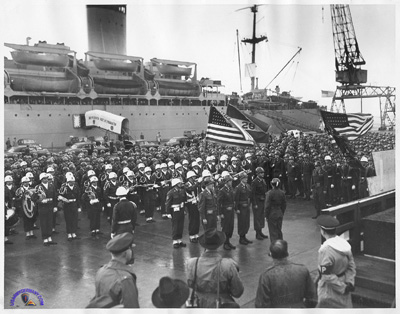
| In September 1950, the 28th Infantry Division was called to active federal service (due to the hostilities in Korea) and started training at Camp Atterbury, Indiana. The Division embarked for Europe in November 1951 to become part of the NATO forces undergoing training in Germany. | ||||||||||||||||||||||||||||||||||||||||||||||||||||||||||||||||||||||||||||||||||||||||||||||||||||||||||||
|
||||||||||||||||||||||||||||||||||||||||||||||||||||||||||||||||||||||||||||||||||||||||||||||||||||||||||||
|
As
finally determined, the following is a list of the increments which,
with the exception of the USS General Butner, sailed from Hampton
Roads Port of Embarkation, Hampton Roads, Virginia between 13 and
26 November 1951:
|
||||||||||||||||||||||||||||||||||||||||||||||||||||||||||||||||||||||||||||||||||||||||||||||||||||||||||||
|
||||||||||||||||||||||||||||||||||||||||||||||||||||||||||||||||||||||||||||||||||||||||||||||||||||||||||||
|
||||||||||||||||||||||||||||||||||||||||||||||||||||||||||||||||||||||||||||||||||||||||||||||||||||||||||||
| To those of the 28th who left Germany in 1945 with memories of twisted steel, rubble-filled streets and shattered buildings, the changes which had occurred throughout the country were startling. Much of the debris of World War II had been cleared away, and the German people were busy at the process of rebuilding. Shops which then were boarded up and empty, once more held a variety of consumer goods. As a part of the rebuilding program, the kasernes, or former German Army barracks, which had been damaged during the war were completely renovated to house elements of the NATO Army. Units of the 28th, after leaving the staging areas of Camp Y-79, were to occupy many of these kasernes in Southern Germany. | ||||||||||||||||||||||||||||||||||||||||||||||||||||||||||||||||||||||||||||||||||||||||||||||||||||||||||||
|
||||||||||||||||||||||||||||||||||||||||||||||||||||||||||||||||||||||||||||||||||||||||||||||||||||||||||||
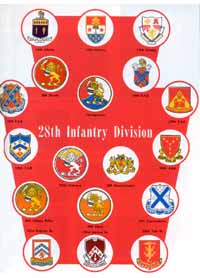
| In all, six Area Commands were formed by the Division, each under
the control of the major unit within the area. The 109th Infantry
Regiment and its attached 109th FA Battalion comprised the Gablingen
Area Command. The 110th Infantry Regiment, 107th FA Battalion and 728th Ordnance Maintenance Company are included in the Ulm Area Command. The Heilbronn Area Command consists of the 112th Infantry Regiment and the 229th FA Battalion. At Ellwangen (Ellwangen Area Command) are the 103rd Engineer Combat Battalion and the 103rd Medical Battalion. The Leipheim Area Command houses the 628th Medium Tank Battalion and the 28th Reconnaissance Company. Göppingen Area Command includes Headquarters and Headquarters, 28th Infantry Division; Headquarters 28th Division Artillery; 28th Signal Company; 28th Replacement Company; 28th Quartermaster Company; 28th MP Company; 28th CIC Detachment and 28th Division Band. The 108th FA Battalion and the 899th AAA AW Bn (SP) are also included in the Göppingen Area Command, but are located in Schwäbisch Gmünd and Nellingen, respectively. With the completion of relocation in the new kasernes, the major problem facing the Division was that of becoming combat ready. The primary mission of the 28th is to close with the enemy by fire and maneuver in order to capture or destroy him, or to repel his assault by fire and close combat. The specific mission of the Division is three-fold. First, it is to engage in a training program designed to improve its capabilities to fulfill its primary mission. Second, as a part of the North Atlantic Treaty Army, it is to help safeguard the peace and frredom of the people of Western Europe and North America, and, if necessary, to defend that freedom against any aggressor. Third, by demonstrating to the people of Germany the high standard of American moral, cultural and material life, it is to inspire them with confidence in the democratic ideals. In line with these missions and the requisite of combat readiness, a program of intensive training was launched at the beginning of the year. This training program was scheduled to last for forty weeks, and included in its scope advanced individual and squad training through Regimental Combat Team and Division Exercises. To accomplish the training objectives for 1952, unit training areas were established near the various kasernes. In all cases, the training areas were considerably smaller than those previously used at Camp Atterbury. Many were at a considerable distance from the kasernes, requiring long foot marches which tended to decrease the time spent in actual training activities. In spite of the difficulties encountered, the training program was continued successfully, and, with the arrival of good weather late in the spring, field problems and trips to special training areas such as Hohenfels and Grafenwöhr increased the proficiency of units of the 28th. During the first several months in Germany, a great deal of emphasis was placed on the speed with which the Division was able to load its equipment, ammunition and personnel upon vehicles and move to a tactical assembly area prepared for combat. This was a procedure entirely new to the 28th, and one which needed many hours of practice before the required degree of perfection could be attained. As the months passed, new systems for completing this movement were designed, and by the end of the summer the 28th had added another accomplishment to its objective of combat readiness. The training program was culminated in the fall by three large scale field exercises during which the Division was tested on its mobility and communications, the ability to sustain itself, and special techniques which had been practiced during the year, such as air-ground support, river crossings, night movement and the delaying action. During the first two of these exercises, the 28th acted in the role of aggressor opposing the 43rd and 1st Infantry Divisions, respectively. In the last, the Division was faced by elements of the 1st Infantry Division attacking from the east. In all phases of these tests, the 28th proved that the training program carried on during the year had been effective, and that the Division was ready to fulfill its mission as a member of the North Atlantic Treaty Army. When the 28th Division arrived in Europe, it found that a great deal of emphasis was placed upon competitive sports by the USAREUR commander. Shortly after entering the field of competition, 28th Divisional individuals and teams made themselves known by establishing excellent records in the various sports contests. In team competition, the 109th Infantry basketball squad went unbeaten to the 1952 USAREUR championship. The 28th Division Artillery baseball team reached the finals in competition for the USAREUR baseball championship. Similarly, the 28th Division Special Troops were eliminated from football competition only after the last, championship, game. Individual sports, such as skiing, swimming, track and field were represented by 28th Division soldiers who compiled a long list of honors. By the end of 1952, the 28th had successfully completed more than one year of service in Germany, and more than two years of active service since Federalization in September, 1950. Most of the National Guardsmen who had originally accompanied the Division to Camp Atterbury had returned to their civilian occupations in Pennsylvania. Many of the selectees who had joined the 28th shortly after it seached Camp Atterbury had also rotated to the Zone of Interior after completing their required two years of active duty. On 2 December 1952, it was announced that Major General Cortland Van Rensselaer Schuyler, former Special Assistant to the Chief of Staff, Supreme Headquarters Allied Powers Europe, was to succeed Major General Daniel B. Strickler as the Commanding General, 28th Infantry Division. |
||||||||||||||||||||||||||||||||||||||||||||||||||||||||||||||||||||||||||||||||||||||||||||||||||||||||||||
| Click here to view the 1953 YEARBOOK (Source: Michael Gushwa) | ||||||||||||||||||||||||||||||||||||||||||||||||||||||||||||||||||||||||||||||||||||||||||||||||||||||||||||
| 1952 | ||||||||||||||||||||||||||||||||||||||||||||||||||||||||||||||||||||||||||||||||||||||||||||||||||||||||||||
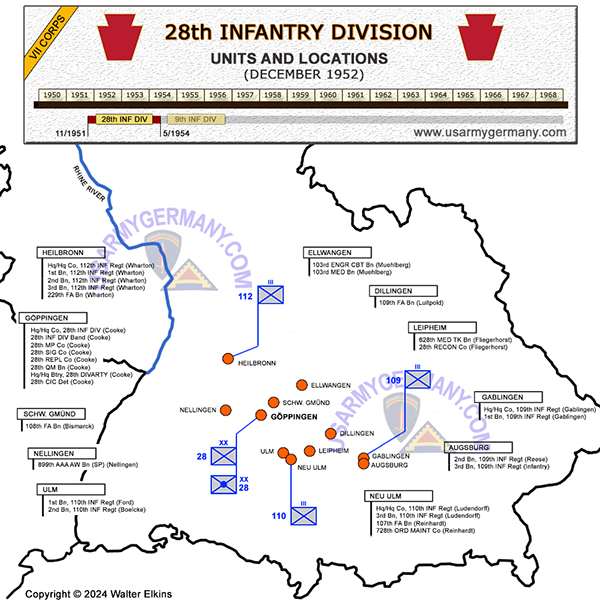 Location of 28th Infantry Division units and stations, 1952 (Walter Elkins) Click on the graphic to view a higher res version of the map If you have additional information/corrections, contact the webmaster - see email link at top of page |
||||||||||||||||||||||||||||||||||||||||||||||||||||||||||||||||||||||||||||||||||||||||||||||||||||||||||||
 |
||||||||||||||||||||||||||||||||||||||||||||||||||||||||||||||||||||||||||||||||||||||||||||||||||||||||||||
|
|
||||||||||||||||||||||||||||||||||||||||||||||||||||||||||||||||||||||||||||||||||||||||||||||||||||||||||||
| Division Organization | ||||||||||||||||||||||||||||||||||||||||||||||||||||||||||||||||||||||||||||||||||||||||||||||||||||||||||||
| (Source: STATION LIST, August 1952 & August 1953) | ||||||||||||||||||||||||||||||||||||||||||||||||||||||||||||||||||||||||||||||||||||||||||||||||||||||||||||
|
||||||||||||||||||||||||||||||||||||||||||||||||||||||||||||||||||||||||||||||||||||||||||||||||||||||||||||
| 28th Infantry Divison Redesignated 9th Infantry Division, May 1954 | ||||||||||||||||||||||||||||||||||||||||||||||||||||||||||||||||||||||||||||||||||||||||||||||||||||||||||||
| (Source: several STARS & STRIPES articles, May, 1954) | ||||||||||||||||||||||||||||||||||||||||||||||||||||||||||||||||||||||||||||||||||||||||||||||||||||||||||||
|
||||||||||||||||||||||||||||||||||||||||||||||||||||||||||||||||||||||||||||||||||||||||||||||||||||||||||||
| (1) The 109th Inf Regt was redesignated as 10th Inf Regt and concurrently reassigned to the 5th Inf Div; the 39th Inf Regt (formerly designated as the 169th Inf Regt, 43rd Inf Div) was reassigned to the 9th Inf Div. (2) The 109th FA Bn was redesignated as 46th FA Bn and concurrently reassigned to the 5th Inf Div; the 26th FA Bn (formerly designated as the 192nd FA Bn, 43rd Inf Div) was reassigned to the 9th Inf Div. |
||||||||||||||||||||||||||||||||||||||||||||||||||||||||||||||||||||||||||||||||||||||||||||||||||||||||||||
|
||||||||||||||||||||||||||||||||||||||||||||||||||||||||||||||||||||||||||||||||||||||||||||||||||||||||||||
|
|
||||||||||||||||||||||||||||||||||||||||||||||||||||||||||||||||||||||||||||||||||||||||||||||||||||||||||||
| 28th Infantry Division Troops | ||||||||||||||||||||||||||||||||||||||||||||||||||||||||||||||||||||||||||||||||||||||||||||||||||||||||||||
728th Ordnance Maintenance Bn 628th Tank Bn 103rd Medical Bn Division Aviation Section . . . . |
||||||||||||||||||||||||||||||||||||||||||||||||||||||||||||||||||||||||||||||||||||||||||||||||||||||||||||
| 628th Tank Battalion | ||||||||||||||||||||||||||||||||||||||||||||||||||||||||||||||||||||||||||||||||||||||||||||||||||||||||||||
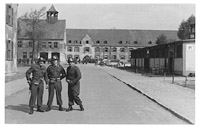
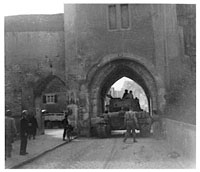
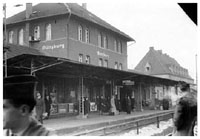
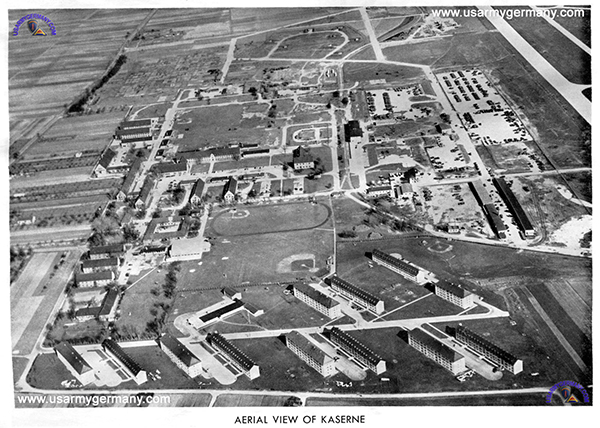 Fliegerhorst Kaserne, Leipheim, 1950s |
||||||||||||||||||||||||||||||||||||||||||||||||||||||||||||||||||||||||||||||||||||||||||||||||||||||||||||
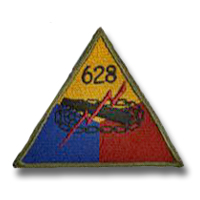 628th Tank Bn Pocket Patch 628th Tank Bn Pocket Patch |
||||||||||||||||||||||||||||||||||||||||||||||||||||||||||||||||||||||||||||||||||||||||||||||||||||||||||||
| 1952 | ||||||||||||||||||||||||||||||||||||||||||||||||||||||||||||||||||||||||||||||||||||||||||||||||||||||||||||
| (Source: Email from Anthony D'Auria) | ||||||||||||||||||||||||||||||||||||||||||||||||||||||||||||||||||||||||||||||||||||||||||||||||||||||||||||
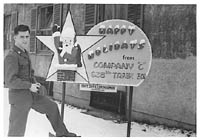
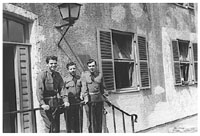
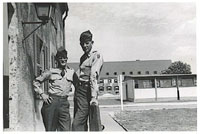
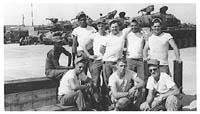
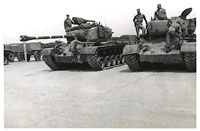
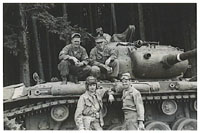
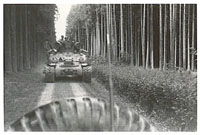
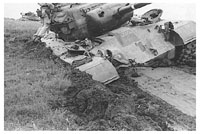
| I was a member of the 628th Tank Battalion in Leipheim Germany. I have some interesting photos if you could use them. | ||||||||||||||||||||||||||||||||||||||||||||||||||||||||||||||||||||||||||||||||||||||||||||||||||||||||||||
|
||||||||||||||||||||||||||||||||||||||||||||||||||||||||||||||||||||||||||||||||||||||||||||||||||||||||||||
|
||||||||||||||||||||||||||||||||||||||||||||||||||||||||||||||||||||||||||||||||||||||||||||||||||||||||||||
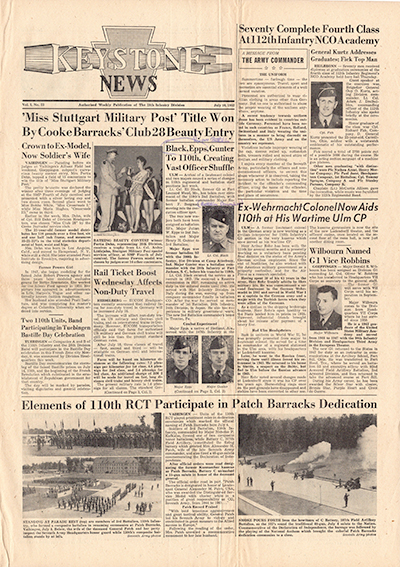
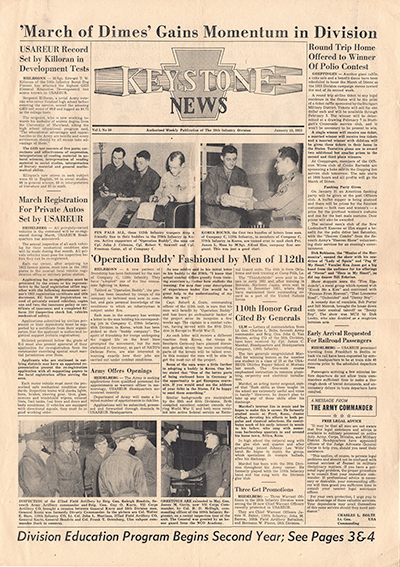
| Keystone News - Some of the issues published while in Germany | ||||||||||||||||||||||||||||||||||||||||||||||||||||||||||||||||||||||||||||||||||||||||||||||||||||||||||||
|
||||||||||||||||||||||||||||||||||||||||||||||||||||||||||||||||||||||||||||||||||||||||||||||||||||||||||||
|
||||||||||||||||||||||||||||||||||||||||||||||||||||||||||||||||||||||||||||||||||||||||||||||||||||||||||||
| ISSUES IN COLLECTION | ||||||||||||||||||||||||||||||||||||||||||||||||||||||||||||||||||||||||||||||||||||||||||||||||||||||||||||
|
||||||||||||||||||||||||||||||||||||||||||||||||||||||||||||||||||||||||||||||||||||||||||||||||||||||||||||
|
||||||||||||||||||||||||||||||||||||||||||||||||||||||||||||||||||||||||||||||||||||||||||||||||||||||||||||
| Aviation Section | ||||||||||||||||||||||||||||||||||||||||||||||||||||||||||||||||||||||||||||||||||||||||||||||||||||||||||||
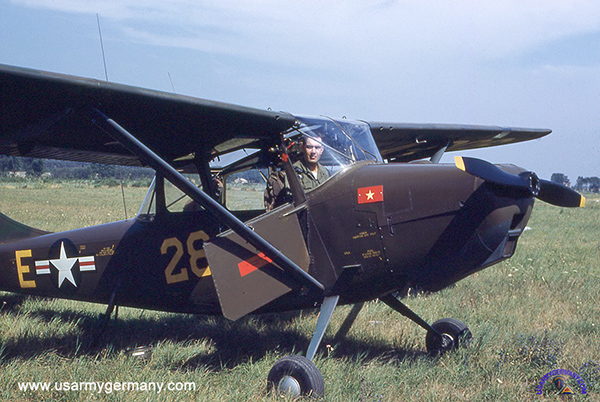 One of the division's Bird Dog (L-19) aircraft in the early 1950s (Webmaster's collection) |
||||||||||||||||||||||||||||||||||||||||||||||||||||||||||||||||||||||||||||||||||||||||||||||||||||||||||||
| (Source: The United States Army in Europe 1953 - 1963, by D.J. Hickman, HQ USAREUR 1964) | ||||||||||||||||||||||||||||||||||||||||||||||||||||||||||||||||||||||||||||||||||||||||||||||||||||||||||||
| A new TOE, under which Seventh Army reorganized in February 1953, assigned several fixed-wing and rotary aircraft to each division. | ||||||||||||||||||||||||||||||||||||||||||||||||||||||||||||||||||||||||||||||||||||||||||||||||||||||||||||
|
||||||||||||||||||||||||||||||||||||||||||||||||||||||||||||||||||||||||||||||||||||||||||||||||||||||||||||
| Related Links: Letters From Deutschland - Letters written by John M. Holman while serving with Service Company, 109th Infantry Regiment, 28th Infantry Division, at Gablingen Kaserne, Augsburg, Germany 1951 - 1953. During these years, he has sent pieces to The Hampton Union (New Hampshire) about millitary life in Germany in the Army of Occupation. Some of these letters are now posted on a special web page of the Lane Memorial Library at Hampton, NH. |
||||||||||||||||||||||||||||||||||||||||||||||||||||||||||||||||||||||||||||||||||||||||||||||||||||||||||||
 .
.