| If you do NOT see the Table of Contents frame to the left of this page, then Click here to open 'USArmyGermany' frameset |
|||||||||||||||||||||||||||||||||||||||||||||||||||||||||||||||||||||||||||||||||||||||||||||||||||||||||||||||
7th Engineer Aviation Brigade |
|||||||||||||||||||||||||||||||||||||||||||||||||||||||||||||||||||||||||||||||||||||||||||||||||||||||||||||||
|
|||||||||||||||||||||||||||||||||||||||||||||||||||||||||||||||||||||||||||||||||||||||||||||||||||||||||||||||
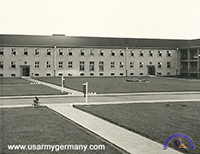
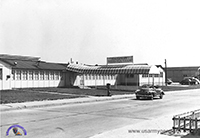
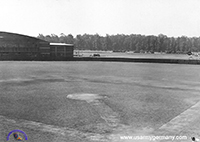
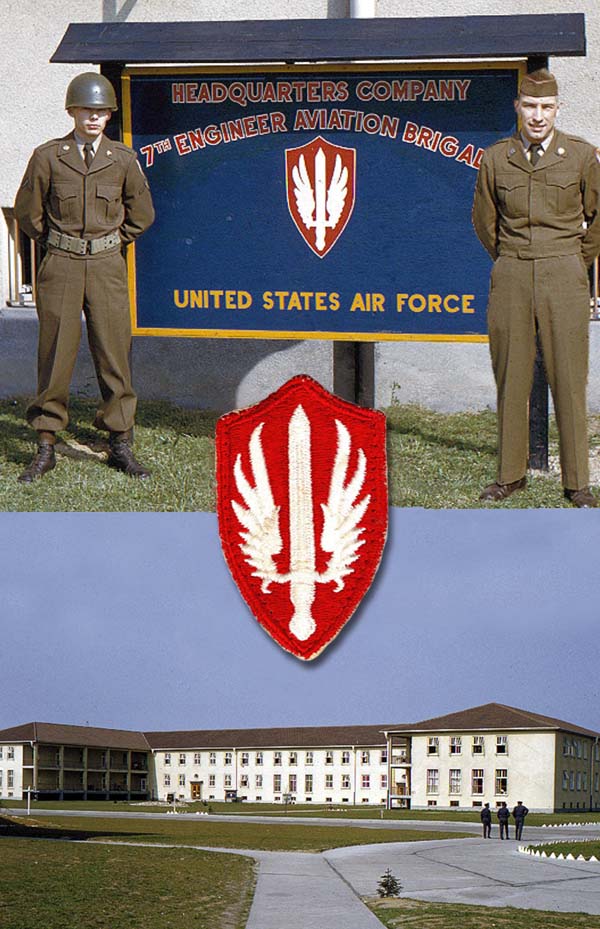 Headquarters Building, 7th Engineer Aviation Brigade, Rhein-Main Air Base, early 1950s |
|||||||||||||||||||||||||||||||||||||||||||||||||||||||||||||||||||||||||||||||||||||||||||||||||||||||||||||||
| 7th Engineer Aviation Brigade | |||||||||||||||||||||||||||||||||||||||||||||||||||||||||||||||||||||||||||||||||||||||||||||||||||||||||||||||
| 1952 - 1956 | |||||||||||||||||||||||||||||||||||||||||||||||||||||||||||||||||||||||||||||||||||||||||||||||||||||||||||||||
| (Source: Synopsis of Command History, Jan - Jun 1953) | |||||||||||||||||||||||||||||||||||||||||||||||||||||||||||||||||||||||||||||||||||||||||||||||||||||||||||||||
| 7th Engineer Aviation Brigade was a US Army unit until April 10, 1951 when it was transferred to the US Air Force. The Brigade arrived in Germany on Sept 22, 1952. The Brigade's mission in Europe was to construct temporary and permanent landing fields at Air Force bases to include runways, taxiways, dispersal and parking areas, hangars, operations towers, airfield lighting, and POL storage and distribution facilities for aircraft. |
|||||||||||||||||||||||||||||||||||||||||||||||||||||||||||||||||||||||||||||||||||||||||||||||||||||||||||||||
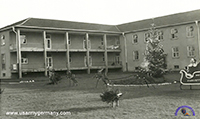
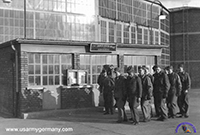
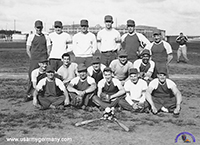
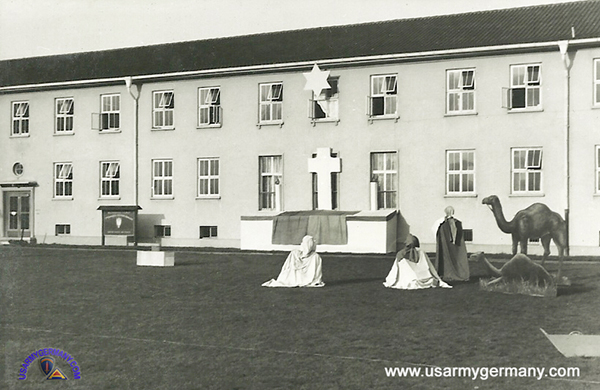 HQ 7th Engr Bde barracks during the Christmas season (Keith Collins) |
|||||||||||||||||||||||||||||||||||||||||||||||||||||||||||||||||||||||||||||||||||||||||||||||||||||||||||||||
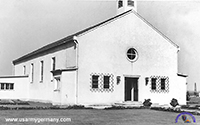
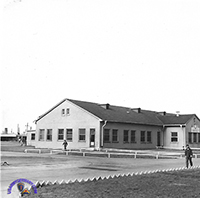
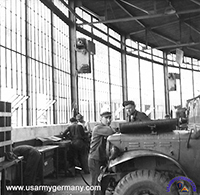
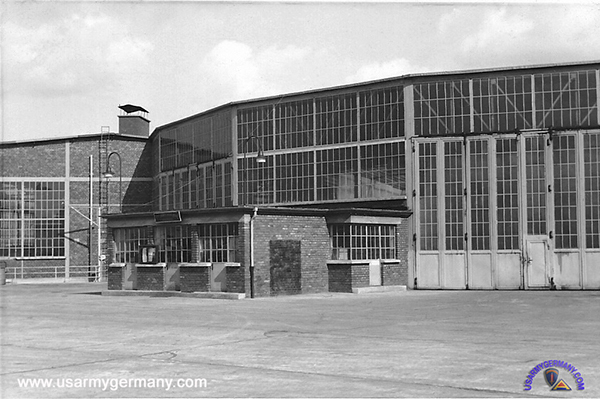 Maintenance building used by HQ 7th Engr Bde personnel (Keith Collins) |
|||||||||||||||||||||||||||||||||||||||||||||||||||||||||||||||||||||||||||||||||||||||||||||||||||||||||||||||
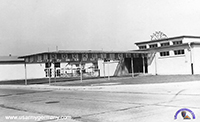
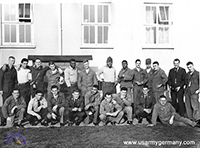
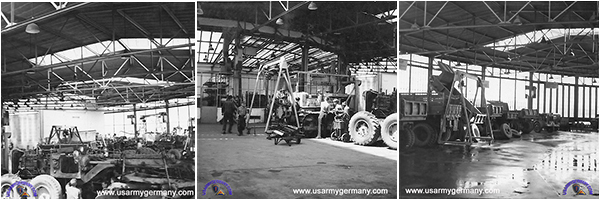 Inside the maintenance building (Keith Collins) |
|||||||||||||||||||||||||||||||||||||||||||||||||||||||||||||||||||||||||||||||||||||||||||||||||||||||||||||||
| 1953 | |||||||||||||||||||||||||||||||||||||||||||||||||||||||||||||||||||||||||||||||||||||||||||||||||||||||||||||||
| (Source: Email from Keith Collins, son of Norman Lee Collins who served with HQ 7th Engr Bde, Rhein-Main AB) | |||||||||||||||||||||||||||||||||||||||||||||||||||||||||||||||||||||||||||||||||||||||||||||||||||||||||||||||
| My father was in this unit during the years 1953-54. His name was Norman Lee Collins PFC then a Corporal. He recently passed away and I was looking at a picture album of photos from his time spent at Rhein Main during his time with the 7th Eng Brigade. |
|||||||||||||||||||||||||||||||||||||||||||||||||||||||||||||||||||||||||||||||||||||||||||||||||||||||||||||||
|
|||||||||||||||||||||||||||||||||||||||||||||||||||||||||||||||||||||||||||||||||||||||||||||||||||||||||||||||
| (Source: Email from Maurice "Jim" Doussard) | |||||||||||||||||||||||||||||||||||||||||||||||||||||||||||||||||||||||||||||||||||||||||||||||||||||||||||||||
|
|||||||||||||||||||||||||||||||||||||||||||||||||||||||||||||||||||||||||||||||||||||||||||||||||||||||||||||||
| I have "found" only one colleague from my memorable days their, George Edgerton, then of South Dakota, then California and now retired in Arizona. Any help locating others in our unit would be most appreciated. I have our brigade shoulder patch which consists of a white winged sword on a crimson field. |
|||||||||||||||||||||||||||||||||||||||||||||||||||||||||||||||||||||||||||||||||||||||||||||||||||||||||||||||
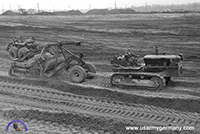
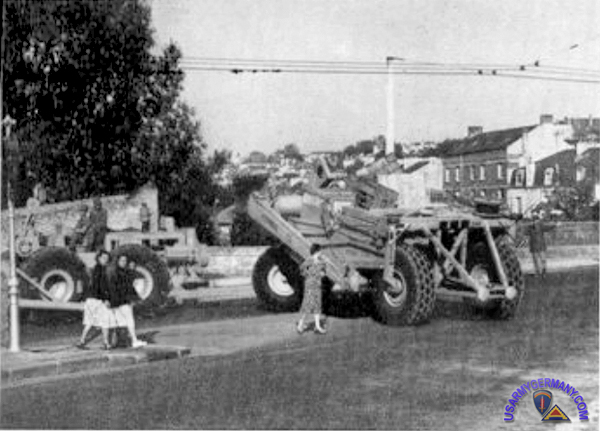 A LeTourneau Tournadozer ("T-dozer"), on the left, towing a road scraper through Poitiers during the unit's relocation from Bordeaux to Chateauroux (866th EAB webpage) |
|||||||||||||||||||||||||||||||||||||||||||||||||||||||||||||||||||||||||||||||||||||||||||||||||||||||||||||||
| (Source: US Army STATION LIST, 15 August 1953) | |||||||||||||||||||||||||||||||||||||||||||||||||||||||||||||||||||||||||||||||||||||||||||||||||||||||||||||||
| ORGANIZATION (Aug 1953) (1): | |||||||||||||||||||||||||||||||||||||||||||||||||||||||||||||||||||||||||||||||||||||||||||||||||||||||||||||||
|
|||||||||||||||||||||||||||||||||||||||||||||||||||||||||||||||||||||||||||||||||||||||||||||||||||||||||||||||
| (1) The list is probably not complete; I am pretty sure there were several labor service units attached to the 7th and possibly other smaller Army detachments | |||||||||||||||||||||||||||||||||||||||||||||||||||||||||||||||||||||||||||||||||||||||||||||||||||||||||||||||
| 1954 | |||||||||||||||||||||||||||||||||||||||||||||||||||||||||||||||||||||||||||||||||||||||||||||||||||||||||||||||
| (Source: STARS & STRIPES, Oct 27,1954) | |||||||||||||||||||||||||||||||||||||||||||||||||||||||||||||||||||||||||||||||||||||||||||||||||||||||||||||||
| SCARWAF . . . Special Category Army with the Air Force In 1952, the 7th Engineer Aviation Brigade was alerted for overseas movement. The brigade arrived at Rhein-Main Air Base near Frankfurt in September 1952. On Sept 23, 1952, the 7th Engr Avn Bde was assigned to USAFE Headquarters. CO of the 7th Engr Avn Bde is Col Benjamin C. Fowlkes, Jr. In Europe it serves as the consolidated headquarters for all engineer aviation units in Europe. The job of the engineer aviation battalions is to build the runways, taxiways, drainage systems, buildings, roads and fuel storage tanks that are necessary for a modern air base. The Brigade is comprised of three engineer aviation groups (322nd, 924th and 928th) along with supporting battalions and supply companies. . |
|||||||||||||||||||||||||||||||||||||||||||||||||||||||||||||||||||||||||||||||||||||||||||||||||||||||||||||||
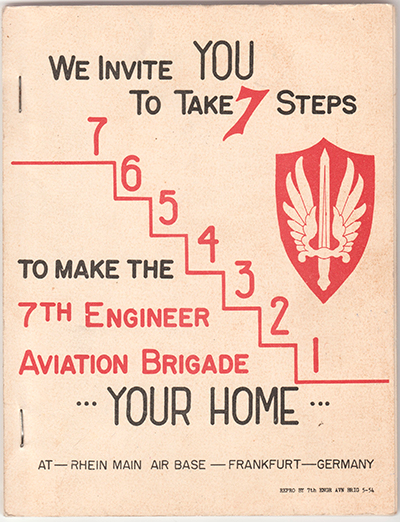 An introduction to the 7th Engineer Aviation Brigade, distributed to newcomers to the unit in the mid-1950s |
|||||||||||||||||||||||||||||||||||||||||||||||||||||||||||||||||||||||||||||||||||||||||||||||||||||||||||||||
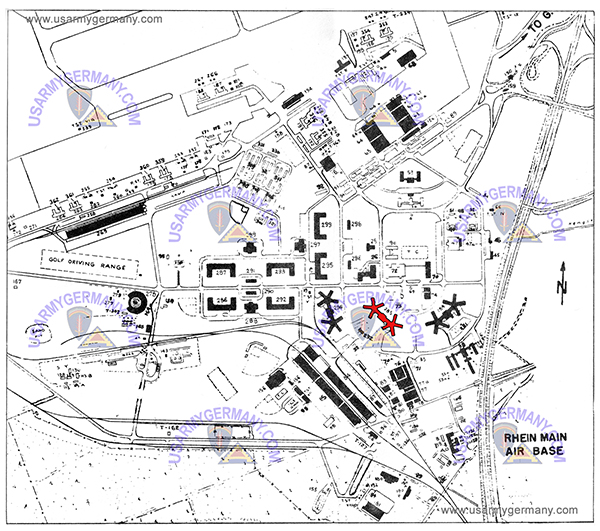 Layout of the Rhine-Main Air Base in 1954. Click on image to view a higher resolution of the map. |
|||||||||||||||||||||||||||||||||||||||||||||||||||||||||||||||||||||||||||||||||||||||||||||||||||||||||||||||
| (Source: an additional submission by Keith Collins, son of Norman Lee Collins who served with HQ 7th Engr Avn Bde, Rhein-Main AB) | |||||||||||||||||||||||||||||||||||||||||||||||||||||||||||||||||||||||||||||||||||||||||||||||||||||||||||||||
| 1955 | |||||||||||||||||||||||||||||||||||||||||||||||||||||||||||||||||||||||||||||||||||||||||||||||||||||||||||||||
| (Source: STARS & STRIPES, May 6 & 8,1955) | |||||||||||||||||||||||||||||||||||||||||||||||||||||||||||||||||||||||||||||||||||||||||||||||||||||||||||||||
| A review was held at Rhine-Main Air Base on May 7 in honor of Col Benjamin C. Fowlkes, Jr., commander of the 7th Engr Avn Bde. Col Fowlkes is returning to the US for retirement. Col Oliver J. Pickard, formerly brigade vice-commander, will assume command of the 7th. Taking part in the review were all units of the 7th Engr Avn Brigade as well as the 60th Troop Carrier Wing and the 12th Air Force Band. This event marked the first time that National and organization colors of all brigade units had been massed. Honor guests at the review included:  Lt Gen William H. Tunner, USAFE commander-in-chiefMaj Gen Colby M. Myers, USAFE deputy chief of staff for installationsBrig Gen Charles H. McNutt, USAREUR engineerCol Carl W. Meyers, USAREUR deputy engineerCol Benjamin S. Shute, 7th Army engineerCol Marvin C. Ellison, Northern Area Command engineer Lt Gen William H. Tunner, USAFE commander-in-chiefMaj Gen Colby M. Myers, USAFE deputy chief of staff for installationsBrig Gen Charles H. McNutt, USAREUR engineerCol Carl W. Meyers, USAREUR deputy engineerCol Benjamin S. Shute, 7th Army engineerCol Marvin C. Ellison, Northern Area Command engineer |
|||||||||||||||||||||||||||||||||||||||||||||||||||||||||||||||||||||||||||||||||||||||||||||||||||||||||||||||
| (Source: STARS & STRIPES, Sept 20,1955) | |||||||||||||||||||||||||||||||||||||||||||||||||||||||||||||||||||||||||||||||||||||||||||||||||||||||||||||||
| Col William J. Leight has been named deputy for operations, 7th Engr Avn Bde at Rhine-Main Air Base. (Webmaster note: at some point in early/mid-1956, Col Leight must have been appointed temporary commander of the brigade when Col Pickard was reassigned to a US duty post. The new permanent CO, Col Rindlaub, would not arrive until Aug 1956.) | |||||||||||||||||||||||||||||||||||||||||||||||||||||||||||||||||||||||||||||||||||||||||||||||||||||||||||||||
| 1956 | |||||||||||||||||||||||||||||||||||||||||||||||||||||||||||||||||||||||||||||||||||||||||||||||||||||||||||||||
| (Source: Description on mug found at eBay.com) | |||||||||||||||||||||||||||||||||||||||||||||||||||||||||||||||||||||||||||||||||||||||||||||||||||||||||||||||
| Mug has the SCARWAF crest and is inscribed with the unit designation: 923rd EAG (923rd Engineer Aviation Group). The date on the mug: 1956 At the bottom rim lists several (subordinate) units: 7329TH LSU, 850TH EAB, 833D EAB, 818TH EAB and 862ND. |
|||||||||||||||||||||||||||||||||||||||||||||||||||||||||||||||||||||||||||||||||||||||||||||||||||||||||||||||
| ENGINEER COMMAND | |||||||||||||||||||||||||||||||||||||||||||||||||||||||||||||||||||||||||||||||||||||||||||||||||||||||||||||||
| (Source: US Army STATION LIST, 15 March 1956) | |||||||||||||||||||||||||||||||||||||||||||||||||||||||||||||||||||||||||||||||||||||||||||||||||||||||||||||||
| ORGANIZATION (March 1956): | |||||||||||||||||||||||||||||||||||||||||||||||||||||||||||||||||||||||||||||||||||||||||||||||||||||||||||||||
|
|||||||||||||||||||||||||||||||||||||||||||||||||||||||||||||||||||||||||||||||||||||||||||||||||||||||||||||||
| (2) The 833rd is NOT Listed in the STATION LIST. A STARS & STRIPES article on March 5, 1956 mentions the 833rd as still located at Toul-Rosieres AB. My guess is that the battalion officially inactivated between the two dates (March 5 and March 31, 1956). At the same time, the Engineer Aviation battalions in Europe were reorganized as Heavy Construction battalions. My guess is that the inactivation of the 833rd was a result of the reorganization - with personnel of the 833rd transferred to various reorganized battalions as part of that effort. | |||||||||||||||||||||||||||||||||||||||||||||||||||||||||||||||||||||||||||||||||||||||||||||||||||||||||||||||
| (Source: Description on mug found at eBay.com) | |||||||||||||||||||||||||||||||||||||||||||||||||||||||||||||||||||||||||||||||||||||||||||||||||||||||||||||||
| Mug has the SCARWAF crest and is inscribed with the unit designation: 923rd EAG (923rd Engineer Aviation Group). The date on the mug: 1956 At the bottom rim lists several (subordinate) units: 7329TH LSU, 850TH EAB, 833D EAB, 818TH EAB and 862ND. |
|||||||||||||||||||||||||||||||||||||||||||||||||||||||||||||||||||||||||||||||||||||||||||||||||||||||||||||||
| (Source: STARS & STRIPES, Aug 18,1956) | |||||||||||||||||||||||||||||||||||||||||||||||||||||||||||||||||||||||||||||||||||||||||||||||||||||||||||||||
| Col Bruce D. Rindlaub has been named CO of the 7th Engr Avn Bde at Rhine-Main Air Base. Rindlaub will replace Col William J. Leight. (Col Rindlaub currently serves as deputy commander, USAREUR Engineer Command.) | |||||||||||||||||||||||||||||||||||||||||||||||||||||||||||||||||||||||||||||||||||||||||||||||||||||||||||||||
If you have more information on the history or organization of the 7th Engineer Aviation Brigade, please contact me . . |
|||||||||||||||||||||||||||||||||||||||||||||||||||||||||||||||||||||||||||||||||||||||||||||||||||||||||||||||
 |
|||||||||||||||||||||||||||||||||||||||||||||||||||||||||||||||||||||||||||||||||||||||||||||||||||||||||||||||
| 322nd Engineer Aviation Group | |||||||||||||||||||||||||||||||||||||||||||||||||||||||||||||||||||||||||||||||||||||||||||||||||||||||||||||||
| (Source: Synopsis of Unit History, Jan - Jun 1954) | |||||||||||||||||||||||||||||||||||||||||||||||||||||||||||||||||||||||||||||||||||||||||||||||||||||||||||||||
| Mission: Construction, rehabilitation, and maintenance of airfields and other aviation facilities in support of Twelfth Air Force operations. ORGANIZATION (First Half 1954): |
|||||||||||||||||||||||||||||||||||||||||||||||||||||||||||||||||||||||||||||||||||||||||||||||||||||||||||||||
|
|||||||||||||||||||||||||||||||||||||||||||||||||||||||||||||||||||||||||||||||||||||||||||||||||||||||||||||||
|
|||||||||||||||||||||||||||||||||||||||||||||||||||||||||||||||||||||||||||||||||||||||||||||||||||||||||||||||
| 923rd Engineer Aviation Group | |||||||||||||||||||||||||||||||||||||||||||||||||||||||||||||||||||||||||||||||||||||||||||||||||||||||||||||||
| 1956 | |||||||||||||||||||||||||||||||||||||||||||||||||||||||||||||||||||||||||||||||||||||||||||||||||||||||||||||||
| (Source: STARS & STRIPES, March 5 1956) | |||||||||||||||||||||||||||||||||||||||||||||||||||||||||||||||||||||||||||||||||||||||||||||||||||||||||||||||
| The 923rd Engr Avn Group is located at Ramstein Air Base and is under the command of Col Robert W. Wood. The group supports the 12th Air Force. Just recently, the 923rd GP and all of the engineer aviation units in Germany, France and the UK were transferred from Air Force control back to Army control. (Webmaster note: Based on information I have concerning unit histories of engineer aviation battalions under Air Force control, I believe that that transfer occurred on Feb 29, 1956. If anyone has details on that transfer, I would be very interested in hearing about it.) Despite the transfer back to Army control, the mission of Engr Avn units in Europe remains as before - construction of air bases and performing major repairs as required by the Air Force. The units will also continue to be stationed at 12th AF air bases. Temporarily, rotations to the ZI (Zone of the Interior = continental US) will continue to be handled through Air Force personnel processing stations. Some of the units attached to the 923rd at this time: 833rd EAB, Toul-Rosieres AB, France (CO is Lt Col Frank L. Humphrey)850th EAB, Bordeaux, France (CO is Lt Col Ray G. Lawrence) |
|||||||||||||||||||||||||||||||||||||||||||||||||||||||||||||||||||||||||||||||||||||||||||||||||||||||||||||||
| 923rd EAG ORGANIZATION (1956): | |||||||||||||||||||||||||||||||||||||||||||||||||||||||||||||||||||||||||||||||||||||||||||||||||||||||||||||||
|
|||||||||||||||||||||||||||||||||||||||||||||||||||||||||||||||||||||||||||||||||||||||||||||||||||||||||||||||
|
|||||||||||||||||||||||||||||||||||||||||||||||||||||||||||||||||||||||||||||||||||||||||||||||||||||||||||||||
| 924th Engineer Aviation Group | |||||||||||||||||||||||||||||||||||||||||||||||||||||||||||||||||||||||||||||||||||||||||||||||||||||||||||||||
| (Source: Synopsis of Unit History, Jul - Dec 1953) | |||||||||||||||||||||||||||||||||||||||||||||||||||||||||||||||||||||||||||||||||||||||||||||||||||||||||||||||
| ORGANIZATION (Second Half 1953): | |||||||||||||||||||||||||||||||||||||||||||||||||||||||||||||||||||||||||||||||||||||||||||||||||||||||||||||||
|
|||||||||||||||||||||||||||||||||||||||||||||||||||||||||||||||||||||||||||||||||||||||||||||||||||||||||||||||
|
|||||||||||||||||||||||||||||||||||||||||||||||||||||||||||||||||||||||||||||||||||||||||||||||||||||||||||||||
| 928th Engineer Aviation Group | |||||||||||||||||||||||||||||||||||||||||||||||||||||||||||||||||||||||||||||||||||||||||||||||||||||||||||||||
| (Source: Synopsis of Unit History, Jan - Jun 1954) | |||||||||||||||||||||||||||||||||||||||||||||||||||||||||||||||||||||||||||||||||||||||||||||||||||||||||||||||
| The first integration of Air Force personnel with SCARWAF Army personnel in 928th Engineer Aviation units occurred during this period. | |||||||||||||||||||||||||||||||||||||||||||||||||||||||||||||||||||||||||||||||||||||||||||||||||||||||||||||||
| ORGANIZATION (First Half 1954): | |||||||||||||||||||||||||||||||||||||||||||||||||||||||||||||||||||||||||||||||||||||||||||||||||||||||||||||||
|
|||||||||||||||||||||||||||||||||||||||||||||||||||||||||||||||||||||||||||||||||||||||||||||||||||||||||||||||
|
|||||||||||||||||||||||||||||||||||||||||||||||||||||||||||||||||||||||||||||||||||||||||||||||||||||||||||||||
| (Source: Email from Arthur B. Asbury, Jr.) | |||||||||||||||||||||||||||||||||||||||||||||||||||||||||||||||||||||||||||||||||||||||||||||||||||||||||||||||
I was first assigned to the 817th Engineer Aviation Battalion at Chelveston & later to the 928th Group. I was a surveyor & was always TDY somewhere. |
|||||||||||||||||||||||||||||||||||||||||||||||||||||||||||||||||||||||||||||||||||||||||||||||||||||||||||||||
| 469th Engineer Aviation Battalion / 850th Engr Avn Bn? | |||||||||||||||||||||||||||||||||||||||||||||||||||||||||||||||||||||||||||||||||||||||||||||||||||||||||||||||
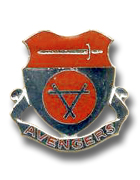 469th Engineer Aviation Battalion DI 469th Engineer Aviation Battalion DI |
|||||||||||||||||||||||||||||||||||||||||||||||||||||||||||||||||||||||||||||||||||||||||||||||||||||||||||||||
|
|||||||||||||||||||||||||||||||||||||||||||||||||||||||||||||||||||||||||||||||||||||||||||||||||||||||||||||||
| 472nd Engineer Aviation Battalion / 818th Engr Avn Bn | |||||||||||||||||||||||||||||||||||||||||||||||||||||||||||||||||||||||||||||||||||||||||||||||||||||||||||||||
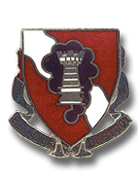 472nd Engineer Aviation Battalion DI 472nd Engineer Aviation Battalion DI |
|||||||||||||||||||||||||||||||||||||||||||||||||||||||||||||||||||||||||||||||||||||||||||||||||||||||||||||||
|
|||||||||||||||||||||||||||||||||||||||||||||||||||||||||||||||||||||||||||||||||||||||||||||||||||||||||||||||
| 801st Engineer Aviation Battalion | |||||||||||||||||||||||||||||||||||||||||||||||||||||||||||||||||||||||||||||||||||||||||||||||||||||||||||||||
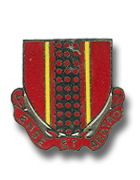 801st Engineer Aviation Battalion DI 801st Engineer Aviation Battalion DI |
|||||||||||||||||||||||||||||||||||||||||||||||||||||||||||||||||||||||||||||||||||||||||||||||||||||||||||||||
| (Source: STARS & STRIPES, Sept 25, 1958) | |||||||||||||||||||||||||||||||||||||||||||||||||||||||||||||||||||||||||||||||||||||||||||||||||||||||||||||||
| 801st Engr Bn Revamping Com Z Posts at Toul, Nancy A major face lifting at two Com Z Advance Section posts by the 801st Engr Bn, of the 7th Engr Brig, in France on temporary duty, is nearing completion. Cranes and bulldozers are beginning to pull out of installations near Nancy and Toul as the 801st goes back home to Zweibruecken, Germany, to start its fall and winter training period. Work at Nancy Lt Col Frederick M. Seymour, battalion CO, said there had been some normal delay in construction because of bad weather, but this was offset by a two-shift operation, and all projects were on schedule. At Nancy Ordnance Depot a new system for storing vehicles and ordnance equipment was made possible by parking areas built along some of the depot's streets. By placing these parallel to the street, vehicles were parked in more accessible positions and now are easier to maintain while in storage. Some of the streetside concrete parking stands are 1,000 feet long. Thousands of tons of construction material went into the parking areas. A total of 108,000 square yards of handstand was constructed, including one, 40,000-square-yard bituminous handstand and one 23,000-yard concrete handstand, both at Nancy Ordnance Depot. In addition, large bituminous handstands were built at Toul Engineer Depot and Jeanne d'Arc Casern. Changing the scenery of military installations is nothing new for the 801st, which originally was stationed at Molesworth, England, and was engaged in air base construction and renovation of U.S. bases in the United Kingdom. |
|||||||||||||||||||||||||||||||||||||||||||||||||||||||||||||||||||||||||||||||||||||||||||||||||||||||||||||||
|
|||||||||||||||||||||||||||||||||||||||||||||||||||||||||||||||||||||||||||||||||||||||||||||||||||||||||||||||
| 817th Engineer Aviation Battalion | |||||||||||||||||||||||||||||||||||||||||||||||||||||||||||||||||||||||||||||||||||||||||||||||||||||||||||||||
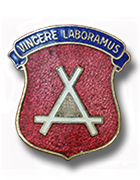 817th Engineer Aviation Battalion DI 817th Engineer Aviation Battalion DI |
|||||||||||||||||||||||||||||||||||||||||||||||||||||||||||||||||||||||||||||||||||||||||||||||||||||||||||||||
| (Source: Email from Art Asbury) | |||||||||||||||||||||||||||||||||||||||||||||||||||||||||||||||||||||||||||||||||||||||||||||||||||||||||||||||
| I served with the 817th Engineer Aviation Bn at Chelveston, Northants, England for nearly 2 years as a Construction Surveyor. Chelveston was a SAC base but I think that the stations were probably turned over to the British & may have been converted into commercial stations. Chelveston was overlaid with a 10,000 foot long & 200 foot wide runway with 25 or more hardstands. I did some work at Lakenheath as well. Curious that these large air installations are not mentioned. I moved to Colliers End Camp after completion of the base & planes being brought in. It was near Wellingborough. An adjacent base of similar design was built at Molesworth plus another was built at Greenham Common. When my work was complete, I returned Stateside to Fort Bragg & other stations. |
|||||||||||||||||||||||||||||||||||||||||||||||||||||||||||||||||||||||||||||||||||||||||||||||||||||||||||||||
|
|||||||||||||||||||||||||||||||||||||||||||||||||||||||||||||||||||||||||||||||||||||||||||||||||||||||||||||||
| 862nd Engineer Aviation Battalion | |||||||||||||||||||||||||||||||||||||||||||||||||||||||||||||||||||||||||||||||||||||||||||||||||||||||||||||||
 862nd Engineer Aviation Battalion DI 862nd Engineer Aviation Battalion DI |
|||||||||||||||||||||||||||||||||||||||||||||||||||||||||||||||||||||||||||||||||||||||||||||||||||||||||||||||
| 1952 | |||||||||||||||||||||||||||||||||||||||||||||||||||||||||||||||||||||||||||||||||||||||||||||||||||||||||||||||
| (Source: Email from Frank Welch) | |||||||||||||||||||||||||||||||||||||||||||||||||||||||||||||||||||||||||||||||||||||||||||||||||||||||||||||||
| I was trained in Fort Belvoir, VA and got my MOS # as a carpenter because of my prior contraction experience. I was set to ship to Korea. My company commander called me to his office and asked if I was interested in volunteering for an outfit called SCARWAF. When he said Europe, I said sure and my choice out of three countries was Germany. I left NY Thanksgiving Day 1952 and got to Germany sometime in early December. In one door Army out the other door Air Force - new patch same as yours. I went to Bitburg and got into heavy equipment. I ran D-8’s, D-8’s & pans and 70 ton rock trucks to and from the off-base quarry. I did a lot of earth moving to clear the mountain top before blasting. I also did a lot of prep work to prepare for the first three graders and officers’ s new housing, oil tank excavation and building runways and hard stands. There were long 12-14 hour days in all kinds of weather. I was first in the barracks across from the chapel and the mess hall. Then with more Air Force personnel coming in the 862nd all 85 strong were moved to prefab barracks with paper thin walls way out in the sticks. Going out for a shower in the winter my hair would be frozen by the time I got back to the barracks! We were in an area that "the powers to be" had built for Luxembourg troops that were going to be used for guards - never happened. We pulled guard duty on the clover leaf parking areas for “84’s” then “86’s” (= F-84 and F-86 aircraft) -- real fun in the winter. I was on duty one night at a radar trailer, saw the “bleep” run into a mountain in the Alps. It was a plane transporting pilots back from Tripoli (they had gone for training). I took a hop out of Frankfurt in May of ’53, ended up in England down south of London then I went to Ireland and met some distant kin. I did Paris, Luxembourg, Belgium - saw the big monument with the names of guys killed from every state we had at that time. Met a lot of nice people in my travels over there. Fun times like having an officer that was a real pain in the ass, advance and be recognized, while he had to walk thru about 6 inches of mud to be seen. Over the years I have looked for the 862, no luck. I found Bitburg but that’s all, no reference to my outfit. I’ve met some of the guys thru the Legion magazine from an ad for a reunion in Tennessee although most of the guys I met were before my time.
I was quiet surprised to come across this page about the Brigade. |
|||||||||||||||||||||||||||||||||||||||||||||||||||||||||||||||||||||||||||||||||||||||||||||||||||||||||||||||
| 1955 | |||||||||||||||||||||||||||||||||||||||||||||||||||||||||||||||||||||||||||||||||||||||||||||||||||||||||||||||
| (Source: STARS & STRIPES, Feb 1, 1955) | |||||||||||||||||||||||||||||||||||||||||||||||||||||||||||||||||||||||||||||||||||||||||||||||||||||||||||||||
| The 862nd Engineer Aviation Bn at Rhine-Main Air Base is reportedly one of the US Army units with the longest records of continuous service in Europe. (Webmaster note: at this time, the distinction of the unit with the longest record probably belonged to the 1st Infantry Division in Würzburg, in Germany since 1945.) The battalion has units at Hahn AB (Co A), Bitburg AB (Co B) and Spangdahlem AB (Co C). CO of the 862nd is Maj Donald E. Gillis. The 862nd EAB is under the command of the 322nd Engr Avn Gp. After service in England and France during WWII, the battalion became part of the occupation forces in Germany where it moved from station to station repairing former Luftwaffe airfields now in use by USAFE. In 1949, the battalion provided support to the Berlin Air Lift by completing runway work and parking ramps at Rhine-Main. Elements of the battalion also served in France supervising construction at De Oles (sic) Air Base and Chateauroux Air Depot. After the Air Lift the battalion was assigned to USAFE Headquarters. Later the 862nd was involved in construction of fighter-bomber air bases in the French Zone. The 7329th Labor Service Unit, attached to the 862nd for administrative and operational control, was the first engineer construction labor unit activated in USAFE. In 1954, the unit was assigned to the 322nd Engr Avn Gp. |
|||||||||||||||||||||||||||||||||||||||||||||||||||||||||||||||||||||||||||||||||||||||||||||||||||||||||||||||
| 1956 | |||||||||||||||||||||||||||||||||||||||||||||||||||||||||||||||||||||||||||||||||||||||||||||||||||||||||||||||
| (Source: STARS & STRIPES, Feb 1, 1956) | |||||||||||||||||||||||||||||||||||||||||||||||||||||||||||||||||||||||||||||||||||||||||||||||||||||||||||||||
| In the early post-war years, the 862nd EAB was first stationed at Oberpfaffenhofen, and later at Fürstenfeldbruck, Lechfeld and Erding. During the Berlin Air Lift, the battalion was spread out over several air bases - with elements at Berlin's Tempelhof, Rhine-Main and Chateauroux in France. Currently, the battalion is commanded by Lt Col Carl George Anderson. Headquarters and Service company is based at Rhine-Main and under the command of Capt R.J. Olson. Company A, under Capt Carroll A. Stairs, is located at Hahn Air Base. Company B is at Bitburg AB and is commanded by Capt Kurt G. Schramm. Finally, Company C. led by Capt Wilbert K. Ricard, is stationed at Spangdahlem Air Base. The biggest single operation during last year's construction period (April to October) was a full battalion effort to build trailer parks at various air bases in France (part of the large "Operation Caravan" effort that also involved other EAB's). The battalion completed a 134-unit park at Laon, a 175-unit camp at Chambley and an 82-unit group at Chaumont. Sites for hundreds of trailers are needed in France to provide mobile homes to Air Force families in house-short areas of France. |
|||||||||||||||||||||||||||||||||||||||||||||||||||||||||||||||||||||||||||||||||||||||||||||||||||||||||||||||
|
|||||||||||||||||||||||||||||||||||||||||||||||||||||||||||||||||||||||||||||||||||||||||||||||||||||||||||||||
| 7329th Labor Service Unit (Engineer Construction) | |||||||||||||||||||||||||||||||||||||||||||||||||||||||||||||||||||||||||||||||||||||||||||||||||||||||||||||||
|
|||||||||||||||||||||||||||||||||||||||||||||||||||||||||||||||||||||||||||||||||||||||||||||||||||||||||||||||
| (Source: The CE, Winter 2000-2001/Vol 8, No 4 - quarterly journal published by the Air Force Civil Engineer Support Agency, Tyndall AFB, Fla - website) | |||||||||||||||||||||||||||||||||||||||||||||||||||||||||||||||||||||||||||||||||||||||||||||||||||||||||||||||
|
|||||||||||||||||||||||||||||||||||||||||||||||||||||||||||||||||||||||||||||||||||||||||||||||||||||||||||||||
| (Source: 86th Airlift Wing Public Affairs Office, USAFE website, accessed July 23, 2012) | |||||||||||||||||||||||||||||||||||||||||||||||||||||||||||||||||||||||||||||||||||||||||||||||||||||||||||||||
| 9/9/2010 - RAMSTEIN AIR BASE, Germany (AFNS) -- The 7329th Labor Service Unit was established Sept. 8, 1950, at Rhein-Main Air Base, Germany, and consisted entirely of civilians.
Sixty years and several name changes later, the 435th Construction and Training Squadron now includes both civilian and military, and serves three primary missions for U.S. Air Forces in Europe. "Just as our name implies, the squadron's main missions are construction and training," said Lt. Col. Michael Miller, the 435th CTS commander. "We have a team of 189 local nation civilians and 86 military experts who execute USAFE-wide support in three main areas: construction and repair of facilities and infrastructure, depot rebuild and installation of aircraft arresting systems, and civil engineer and force support squadron wartime task training." The squadron completes about 20 projects per year, ranging from new construction to maintenance and repair. Pivotal in the build-up of U.S. military bases in Europe, the 435th CTS helped build Spangdahlem AB, Sembach AB, Ramstein AB, and many other bases in Germany, as well as several throughout Europe, Africa and the Middle East. "In the 1950s, there were 41 units like us to help rebuild Europe," said Reinhold Brückner, the 435th CTS deputy commander. "The 435th CTS is the only existing unit that is still in action today." To help meet the training mission requirements, the squadron presently has a staff of 41 skilled instructors. The 435th CTS conducts three types of training: Silver Flag, mission essential equipment training and specialized training. "Silver Flag is about preparing engineers for contingencies, whether peacetime or wartime," said Capt. Patrick McVay, the USAFE AAS depot and civil engineer contingency training flight commander. "It's also an opportunity for the trades to get together to see what the other guy does." Along with Silver Flag, the squadron conducts specialized fire rescue training. According to Captain McVay, all of the training given by the 435th CTS helps to prepare the force support and civil engineer career fields, except explosive ordnance disposal, for what they may face during overseas contingency operations. "Quite often it's the only chance students have to operate with their equipment and each other before they deploy," he said. "We try to make the training as immersive as possible, so that one, what we teach them sticks, and two, because it gets their head in the game and allows them to fully absorb it." Another central element in the 435th CTS mission is the Aircraft Arresting System Depot, which was adopted by the squadron in 1971 as the Air Force's only all-military depot. "The AAS catches, or safely stops, fighter aircraft during an in-flight emergency," said Master Sgt. Fransisco Hernandez, the 435th CTS AAS Depot superintendent. "The system comes in a set of two, one for each side of the runway, with a cable in between. As soon as the aircraft hits the cable, or tape as we call it, it pulls on the tape and creates higher pressure on the hydraulics system which puts more pressure on the brakes and safely slows (the aircraft) down at a steady pace." The squadron owns more than 35 permanent systems and about six mobile systems. The mobile systems are used to support joint, NATO and U.S. European Command exercises. The Ramstein AB depot is one of just three in the Air Force. As the 435th CTS hits its 60th anniversary, the squadron will celebrate by holding several events to commemorate their legacy of service. "It's amazing to still be here," Mr. Brückner said. "We are very glad to be the only unit that's still alive after the Second World War from the original 41 units." This is a sentiment that's felt throughout the squadron as they press on with future challenges. |
|||||||||||||||||||||||||||||||||||||||||||||||||||||||||||||||||||||||||||||||||||||||||||||||||||||||||||||||
| 1956 | |||||||||||||||||||||||||||||||||||||||||||||||||||||||||||||||||||||||||||||||||||||||||||||||||||||||||||||||
| (Source: Email from Donald Shirkey) | |||||||||||||||||||||||||||||||||||||||||||||||||||||||||||||||||||||||||||||||||||||||||||||||||||||||||||||||
| In January 1956 I was sent out to the 7329th Labor Service Unit to sign for all their equipment and be responsible for it. The 7329th was at the end of the Autobahn about three miles West of Ramstein AB. It was a fully contained operation with its own equipment, mess hall, doctor, dentist, engineering office and vehicle maintenance operation. I was a first Lieutenant and a pilot. As the only US Military person involved with the unit, I became the defacto responsible officer to 12th Air Force Head Quarters. This had been an Army Engineering company assigned to build and maintain the Air Force facilities in Germany. In late 1955 and early 1956 the Army withdrew its engineering companies from the Air Force. In this case they could not take back the Germans who staffed the 7329th so they gathered all the equipment from other units and filled out the 7329 with equipment that the ERMO inspectors had condemned. This was what I signed for. In addition I was ordered by the 12th Air Force Material commander to turn it all in as the Air Force had no authorization for any of it. At that time the Air Force had no engineering capability. The Air Force had always relied on the US Army. I was set up to fly as CoPilot for General Lee shortly after that. I told the General what was going on and he just said, "I am sure that you will find a way to keep the unit operating." What to do? I was explaining the problem to a senior Sargent and he said just turn it all in to the Salvage Yard and then pick it all back up as scrap metal. So I did. Then I started the paper work to get it properly authorized which I eventually accomplished. The 7329 had an excellent maintenance group and within months all 169 pieces of equipment looked and ran like new. It was an exciting time and I stepped on some toes to get the job done. I had one year of college and was a reserve officer and a pilot. I continued with the 7329th until I returned to the States in October 1968. In addition to the 7329th I held many other jobs successfully. Still it was not enough to move ahead of a regular office who did nothing but fly airplanes. It did give me some fond memories. Sargent Luneburg was the person who looked after the equipment for me while I was away. |
|||||||||||||||||||||||||||||||||||||||||||||||||||||||||||||||||||||||||||||||||||||||||||||||||||||||||||||||
|
|||||||||||||||||||||||||||||||||||||||||||||||||||||||||||||||||||||||||||||||||||||||||||||||||||||||||||||||
| Related Links: 821 Engineer Aviation Battalion - SCARWAF unit in France, 1953-54 (BROKEN LINK) 817th Engineer Aviaition Battalion - SCARWAF unit in the UK 866th Engineer Aviation Battalion - SCARWAF unit in France 322nd Engineer Aviaition Group - an autobiography by CW4 William J. Auell (322nd EAG story starts in the chapter titled "Anyone Thirsty"). |
|||||||||||||||||||||||||||||||||||||||||||||||||||||||||||||||||||||||||||||||||||||||||||||||||||||||||||||||