| If you do
NOT see the Table of Contents frame to the left of this page, then
Click here to open 'USArmyGermany' frameset |
|||||||||||||||||||||||||||||||||||||
|
71st Maintenance Battalion |
|||||||||||||||||||||||||||||||||||||
|
|
|||||||||||||||||||||||||||||||||||||
|
|||||||||||||||||||||||||||||||||||||
| (1) before sewing on the 7th Army patch (in 1950?), it is probable that the 71st Ord Bn wore the old ETO Advanced Base patch which served as the SSI for Military Post Division units in the late 1940s. Can anybody confirm this or provide additional details? | |||||||||||||||||||||||||||||||||||||
|
|
|||||||||||||||||||||||||||||||||||||
| 71st Ordnance Battalion | |||||||||||||||||||||||||||||||||||||
| 1949 - 1965 | |||||||||||||||||||||||||||||||||||||
|
(Source: History of the 71st Maintenance Battalion, Adjutant, HQ 71st Maint Bn, 1991)
|
|||||||||||||||||||||||||||||||||||||
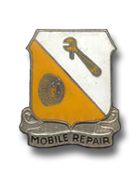 71st Ordnance Bn DUI 71st Ordnance Bn DUIThe current chapter in the history of the 71st begins on 15 March 1949 when the 71st Ordnance Battalion reactivated (under GO #8, HQ Nurnberg Military Post) at Pinder Kaserne, Zirndorf (near Nürnberg), under the command of Major Ross R. Condit. As of this point, five assorted ordnance companies were attached (except for courtmartial jurisdiction) to the battalion, bringing it to a total authorized strength of 1240 soldiers. (The 563rd Ord Co (MAM) and 903rd Ord Co (HAM), both in Fürth, were probably among the subordinate units.) Immediate measures were taken to provide greater unit cohesion for the various widely dispersed companies and to mold them into a single, effective unit, to cope with a steadily increasing maintenance load. Although at times it became necessary to operate 24 hours a day, the Battalion worked in harmony by the end of the first summer's maneuvers. During the succeeding years, more units were attached to the 71st, until in January 1952, the total was 7 companies and one detachment. ORGANIZATION (30 June 1954): |
|||||||||||||||||||||||||||||||||||||
|
|||||||||||||||||||||||||||||||||||||
|
[1] The Ballistic & Technical Service unit's mission: to measure muzzle velocity of all artillery weapons requiring such services; to calibrate all types of artillery weapons for maximum effectiveness; to render technical advice relative to the accuracy life of gun and howitzer tubes; and to recommend replacement when needed; to render technical advice on ammunition lots and to determine their ballistic correctness.
The Ord Det (B&TS) is mainly concerned with calibration of artillery (from the 75mm AAA Gun to the 280mm Atomic Cannon) and determination of tube life. The 348th Ord Det was replaced by the 350th Ord Det on 9 February 1955. [2] The 334th Ord Depot Co was redesignated as the 334th Ord Co (Field Supply) on 20 November 1954. |
|||||||||||||||||||||||||||||||||||||
|
The Battalion Headquarters was moved from Zirndorf to Illesheim in 1951, then to Dachau in 1956, Zuffenhausen in 1958, Munich in 1962, back to Zirndorf in 1965, to Fürth in 1972, and finally to Nürnberg in 1975. The number of subordinate units varied even more than the location of the headquarters, and the unit spent much of its time in the field.
|
|||||||||||||||||||||||||||||||||||||
|
ORGANIZATION (30 June 1958):
|
|||||||||||||||||||||||||||||||||||||
|
|||||||||||||||||||||||||||||||||||||
|
On 5 August 1965, the 71st Ordnance Bn was reorganized as HQ and Company A, 71st Maintenance Bn.
|
|||||||||||||||||||||||||||||||||||||
MISCELLANEOUS INFORMATION: |
|||||||||||||||||||||||||||||||||||||
1.) In an S&S article from Dec 1951 mentioning units that participated in a Christmas party organized for German children in Windsheim, several ordnance units at Illesheim are mentioned, probably all attached to the 71st Ord Bn at that time:  Hq Det, 71st Ord Bn 334th Ord Depot Co537th MM Co546th MAM Co556th MM Co Hq Det, 71st Ord Bn 334th Ord Depot Co537th MM Co546th MAM Co556th MM CoMM ... Medium Maintenance MAM ... Medium Automotive Maintenance 2.) STARS & STRIPES, March 9, 1954 The 71st Ord Bn was activated at Zirndorf in March 1949. The battalion was initially assigned to the 1st Infantry Division. In April 1951, the unit was reassigned to 7th Army and attached to the 47th Ord Group. In May 1951, the battalion moved to Illesheim. |
|||||||||||||||||||||||||||||||||||||
If you have more
information on the history or organization of the 71st Ord Bn or the
71st Maint Bn, please contact me . . |
|||||||||||||||||||||||||||||||||||||
|
|
|||||||||||||||||||||||||||||||||||||
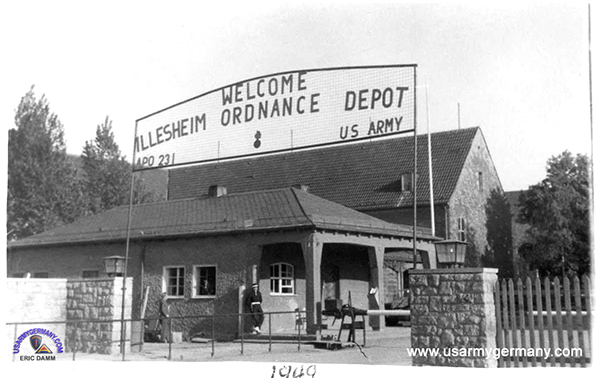 Illesheim Ordnance Depot main gate (Eric Damm) |
|||||||||||||||||||||||||||||||||||||
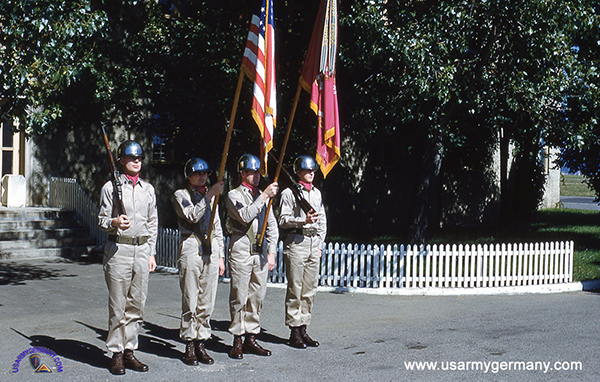 The 71st Ord Bn color guard in front of Bn headquarters at Illesheim (Frank Westburg) |
|||||||||||||||||||||||||||||||||||||
| 1954 | |||||||||||||||||||||||||||||||||||||
| (Source: STARS & STRIPES, March 29, 1954) | |||||||||||||||||||||||||||||||||||||
| The 71st Ord Bn (part of the 47th Ord Gp) is located at Illesheim. CO is Lt Col Louis J. Poudre. Chain of command: 7th Army Ord Officer (Col Thomas F. Donahue); 47th Ord Gp (CO is Col Franklin Kemble, Jr.) STRIPES article lists the same subordinate units as found in the ORGANIZATION (30 June 1954) table above. Hq/Hq Det - this is the command administrative and technical echelon for attached units. The detachment provides the enlisted specialists that help run the battalion headquarters and supervise the administration of attached units. 334th Ord Depot Supply Co - this unit supplies the parts for tanks, half-tracks, small arms, artillery pieces, fire control, and tools for preserving materials in the field. 546th Direct Automotive Support Co - this unit provides maintenance and supply support for units in the Wertheim, Kitzingen, Würzburg and Illesheim areas, plus backup support for the 556th and 537th Ord Companies. 348th Ord Ballistics and Technical Svc Det - this unit is responsible for calibration firing and star (sic) gauging of all artillery weapons in the US Zone of Germany. This det is under the direct operational control of the 7th Army Ordnance Officer. (It is the only unit of its type in theater and spends a lot of time in the field.) Direct support ordnance companies (8th, 22nd, 556th & 537th) - these units provide maintenance and supply support to units within their area of responsibilty. |
|||||||||||||||||||||||||||||||||||||
| (Source: Email from Joseph M. Leseney) | |||||||||||||||||||||||||||||||||||||
My father, LTC Joe M. Leseney, was the battalion commander of the 71st Ordnance Bn from mid 1955 to mid 1957. He came from the 47th Ordnance Group at Coffey Bks in Ludwigsburg and moved the battalion Hq to Dachau.
For your information the group commander of the 47th at the time was Col Sheridan. I also know that the next commander after my dad was LTC Lamoure and the previous commander was LTC Riddle. |
|||||||||||||||||||||||||||||||||||||
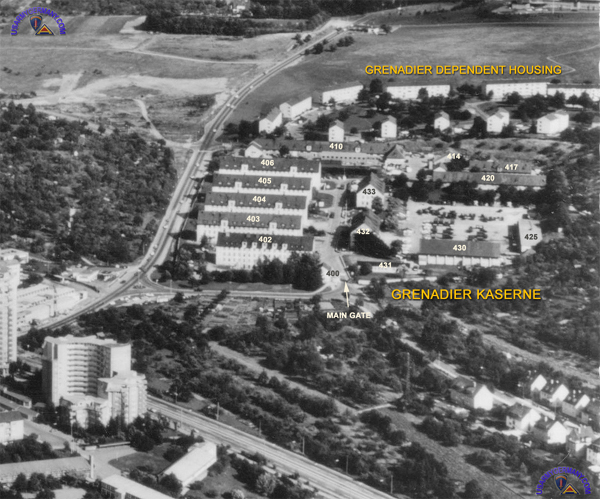 Grenadier Kaserne, Zuffenhausen, home of HQ 71st Ord Bn (M-S) in the late 1950s |
|||||||||||||||||||||||||||||||||||||
| 1958 | |||||||||||||||||||||||||||||||||||||
| (Source: Email from Wayne Brown) | |||||||||||||||||||||||||||||||||||||
| I was with the HQ Det, 71st Ordnance Battalion (M-S) in Zuffenhausen (Stuttgart) from 1958 to 1960. Sorry to say all pictures lost in a fire. I don't see much on line about that time. We were a small section of 25 men responsible for parts supply for the 280mm atomic cannon. We did not store the parts, we did the ordering. We also went to Graf and Neckarsulm, but home was Grenadier. I believe we were located in Bldg 410 - the second floor was our office and our billets were on the right, facing building. I remember that someone in my unit shot himself on that floor, but they hushed it up. What we were doing in parts support was considered confidential. I don't even think we were reported as nothing is in my discharge papers. I do remember the officer who was in charge of supply, CWO Ruttherford. There was a lot of labor service also living at Grenadier and they had there own mess hall. Bldg 400 was the guard building - I also did guard duty at that gate. There was a small guard shack attached to the building. The two mess halls (US and Labor Service) were on the right (Bldgs 432 & 433). That's all I can give you except the name of the gasthaus at the bottom of the hill -- it was Lindes. |
|||||||||||||||||||||||||||||||||||||
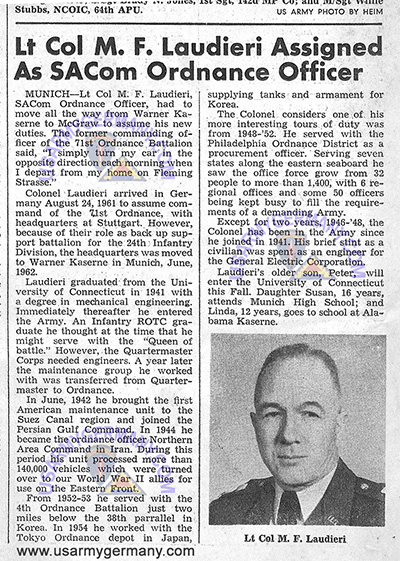 LTC Laudieri, CO 71st Ord Bn (M-S), 1961 |
|||||||||||||||||||||||||||||||||||||
| 1961 | |||||||||||||||||||||||||||||||||||||
| (Source: Email from Peter Laudieri, son of Lt Col M. F. Laudieri, former commanding officer of the 71st Ord Bn) | |||||||||||||||||||||||||||||||||||||
| My dad, LTC Mario Frank Laudieri, was the battalion commander of the 71st Ordnance Battalion. 1961-1962 the battalion HQ was in Stuttgart. I can’t remember the name of the post. I remember taking a bus or streetcar to the Robert Bosch Krankenhaus stop, then walking up a hill to Dad’s office. The Krankenhaus (hospital) is just next to and south of Robinson Barracks. This from looking at Google Maps. Google Earth shows an uphill walk from the hospital to Robinson Barracks. (Webmaster Note: HQ 71st Ord Bn and its higher headquarters, 47th Ord Gp, were both stationed at Grenadier Kaserne, which is less than a mile east of Robinson Barracks and on the same hill as Robinson.) 1962-1964 the battalion HQ was in Munich. Again, I can’t remember the name of the post. (Webmaster Note: that would have been Warner Kaserne.) |
|||||||||||||||||||||||||||||||||||||
| 1962 | |||||||||||||||||||||||||||||||||||||
| (Source: Email from Lawrence E. Stubbmann Jr.) | |||||||||||||||||||||||||||||||||||||
| I am not an expert
on the 4th Armd Div, but I was stationed in Pinder Barracks from 3/1962
to 10/1964. I was in the 556th Ordnance
Company, which was part of the 71st Ord Bn, which was located
in Munich. We were a small DS Maint unit in the rear area of Pinder Barracks. The rest of Pinder was the 22nd Artillery which was part of the 4th Armd Div. In the picture that you have on you website of the front gate to Pinder, you can see the 22nd Artillery sign over the entrance. That picture has 1958 as the year the picture was taken. Just after I rotated back to the US the 71st Ord Bn (apparently) moved from Munich to Zirndorf, into the area with the 556th, and the 556th became Co A of the 71st. |
|||||||||||||||||||||||||||||||||||||
 |
|||||||||||||||||||||||||||||||||||||
|
|
|||||||||||||||||||||||||||||||||||||
| 71st Maintenance Battalion | |||||||||||||||||||||||||||||||||||||
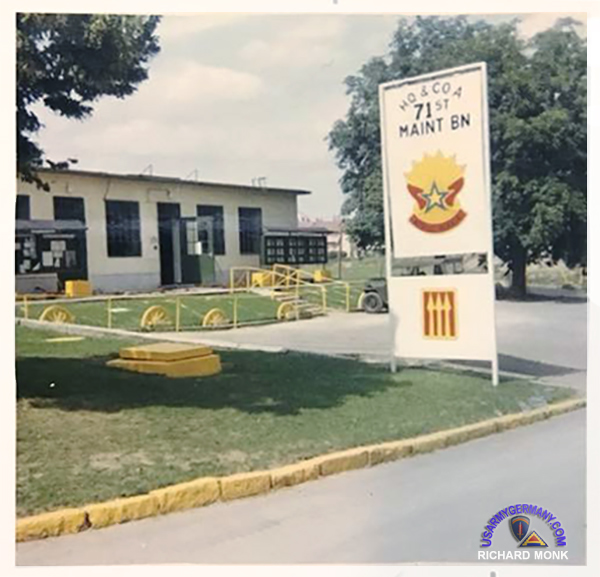 Headquarters, 71st Maint Bn, Pinder Bks, Zirndorf (Rickard Monk) |
|||||||||||||||||||||||||||||||||||||
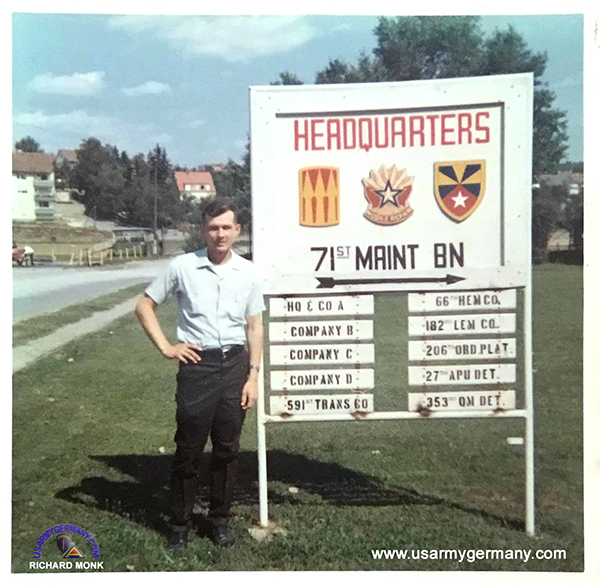 Sign on access road to Pinder Barracks, Zirndorf (Rickard Monk) |
|||||||||||||||||||||||||||||||||||||
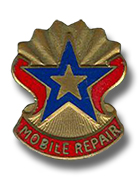 71st Maintenance Bn DUI 71st Maintenance Bn DUI |
|||||||||||||||||||||||||||||||||||||
| COSTAR II (Combat Service to the Army) | |||||||||||||||||||||||||||||||||||||
| If you have corrections, comments and additional information/photos please contact the webmaster! | |||||||||||||||||||||||||||||||||||||
| (Source: STATION LISTS for 1964 an 1965; FM 29-22 Maintenance Operations in the Field Army, July 1965) | |||||||||||||||||||||||||||||||||||||
| In 1965, the 71st Ordnance Battalion (Maintenance and Suppy) (TOE 09-076D) at Warner Barracks, Munich, was moved to Pinder Barracks, Zirndorf and reorganized under the COSTAR II concept. The battalion was redesignated as the 71st Maintenance Battalion (Direct Support). | |||||||||||||||||||||||||||||||||||||
|
|||||||||||||||||||||||||||||||||||||
| 1965 - present | |||||||||||||||||||||||||||||||||||||
|
(Source: History of the 71st Maintenance Battalion, Adjutant, HQ 71st Maint Bn, 1991)
|
|||||||||||||||||||||||||||||||||||||
|
On 5 August 1965, the 71st Ordnance Bn was reorganized as HQ and Company A, 71st Maintenance Bn. Organic elements were formed on 5 and 13 August 1965 by reorganization and redesignation of existing (subordinate) units.
In 1966, the unit insignia was changed from that previously held by the 71st Quartermaster Battalion (Light Maintenance) to its present form, which symbolizes the mission of 71st Maint Bn. The 71st Maint Bn was assigned to the 2nd Support Command (Corps) on 16 April 1969. The Battalion deployed to Southwest Asia as part of Operation Desert Shield in December, 1990. The Battalion remained in the theater through Operation Desert Storm with parts of the Battalion working in Saudi Arabia, Kuwait, and Iraq. On 15 June 1991, the 71st Maint Bn was assigned to 3rd Corps Support Command. |
|||||||||||||||||||||||||||||||||||||
|
|
|||||||||||||||||||||||||||||||||||||
| (Source: Email from John Ballard, Co "D," 71st Maint Bn, 1965-68) | |||||||||||||||||||||||||||||||||||||
(John has also provided comments on his assignments to 66th Maint Bn and the 504th Sig Bn)
As I was surfing I came across a website for the 71st Maintenance Battalion. The one glaring error that I saw was that there was no reference to Company D, 71st Maintenance Battalion (DS). In February 1965 I arrived in Germany aboard the troop ship USNS Buckner. I rode a train to Mannheim and a truck to the 504th Signal Battalion. I was assigned to Company C in Heilbronn with further assignment to Detachment 2, Company C, 504th Signal Battalion at Merrell Barracks, Nuernberg. Then came COSTAR II and the 504th was deactivated. At this time I was assigned to Company D, 71st Maintenance Battalion (DS) sometime in August 1965. For about three weeks myself and others were trucked to Pinder Barracks in Zirndorf, daily to help set up their Tech Supply (I set up the Editor section). Then we opened up Company D's Tech Supply. My platoon sergeant was Staff Sergeant Cleveland (whom we referred to as "Wimpy" from Popeye comics). The platoon leader was a brand new second lieutenant named Carter. We set up on the first floor of the building that housed the EM Club on the second floor and it was on the end across the motor park from the company motor pools near the mess hall. The building was in the shape of an H and the other part housed the Gym and Bowling Alley. The post SP's were in the basement under the Bowling Alley. Company D had Maintenance Platoons in Bindlach, Amberg and Bamberg and each had a PLL clerk that came out of Tech Supply. I was on various occasions Editor, Assistant Editor, Deck Manager and Warehouseman. I also was one of the "Bluestreak" clerks (Priority 02 requisitions) for a while. Our Company Commander was Captain Fred Nunziata and the First Sergeant was Starbird. We had some interesting times and some good times. I left in April of 1968 and went back to the US. When I returned to Germany in December of 1969 I tried to get reassigned to Company D again but was assigned to the 66th Maintenance Battalion (DS) in Kaiserslautern. Since Nuernberg was the home of my wife we traveled there often and visited Merrell several times. Company D was still there. ADDITIONAL INFORMATION We began building the company at Merrell Barracks, Nuernberg, FRG in August/September 1965. I am not certain what unit was the nucleus for Company D but one of the things that sticks out in my mind is that it must have been an Ordnance Company as we were way over strength with Wheeled Vehicle mechanics. Tech Supply was very short on MOS qualified supply personnel so we were supplemented with mechanics that we had to OJT in supply procedures. I started as a Deck manager but when the Platoon Sergeant found out that I had Editor experience I was moved into the Editor position. That changed within a few months when an E4 came along and was put into that position and I was moved back to the Decks. The Editor complained that he had too much work so I was moved back to be his assistant (but that is another story). We supported the 2nd Armored Cavalry Regiment, 2/34th Field Artillery Battalion, 3/17th Field Artillery, and several other units with Direct Support (3rd Echelon) Maintenance. Company D also supplied a Wheel and Tracked Vehicle Maintenance Platoon to each of the three Squadrons of the 2nd ACR at Amberg, The 71st Maintenance Battalion Headquarters was located in Pinder Barracks, Zirndorf which was west of Nuernberg. The next higher headquarters was 3rd Support Brigade; if memory serves they were located at Nellingen Barracks. I also served time as a PLL Clerk with 1st Maint Platoon in Bindlach. The Platoon Sergeant was Staff Sergeant Holmes. In 1967 we were involved in the largest exercise that I had been involved while there; Operation Merry Mood (I believe) took us to northern |
|||||||||||||||||||||||||||||||||||||
| 1966 | |||||||||||||||||||||||||||||||||||||
| (Source: Email from Curtis W. McNeal) | |||||||||||||||||||||||||||||||||||||
| I was assigned to this unit from April 1966 to 1968. We were located at Merrill Barracks, Nurnberg. Also attached was the 203 Ord platoon. "D" Company provided wheel/track vehicle support services to the; 2 A/C, 17th Artillery, 31st or 32nd Artillery and the 656 Services Co., all located at Merrill Bks. The 203rd Ord Pltn was assigned to units of the 2 A/C at Bitburg (Webmaster note: probably meant Bindlach), Bamberg and another location that slips my mind. When I arrived we wore the "Seven Steps to Hell" patch, later changing to the 3rd Brigade patch. I may be wrong about the 3rd's patch. We also recieved the Presidential Unit Citation and the Outstanding Unit Citation. On your web page you failed to include these units and their awards. |
|||||||||||||||||||||||||||||||||||||
| (Source: Email from Robert Webb) | |||||||||||||||||||||||||||||||||||||
| I put out the battalion paper in 1966. Worked for a Lt. Dale Carpenter, later to become Captain…we also housed a Major and Lt. Col. Worked for a while with a guy named Leatherwood who went back to the "World" after I got there. We were located at Pinder Barracks, Zirndorf. The barracks were one story buildings spaced about 20 yards apart and housing 4 to 5 recruits to a room. The buildings themselves contained about 10 rooms. My MOS was 54D20, Chemical Equipment Repairman. We repaired gas masks in the shop. One morning at formation, our sarge asked if there was anyone who knew how to type. My hand went up immediately and from then on worked for HDQ & Co A. I don’t remember the name of the paper nor it’s circulation, but was put out every several weeks and numbered in the hundreds. The paper was typed on mimeograph and then copies were run off…one time Capt Carpenter forgot to sign the mimeograph so the Major had him sign all individual copies of the paper, which as mentioned above numbered in the hundreds. I remember one time we had to put out a special edition which kept me at work to 20 straight hours drinking a whole urn of coffee. The problem was we were having an inspection the next day in the barracks. The Col. wrote a special note for me excusing me from participation in the inspection. I figured it would be too noisy for me to get any sleep so I walked into town and sat in a beerstube until the inspection was over. |
|||||||||||||||||||||||||||||||||||||
| 1971 | |||||||||||||||||||||||||||||||||||||
| (Source:Email from David Taliaferro) | |||||||||||||||||||||||||||||||||||||
| I served from April 1971 to June 1975 with the 71st Maintenance Bn. I was assigned as the Maintenance Platoon leader for one year and the last two years as the Tech Supply Officer. During the first year, I was with Company D at Merrell Barracks in Nurnberg. I do not remember the name of my first CO. At that time the Bn HQ was at Pinder Barracks in Zirndorf. After about a year, the company was renamed the 614th Maintenance Company commanded by Cpt Joe Goodbody. Shortly thereafter, the Bn HQ moved to Merrell. The 614th had a detachment at Bindlach supporting one of the 2ACR Squadrons and another at Amberg. LTC Clarence Oaks commanded the Battalion. I must say that for about a year and a half, I was privileged to serve under two of the finest officers in the Ordnance Corps. We performed our mission well in spite of the challenges of race relations and drug use. Also, I believe we had some of the finest NCO’s, but we were always short handed and the challenge was to get the work done with the limited supervision. The Army was at a transition point in that the last of the draftees were ending their service. I found the draftees to be generally the better soldiers as many of the volunteers were there to escape prosecution back home or were unable to get jobs. We supported the 2ACR, 3/17 FA, 130th Gen Hospital, and 569 Personnel Company. There may have been some others. I was promoted to Cpt a few weeks before leaving the service. Due to the short time frame, I remained with the Company until I returned to the States. |
|||||||||||||||||||||||||||||||||||||
| 1989 | |||||||||||||||||||||||||||||||||||||
| (Source: The Champion, May 10, 1989) | |||||||||||||||||||||||||||||||||||||
| 71st Maint
holds proud heritage The history of the 71st Maintenance Battalion dates back to May 1, 1936 with the activation of the 35th Quartermaster Regiment in the regular army. The parent unit was disbanded in 1940, with the exception of its first battalion which was redesignated as the 71st Quartermaster Battalion (light maintenance). In 1942 the battalion was converted to the United States Army Ordnance Corps, and was simultaneously redesignated as the 71st Ordnance Medium Maintenance Battalion. The battalion proceeded to serve with honor during World War II in the campaigns of Normandy, Northern France, the Rhineland, Ardenned-Alsace, and Central Europe. The first chapter of the history closes with the reactivation of the battalion at Chaumont, France on 12 November, 1945. The present chapter begins on 15 March 1949, at Flak Kaserne, in Zirndorf, Germany, with the reactivation of Headquarters and Headquarters Detachment, 71st Ordnance Battalion. In the years that followed, the battalion headquarters moved to Illesheim in 1951, then to Dachau in 1956, where it was redesignated Headquarters and Company A, 71st Maintenance Battalion. In 1972, the battalion moved to Fuerth, and was redesignated the 71st Supply and Maintenance Battalion. Current identity was assumed on Feb. 6, 1974, the battalion moved to Merrell Barracks in Nuernberg. In November 1986, the 71st Maintenance Battalion moved to its current location which is W.O. Darby Kaserne, in Fuerth. Today the battalion consists of a headquarters and headquarters detachment, the 45th Ordnance Company, the 156th Maintenance Company, the 317th Maintenance Company, and the 240th Supply and Service Company. Its present mission support area includes most of Northern Bavaria. The current authorized strength of the 71st Maintenance Battalion and its subordinate units is 1084 men and women. |
|||||||||||||||||||||||||||||||||||||
| (Source: The Champion, May 10, 1989) | |||||||||||||||||||||||||||||||||||||
| ORGANIZATION (1989): | |||||||||||||||||||||||||||||||||||||
|
|||||||||||||||||||||||||||||||||||||
|
|||||||||||||||||||||||||||||||||||||
|
|
|||||||||||||||||||||||||||||||||||||
| 6th Ordnance Company | |||||||||||||||||||||||||||||||||||||
| 1946 (3rd Army) | |||||||||||||||||||||||||||||||||||||
| (Source: Bob Furley, 6th Ord Co & 531st Tank Maint Co) | |||||||||||||||||||||||||||||||||||||
| I was a Small Arms mechanic in the 6th Ord. Co. (Medium Automotive Maintenance) at Fürth, Germany, August to about October 1946. I believe it was part of either the 69th or 70th Ord. Group located in the same compound. There were other Ord. units also at some time in that period. While away on an inspection trip I was transferred to the 531st Tank Maint. Co. We wore the 3rd Army patch. Due to trouble that Tito was causing at Trieste, President Truman created what we were told was a secret organization. Believe this or not the group I was with was designated as "Company X'. All mail outgoing was censored. It was collected and sent back to Furth to be mailed from the APO there. We moved out by 2½ - ton GMC's and were told we would pick up equipment later. We finally arrived outside Munich close to Dachau and "Control Point A" whatever that was. It was a German Army kaserne across from a major DP camp and next to a very large minefield where some type of prisoners were probing for the mines and often goofed exploding the mine. I think I have some documents issued and marked Company X -- that is, if the 2004 hurricanes did not destroy them. We found all our shop trucks lined up in a field next to the kaserne. The rear doors of my Small Arms truck was sealed by 3 spot welds and when opened was fully equipped. Several days later we moved out in large convoys each truck hauling a 1 ½ - ton loaded trailer. It would have been a fairly simple movement except for the fact that each truck was fully loaded and pulling a loaded trailer. All, and I mean all, bridges large and small had been blown by the Germans. One large detour south of Munich required us to decend down into a valley on a dirt road bulldozed by our engineers. Slippery going down, murder climbing back up and out of the valley. My serial stalled on the way up and I started to slide backwards but stopped by the truck behind me. This allowed me to get into compound low with front wheel drive engaged. We were headed for Regensburg then to join the British troops on the Morgan Line guarding Trieste. Somewhere along the way south of the climb out we were diverted to a U.S. Constabulary compound (the 66th) at Deggendorf, Germany. After about a month we returned to Munich then back to Furth. On the way back to Furth I was driving a M26 tractor, the front half of a tank transporter, and was stopped by a full Colonel who broke down in his staff car. He probably got the ride of his life. Shortly after I got back to Furth I was ordered to drive a 1942 Plymouth staff car to 3rd Army Hqtrs at Seckenheim, Germany, outside of Heidelberg. I reported to Col. Nixon, G4 3rd Army, same guy I picked up on the road. Stayed with him and his French wife at their villa in Heidelberg. Never saw Hqtrs. Co. at Patton Barracks. Was told my CO was Col. Nixon. This was true of all General Staff drivers and also all General Officers drivers. When 3rd Army was deactivated in Feb. 1947 Lt. Gen. Keyes, 3rd Army C.G. was ordered to replace Gen. Clark as C.G. of the United States Forces in Austria. He took Col. Nixon with him and Nixon eventually took me to Vienna too. But not before I was made part of U.S. Constabulary Hqtrs who took over from 3rd Army. Then transferred to 7791 Hq. Co. Vienna and was assigned as chief driver and section chief for Lt. Gen Keyes. Nov. 1948 to Bremerhaven and troop ship back to the States for discharge. Stayed with the reserves and commissioned as a Infantry Officer 1953. |
|||||||||||||||||||||||||||||||||||||
| 87th Ordnance Battalion | |||||||||||||||||||||||||||||||||||||
| (Source: author's collection) | |||||||||||||||||||||||||||||||||||||
|
|||||||||||||||||||||||||||||||||||||
| (Source: Email from Ron Irwin, 6th Ord Co, 1959-61) | |||||||||||||||||||||||||||||||||||||
I was stationed at the Artillery Kaserne, Neckarsulm, Germany with the 71th Ord. Battalion 6th Ord. Co. (DS) from 1959 - 1961. Here are some pictures from that time. I came over on the USNS Buttner and went home on the USNS Patch. One of the pictures is the Buttner docking in South Hampton, England and from there we went to Bremerhaven, Germany. Then an overnight train ride to Heilbronn where I was picked up and taken to Neckersulm. These are just pictures of the kaserne. One or two pictures of Operation Winter Shield.
I hope this helps you with your 6th ord. history. I was mechanic/currier/tank transport escort driver. I guess I am just like all the other G.I.'s, unhappy and lonely while I was there and today I wouldn't trade anything for the fond memories and friends I have made while there in Germany. I am proud to have served my country during the Cold War. |
|||||||||||||||||||||||||||||||||||||
|
|||||||||||||||||||||||||||||||||||||
| (Source: Email from Steve Pace, 6th Ord Co, 1961-63) | |||||||||||||||||||||||||||||||||||||
|
|||||||||||||||||||||||||||||||||||||
| Our mission as a direct support ordnance company was to replace truck engines and drive trains, tank and armored personnel carrier power packs, and repair or replace track assemblies; rebuilt batteries, carburetors, fuel pumps, generators and starters. We had complete automotive maintenance and supply facilities, a battery refurbishing shop, a body repair and paint shop and a fuel and electric shop. During my tenure, I personally worked in the vehicle maintenance shop, battery rebuild shop and the fuel and electric (F&E) shop. I was also put in charge the company tool truck to maintain, check out/check in special tools such as ¾-inch and 1-inch drive sets. In February 1964 I got orders to rotate back to the States to Camp Roberts in California, assigned to the 573rd Ordnance Company (Direct Support), 6th Army. I flew back to the States on a Douglas C-118A Liftmaster out of Rhine-Main Air Base in Frankfurt via the Azores and onward to McGuire Air Force Base in New Jersey for processing at Fort Dix, NJ. (It took nine days to sail from New York City, New York to Bremerhaven, Germany. I was sea sick for most of the voyage. Working in the hot laundry room aboard ship did not help my situation. It was a miserable experience. I lucked out not having to return to the U.S. by ship.) (Webmaster note: the company sign seen next to Jon Lang in one of the following emails was actually made by Steve Pace during his tour with the 6th Ord Co.) |
|||||||||||||||||||||||||||||||||||||
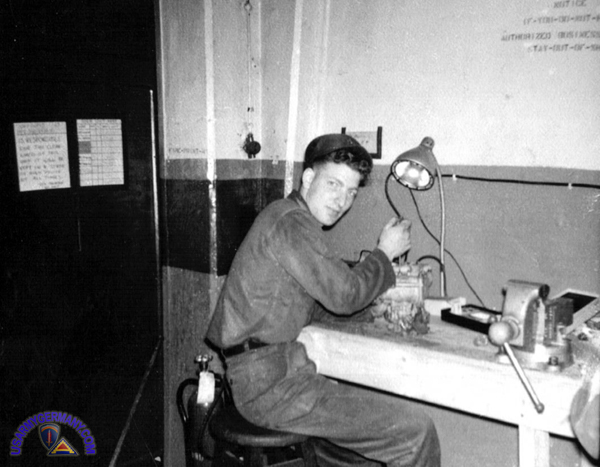 Steve Pace working in the F&E Shop, Artillery Kaserne |
|||||||||||||||||||||||||||||||||||||
| 71st Ordnance Battalion | |||||||||||||||||||||||||||||||||||||
| (Source: Email from Jon Lang) | |||||||||||||||||||||||||||||||||||||
| I was stationed at Artillery Kaserne in Neckarsulm, home of 6th Ord Co of the 71st Ord Bn, late 1963 to early 1965. | |||||||||||||||||||||||||||||||||||||
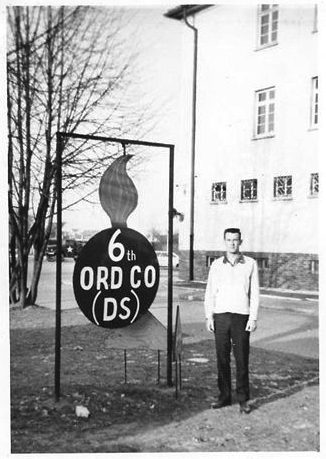 Jon Lang next to company sign Jon Lang next to company sign |
|||||||||||||||||||||||||||||||||||||
|
|||||||||||||||||||||||||||||||||||||
| 8th Ordnance Company | |||||||||||||||||||||||||||||||||||||
| 1961 | |||||||||||||||||||||||||||||||||||||
| (Source: Email from Jim Miller, 8th Ord Co (DS), 1961) | |||||||||||||||||||||||||||||||||||||
| I was assigned
to the 8th Ordnance Co. (DS) from 1962 through late 1964. I was transferred
to the 22nd Ord. Co (DS) in Munich until February 1965 when I was
discharged as an RA. The 8th Ord Co. supported the 11th A/C Regiment with troops in Straubing, Landshut and Regensburg, Bavaria. We had border duty at camps in Regen and Rohrbach on the Czech border that I can recall. The 11th Cav was rotated back to the States in 1964. In 1966, the 11th was deployed to Viet Nam where it served proudly. The crest on your website was the one I wore when I was discharged from the Army. The crest I wore in 8th Ordnance was a yellow shield with 3 swords pointed upward with the tips touching. Under the shield was a small dark blue banner with the latin words "Ad Alta" which means "To the Highest". I believe the Army moves crests around and have heard of this crest being used by other units as well. Jim Miller |
|||||||||||||||||||||||||||||||||||||
|
|||||||||||||||||||||||||||||||||||||
|
|
|||||||||||||||||||||||||||||||||||||
| 22nd Ordnance Company | |||||||||||||||||||||||||||||||||||||
| 1950 | |||||||||||||||||||||||||||||||||||||
| The 22nd was activated on 22 May 1950 as the 22nd Ordnance Company (Medium Maint)(US Cons) | |||||||||||||||||||||||||||||||||||||
22nd MAINTENANCE COMPANY MISSION: The 22nd Maintenance Company provides DS maintenance and technical supply support to up to 56 company sized non-divisional units, on an area basis. |
|||||||||||||||||||||||||||||||||||||
SOME HISTORICAL INFORMATION: The unit was activated at Augsburg, Germany on 20 July 1950 and assigned to the United States Constabulary. It was attached to the 19th Ordnance Battalion in Munich in October 1950 and to the 80th Ordnance Battalion at Dachau in October 1951. On 15 November 1951 it was reorganized and redesignated 22nd Ordnance Company Direct Support and attached to the 71st Ordnance Battalion at Munich in January 1953. The unit joined Army Task Force 201 on 18 July 1958 and sailed to Bierut, Lebanon, where it remained until 13 October 1958. On 2 July 1965 the 22nd Ordnance Company moved to Camp Dachau, Germany, where, on 5 August, through consolidation with the 78th Engineer Company, it was reorganized and redesignated as Company B, 1st Maintenance Battalion. On 21 December 1972 the company (B Co, 1st Maint Bn) was redesignated as 22nd Maintenance Company, Direct Support. During the early 1980s, two detachments of the 22nd Maint Co were located at Craislheim and Neckarsulm. Later, the detachments were expanded to four teams and relocated to Augsburg. |
|||||||||||||||||||||||||||||||||||||
| 1953 | |||||||||||||||||||||||||||||||||||||
| (Source: Email from Bruce Samoore, 22nd Ord Co, 1953) | |||||||||||||||||||||||||||||||||||||
On July 4th 1953,
I arrived in Munich, Germany after arriving from Zweibrucken by train.
The Co. was billeted in Will Kaserne, north east of the city, just
across the road from Warner Kaserne. There were 150 men in the unit
and we were in direct support of 18 armoured units. |
|||||||||||||||||||||||||||||||||||||
|
|||||||||||||||||||||||||||||||||||||
|
|
|||||||||||||||||||||||||||||||||||||
| (Source: Email from James D. Henry, 22nd Ord Co, 1953-56) | |||||||||||||||||||||||||||||||||||||
| I arrived in Munich in Sept 1953. I was assigned to the 22nd Ordinance DS at Will Kaserne. We were part of the 71st Ord Battalion at Landshut. The shop foreman was MSGT. George Forester, from Georgia. He could remember the vehicle USA numbers of each of the trucks which were in the shop for repair. The Company clerk was Cpl Geipe. He had a photographic memory also. He could recite the entire company's Army serial numbers. I was in the Fire Control Instrument Repair Section. Sgt. A. J. Kyle was section chief. Msgt Bailey from Louisiana was head of the Artillery and Inst. Repair Section. Sgt. Crouch was the watch repairman. SFC Lang was over the Small Arms section. Some of the instrument repairmen were: Paul F. Corder, Flasqerud (from Iowa), one from Louisville KY and Lake Charles LA and others whose name I can't remember. Sometime in 1954 or 1955, our company Recovery Section recovered an ATOMIC Cannon which overturned in southern Bavaria (probably the first ever atomic cannon wreck). I left the 22nd in February,1956 and mustered out in Ft. Smith AR. |
|||||||||||||||||||||||||||||||||||||
| 1956 | |||||||||||||||||||||||||||||||||||||
| (Source: Email from Marvin Ashmen, 22nd Ord Co, 1956-58) | |||||||||||||||||||||||||||||||||||||
| I was with the 22nd Ord Co from May 1956 to Oct 1958. My picture is the ninth down (see 22nd Ord Co group photo in Edward L. Sanders post) on the far left -- PFC Ashmen. I worked in the Instrument Section. I would like to post some pictures if possible. I found some old slides wrapped in tin foil taken back 1956/58. They look good for being so old. The 22nd Ord barracks was right behind the bomded out building (Photo #1). My old car is parked out front on the left. I was able to look out my window and see my car. The picture of the four buddies we were roommates; L to R: Charlie Peck* MacMillan Me Marvin Ashmen* and Loesch* ( the * means that these are in the Co. picture). The picture of me at the back gate shows a small village. I don't see the village in Google. Little history of me; after I was discharge from the Army in Nov 1958. I enlisted in the Air Force in Jan 63 and retired from the AF in 1980. I have a list of assignments on the classmates web page under my name school Gloucester High NJ. I have some pictures of downtown Munich at nite should you be interested. Oh, the tank picture was taken at Henry Kaserne.... |
|||||||||||||||||||||||||||||||||||||
|
|||||||||||||||||||||||||||||||||||||
| (Source: Email from Edward L Sanders, 22nd Ord Co, 1956-59) | |||||||||||||||||||||||||||||||||||||
I was assigned to the 22nd Ordnance Company from May 1956 until May 1959, we were in the Will Kaserne in Munich.
When I arrived the Company Commander was 1st Lt Baker, 1st Sgt was Kelsey. I also went to Beriut in 1958. I have a Unit picture taken in 1956 or 1957, there are 4 Commisioned Officers, 5 Chief Warrants and 165 Enlisted men. I was a private when I arrived and left a SP5, I retired in 1976 as a CWO 3. |
|||||||||||||||||||||||||||||||||||||
|
|||||||||||||||||||||||||||||||||||||
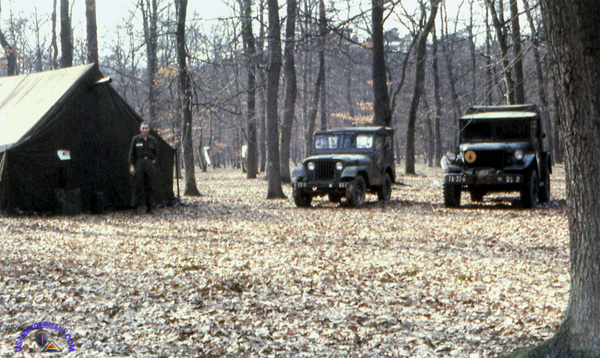 The 22nd Ordnance Company on a field exercise, 1958 (John Miller) |
|||||||||||||||||||||||||||||||||||||
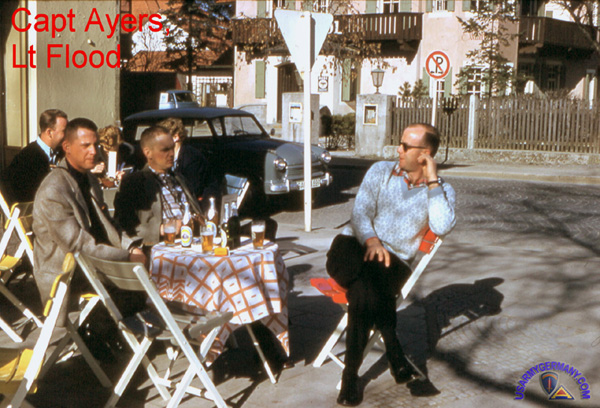 22nd Ord Co officers at Garmisch, 1958 (John Miller) |
|||||||||||||||||||||||||||||||||||||
| 1957 | |||||||||||||||||||||||||||||||||||||
| (Source: Email from John Miller, 22nd Ord Co, 1957-1959) | |||||||||||||||||||||||||||||||||||||
| I was assigned to the 22nd Ordnance Co at the end of 1957 and left in June 1959. The memories were all good and serving for Capt Ayers was a pleasure. (Attached is a picture of Capt Ayers and Lt Flood on leave in Garmish) When I arrived I was met by several officers and the first thing asked was if I bowled. When I said I did a little it was off to the bowling alley as the Officers had a team. My mentor and best friend was CWO Leo Gibson, who was also my golf buddy. We played at Dachau and at Feldafing, south of Munich. Both courses are still going, but the one at Dacau is not run by the Army. I have good memories of golf in Germany. Capt Gadde was our CO when I arrived and was replaced by Capt Ayers later in my tour. Capt Gadde was a hands-on person who liked to run things from the shop area and so I was made the EX Officer for the paper work. Both men were very good Officers from where I stood. I can not say the same for one at Battalion HQ in Dachau. I had a problem with him relative to a soldier I was defending at a court martial. He was later proved wrong. He also latter made the front page of the LA Times when his small son inspected the troops dressed as a Lt. This was after he had left Germany. I have many good memories from this tour, and thought about staying on the Army. I however had a job waiting at North American Aviation as an Engineer. I spent my life working on the Space Program and designing Aircraft. I got to know some wonderful officers in this job. When I retired I volunteered at the Red Cross with the Military (AFES). This was a wonderful experience, I know I worked 24 straight hours at the start of the Gulf War. May God Bless each and every one of our Troops and America. |
|||||||||||||||||||||||||||||||||||||
| (Source: Email from Marlen Hagen, 22nd Ord Co, 1957-1958) | |||||||||||||||||||||||||||||||||||||
| I was assigned
to the 22nd Ordnance Company while completing
my training in Fort Chaffee, Arkansas. I arrived in Bremerhaven, Germany
in July 1957 and traveled via train to Munich. The 22nd Ordnance was
located at Will Kaserne in the northeast section of Munich across
from the Warner Kaserne and was part of the 71st Ordnance Battalion.
I worked in the Orderly Room and the Personnel Department. Sometime after I arrived I went to Personnel School in Lenggries, Germany in the Bavarian Alps. I remember fellow soldiers like George C. Ward and Thomas Green III. Sgt. Carl Forte was our 1st Sargeant. Capt. Gadde was our company commander. In July 1958, the 22nd Ordnance Company became part of the American Land Forces and was transferred to Beirut, Lebanon. We stayed there about three months and then returned to Munich. I was transferred to Battalion Headquarters in Dachau for awhile. In December, I left for home via ship and was discharged at Fort Sheridan, Illinois. I spent two years in active reserve and two years inactive reserve. I understand (but not sure) that the 22nd Ordnance Company does not exist any longer. I was going to travel to Germany again but I understand that Will Kaserne is gated shut and weeds are growing all over. Marlen Hagan |
|||||||||||||||||||||||||||||||||||||
| 1983 | |||||||||||||||||||||||||||||||||||||
| (Source: Heilbronn Community Circle, July 4 1983) | |||||||||||||||||||||||||||||||||||||
| Farewell, Double Deuce "It's the last job we have for 3/84th ," says Second Lieutenant William Hargrave of 22nd Maintenance Company, as he points to a two and a half-ton truck "Double-Deuce." 22nd Maintenance provided direct support to 3/84th FA Bn for the past four years. As of June 20, 1983, 55th Maintenance Batalion in Neckarsulm will provide repairs such as engine and transmission problems for 3/84th. "We service about 25 jobs per month here," said Chief Warrant Officer Robert Ewing. 22nd Maintenance provides repair support for 53 companies. Their next assignment is in Augsburg, where the company will provide service for three Field Artillery Battalions. |
|||||||||||||||||||||||||||||||||||||
| 1985 | |||||||||||||||||||||||||||||||||||||
| (Source: Heilbronn Eagle, Oct 25 1985) | |||||||||||||||||||||||||||||||||||||
| Supply stores keep customers operating By Mike Novogradac The 22nd Maintenance Company, 1st Maintenance Battalion, wouldn't have any problem commercializing its supply operation, should it ever want to do so. According to Chief Warrant Officer 2 James Stone, the 22nd's supply technician, the unit actually contains three "stores" where its 37 customer units can "buy" Class IX repair parts. And like an auto parts supplier, customers can exchange items like batteries and brakeshoes for quality rebuilt parts. In their Quick Supply Store, the maintenance unit's customers can choose from over 640 items - nuts, bolts, windshield wipers, light bulbs, etc., on a walk-in basis. "They're free to customers," said Stone. "We call it `instant gratification.' " The heart of the 22nd's complex operation, however, is a fully mobile computer system. Known as the DAS-3 (Decentralized, Automated Service Support System), the computer is capable of operating in many different environments and it even goes to the field during lengthy exercises. |
|||||||||||||||||||||||||||||||||||||
|
|||||||||||||||||||||||||||||||||||||
| Stone explained how the computer looks at the dollar value of every item it handles. The DAS-3 also considers at the item's "ship time" -- the time from ordering to arrival. "When the computer looks at money," explained Stone, "we could be compared to a small business. We only have so much money we can spend to stock our supplies. We order an item, stock it and can't reorder it until a customer draws it from it from our system. "We don't really work with money here," he continued, "but theoretically, that's how the computer works." Another more important marvel of the DAS-3 is how it assists the 22nd's customer units. "On a quarterly basis it suggests to our customers what they should stock," Stone said. "It looks at what they've ordered in the past and provides them with a suggested prescribed load list of what they should keep on hand." Stone explained that when this load list is reviewed and followed by customers, jobs at both ends of the supply channel could be honed to a fine edge. "We've got a good system here, and the people who run it are good too," said Stone. "At times, I believe that some customers think we're a K-Mart and they want to go up and down our aisles to get what they want." |
|||||||||||||||||||||||||||||||||||||
|
|||||||||||||||||||||||||||||||||||||
| 156th Maintenance Company | |||||||||||||||||||||||||||||||||||||
| (Source: JOBBER, Sept 22, 1986) | |||||||||||||||||||||||||||||||||||||
| Maintenance company supports variety of units By Robert Mitchem "I feel the performance and unit support of the soldiers assigned I to this unit is superb," said SFC Willy Hightower, acting first sergeant of the 156th Maintenance Company, 71st Maintenance Battalion. "This company is the second largest in the battalion and its mission is that of automotive. communications, engineering and electronic maintenance, supply and recovery." The 156th Maint. Co. is made up of four Maintenance Support Teams and the base company. Its primary customer unit is the 210th Field Artillery Brigade (1) according to Capt. Jon Provost, the company commander. Two of his 15-man teams are located at Herzo Artillery Base while the other two are at Ansbach and Merrell Barracks. The remainder of his company is stationed at Pinder Kaserne in Zirndorf. "Beside the 210th FA," he continued, "we support 46 other VII Corps units because the 614th Maintenance Company, 71st Maint. Bn. used to be the only other maintenance support unit for the 2nd Armored Cavalry Regiment until we absorbed part of their load. "We get customers coming to us from Regensburg, Grafenwoehr and beyond," he said. "It seems every month I get another customer and I have no idea where they came from." "I'd say we work between 55 and 90 hours a week," said SP4 Aaron Williams, a storage handling specialist who works in the unit's parts supply warehouse. "Last night, for example, at about 9 o'clock, we had a shipment come in to the warehouse and the CQ had to get one of the warehouse people from the barracks up to receive the load. We are also required to have any shipment we receive, stocked and processed through the computer within 24 hours of receiving it," said Williams. "Practically the only time you won't find somebody in the warehouse is on major holidays like Christmas or Easter," Williams continued. Besides the time spent in the warehouse shipping, receiving and processing nearly 3,500 repair parts, Williams said the warehouse and maintenance crews spend a fair amount of time in the field. "Every time one of the artillery units goes to the field we have to support them there. There seems to be somebody going out about once a month for about two weeks each month," he said. "I used to be a cannon crewman on an M109 (Howitzer) at Fort Stewart before I changed my MOS and came here. I thought I had it rough there. That's why I changed career fields. Actually the hours are longer and the work is harder here," said Williams. "I belong to one of the mobile repair teams that goes out from the base company at Pinder," said Pvt. 2 Craig Trotter, an artillery repairman. "We have people that can repair everything that might go wrong from truck air conditioners to jeeps, Vulcans to small arms. We can do anything -- we even built two concession booths used at our Organization Day," said Trotter. Although his troops work long, hard hours, Provost claims the morale within the unit is good and seems to be constantly improving. According to Pvt. 2 Ken Warriner, an artillery repairman on the Ansbach support team, his good morale has a lot to do with how his team does business. After explaining that it was his job to fix "gun-dog" mistakes, "everything in the turret that makes the gun shoot," he added, "When we have a job that is held up because parts aren't available, we scrounge for what we need." "We don't wait if we can help it. If we know of someplace where a particular part is (available), we order the part like we are supposed to, but we also arrange to borrow or trade for what we need. We don't just wait around for parts. We get things fixed and gone as quick as we can. We're squared away," he said. On October 1, the 182nd Maintenance Company, 7lst Maint. Bn., is reorganizing to become the 317th Maintenance Company, 71st Maint. Bn. Provost said that when that happens, the new unit will be "picking up our non-combat arms customers. This will remove those 46 other customers we have and then we can concentrate on the 210th FA." (1) At this time, the 21th FA Brigade is comprised of four field artillery battalions: 2nd Bn, 12th FA (LANCE) (former 2nd Bn, 377th FA); 5th Bn, 17th FA (former 3rd Bn, 37th FA) at Herzo; 3rd Bn, 17th FA (former 2nd Bn, 28th FA) at Bleidorn Bks, Ansbach; and 3rd Bn, 5th FA at O'Brien Bks, Schwabach. |
|||||||||||||||||||||||||||||||||||||
|
|||||||||||||||||||||||||||||||||||||
| 317th Maintenance Company | |||||||||||||||||||||||||||||||||||||
| 1986 | |||||||||||||||||||||||||||||||||||||
| (Source: JOBBER , Dec 1, 1986) | |||||||||||||||||||||||||||||||||||||
| 317th Maint. Co. on new mission BUDS, MCEP by Robert Mitchem On October 2, the 182nd Maintenance Company, 71st Maintenance Battalion at Merrel Barracks, rolled up its old company guidon for the last time and unfurled its new guidon, the symbol of its new designation, the 317th Maintenance Company. With the change in designation came a new mission for the company of over 300 soldiers. It shed its nomer as a direct support/general support unit, and became an intermediate direct support asset to all VII Corps units in and around Nuernberg. According to company commander, Capt. Karl M. Friedman, the unit has, in concept, two distinct missions. Yet, in actuality, there are four. "First, we provide what is called Back-Up Direct Support, or BUDS, to the 1st Armored Division, the 2nd Armored Cavalry Regiment, and the 210th Field Artillery. We reinforce their direct support assets," he said. "Then, we provide direct support to `all other' Corps units within a 500-square-kilometer radius of Nuernberg. "These two conceptual missions break down into four more specific mission," Friedman continued. "Number one, we provide direct support maintenance for our customers' fire control systems, power generators, engineer equipment, communications, electronics equipment, radar, radios, night vision devices, teletype, and we provide support in the allied trades, such as carpentry, machine work, welding and fabrication with metals. "Number two, we have a Supply Support Activity, a warehouse full of Class IX repair parts for all motor pools and Direct Support Shops of our customer units," said Friedman. The two remaining missions are the responsibility of the 60-man Material Collection and Exchange Platoon (MCEP). "MCEP runs what is basically a holding operation," said Friedman. The platoon "takes in all excess serviceable and unserviceable Class VII and Class II (control) items from Corps. The parts and/or systems we get either end up going through redistribution, lateral transfer to another unit, cannibalization, or they become part of our Class IX stock," Friedman continued. The Forward Storage Site, which stocks the Class IX major repair parts an some high priority components, is the other half of the platoon's mission. Programs that the company has implemented to augment their support of the community and the Corps are a scrap metal for money program, and, as part of BUDS, forward support teams provide on-the-spot support to elements of the 1st Armored Division when they go to the field. "Most people don't understand what MCEP is or what it does," said SSgt. Barrington Mullins, the platoon's senior inspector. "There are people in our company who don't understand what we do, or at least the specifics involved. And nobody can understand why we claim to work as hard and as long as we do, when all we do is 'operate the Cann Point.' " Although the Cannibalization Point is one of the platoon's most popular sections, it is far from being the unit's only operation. For example, before a condemmed truck ever reaches the 'junkyard,' it must be inspected, documented, classified, disassembled, stored, and stripped of all salvagable major assemblies. MCEP's purpose is to return serviceable and unserviceable items to the supply system and dispose of scrap metal. The first step to oblivion for any piece of equipment which comes to the MCEP for disposal is the inspection station. "We're the ones who verify for the Army that a particular piece of equipment is worthless," said Mullins. "When the unit brings in the equipment, we check the paperwork to make sure the stock number matches the equipment. We also verify the equipment condition code and insure all parts issued with the equipment (as listed in the operations manual) is there. " Mullins explained that the major condition codes are A, B, F, G, H and P. "Sometimes, due to a Table of Organization and Equipment (TO&E) change, a unit may turn in equipment that has never been removed from its box. These essentially new items are classified as code A," he said. Code B items are used items which are good and serviceable. Code F items are unserviceable, but economically repairable. Code G's are equipment, such as trucks, which are missing items. Code P's are items which are uneconomically repairable by Army standards, yet are still repairable. And at the far end of the scale are Code H items, which are condemned nothing recoverable. Mullins said that even when a piece of equipment is listed Code G, every missing item must be accounted for. "When equipment is turned in, all items listed in the operators manual must accompany it," he said. "For example, a truck that gets turned in must still have a jack, spare tire, steering wheel, etc. Or, they must be accounted for in the paperwork. Even then, " he continued, "when the value of the missing items exceeds $100, the company commander and the battalion commander must sign for it. If not, equipment will be turned in that's been stripped and rendered totally useless. "We never know what's going to happen with a piece of equipment when we get it," said Mullins. "That decision isn't up to us, it's up to the 800th (Corps) Material Management Center in Nellingen. The 800th tells us where it's to be shipped, stored or transferred to." Using a computer hookup with the 800th, the MCEP may receive word to 'scrap' a particular piece of equipment. But before the truck finds itself rotting away in the cannibalization point, it will most likely spend some storage time in the unit's Class VII yard. Later, it will spend a few more hours in the platoon's motor pool, where it will be stripped. According to CW02 Ores W. Moore III, the MCEP's new platoon leader, "The Cannibalization Point cannot provide major assemblies or their integral components, but is an excellent source of supply for body and suspension parts, air and hydraulic lines and fittings, electrical components, and other hard to get items. There is also a good supply of serviceable tires and rims available for issue." Major components, such as engines and transmissions, are first removed for rebuild or salvage. "We turn as much as we can back into the Army supply system," said the outgoing platoon leader, Ist Lt. Martin E. Adams. The 'Cann Yard' is the big saver. By reusing parts that are still good, a unit doesn't have to waste time and money ordering from the manufacturer, and the Army saves on transportation costs. "If you run a `Cann Yard,' you become a pretty popular guy," Adams added: "The word gets around on the things you have, especially if you carry some low density (rare) items." When a truck's skeleton has been picked bare and appears totally useless, that's when it gasps its last breath and turns into money for the Army. "What we do is take our scrap metal to the Defense Reutilization Marketing Office, which, in turn, sells it to German contractors," said Friedman. "Those funds are then poured back into the community's Non-appropriated Fund account. "Taking on the new mission added approximately 30 names to our list of customers," said Friedman. "We had to take existing areas and existing personnel, shuffle things around, and accept the challenge. Well these soldiers knew they were on the cutting edge of something new. They met the challenge, and I think defeated it. We are now known as having the best of the three MCEPs in the Corps, and I'm very proud of my people. "Our goal is that we want to be the best company in 2nd SUPCOM," he added. "We want to be known as having the best leaders, the best admin, and doing the best mission." |
|||||||||||||||||||||||||||||||||||||
|
|||||||||||||||||||||||||||||||||||||
| 334th Ordnance Company (Field Service) | |||||||||||||||||||||||||||||||||||||
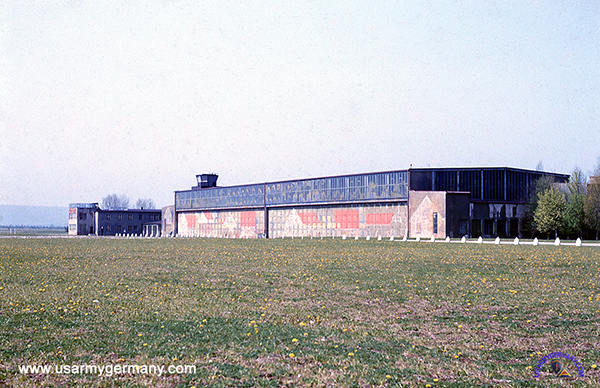 Main Hangar, 334th Ord Co (Depot), Illesheim (Kevin Westburg) |
|||||||||||||||||||||||||||||||||||||
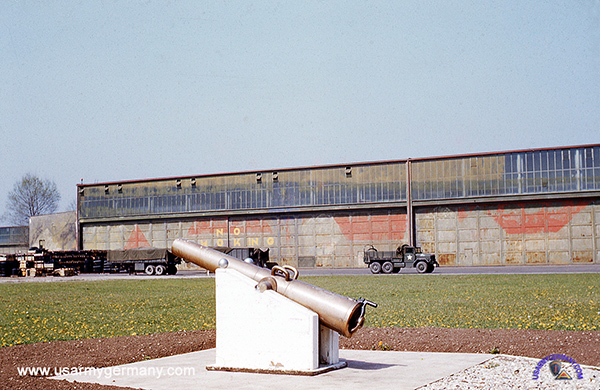 Hangar of the Heavy unit and ceremonial cannon, Illesheim (Kevin Westburg) |
|||||||||||||||||||||||||||||||||||||
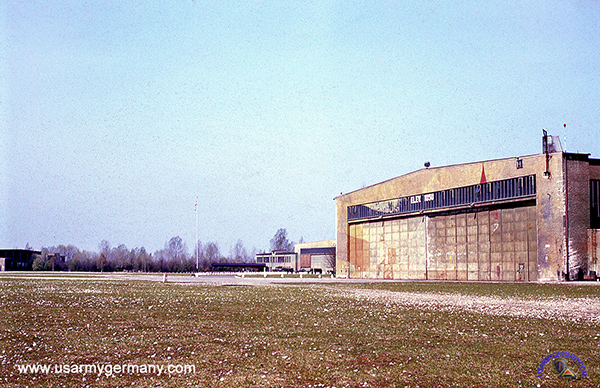 Tech supply hangar, 546th Ord Co (DAS), Illesheim (Kevin Westburg) |
|||||||||||||||||||||||||||||||||||||
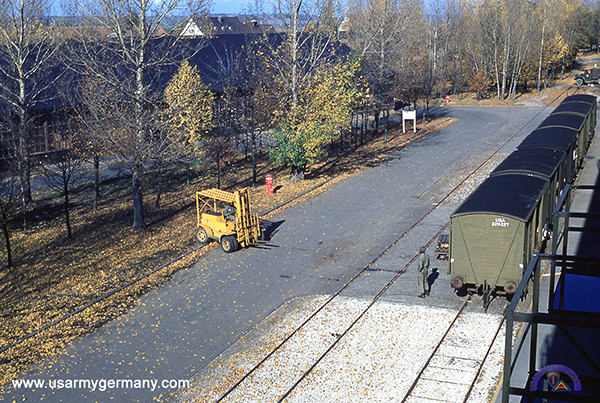 View from the office window of Receiving Section, Illesheim Ord Depot (Kevin Westburg) |
|||||||||||||||||||||||||||||||||||||
| 1954 | |||||||||||||||||||||||||||||||||||||
| (Source: Email from Kevin Westburg, son of Frank Westburg who served with the 334th Ord Co (Depot), 1954-55) | |||||||||||||||||||||||||||||||||||||
| My father, Frank Westburg, was with the 334th Ordnance Company (Depot) stationed at Illesheim in 1954 (and part of 1955?). I know he made 1st Lt, but in most of the slides I have he is a 2nd Lt. On some of his slides he mentions Captain Martin, Lt. Diemer, and Sgt. Mosley. By Thanksgiving 1955 he was home and not in the military although I think he stayed in the reserves for a while. |
|||||||||||||||||||||||||||||||||||||
|
|||||||||||||||||||||||||||||||||||||
| 1955 | |||||||||||||||||||||||||||||||||||||
| (Source: Dennis Daly) | |||||||||||||||||||||||||||||||||||||
| Dennis Daly was an Army dependent in 1955 living in Illesheim, Germany. His father, Capt. Lawrence R. Daly, was assigned to the 71st Ordnance Bn. from 7/1955 - 9/1957 | |||||||||||||||||||||||||||||||||||||
|
|||||||||||||||||||||||||||||||||||||
|
|||||||||||||||||||||||||||||||||||||
| 504th Maintenance Company | |||||||||||||||||||||||||||||||||||||
| 87th Ordnance Battalion | |||||||||||||||||||||||||||||||||||||
 Facilities of the 504th Ord Co (HAM) and other ordnance units at Nellingen Kaserne, early 1960s |
|||||||||||||||||||||||||||||||||||||
| 1958 | |||||||||||||||||||||||||||||||||||||
| (Source: Email from Bill Specht, 504th Ord Co, 1958-61) | |||||||||||||||||||||||||||||||||||||
| I served with the 504th Ord Co from 1958-1961 in Nellingen Kaserne, Germany. Has the 504th been phased out or where are they now? Just a lot of proud memories . Here's what I remember about the 504th. It was at Ft. Bragg, N.C. as the 504th Ord. Co. (HAM). Under Operation Gyroscope in 1958 the company was transferred to Germany and placed under the 87th Ord. Bn. at Nellingen Kaserne, Nellingen, Germany. The 87th Ord.Bn.was part of the 47th Ord.Group, 7th U.S.Army. In 1959 company was redesignated as the 504th Ord. Co (GAS) {General Automotive Support}. My last C.O. was Capt.Phillip Tieman, 1st. Sergeant was Bobbie R. McGuire. Hope this help's |
|||||||||||||||||||||||||||||||||||||
| 1960 | |||||||||||||||||||||||||||||||||||||
| (Source: Email from R. Bruce Lingle, 504th Ord Co, 1960-62) | |||||||||||||||||||||||||||||||||||||
| I served with the 504th Ord Co from March 1960 thru Sept 1962 in Rebuild Platoon in Nellingen, Germany. The First Sargent was Sidney Hale. I remember Bill Specht whom I saw posted on another site; Butch Trojanowski, from Automotive Platoon, passed away about 5 years ago in the Tombal Texas area. Saw Sgt Fray and his German wife and kids in Haynes Alaska in 1968 while delivering Artic Diesel onboard the USNS Shoshone Even after 50 plus years, I can still picture the entire installation in my mind. Our shop area was the last two hangars going toward the north from the main gate. The small building just to the north of the last hanger with the semi trailers backed up to it was Tech Supply. We kept all parts in those vans in case the” Balloon” went up as they used to say. We had alerts monthly, and hooked everything up and hit the road. I think we were timed on those, having to be formed up in convoy and moving out within one hour. The specialty tools were kept in vans out in front of the hangars, and they too were always loaded and ready to go. If you needed a certain tool, you could check it out and return it by the end of the day. Weapons were kept in the armory, on the second floor above the Orderly Room. Those had to be checked out before heading to the shop area during and alert. I was assigned an M-1 Gerand (WWII vintage) Some of the trucks had 50 cal machine gun mounts above the cab. The small building just to the west of the last hangar to the north on the west end of the Post was the infirmary (dispensary). The 504th had three platoons:  Rebuild Automotive Service Section Rebuild Automotive Service SectionRebuild had one area designated as Fuel & Electric Repair, which is where I worked. We rebuilt fuel pumps, carburators, starters, alternators, water pumps, etc. The rest of Rebuild overhauled engines of all types, transmissions, and 3rd members. I saw where Bill Specht had made a post on one of the websites. If I’m not mistaken, he used to rebuild and do valve jobs on all cylinder heads. Automotive Platoon installed rebuilt engines, transmissions, and third members as well as any other general automotive maintenance. Service Section was the body shop. They did all of those types of repairs. A friend of mine, Richard Teague, was the driver for the 87th Ord Btln Commander for a time. His car was a vanilla, 6 cylinder, 4 door, standard shift 57 Chevy. The Strassenbahn, or Strassenbuggy as we used to call it, was only 10pf to Eslingen. A mark was a quarter. I hope some of this helps. If you have anything else you would like to know about Nellingen in those days, just let me know. I am quite frankly surprised that anyone answered me. INFORMATION ON SOME OF THE BUILDINGS: Bldg 3520 was the office for Tech Supply. 90% of their parts were stored in semi trailers backed up to the side of the bldg. facing the 585 hangar. This seems to be missing from this map. I saw an earlier map from say 1956 somewhere which showed the semi trailers. There were at least 6 semi trailers back up in there. Bldg. 3522 was divided in half inside. Rebuild Platoon was in one half, and Automotive Platoon was in the other half. A small portion of the Rebuild Platoon half was designated for Fuel & Electric systems repair, which is where I worked. Service Section Platoon occupied the entire Bldg 3523. I told you wrong yesterday when I said the 5 tons wreckers were part of Tech Supply. The wreckers were part of Service Section. I’ve also noticed that a large portion of the Tech Supply bldg. seems to be missing. I saw an earlier photo somewhere that showed the bldg. the way it was when I was there. There were also 2-1/2 ton bobtail vans parked out between the ramps in front of the two 504th hangers. There were at least 4 vans. These were tool vans for specialty type tools. A wooden platform with ladder provided access to these vans. The shops had paved areas in front, since those buildings were former Lufthwaffe facilities, and the aircraft were most likely parked on the ramps. Army vehicles awaiting repairs were generally parked on these ramps, and the rest of the 504th vehicles were parked in front of the hangars just off the hard top. The front of the hangars being the side facing the helicopter field or the dependent housing. There was also a ramp and steam machine to pre-clean the mud off of vehicles prior to repairs. It was located between the ramp in front of the Rebuild hangar and the Tech Supply bldg. Service section and Tech Supply personnel shared Bldg. 3612 (barracks). Automotive Platoon was in Bldg. 3613 (barracks). Rebuild and hq personnel were in Bldg. 3614 (barracks). The barracks were open concept, with two cadre rooms on one end, and the latrine on the opposite end of the ground floor. The upper floor of the barracks were also open concept, with a separate room at one end for non-coms. Bldg. 3615 was indeed the 504th hq bldg. Bldg. 3729 - 504th Motor Pool. The 504th vehicles scheduled for maintenance were parked in front of the motor pool, the front being the side facing the barracks. The CO’s jeep, a Korean-era M51, was the only vehicle in the company area. |
|||||||||||||||||||||||||||||||||||||
| 71st Ordnance Battalion | |||||||||||||||||||||||||||||||||||||
| 1963 | |||||||||||||||||||||||||||||||||||||
| (Source: Email from George Sleboda) | |||||||||||||||||||||||||||||||||||||
| I was stationed with 504th Ord Co from 1963 to 1966. In 1965 we moved from Nellingen to the Ammo Dump at Bamberg and reorganized as C Company, 71st Maint Bn. You may want to correct your "comments" under "organization". Webmaster Note: According to the above information, the COSTAR changes (in 1965) for the 71st Ord Bn would have included the following reorg & redes actions: 556th Ord Co ---> A Company, 71st Maint Bn537th Ord Co ---> B Company, 71st Maint Bn504th Ord Co ---> C Company, 71st Maint Bn |
|||||||||||||||||||||||||||||||||||||
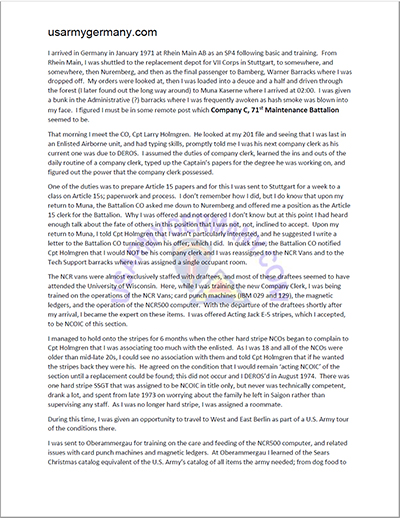 Bill Panknin recollections (PDF format) |
|||||||||||||||||||||||||||||||||||||
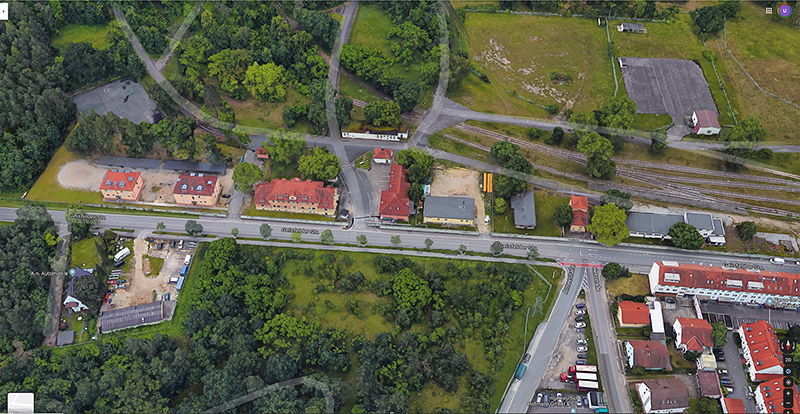 Former Muna Kaserne, Google 3D view (Click on image to open Google Maps 3D in a separate window) |
|||||||||||||||||||||||||||||||||||||
| 1971 | |||||||||||||||||||||||||||||||||||||
| (Source: Email from Bill Panknin) | |||||||||||||||||||||||||||||||||||||
| I was at Muna Kaserne in Bamberg. Initially the unit was Company C, 71st Maintenance Battalion, and then it chnaged to the 504th Maintenance Company. There may have been other units at Muna, further back, but the 504th was the unit at the entrance to the kaserne. I do know that one Saturday, a couple of us were walking back through the forest (looking for old bunkers) and breaking out of timber we heard a bolt being pulled back on an M16. There were several soldiers there that told us to turn around which we did. They advised us that there was a free fire zone. How true, I don't know. It seemed once a year or so, they'd find a bomb along the RR tracks that had worked its way to the surface. Proceeding through the gate, the admin barracks was on the right, then to the left was maintenance barracks, tech, and another that I don't remember. The maintenance shops ran to the right behind the admin barracks. The NCR vans were also located behind the admin barracks on that patch of brown dirt; after I left Jack Varney got the 'privilege' of moving the vans down to the warehouse which was further back in the kaserne; I understand that it took months to get things back to running. The NCR vans house the NCR 500 computer in one van (trailer) and the other had the keypunch machines and the magnetic ledgers that represented parts (as I recall). The NCR computer was serviced by German civilian technicians and when things went wrong it would take some time to get them in. An interesting story, regarding the operation of the computer is that during the oil embargo of '73, our computer didn't run and we had to load up a jeep and drive to Kaiserslautern to use our sister unit's computer system during an overnight shift to process orders for parts for the units we supported. The jeep had a 55 mph governor and we had to take the autobahn when the semis were out in force going, what, 120 or 130 kph. We'd hug the shoulder and the canvas would suck in and then blow out as we were passed by the double and triple trailer semis. The range was off of Armeestrasse going to Warner Barracks. We would go out to qualify once a year. One year with some 10 or so people on the firing line, a european hare came out of the woods and onto the range. Everyone opened up, dust blew up where the hare was and when everyone had fired their clip, the hare hopped out of the dust cloud and moved across the range and into the forest. So for as the picture, I don't see headquaters building with the rec room (we unloaded a shuffleboard that was heading to the Berlin Brigade from a supply truck and made it ours). There is a small building to the left and up from the barracks, that was the mail room. The motor pool is that large piece of asphalt and the small building, to the right and back. The theater could be the building with the white walls. Also used for the CO to address the troops. The tan building to the front of where the NCR vans were had some offices? Maybe this became a club later? We had a lieutenant that kept a black book of 'favors'. If someone wanted to go to main post/Warner Barracks, he'd keep notes for who he did this 'favor' for and would then ask a favor back later on. I don't recall his name. I do remember him telling me to get a haircut and I said I would have to go to Warner to do that and he started to open his notebook. I said, it's not a favor if you're telling me to go, so is this an order to cut my hair or just a suggestion. He closed his book and said he'd write me up if i didn't get a hair cut. I went after work hours and got it cut; wouldn't be in his book for anything. After this started we got a kit from the Warner PX and started cutting our own hair. Mine would get long enough that it would reach down past my ears almost to the collar. In this picture, to the far right that doesn't show was the mess hall. I think the german civilians did a good job as did the military cooks with what they had. I understood our beef came from Yugoslavia and the potatoes from Holland. Not the best choices. I will tell you that I was a volunteer, the first of VOLAR. RA in my 201 file. My intention was to go to Vietnam, and going on leave for Christmas 1971 we were all told in my class that we were going there. Nixon announced draw downs that holiday and came back to change of direction. Most of us went to Germany and 2 or 3 went to Greece. I would have taken Greece as I think that was a year tour where Germany was until end of service. Also, in 1974 we received the first women to be assigned to the 504th. I think this was in the summer. Again, not faulting the addition of women to the military, but that changed dynamics as well. I was fortunate to have a travel bug and really got out and saw Germany and other countries. I packed two boxes of negatives, photos, and slides that I had taken in Europe. If I wanted, as I said in the other commentary of Muna, I could dress and pass for a German, or I'd wear jeans, cowboy boots, denim western shirts and be stopped and asked if I was a cowboy from America. ADDITIONAL INFORMATION NCR 500: We ran requests for parts for the units in Warner Barracks, as well as our own. Things from bolts, to tracks for the Sheridan tanks and everything in between; steering wheels, engines, cannon barrels, you name it. Everyday we'd receive requests, keypunched the cards, ran them on the NCR 500 with the magnetic ledgers that keep track of parts requests and inventory and then would either generate issues for parts and/or generate new punch cards that would order more parts and these we'd send out by courier down to Nuremberg. Our battalion HQ was in the building in Nuremberg where Hitler would hold his rallies (Merrell Barracks). I remember seeing the black and white documentaries that would show the crowds, the searchlights, and Hitler and it was strange to walk through that area. The facade of the building was pockmarked with .50 caliber rounds. Talking with my father, when I got back, he said his unit ran through Nuremberg and ended up on the Czech border at the end of WWII. |
|||||||||||||||||||||||||||||||||||||
| 1975 | |||||||||||||||||||||||||||||||||||||
| (Source: Email from Ray Connole) | |||||||||||||||||||||||||||||||||||||
Since I was searching for info on Nuernberg I decided to try my old unit. I found the 71st Maint Bn. I served in the 504th Maintenance Company in Bamberg from 1975 to 1978. We lived on that God forsaken site called Muna Kaserne. The only thing bright about that place was the park and the pond in the middle of the site. I recall from outgoing personnel that it was C Company until 1974 and had the distinction of the last draftee posted there. Muna was a world of its own and was isolated almost like MASH. Warner Barracks was a couple of miles away and we did the repair and resupply to the artillery, engineer and cavalry units posted in Bamberg. I spent many a day in Graf and Vilseck supporting them. My most vivid memory of that time was the MIG that flew in circled the city and left. That was in 1976 and on a Saturday. While hanging around the barracks area a bunch of us heard the roughest sounding jet roar none of us knew what it was. After looking around it came back around and we saw this low flying jet with red stars heading back east. Talk about pucker factor. This was the stuff you only see on TV or the movies. Now you may ask why the sight of a jet would cause such and uproar? Muna housed the ammo bunkers, fuel depot for Bamberg and an Army HAWK missile battery. Just the thought of that going up in a fireball was an adrenaline rush. From then on a few of us wore sun glasses on our pockets as an in-joke. When asked we would reply we didn't want to hurt our eyes from the big flash when our site goes up. From then on sunglasses were the norm until asked to discontinue it or else. Probably the worse thing about being in Germany at that time was the prevalence of drugs. Bamberg was a hub and it was a shame. It even made Parade magazine as a top narcotics delivery point after I got out. That the use of drugs was such accepted behavior and not cracked down on by the Army was criminal. I know that a few guys who started out good, lost their way due to easy access and the casual attitude about it. To this day I remember a sergeant telling me as long as you're straight for formation no one will hassle you. |
|||||||||||||||||||||||||||||||||||||
| (Source: Email from John Weathers) | |||||||||||||||||||||||||||||||||||||
| I was stationed at Muna Kaserne with the 504th from 1976 to 1979. 3rd shop and Technical Inspection Section. There were a lot of drugs going around at that time, but it was the 1970's and not all soldiers stationed there were doing drugs. The 504th had the highest unit readiness profile of all the support units Army wide. I think in the 70's the readiness profile was 65% while the 504th maintained a 84% or higher unit readiness profile. Not bad for a bunch of druggies. LOL We did our jobs and kept the vehicles on the road. I was a 63B10 (Wheel and track and power generation mechanic) and worked in the 3rd shop where we did engine, transmission, clutch etc.. replacements to our supported units vehicles. I spent many rainy days and nights fixing vehicles in the shop, during REFORGER and out at Graf in support of various units. After a year and a half at 3rd shop I was sent over to the Inspection Section as a technical inspector. That was the best job I ever had in the Army. The 504th was located on Muna Kaserne and it was isolated from Warner Barracks by a few miles. There were no Hawk Missile site there. The Hawk site was up on a hill somewhere in Bamberg and special clearance was needed to enter the site. I remember during one trip to the site to repair a missile loader a French Mirage flew over and the site became active. The radars locked on and the missile launchers tracked it until it was out of range. That was something to see!! If it had been a hostile it would have been shot down in 2 seconds. The 504th didn't have the best mess hall!! In fact when I first arrived there the mess hall was a mile or so from the main barracks and it really wasn't worth the walk for the food they served. LOL They built a new mess over past the inspection section across the RR tracks from the motor pool. The food there was better, but I'd always try to eat at the Infantry mess by 3rd shop or just go down to Bettie's for a schnitzel. Muna Kaserne was a Nazi ammo dump during WW2 and was an ammo dump during my time there. It was rumored that they stored battlefield tactical nukes there but I don't know how true that was. My funniest memory of Muna was when myself and a friend went to the gas chamber and found some spent CS canisters and the cases they came in. While trying to put the spent grenades into the cases we accidentally gassed ourselves and ran laughing but crying all the way back to the barracks. |
|||||||||||||||||||||||||||||||||||||
|
|||||||||||||||||||||||||||||||||||||
| 614th Maintenance Company | |||||||||||||||||||||||||||||||||||||
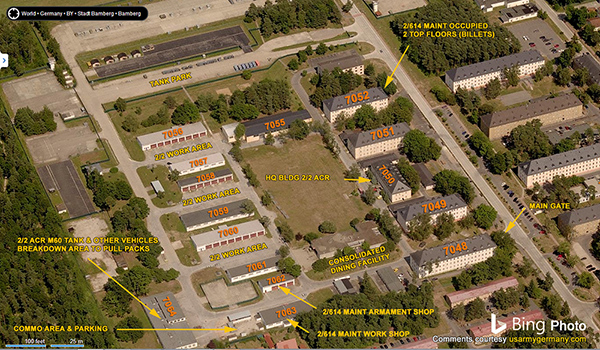 Facilities of the 614th Maint Co and 2nd ACR at Warner Barracks II, Bamberg |
|||||||||||||||||||||||||||||||||||||
| 1977 | |||||||||||||||||||||||||||||||||||||
| (Source: Email from Ed Homer) | |||||||||||||||||||||||||||||||||||||
| I was initially stationed at Pinder Barracks, Zirndorf, with the 156th Maintenance Company in 1977. I was then transfered to the 614th Maintenance Company at Merrell Barracks in Nurnberg.
We supported the 2nd Armored Cavalry Regiment (ACR). I was then assigned to the company's 1st Maintenance Detachment at Bindlach and finally ended up at Warrner Barracks II (2nd Maint Det/614th) across the street from Warner Barracks I in Bamberg. After returning to America in 1979 to serve with the 101st Airborne Division, I was again sent back to Warrner Barracks II in 1981 to serve a second tour with 2nd Maint Det until Jan 1984 when I got out of the Army, 5 years before the wall came down. I cannot find any information on the 614th at Merrell Barracks, Nürnberg or our 3 maintenance detachments at Bindlach, Bamberg and Amberg. I served at both Bindlach and Bamberg. In Nurnberg, the 614th Maint. Co. was just inside Merrell Baracks main gate, to the left of the entrance. The building that once stood inside the gate straight ahead was our battery shop and the fuel and electric repair shop. As mentioned above, one of the 3 maint. detachments for 614th Maint.Co. (1/614th Maint Det) was at Bindlach, also called the "Rock" because it was on a mountain and hard to access from the little town (Bayreuth) below. If you left through the gate and headed down the hill there was a gasthaus almost halfway down. Spent many a time drinking there. You were required to drink an "indoctrination drink" called a Rocksopuss down in Bindlach at another location to become one with the detachment members. We supported the 1/2nd ACR (Armored Cavalry Regiment) there . After getting into a situation while at the Bindlach detachment, I was transferred to Bamberg, 2/614th Maint detachment, where I spent the rest of my first tour -- as well as my second tour of duty in beautiful Germany. 2/614th Maint Det was just outside the main gate of Warner Barracks and to the right, just about 100 ft outside the gate and then you take a left into our area. This area was called Warner Barracks II and where the 2/2 ACR was stationed. 2/614th was their support people. In other words, they broke their toys and we fixed them. 2/614th's mission was to also support the 2/2 ACR at the border town of HOF where I was one of the main repair people who made the journey. I even have an award showing I was considered part of the border patrol. I have added information on the BING aerial photo (above) to show some of the facilities on Warner Barracks II. Our third Detachment (3/614th Maint Det) was in Amberg. I never traveled there so know nothing about the place. It was responsible for supporting the 3/2nd ACR. ADDITIONAL INFORMATION Over the years, the 2/2 ACR had several military vehicles on Warner II as static displays. An M-48 tank was displayed at one corner of the parade ground and was used in parades. Most nights it rested quite comfortably in our Armament Shop. It was kept running by Bissett, one of our Armament guys. He loved that tank. There was also a half track that was displayed near the 2/2 ACR headquarters building. When I arrived there they were still using Korean War 3/4-ton trucks. I had never seen one until then. I left just as the Abrams tanks were getting to Germany in 1984. Here is a list of some of the personnell I served with at 2/614th Maint Detachment while supporting the 2/2nd ACR. To those I can't remember, though I was never the model soldier, I was and am proud to have been able to serve with you. And even those I did not get along with, if your back needed to be covered, I would have been there for you. Finally, I had my run ins with a few of you at the 2/2 ACR, but would always have been ready to lend a hand. On to the names of the 2nd Detachment, 614th Maint Co members: -- Chief Warrant Officer Jones. I would have followed this man to hell if he had asked it of me. One of the very few I ever trusted to command me. -- SFC Johnson. Though I 'm not sure what he thought of me, I trusted his judgement in all matters and would have followed him the same as Chief Jones. -- Sgt Drew. Who I don't think liked me, but I knew he knew his business and did what he asked without question. -- Vargas. A temperamental guy who knew his job and I am proud to have known. -- Coates. Who faced a rather unpleasant scene one night while we were repairing a 113 pack late at night. My hat is off to you sir. -- Short Round. I can't remember his name but he was short, hense the name. -- Broaderick. Our communications specialist. One of the best and a good friend. -- Murphy. The other Comm repair specialist. Equal to Broaderick. He was from Guam. -- Bubba. He was our detachment clerk and courier among other things. A very resourceful guy. -- Bissett. He was our man in charge of Armament, expert in his field. -- Parriot. Armanent man. Very likable guy and very good at his job. -- Little Johnson. Supply guy and clerk when called upon. He got along with everyone. -- Thomas. One third of my three man Border team. Funny guy. Hell of a worker -- Sullens. The other third of my three man Border group. Another great worker. There were at least 16 more people, though the names do not come to me right now. And finally to the Captain in charge of the 2/2 ACR. You, sir, made our lives easier by riding herd on your men and made sure we got the support we needed while serving your command. Thank You,. And thank you, too, for getting me the certificate of being a member of the border patrol. At the 1/614th my NCO was SFC Salantino. I only remember 3 others there that I served with: -- Bober. He and I were the wrecker operators on a old turbo 543 model wrecker. We got drunk one day and ended up putting the wrecker up on its end while lifting a M60 engine crate. -- Modess. I hope I spelled that right. He was a funny crazy S.O.B. Could eat a case of "C "rations all by himself. And yeah, we still had "C" rations then with cigarettes in the 1970's. -- DeCamp. He was another "C" ration lover and could compete with Modess as far as eating them. I think he had Modess beat on the crazy part though. If I had to compare 1/614th with any one group in the military service, I would classify them the "Black Sheep" squadron in the TV show "Baa Baa Black Sheep." These guys were nuts. |
|||||||||||||||||||||||||||||||||||||
|
|||||||||||||||||||||||||||||||||||||
|
Related Links: |
|||||||||||||||||||||||||||||||||||||
|
|||||||||||||||||||||||||||||||||||||

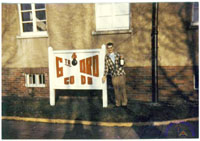
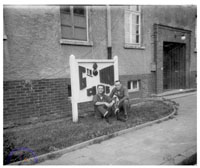
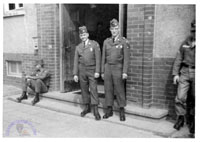
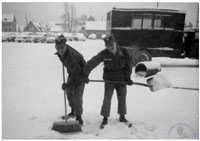
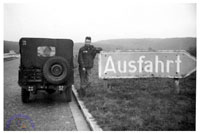
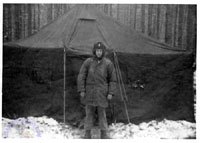
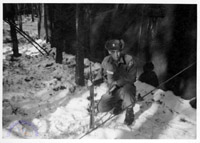
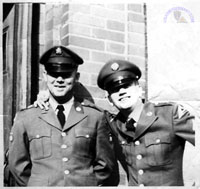
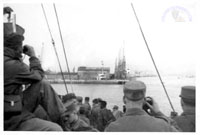
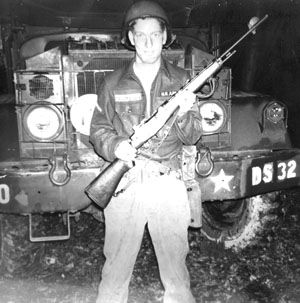
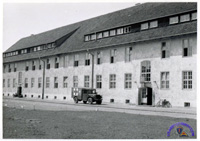
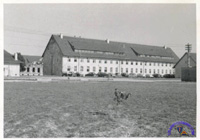
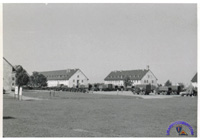
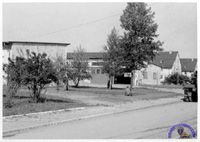
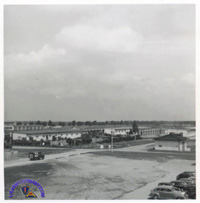
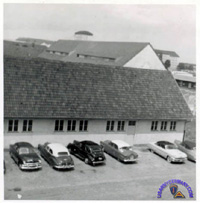
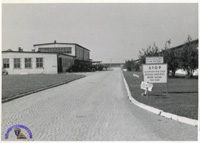
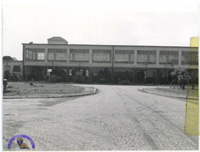
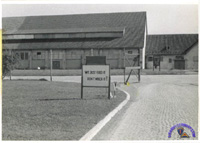
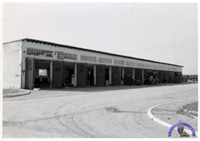
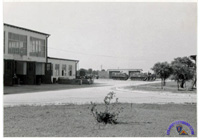
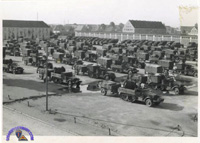
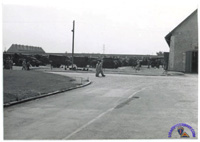
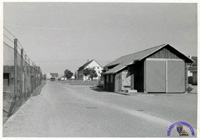
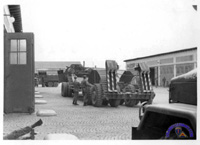
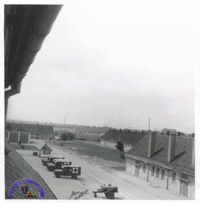
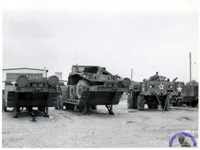
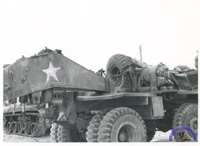
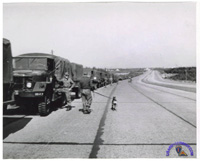
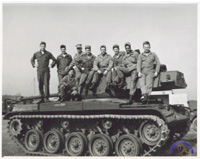
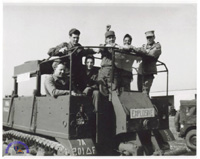
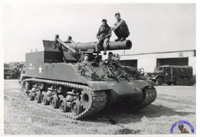
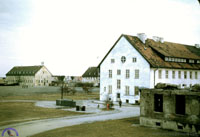
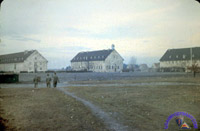
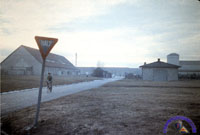
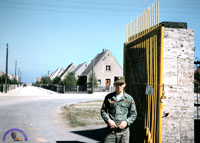
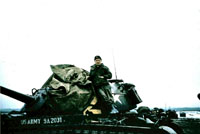
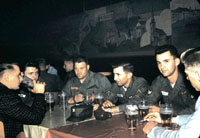
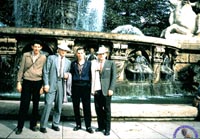
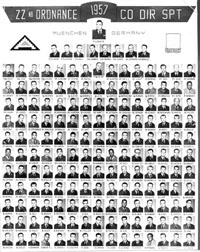
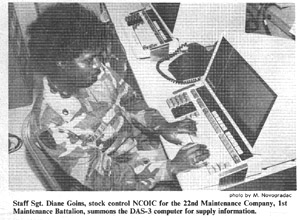
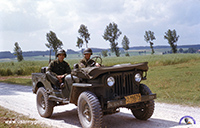
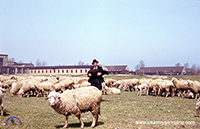
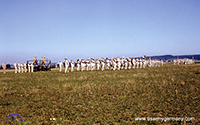
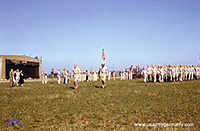
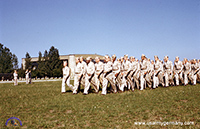
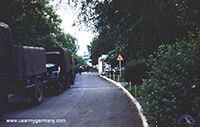
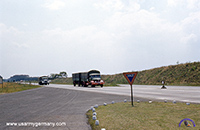
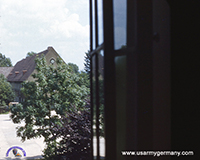
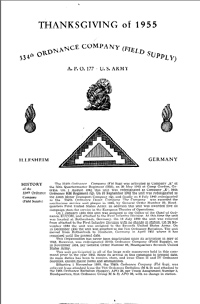

 - very nice website on the 8th Ordnance Company that supported the 11th Armored Cavarly Regiment in the 1950s and early 1960s along the Czech border. Webmaster is Jim Miller. Lots of good photos from that era.