Click here to open 'USArmyGermany' frameset
LINDERHOFE COMM STA. |
PENDLETON BARRACKS |
|
BUTZBACH ORD REBUILD |
||
CAMP BLOOMQUIST |
||
MINICK BARRACKS |
||
GIESSEN MISC. |
OCKSTADT AIRFIELD |
For additions, corrections, or suggestions please contact the webmaster
|

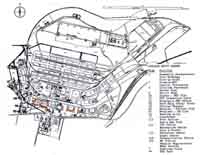 1. Giessen Army Depot, 1982 |
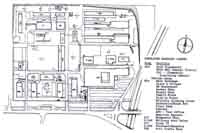 2. Pendleton Barracks, 1982 |
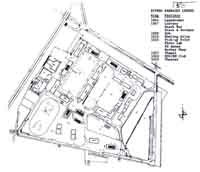 3. Rivers Barracks, 1982 Annotated maps: 1960s |
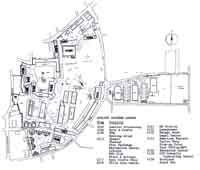 4. Schloss Kaserne, 1982 |
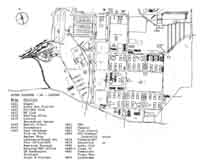 5. Ayers Kaserne, 1982 (178 KB) |
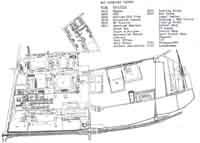 6. Ray Barracks, 1982 (185 KB) |
| early
1970s Topographical maps of Giessen and surrounding area. Click on the thumbnail to view a larger format of the same map. Click here for a list of the installations. |
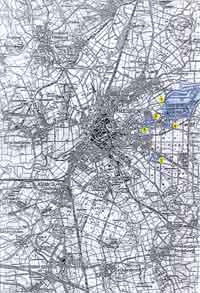 Giessen (412 KB) |
 |
| prob. early 1970s Topographical maps of Friedberg and surrounding area. Click on the thumbnail to view a larger format of the same map. |
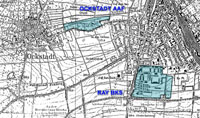 |
| Planned doctoral dissertation on the topic of Giessen and its Development as a Military Center and its impact on the growth of the city. Jason Morin will begin research on his doctoral dissertation later this year. If any vets have pictures or information from the initial occupation to closure of the military community that they would be willing to share, Jason would be interested in corresponding with them. webmaster |
|---|
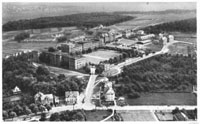
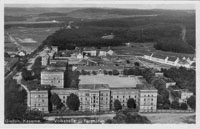
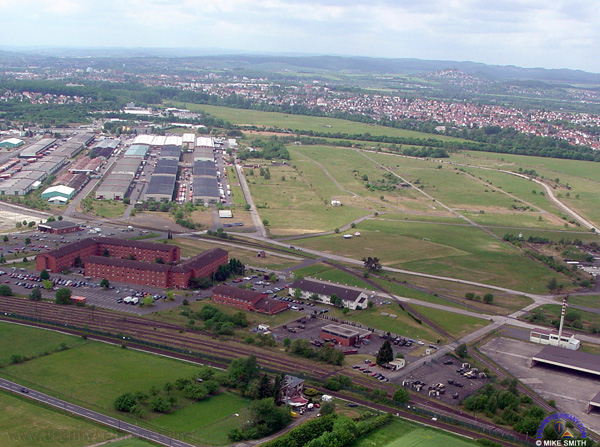 Aerial of Giessen Army Depot, recent (Mike Smith) |
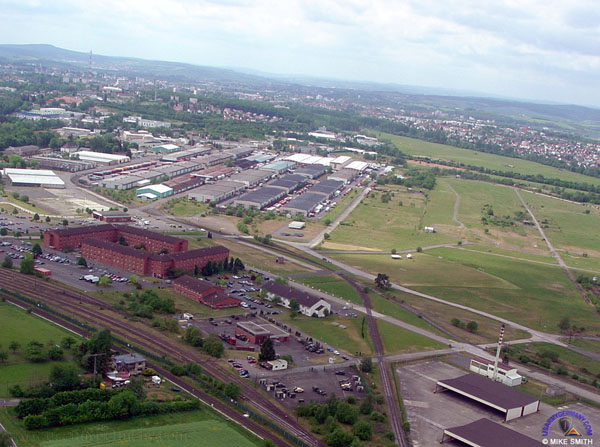 Aerial of Giessen Army Depot, recent (Mike Smith) |
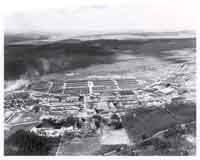 1. Aerial view of Giessen Quartermaster Depot, May 1950 |
||||
|
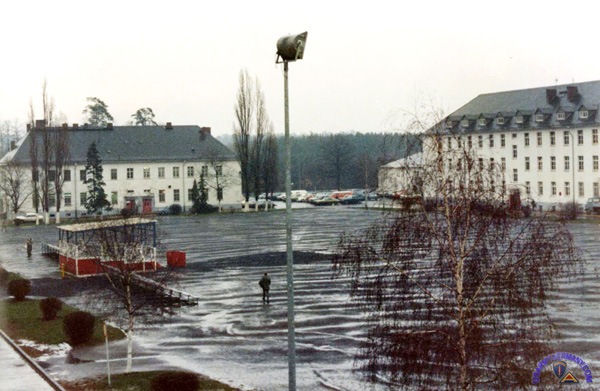
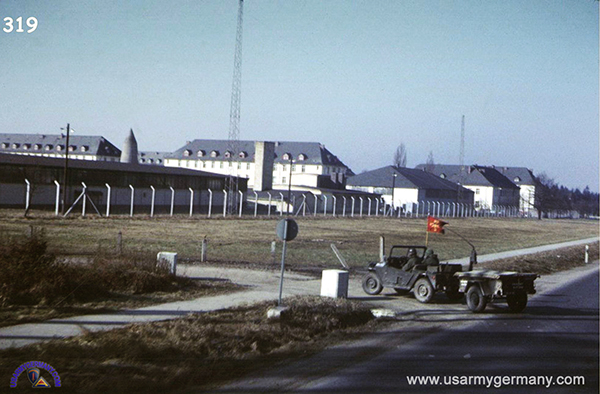 Returning from the field, a jeep turns off of Licher Strasse to enter the back gate at Rivers Barracks (Al Belair) |
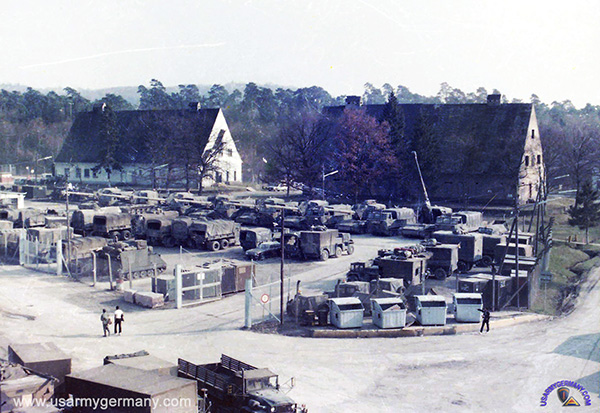 6th Bn, 9th Arty track park at Rivers Bks, early 1980s (William Busha) |
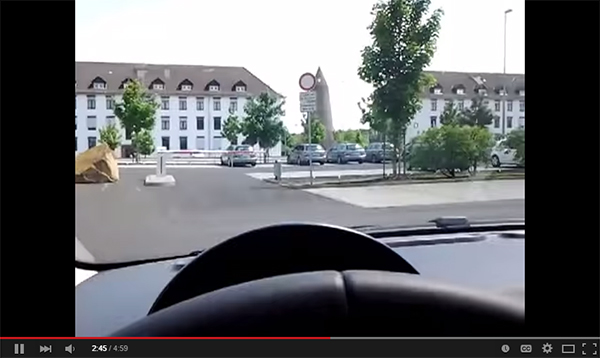 Joe Burgess, former member of the 2/9 FA (1972-76) visits Rivers Bks in 2013 (YouTube) |
 1. Aerial view of Verdun Kaserne, May 1950 |
 2. Headquarters Building |
 3. POL dump on Rivers |
||
|
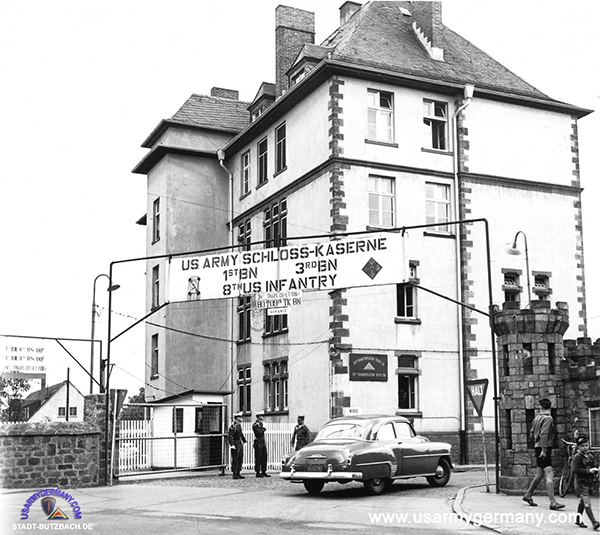 Main gate of Schloss Kaserne, late 1955 (Butzbach City Archives) |
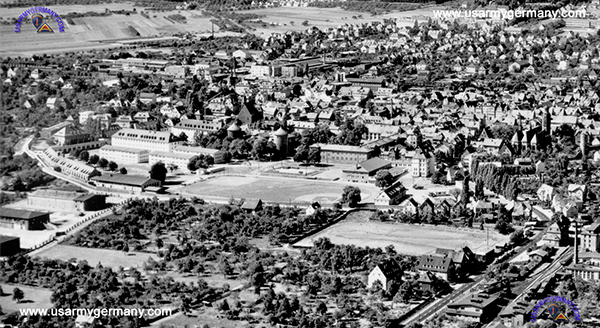 Aerial photo of Schloss Kaserne and city of Butzbach, 1950s? (Webmaster's collection) |
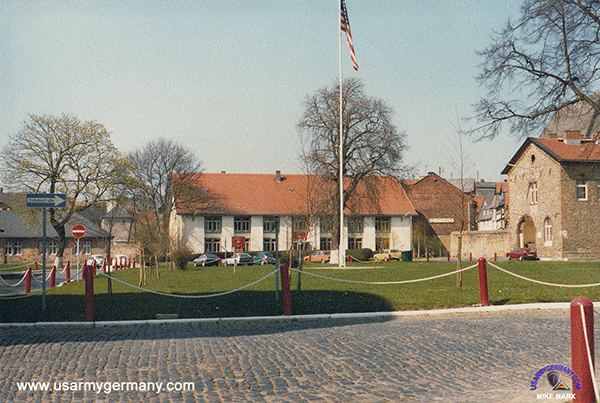 Flag pole and Bldg 4136 (in background), late 1970s (Mike Marx) |
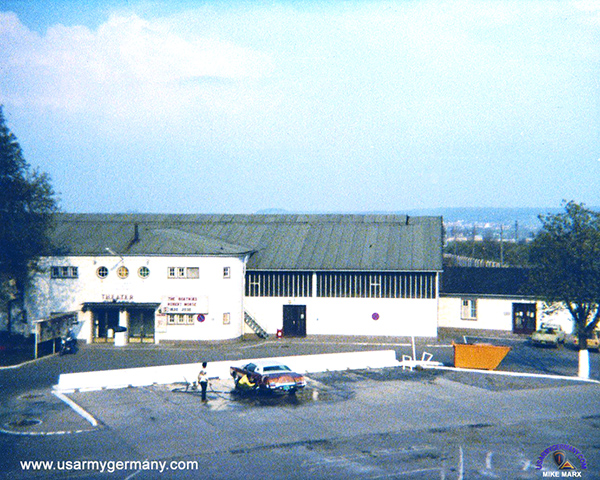 Movie Theater (on left), Bldg 4113, Schloss kaserne, late 1970s (Mike Marx) |
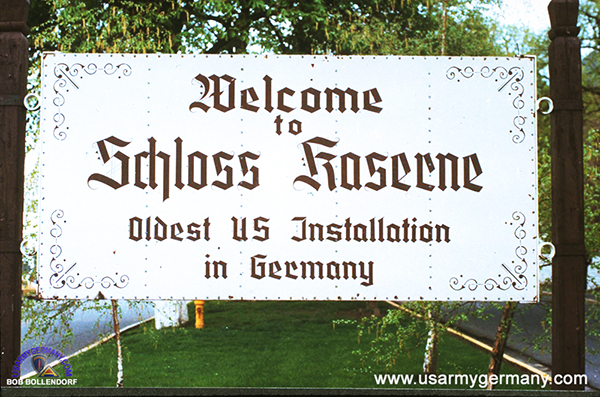 Sign near main gate, early 1980s (Bob Bollendorf) |
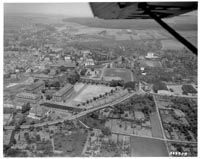 1. Aerial view of Schloss Kaserne, May 1950 |
||||
|
||||
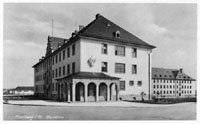 A. Watturm Kaserne |
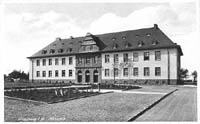 B. Watturm Kaserne |
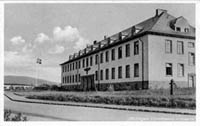 C. Watturm Kaserne |
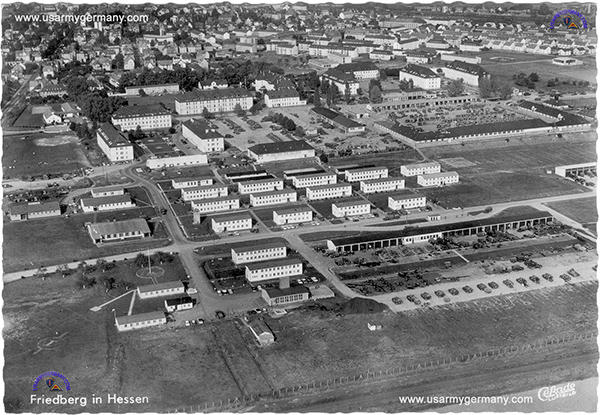 Aerial of Ray Barracks, Friedberg, 1962 (Webmaster's collection) |
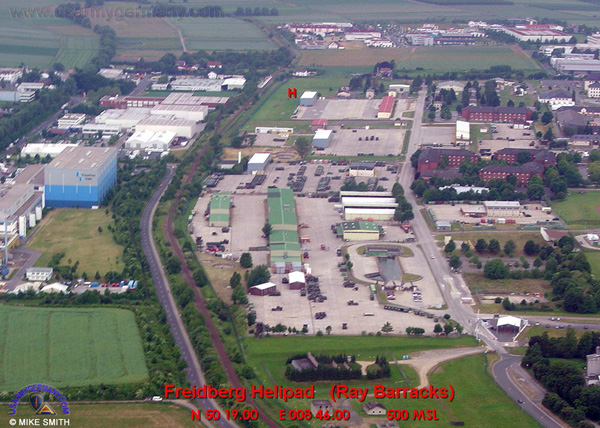 Aerial of Ray Barracks, Friedberg, recent (Mike Smith) |
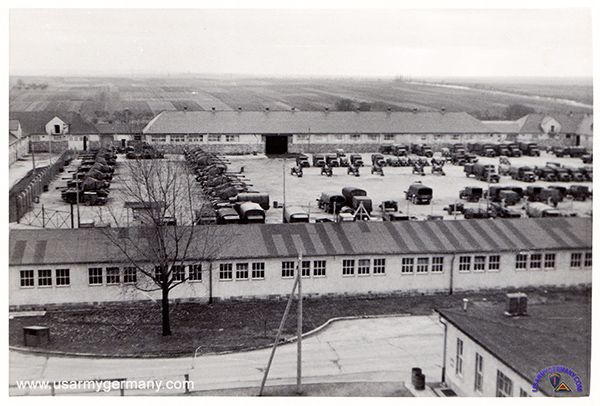 40th Tank Bn track park, Ray Barracks, 1952 (Webmaster's collection) |
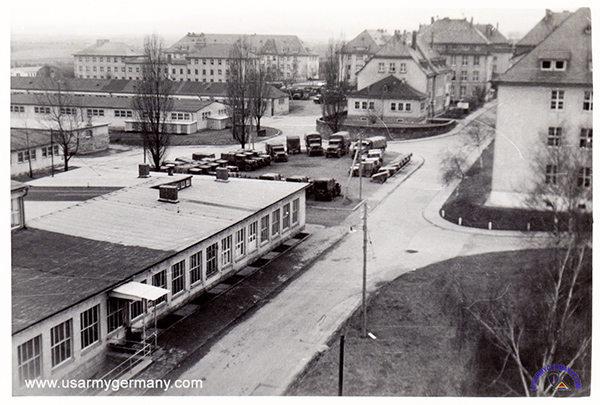 Ray Barracks, Friedberg, 1952 (Webmaster's collection) |
 1. Aerial view of Watturm Kaserne, May 1950 |
 2. Inside Main Gate of Watturm Kaserne, about 1950 |
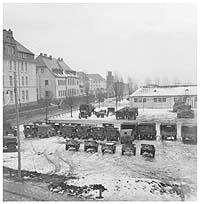 3. 14th A/C motor pool on Watturm Kaserne, about 1950 |
|
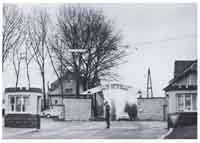 4. Main Gate of Ray Barracks, 1963 |
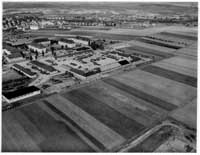 5. Aerial view of Watturm Kaserne, 1950 |
||
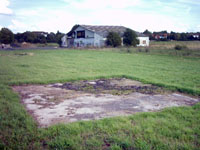 6. Ockstadt AAF, 2004 |
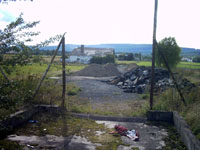 7. Ockstadt AAF, 2004 |
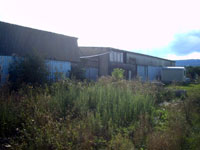 8. Ockstadt AAF, 2004 |
|
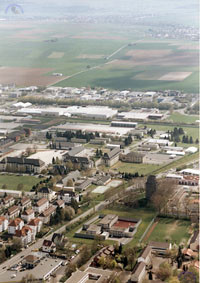 9. Ray Bks, 2005 |
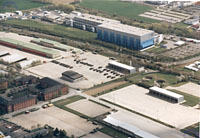 10. Ray Bks, 2005 |
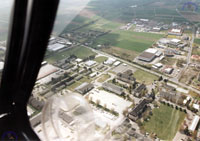 11. Ray Bks, 2005 |
|
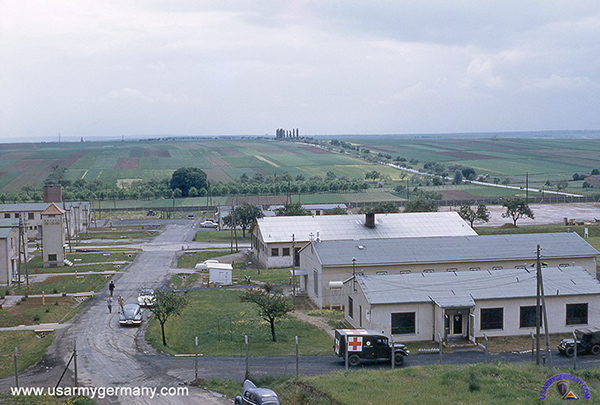 Ray Barracks, Friedberg, 1950s (Webmaster's collection) |
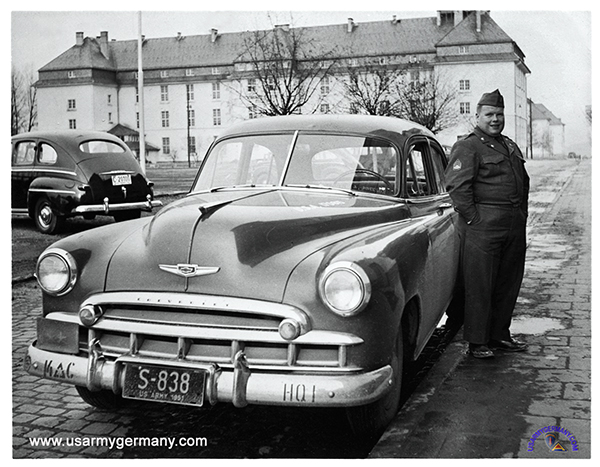 Regimental CO's car and driver at Ray Barracks, 1951 (Webmaster's collection) |
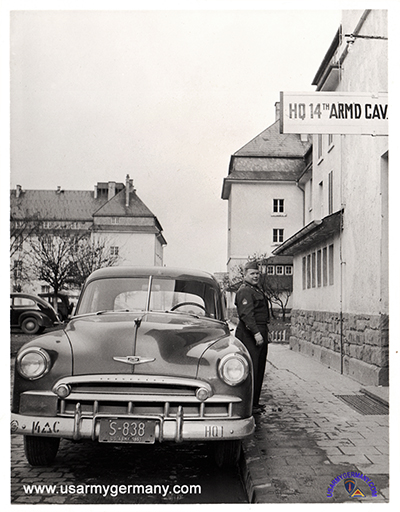 Regimental CO's car and driver at Ray Barracks, 1951 (Webmaster's collection) |
 12. Main Gate Ray Bks, 2005 |
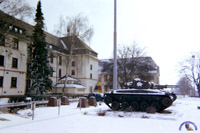 13. Brigade Hqs Bldg |
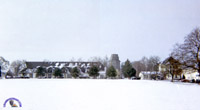 14. Parade Field |
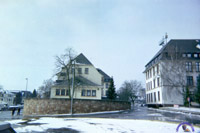 15. Ray Bks, 2005 |
|
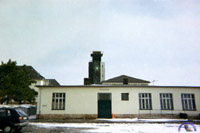 16. Bldg #3620 and Old Stone Tower |
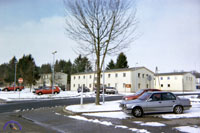 17. Former 1-36th Inf barracks |
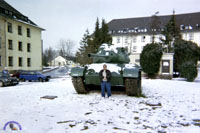 18. Darryl Seibert, 2005 |
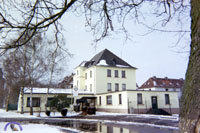 19. O' Club |
|
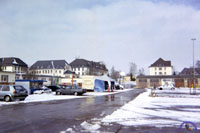 20. Looking northwest from the PX |
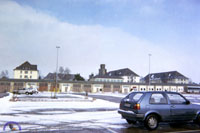 21. Looking northeast |
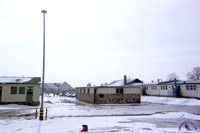 22. PX Bldg in background |
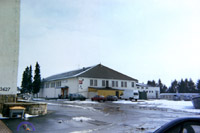 23. Bowling Alley |
|
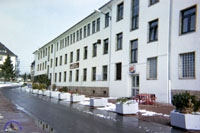 24. Friedberg Community Center |
||||
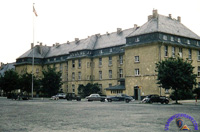 25. Ray Barracks, June 1956 |
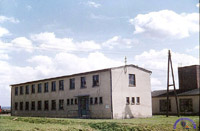 26. 32nd Tank Bn barracks |
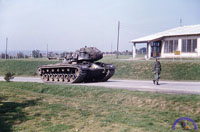 27. Battalion Mess Hall |
||
|
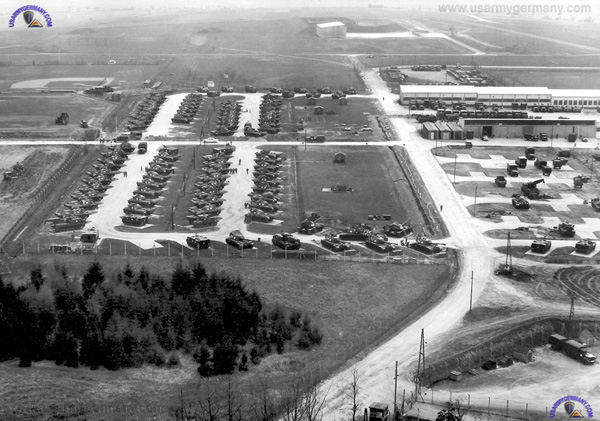 Aerial of Ayers Kaserne, Kirch-Göns, 1959 (Alain Dailloux) |
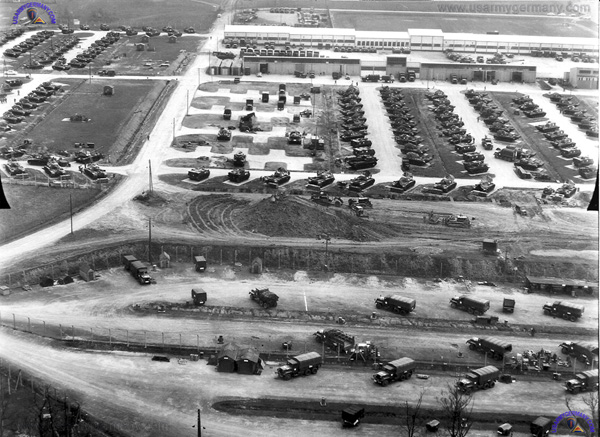 Aerial of Ayers Kaserne, Kirch-Göns, 1959 (Alain Dailloux) |
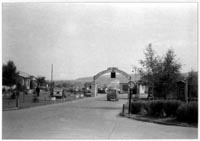 1. Main Gate, Ayers Kaserne, late 1950s (81 KB) |
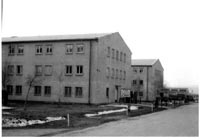 2. Barracks, late 1950s |
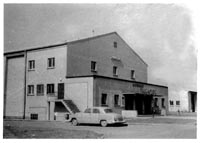 3. Wainright Theater, late 1950s |
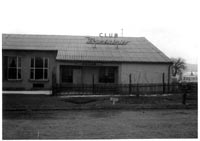 4. Fountainier EM Club, late 1950s |
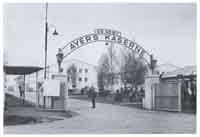 5. Main Gate, Ayers Kaserne, 1963 |
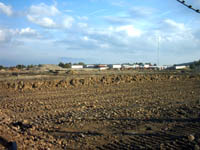 6. Construction site |
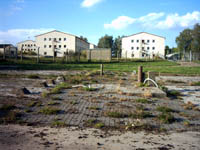 7. Old barracks buildings |
|
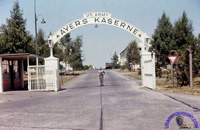 8. Main Gate, 1964 |
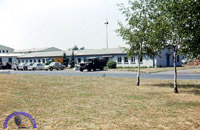 9. Hqs, 1st Bde |
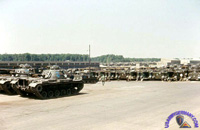 10. 1st Bde motor pool |
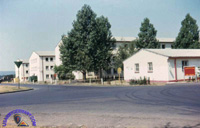 11. 2nd Bn, 3rd Arty |
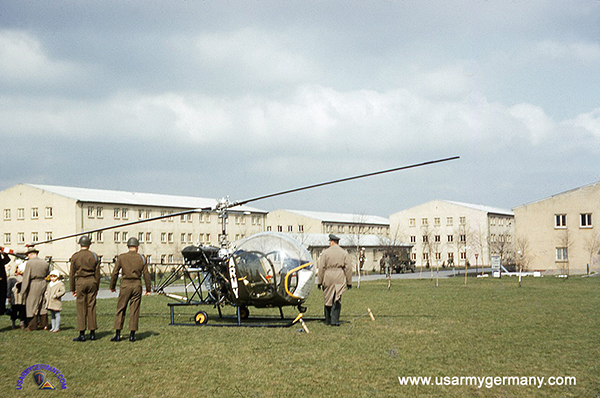 OH-13 on the parade field of Ayers Kaserne, late 1950s (Webmaster's collection) |
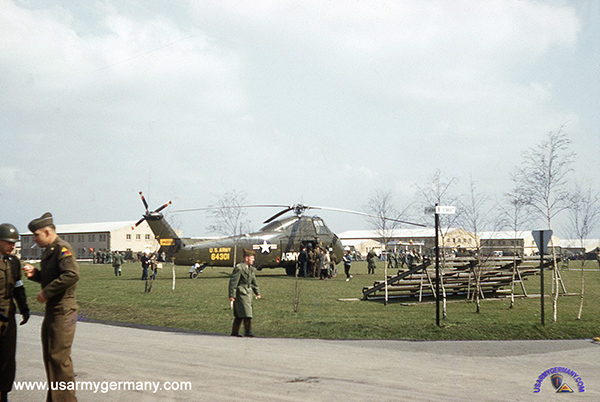 CH-34 on the parade field of Ayers Kaserne, late 1950s (Webmaster's collection) |
|
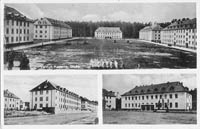
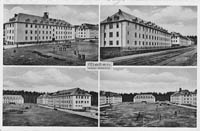
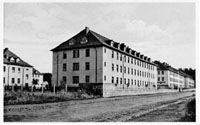
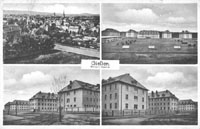
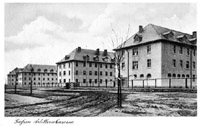
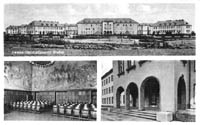
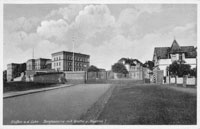
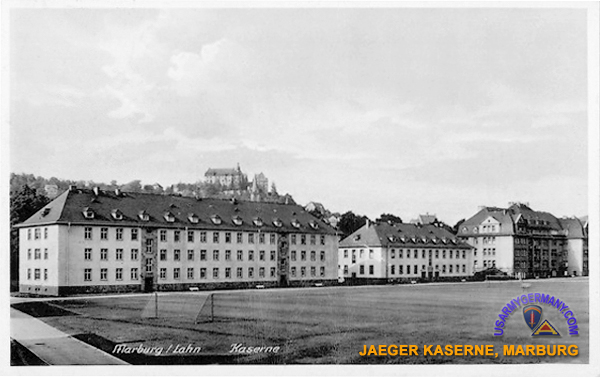 Jäger-Kaserne, Marburg, just before WWII (German postcard ) |
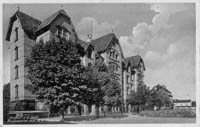
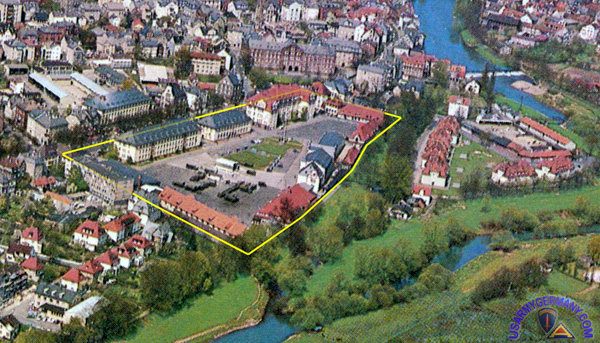 Former Miller Barracks, Marburg in the late 1960s/ early 1970s (Postcard) |
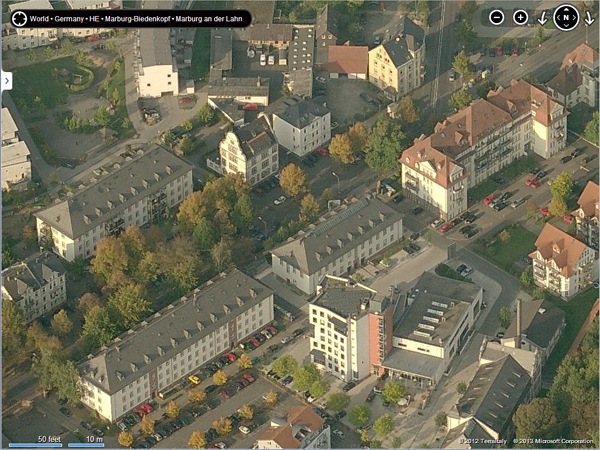 What's left of the former Miller Barracks, Marburg (Bing) |
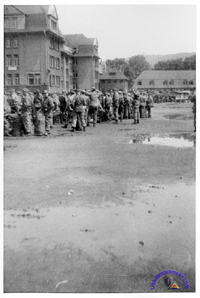 1. Troops assembled at Jaeger Kaserne, 1940s |
||||
|
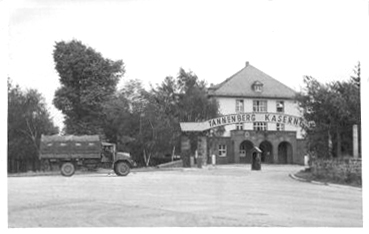
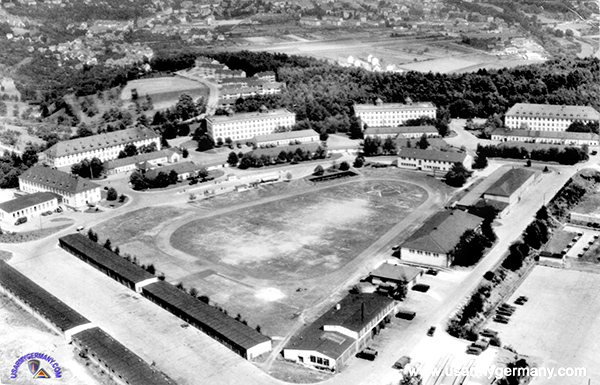 Tannenberg Kaserne soon after being turned over to the German Army (Webmaster's collection) |
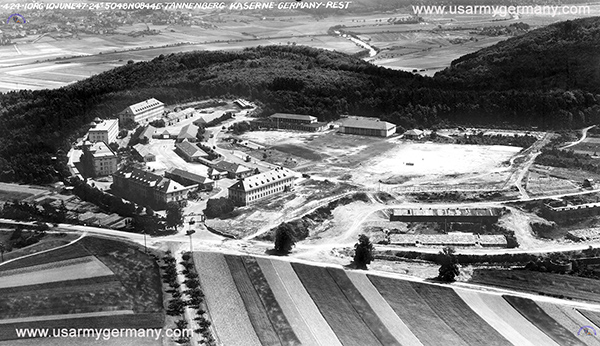 Aerial view of Tannenberg Kaserne, June 1947 (Webmaster's collection) |
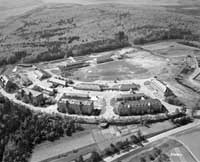 2. Aerial view of Tannenberg Kaserne, May 1950 |
||||
|
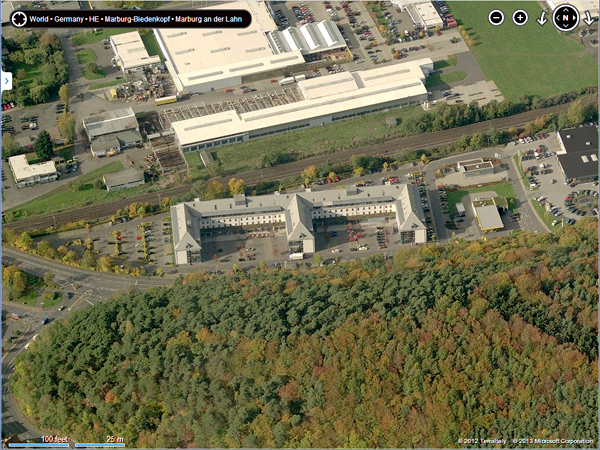 What's left of the former QM Reclamation Center, Marburg (Bing) |
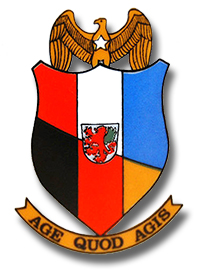 Giessen MILCOM insignia
 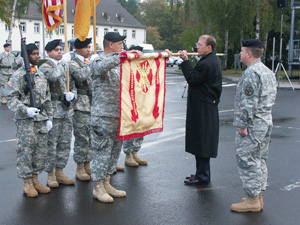 |
Auf Wiedersehen Giessen (USAG Giessen colors were cased on Sept 28, 2007) USAG Giessen folds up tent - article on the USAG Giessen Page, European Region, IMCOM History of Giessen Military Community - article on the USAG Giessen Page History of Friedberg and Ray Barracks - article on the USAG Giessen Page |
|---|
|
| GIESSEN ARMY DEPOT | ||
| WWII | Built in the 1920s as an airfield, during WWII a Luftwaffe bomber group operated from the airfield. Towards the end of the war, the installation became a school for Luftwaffe technicians and mecahnics. A few fighter planes remained until the end to defend the airfield. | |
| March 27/28, 1945 |
|
|
| June 15, 1945 | The 56th Quartermaster Base Depot arrived in Giessen and set up operations at the site of the present depot. The base was a shambles, having suffered heavily from bombardment during the final year of the war. Only eight of the original 51 buidlings were in good condition. Twenty-eight buildings required extensive repair and the remainder were destroyed. | |
| 1946 | EUROPEAN COMMAND (EUCOM) QM Depot, Giessen (Change of designation). | |
| July 1, 1958 | The depot is designated the Army Quartermaster Supply Center, Giessen. This reorganization brings supply control, procurement inspection, depot operations and maintenance activities under one command. | |
| 1962? | The Center is redesignated as Army Quartermaster Depot, Giessen, with its functions changed to depot supply and maintenance. | |
| January 1, 1964 | The Depot became an immediate subordinate command of Headquarters, USACOMZEUR. | |
| May 1, 1964 | The Depot was redesignated as Army General Depot, Giessen. | |
| February 1, 1966 | The designation of the installation was changed yet again to Army Giessen Support Center. | |
| December 1, 1967 | The Support Center merged with Hesse District (See Project CORD in "A Brief History of the Area Commands") | |
| July 1, 1969 | The merger was dissolved creating two separate units. One was the Giessen Army Depot and the other the Support Activity Giessen. | |
| 1971 | Giessen Army Depot is phased out and the Army and Air Force Exchange Service (AAFES) takes over the storage facilities.. | |
| RIVERS BARRACKS | ||
| WWII | During the war the installation, built originally for German Signal units, was known as Verdun Kaserne. | |
| July 29, 1950 | The post was renamed Rivers Barracks in honor of Staff Sergeant Rubin Rivers of Company A, 761st Tank Bn. | |
| PENDLETON BARRACKS | ||
| WWII | The installation, built in 1934, serves as a German Wehrmacht post for artillery units. | |
| post-WWII | The post is named Pendleton Barracks in honor of SSG Jack J. Pendleton, Co I, 120th Inf Regt, 30th Inf Div, who was awarded the Medal of Honor posthumously. | |
| SCHLOSS KASERNE | ||
| WWII | The Schloss serves as a training facility for German infantry. | |
| 1945-1950 | The installation serves as a Displaced Persons camp. | |
| 1951 | The 8th Infantry Regiment, 4th Inf Div, takes over the installation upon their arrival from the US as part of the troop augmentation program. | |
| June 1956 | 36th Armd Inf Bn of the 3rd Armd Div replaces the 8th Inf Regt as part of Operation Gyroscope. | |
| August 1972 | 2nd Bn, 3rd FA move into the kaserne. | |
| 1982 | Schloss Kaserne is the oldest kaserne in the Federal Republic of Germany currently in use. | |
| RAY BARRACKS | ||
| WWII | The installation is known as Watturm Kaserne and is occupied by two German infantry battalions. | |
| 1945 | The first American units occupy the kaserne. Various units use the kaserne during the years following the end of WWII. | |
| February 13, 1953 | The installation is renamed Ray Barracks in honor of 1st Lt Bernard J. Ray, Company F, 8th Inf Regt, 4th Inf Div, who was awarded the Medal of Honor posthumously. | |
| June 1956 | Combat Command C of the 3rd Armd Div move into the kaserne. | |
| AYERS KASERNE | ||
| WWII | The area on which the kaserne is located served as a recovery field for the German Luftwaffe. The entire base was demolished, except for one bunker. | |
| 1952 | The present US installation was constructed as part of the major construction efforts under the US Army troop augmentation program of the early 1950s. The new installation is named Ayers Kaserne in honor of SSG Lovall E. Ayers, Company B, 22nd Infantry Regiment, 4th Inf Div, killed in action in WWII. | |
| May 12, 1956 | Combat Command A, 3rd Armd Div is stationed at at Ayers Ksn. | |
| October 1, 1963 | CC A is reorganized and redesignated as 1st Brigade. |
| 27/28 March 1945 | U.S. Occupation of the City of Giessen incl. all military installations | |
| 15 June 1945 | 56th QM Base Depot - Establishment at Giessen | |
| 1946 | EUROPEAN QM Depot, Giessen (change in designation) | |
| Aug 1947 | Giessen Military Sub Post, Wetzlar Military Post Establishment |
|
| Oct 1948 | Giessen QM Depot (change in designation) | |
| 15 Mar 1951 | Giessen Military Sub Post Gained former Marburg Military Post |
|
| 11 Jun 1951 | Giessen Military Sub Post, Frankfurt Military Post Re-Organization |
|
| 30 Nov 1952 | Giessen Military Sub Post, Frankfurt Military District, NACOM (change in designation) | |
| 1 Jan 1954 | Giessen Detachment, NACOM (change in designation) | |
| 30 Nov 1954 | Giessen Sub Area, NACOM (change in designation) | |
| Dec 1956 | United States QM Depot, Giessen (change in designation) | |
| 31 Mar 1958 | Giessen Sub Area, NACOM. Gained former Kassel Military Post |
|
| 1 Apr 1958 | Giessen Post, Hesse District, USAACOM (designation and mission change) | |
| 1 Jul 1958 | U.S. Army QM Supply Center, Giessen Merger of 3 QM Corps, major agencies: - Supply Control Agency - Procurement - Maintenance Activities |
|
| 1 Jul 1962 | U.S. Army QM Depot, Giessen (reorganization) | |
| 1 May 1964 | U.S. Army General Depot, Giessen (change in command) | |
| 1 Jul 1965 | Relocation of U.S. Army QM Supply Control Activity to Orleans, France |
|
| 1 Feb 1966 | U.S. Army Giessen Support Center (change in designation) | |
| 1 Dec 1967 | Merger: Giessen Post with Giessen Spt Ctr | |
| Jul 1969 | De-merger: U.S. Army Giessen Support Center, into: - Giessen Army Depot - Support Activity Giessen |
|
| Jun 1972 | Discontinuance of Giessen Depot Activity | |
| 1 Jul 1974 | U.S. Military Community, Giessen | |
| post July 1974 | In the years to follow, Giessen Depot was reorganized several times, until in 1993, it was deactivated, but not completely closed. In April of 1998, Giessen was re-activated as the 284th Base Support Battalion, then became the U.S. Army Garrison (USAG) Giessen in 2006. | |
| 28 September 2007 | The garrison was inactivated and the colors cased. |
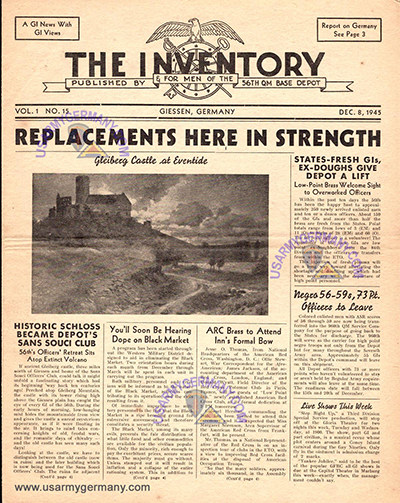
THE INVENTORY, 56th QM Base Depot newspaper, Dec 8,1945
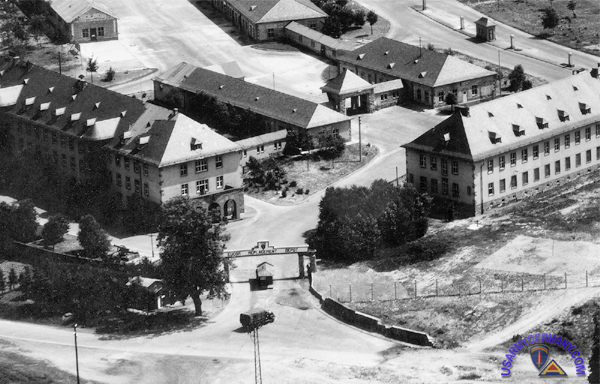
Aerial view of the main gate area, Tannenberg Kaserne, 1947
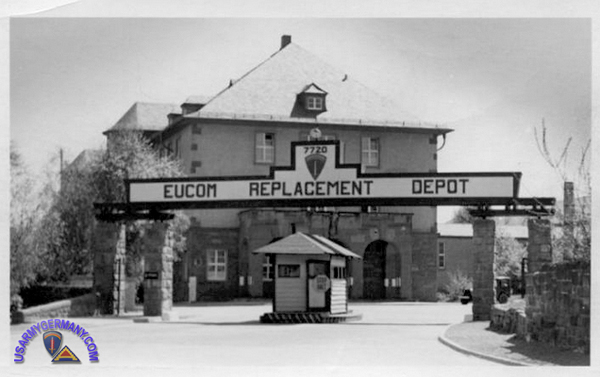
Main gate, 7720th EUCOM Replacement Depot, Tannenberg Kaserne, late 1940s
I was assigned to the 3rd Replacement Depot in Marburg, Germany in the Fall of 1946. My assignment to the Depot came about by a stroke of luck and being in the right place at the right time. I disembarked the ship at Bremerhaven and boarded a troop train to the Replacement Depot at Marburg. Upon climbing down from the train, I came face to face with a S/Sgt. that was a couple of years ahead of me in High School in Winnsboro, Texas, where we had played football together on the Winnsboro High Team. He was part of the Cadre at the Replacement Depot, and he informed me that he was going back to the States in a few days. He asked me if I would like to be assigned as permanent party in the Depot. I said sure, and he arranged for an interview for me. I was accepted and remained assigned to the Depot untill I was sent back to the States in Feburary, 1949 for discharge. I worked my way up through the ranks to become the Sgt. in charge of the Troop Movement Section of the Depot. It was our job to provide the transportation to their barracks for the troops that arrived in Marburg by troop train, and then to transport them back to the trains when they were assigned to units all over Germany, France, and Austria. Sometimes we ran convoys of trucks to transport large assignments of troops to the same place. The Depot also processed and assigned Officers up through the rank of Lt. Colonel. My rank was S/Sgt, but when I was in charge of a convoy of Officers to transport them to their new assignments, the passenger seat of the first truck at the head of the convoy was mine. Most every time when I would complete calling the roster and loading the convoy of Officers, I would find an Officer in my seat when I was ready to move out. About the only trouble I every had when I told them that was my seat and they would have to sit in back, was with mostly Lts. I've had to tell them that my CO was a Full Colonel and that he expected me to command the convoy from the front seat. I also was there in Marburg for almost all of the Berlin Airlift. We ran convoys of troops to the airport at Frankfurt to ship to Berlin. I remember we had to give each soldier a copy of their orders written in Russian in case their plane went down in Russian territory. Our planes had, to the best of my knowledge, a 20 mile wide corridor to fly in going in to Berlin, and if they strayed too close to the boundary line, Russian fighter planes would threaten them. The activity going on around the airport at Frankfurt was something to behold. A solid stream of planes landing and taking off, loaded with men and material to keep the civilian population of Berlin alive. My brother and I have had some good talks about the Airlift, because he was an aircraft mechanic at the Corpus Christi Naval Air Station and it was their job to do the maintance and overhauls of the aircraft taking part of the airlift. It has always been a source of regret on my part because I never made a trip to Berlin on one of the planes, even though I could have I'm sure if I had asked for permission to do so. While working at the Depot, I had the opportunity to meet several Celebrities. Lt. Patton, son of Gen. George Patton, was one of them, as was the Hangman of Nuremburg, M/Sgt. Woods. Lt. Patton went on to become the Commanding Gen. at Ft Hood Texas. While stationed at Marburg, I met a nice German girl named Elizabeth Blad or Bladd, I'm not sure. I think she lived on Begen Strasse. Would anyone know how I could locate her? My name is Bill Miller, and I could go on forever, but I'll quit here. Thanks. |
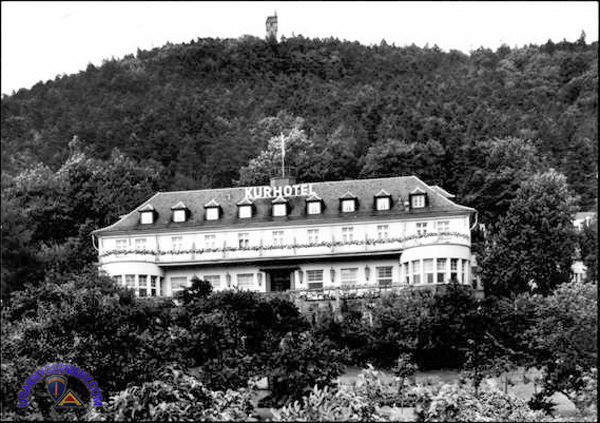
The Kurhotel-Ortenberg at Marburg served as an Officers Club during the
late 1940s-early 1950s (German postcard)
 |
|
3rd Armored Division Association (in Friedberg, Butzbach and Kirch Göns from 1956 to 1992)
4th Infantry (IVY) Division Association (in Friedberg, Butzbach and Kirch Göns from 1951 to 1956)
22nd Infantry Regiment Society (Schweinfurt, 1951; Giessen, 1952; Friedberg, 1953-1956)
202nd Military Police Company - information page on the Military.com website
Ayers Kaserne - "the Rock" - in Kirchgöns - very nice page with great photos of "the Rock" as it looks today. Authored by Alex Leib and hosted by www.lostplaces.de.
USAREUR News Release - Telephone switch at Ray Barracks closed down.