Click here to open 'USArmyGermany' frameset
INDEX KASERNE |
||
KARLS KASERNE |
||
VALDEZ BARRACKS |
||
MURPHY BARRACKS |
||
 |
 |
| MAPS |  |
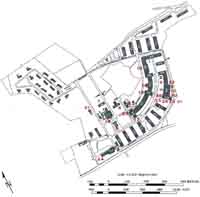
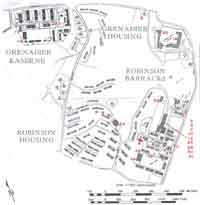
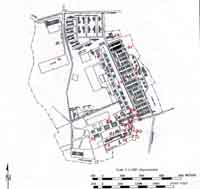
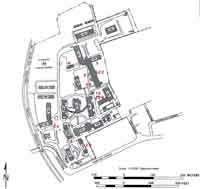
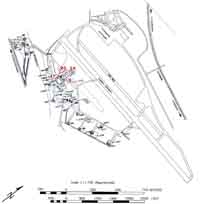
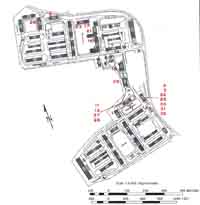
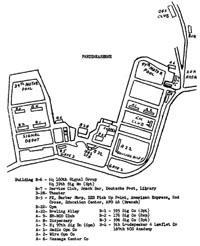
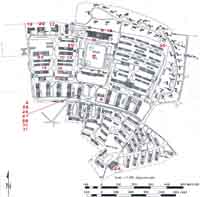
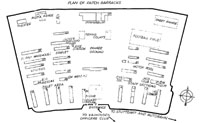
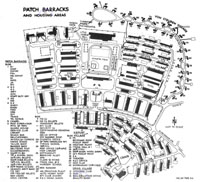
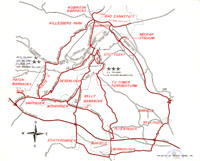
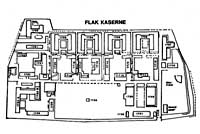
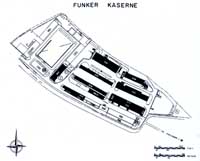
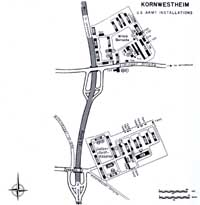
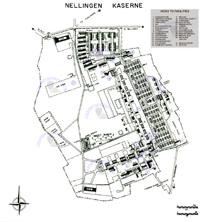
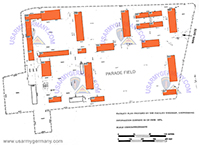
| 1966 Topographical maps of Stuttgart and surrounding area. This map compiled and printed by the 320th Engr Co (Topo), May 1966. Click on the thumbnail to view a larger format of the same map. Click here for a list of the facilities. |
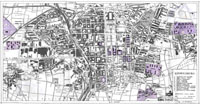 Ludwigsburg |
 |
| 1980 Topographical maps of Stuttgart and surrounding area. These maps are reproduced from the "U.S. Military Installation Atlas" published by the 37th Transportation Group in 1980. Click on the thumbnail to view a larger format of the same map. Click here for a list of the installations. |
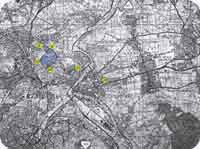 Stuttgart North |
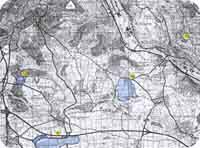 Stuttgart South |
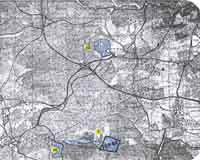 Vaihingen - Böblingen |
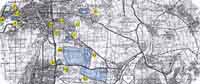 Ludwigsburg - Kornwestheim |
|
||||
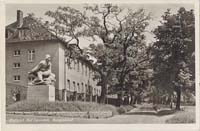 A. Flandern Kaserne |
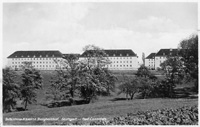 B. Flandern Kaserne |
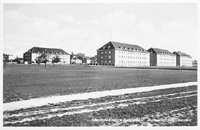 C. Flandern Kaserne |
||
|
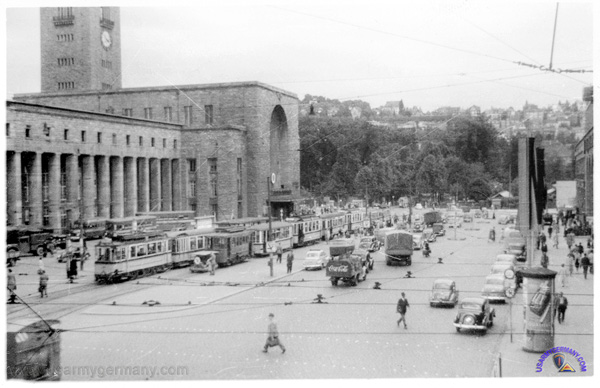 Stuttgart Main Train Station, 1950s |
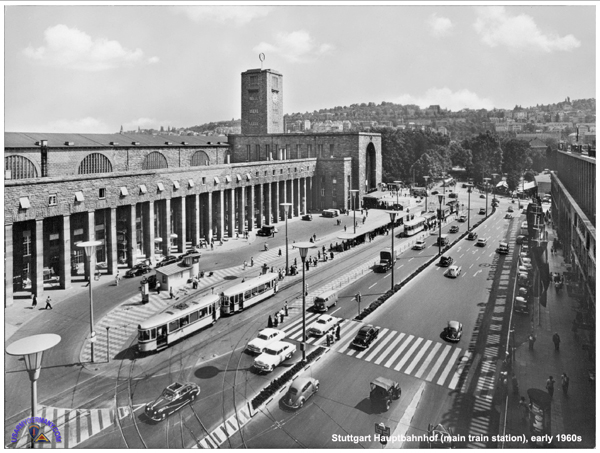 Stuttgart Main Train Station, 1962 |
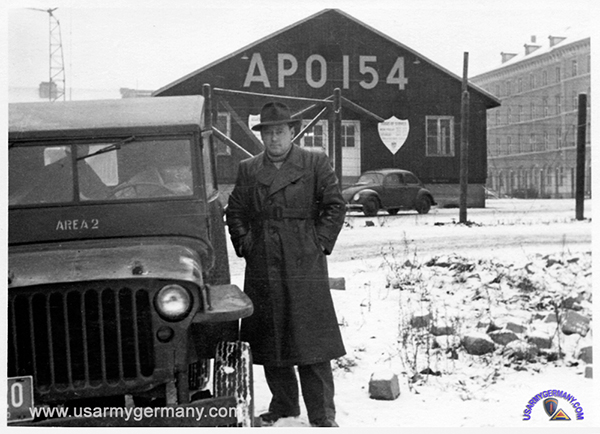 APO 154 compound, 30 Rotebühlstrasse, Stuttgart, late 1940s (Webmaster's collection) |
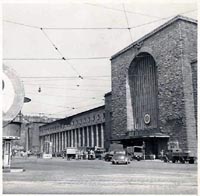 1. Stuttgart Hauptbahnhof, 1952 |
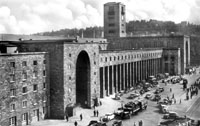 2. Stuttgart Hauptbahnhof, early 1950s |
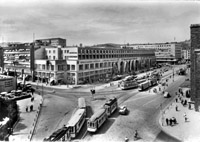 3. Special Service Center near Hauptbahnhof, early 1950s |
|
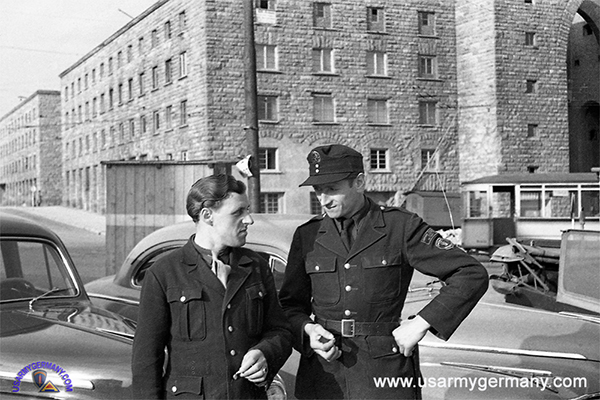 Civilian guards protect the parking lot at the Graf Zeppelin Hotel, 1949 (Webmaster's collection) |
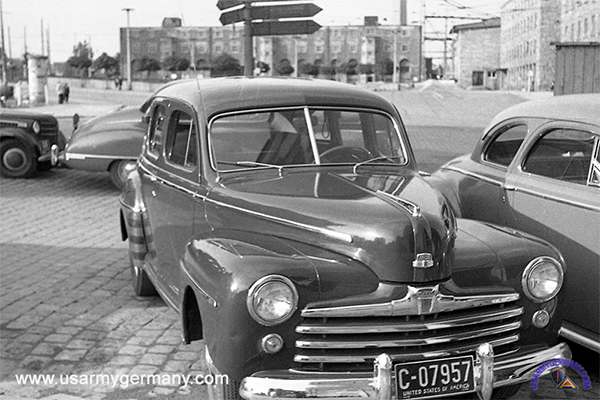 Guarded parking lot, 1949 (Webmaster's collection) |
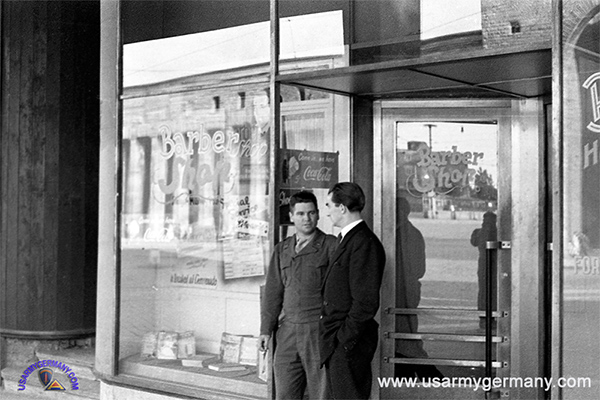 Barber shop, 1949 at the Graf Zeppelin Hotel (Webmaster's collection) |
 4. Parking lot, 1949 |
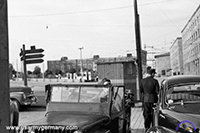 5. Parking lot, 1949 |
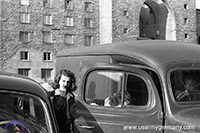 6. Parking lot, 1949 |
||
|
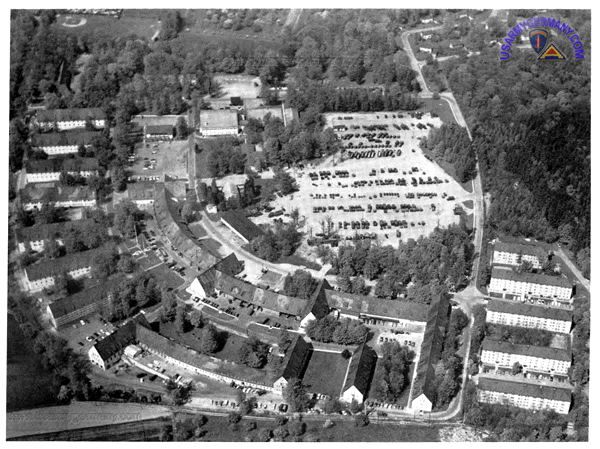 Kelley Barracks, Möhringen, late 1960s |
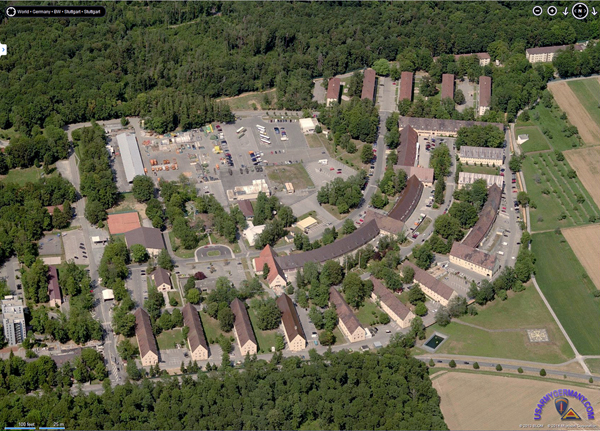 Kelley Barracks, Möhringen (BING) |
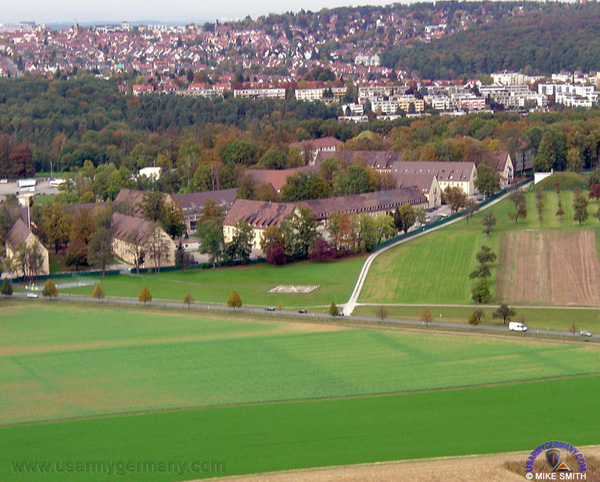 Kelley Barracks, Möhringen (Mike Smith) |
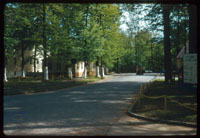
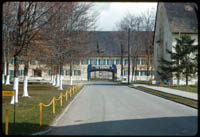
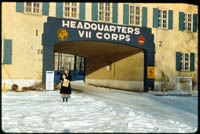
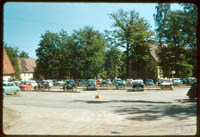
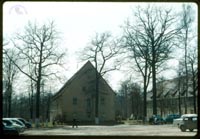
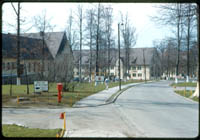
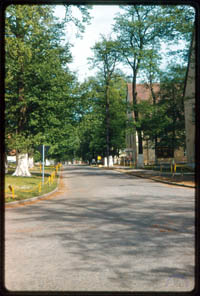
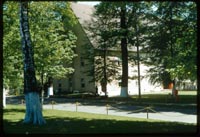
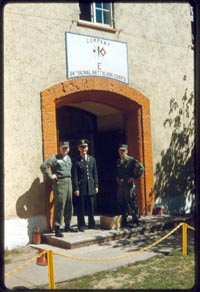
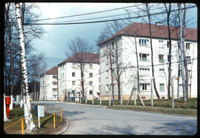
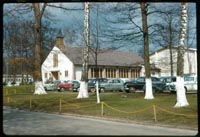
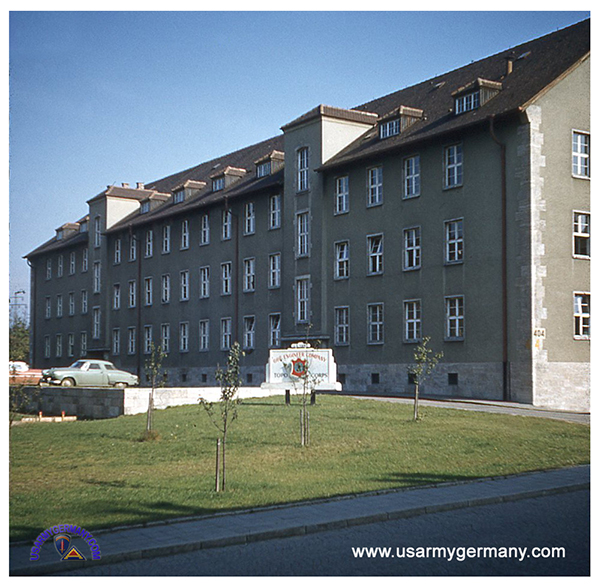
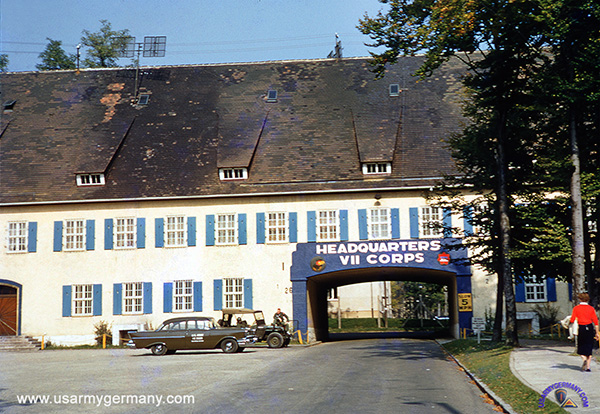 Headquarters Building, VII Corps, Kelley Barracks (Walter Elkins) |
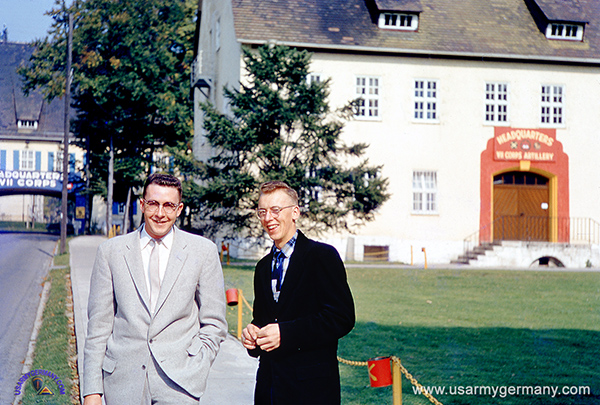 VII Corps Artillery Headquarters building, on the right (Walter Elkins) |
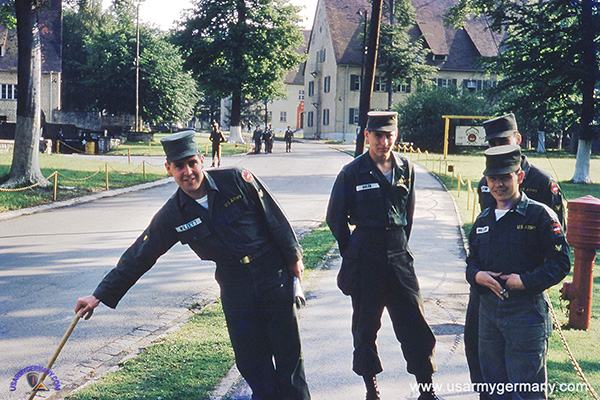 |
 15. 110th MP Platoon |
 15. VII Corps Band & 110th Pltn |
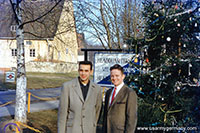 16. HHC, VII Corps barracks |
||
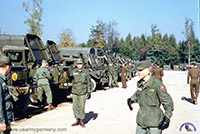 17. E Co, 34th Sig Bn motor pool |
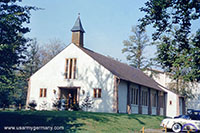 18. Kelley Post Chapel |
|||
|
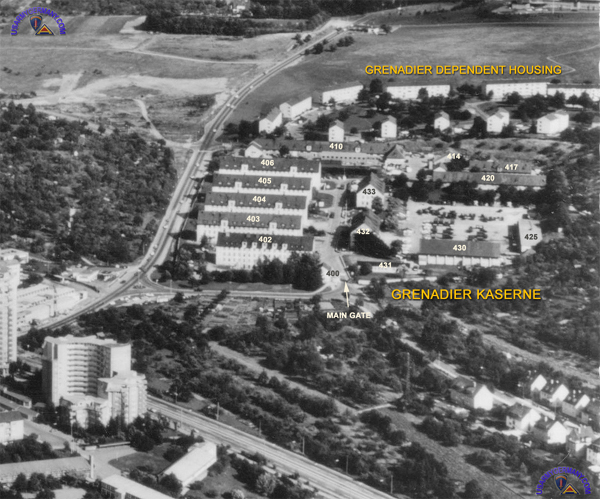 Grenadier Kaserne, Zuffenhausen, 1960s (Walter Elkins) |
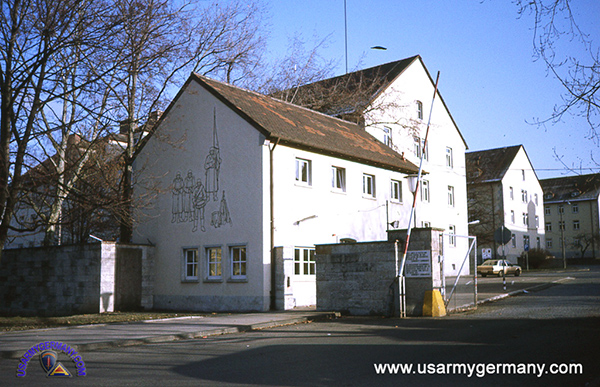 Main Gate, Grenadier Kaserne, Zuffenhausen, 1995 (Rainer Fiechtner) |
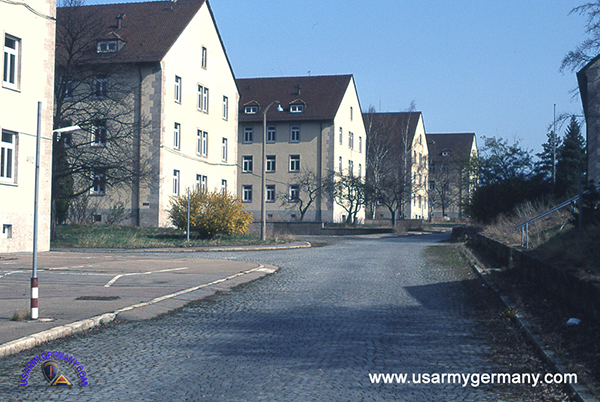 View of Grenadier Kaserne from main gate, 1995 (Rainer Fiechtner) |
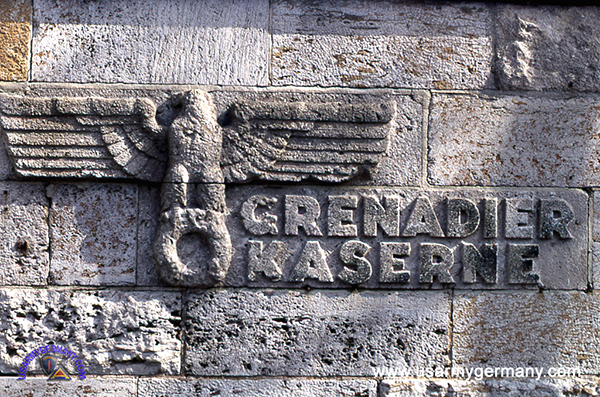 The German Reichsadler (eagle minus the swastika) and the installation name still adorn the wall next to the main gate, 1995 (Rainer Fiechtner, website) |
 1. Aerial of Robinson and Grenadier |
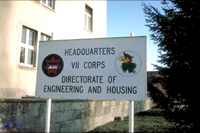 2. DEH sign at Grenadier |
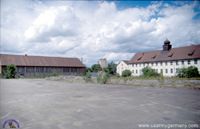 3. Grenadier Ksn |
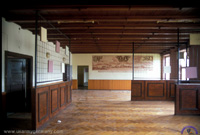 4. Inside Bldg 432, Grenadier |
 66th Engr Co (Topo)(Corps) barracks, 1950s (Webmaster's collection) |
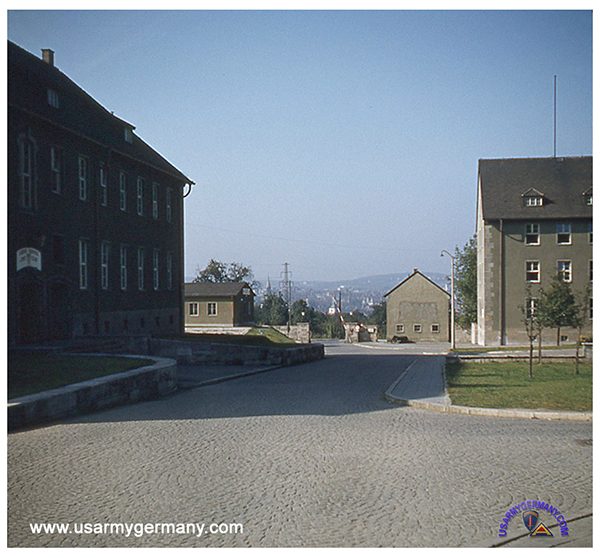 Looking towards the main gate, Grenadier Kaserne, 1950s (Webmaster's collection) |
|
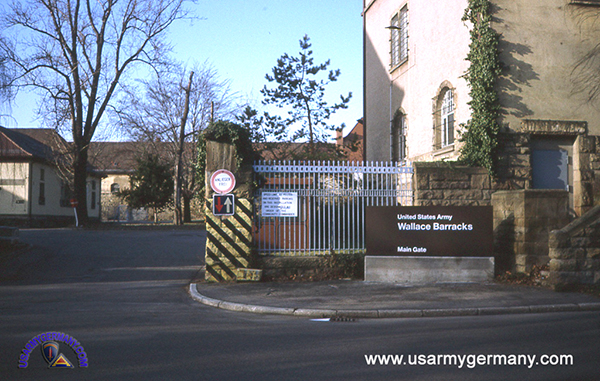 Wallace Barracks main gate, Bad Cannstatt, 1995 (Rainer Fiechtner) |
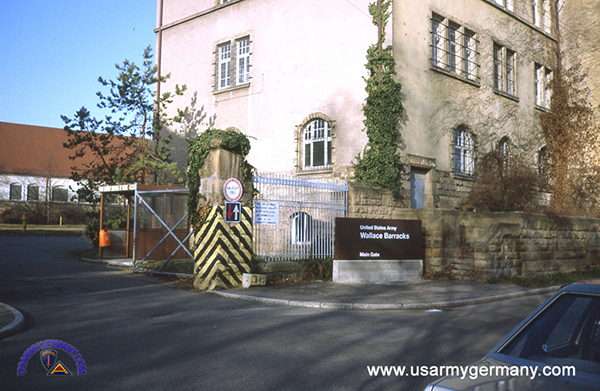 Wallace Barracks main gate, Bad Cannstatt, 1995 (Rainer Fiechtner) |
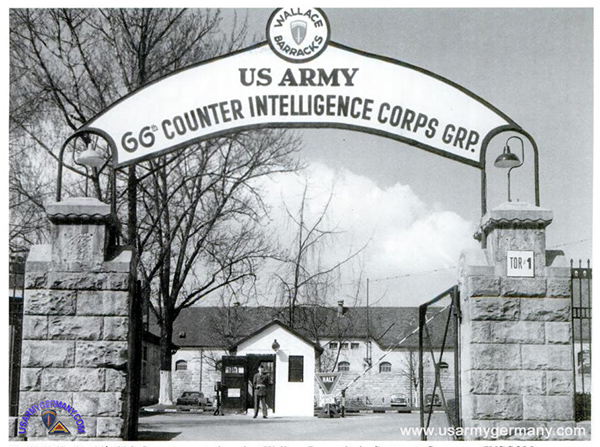 Entrance to Wallace Barracks, Bad Cannstatt, 1950s (INSCOM) |
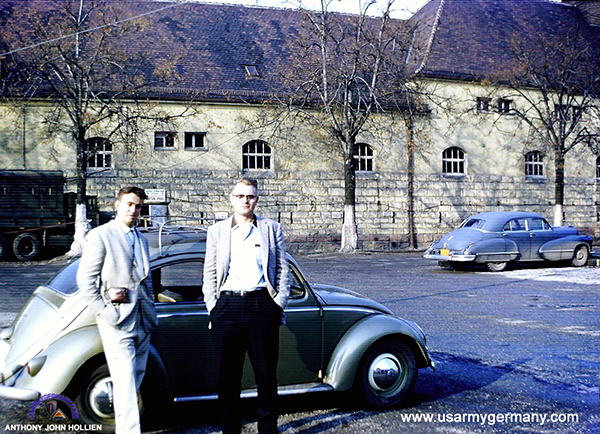 66th CIC Group parking lot, Wallace Barracks (Anthony John Hollien) |
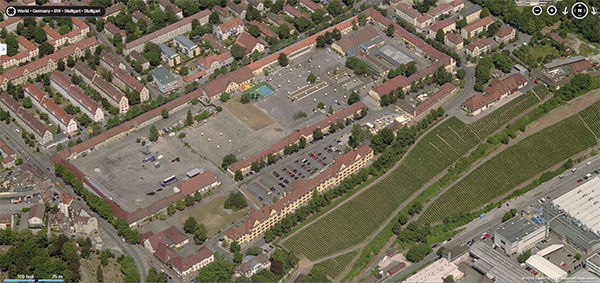
 1. Hqs 66th CIC Gp |
 2. Bldg #4301 |
|||
|
||||
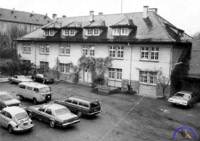 1. Hqs ARC Europe (KB) |
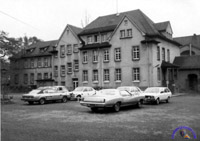 2. Hqs ARC Europe (KB) |
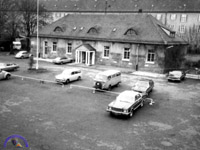 3. Hqs ARC Europe (KB) |
||
|
||||
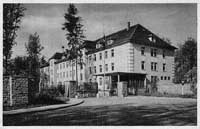 A. Panzer Kaserne |
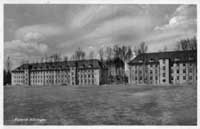 B. Panzer Kaserne |
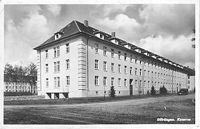 C. Panzer Kaserne |
||
|
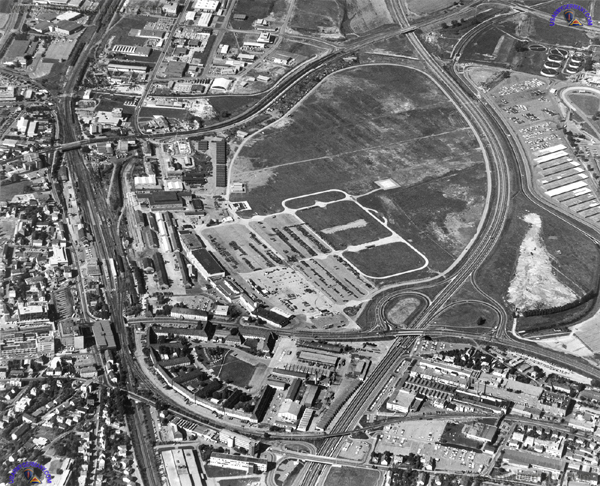 Böblingen Maintenance Facility & Fliegerhorst Kaserne (Stadtarchiv Böblingen) |
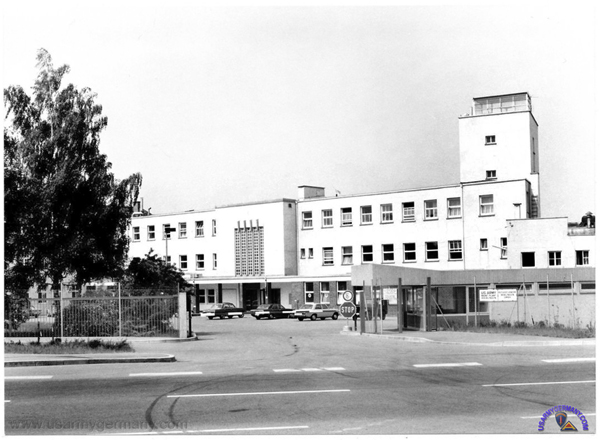 Entrance to Böblingen Maintenance Facility (Böblinger Flughafengeschichten) |
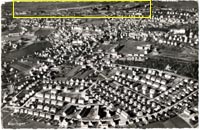 1. Böblingen Maintenance Facility |
||||
|
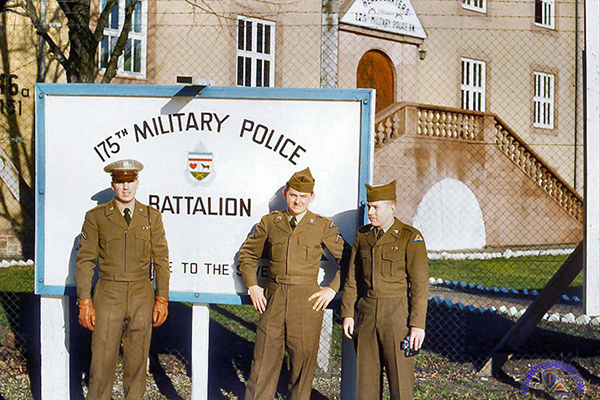 175th MP Bn sign in front of Bn headquarters, Fliegerhorst Kaserne (Al Bien) |
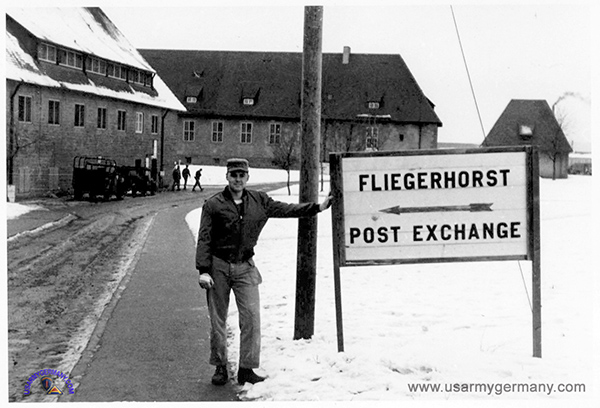 Fliegerhorst Kaserne, early 1950s (Carl F. Salzer, Jr.) |
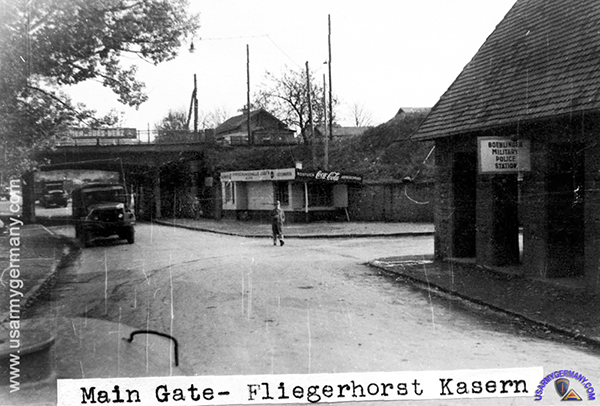 Access road to Fliegerhorst Kaserne and Boeblingen MP Station (Carl F. Salzer, Jr.) |
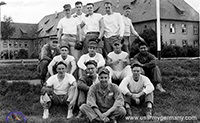 1. 175th MP Bn baseball team at Fliegerhorst Ksn |
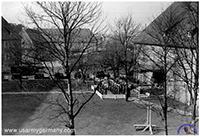 2. Guard mount |
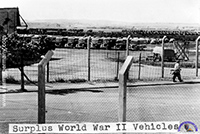 3. Looking at Böblingen Rebuild Plant from Fliegerhorst Ksn |
||
|
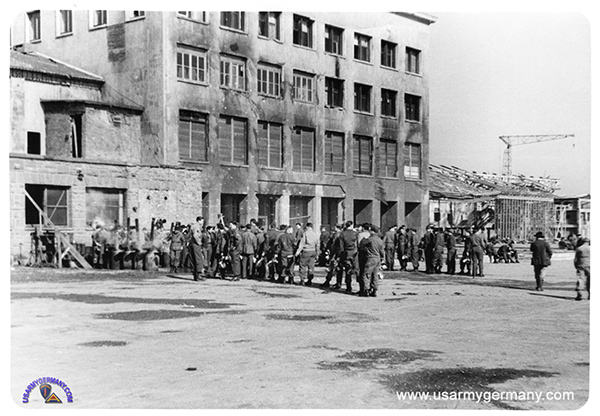 Terminal building, Stuttgart Flugplatz, 1945 (Webmaster's collection) |
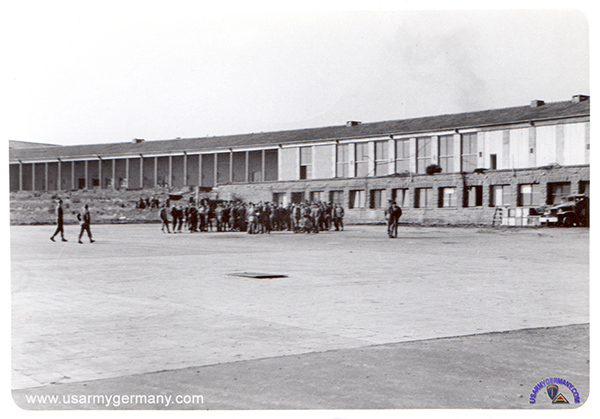 Unit formation in front of company offices, 1945 (Webmaster's collection) |
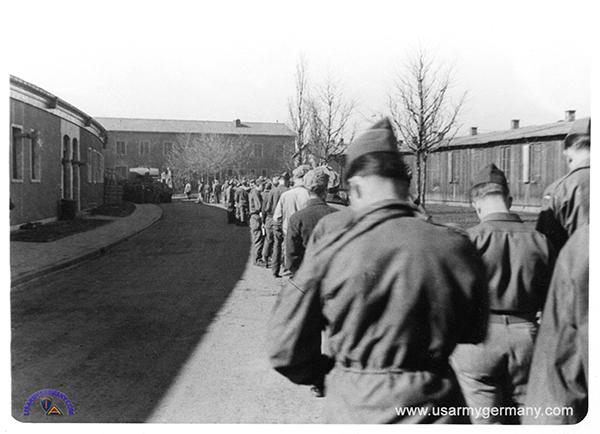 Long line for donuts and coffee served by an American Red Cross clubmobile at the Stuttgart airfield, 1945 (Webmaster's collection) |
 1. Flughafen building |
 2. Donut Dollies clubmobile |
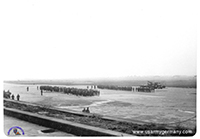 3. Unit formation on tarmac |
|
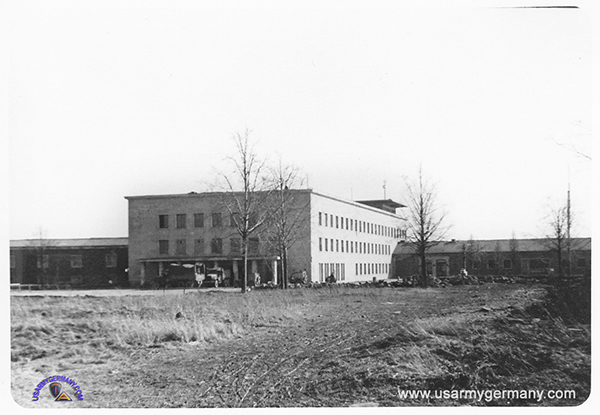 Troops were billeted in the main terminal building (above) at Stuttgart airfield |
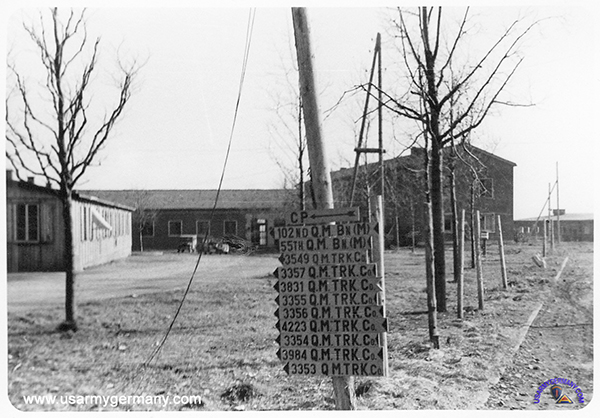 Directional signs to QM Truck units stationed at Stuttgart airfield, ca. 1945 |
|
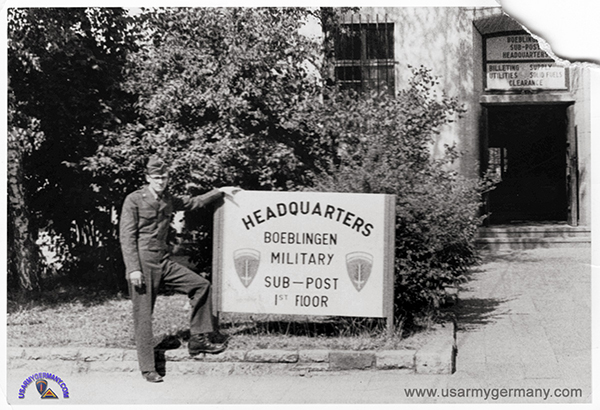 Sub-post sign at Panzer Kaserne, early 1950s (Webmaster's collection) |
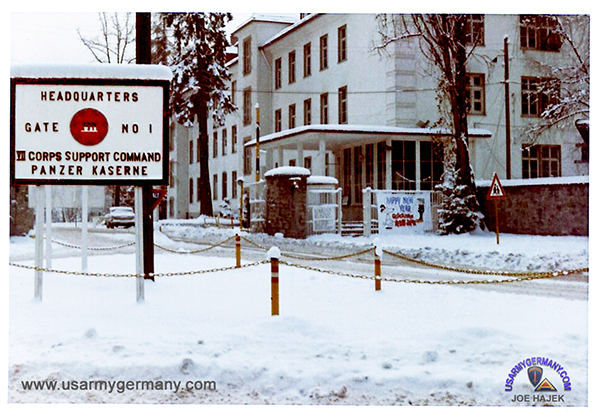 Gate 1, Panzer Kaserne, late 1960s (Joe Hajek) |
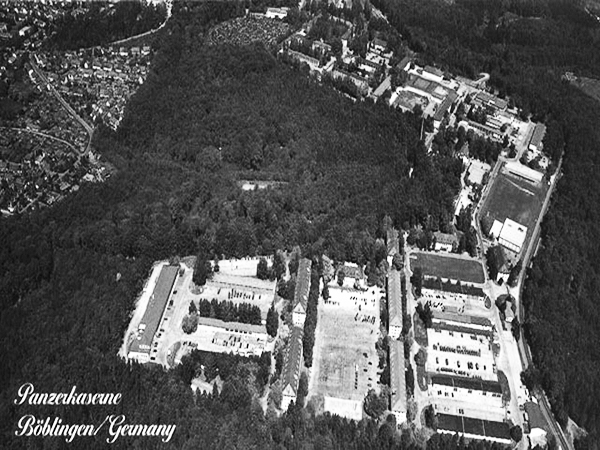 Aerial of Panzer Kaserne, c. 1990 |
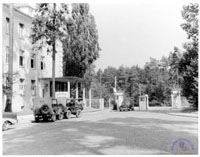
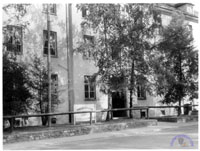
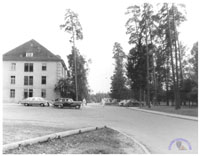
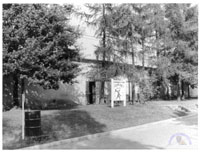
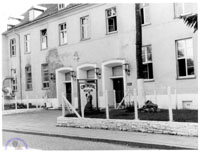
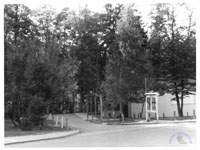
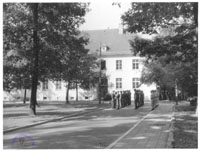
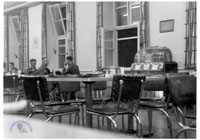
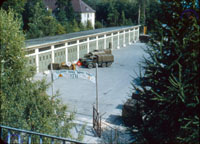
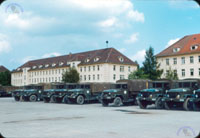
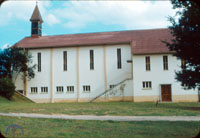
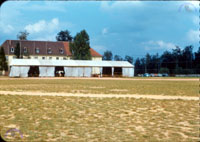
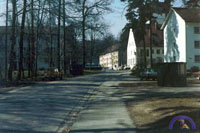
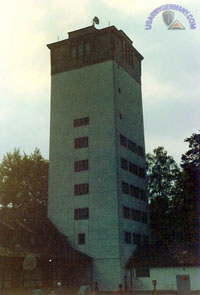
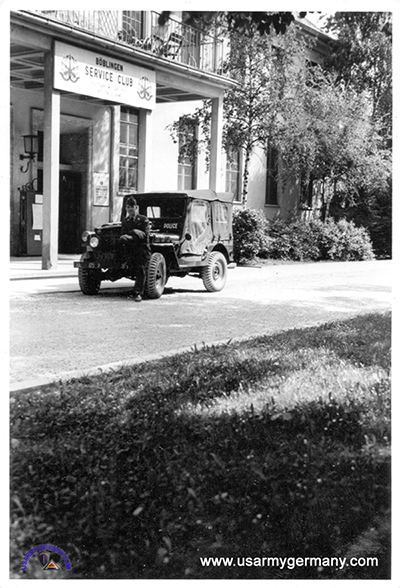 175th MP Bn jeep in front of Böblingen Service Club, 1952 (Webmaster's collection) |
|
||||
 A. SS-Kaserne |
||||
 1. Aerial view of Ellwangen Kaserne |
||||
|
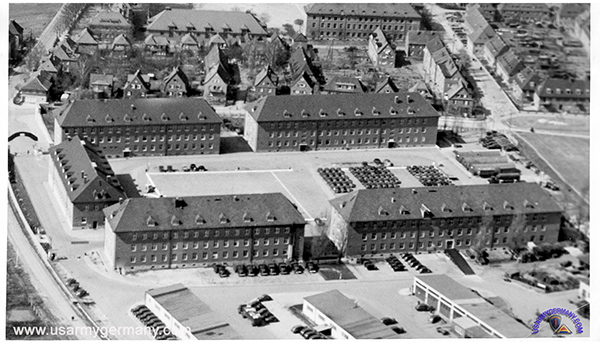 Funker Kaserne, Esslingen, 1950s (Webmaster's collection) |
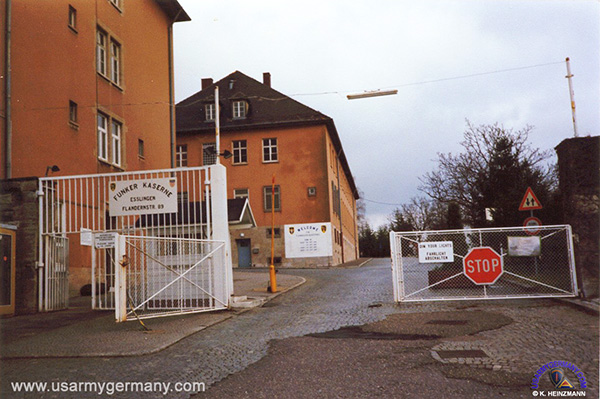 Funker Kaserne, Esslingen (Klaus Heinzmann) |
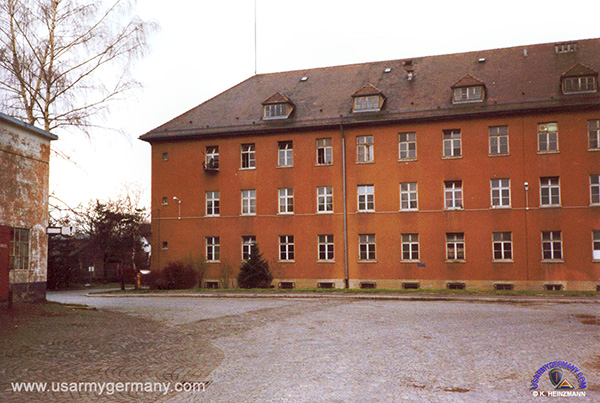 Funker Kaserne, Esslingen (Klaus Heinzmann) |
 1. Main gate |
 2. Technical area |
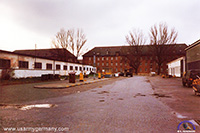 3. POL station |
||
|
||||
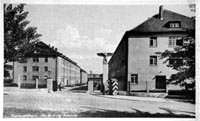 A. Hindenburg Ksn |
||||
|
||||
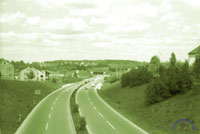 1. Wilkin Bks from the B27, 1963 |
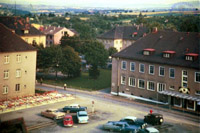 2. Wilkin Bks, early 1960s |
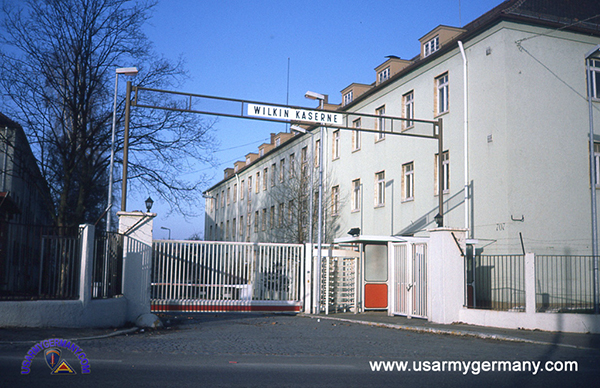 Wilkin Barracks main gate, 1995 (Rainer Fiechtner) |
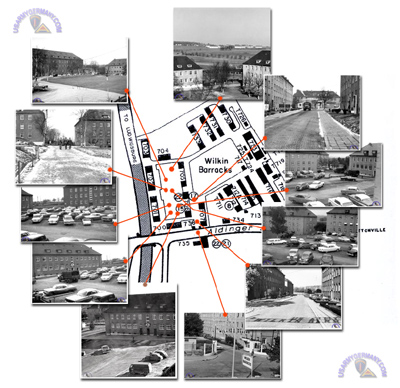 Wilkin Barracks, 1960, Photo series |
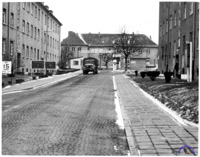
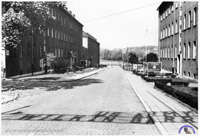
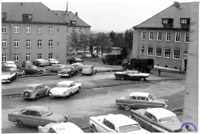
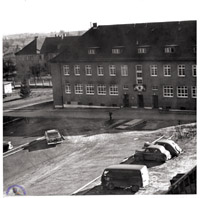
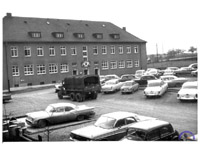
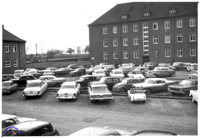
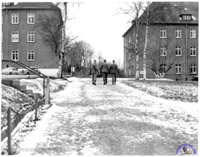
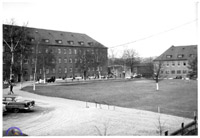
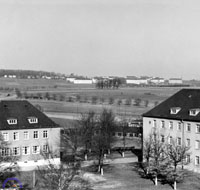
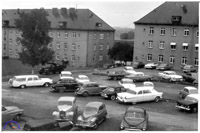
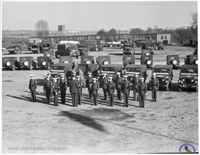
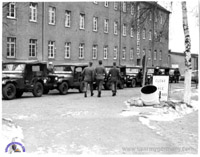
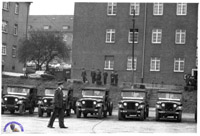
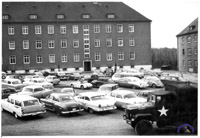
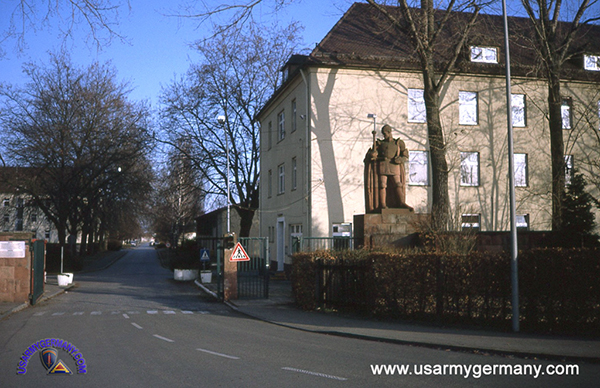 Ludendorff Kaserne main gate, Kornwestheim, 1995 (Rainer Fiechtner) |
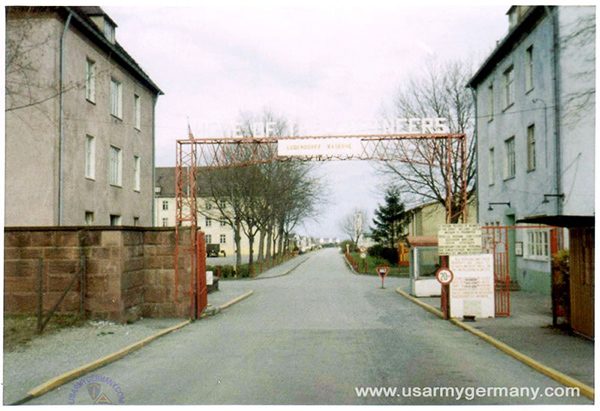 Main gate, Ludendorff Kaserne, Kornwestheim, 1967 (Bob Eilenfeld) |
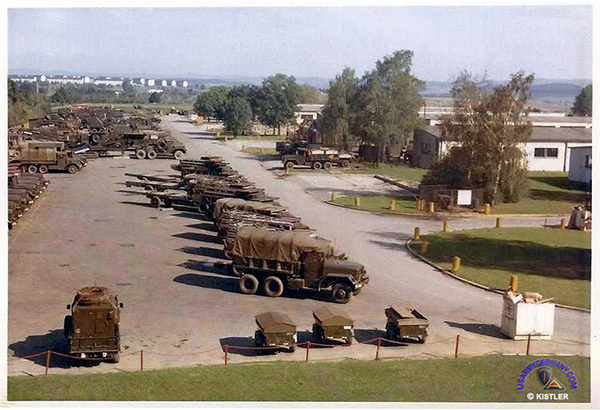 Motor pool and shop area, Ludendorff Kaserne, Kornwestheim, 1967 |
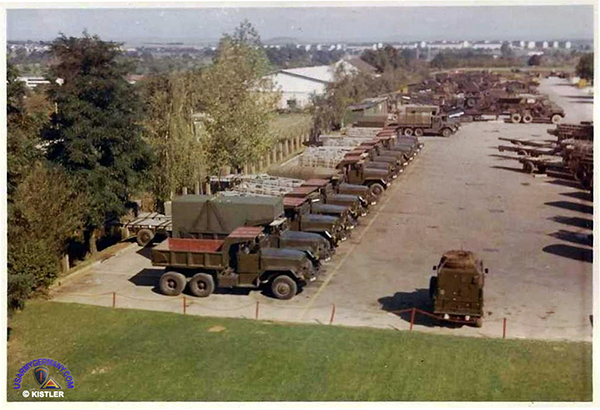 Motor pool and shop area, Ludendorff Kaserne, Kornwestheim, 1967 |
|
||||
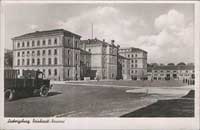 A. Reinhardt Kaserne |
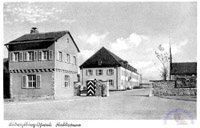 B. Flak Kaserne |
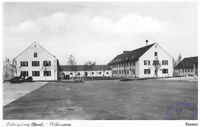 C. Flak Kaserne |
||
|
||||
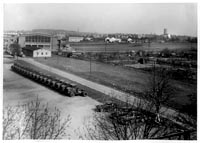 1. Coffey Bks, 1955 |
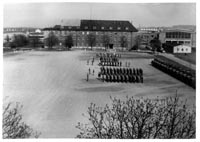 2. Coffey Bks, 1955 |
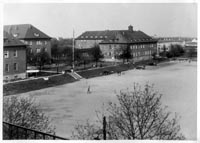 3. Coffey Bks, 1955 |
||
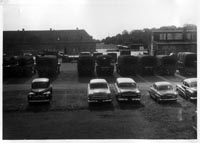 4. Coffey Bks, 1955 |
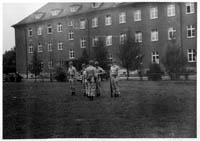 5. Coffey Bks, 1955 |
|||
|
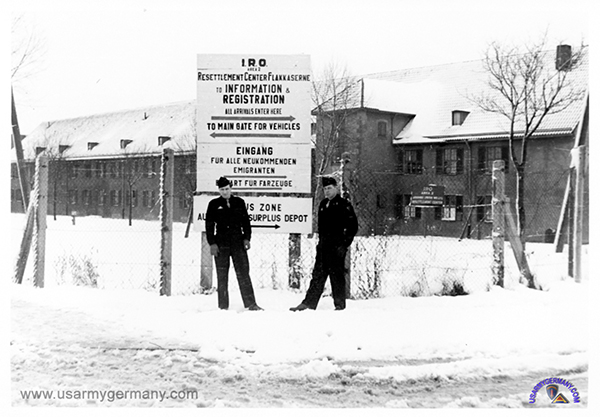 Two Labor Service members in front of the Flak Kaserne perimeter fence, ca. 1948 At this time the kaserne was used by the International Refugee Organization, Area 2, as a Resettlement Center (Click here for larger image; also link to annotated aerial photo) |
|
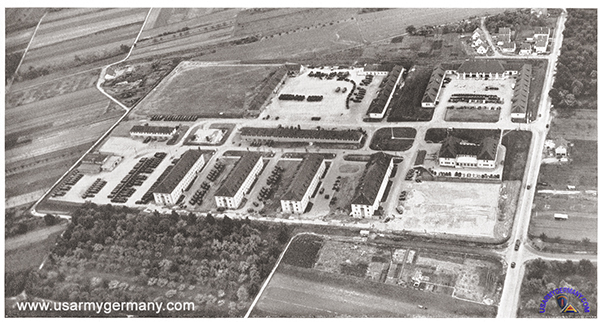 Krabbenloch Kaserne, Ludwigsburg, 1952 (Click here for larger image; also link to annotated aerial photo) |
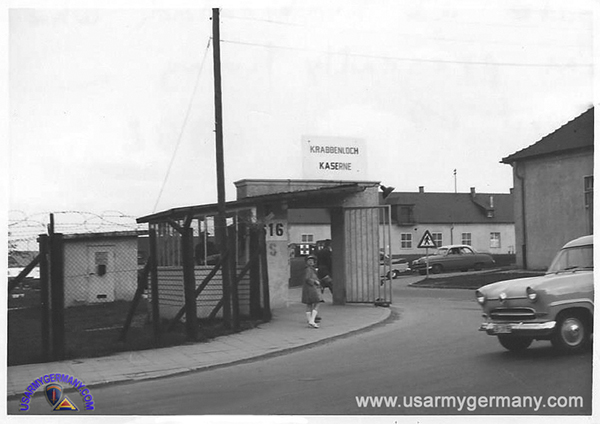 Krabbenloch Kaserne main gate, Ludwigsburg, c. 1962 (Richard Schiek) |
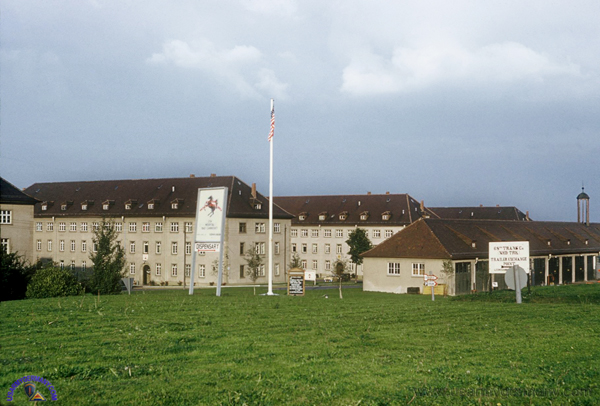 Krabbenloch Kaserne, Ludwigsburg, c. 1957 (Coy Jackson) |
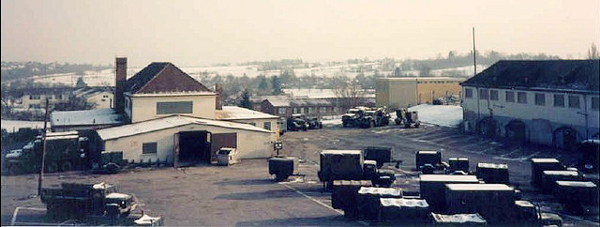 Motor pool, Krabbenloch Kaserne (Ebrahim Sieyes, Flickr) |
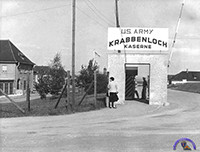 1. Main Gate, Krabbenloch Kaserne, 1955 |
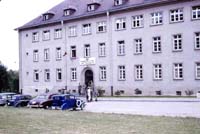 2. 109th Trans Co barracks, Krabbenloch Kaserne, 1955 |
|||
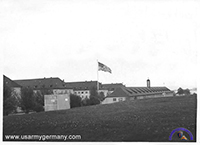 3. Krabbenloch Kaserne, 1962 |
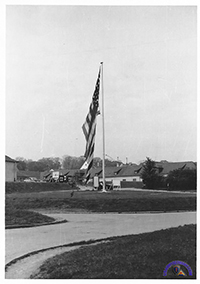 2. Flag pole, 1962 |
|||
|
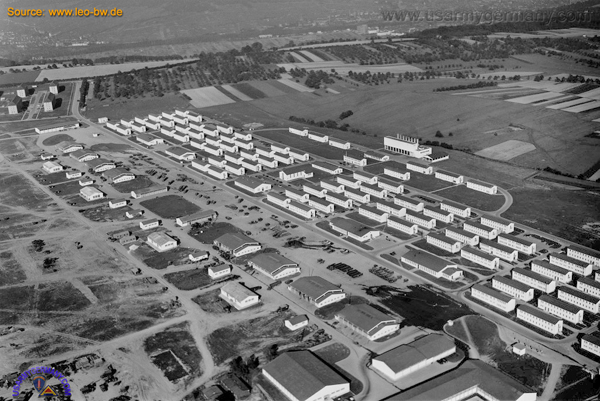 Nellingen cantonment in 1953, shortly after construction was completed (www.leo-bw.de) |
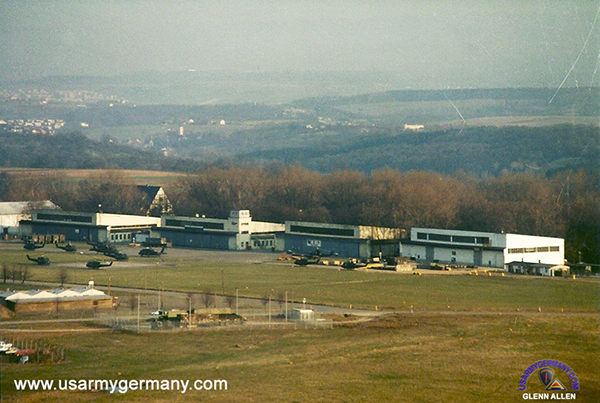 Flight line at Nellingen Kaserne, maybe early 1980s (Glenn Allen) |
 1. Nellingen Kaserne, Sept 1952 |
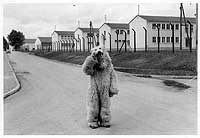 2. Nellingen Kaserne, Sept 1952 |
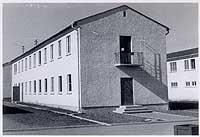 3. Nellingen Kaserne, Sept 1952 |
||
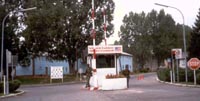 4. Main Gate, Nellingen Ksn, 1985 |
||||
|
Additional photo sets: (1) Patch Bks, 1954-57 |
|||
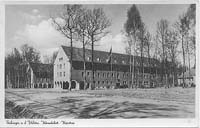 A. Kurmärker Kaserne |
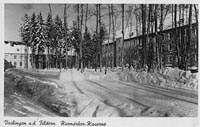 B. Kurmärker Kaserne |
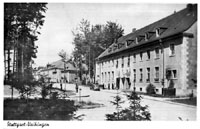 C. Kurmärker Kaserne |
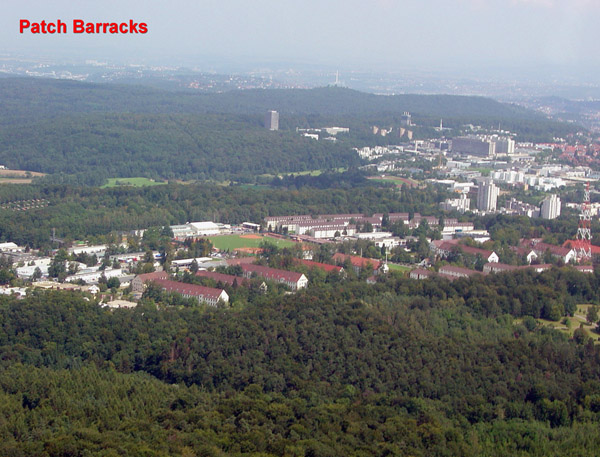 Patch Barracks, Vaihingen (Mike Smith) |
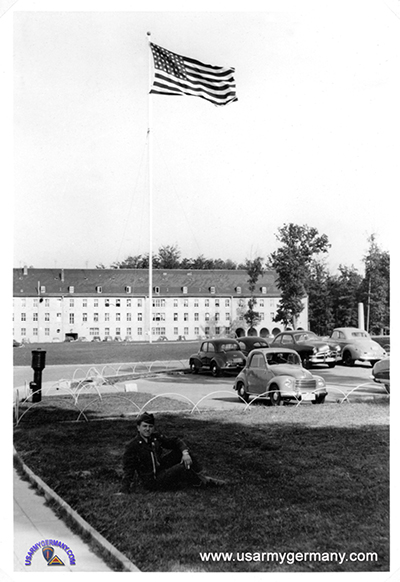 Patch Barracks, looking toward the parade field and flag pole, 1952 (Webmaster's collection) |
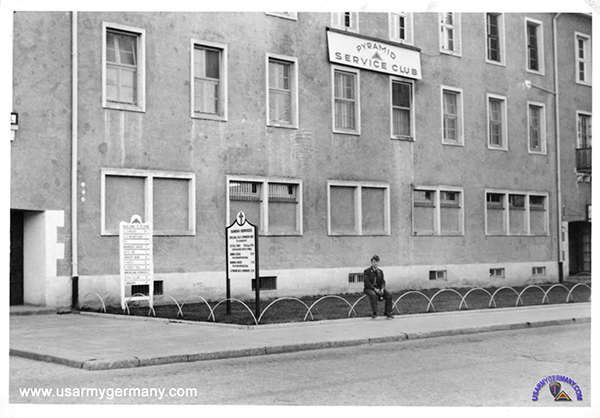 The Pyramid Service Club at Patch Barracks, 1952 (Webmaster's collection) |
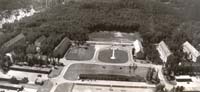 1. Patch Bks, HQ US Constabulary, 1950 Click here to supersize (524 KB) |
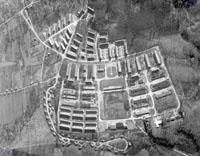 2. Patch Bks, HQ Seventh Army, 1957 (KB) |
||
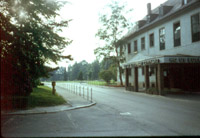 3. HQ USEUCOM, early 1980s |
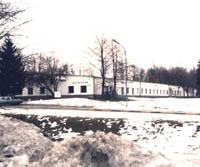 4. HQ DCA-E, early 1980s |
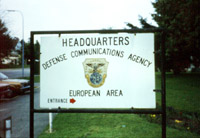 5. Sign in front of DCA-E, early 1980s |
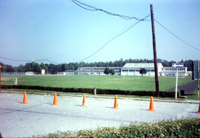 6. Patch Bks gym, early 1980s |
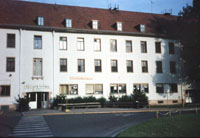 7. AAFES Cafeteria, early 1980s |
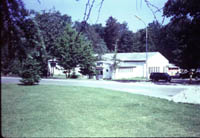 8. EM Club, early 1980s |
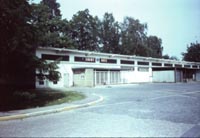 9. Commissary, early 1980s |
for more photos of Patch Bks, see Roger's web site |
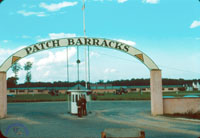 10. Main gate (KB) |
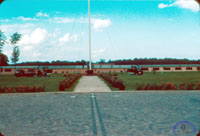 11. Flag pole and ceremonial guns (KB) |
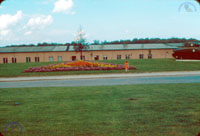 12. Bldg 24 (160 KB) |
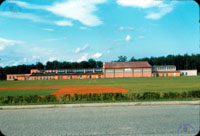 13. Post gym (151 KB) |
| Great web-site.
I am passing it around SOCEUR and the boys are really enjoying it.
You have one picture of Panzer Kaserne in Boeblingen that says 1970's?
on it. The picture was actually taken between 1997-1998. I know this
because of the new orange roof top on my old company's building. Our
Company SGM used to have us go up the scaffolding over the roof and
down the other side as part of our PT while the renovation took place
in 1995. Anyway I was stationed in Nurnberg as well and I think this is one of the best web-sites I have ever come across. |
| Photos are from a photo album, owner unidentified. Owner was apparently associated with the transportation motor pool at Stuttgart in the 1951-52 period. Can anybody provide details on the location of the Stuttgart motor pool no. 1 during this period? It does not appear to be part of one of the kasernes occupied by the US Army. (Source: Phil Boehner) I found a website online, which displays pictures from the Stuttgart Military Post Motor Pool #1. It was called Wallace Barracks. Now the Technische Hilfswerk (Federal Agency for Technical Relief) is housed there. It is amazing, if you look at the recent taken pictures how things haven't changed a bit!
Here's the link: http://members.trainorders.com/usa4624/USAEUR/wallace/
(Source: Email from James Jent) I saw where some information about Stuttgart Motor Pool #1 was wanted. It was located in Wallace Barracks in Bad Cannstatt. The 25th Base Post Office, later changed to the 25 AG Det, was also housed at Wallace. I was assigned to the 25th AG Det from Jan. 1970 to May 1972. It was located on Rommelstrasse. |
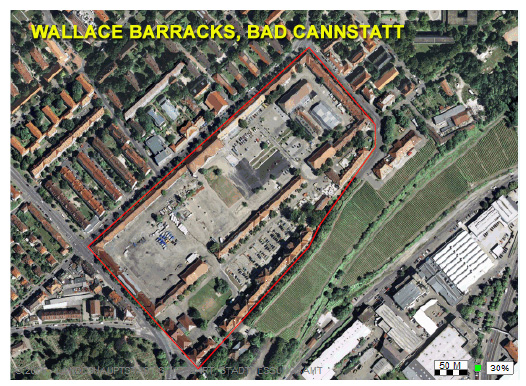
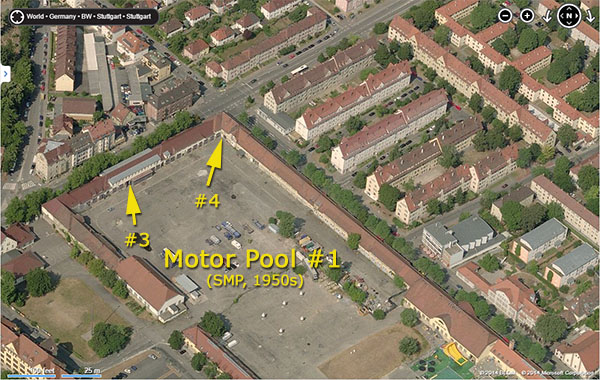 Location of former Motor Pool #1 on Wallace Barracks (BING) |
| Note: Numbers indicate the corresponding photo from early 1950s (see below) |
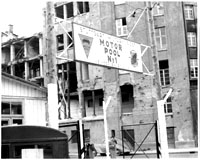 1. Stuttgart Military Post Motor Pool 1, 1951 |
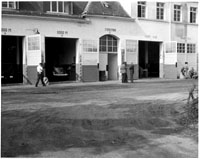 2. Various shops & Foreman's office |
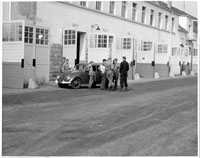 3. Maintenance shops |
|
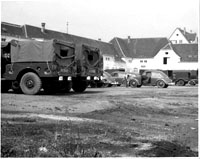 4. Various types of vehicles at the motor pool |
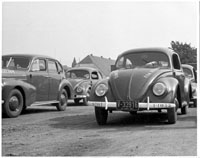 5. Several VWs |
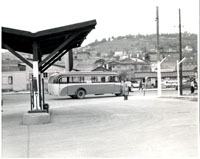 6. Motor pool POL station |
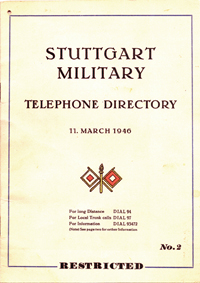 1. Stuttgart Military Telephone Directory, 11 Mar 1946 |
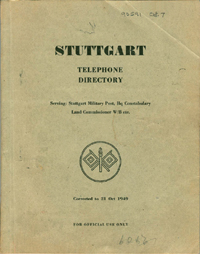 2. Stuttgart Military Telephone Directory, 21 Oct 1949 |
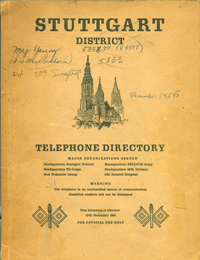 3. Stuttgart District, SACom Telephone Directory, 15 Dec 1953 |
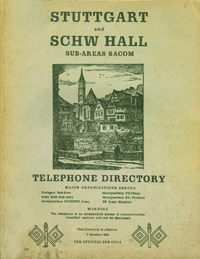 4. Stuttgart and Schw Hall Sub-Areas, SACom Telephone Directory, 1 Oct 1954 |
 5. HQ USEUCOM Telephone Directory, 15 Nov 1970 |
 |
|
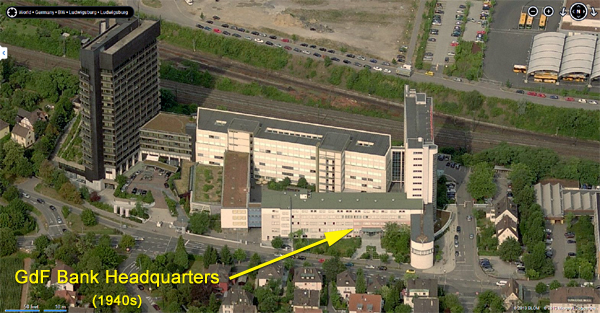
Arrow points to the former GdF Bank headquarters in Ludwigsburg that served as
headquarters for many US Army units, including First Military District and Stuttgart
Military Post, in the 1940s (BING)
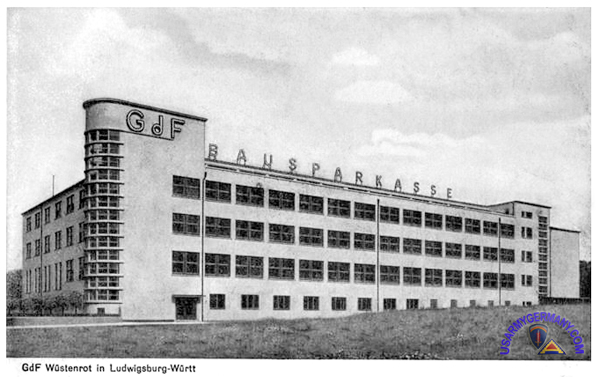
Undated German postcard of GdF Bank headquarters in Ludwigsburg (pre-WWII)
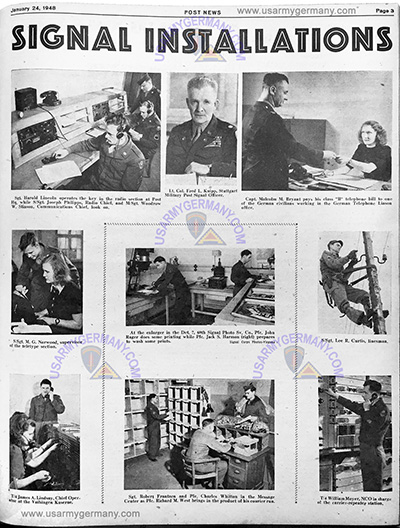
SMP Signal Section, January 1948
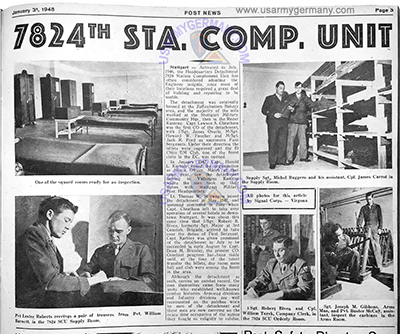
7824th Station Complement Unit, SMP, January 1948
| Stuttgart Military Post Moves to Ludwigsburg Biggest news of the week centered around the move of Stuttgart post headquarters to Ludwigsburg, preparatory to the arrival of Constabulary headquarters between Feb. 10-20 to set up quarters in the Vaihingen Kaserne. Numerous units throughout the Stuttgart post area are affected by the change, which was necessitated by orders to transfer a number of EUCOM divisions from Frankfurt to Heidelberg. Headquarters of the Stuttgart Post will be in the GdF Bank building (1) in Ludwigsburg, and it is contemplated that most of the men concerned with the operation of the headquarters, including the 7824th SCU, will be billeted at the Hindenburg Kaserne, Kornwestheim. The 539th MP Sv. Co. will assume post stockade duties at the Hindenburg Kaserne, and it is believed that Constab. Hq. will be accompanied by their own MP troops when the move from Heidelberg is completed. Augmenting staffs at the 387th Sta. Hosp., which have been depleted by recent redeployment, the 633rd Med. Cl. Co. from Ludwigsburg will be moving to that organization. Motor Pools Shifted A portion of Motor Pool No. 1 will move to the Mathilden Kaserne, Kornwestheim; Motor Pool No. 2 remains in Stuttgart to maintain and service MG (Military Government) vehicles; Motor Pool No. 3 will continue at the Hindenburg Kaserne, augmented by the overflow of vehicles from No. 1, and Motor Pool No. 4 moves to the Möhringen Kaserne. The 7700th TI & E Gp. (Troop Information & Education) goes to Budingen and the Post Engr. section shifts from the Vaihingen to the Möhringen Kaserne. Destination of the 15th Constab. Regt., presently stationed at Böblingen, was undetermined at press time; the 14th Constab. Sq., also of Böblingen, goes to a new assignment in Land Bavaria. Other units involved in the mass changeover and their planned locations are as follows: 7714th MP Sch., Nellingen to Sonthofen; 62nd MP Co, Nellingen to Heidelberg; 1002nd PCIRO team, Ludwigsburg to Esslingen; Co A, 1st Med. Bn., 1st Inf. Div., Ludwigsburg to Regensburg; and Bn. Hq. and Co D, 18th Inf., Kornwestheim to Lenggries. Educations Center Closes It has been announced that the present Post Library and the Post Service Club will continue to operate at Vaihingen Kaserne, although probably under another name and with a few changes in personnel. The Army Education Center at Vaihingen Kaserne closed Wednesday due to the coming moves of personnel. New classes will be organized and started at a new location convenient to the troops in the very near future. The Post officers club will remain in operation at its present location at the Vaihingen Kaserne. No definite plans have been made on any club arrangements in Ludwigsburg as a result of this move, but POST NEWS will carry any future announcements of a new club set-up in the area. The Ludwigsburg-Kornwestheim area has seen many Army units since June 1946. At that time, the 1st Bn, 60th Inf. Regt. moved into Ludwigsburg and the 2nd Bn. of the 60th took up residence in the Hindenburg Kaserne, Kornwestheim. The GdF building at that time was the CP of the 1st Bn. as well as billeting space for the Bn. Headquarters Co. The remainder of the 1st Bn. was quartered in the Mathilden and Reinhardt Kasernes, in Ludwigsburg. The 2nd Bn., 60th Inf. remained in Kornwestheim until April 1946, when they went to Landshut. They returned to Kornwestheim in September 1946 and were deactivated, along with the 1st Bn., 60th, in December 1946. Many Units Use Kaserne At that time, Hq. and Sv. Co. of the 26th Inf. Regt. arrived in Ludwigsburg as the nucleus of First Military District. At the same time, 1st Bn. 26th moved into Kornwestheim and occupied the Hindenburg Kaserne. The GdF building was again used, this time as District Headquarters, and the troops were billeted in the Reinhardt Kaserne. When First Military District closed out in March 1947, Hq. and Hq. and Sv. Companies of the 26th went to Grafenwoehr, and PCIRO acquired the GdF buidling as their headquarters. The 1st Bn., 26th Inf. remained in Kornwestheim until August 1947, when they too moved to Grafenwoehr, and Hq. and Hq. Co. and D Co., 1st Bn. of the 18th Inf. Regt. took over the Hindenburg Kaserne and the varied committments of the 1st Bn., 26th Inf. Now it is moving day again and the people of Ludwigsburg and Kornwestheim will view these oft-repeated activities that by now are very familiar sights to them. Webmaster note: a follow-up article appeared in Jan. 31 issued of the POST NEWS: The move of Stuttgart Post Headquarters from Vaihingen Kaserne to Ludwigsburg was completed over the last weekend and operations were resumed in the new Headquarters at the Bausparkasse in Ludwigsburg on Monday morning, Jan. 25. At press time, the only Post installation remaining in the Vaihingen Kaserne was the Special Service warehouse and it was reported that the move of the warehouse to Ludwigsburg would be completed shortly. The Post Engineers have moved to the Möhringen Kaserne and are operating from there. The 7700th TI & E Group is not completely closed out of the Kaserne but the Engineers are functioning from the new setup. The 7714th MP School at Nellingen and the 15th Constab. Regt. at Böblingen have not as yet finished moving but it is expected that they will close out soon. Other units involved in the shift have all completed their move. (1) GdF Bank .... was the Bausparkasse der Gemeinschaft der Freunde Wüstenrot. |
| Stuttgart Military Post Move to Robinson Barracks End of October 1949, Headquarters Stuttgart Military Post was moved from Ludwigsburg to Robinson Barracks, Feuerbach (Stuttgart). This was done to consolidate operations of the 54 sections and agencies that make up headquarters. (This is the third move of HQ SMP since formation of the military post.) Robinson Bks, formerly known as Flandern Kaserne, consists of 18 buildings. The kaserne accommodates the 534th MP Svc Co; Co A, 7824th SCU; a fire station; service club; EM club; German mess hall; and a taxi stand. |
| Stuttgart Military Post, with headquarters at Robinson Barracks, makes up 12 percent of the entire US Zone of Occupation. Commanding general of SMP is Brig Gen Arnold J. Funk. Major tenant units stationed within the military post are: HQ US Constabulary, VaihingenOffice of the Land Commissioner, Wuerttemberg-Baden5th and 32nd Field Artillery Battalions 7748th Dependent Housing Detachment, Bad MergentheimEuropean Headquarters, American Red CrossEUCOM Hq CIC11th Field Hospital (including EUCOM Medical Department Training Center)7845th Maintenance Group |
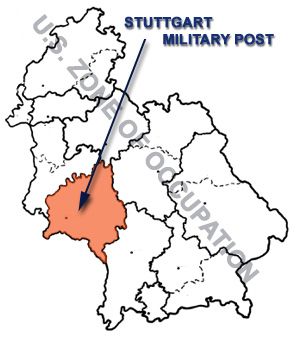 Stuttgart Military Post, late 1940s |
|
Stuttgart military community: A look back to 1967 By Col. Robert Chevas When U.S. European Command moved to Stuttgart 40 years ago, the American military community numbered 45,000 spread across more than 40 installations, compared to 10,000 on four installations today. The North Württemberg District, U.S. Army Area Command, included two major headquarters, Seventh Army and VII Corps, the 5th General Hospital in Bad Cannstatt, a shopping center at Robinson Barracks (said to have been the first of its kind in Stuttgart), a large commissary at Ludwigsburg, and several dependent schools, including the American high school at Ludwigsburg. Patch Barracks was home to Seventh Army, which was the U.S. Army’s largest field army. The post itself was named for Seventh Army’s commander in World War II, Lt. Gen. Alexander M. Patch. |
|
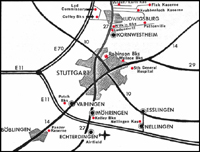
Panzer Kaserne in Böblingen was home to several support units. The Böblingen Maintenance Facility near the Böblingen train station performed depot-level maintenance on tracked and wheeled vehicles. Housing areas dotted the metropolitan area. Pattonville Family Housing was located near Kornwestheim and Ludwigsburg. The Aldingerstrasse Housing Area supported Wilkin Barracks and Ludendorff Kaserne. The senior officer housing in Roosevelt Village in Möhringen-Degerloch was named for Brig. Gen. Theodore Roosevelt, Jr., the first American general officer ashore at Normandy on June 6, 1944, who was awarded the Medal of Honor for his decisive leadership that day. Coffey Barracks in Ludwigsburg was home to the 35th Combat Support Battalion, 30th Medical Group, and various engineer units. Originally named Frommann Kaserne, it was renamed for Brig. Gen. John W. Coffey, who died in an airplane crash in 1951. Bad Cannstatt was home to the Army hospital, as well as Wallace Barracks and McGee Barracks. Wallace Barracks was named for Pfc. Herman Wallace, Company B, 301st Engineer Battalion, 76th Infantry Division, who was awarded the Medal of Honor posthumously. Krabbenloch Kaserne near Ludwigsburg was home to the 34th Signal Battalion. Southeast of Stuttgart, Echterdingen Army Airfield was home to the 67th Aviation Company (Corps). Funker Kaserne near Esslingen was a maintenance facility operated by labor service units under 2d Support Command (Corps). Nellingen Kaserne housed various VII Corps support troops. Murphy Barracks housed a communications center. It was named for Pfc. Frederick C. Murphy, a medic with the 259th Infantry, 65th Infantry Division, who was awarded the Medal of Honor posthumously. Wilkin Barracks in Kornwestheim housed the 3rd Missile Battalion, 71st Artillery (Nike) and the 385th Military Police Battalion. Originally named Hindenburg Kaserne, the Americans re-named it after Cpl. Edward G. Wilkin, 57th Infantry Regiment, 34th Infantry Division, who was awarded the Medal of Honor posthumously. Flak Kaserne in Ludwigsburg was home to the 1st Support Battalion, which provided general support to Seventh Army units. When EUCOM headquarters arrived in 1967, Seventh Army departed, but many support organizations remained. The biggest changes came in the early 1990s, when VII Corps inactivated and the Army closed most installations in the region. Today only four posts remain within U.S. Army Garrison Stuttgart. Their primary mission is to provide support to EUCOM and its supporting organizations. Today they remain as a reminder of a once much large American military presence. |
| Community's past seen through the eyes of longtime resident, By Friedrich Schiller, Directory of Resources & Management, GSMC; August 7, 1989 |
| Who would believe that communities within U.S. Army, Europe, (USAREUR) are only 15 years old and who really bothers to think back? Isn't "today" all that counts, generally speaking? Well, I think it's beneficial to jog memories on occasion because if we want to find out who we are, we first have to discover where we've been. The history of the U.S. Army in the Stuttgart area reflects constant change as priorities in force structure shifted over the years. Shortly after the end of World War II, the occupation forces agreed on areas where they would assume respective responsibility. The Stuttgart Military Communiy was established with headquarters at McGee Barracks in Bad Cannstatt (now the home of the European headquarters of the American Red Cross). In the fall of 1946, the Stuttgart Military Community was redesignated as the Stuttgart Military Post and moved to Patch Barracks, which currently houses the Headquarters, U.S. European Command. Under the concept of occupation, Stuttgart Military Post was in charge of all military units located within its boundaries. At that time, sub-post headquarters existed at Stuttgart Metro (Koenigstrasse), Esslingen, Boeblingen Ludwigsburg, Heilbronn, Crailshem, Schwaebisch Hall, Bad Mergentheim (established as a dependent staging area for USAREUR after dependents started to come to Europe), Goeppingen, Schwaebisch Gmuend, and Ulm. In January 1948, Headquarters for the Stuttgart Military Post moved to Ludwigsburg, occupying the building of GdF (a renowned German housing and loan company). Patch Barracks had to be vacated to make room for Headquarters, U.S. Constabulary, the cornmand which a year later became Seventh Army. (Webmaster Note: Actually, HQ US Constabulary was not reorganized and redesignated as HQ Seventh Army until 24 November 1950.) In 1949, the headquarters moved to its present location at Robinson Barracks, Stuttgart. At that time, Stuttgart Military Post, as did the other military posts within the U.S. area of responsibility, reported to the Director of Post, Headquarters, USAREUR. In March 1953, regional commands were established throughout the U.S. area of Germany. The Stuttgart Military Post was redesignated Stuttgart Sub-Area and assigned to Southern Area Command with headquarters at Munich. In addition, the area of Schwaebisch Hall, including Crailsheim and Bad Mergentheim, was separated and established as Schwaebisch Hall Sub Area with headquarters at Dolan Barracks, Schwaebisch Hall. Consolidation of the Stuttgart and Schwaebisch Hall sub-areas followed. Confiscated or requisitioned properties were returned to German owners and construction began on dependent housing. The Stuttgart district's area of responsibility, then, again covered the original area, excluding only Ulm (which had been assigned to the Augsburg district). In 1956, the Stuttgart Sub-Area was, once again, redesignated. This time it was called the Stuttgart Post. |
On July 1, 1965, it was redesignated yet again as the North Wuerttemberg District. After the consolidation of Northern and Southern Area Commands that same month, the District was assigned to the newly created U.S. Army Area Command and later, on July 1, 1966, to the U.S. Army Communications Zone, Europe. This occurred after COMZ had left France and merged with the U.S. Army Area Command. At around the same time, Headquarters,Seventh Army moved to Heidelberg and was consolidated into a new headquarters - U.S. Army, Europe, and Seventh Army. On March 15, 1967 Headquarters, U.S. European Command, became fully operational at Patch Barracks. To support it, a fourth sub-district, known as USEUCOM Support Activity.was established. In 1968, the 10 districts comprising the area support mission of U.S. Army Communications Zone, Europe, were consolidated to five districts conforming roughly to the German state boundaries.In this reorganization, North Wuerttemberg District was consolidated with the North Baden District to form the U.S. Forces Support District Baden-Wuerttemberg. The headquarters remained at Robinson Barracks, Stuttgart, with its span of control and operations extended to cover all supported installations within the political boundaries of the State of Baden-Wuerttemberg (again, excluding Ulm). The new configuration of the district included Support Activities at EUCOM (Patch Barracks), Goeppingen, Heilbronn, Karlsruhe, Schwaebisch Hall, and Seckenheim (the Mannheim-Heidelberg area). A number of major military headquarters were located within the district. They included Headquarters, USAREUR and Seventh Army; Headquarters, Central Army Group; Directorate, U.S. Dependent Schools, European Area; Headquarters, U.S. Army Strategic Communications Command, Europe; Headquarters, VII Corps; Headquarters, VII Corps Support Command; and Headquarters, 1st Armored Division. Support in those days was provided by separate stovepipe organizations. Tlie Baden-Wueruemberg Support District, for example, provided all base operation support; including commissaries, troop issue facilities, consolidated maintenance, etc. The B-W Engineer District took care of all engineer support, the Medical Command handled support in the health and dental area and tactical units drew upon all these support organizations. To consolidate all these disparate support elements, a new and more cohesive organization was found on July 1, 1974. USAREUR was divided into three major areas: one under VII Corps, one under V Corps and another at 21st Support Command. This organization blended support elements (support and engineen districts) and, of course, tactical units, with major tactical headquarters, crealipg communities. Today, the word "Community" is the key word of GSMC. The dictionary defines community as a "social group of any size whose members reside in a specific locality, share government and have a common cultural and historical heritage." This in my view, we should not forget. |
| The Greater Stuttgart Military Community is located in the heart of the state of Baden-Wuerttemberg, West Germany. In geographical area, it roughly equals the size of the state of Delaware. More than 2.4 million people live within the confines of GSMC, 572,000 of whom dwell within the city limits of Stuttgart. Stuttgart is the political and cultural capital of Baden-Wuerttemberg. It takes its name from the stud farm or Stuttengarten founded by Duke Liutolf von Schwaben around 950 A.D. Valleys and hills yield an ideal climate for nurturing vineyards and, indeed, Stuttgart is noted for the quality of its wine. The area, furthermore, is the source of the richest mineral springs in Western Europe. They are located in Bad Cannstatt and Berg and produce 22 million liters of water per day. The city first gained prominence during the Industrial Revolution as a center of commerce. Today, its economy is dominated by manufacturing, an endeavor which employs a little over 47 percent of the local workforce. The Stuttgart area is especially noted for the making of autos, auto parts, machinery, electronics, and electrical equipment. Daimler-Benz, Porsche and Bosch all have their roots and international headquarters here. Stuttgart today, in fact, ranks just below Frankfurt as a piston in the West German economic machine. The area, accordingly, is affluent. Average income for a Stuttgart resident is over $20,000 a year. Unemployment rates are low, too. While there is a 6.4 percent unemployment rate for West Germany as a whole so far in 1989 (according to figures released by the Statistisches Landesamt Baden-Wuerttemberg), the rate was 4.9 for Stuttgart and a miniscule 4.2 percent for Baden-Wuerttemberg. The U.S. Army, if you count the employment of soldiers, is the fourth largest regional employer in the area. GSMC employs a little over 20,000 people including 14,000 soldiers, 3,500 US family members (out of a possible 16,400) and 2,900 Americans and German civilians. |
|
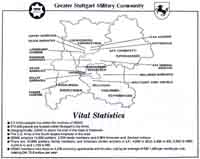
| The people in these places are tasked with fulfilling GSMC's mission. That involves providing logistical, administrative, quality-of-life, and transition-to-war support for military agencies, soldiers and their families within our geographic perimeter. Simultaneously, members of GSMC are obliged to maintain liaison and harmonious relations with German agencies and the civilian population. Logistical support involves making available required accommodations, real property, billets, family housing, offices, technical areas and shops, schools, transportation, equipment and supplies to those who need them. Resource management, military police, training, security, public affairs, medical and legal support and personnel administration fall under the realm of administrative support. Quality-of-life support involves any service or facility designed to enhance the morale and welfare of soldiers and their families. Clubs, dining facilities, recreational and leisure time programs, youth activities, shopping centers, theater, libraries, social services, counseling in personal and family programs, religious activities, and spiritual support all involve the quality of life. Transition-to-war support includes planning to handle the reception and processing of reinforcing units from the United States, management and utilization of existing facilities in a wartime situation, and the evacuation of family members from the Stuttgart area. GSMC's mission is important enough to warrant the stationing of several major military headquarters here. Headquarters, U.S. European Command (USEUCOM), the highest U.S. Forces headquarters on this continent, is located at Patch Barracks and the Vaihingen subcommunity is dedicated primarily to its support. Kelley Barracks is the home of Headquarters, VII Corps, while the Bad Cannstatt/Zuffenhausen subcommunity hosts 5th General Hospital and the Headquarters for GSMC. Headquarters, 2d Corps Support Command (2d COSCOM) and several combat support units are housed in Nellingen Barracks along with some aviation units (who also utilize the Stuttgart Army Airfield in the Nellingen/Esslingen/Echterdingen subcommunity). A concentration of major combat support units of various branches is stationed in the Ludwigsburg/Kornwestheim subcommunity and elements of the 1st Infantry Division (Forward) are fielded at Panzer Kaserne in Boeblingen/Sindelfingen. Major challenges facing GSMC are twofold. The first, housing, involves taking care of our own people. The second concerns safeguarding the environment and entails significant repercussions in relations with our host country. Close to 4,500 economy apartments and houses have been privately rented by soldiers, U.S. civilian employees and their families. They pay an average of DM 1,400 per month per unit, totalling DM 75.6 million per year. This includes utilities and other fixed costs. GSMC headquarters, additionally, has leased 236 housing units from German owners for long terms. This housing is being used like government quarters. Rentals, utilities and maintenance costs total DM 4.3 million annually. Housing demand still outpaces supply, though. Approximately 200-300 soldiers arrive here monthly and attempt to obtain rental housing. Environmentally, GSMC's Department of Engineering and Hosuing (DEH) has an office staffed with eight people who deal exclusively with measures designed to protect the environment and curtail energy waste. Information on the environment is continually exchanged with various county commissioner offices, water protection agencies, and the federal assets office. GSMC closely cooperates with environmental working groups at the state government level and within the city of Stuttgart. |
|

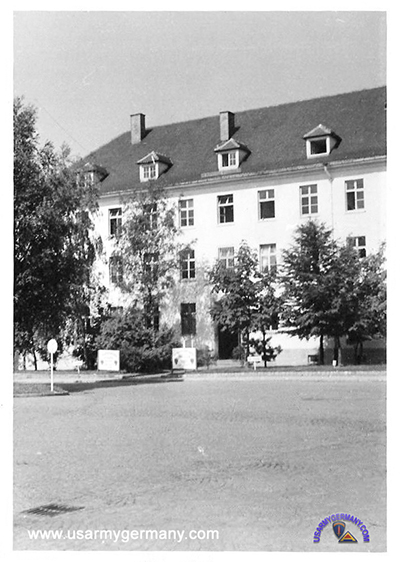
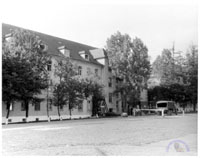
Böblingen Sub-post headquarters building, early
1950s (Justin Halvorsen)
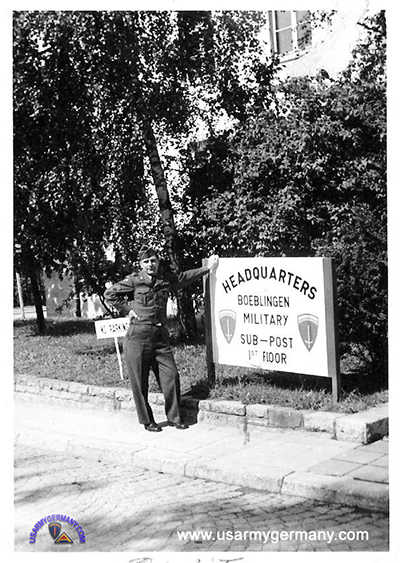
Sign in front of entrance to the Sub-post headquarters
building, Panzer Kaserne, early 1950s (Justin Halvorsen)
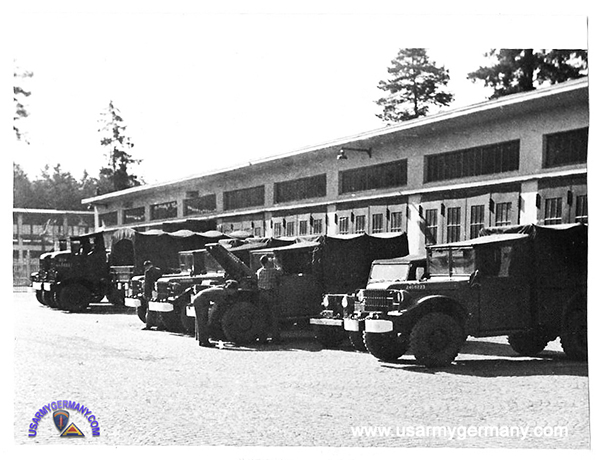
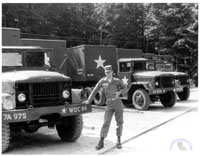
The sub-post's transportation motor pool, early 1950s (Justin Halvorsen)
During this second enlistment he was stationed in Germany and, based on some scans of pictures I have, he was assigned to the Böblingen sub-post. I believe he worked in the motor pool with the rank of Sgt and eventually SFC.
Webmaster note: The post transportation motor pool (TMP) was a part of the Highway Branch of the post's Transportation Section. The responsibility of the TMP was to provide administrative transportation support to the community which included staff cars for senior officers and other authorized passengers; busses for the community shuttle routes and dependent schools; and light trucks for short hauls of cargo.
A typical TMP included a sedan section, truck section and bus section. In addition to the motor fleet, a larger TMP would also have a maintenance section.
Also under the Highway Branch you would typically find a bus terminal and a driver training and testing section.
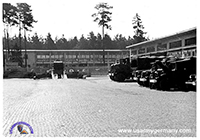 1. Another view of the TMP |
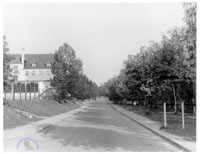
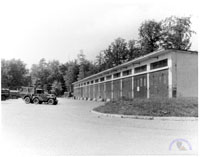
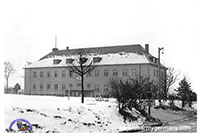 2. Building at Panzer Ksn |
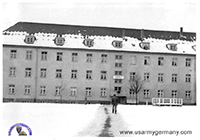 3. Barracks at Panzer Ksn |
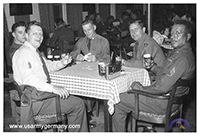 4. Relaxing at the NCO Club |
|
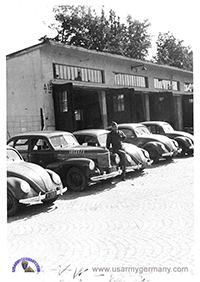 6. View of part of the sedan fleet |
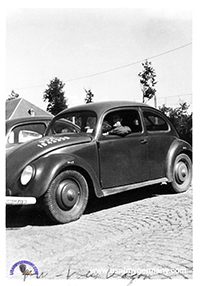 7. VW's were common in 1950s |
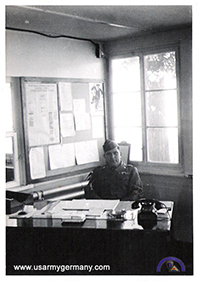
| Kelley Barracks (Möhringen) | ||||
| (Source: United States Africa Command, The First Three Years..., accessed on official AFRICOM Web site, April 2011) | ||||
 History of Kelley Barracks - now home to HQ US Africa Command |
||||
| (You can read the entire 150 page command history at africom.com (link). It is a BIG file - 7+ Mb) | ||||
| (Source: The Citizen, July 13, 2004) | ||||
|
||||
| Patch Barracks (Vaihingen) | ||||
| (Source: Official EUCOM Web site) When the Post was New More than a dozen military units -- both German and American-- had occupied Patch Barracks before Headquarters United States European Command became operational there in March 1967. The original name was Kurmärker Kaserne. Constructed during 1936 and 1937, the kaserne was brand new when light tanks of the German Panzer Regiment 7 rolled through the main gate on 7 May 1938. Arriving by train, the soldiers of Regiment 7 re-formed their ranks at the bahnhof and proceeded through Shiller Platz and Vaihingen's main street. Standing in the first tank, the regimental commander, Colonel Franz Landgraf, led the column as far as the brewery and then turned left to an open area at the edge of Vaihingen where the Burgermeister waited to extend the official welcome. |
||||
|
||||
| On 10 May 1940, the regiment crossed Luxembourg, and the southern tip of Belgium, and spent the remainder of May in the Northeast portion of France. After ten months in France, the 7th Panzer Regiment, as part of the 10th Panzer Division, returned to Germany, but not to its Kaserne in Vaihingen. Following the 7th Panzer Regiment's departure from the Kaserne, Companies 2 and 7 operated out of what we know as Patch Barracks until October of 1940 when they moved to Panzer Kaserne. French Soldiers in Kurmärker Kaserne Several more German regiments moved in and out of Kurmärker Kaserne until the closing days of World War II. As Allied Forces approached Stuttgart, the boundary separating the zone of General Patch's U.S. Seventh Army from that of General Jean de Lattre de Tassigny's First French Army ran along the north edge of the city, placing Stuttgart in the zone of the French Army's II Corps. After difficult fighting for Heilbronn, the U.S. 100th Infantry Division met no organized resistance as it enveloped Stuttgart on the north and east edge of the city on the 20 and 21st of April 1945. At the same time, French Units pushed into Stuttgart also without resistance. The day before the arrival of the French in Stuttgart, the Allied Sixth Army Group commander, General Jacob L. Devers, shifted the army boundary slightly to the south to place Stuttgart in the zone of the Seventh Army, which needed the city to maintain supply routes to American units moving towards Ulm. At this point General de Gaulle intervened. Precipitating one of several disturbing incidents that challenged Allied authority, he directed his commander to ignore General Devers' orders and to remain in Stuttgart until the Allies had agreed upon a suitable occupation zone in Germany for France. General Eisenhower and President Truman became involved in the "Stuttgart Incident" before it was settled seven weeks later and French forces, mostly soldiers from Senegal, Tunisia, and Morocco, vacated Stuttgart, Vaihingen, and the Kurmärker Kaserne. Arrival of the Americans The first American unit, the 373rd Field Artillery Battalion (155mm howitzers) of the U.S. 100th Infantry Division, came to Vaihingen on 7 July 1945, the same day that French troops vacated the area. In mid-summer 1945, Kurmärker Kaserne was littered with the rubble of combat, much of it left by American bombing and strafing attacks that occurred near the end of the war. Cleaning up the Kaserne was a slow process. The howitzer battery moved to the Kaserne as living space became available. By early fall, the battalion commander undetook the rehabilitation of the officers' club, which was in good condition except for damage to the roof. One of Stuttgart's better architects used a western motif to decorate the small room that is now adjacent to the bar, and carved the four corner posts and the Indian heads that still remain today. The wrought iron grill work over the two windows on both sides of the main club entrance remain today and bear the initials of Kurmärkerkische Dragoner Regiment 14 on the left window and of Panzer Regiment 7 on the right. The artillery battalion remained at Kurmärker Kaserne until 12 December 1945, when it left to return to the United States. Other American Units Early in 1946, the US. Army in Europe began forming the U.S. Constabulary by redesignating combat units as part of the constabulary force. On 1 April 1946, the 15th Cavalry Reconnaissance Squadron was redesignated as the 15th Constabulary Squadron and stationed at the Kurmärker Kaserne. Part of this unit was mounted on horses that were stabled in one of the former tank halls. From then until 1950 the Kaserne was the home of constabulary units, including the Headquarters U.S. Constabulary, which moved to Vaihingen during the spring of 1946. In 1950 the Korean War and the threat of communist expansion in Europe led to plans for the North Atlantic Treaty Organization and the U.S. agreement to return combat troops to Europe. On 24 November 1950, Headquarters Seventh Army took over Kurmärker Kaserne and absorbed the Headquarters U.S. Constabulary. Headquarters Seventh Army stayed 16 years, longer than any other tenant and renamed the Kaserne on 20 August 1951 and left only after it was combined with Headquarters USAREUR in a Department of Defense move to reduce the numbers of U.S. Headquarters in Europe and to make a place for Headquarters European Command, then preparing to leave France. Headquarters USEUCOM commenced operations at Patch Barracks on 14 March 1967. Changes and Construction Of the 44 original buildings in Kurmarker Kaserne, 37 remain. Building 2303 and four of the tank halls have missing sections as a result of aerial attacks. Several other buildings, including the Community Services Building have undergone extensive repairs. Seven of the original buildings have been removed. Rehabilitation of the Kaserne buildings went slowly until after 1950. The largest construction project at the Kaserne were concerned with family housing. The first housing areas that were completed were Craig and Kefurt Villages, which were constructed during 1950 and 1951. Construction of Weicht Village commenced in 1954, and of those building in New Craig Village in 1955. The individual houses along Florida Strasse, Van Steuben Village were erected in 1961 in an orchard that belonged to the City of Vaihingen. The three oldest projects were named for members of the Seventh Army who received the medal of honor for their actions during the war. Monuments on Patch Barracks Six monuments standing in Patch Barracks commemorate persons or ideals. the oldest of these monuments is a small stone tank of the 1st Panzer Company of the 1st Abteilung, 7th Panzer Regiment, made and erected between Buildings 2303 and 2304 in honor of their company commander, Captain Reinhart Walther. Former members of Panzer regiment 7 erected the red stone monument that stands near the Post Chapel to honor members of that regiment and of Panzer Regiment 21 who does or were missing during World War II. The monument was dedicated on 19 September 1959. Another more recent German monument stands on Kurmärker Strasse at the south end of Building 2307 and honors members of the 715th Infantry Division who died during World War II. Americans erected two monuments. On July 4, 1952 Mrs. A.M Patch unveiled the bronze plaque between the flagpoles, naming the post in memory of Lieutenant General Alexander M. Patch. The monument in the northwest corner of Husky Field honors the men who died in Seventh Army's first battle, the 1943 invasion of Sicily. The newest monument, in front of the pine trees across from the flagpoles, explains that the tree stands for Friendship of the German and American people. Minister President Kiesinger of Baden-Wuerttemberg dedicated it in 1960. There is also a cornerstone noting Seventh Army's occupancy of the Command Building 23141 from 1950-1966, and another on Building 2515 which marks the construction of Craig Village in 1950. The Buffalo The 7th Panzer Regiment chose the buffalo, (actually the "wisent", a European Bison) as their regimental insignia, and painted it on their tanks and vehicles. they also commissioned a sculptor to chisel a seven foot high statue of a buffalo from white granite, and it was erected in late 1938 on a pedestal near the present flagpoles. The Statue survived the Allied air attacks with little damage. When the Americans arrived they found the buffalo in place, the last member of the 7th Panzer Regiment in the Kaserne. Just what happened to the buffalo is covered with the dust of history. An officer of the 346th Engineer Regiment recalls that it was removed from the pedestal and pushed by a bulldozer into a nearby bomb crater, but he no longer remembers where the crater was. Mr. Heinrich Elsaesser, who worked in the Kaserne, clearly recalls seeing the buffalo daily during 1946 as it lay at the bottom if a trash dump in a ravine behind what is now Building 2401, Weicht Village. Former members of the 7th Panzer Regiment would like to return the statue to the 363rd Panzer Battalion, near Wuerzburg, which now bears the colors of the old 7th. Meanwhile, the memory of the buffalo is kept alive at Patch Barracks by the Post Headquarters, which uses a buffalo silhouette as its symbol, and by several Patch athletic teams that bear its name. Unfounded Rumors Americans who have been stationed at Patch Barracks have passed along two storied that are without a basis in fact. One of these concerns an underground tank park located somewhere under the Kaserne. Actually, the only underground facilities are tunnels enclosing heating pipes that connect the boilers with some other buildings. Another account describes Kurmärker Kaserne as Field Marshal Erwin Rommel's headquarters, and the Officer' Club as his former living quarters. Rommel had no connection with the kaserne and there is nothing to indicate that he even visited it. The rumor may have arisen from the fact that Rommel was once Commanding General of the 7th Panzer Division, of which the 7th Panzer Regiment was never a part. |
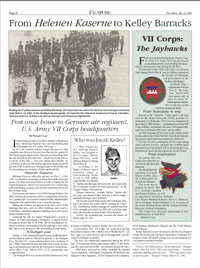

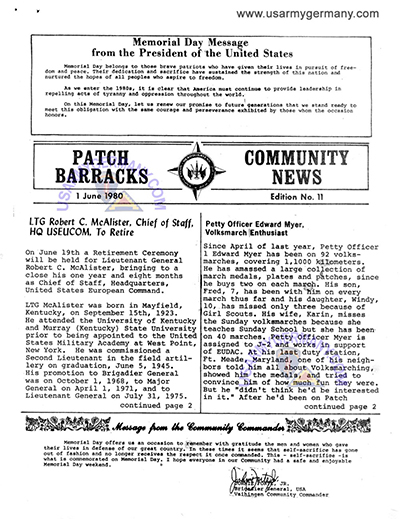
Patch Bks Community Newsletter, 1 June 1980 (Size: 5.3 MB)
(Click on the image to open the PDF file in a separate window)
| STUTTGART ARMY AIRFIELD (Source: 6th Area Support Group's DPTMS Web Site) Aviation came early, unexpectedly,and dramatically to Echterdingen in the form of Count Ferdinand von Zeppelin's airship, LZ-4. while sailing over Stuttgart on August 5, 1908, LZ-4 lost power in one of her engines and Zeppelin was forced to land her. He had never landed one of his airships on solid ground before, since he considered it safer to use special floating platforms on lakes. He brought LZ-4 down safely, however, in the flat fields just southeast of the town of echterdingen, and a crowd quickly gathered to wonder at the unexpected visitor. Their excitement turned to dismay when a sudden thunderstorm blew the ship on its side, tore it from its moorings, and carried it away. Instantly flames shot out from the hydrogen-filled craft, and within a few seconds it was completely destroyed. The loss ruined Count von Zeppelin financially, but within less than a week a spontaneous collection, the "Echterdinger Volksspende," raised over six million marks for him and allowed him to continue his experiments. The site of the destruction of LZ-4 is marked by a "Zeppelinstein," a large stone memorial in a grove of trees a few hundred meters northwest of the entrance to the present Stuttgart Army Airfield. The more recent and happier history of aviation at Echterdingen started in 1936. As the city of Stuttgart expanded in the 1930's, she outgrew her two early airfields, one on the fairgrounds at Bad Cannstatt and the other in boeblingen. When the Luftwaffe decided to take over the Boeblingen field the Air Ministry an municipal officials started a careful topographical and meteorological study of the surrounding countryside in order to find a new airport site with room for expansion. they finally chose the present site on the Filder Plateau near Echterdingen, and strted construction in 1936. Stuttgart's new airport was designed with a grass landing field to handle such aircraft as fifteen-passenger Junkers JU-52, and with terminal facilities to service an estimated 150,000 passengers per year. The airport opened to commercial traffic in 1938, only a year before the start of World War II. During the war the Luftwaffe based night fighters at Echterdingen, sharing the field with commercial aircraft. The fighters flew interceptions against the many Allied air attacks on Stuttgart and other targets in southern Germany. The Luftwaffe put down a concrete runway of 1,400 meters in 1943, but Allied bombers cratered it later in the war and eventually put the airfield out of commission. First French Army drove through Stuttgart in April 1945, and left behind a detachment to repair the Runway at Echterdingen. American troops replaced the French Army in the early summer and put the airfield back into operation. When the U.S. Constabulary, the armed force of the U.S. Military Government, moved into Kurmaerker Kaserne (now Patch Barracks) in 1946, their small flight section operated from Echterdingen Airfield with L-5 liaison planes. In 1950, Headquaters, Seventh Army was activated at Kurmaerker Kaserne, and their flight section replaced the disbanded Constabulary's at the airfield. The next year, Headquaters, VII Corps moved into Hellenen Kaserne (now Kelley Barracks), and VII Corps aviation units joined the Seventh Army section at Echterdingen. German civil air operations started up again at Echterdingen in the fall of 1948. In the spring next year the Flughafengesellschaft (FSG), the corporation that owns and operates the airport, arranged to share the U.S. Army apron and other facilities on the north side of the runway. During the winter of 1953 thru 1954, the Army units moved across the runway into buildings on the south side, some of which dated from 1936 while others had been recently built. This left the north side free for German commercial and private flying. It was on the basis of this arrangement that the separation of military and civil aviation at Echterdingen has continued. The U.S. Army and the U.S. High Commissioner, who represented German civil interests under the occupation, signed an agreement in 1954 which formally stated the terms of the agreement. This agreement was changed slightly after the occupation ended and the Federal Republic of Germany established in May, 1955. Since 1 July 1963, the German-American relationship has been governed by the NATO Status of Forces Agreement and later supplementary agreements. The last supplementary agreement, signed in 1969 covered in detail the American rights to use the facilities and the compensation to be paid for their use. Military flight operations changed markedly in the spring of 1967 when the flight section of Headquaters, U.S. Army and U.S. Air Force aircraft, some of which were multi-engine transports and jets. Because of their greater experience with such aircraft, U.S. Air Forces in Europe (USAFE) took over command of the military airfield and also accoutability for real and installed property from the U.S. Army Europe (USAREUR) on 1 July 1967. USAFE took full responsibility for flight operations, but USAFE and USAREUR jointly supported the airfield according to the terms of an agreement that was signed on 7 April 1967. USAFE designated the 7005th Air Base Squadron to operate the airfield and drew up a base development plan for Fiscal Years 69-72. Under this plan they built apron and taxiway additions on the south side, GCA/TACAN, and telephon exchange, and a VIP lounge. Although the airfield became an Air Force command, about threefourth of the military air traffic continued to be from the Army. USAREUR aviation units at the field included 29th Transportation Company (Direct Support), 25th Aviation Company, and the flight sections of Headquaters, VII Corps Artillery; Headquaters, 2nd Support Command; and Headquaters, 34th Signal Batallion. The military facilities were also used by Air Force and Army transient aircraft, particularly those carrying passengers to the major headquaters around Stuttgart. Military Airlift Command has also operated at Echterdingen, landin troops and equipment from the United States there during the annual REFORGER exercises. German and international commercial operations expanded rapidly after the 1954 agreements, and the corresponding need for more facilities required a continuous program of constuction and improvements. A new main terminal building and several ancillary buildings went up in the years 1954 - 1955. In 1959, the Flughafengesellschaft (FSG) started a runway extension project that took four years to complete. It started with extensive landfills on the east end of the runway and construction of an underpass to take the Plieningen-Bernhausen road under the extended runway. They then laid out a temporary 1,600 meter sod runway parallel original concrete runway, extended the runway to the east, and improved the apron and taxiways. The result was a modern airfield with a strengthened runway of 2,550 meters. The extension project was finished in 1963, and that same year a new radar tower was built on the Weidacher Heights southwest of the airport. Civil passenger traffic passed one million in 1968, doubled within three years, and was expected to exceed three million in 1975. The improvement and expansion of the facilities appeared to be a never-ending process as the original grass field designed for 150,000 passengers per year stretched to handle twenty that number and more. |
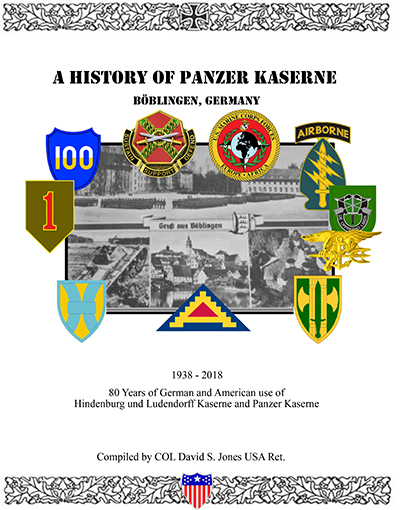
A History of Panzer Kaserne, Böblingen (David S Jones)
(Click on the image to open the PDF file in a separate window)
 Panzer Ksn Info Pamphlet |
|
| I thought you might be interested in this. The videos are really something, and while they don’t directly address our unit, the 7th Transportation Aviation Group, they do document the kaserne and do show some of the insignia of the Transportation Companies (trucking) that were also stationed there. Webmaster Note: Before going to the YouTube website, read up on this popular video sharing website and make sure you understand what it is about and some of the issues revolving around possible copyright infringement - Wikipedia. Then go to the YouTube website, select "Videos" and do a search using "Flak Kaserne Ludwigsburg" as your search words. The author/webmaster is not responsible for the information contained on the YouTube website. |
A 6-minute musical tribute to Flak Kaserne on youtube 05:57 05:08 Dokumentation: Flak Kaserne Ludwigsburg Part 1/5 10:00 Dokumentation: Flak Kaserne Ludwigsburg Part 2/5 9:59 min Dokumentation: Flak Kaserne Ludwigsburg Part 3/5 9:59
|
(Source: Email from Birgit Sommer) Wallace Barracks Conversion I am a native of Our 20 year old daughter Emely is studying Architecture. In December 2008, she moved to my brother Boris Bulling to For a presentation about the buildings, now called Roemerkastell (Roman Fort), our daughter Emely is trying to get any information on the former Wallace Barracks, such as who was the commander until 1993, who was stationed there, any famous visitors during the stay, how did military and family live, work etc.
|
Please pass on to her that I arrived to take possession of my office in October or November 1980. Wallace Barracks had no "commander" at that time, and no troops were stationed there.
It was a tenant facility of the Stuttgart Military Community. So far as I know, only a few activities took place at Wallace Barracks in this time. First, it was a storage facility for the Armed Forces Exchange at Robison Barracks. Merchandise was stored there. Second, there was a hotel/pension/housing for gaastarebeiteren mainly from Turkey. (There was a funny incident when a Turkish lady poured hot water or garbage from her window, and somehow my boss got hit by it. In the basement, there was Turkish Kantine - I had lunch there many, many times, and I first ate a Turkish sausage with bread there. It is a treat for me even now, in Chicago. I must go to Turkish stores to find it, and I enjoy it very much. )
Finally, we had a small office for the US Army Trial Defense Service. USATDS Region VII, which meant the greater Southern German area. We were lawyers defending soldiers on criminal charges all over the Stuttgart area, and sometimes far away, from Heilbronn to Augsburg and Goeppingen. This organization had been first created in December 1979 - and it was the first time in the history of the US Army that defense lawyers were placed in an independent, separate chain of command, to give them a professional insulation from the commanders who were bringing the criminal charges against soldiers. The early experiment was a success and USATDS now exists wherever the Army goes, including Afghanistan today. We were the first. I had served in that role with the US Army Trial Defense Service field office in Goeppingen, supporting soldiers of the First Infantry Division (Forward), and then I was moved to Stuttgart in late 1980.
The day I arrived, it was incredibly cold. The central steam or hot water heating plant experienced a broken pipe underground, in the distribution system. And excavation was underway in the central courtyard to find an repair the broken pipe. We were so cold, that when I had clients to visit me in my office, and when I typed, I had to wear gloves in my office.
The heating problem went on for many days - because, during the excavation, Roman burials were discovered. The archeologists and anthropologists had to be summoned to examine the bones and military artifacts that were unconvered. The central area had been a burial ground in Roman times. That is how I learned about the strategic location of Wallace Barracks, with a commanding view over the Neckar River, that made it an important military site with strategic importance for two thousand years.
This was a very, very quiet military kaserne during my time there. It was quiet and private. The perfect place for criminal defense lawyers to do their work defending soldiers who had been accused of crime and misconduct. Far away from those commanders and from the military police, the Criminal Investigation Division, and KRIPO, all of whom were working against our clients.
We lawyers built a small law library with our own hands to shelve the basic law library we were given. This was, of course, before the Internet, and only very few resources were available to us "online" - only decisions of the United States Supreme Court via a telephone modem hookup with the Air Force JAG Bulletin Board - and so we were given a very basic collection of federal court and military appeals court decisions.
I think I did my very best work as a defense lawyer in that office. The Army gave me a medal for it, which is very unusual for a military defender. I still have the medal on my office wall to this day. And so, I remember Wallace Barracks fondly.
I seem to remember that there was a small Jewish Cemetery very close to Wallace Barracks, which had fallen into some disrepair, but I cannot now find it on Google Earth.
MISCELLANEOUS INFORMATION (Source: "Treu zu dienen - 25 Jahre 10. Panzerdivision," published by the 10. PzDiv, 1984) Becelaere Kaserne, Esslingen, was used by the US Army during the Occupation period. The installation was returned to the German government on 13 Sept 1956. Funker Kaserne, Esslingen, was used by the US Army during the Occupation period. The installation was returned to the German government on 15 May 1957. |
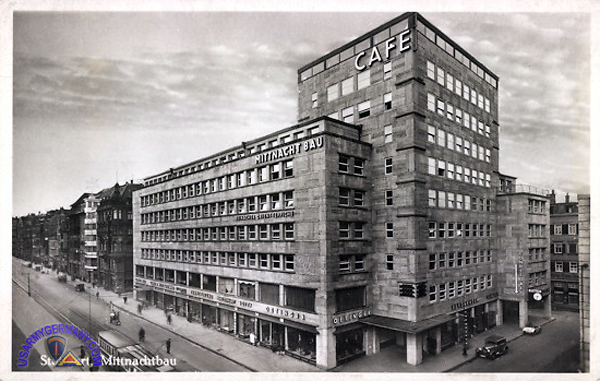
Pre-war postcard shows the Mittnachtbau on Königstrasse which would serve as the
Stuttgart Shopping Center in the early Occupation years.
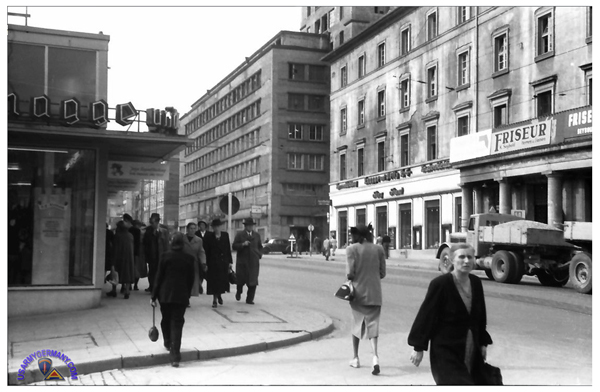
The Mittnachtbau building on Königstr., 1950 (center) (Landesarchiv Baden-Württemberg)
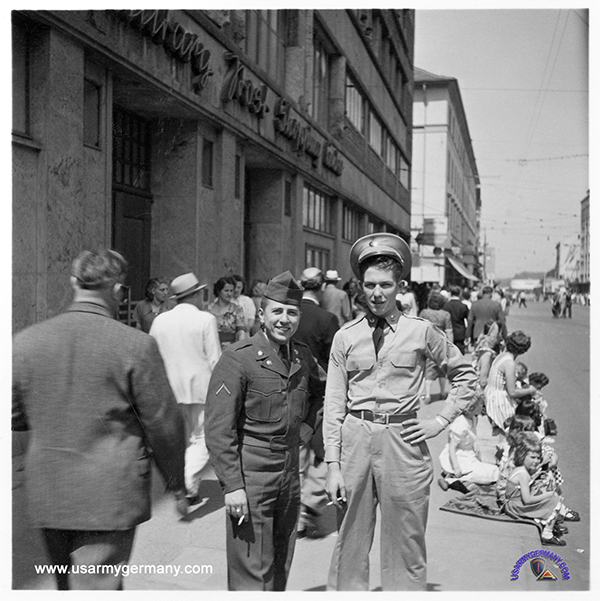
In front of the entrance to the Stuttgart Post Shopping Center (on the left) during a
4th of July military parade, 1951 (Webmaster's collection)
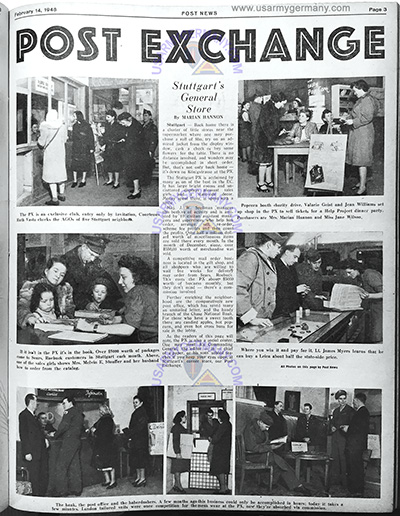
The Stuttgart Main PX on Königstr., 1948
| (Excerpt from an article on US military facilities in Stuttgart) Stuttgart Shopping Center: Shopping in Stuttgart is made easy for everyone. Every U.S. convenience is located at one spot -- the Stuttgart Shoppingen Center at 46 Königstrasse in the center of the city. The center was originally a seven-story building, a block square, and was destroyed by bombing. Four floors have been reconstructed by the Americans and a Stuttgart resident can find anything. A well-stocked PX is on the second floor. As part of its service, EES also features a pick-up for laundry, dry cleaning, and shoe repair, a beauty parlor, barber shop and a watch, radio and electrical equipment repair shop. There is a soda fountain and snack bar and a bakery department selling pastries, peanut brittle and hot cross buns. There is a florist in the building. POL books are sold here. Behind the PX is a bulk sales store selling ice cream, beer, Coca-Cola, Pepsi-Cola and soda water. There is also a liquor store here. The Chase National Bank maintains a small branch office at the PX. The commissary is in the same building. When transport is available, there is delivery service. Municipal Sub-Post Hq. will have offices in the shopping center on the 4th foor by March 1. It will handle dependent billeting, dependent service section and dependent administration section. A central bus terminal is located on the shopping center parking lot across the street. Busses are operated from the terminal to Ludwigsburg, the 387th Sta. Hosp. and Sommerrain area, Capitol Hill, Degerloch, Sonnenberg, Möhringen, Vaihingen, Constabulary Hq., the Ketterer Hotel and the Kräherwald area. |
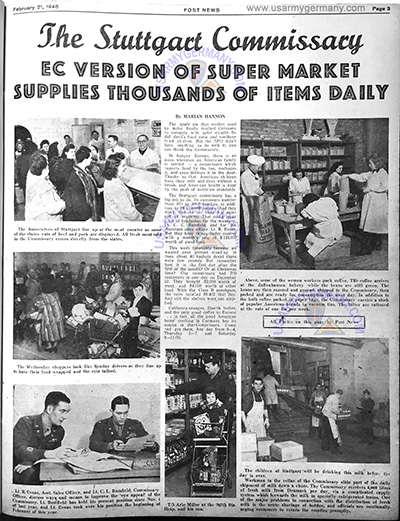
The Stuttgart Commissary on Königstr., 1948
| Stuttgart Bus Terminal Hundreds of American women and children in the Stuttgart community must rely upon the community bus service as their only transportation between their homes and the hospital, the commissary and the various offices which must be cointacted for payment or for maintenance of their home utilities. Recently many of these Dependents have spent as many as three hours waiting in the open sheds in freezing weather for busses which had broken down or had been cancelled without adequate notice. Need we remind Stuttgart or home-bound car owners that the frozen-faced inhabitants of the little bue and bold booth (the sheds at the bus stops) will greet the offer of a lift with fervent gratitude? A hopeful note was struck Monday when Major Richard Hodges, Post Transportation Officer, was queried about the expected performance of his essential fleet during the winter weather and in face of the gas shortage. We were prepared for the worst, but Major Hodges outlined a projected revision in service which is to be made in the interests of smoother operation. A bus terminal will be established near the PX (on Königstrasse), so that schedules will be more regular and bus-dependents will have a warm indoor waiting room at that point. The Vaihingen-Sonnenberg-Stuttgart-Bad Cannstatt run is to be separated at this terminal, thus cutting down the present four-hour round trip. A shorter route will be less subject to delays or involuntary speedups ahead of schedule. Hospital patients and visitors will transfer to the correct bus at the terminal. The new schedule will be published three weeks in advance of operation. Watch your newspaper. |
| Stuttgart Subarea headquarters has announced that four properties previously under US Army control are scheduled to be returned to their German owners by January 3, 1949. The properties are:  the Mittnachtbau and its parking lot; the Army postal facility on Rotebühlstrasse; the EES Warehouse in Zuffenhausen; and the building which housed the Provost Marshal's Office. the Mittnachtbau and its parking lot; the Army postal facility on Rotebühlstrasse; the EES Warehouse in Zuffenhausen; and the building which housed the Provost Marshal's Office.Several offices still located in the Mittnachtbau building are scheduled to move to new offices on Robinson Barracks:  the Stars & Stripes circulation office news bureau; American Red Cross American Express the Civilian Personnel Office; and Southern Area Command Engineers. the Stars & Stripes circulation office news bureau; American Red Cross American Express the Civilian Personnel Office; and Southern Area Command Engineers.AFN and civil affairs offices will remain in offices retained in the Mittnachtbau building. |
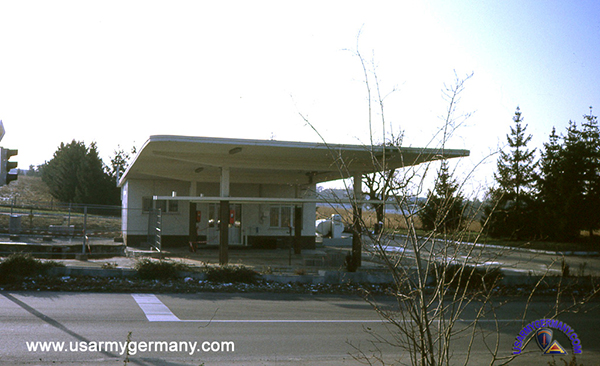
The former AAFES Gas Station at Robinson Barracks, 1995 (Rainer Fiechtner)
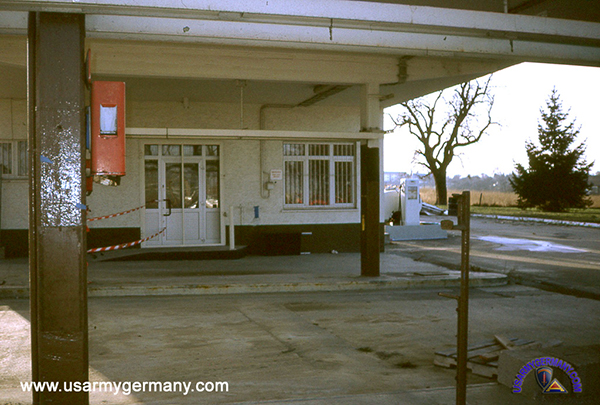
The gas station building before being demolished, 1995 (Rainer Fiechtner)
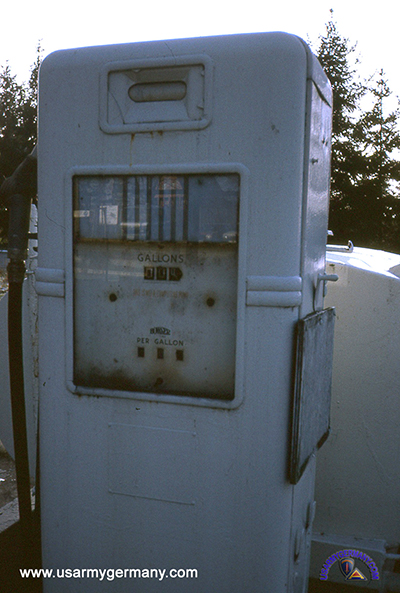
The last of the gas pumps at the station, 1995
Rainer says that the station was operated between 1955 and 1992, when it closed. The above photos were taken in 1995 before the station was demolished.
If anyone has photos of the gas station from the 1950s - 1980s era, please contact the webmaster. Also, where was the AAFES station located that served the Robinson Barracks area after 1992?
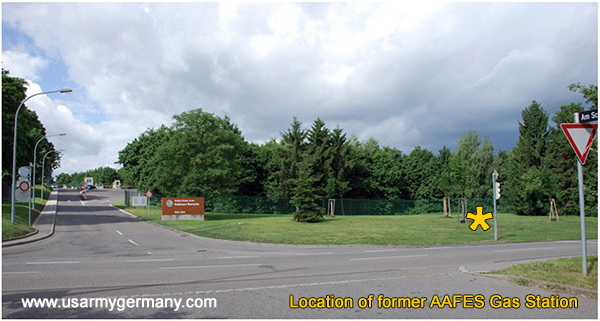
2012 - all traces of the gas station gone, as with so many former US facilities "lost" to the ages.
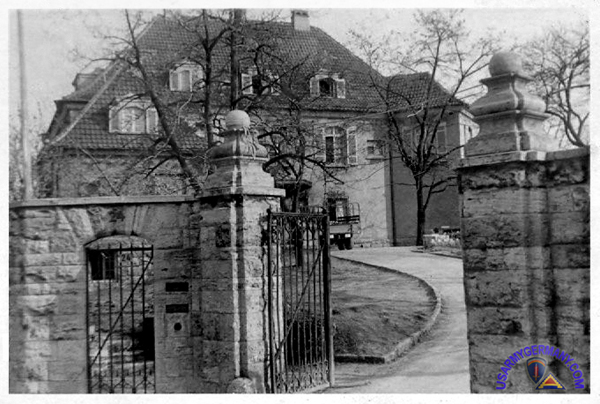
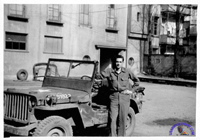
APU 154 personnel were billeted in this villa on Adolf-Kröner-Strasse, 1946
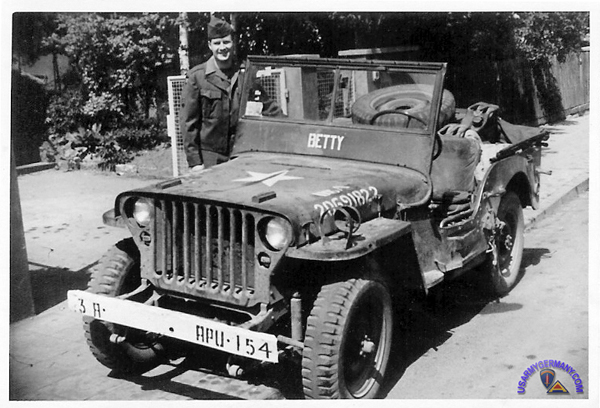
A member of APU 154 and jeep with unit markings, 1946
|
||||
 1. Entrance to APO |
 5. APU member |
I was stationed at Naval Space Command Detachment Echo in Bldg. 3358 on Kelley Barracks, History of Naval Network and Space Operations Command (NNSOC) Detachment Echo |
| Ludwigsburg DP Camp Arsenal Kaserne in the center of Ludwigsburg is being derequisitioned by the US Army and will be returned to the German government. The installation, including a three-story barracks building, a laundry, kitchen and laboratory, was taken over by the Army in 1945 and has been used as a displaced persons camp. (Webmaster note: the L-shaped former barracks building now houses the state archives of the Land of Baden-Württemberg. For BING bird's eye view - link) |
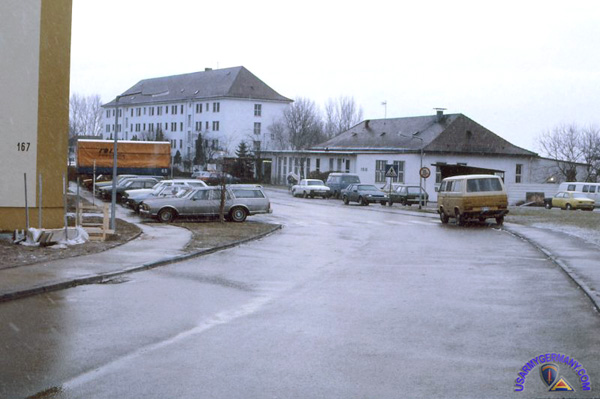
The Hilltop Hotel (background) and O'Club (center), 1984 (Ed Ewing)
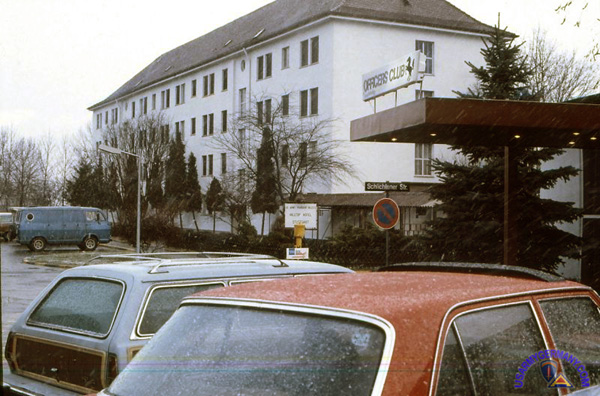
Hilltop Hotel, 1984 (Ed Ewing)
| The Hilltop Hotel, a converted BOQ at Robinson Barracks, was opened recently as a replacement for the Graf Zeppelin Hotel which has been returned to its German owners. The Hilltop will provide billets for official guests in the Stuttgart area. (The Graf Zeppelin was used for the same purpose until its recent return to its original owners.) |
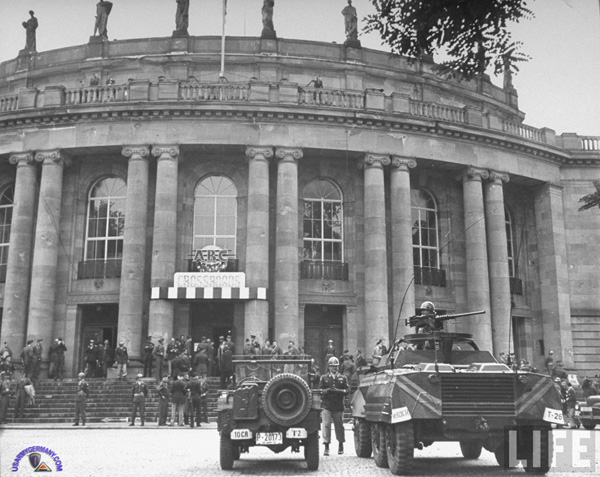
Crossroads ARC Club in Stuttgart, 1946 (TIME Inc.)
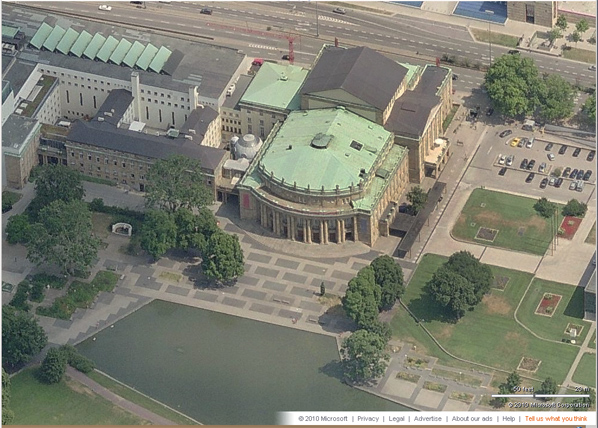
Original location of the Crossroads Service Club - Stuttgart Theater (Bing)
| Related Links: Flak Kaserne, Ludwigsburg Sean Goodgame's very nice site dedicated to the small post north of Stuttgart. Great photos! Krabbenloch Kaserne, Ludwigsburg A great site featuring the 34th Signal Battalion stationed at Krabbenloch Stuttgart AAF - Bryon Denom's photo album on the OV-1 Mohawk Association's home page Shane's Website  - Shane Deemer, railroad fan and former Army brat, has posted some
great photos of former Stuttgart installations on his personal website. - Shane Deemer, railroad fan and former Army brat, has posted some
great photos of former Stuttgart installations on his personal website. Nellingen Barracks, Nellingen - William Bill's web site dedicated to the history of the Nellingen kaserne Nellingen-Kelley Classmates - a reunion group (MS Group) of old friends & classmates who lived at Nellingen Barracks or Kelley Barracks, Germany, during 1960-64, and attended Nellingen Jr. HS and/or Ludwigsburg American HS. Stuttgart-Ludwigsburg - American High School Alumni Association - another reunion group web site that focuses on military dependents who lived in and around the Stuttgart/Ludwigsburg area Flak Kaserne, Ludwigsburg  - Lars Tellmann, Germany -- tries to keep the past alive. - Lars Tellmann, Germany -- tries to keep the past alive.
|