| If you do
NOT see the Table of Contents frame to the left of this page, then
Click here to open 'USArmyGermany' frameset |
||||||||||||||||||||||||||||||||||||||||||||||||
94th Air Defense Artillery Brigade |
||||||||||||||||||||||||||||||||||||||||||||||||
|
|
||||||||||||||||||||||||||||||||||||||||||||||||
|
||||||||||||||||||||||||||||||||||||||||||||||||
|
|
||||||||||||||||||||||||||||||||||||||||||||||||
| History | ||||||||||||||||||||||||||||||||||||||||||||||||
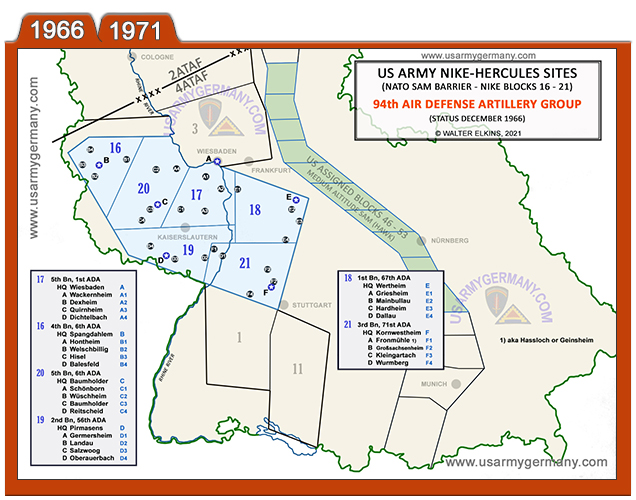 94th ADA Gp Nike-Hercules Deployment, 1966 and 1971 (Walter Elkins) (Click on TAB to view corresponding map) Comments, corrections or additions are welcome! |
||||||||||||||||||||||||||||||||||||||||||||||||
| 1960 - 1998 | ||||||||||||||||||||||||||||||||||||||||||||||||
 94th ADA Brigade
DI
94th ADA Brigade
DI |
||||||||||||||||||||||||||||||||||||||||||||||||
| In the early
days, 1960 - ??, HQ 94th Arty Group operated their AADCP () on Hill
479 (Langerkopf). The Group's Aviation Section operated out of Sembach Air Base (a USAFE airfield). HHB, 94th ADA Brigade, Kleber Kaserne, Kaiserslautern, 1970s HHB of the 94th ADA was officially inactivated effective 15 MAY 1998 at Kelly Barracks, Darmstadt, Germany. The brigade's two battalions (1-7 and 5-7 PATRIOT) became a part of the only remaining ADA Brigade in Germany - the 69th ADA Brigade, US V Corps on 16 MAY. COL Dave Casmus, Commanding, was the 94th ADA's last Brigade Commander. |
||||||||||||||||||||||||||||||||||||||||||||||||
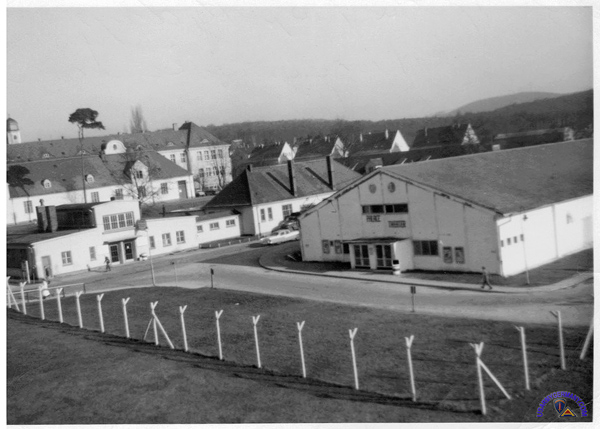 View of post theater and the NE corner of Kleber Kaserne from the 94th GP barracks, early 1960s |
||||||||||||||||||||||||||||||||||||||||||||||||
| 1960 | ||||||||||||||||||||||||||||||||||||||||||||||||
| (Source: Email from Robert Thompson) | ||||||||||||||||||||||||||||||||||||||||||||||||
| August 1960, I had just been assigned to Hq & Hq Btry 94th Artillery command as a Crypto operator. When I arrived there were only 3 other Cryto operators there. I had the opportunity to be a part of some interesting communications while stationed at Kleber Kaserne in Kaiserslautern. We wore the 7 Steps to Hell patch while I was with the Army & when I rotated back to the States in 1963 I kept in contact with several of the guys in my unit. Man, I had it made as we didn't pull any extra duty or any IG inspections. We worked 12 hour shifts of 7 days night shift, 7 days night shift & then off for 7 days. I have traveled back to Kaiserslautern 5 times & daily pull up the Kaiserslautern City Webcams. I also keep in touch with my first girlfriend I dated for entire time in Germany. When my wife & I travel to Germany we stay with my friend & her family & when they visit the States (7 times) they stay with us in Powder Springs, Ga. |
||||||||||||||||||||||||||||||||||||||||||||||||
|
||||||||||||||||||||||||||||||||||||||||||||||||
| (Source: Email from Jim Smith) | ||||||||||||||||||||||||||||||||||||||||||||||||
| Just a small correction to the entry on 94th Air Defense Artillery. I served with 5th Missile Battalion, 6th Artillery 11/1969 - 8/1971. We never wore the 7th Army insignia - the "Seven Stairsteps to Hell" as it used to be called. We wore the 32nd AADCOM shoulder patch and the 6th Artillery unit crest. |
||||||||||||||||||||||||||||||||||||||||||||||||
| 1979 | ||||||||||||||||||||||||||||||||||||||||||||||||
| (Source: Email from Hugh Murphy) | ||||||||||||||||||||||||||||||||||||||||||||||||
| HQ 94th ADA Group Kaiserslautern Germany June 1979 to June 1982
Arrived at HHB 94th ADA Group (Nike-Hercules) June 1979, Kaiserslautern, Germany after being reassigned from A-3-71 Dallau Germany. HQ 94th ADA Group was still located at Kleber Kaserne in Kaiserslautern. Being assigned to the 94th ADA GP S3 Section, ORE Team (1) meant periodically visiting each firing unit of the four battalions - sixteen firing units in all. Initially, the ORE Team consisted of team chief Roy Gortney (later succeeded by Bill Knox), Fire Control Techs, Pollard Sullivan and Mike Lavka, Launcher Techs, Joe Welch and myself. Our mission was to assess the operational readiness of each firing unit in 94th ADA Group. The ORE team chief would schedule which units we would visit. Sometimes we would visit a unit early in the morning only to find out it had declared itself out of action during daily checks; however, if the backup unit was nearby, we would go right over and visit that unit. The distance between adjacent units was seldom more than 25 miles apart. We paid visits to all of the firing units of each battalion; Joe Welch and I were also part of the 94th ADA Group Nuclear Surety Team led by MAJ Motes. We also got to visit most of the firing units in that capacity also. I got to see a lot more of the German countryside visiting the different units of 94th Group. We also were called upon to be part of the 4th ATAF Tactical Evaluation teams whenever they conducted 'tac evals' within 94th ADA Group, and occasionally some German units in the northern part of Germany. We were familiar with all of the local inns near the units we visited because sometimes we would have permission of remain overnight, especially, while on a 'tac eval' team. There was one charming country inn located in Hardheim near C-3-71 that my family, including my visiting parents, all stayed at on our way to visit the walled city of Rothenburg ob der Tauber. My family lived at Landstuhl Army Medical Center housing area, our kids attended Landstuhl Grammar School, Ramstein Middle School, Kaiserslautern High School. They all had experiences and visited places that kids in CONUS can only dream about. Each has fond memories of our time in Germany from 1977 until we departed in June 1982. Looking back on my three tours in Germany from 1960-1962, 1962-1967, 1977-1982 covered nearly half of my Army service. It was a good experience; all in different parts of Germany, but not so different as to be unfamiliar. I enjoyed every bit of it. |
||||||||||||||||||||||||||||||||||||||||||||||||
| 1984 | ||||||||||||||||||||||||||||||||||||||||||||||||
| ORGANIZATION (1984): | ||||||||||||||||||||||||||||||||||||||||||||||||
|
||||||||||||||||||||||||||||||||||||||||||||||||
 |
||||||||||||||||||||||||||||||||||||||||||||||||
|
|
||||||||||||||||||||||||||||||||||||||||||||||||
| 94th Group AADCP | ||||||||||||||||||||||||||||||||||||||||||||||||
| (Source: Email from Rick Logan, 94th ADA Gp, 1960-62) | ||||||||||||||||||||||||||||||||||||||||||||||||
| I got to this website in a roundabout way. I was playing around with Google Earth and decided to look for Hill 479 and Langerkopf in Germany, both of which I was stationed at in 1960-62. I found Hill 479 and another site which I believe to be Langerkopf. After that I decided to search for both in Google and ended up here. My involvement with the 32nd ADA Brigade began in January 1960 when I was sent to Fort Bliss right after basic training at Fort Ord. Upon arrival there, I was assigned to the group at Site Monitor where I trained along with about 20 other troops fresh out of basic as an operator on the RDPC. After about six weeks, we were given a 30 day leave and orders to report to Fort Dix for transport to Germany. As I recall, a couple of the guys were to report to Bay St Louis, MS, to accompany the MSG-4 system to Germany. After 7 days at sea aboard the USNS Simon B. Buckner, we arrived at Bremerhaven and were taken by train to Kaiserslautern. We were originally billeted at 32nd Brigade HQ at Vogelweh and then moved to Kleber Kaserne, being assigned to the 94th ADA Group. The first few weeks we were there were spent traveling every day to a depot at Pirmasens where the MSG-4 system had arrived. We assisted in preparing it for transport to Hill 479. When I first arrived at Hill 479, it had just been completed. The MSG-4 system was not yet set up so we spent a good deal of time finishing up the site- painting, laying tile floor, etc. Since the MSG-4 system was new, there was a lot of work to be done integrating it into the air defense network and working out details. Consequently, as a Private E-2 RDPC operator, most of my time was spent doing everything but operating. One of my jobs at the time was driving a deuce-and-a half transporting shifts back and forth between the hill and K-town. In the winter of 1960-61, I was transferred to the SRS-II at Langerkopf. A class on the maintenance of the SRSII system was conducted by Hughes tech reps and I attended that class. I don’t recall how long the actual class was but subsequently, we were assigned to maintain the SRS-II system working round the clock shifts. I spent probably a year at Langerkopf, then was transferred back to the 94th Group. I remained there until I was discharged in October 1962. Upon arriving home, which was near Fullerton, CA, I (naturally) applied for work at Hughes Aircraft in Fullerton as an electronics technician. I was hired and, in February 1963 I was sent to Wuerzburg, Germany as part of a modification team to update the MSG-4 system located at Giebelstadt Air Base. I spent 4 months there, returning home in July1963 when the project was completed. I have since returned to Germany a few times. During a trip in 1986, I visited Kleber Kaserne in Kaiserslautern, which at that time was occupied by multi-national NATO troops. In 2004, I passed by the town of Bann on an autobahn that wasn’t there in 1962. In fact, it was the Bann off-ramp that alerted me to where I was. I was traveling with other people so I did not get a chance to stop and look for Hill 479. I can supply a few names I remember from my time over there. Some of the people who went over with the packet from Fort Bliss and were stationed at Hill 479 were: Dean Bigler, (?) McElroy, Ed Drew, Larry Canoy, Dwain Hardin, (?) Mathis, (?) Fitch, (?) Bayles, Royce Babbs, (?) Millsap, John Michelin, (?) Wedgeworth. Some others who were not part of the packet were: Foster, Selden, Boss, Jim St Ours Some of the names I remember of the Army personnel at Langerkopf were: Ed Simon, Jim Lamphere, Lewis Wood, (?) Albee, (?) Koskela, (?) Jenkins. It has been very interesting visiting this site and learning some of the background regarding the initial deployment of the AN/MSG-4 system and how it tied in with the SRS-II. I would be very interested in contacting some of the people who were there. I have maintained contact with Dean Bigler from the original packet and Ed Simon from Langerkopf. I noted an e-mail from Lewis Wood in this narrative. I remember that he, Ed Simon, Koskela, and I used to hang around together. We used to block off the latrine in the barracks while we were using it to develop our 35 mm Ektachrome slide film. Keep up the good work. |
||||||||||||||||||||||||||||||||||||||||||||||||
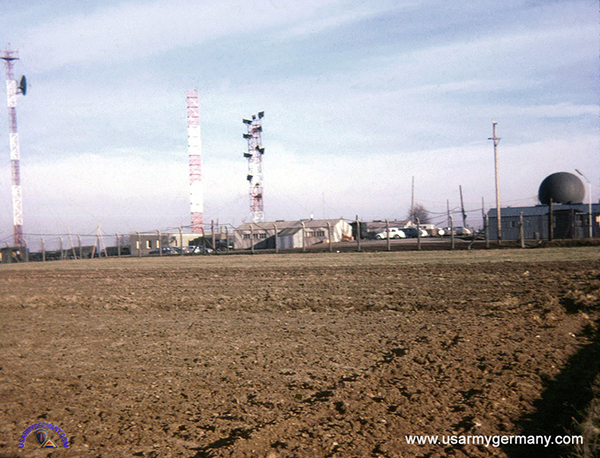 The 94th ADA Gp AADCP on Hill 479, near Bann (Jon Moon) |
||||||||||||||||||||||||||||||||||||||||||||||||
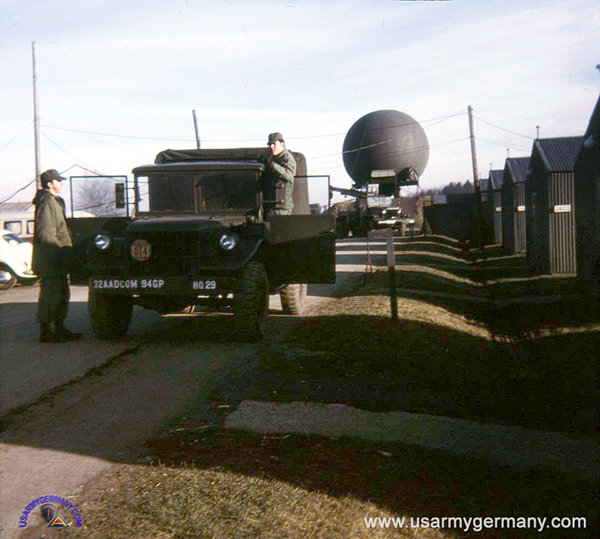 Moon and Parker with the unit's only heated 1 1/4-ton (5/4) Truck at Hill 479 (Jon Moon) |
||||||||||||||||||||||||||||||||||||||||||||||||
| 1970 | ||||||||||||||||||||||||||||||||||||||||||||||||
| (Source: Email from Jon Moon) | ||||||||||||||||||||||||||||||||||||||||||||||||
| I was stationed in K-town at the 94thArty Grp in Kleber Kaserne 1970-72. I was a Net Radio Operator and a Fire Distribution Operator on Hill 479. I also drove our Crew to the Hill in HQ 64 (a Deuce and a Half). We worked 3 days, 3 nights and 3 off. We were the back up site for the MCC in Borfink and ran intergrations with missile batteries. I enjoyed my duty there as Viet Nam was still going on and being drafted was a blessing to get stationed there. We were part of the 32nd ADCOM. There was an Air Force site on the opposite hill near Ramstein AB -- Ramstein AB was in the valley. We could see the air strip from Hill 479 ----- AADCP @ Hill 479. We were in contact with all Nike Herc Units (I do remember the 2/56th) and we were in control whenever the MCC at Borfink was down for maintenance. We were the back up for the MCC - we were Cinnamon Rear and they were Cinnamon Foreward. We had 2 Hawks Units we were in contact with to do commo checks and intergrations with them but I can't recall their numbers, We used numbers for each battery such 01 . 03 . 05 etc. We were Secret NATO Crypto - so we used numbers rather than names.--- The crew on Hill 479 stayed in the billets at Kleber Kaserne (94th Atry Grp). We came back after each daily shift. On the night shifts -- 5pm - 7am -- we did get some shut eye in the bunk room at the AADCP. We all had to pull 2 hrs of guard duty, do commo checks and at least one satisfactory intergration with batteries. We had generator power (diesel) and heat from pot belly stoves (also diesel for fuel). We were always back at the billets after any shift. The 3 days off were usually spent drinking good German Beer in downtown Kaiserslautern. Our hang out was the Cafe Milano. My leaders were - Maj Ryasoki, Capt Swanson, (site commanders), Lt Delaney (Crew commander), SSGT Jon Hesse (Crew chief), Msgt Solomon (Commo Chief), Msgt Wicox (1st SGT). There were 3 crews: "A," "B," "C" - I was on A crew. Hope I helped you out some. It has been 44yrs and I was a young sp/4 then.I noticed a comment on your site by Dave Harroun who I knew well and was stationed with him. We lived in the same barracks and worked on Hill 479. I know he was from El Paso, Ill and loved Neil Diamond music. |
||||||||||||||||||||||||||||||||||||||||||||||||
|
||||||||||||||||||||||||||||||||||||||||||||||||
| 1971 | ||||||||||||||||||||||||||||||||||||||||||||||||
| (Source: Email from David Harroun) | ||||||||||||||||||||||||||||||||||||||||||||||||
| I served with the 94th from March 1971 to September 1973. I worked as a generator mechanic on Hill 479 (commercial power was just being installed as I was leaving). I lived in K-town most of the time but did spent most of 1972 (?) in Landstuhl while the barracks in K-town were being refurbished. That was the best time (in Landstuhl) - just a bunch of enlisted men, no officers or NCO's to bother us. Anyway I was just looking for info about the 94th and found your site and thought I would add my 2 cents worth. |
||||||||||||||||||||||||||||||||||||||||||||||||
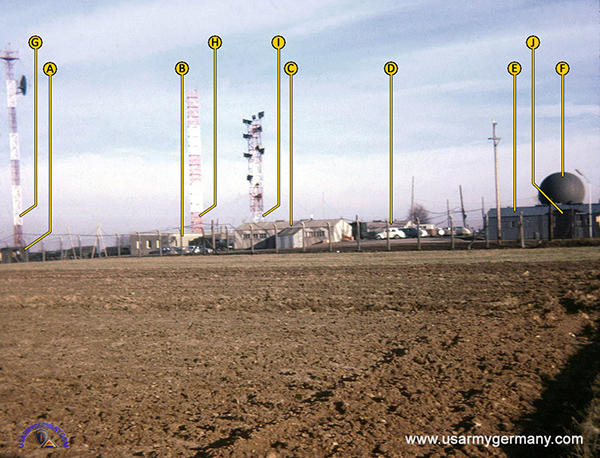 Annotated photo of the 94th Gp AADCP on Hill 479 (Click on image to see comments) |
||||||||||||||||||||||||||||||||||||||||||||||||
| (Source: Email from Alan Keezer) | ||||||||||||||||||||||||||||||||||||||||||||||||
| In April 1972 I was assigned to HHB 94th ADA GP in Kaiserslautern Germany. We billeted in Kleber Kaserne and were trucked in a deuce and a half to "The Hill" site 479 daily, with the exception of those who worked the rostered 24-hour shift. The site consisted of the AADCP (Army Air Defense Command Post), site commander's building, maintenance section building, generator area radar and crew and communications area. The commo section had the only billeted personnel on the hill. The site was a mobile back-up unit to the "bunker" located elsewhere. I was a SP4 16K20 fire distribution systems crewman and worked in the AADCP. Essentially, our job was to check and maintain communications with the missile batteries under our command. Periodically alerts would be called and the whole battery would be brought to the hill, with weapons and we would go fully operational. For the most part, life on the hill was pretty tame. However, we did have some excitement during the Olympics when the athletes from Israel were murdered in Munich. For more than a month we were under high state of alert and during guard duty using weapons with chambered live rounds. Every day there was new intelligence warning of possible attacks of U.S. installations. On one evening, around 2AM, a local using a flashlight and carrying a weapon was hunting pigs while I was on guard. Fortunately, my crew chief Sgt. Hummel spoke German and suggested he hunt somewhere else. During my tour, we had to go to the "bunker" to cross train on their equipment. The bunker was a NATO installation, manned by US, Canadian and German personnel. That was an exceedingly impressive week. Eventually we changed from "rostered" 24 hour duty to 24 hours on-48 hours off. This new arrangement give all of us a great deal more time to enjoy our tour in Germany. I purchased a Norton motorcycle after we were temporarily billeted in Landstuhl, while out barracks at during our Kleber Kaserne were being refurbished, and took the advantage to travel the surrounding countryside every chance I could. I had a great time while in country. By the way, we used to dig up potatoes in the field around the site and roast them on the diesel heaters in the AADCP. They were great! Unfortunately, the farmer caught on, reported us and we had to stop. They were really good while it lasted. I'm glad I was able to help. |
||||||||||||||||||||||||||||||||||||||||||||||||
|
||||||||||||||||||||||||||||||||||||||||||||||||
|
|
||||||||||||||||||||||||||||||||||||||||||||||||
| Aviation Section | ||||||||||||||||||||||||||||||||||||||||||||||||
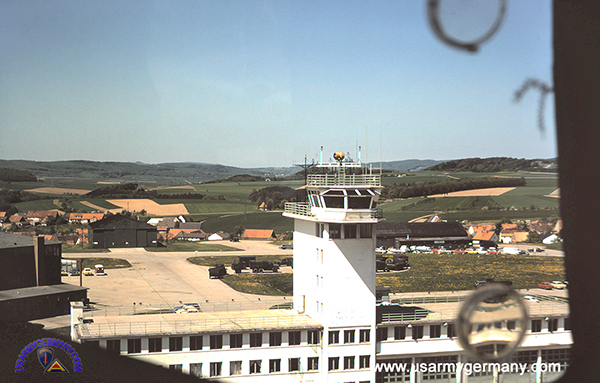 Sembach Air Base tower, early 1970s (John Thomas) |
||||||||||||||||||||||||||||||||||||||||||||||||
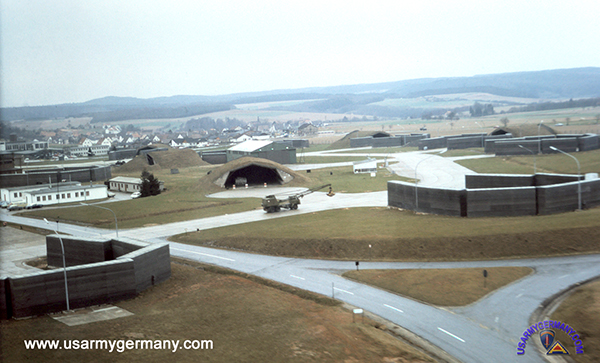
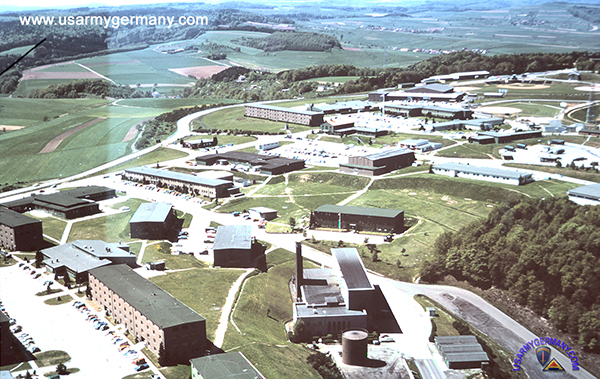 Sembach air base and troop barracks (John Thomas) |
||||||||||||||||||||||||||||||||||||||||||||||||
 Sembach Air Base, Google Earth, accessed 2000 (Dennis Cox) |
||||||||||||||||||||||||||||||||||||||||||||||||
| 1971 | ||||||||||||||||||||||||||||||||||||||||||||||||
| (Source: Email from John Thomas) | ||||||||||||||||||||||||||||||||||||||||||||||||
| I was stationed with the 94th ADA Group from May or June 1971 to Feb 1974. I just read the e-mail from Dennis Cox, I do remember him. I started out the Crew chief on the OH58A (as the Jet Ranger was called). If I remember correctly the tail number was 323. By the time I left I was crew chief on one of the two Huey's, mine was 813 if memory is good. The other was 516, She was an ex-Vietnam bird, with patches from rounds in her tail boom. I remember getting to change out the engine, from a T-11 to a T13. The 582nd Maintenance group was stationed in the hangar. (Webmaster note: maybe a contact team from the 582nd Trans (Acft GS) Company at Coleman Barracks, Sandhofen?). So we got permission to change out the motor, because they didn't have the personnel to do it. Zeroed out the hours and started over. Even got to test flight a Cobra gun ship. Quite the ride. Along with us was the 32nd AADCOM (Aviation Section) was also in the same hangar. We lived in the barracks on the base for a year or so, then they decided to house us, at the barracks in K-town. That didn't work to well, because of the travel time to Sembach if they needed a bird in a hurry. So they shipped us back to the Air Base. Our Captain's last name was Radonovich, or close to it. Also a Captain Hammond, and WO3 McGraw. A couple of the guys I remember, were Albert Cox and Clemmy Moore (he was Captain R's Crew chief in Nam, and didn't let him forget he almost killed him with his M60). Albert was killed two months after getting out on his motorcycle. Most of the pilots were Vietnam vets, so we had a blast most of the time we went out flying, even learned how to fly them myself, as most of the time I was left seat. Most of our duties was flying in (repair) parts and people to the outlaying missile sites. At least five or six of them. I recall the 32nd aviation section had at least two to three Hueys and I think two of the Rangers. They also had a fixed wing, couldn't tell you what it was, I do know it only flew when the General wanted to go somewhere. I do remember getting a test flight in one of the Cobra's. That had to have been one of my favorite flights. I got to ride gunner seat. 190 knots ten feet off the runway, and straight up to 4,000 ft, into a hammer head stall, and straight for the ground, only to do it again the opposite way. They were quite the bird to fly in. I was only 21/ 22 at the time, and we were all quite immortal back then. I do have alot of good memories from that place. I have been trying to locate an old unit patch. Is it possible to find one? |
||||||||||||||||||||||||||||||||||||||||||||||||
| For more information (& photos) on Sembach Air Base during the Cold War, check out the Sembach Veterans website. | ||||||||||||||||||||||||||||||||||||||||||||||||
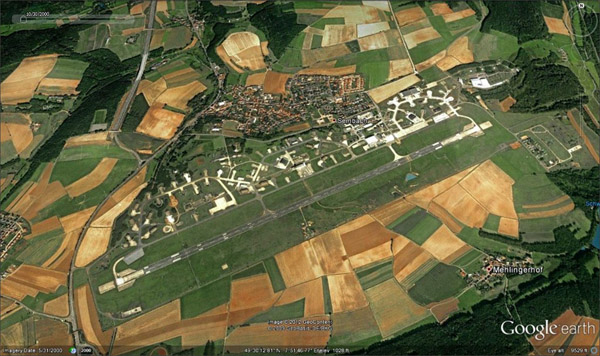 Sembach Air Base, Google Earth, accessed 2000 (Dennis Cox) |
||||||||||||||||||||||||||||||||||||||||||||||||
| 1973 | ||||||||||||||||||||||||||||||||||||||||||||||||
| (Source: Email from Dennis Cox) | ||||||||||||||||||||||||||||||||||||||||||||||||
Back in 1973 I was with Headquarters, and Headquarters Company, 94th ADA. At the time they had their main offices in Kleber Kaserne in Kaiserslautern, and the same building as SHAPE (Supreme Headquarters Allied Powers Europe).
It’s interesting to note that Headquarters Company had more brass than enlisted personnel in K-town. The officers outnumbered us 3 to 1. They also had a huge motor pool with more than 300 vehicles. And since a common practice when dealing with unsatisfactory personnel, or “Duds” as they were called, was to send them down to the motor pool, those trucks were not very well maintained. So that whenever an alert was called they were lucky if they could even get half of them to start.
I note that you give a timeline of 1960 to ?? for the operation of the AADCP at Hill 479. Looking at a current satellite picture of the air base, I would say that a lot has changed since the early 1970s. The Sembach of today bares scant resemblance to the air base I used to fly out of. For example, today they’ve removed the active runway, and they’ve added quite a few buildings along what was the main taxiway back then. There’s even a couple of buildings now in the middle of what used to be the northeast end of the runway. But we were in one of the large hangars on the main taxiway that are no longer there, and about 1,600 feet from the southwest end of the then active runway. I don’t see any recognizable land marks in the picture that I can use to pinpoint our barracks. The image date of the Google Earth image I’m including was taken by Geo Eye back in 2000, and it still shows the runway.
But I do remember that there were perks to being Army personnel on an Air Force base. The food in the mess hall in Sembach was much better than what they were serving at the Army mess halls at Kleber Kaserne in K-town. And since we were ‘guests’ of the Air Fforce, we never had to do any cleanup details outside around the barracks. Air Force personnel even mowed our lawns for us. Another perk to being stationed on the flight line at Sembach back then was that many of the new NATO aircraft from the US that were destined for use in Europe arrived at Sembach partially assembled. And after final assembly at Sembach, they would be flight-tested before the outfit that was receiving them came to pick them up. There was a shortage of crew-chiefs who were qualified to go on a test flight. (All you really needed to be able to do is read off a check list, and write down the pilot’s answers.) So it was fairly common for someone to poke their head in our office looking for someone to go on a test flight. As a result, while was there, I got a chance to go up in almost every aircraft in the NATO inventory in the ‘70s.
One final thing I can say about my time there is that it was like a two year extended helicopter tour of west Germany. And it was a hell of a fine way to see Europe. I had the time of my life.
|
||||||||||||||||||||||||||||||||||||||||||||||||
|
||||||||||||||||||||||||||||||||||||||||||||||||
| Kasernes & Tactical Sites - 94th ADA Brigade units | ||||||||||||||||||||||||||||||||||||||||||||||||
| (Webmaster Note: looking for anyone with more details on the NIKE sites operated by the 94th.) | ||||||||||||||||||||||||||||||||||||||||||||||||
|
||||||||||||||||||||||||||||||||||||||||||||||||
|
|
||||||||||||||||||||||||||||||||||||||||||||||||
| (Source: Email from Richard Tracy, 2-56th Arty BOC) | ||||||||||||||||||||||||||||||||||||||||||||||||
| 94th ADA Group
(NIKE-HERCULES) Battalion Operations Center sites.... 1) The 5/1 Artillery (N-H) BOC probably was collocated with the IFC closest to HHB -- A/5/1 near Wackernheim. 2) The 4/6 Artillery (N-H) BOC was collocated with the D/4/6 IFC near Balesfeld (per Rolf's photos of that site). 3) The 5/6 Artillery (N-H) BOC was collocated with the C/5/6 IFC at Baumholder (per Rolf's photos of that site). 4) The 2/56 Artillery (N-H) BOC was collocated with Charlie's IFC on Hill 486 (now Grosser Mueckenkopf) south of Salzwoog. 5) The 1/67 Artillery (N-H) BOC was collocated with the C/1/67 IFC near Hardheim (per Rolf's photos of the site). 6) The 3/71 Artillery (N-H) BOC probably was collocated with the IFC closest to HHB -- A/3/71 (Kornwestheim). [5/1 and 3/71 BOC locations are "best guesses": the firing battery IFC was only a short "commute" from HHB...] Most of the BOC buildings were built to a "standard (NATO?) design," from what I was told, and have seen since. |
||||||||||||||||||||||||||||||||||||||||||||||||
|
||||||||||||||||||||||||||||||||||||||||||||||||
|
||||||||||||||||||||||||||||||||||||||||||||||||
|
|
||||||||||||||||||||||||||||||||||||||||||||||||
| 63rd MSL Bn -- 5th MSL Bn, 1st Arty -- 2nd Bn, 1st ADA | ||||||||||||||||||||||||||||||||||||||||||||||||
|
||||||||||||||||||||||||||||||||||||||||||||||||
| 5th Battalion, 1st ADA | ||||||||||||||||||||||||||||||||||||||||||||||||
| (Source: Email from Bill O'Connor) | ||||||||||||||||||||||||||||||||||||||||||||||||
| I
found your site while looking for the defunct 94 Grp site. From April
1969 through Dec 1970 I served in 5th Bn/1st Arty. My first assignment
was as IFC platoon leader at C/5/1 in Quirnheim. I lived in the BOQ
in K-town except when our battery was "hot" when we stayed at the
unit. After that I was attached to HHB as transportation platoon leader
and lastly one of two officers staffing the BOC. Worked 24 on and
24 off. Got three days in a row off every three weeks. The BOC was
at McCully Barracks in Wackernheim but not collocated
with the B/5/1 IFC platoon. During the time at HHB and BOC I lived
in the BOQ at Mainz. Enlisted men at BOC lived on base at Wiesbaden.
I travelled regularly to our firing batteries since I was EMAS control
officer and also rotated as paymaster. I don't know which was wilder,
driving the German countryside with nuclear action code envelopes
or all that money!!!! I was glad to find your site as I couldn't remember
the place names for A, B, or D/5/1. Bill O'Connor |
||||||||||||||||||||||||||||||||||||||||||||||||
|
|
||||||||||||||||||||||||||||||||||||||||||||||||
| 1960 | ||||||||||||||||||||||||||||||||||||||||||||||||
| (Source: Letter from Ray Bice, B Btry, 5th MSL Bn, 1st Arty) | ||||||||||||||||||||||||||||||||||||||||||||||||
| I was stationed
at B Btry from 1960-1963 in Dexheim. I have made contact with five
people from my unit and we all have pictures that we would like to
post. We would also like to know how we can obtain a Battery Roster.
I would like to dedicate these pictures to all the men of B-5-1. 95% of these picture were donated by Lester Paquin, the rest were donated by Ronald Payette and Ray Bice. Hopefully, more pictures will be posted when other missile men from B-5-1 visit this site. A little about myself: I spent seven years in the Army, achiving the rank of S/Sgt. The three best years of my service was while station at B-5-1. My two best friends were Lester Paquin and Jack Griffin. We had outstanding officers and NCO's. Two years ago Lt. Ron Payette found me on the internet. I started looking for other members of our unit and was able to locate Ed Hills, Lester Paquin and SFC David Fall, and we comunicate regularly. With the help of Lester Paquin, I located SFC William Emlinger, but unfortunately he passed away in 1995. SFC Fall gave me Sgt. Britts e-mail address but he hasn't answered any of my e-mails as of yet. But we remain hopeful. I had so many memorable moments while stationed at Anderson Barracks but if I had to pick just one to talk about it would be the time I relieved Pfc. Adams on the switchboard and he gave me his 45 pistol. After about one hour I was getting bored, everyone else was asleep. I pulled the pistol out of the holster and was aiming it at everything from the computer to the ewpb. I opened the hatch to get some fresh air and pointed the pistol at SP/4 Dan Robles who was setting in the guard shack. I moved the sites over a few inches and aimed at the cross plate on the main gate. Pulled the hammer back and squeezed ever so gently. The pistol buckled in my hand. The noise was so loud that I thought everyone would surly wake up but they didn't. I got on the headset and called Robles. He was highly pissed to say the least. I cleaned the weapon and got hold of a friend that work in the arms room and replaced the round. After I was relieved on the switchboard and Robles got off guard duty we tried to figure out where the round ended up. Incidentally, I hit the cross plate dead center. We pulled daily checks on all the radar's to make sure they weren't damage. Everything checked out OK. Where did the round go? I forget the armors name but he got worried about giving me the round and told his Plt. Sgt. In turn he told Capt. Cole who was Battery Commander at the time. I was called up on the carpet. I explained to the Capt. that I didn't know the gun was loaded and started laughing. He ask me what was so funny. I said that I never ever dreamed that I would ever be in a situation that I would be saying something as stupid as "I didn't know the gun was loaded." Capt. Cole informed me that he could put me out of the Army if he wanted and ask me what I thought he should do. I told him that I would respect any decision that he made but I felt that I learned one valuable lesson and I was truly sorry. Capt. Cole ask me what I was aiming at and I told him the cross plate on the gate. He said that it was one hellva shot since the gate was 50 yards from the BC van. He gave me an Article 15 and had me try out for the Battalion pistol team, which I never qualified. Guns don't kill people, people kill people. |
||||||||||||||||||||||||||||||||||||||||||||||||
|
||||||||||||||||||||||||||||||||||||||||||||||||
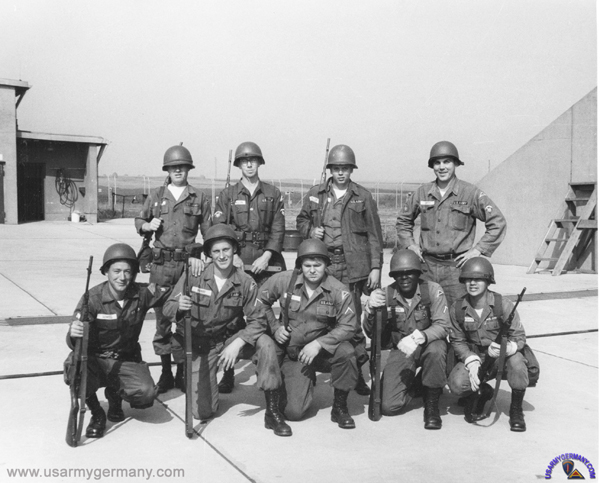 Members of C Battery, 5th MSL Bn, 1st Arty at Quirnheim, 1964 (Clyde Henson) |
||||||||||||||||||||||||||||||||||||||||||||||||
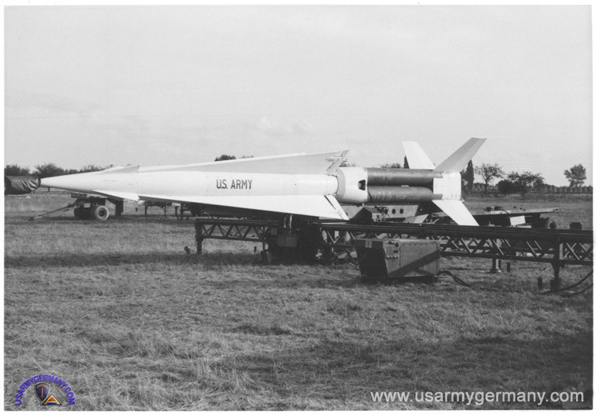 Bootstrap: a closeup of Launcher 2 after being assembled in a field near Worms |
||||||||||||||||||||||||||||||||||||||||||||||||
| 1962 | ||||||||||||||||||||||||||||||||||||||||||||||||
| (Source: Email from Hugh Murphy, C Battery, 5th Missile Bn, 1st Arty, 1962-66) | ||||||||||||||||||||||||||||||||||||||||||||||||
| Battery C 5th Missile Battalion 1st Arty 1962 - 1966 Quirnheim, Pfalz, Germany
I arrived at C-5-1 in May 1962 while the unit was at Annual Service Practice (ASP), McGregor Range, New Mexico. The first sergeant of Charlie Battery was 1SG Graham, launcher platoon sergeant was PSG Edmunds, Bravo (to which I was assigned) Section Chief was SSG Gibson. Charlie was situated on a hill overlooking the Rhein valley; nearby towns and villages included Asselheim, Grunstadt, Bockenheim, Worms, and Bad Durkheim. The slopes of the hill were covered in vineyards. The area is famous for producing outstanding wines. Standing at the gate of the launching area, one could see Frankenthal, Mannheim, and even Heidelberg on a clear day. Shortly after arrival, I was assigned to go the rifle range at Worms to qualify on the M14. After informing 1SG Graham I had previously qualified six months earlier at Idar-Oberstein, he relented, I did not have to qualify, but I still had to go to the rifle range to pull targets. Such is the life of a soldier. We did not have to pull KP; every soldier donated a couple of dollars every payday to provide for a couple of local civilians to pull KP. We also donated monthly to the First Sergeant’s shoe fund to buy shoes for the children of a nearby orphanage every year. We had three fully manned operational launcher sections so the men from each section pulled duty, consisting of 24 hours of manning (a launcher section) and guard, every three days. Bootstrap exercise #1 Preparation for Bootstrap began with each section converting the outer-most, semi-permanently, bolted down launcher to a mobile launcher that could be towed behind a 5-ton M54 6x6 truck. The Nike-Hercules missile, being much larger than a Nike-Ajax, had much larger, heavier launchers and loading rails, and supporting electrical equipment. In Ajax we had a missile transport trailer that could transport two fully assembled Nike-Ajax missiles. In Hercules we had a M529 Ready Round Transporter (RTT) that could transport one fully assembled Nike-Hercules missile. Each launcher section had two of the M529 RTTs assigned to it. We also had some Ajax missile transport trailers, and each launcher section had, at that time, five Nike-Ajax missiles -- two were on Launchers 2 and 3, while three missiles were maintained on electrical/hydraulic test stations outboard of Launcher 3. The mobility kit for a launcher consisted of seven hydraulically controlled jacks used for leveling and securing the launchers to the ground, a portable blast deflector, and a removable towing pintle. Preparation for march order. These are the steps each launcher section had to accomplish. 1. Prepare the missiles for transport, position the M529 RRT to accept the missile, install the adapter rails, roll the missile onto and secure it to the M529 RRT, move the M529 RRT to the convoy assembly area behind its towing vehicle. 2. Prepare the launcher section firing panel for transport. We normally referred to it as the “section panel” or just “panel.” Disconnect all cables from the launcher operating control console (LOCC), roll up cables on reels. Load the section panel, LOCC, and data cables onto the cargo bed of a M54 trucks. The M54 trucks were used to tow the generator and launcher. 3. Prepare the launcher for road march, remove and store loading racks onto the towing vehicle, remove the mounting plates from the launcher, install the hydraulic jacks on the launcher, install the portable blast deflector and linkage on the launcher, install the towing pintle assembly underneath the front of the launcher, install the rear axle underneath the launcher, install the marker light assemblies on each side of the launcher - front and back, position and connect a M197 towing dolly with fifth wheel to the towing pintle assembly. Now we have a fully mobile M94 Nike-Hercules launcher. 4. Each launcher section had a 45 KW 120/208 VAC 400 Hz diesel-powered generator mounted on a M200 generator trailer that provided power to operate all of the launcher section equipment. After forming in a column at the designated assembly point, we began our road march, at the bottom of the hill we made a left turn that took us through Asselheim and Gruenstadt, and onto the autobahn towards Kaiserslautern. Down at the Kaiserslautern area, we left the autobahn continuing on towards Baumholder. Once we got to Baumholder, our designated temporary site to emplace our launcher section was on what was at one time the temporary Nike-Ajax launching area of 5th Msl Bn 6th Arty. It was situated on a hill overlooking an Army Airfield. We emplaced our three launchers, assembled the loading racks, positioned the M529 RRT, offloaded the missile from the RRT, and loaded it onto the launcher. Afterwards, we passed an operational readiness evaluation (ORE). What was unusual about this particular bootstrap exercise, was the time we actually spent at the temporary site. We stayed there about four or five days before heading back to our permanent site at Quirnheim returning by the same route. Bootstrap exercise #2 The destination for this exercise was the former tactical Nike-Ajax site of Batteries B & C 63rd Msl Bn near Worms. The preparation, movement, emplacement of the Nike-Hercules launching equipment was the same as described earlier in Bootstrap Exercise #1. Main difference was the destination, and we did not have to stay as long deployed to Worms. One other observation, the site was near the Rhein River, and the mosquitos were quite bothersome. The ground had a lot of slugs, some as long as 4 inches. Bootstrap exercise #3 A few months prior to this exercise, our launchers had been converted completely to the M94 mobile field launcher. We had also received additional mobility equipment. The (600 pound) launcher operating control consoles were mounted on small four wheel dollies that could be pushed into place by a couple of men. There was a two-reel cable rack mounted on the front of the M200 generator trailers. The section panel was mounted and transported in its own firing section panel trailer that had an access door that was removed to connect the data and power cables. Inside, it was large enough for the panel, panel operator, and section chief during launch operations. Each section had a cable reel rack large enough for the all of the data and power cables for the complete three launcher section; this cable reel rack was securely mounted on the cargo bed of the M54 that towed the firing section panel trailer. Our destination for this exercise was the tactical site formerly occupied by Batteries A & B 4th Msl Bn 6th Arty. The Fire Control area was on a hill a short distance from Landstuhl Army Hospital while the launcher platoon would occupy the old launcher site of A&B-4-6 near Ramstein. I was selected as a member of the advance party whose responsibilities were to reconnoiter the site, determine the back azimuth to the planned position of the Missile Tracking Radar (MTR), determine the approximate AL angle (azimuth) of the launchers, mark with stakes, the position of each launcher, generator, section firing panel trailer, and launcher control group (LCG) trailer (referred to in Ajax as LCT.) A day or so later we prepared our equipment and road marched to the vicinity of Landstuhl/Ramstein. Once we drove into the launcher site and began to emplace the equipment, we could tell it was a more efficient operation with all of the new mobility equipment. It really went smooth, but I attribute a lot of that to the soldiers assigned to Bravo Section. They were really a fine group of young men.I hope I can do them justice by recalling their all of names. Refer to attached photo C-5-1_1964. |
||||||||||||||||||||||||||||||||||||||||||||||||
|
||||||||||||||||||||||||||||||||||||||||||||||||
| ADDITIONAL INFORMATION | ||||||||||||||||||||||||||||||||||||||||||||||||
| Bootstrap exercise #4 Btry C 5th Msl Bn 1st Arty to Wackernheim (Finthen Army Air Field) Summer 1965 When the order to prepare for road march was relayed to us, we positioned our M529 RRT to the outboard end or the loading racks, connected the adapter rails from the RRT to the loading rails, and stabilized the RRT when moving the missile onboard. While we were doing this two soldiers from Assembly Section removed the rocket motor initiators, the propulsion arming lanyard, and replaced the forward yoke shear bolt with a steel bolt. After all that was finished, we rolled the missile onboard the RRT and secured it for travel. Once the missile was on the RRT, we disassembled the loading racks, raised the launcher, installed the blast deflector linkage beween the deflector and the raised launcher, lowered the launcher, with its linkage, raised the blast deflector to its travel position above the launcher. Using the leveling jacks the whole launcher was raised a few inches to swing the rear outriggers inwards to their travel position at the rear of the launcher . The two front leveling jacks were completely retracted, and the double-cylinder center jacks were extended to install the towing pintle under the front of the launcher. Next, we Installed the rear axle/wheels then extended the center jacks high enough to move and connect the M198 towing dolly to the launcher towing pintle. We now had four wheels under the launcher. While this was going on, other men of the Section were rolling cables onto reels, moving and securing the firing section panel into the section panel trailer, preparing the 45 KW generator for travel. When we were ready for road march, Bravo Section had four M54 5-ton trucks towing one M94 launcher, one Nike-Hercules missile on a M529 RRT, one section panel trailer, and one M200 generator trailer. Each of the other sections, Alpha and Charlie, had the same. The rest of the Launcher Platoon consisted of the Assembly Section with ¾ ton truck, 2-½ ton truck, 15 kw generator, 5-ton crane w/5th wheel assembly, low-boy transporter, and a Wheeled Front-loader. Launcher Platoon Headquarters with a M151 ¼-ton Truck, M54 5-ton truck towing the Launcher Control Group trailer, and 2-½ ton truck towing its M200 generator trailer. We departed, drove down the hill, made a left turn, eastward through Asselheim, northeastward towards Bockenheim, then drove north through Alzey to Wackernheim. We reached our destination, the former temporary launching site of Batteries A & D 63rd Msl Bn on Finthen Army Air Field. Our designated site to emplace the launcher section had an earthen berm to the front which made maneuvering the vehicles difficult. When it came time to move the M529 RRT up to offload it, we could not tow into position with its prime mover. We had to move it into position by brute force manpower which resulted in a serious injury to one of the soldiers of Bravo Section. The remaining part of the exercise went much like the previously described exercises. We returned by the same route a couple of days later to our permanent site at Quirnheim. |
||||||||||||||||||||||||||||||||||||||||||||||||
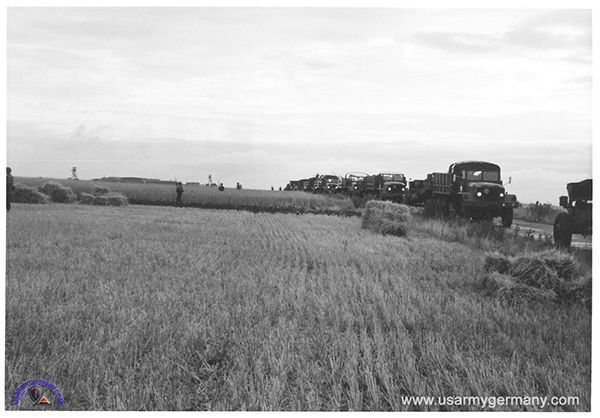 Perimeter defense set up around the launcher platoon convoy (Hugh Murphy) |
||||||||||||||||||||||||||||||||||||||||||||||||
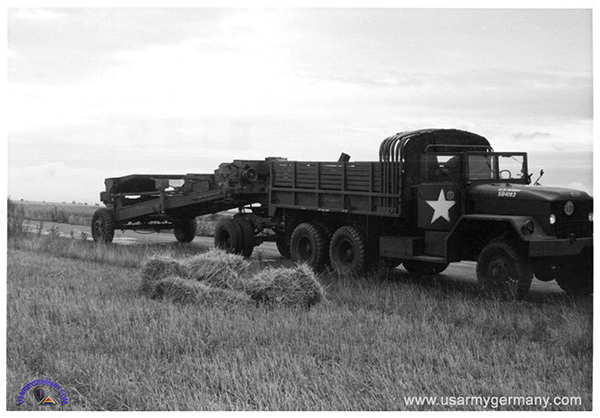 A nice view of the M54 5-ton prime mover and M94 launcher (Hugh Murphy) |
||||||||||||||||||||||||||||||||||||||||||||||||
Bootstrap exercise # 5 Once again, I was selected as a member of the advance reconnaissance party. We completed our preliminary survey and staked out the positions of all of our equipment. The location was one of the best I had seen, a broad open field with no obstacles, fairly close to the permanent launching area of Btry B 2nd Bn 56th Arty. It was summer and the weather was perfect. The route of the road march took us through Asselheim, Grunstadt, onto the autobahn heading eastward to the Frankenthal exit then south towards Speyer. From Speyer, we continued on towards Landau then south to an open grassy field adjacent to B-2-56. We towed our launchers right up to the stakes that marked each launcher's planned position. We set up the launchers, attached the loading racks, positioned the M529 RRTs, and loaded the missiles onto the launchers in record time with no mishaps, no accidents, and no injuries. Once we completed our daily and weekly checks we had some time on our hands so we found something useful to do. Our missiles were still painted white which really stood out against the background of the lush green grassy field that was our temporary site. We took new unused burlap sandbags and took them apart by cutting the seams of the sewn edges, then we tied the corners of the resulting square together to form a rather large quilt-like piece of olive green burlap which we draped over each of the three white missiles. We were later told that one of the helicopter pilots who flew over our temporary site remarked that he could tell something was down there, but could not distinguish what it was. I guess we could credit that to the “tonedown” camouflage and concealment initiative (that came down from somewhere above), and lessons learned from operations in southeast Asia. We returned to our permanent site at Quirnheim a day or so later by the same route. This was to be my last bootstrap exercise. I had participated in a total of eight bootstrap operations from 1960 to 1966 with two different units, C-4-6 to Trier, Spangdahlem, Germersheim, and C-5-1 to Baumholder, Worms, Landstuhl/Ramstein, Wackernheim, Landau. I never went to the same destination twice. It was quite an experience and I enjoyed every one of them. I believe we proved that with the proper equipment, and well-trained soldiers, we could do the job that was given us. |
||||||||||||||||||||||||||||||||||||||||||||||||
| Random thoughts and recollections Some random throughts and recollection on being stationed at Btry C 5th Msl Bn 1st Arty, Quirnheim, Germany from May 1962 to September 1966. December 1962. Accompanied Sp4 Bishop, driver of a M37 ¾-ton truck, to transport the Test Responder for repair at our supporting Ordnance DSP at McCully Barracks near Wackernheim. After we arrived and turned over the Test Responder, we stayed overnight at the barracks of A-5-1. During our trip there, a fierce winter storm occurred. The weather was bad - sleet and freezing rain. The next morning we departed, driving slowly over ice-covered roads, to return to Quirnheim. It took us about four hours to make the trip. When we got there, we discovered all offpost traffic had been grounded which meant I could not drive my POV home. So, I decided to walk past the IFC area, down the hillside through the vineyards to Asselheim then on to Grunstadt where I was living at the time. Needless to say, I made it. The winter storm we endured the evening before was the beginning of a long cold winter. It snowed the next day covering the ice and frozen ground from the previous evening. It snowed several days afterwards also. We had snow on the ground until early February when it began to thaw. During that time, the normal river traffic up and down the Rhein River came to a halt which included shipments of coal. The Army began running convoys of trucks from Bremerhaven carrying coal to the US bases. There was a fear the that ice dams would form on the river, and they would have to broken up by explosives. I don’t recall that the situation ever got that bad, but Pioneer units of the German Army were ready just in case. When we came into work on Monday, the concrete pad at Bravo Section was covered in ice and snow. The snow was more than a foot deep while the underlying ice was about half inch thick. Cleanup began with no more than the D-handled shovels from our on-vehicle equipment (OVE), we began chipping and shoveling the ice. It took us several days to finally clear the ice and snow from the concrete and asphalt so that we could safely move the missiles about on the loading rails. It remained bitterly cold for weeks. It was so cold the 55-gallon fire barrels inside the missile storage buildings froze solid even though each barrel had a solution of calcium chloride in the water to, supposedly, keep it from freezing. Don’t know what we would have done if a fire had occurred; I guess we would have thrown ice at it. May 1966. I was given orders to march order one of Bravo Section’s launchers; after the Section cleaned and painted it with a fresh coat of NATO green paint, one of the soldiers from B Section and myself drove one of our M54 trucks, freshly painted also, down to Kaiserslautern near Kapaun Barracks to participate in the ceremony where 32nd Arty Brigade was to become 32nd Army Air Defense Command (AADC) commanded by MG Underwood. This is the ceremony where the 32nd AADC patch with 5 (3 over 2) arrow heads was first unveiled. I believe several of the 94th ADA GP battalions participated by towing a missile on a M529 RRT, or a M94 launcher in the motorized pass-in-review. D-2-56 had a static display with a missile on a launcher. The two HAWK ADA Groups, 10th and 69th, were also represented. Small arms and crew-served weapons. At C-5-1, everyone was armed with the M14 rifle except maybe the Battery Commander who had a .45 caliber pistol. Crew-served weapons were the M60 machine gun, and from about 1965 the M72 light anti-tank weapon (LAW) with the fibre-glass one-time-use-and-discard storage and launch tube. The older M2 caliber .50 machine gun and 3.5 inch rocket launcher were not to be found. TOE Change. Sometime around late 1965 to early 1966, our Tables of Organization and Equipment (TOE) changed. All of our M529 Ready-round transporters and most of our M54 5-ton trucks were reassigned to HHB in a newly formed Transportation Platoon, or maybe it was called the Motor Platoon. I believe the idea was that since the battalion was only 25% mobile, all of the resources to move a battery should be located at HHB where they could be called upon to support any one of the firing units. This occurred during the time of the Vietnam War, and was probably in conjunction with the transfer of some of the battalion’s 5-ton trucks to that theater. Family Housing. During my time at C-5-1, I lived in the barracks at Quirnheim, on the economy in Grunstadt, and in government quarters at Vogelweh housing area in Kaiserslautern. Some of the married soldiers lived at Weierhof Military Housing Area about 40 kilometers from Kaiserslautern on the road to Mainz. The soldiers of C-5-1 went to medical and dental appointments at a small medical facility at Weierhof. Two of my children were born at Landstuhl Army Medical Center a few miles from Kaiserslautern. Living at Kaiserslautern, we could receive American Forces Radio and Television Service (AFRTS) that was broadcast from Ramstein AB. Programming began at 15:00 and ended at 24:00. When we had free time, we drove around the local area. We had a 1200cc Volkswagen and my wife would pack a lunch, and we would take off. Sometimes we would go for a picnic on the banks of the Rhein, and watch the river barges go up and down the river. Some of the towns we visited included Speyer, Neustadt, Bad Durkheim, Mannheim, Heidelberg, Worms, Mainz, Rudesheim, Bingen, Wiesbaden, Zweibrucken, Saarbrucken - all within a day’s drive. It seemed like every year each city, town, and village had a fest celebrating something: wein, fish, wein, wurst, wein, schweinchen, and wein. I departed C-5-1 in September 1966 being transferred to another unit. I truly enjoyed my assignment there and look back on it with fond memories. |
||||||||||||||||||||||||||||||||||||||||||||||||
| ADDITIONAL INFORMATION (2020) | ||||||||||||||||||||||||||||||||||||||||||||||||
| I visited your usarmygermany.com website recently and realized that there may be a story not yet told that just about every soldier going to Germany has experienced. I have attached a narrative, to the best of my memory, that relates how I got transferred from my CONUS assignment to my first assignment in USAREUR. Maybe someone else has told a similar story; if anyone knows, it would be you. February 1960 Departure While assigned to Battery A 1st Missile BN 562nd Arty near Annapolis MD, three of my buddies (Al Kuhl, Charles Henneberger, and Bill Hucks) and myself all received orders transferring us from our current assignment to US Army Europe. We were all excited about the pending transfer; none of us had ever been out of the country before. After a short leave to my hometown of Cedartown GA, I boarded the Seaboard Silver Comet passenger train bound for Baltimore. At Baltimore, I met up with my three buddies and we continued on the Pennsylvania Railroad to some train station near Fort Dix NJ. Once there we caught a limousine (more like a shuttle bus) to Fort Dix. Don't remember the designation of the replacement holding company. While at Fort Dix each one of us was interviewed by personnel (all senior NonComs) belonging to the USAREUR Assignment Section. Our original transfer orders had us all going to a AAA AW BN at Augsberg. During our interview we were all assigned to USAREUR Nike-Ajax units; Al Kuhl and Charles Henneberger to Battery B 4th MSL BN, 6th Arty at Kaiserslautern; I believe Bill Hucks went to 2nd MSL BN 56th Arty at Pirmasens; I was assigned to Battery C 4th MSL BN 6th Arty at Bitburg. We spent a few days at Fort Dix pulling details then one morning we departed on buses for the airport. I think we flew out of New York's Idlewild Airport, now called John F Kennedy Airport, on a MATS* chartered Douglas DC-6 aircraft operated by Overseas National Airways. Arrival On our flight over, I seem to recall we stopped to refuel at both Newfoundland Air Base and Shannon Airport in Ireland. On a gray, overcast late-February morning, we landed at Rhein-Main Air Base. From there we boarded Army buses for 21st Replacement BN in Frankfurt. We spent the night there. The next morning we (2 or 3 other soldiers and myself going to the same unit) received our train tickets, our 201 files, and a briefing on how to read German train schedules. A short while later, we boarded buses and departed for the Haupt Bahnhof in Frankfurt. After carefully reading the posted schedule, we located and boarded our train which took us as to Koblenz. We had a layover of a few hours at Koblenz. I remember wandering around the bahnhof; the newpapers headlines had headings about Deutschland which occurred to me that it translated to mean "Germany." Later, we boarded another train that went along the Moselle River to Trier. Once we arrived at Trier, we had to wait for transportation from C-4/6 to take us to Bitburg. After an hour or so, a 3/4 ton M37 truck showed up; we loaded our duffel bags and hopped in, eager to get to our destination. * Military Air Transport Service) |
||||||||||||||||||||||||||||||||||||||||||||||||
| 1966 | ||||||||||||||||||||||||||||||||||||||||||||||||
| (Source: Email from Bill Larsen, HHB, 5th MSL Bn, 1st Arty, July 1966 - Dec 1968) | ||||||||||||||||||||||||||||||||||||||||||||||||
| Within the 32nd AADC the 5th Missile Battalion, 1st Artillery (later "Missile" was dropped) published a newspaper called "Countdown." To my knowledge this was published from before 1965 through at least 1968. I would expect that every battalion in the command published a newspaper during that period. The Army, in its great wisdom, had a position in the TOE as "information specialist" (71Q20) during this period and were getting trained military journalists from the Defense Information School in Indianapolis, Ind. As to the patches of the 32nd AADC. The 32nd Artillery Brigade moved to its site in Kaiserslatutern in 1957 (Seventh Army patches). In May 1966, the 32nd was given the status of a major command and was redesignated the 32nd Army Air Defense Command. As I recall, the 32nd AADC patch came into use in late 1966. Hope this is some help. |
||||||||||||||||||||||||||||||||||||||||||||||||
| 2nd Battalion, 1st ADA | ||||||||||||||||||||||||||||||||||||||||||||||||
| 1973 | ||||||||||||||||||||||||||||||||||||||||||||||||
| (Source: Email from Robert Cole) | ||||||||||||||||||||||||||||||||||||||||||||||||
| I was stationed at A Battery, 2nd Bn, 1st ADA at McCully Barracks as a 24P20 Acq. Radar Mechanic 1973 to 1975. I can’t remember exactly but could look at my orders. Anyway I have a few names: Bernie McGinty, Gary Stains, Nakamura, CW2 Clapsaddle Al Mathis, Santabarbara -- all of these were IFC. I have lots of pictures of the post and the radar area a few of the launching area. The building we constructed as a ready room and photos of various radars and vans. Also the goat that kept down the grass. I arrived there just as the unit was moving out of the old WW2 barracks. My wife and I lived in a little town near there called Ober Olm. As I remember it we had a HiPar which looked down the Berlin corridor. We used to track Migs that would fly towards us and then cut north over the North Sea with our fighters in hot pursuit. I was there when the altercation started between the Turks and Greeks and we went to hot status. We pulled a four week rotation with the other three batteries in the Bn. 1 week green, two amber, and one down for maintenance. We had to stay on the site continuously when we were at hot. Food came up in Marmite cans but a German lady had a hole cut in the fence with a little shelter and she would hand brats through to us. Went to Crete a couple of times to fire out. That was a great time. Food fried in olive oil and oranges the size of soft balls. |
||||||||||||||||||||||||||||||||||||||||||||||||
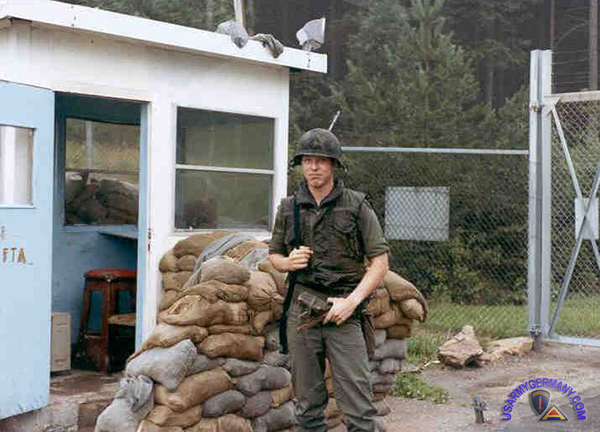 Guard at Admin site gate, Dichtelbach, D Battery, 1982 (Cornelius Maney) The Launcher Area was being closed and the IFC was already shut down. The German contractors were our biggest headache. Lots of work to the admin area because it was to become a rotation area for Patriots units out of Dexheim. |
||||||||||||||||||||||||||||||||||||||||||||||||
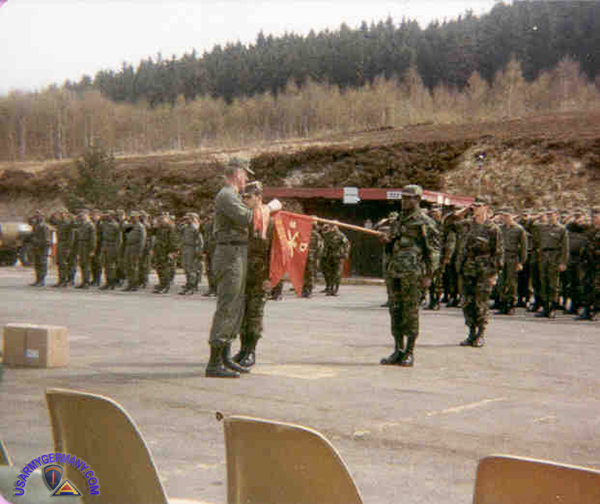 COL Winzurk, 94th Bde commander at a ceremony at D 2/1 (Cornelius Maney) At the change of command ceremony (CPT Max Knight / CPT Weldon Flaharty) COL Winzurk places ASP Honor Battery streamer |
||||||||||||||||||||||||||||||||||||||||||||||||
| 1980 | ||||||||||||||||||||||||||||||||||||||||||||||||
| (Source: Email from Cornelius J. Maney) | ||||||||||||||||||||||||||||||||||||||||||||||||
| Assigned as a newbie 2LT to B2/56 in Rockenhausen (Schönborn).. and had corresponded with my sponsor, LT Matt Getchell
When I arrived at Frankfurt Airport (Mar 1980), it was not Matt that picked me up but LT Tom Leaderly. He was the IFC Plt Ldr from D2/1. Apparently, Delta CDR (CPT Williams) had assaulted the acting Bn CDR (MAJ "Fearless" Frank Farcis) who was sitting in while LTC John Holly was stateside on a MAJ selection Board. Bottomline I ended up at D2/1 (Dichtelbach), outside Rheinbollen.. CPT (P) Vince Boyle was my first CDR (corrected the problems CPT Williams left behind), CPT Max Knight (oversaw the loss of mission and started the drawdown) the second and CPT Weldon Flaharty (finished the work and closed the site) I served as Lchr Platoon Leader and XO until she (Dichtelbach site) closed her gates on 20 Sep 1982. Served the remaining time in my tour as Lchr Plat Ldr in A 2/1 Co-Located with HQ in Wackernheim. CPT Mark Palen was the CDR. Left FRG in Mar 1983. 2/1 was the third of four Nike-Herc Bn to close (in the 94th ADA Bde).. 3/71 was the last and I believe "the Dragon" LTC Epperson was the final CDR there. COL Winzurk was the 94th GRP CDR |
||||||||||||||||||||||||||||||||||||||||||||||||
|
||||||||||||||||||||||||||||||||||||||||||||||||
|
||||||||||||||||||||||||||||||||||||||||||||||||
|
|
||||||||||||||||||||||||||||||||||||||||||||||||
| 25th MSL Bn -- 4th MSL Bn, 6th Arty | ||||||||||||||||||||||||||||||||||||||||||||||||
|
||||||||||||||||||||||||||||||||||||||||||||||||
|
||||||||||||||||||||||||||||||||||||||||||||||||
| 1958 | ||||||||||||||||||||||||||||||||||||||||||||||||
| (Source: Email from Larry Johnson) | ||||||||||||||||||||||||||||||||||||||||||||||||
| I was stationed with Btry "D" 4th MSL BN 6th Arty.
Our battery commander was Captain William Andrews and XO was Lt. Wasiewski. We were stationed in the Luxembourg Kaserne, Bitburg. The French were kind enough to give us one barracks. Our battery set up a Nike Ajax site at Spangdahlem Air Base at the end of January 1958. I believe Btry "C" lived in the same barracks and occupied the 3rd floor. Their mission was to protect Bitburg AB which had F-100's. Spangdahlem had RB-66 Recon bombers. We had our own tailor and barber & all chipped in a dollar a month to take care of paying the locals for doing kitchen duty. There were over 5 marks in a dollar and a half liter of Casparybrau Bier was 80 Phennigs. Wiener Schnitzel with oxtail soup and a salad was 1 dollar or 5 marks. I guess you might call our tactical site "temporary" as everything stayed on trailers with wheels except for the missile launchers. We, though, considered it permanent. Hope this helps. |
||||||||||||||||||||||||||||||||||||||||||||||||
| (Source: Ron Gelinas, C Btry, 4th MSL Bn, 6th Arty) | ||||||||||||||||||||||||||||||||||||||||||||||||
| Former Air defender in Mass, R.I., Germany and warm, sunny Thule Air Base.
My tour at Bitburg/Spangdahlem was from Jan 1958 to March 1961. Replacement from launcher pits in Bedford, MA. Our kindhearted BC, Cpt Beaumeister, recognizing my superior intellect, assigned me to IFC where I OJT'd on MTR, and I hit the ground running. Glad for the opportunity. I remember well First Sgt Roger J. Pines, starched pressed fatigues and spit shined Corcoran boots. One fine soldier. Great pics you have -- the one at the Kaserne of the parking lot wth the French barracks behind was the view from my room . Also the 5- ton C-45 at the IFC was parked across from the truck with the commo hut on the back which I drove towing the BC van to Bootstrap No. 1. We just called it a March Order. Leveling the track antennas was a pure delight. Even with Perforated Steel Plank under the legs didn't help. Just walking around the legs forced the level pads into the mud, causing leveling to be done over and over. I owned a little Austin Healey sports car that made many a 'thunder run' back to Bitburg for Pizza at Col. Brown's as well. My crew usually hung out at the Bambu Bar where a liter of beer cost one MARK. Those were good days, important days and months for us because we felt that we were performing a great service to our country. Long hours on assignment were part of the job. I remember best from my days in ARADCOM that many of us were draftees, some with college time serving alongside we, volunteers. They were among the very best of soldiers. They learned their jobs quickly, did it very well, simply because they wanted to make it quite sure that they got out and went home when their 2 year tour was done. I have never heard a proper explanation why the new barracks built for us in 1960 at Spang, surrounded by grey painted buildings, was PINK! Glad to find a site that coincides chronologically with my own experiences. My tour at Thule Air Base gave me opportunity to consider that there must be a better way to serve, so I put in my school application for the Medical Equipment Repair MOS course given at Fitzsimons Army Medical Center in Denver, in 1965 and in so-doing began a whole new career that lasted until 1982 and from which I retired from the Army and remained here in El Paso. Here I found my former opposite number Section Chief from RI and we both met up with two more of our gang in MO for a mini reunion about 5 years ago. Small world. Thanks for the opportunity to sound off. |
||||||||||||||||||||||||||||||||||||||||||||||||
| 1960 | ||||||||||||||||||||||||||||||||||||||||||||||||
| (Source: Email from Hugh Murphy) | ||||||||||||||||||||||||||||||||||||||||||||||||
| I served 3 tours in Germany, all assigned to units in 32nd ADA Brigade and 94 ADA Group. I can probably share some of my experiences with the different units that I served in. It's been awhile so I need to collect my thoughts on it. I always worked in the launching area where we were not allowed to have cameras. I often think back fondly on my time over there. I have a few photos that I can send you also.
1960-1962, Btry C, 4th Battallion, 6th ADA - I arrived at Luxembourg Kaserne in Bitburg, Germany in February 1960. I was assigned to Bravo Section; section chief was SP5 Hoyle, Launcher Platoon Sergeant was SFC James Young, First Sergeant was 1SGT Roger Pines. After an influx of newly assigned personnel, SFC Young became Bravo Section Chief; he was a good section chief that I respected and enjoyed working for. Our direct support platoon was also located at Luxembourg Kaserne. We ate at the mess hall at Bitburg Air Base which was 2 or 3 miles away. We traveled everywhere on the back of a 2-1/2 ton truck. Our tactical site was a few miles away at Spangdahlem Air Base. The fire control units of Charlie and Delta were located adjacent to each other at Spang. Charlies' launching area had two active launching sections, Alpha and Bravo; they were adjacent to the Air Force ammo storage area. The manning crews normally worked 24 on, 24 off; occasionally, we might get a day where we were assigned details around the kaserne. In the summer of 1960, we moved from Luxembourg Kaserne to newly constructed barracks at Spangdahlem Air Base. In 1961, we received our newly trained Nike-Hercules package along with all of the Nike-Hercules equipment. to be continued... bootstrap and Germersheim 1962-1967, C-5-1, A-3-71 to be continued... BOOTSTRAP EXCERCISE #1 I was assigned to Btry C 4th BN 6th ADA from Feb 1960 - Feb 1962. From my earlier correspondence, I stated I would provide a narrative about my experiences on bootstrap excercises while assigned to firing units of 94th ADA GP. Bootstrap excercise #1: C-4-6 was a Nike Ajax unit at the time, along with D-4-6, the two units provided air defense for Bitburg and Spangdahlem Air force Bases. Since we were located at a temporary tactical site on Spangdahlem Air Base, it was relatively easy to prepare and load a couple of Ajax missiles on a missile transporter trailer. We prepared at least two launchers, maybe three, for march order. The fire control platoon march ordered all of their vans and radars. It probably took three or four hours for the convoy to road march from Spangdahlem, through Bitburg to our destination, a training area for the French Army outside of Trier. I seem to remember after we left the highway we traveled uphill on gravel roads to the treeline at the edge of the training area, from there it was an open muddy field that we had to drive across with our launchers, missiles, generators, and launching control trailer (LCT). After we arrived at our designated launcher site, we positioned the firing section control panel, emplaced the launchers, set up the loading rails, brought up the missile transport trailers, off-loaded the missiles to the loading rails then loaded each missile onto a launcher. While we were doing this, the LCT was being emplaced, generators were positioned, power and data cables unreeled and connected. The fire control platoon was emplacing the tracking van, battery control van, target tracking radar, missile tracking radar, and perimeter acquisition radar. The Commo Section installed field wire between all of the major elements of the battery. The mess section set up the field kitchen and began preparing a hot meal. The motor pool section drove its 2-1/2 ton truck into a French tank trap that was filled with water and had to be pulled out by a D-4 Caterpillar. After both fire control area and launching area became operational, an operational readiness evaluation (ORE) was conducted 94th ADA Group. The ground was so muddy most of us slept on the cargo bed of our trucks. The generator operators slept on the front frame of the generator trailers. The generators ran all night long. We pulled guard duty through the night also. The next morning we loaded onto the back of a truck and were literally towed by the D-4 up to the fire control area where the field mess was located. After we ate a hot breakfast, we returned to the launching area, again towed by the D-4, where we again prepared our launcher equipment for march order. When the order was given, we road marched back to our tactical site at Spangdahlem Air Base. We were glad to be back at Spang', and we all felt like we had accomplished something special. There were two more bootstrap excercises I participated while at C-4-6. As I recall the details, I will send them also. By the way, did I ever say that one of the best assignments a soldier can get is being stationed on an Air Force Base. |
||||||||||||||||||||||||||||||||||||||||||||||||
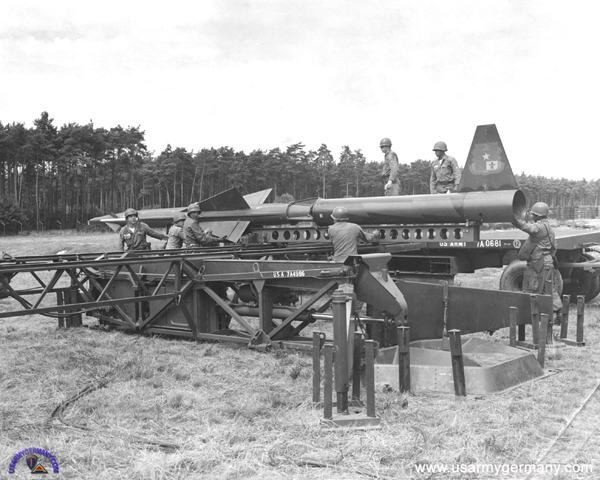 After crossing the Rhine on barges, loading an Ajax missile on a launcher (Hugh Murphy) |
||||||||||||||||||||||||||||||||||||||||||||||||
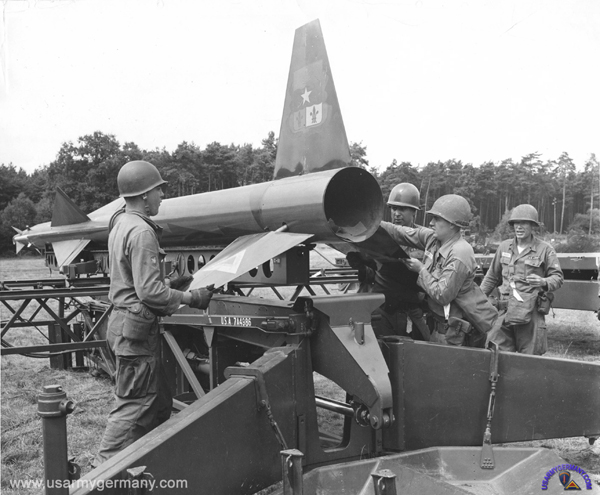 Installing booster fins on first stage rocket to make the Ajax missile ready (Hugh Murphy) |
||||||||||||||||||||||||||||||||||||||||||||||||
| BOOTSTRAP EXCERCISE #2 C-4-6 was still a Nike-Ajax unit. This exercise was a nighttime operation conducted during May 1961. We had prepared our launching equipment and missiles for the road march during daylight. At dusk, we began our road march, using only the vehicle blackout lights, around the perimeter of Spangdahlem Air Base to our designated launching site at the end of the runway. Using only the filtered lights from government issue flashlights, we emplaced the launcher section firing panel, two launchers, and loading rails. With that much accomplished, we stopped, crawled into our sleeping bags and slept right there on the grass - huge difference from just a few months earlier at the French training area. Next morning, after a breakfast of fried egg sandwiches and coffee served by one of the cooks from the back of a 2-1/2 ton truck, we continued our preparations of setting up our launching section by unrolling and connecting the power and data cables. After the launching equipment was powered, we brought the missile transporter trailer up, transferred the missiles to the loading rails then loaded the missiles onto the launchers. We ready for operations after completion of daily and weekly checks. An operational readiness evaluation (ORE) was conducted by the battalion ORE team. After successfully passing the ORE, C-4-6 was declared mission ready. Shortly after that, we were ordered to march order the launching section and road march back to regular tactical launching area. BOOTSTRAP EXCERCISE #3 The next morning after breakfast, we crossed the Rhein River on barges operated by a German Army Pioneer unit. To enable a drive forward down the ramp of the barge, each trailer had to be disconnected from its towing vehicle, and literally pushed backwards onto the barge by a specially modified truck with pintle mounted on its front bumper. Once the trailer was in place on the barge, its normal towing vehicle backed onto the barge and the tow bar, air lines, and electrical cable were reconnected. The vehicles were secured to the barge by the Pioneers. Each truck and trailer combination were ferried across the Rhein River, taking a good part of the day. Each platoon's vehicles were assembled in one area and after all were across the river our road march continued a few miles to our pre-selected launcher site at Germersheim Army Depot. There we once again emplaced and setup our launcher section, loaded the missiles, completed our daily and weekly checks and adjustments, passed an ORE, march ordered our equipment again, bivouaced over night before returning to Spangdahlem Air Base the next day. We were glad to return to Spang after having been gone for the better part of a week. Final road march with Btry C 4th Msl Bn 6th ADA September 1961. Shortly after completing Bootstrap exercise #3, the Nike-Hercules package of personnel and equipment arrived at Spangdahlem which meant that nearly all of our Nike-Ajax equipment: launchers, LCT, fire control equipment - vans and radars had to be turned in. The Nike-Ajax missiles were placed in temporary storage on loading racks and missile transport trailers kept also. After preparing all of our equipment for march order, we returned by convoy once again to Germersheim Army Depot to turn it all in. It took us all day to travel to Germersheim; once there we drove to a designated area, parked, disconnected our towed Ajax equipment, and drove off. I don't remember where we slept that night, but we ate in the mess hall of A-2-56, then located at Germersheim Army Depot. I recall going into a small NCO club that evening at the Depot. The next morning we traveled in convoy back to Spangdahlem. Transition to Nike-Hercules with Btry C 4th Msl Bn 6th ADA. The Nike-Hercules launching equipment was emplaced in the vacant temporary tactical site once occupied by D-4-6 which had moved to its permanent site near Balesfeld earlier during the summer of 1961. Initially, one Nike-Hercules missile was loaded on one launcher in each of the three launching sections. Nike-Ajax missiles were loaded onto the remaining launchers. Each launching section had three launchers that could be loaded with either Ajax or Hercules missiles. We continued to man the unit whenever C-4-6 has the "hot" or "backup" fire unit for the battalion. We always had to pull guard duty. A team of trainers came down from 94th Group (?) during the last few months of 1961 to provide everyone assigned to the launcher platoon special weapons training. The goal was to prepare us to pass a technical proficiency inspection which, as I recall, was in December 1961. Looking at it all in retrospect, the Air Force capabilities we were defending became moot after the balloon went up because all of the payload carrying aircraft would have flown to their pre-designated targets. There would have been no assets remaining to defend, therefore, the 94th ADA Group fire units could be re-located to sites to reinforce the defense of the Rhein River bridges. We had always talked among ourselves that our secondary mission was infantry. By the way, the B&W photo of the 25th Missile Battalion launching section from the Spangdahlem Air Base newspaper strongly resembles Alpha Section of Btry C 4th Msl Bn 6th ADA from the time I was assigned there. |
||||||||||||||||||||||||||||||||||||||||||||||||
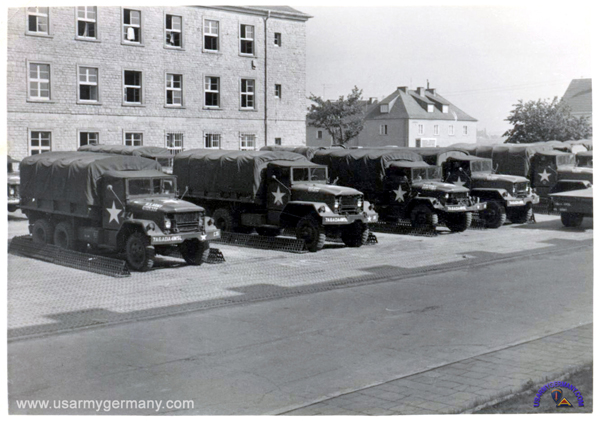 American side of Luxembourg Kaserne at Bitburg (Hugh Murphy) At the NE corner of the kaserne there is a building, that was our barracks. Adjacent to our barracks on the same right side is another building that was our Motor Pool, and the shops of the Ordnance direct support platoon (DSP) |
||||||||||||||||||||||||||||||||||||||||||||||||
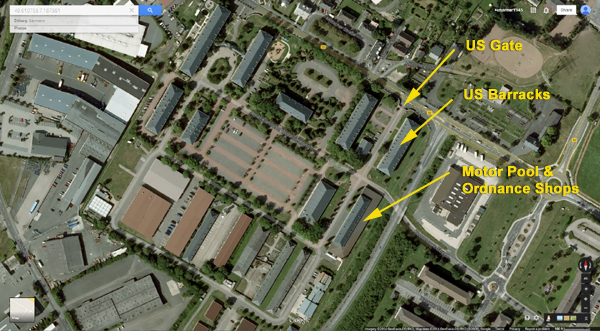 Luxembourg Kaserne (a.k.a. French Kaserne), Bitburg (GOOGLE) |
||||||||||||||||||||||||||||||||||||||||||||||||
Every day life at Btry C 4th Msl Bn 6 Arty.
When I first arrived at Btry C 4th Msl Bn 6 Arty, each soldier us was issued either a M1 rifle, a M1 carbine, or a .45 caliber submachine gun, affectionately referred to as a "greasegun". The officers were armed with .45 caliber pistols, drivers and generator operators were armed with greaseguns, most of the soldiers were issued M1 rifles, some of us were issued M1 carbines. Our crew served weapons were the M2 .50 caliber machine guns and 3.5 inch rocket launchers. In the autumn of 1961, we turned in our rifles, carbines, and greaseguns, and were issued new M14 rifles. We traveled down to a rifle range near Idar-Oberstein to fire the M14 for qualification. We normally experienced a 7th Army recall or a Muster every month.
In the evenings, we mostly listened to Radio Luxemburg which played all the popular songs of the day in Great Britain and the US. In the daytime, we listened to American Forces Network (AFN). I remember one program in particular, at 06:05 every morning just about the time we walked into mess hall at Bitburg Air Base, "Hillbilly Reveile" came on. They played "El Paso" by Marty Robbins and "Tennessee Hound Dog" by the Osborne Brothers nearly every morning. When we were off we could go to the movies at the Air Base. There was a AFEES BX, a commissary, and a Class VI store over in the Air Force Community Center near the housing complex.
When we were off, we could sign out on pass, and go into Bitburg; however, we had to be back for bedcheck by midnight. I recall eating at Col Brown's Pizzeria many times. We would also eat and drink a beer in some of the local gasthauses. At the service club on the base, one could book a tour to visit other countries, nearby attractions, Rhein River cruises, and trips down to the Armed Forces Recreation Centers at Garmisch, Berchtesgaden, and Lake Chiemsee. |
||||||||||||||||||||||||||||||||||||||||||||||||
|
||||||||||||||||||||||||||||||||||||||||||||||||
|
||||||||||||||||||||||||||||||||||||||||||||||||
 HQ building, 5th Bn, 6th ADA (NIKE), Neubruecke Kaserne, early 1970s (Michael McCaslin) |
||||||||||||||||||||||||||||||||||||||||||||||||
| 45th MSL Bn -- 5th MSL Bn, 6th Arty -- 5th Bn, 6th ADA | ||||||||||||||||||||||||||||||||||||||||||||||||
|
||||||||||||||||||||||||||||||||||||||||||||||||
| (Source: Email from Col. Lambert) | ||||||||||||||||||||||||||||||||||||||||||||||||
| We
were organized as Overseas Package #5
at Ft Bliss, Texas -- sent to Kaiserlautern in Oct 1957 - Nov '57; sent
to Idar Oberstein -- HQ Btry, A Btry and B Btry were assigned to Strassburg
Kaserne; C Btry and D Btry to Baumholder. All sites were located in
Baumholder -- all launcher sites were at the end of the runway of
Baumholder Air Field; A and B Btry IFC were together on one hill top
and C and D on another. C Btry became a Nike Hercules battery and moved to its permanent site in late fall 1959. When I left in June 1960, all other btrys were still in Baumholder. |
||||||||||||||||||||||||||||||||||||||||||||||||
|
|
||||||||||||||||||||||||||||||||||||||||||||||||
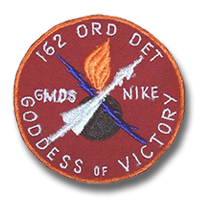 162nd Ord Det (Guided Missile)(Direct Support) Pocket Patch 162nd Ord Det (Guided Missile)(Direct Support) Pocket Patch |
||||||||||||||||||||||||||||||||||||||||||||||||
| (Source: Email from Morey W. Fuqua, "C" Btry, 5th Msl Bn, 6th Arty, 1959-61) | ||||||||||||||||||||||||||||||||||||||||||||||||
I left Ft. Bliss in July 1959 with Overseas Package #8. We formed the permanent Nike Hercules site at Baumholder -- "C" Battery, (5th Msl Bn,) 6th Arty. I was there until May 1961. We were always "C Battery", however, if my memory serves me correctly there were changes in batallion and/or other command units.
We originally wore the USAREUR patch and that later changed to Seventh Army. I only know the location of one other person I served with. But I am interested to know about others. My MOS was 225 and I was a SP-5 when rotated back to "the land of the round door-knob." My knowledge of the temporary (Nike-)Ajax unit that existed in Baumholder prior to my arrival is somewhat limited. In retrospect I feel somewhat sorry for those guys. I will try to explain why.
I first heard about Overseas Package #8 early in 1959 when I finished 225 school at Ft. Bliss. A friend gave me the name of a major who had something to do with assignments. I broke a few rules and barged into his office while his secretary had stepped out. I ask if I could be assigned to the package. What followed was a world-class butt chewing which, among other things mentioned the chain of command and my waiting for his secretary to leave. After standing at attention for what seemed like hours the major ordered me out of his office. He also said something to the effect, “Oh by the way, you are going to Germany. Give you name, serial number, etc to my secretary.” She had returned in the interim.
The next few months were a great experience. We formed an entire working unit from scratch. All of the members of O/S-8 had just graduated from the school of their specialty or transferred in from other units, mostly from Bliss. Our entire command structure was formed at that time. I remember some of the names:
We trained extensively until June 1959. Our firing exercises were at McGregor Range in New Mexico and were very similar to our Annual Service Practice when we later returned from Germany to Ft. Bliss and McGregor. I think one difference was that during the first trip to McGregor Range we might have fired Ajax as well as Hercules missiles. Later we only fired Hercules. During the O/S-8 training we became a very tight unit and this relationship lasted until the first of this group started rotating back from Germany. For this reason many the men that manned the prior/temporary Ajax battery probably felt they were overshadowed by this new group of loud-mouthed hotshots. Almost all of their command structure and technical personnel were replaced and their main job was to wait for rotation back to the States. Notice that I said “many” of the prior people. Some of that earlier group did in fact fit in very well.
Our new group arrived in Germany over a period of a few weeks in the summer of 1959. The new permanent site was being constructed by German contractors and was completed a few weeks after our arrival. Then the fun began. The Germans had nothing to do with the missile equipment installation. This was our job together with Army Ordinance. Once again, many of the prior personal felt left out because they had never seen the new equipment.
One on the SNAFUs we faced, and, one that only the military can orchestrate, dealt with security clearances. All of the O/S-8 personal had proper security clearances back in Ft. Bliss, even as they applied to special weapons. When we arrived in Germany USAREUR had its own ideas about security. We wasted considerable time being recleared so that we could work on the same equipment we had worked on in the U.S. I guess you can’t be too careful. The temporary Nike site was located right on the Baumholder base. I think it was near the airfield. I was only there on a few occasions. To get to the new site you had to drive a few kilometers from the Baumholder base. It was near a village, the name of which I’m not sure. It may have been Heimbach. Our main barracks were on Baumholder but we did have sleeping facilities on the site.
What I remember most was the heavy workload. We were severely under-manned and before the remainder of the sites in the battalion were completed it seemed we were on the highest level of alert status all the time. In addition, as you well know, security requirements on a special weapons site are high to the point of being unreal. I did not have to pull guard duty, but we had so few NCOs that the launcher maintenance personal (mostly SP-5s) had to pull Sergeant of guard duty at the same time they were on 24 hr maintenance shifts, which was about every third day. The poor guards had horrible schedules. For example it got so bad that they were pulling 3days on, one day off, 2 days on, one day off, then one day on followed by one day off. When that was over they started all over again. Despite the work and long hours it was one of the best times of my life.
I was on the ASP crew that returned to McGregor Range during the summer of 1960. At that time I was allowed to take a 30-day leave. The guys that remained in Germany were not happy with me for some time after my return.
We did have Nike Ajax on the permanent site; however, the emphasis was clearly on the Hercules capability.
As much as I wanted to get back to the U.S. and get on with my civilian life, I do remember some sadness when it was time to leave Baumholder. That was in May of 1961. I still remember the tightness of the unit that arrived in Germany to build a new missile base. During those early times many of us thought of it as our site in which the Army was only incidentally involved.
At some time during my stay, our shoulder patch was changed from the USAREUR to 7th Army. We were part of the 32nd Artillery Brigade at some time, if not all of the time. Maybe you can shed some light on this.
Before I left, Capt. Beaudry was promoted and transferred. Capt. Leonard F. Allen replaced him.
|
||||||||||||||||||||||||||||||||||||||||||||||||
| (Source: Email from Frank Contreras) | ||||||||||||||||||||||||||||||||||||||||||||||||
|
||||||||||||||||||||||||||||||||||||||||||||||||
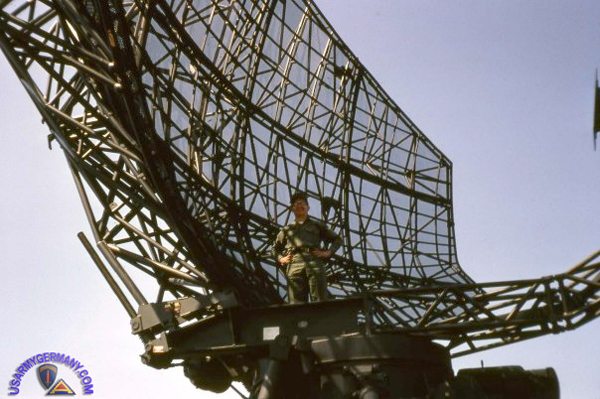 |
||||||||||||||||||||||||||||||||||||||||||||||||
|
||||||||||||||||||||||||||||||||||||||||||||||||
|
||||||||||||||||||||||||||||||||||||||||||||||||
| 95th MSL Bn -- 2nd MSL Bn, 56th Arty -- 2nd Bn, 56th ADA | ||||||||||||||||||||||||||||||||||||||||||||||||
|
||||||||||||||||||||||||||||||||||||||||||||||||
| 1957 | ||||||||||||||||||||||||||||||||||||||||||||||||
| (Source: Email from David L. Newquist, "A" Btry, 2nd Msl Bn, 56th Arty, 1957-59) | ||||||||||||||||||||||||||||||||||||||||||||||||
| I was part of Overseas Package 5 which came from Fort Bliss to Germany in December 1957. After deplaning at Frankfurt, we went to Mannheim and picked up the 95th AAA Bn. to convert it to a Nike Ajax battalion. We left Mannheim by convoys and the battalion headquarters and Batteries C and D were sent to Pirmasens. Battery B went to Landau, and Battery A went to Germersheim.
The sites were constructed and we moved the equipment onto them. When we deplaned in Frankfurt, civilians were demonstrating outside the air base gates with “Sputnik, Go Home” signs. However, a public information blitz was mounted and by January 1958 the missile equipment was in place and the batteries were operational. We were extremely short of personnel, and the command structure was complicated, involving the ADA command at Kaiserslautern and NATO. Sometime in 1958, we all had to buy the new green dress uniforms and the unit was redesignated the 2nd Missile Battalion, 56th Artillery. I was in Battery A at Germersheim. While we were the 95th Bn., we went to sick call at Pirmasens and dental call at Karlsruhe. After the redesignation, we reported to Heidelberg for medical services. We pulled 24-hour shifts and got a “rest” day after such a shift. We were so short handed that we often were assigned to drive the troops and the dependents to sick call. When in Karlsruhe, we were warned to be extremely careful of civilians. As it turned out, the Baader Meinhof gang was centered at Karlsruhe, although their activities were pretty low-key in the late 1950s. An ordnance company that supervised a civilian force that serviced and reconditioned military vehicles was already in operation at Germersheim. The base was a World War II German fighter base. The hangars were in a forested area and were concrete bunkers covered with dirt and planted over with trees. When the U.S. forces occupied the site, that area was fenced off and guarded by a Bulgarian Labor Force. That Force also guarded a bombed-out bridge on the Rhine, on which Germersheim is situated. The hangar-bunkers were used to store explosives. We were allowed in there only when we assembled missiles and had to pick up missile fuels (red fuming nitric acid, unsymmetrical dimethylhydrazine, and nitroglycerin solid booster propellants) and warheads. We weren’t supposed to know it and neither were the Bulgarians, but nuclear warheads were stored there. While the Nike system was intended and designated to be an air defense system, the Hercules versions and later the Zeus could be used as short range ballistic missiles. Our radar operators had been trained to set ground targets on the radar-guiding computers. I completed my active duty in March 1959. There are many stories to tell, but there was a hostility in Germersheim that did not create fond memories. On occasion, Soviet staff cars were seen cruising near the base, and we also learned that Germersheim had a history during the Holocaust years that the people preferred to keep stifled. |
||||||||||||||||||||||||||||||||||||||||||||||||
| 1960 | ||||||||||||||||||||||||||||||||||||||||||||||||
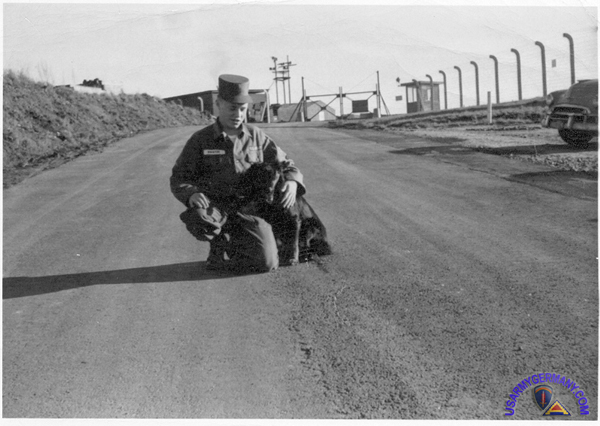 Access road to Salzwoog IFC, C Btry, 1962 |
||||||||||||||||||||||||||||||||||||||||||||||||
| (Source: Email from Ernie Swayze) | ||||||||||||||||||||||||||||||||||||||||||||||||
Salzwoog IFC site ( ) ) |
||||||||||||||||||||||||||||||||||||||||||||||||
| I discovered your site while looking up Salzwoog. I was stationed with C/2/56 from late 1960 to mid 1962. What a strange feeling to see pictures of a place where I worked and played for most of two years. The latter part of my service there was as an Acquisition Operator. I'll send a picture of me with the Company dog in front of the Ready Hut. It was probably taken in early 1962. This is the road in front of the Ready Hut. The car you see is in the Ready Hut parking lot. The gate into the IFC area is in the background and the guard shack just inside it. |
||||||||||||||||||||||||||||||||||||||||||||||||
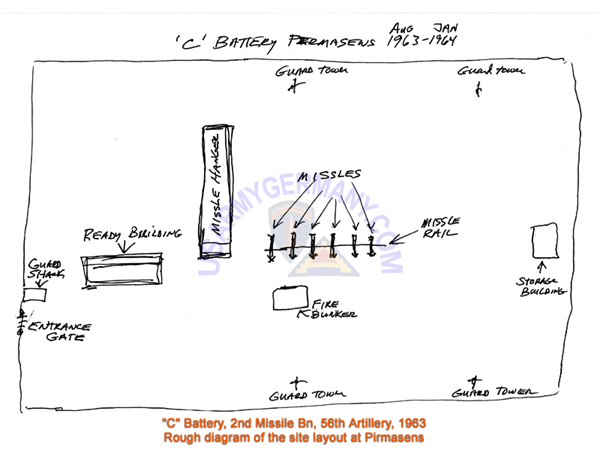 |
||||||||||||||||||||||||||||||||||||||||||||||||
| 1963 | ||||||||||||||||||||||||||||||||||||||||||||||||
| (Source: Email from Roger Williams) | ||||||||||||||||||||||||||||||||||||||||||||||||
| I noticed on your website regarding "94th Arty Gp. -- 2nd Bn. 56th ADA," it indicated that in June 1959 "C" Battery in Pirmasens was moved to Salzwoog. I was at "C" Battery from August 1963 to January 1964 and it was still in Pirmasens. Just thought I would mention it. PS: This is a diagram (above) of the way the NH site was laid out. Not to scale of course. Entire compound was circled by a chain link fence. The missile hangar was never used for the missiles. We had additional rails inside the hangar to setup so we could move the missiles inside, but this was not done while I was there. |
||||||||||||||||||||||||||||||||||||||||||||||||
|
||||||||||||||||||||||||||||||||||||||||||||||||
| 67th MSL Bn -- 1st MSL Bn, 67th Arty -- 1st Bn, 67th ADA | ||||||||||||||||||||||||||||||||||||||||||||||||
|
||||||||||||||||||||||||||||||||||||||||||||||||
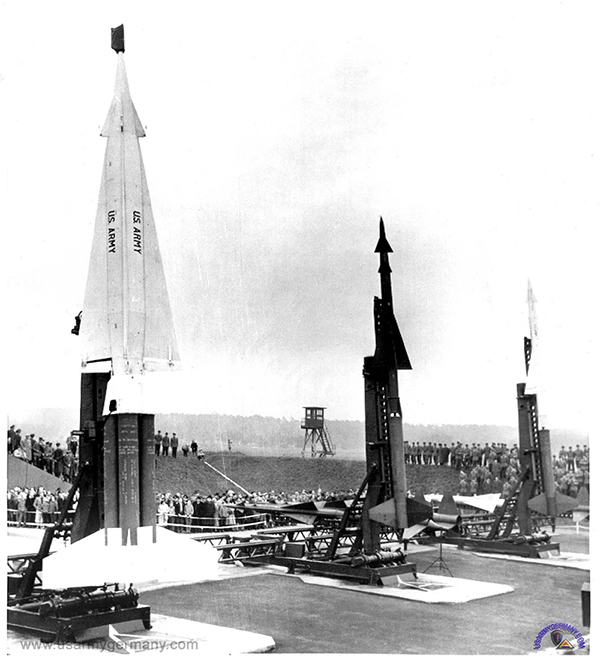 Soldiers and civilians participate in an activation ceremony at the new permanent NIKE lauching area in Griesheim in November, 1960. A temporary site had been in operation at the same location since 1958 (UPI press photo via Charles Everett) |
||||||||||||||||||||||||||||||||||||||||||||||||
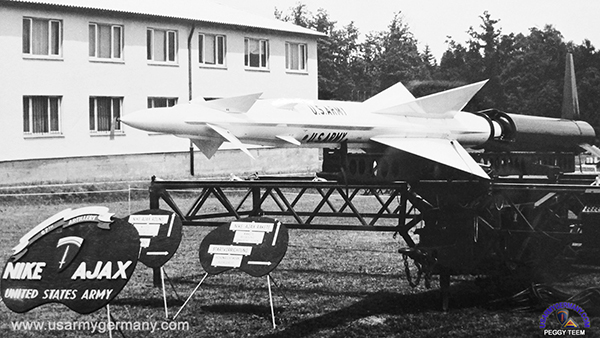 A NIKE-AJAX missile from 1st MSL Bn, 67th Arty is set up near the Camp King, Oberursel, headquarters building during a weapons display in the 1958-59 time frame (Peggy Teem) (If anyone participated/remembers this weapons display event, please contact the webmaster) |
||||||||||||||||||||||||||||||||||||||||||||||||
 1st Missile Battalion, 67th Artillery DUI 1st Missile Battalion, 67th Artillery DUI |
||||||||||||||||||||||||||||||||||||||||||||||||
| (Source: Email from Wayne Gutshall, "A" Btry, 1st Msl Bn, 67th Arty, 1962-65) | ||||||||||||||||||||||||||||||||||||||||||||||||
| I was stationed at A Battery, 1st Missile Bn, 67th Arty (Griesheim 1962-65) and was billeted at Kelly Barracks, Darmstadt. I was in fire control and was a computer operator. The Nike site at Griesheim was Ajax and Hercules and we worked 24 hours on and off 24 and during the Cuban missile crisis we were on red alert with options of ground-to-ground or surface-to-air missions. We were a mobile missile site and would go to Worms annually with our missiles, radar, launchers, generators etc. It was a lot of work and we always had lots of mud to contend with. In 1964 we were the top unit at ASP at Ft Bliss, Texas for European units. I wish I could locate some of my old buddies from this unit. I ended up in Vietnam and retired out of WRAMC in 1976 with 17 years service. I also served in the N.Y., Omaha, & San Francisco defenses. |
||||||||||||||||||||||||||||||||||||||||||||||||
| 196th Ordnance Detachment (Guided Missile Direct Support) | ||||||||||||||||||||||||||||||||||||||||||||||||
| (Source: Email from Allan W. Swank, 196th Ord Det, 1963-65) | ||||||||||||||||||||||||||||||||||||||||||||||||
I'm signed in your guestbook. I served in Worms, 6/1963-6/1965, 196th Ordnance Detachment, Nike missile maintnance and support. I am flooded with personal recollections. Great site! Lot of work, kudos. Regained a lot of forgotten information. I traveled a lot in the line of duty and learned German pretty well, so I think I had an "untypical" view of Germany.
Here is some of the tale of the 196th Ordnance Detachment. It's been a long time so some of the details may be a little fuzzy but I'll give it as strait as I can. The 196th was a Nike missile Odnance support unit attached to the 1/67th Artillery Batallion with their HQ in Werthheim, about 80 miles away from our home base in Worms. We seemed to be pretty much on our own. Our rank was handed down from Artillery (they wern't all that generous) and the Artillery brass was not enthusiastic about journeying to the boondocks to visit or inspect, so we had only, at most, one annual batallion inspections, typically. The shop was a complete service unit. That is, we serviced Nike internal guidance, auxillary power, hydraulics, and launcher (mechanical, hydraulic and electronic) sections. Most maintenance was done in-shop, the repaired subsystems/components then ferried to and installed at the site. Site work was mostly to service the several radars and the launchers. In the shop was the orderly room, of course, and tech supply, manned by, usually, 3-5 men and separate areas for the other sections. The shop, itself, was a stuccoed cement block building about 75' X 150' (give or take) located inside a 6-foot high fence which surrounded the asphalt motor pool which was usually full of APC's, a couple of tanks and one humongous tank retriever. I'm guessing they were armored cavalry. The shop was only a half block out the back gate, away from Taukkunen Barracks, in Worms. My section had the responsibility of maintaining the personnel heaters in all the instrument vans at each of the 1/67 ADA radar sites. There must have been 3 at each site. Times 4 sites. Those dozen heaters alone kept us busy. But doing that, along with the normal launcher service kept someone from our launcher section almost always at one site or another. Another frequent duty which kept someone busy on site was the installation of modifications to the equipment. I was sure Western Electric originally designed a good system but then went back and changed some things so that, down the road, they could sell modifications to the Army for a little more cash. One example: the launchers were always exposed to the elements (our surface sites, at least) so it seemed reasonable to expect the several exposed cable connectors to draw moisture, compromising the power, control and communications signals going through them. But it wasn't untill years after their deployment that we came to install the weather-proofing, presumably purchased from Western Electric. The 1/67 ADA included four Nike Ajax/Hercules missile batteries: "B" Battery was altogether different. Bravo was associated with the town of Mainbullau. The ~60 mile trip to Bravo was always an adventure. One took winding roads through the woods and over a mountain. The site was on the top of a mountain (no surprise) which, in good weather was a postcard journey but in deep winter, could be a death-defying challange. You could always count on a breath-catching vista looking out over a deep valley. There was a German grass air strip nearby often with gliders in the air. Occasionally I would look DOWN from my truck to see a glider flying below me up the valley. Magnificent! Bravo's officers (especially Lts. Reiley and Adams) were the easiest officers I ever met in the Army to get along with (except for one full bird colonel - but that's another story), even if the enlisted men stationed there wouldn't agree and many didn't. "Charley" battery was a hoot. Here the NCO's were the high feature. They didn't hesitate to assist or compliment us Ordnance grunts. It was easy to feel like real people at "C" Battery. It sure didn't help their image when it was discovered that one obsolete Ajax missile they had sent back to the states was uncanned with the warhead still in it. Not armed, but still.... This was the longest drive from home (except for the trip to batallion HQ, about 80 miles), about 75 miles. Located near Hardheim (recent aerial view), I always expected to spend the night when I had to go to Charley. Nice drive, though, over much the same route as to Bravo but further. "D" Battery was unique. These guys were clever and resourceful. They only called us for things they were, by regulation, not permitted to do, and not always promptly then. I delivered replacement cables to them to correct a communications glitch. To avoid having the battery off-line, the maintenance guys crossed unused conductors in the cable (a no no) to stay operational. There was a USAF base somewhere nearby. Once, while working inside a bunkered section of the launcher area, I heard a high-speed bogie approaching. Then, like an explosion, wham!, this jet flew over just above the bunker and gaining altitude AND UP-SIDE-DOWN!. Unaffected, the site cadre guy simply shrugged and said, "oh, yea, they do that all the time. I think they're pissed 'cause somebody reported some pilot's wing number ID for buzzing the site. Now they still buzz us but inverted so we can't copy their ID". I loved the ~45 mile drive to Delta. From Worms we went south through Heidelberg (past the famous Heidelberg Castle) then wound , again, through the woods but, this time, over and along two rivers, Neckar and Mosel, finally to the town of Dallau. Since this site was so capable and self-reliant, I didn't get to visit there nearly as much as I would have liked. Let me explain a little here. Back in Worms, all the APC's were gone from the motor pool, off on their winter manouvers. One of our favorite sports was grabbing onto a vehicle's back bumper and skiing just on the soles of our GI boots. Worked great! I still don't see any real danger in it but we cought hell after the honchos saw all the tire and ski tracks in the snow. However, this day, all that goof-off practice paid off.
Fred finally decided that I was right, he would not be able to run the whole way up the mountain, so he tried my way. He did pretty good for about half the distance but, for some reason, he wasn't happy with the arrangement. He saw ahead of us that the road made a long, gentle swing, circling around a small medow-like area. (All under snow, of course. No way to tell how deep the snow or how treacherous the terrain). But he decided to run across that open area and catch up with the cab of, at least, one of the trucks. I tried to discourage him but he wouldn't be talked out of trying it. Well, he did give it a go. He was soon waist-deep in snow. He, sure he had absolutely no chance to pull off his scheme, wallowed his way BACK his trail, then had to run like mad to catch us up again. The rest of the way up the hill, he alternated between skiing and jogging, all the while, cussing me for my hair-brained idea. I don't know what his problem was. I was having a great time. I could stand and slide or even squat down and slide. It was a piece 'a cake to move to either side of the truck for a new view. I was a pro boot skier. About that time, I noticed, way behind us, an Army jeep was climbing the hill and closing. For some reason, this panicked Fred. Maybe he thought he he would be run over. "Relax, Fred. We've only got another mile or so. We'll be there in a couple of minutes". The approaching jeep closed slowly, having to negotiate the same conditions we had. It was entertaining to watch it rounding bends, occasionally fishing a little. Eventually, the jeep was right on our 6 and pulling to the left to pass our very slow-moving circus act. It wasn't until the jeep drew nearly along side that I could see that it was a grunt driver driving a captain. Well, what was I to do? I stood up skiing backward while holding on with one hand and whipped him the snappiest salute of my Army life. I didn't know what to expect. Would he interfere right then and hang us up again just when we were so close to the top? Would he wait for us at the top to rip us? It's anticlimatic but he did neither. We reached the top uneventfully and there was no mad captain there to greet us. The Dutchman tried to pay us but we refused his money offer. It was our pleasure to help. He did give us a carton of Heineken for our trouble. I'm sure, under other circumstances, we could have cought some kind of punishment for our stunt. We didn't. As far as we were concerned, No Harm, No Foul. Just another day in the life of a GI in Germany serving... |
||||||||||||||||||||||||||||||||||||||||||||||||
|
||||||||||||||||||||||||||||||||||||||||||||||||
| 552nd MSL Bn -- 3rd MSL Bn, 71st Arty -- 3rd Bn, 71st ADA | ||||||||||||||||||||||||||||||||||||||||||||||||
|
||||||||||||||||||||||||||||||||||||||||||||||||
|
|
||||||||||||||||||||||||||||||||||||||||||||||||
| 1966 | ||||||||||||||||||||||||||||||||||||||||||||||||
| (Source: Email from John Eakin, DSP 3/71 Oct 1966 - Oct 1969) | ||||||||||||||||||||||||||||||||||||||||||||||||
| I've heard that Alpha, 552nd AAA MSL Bn battery was originally located at Karlsruhe and another story that battalion Hq was originally there, but I don't know that for a fact, but it would explain why the DSP was not co-located with any other battery. HHB, 3/71st ADA and battalion Hq was at Kornwestheim during 1966-69. BOC was co-located with Bravo Battery at Gross. The 195 Ord Det became the DSP of HHB in June 1966 and stayed in the same facilities at Gerszewski Bks. In 1967 the DSP also assumed engineer (generators) and signal (IFF and TPS-1) support of the battalion. |
||||||||||||||||||||||||||||||||||||||||||||||||
| (Source: Email from Hugh Murphy, Btry A, 3-71st Arty - 1966-1967 & 1977-1979) | ||||||||||||||||||||||||||||||||||||||||||||||||
| Btry A 3rd Msl Bn 71st Arty Geinsheim Germany SEP 1966 - APR 1967
I arrived at A-3-71 in September 1966. The unit had just returned from annual service practice (ASP). Battalion headquarters was located at Kornwestheim. Instead of being on a hill, A-3-71 was situated in the flat land of the Rhein River valley. The launching area was surrounded by woods and forest. The water table was just below the surface of ground which meant that all of the pre-dug foxholes had to be dug into the sides of the earthen berms surrounding each launching section to keep from filling with water. Btry A 3rd Msl Bn 71st Arty Dallau Germany DEC 1977 - Jun 1979 During the ten years between my last tour to this one, 94th ADA Group had lost the equivalent of two battalions; 4th Bn 6th Arty and 1st Bn 67th Arty had both been inactivated. Eight firing batteries along with two BOCs had been closed, and some of the remaining fire units had been reassigned. Additionally, 32nd AADC had moved from Kaiserslautern to Darmstadt. I arrived at A-3-71 in December 1977. I soon found out that the firing batteries no longer participated in bootstrap exercises. Each firing battery now had a platoon of Military Police providing security for the launching area. Instead of going to MacGregor Range, New Mexico for ASP, each unit now went to NAMFI Range on the Greek island of Crete in the Mediterranean Sea. Nearly all NATO missile units went to Crete for ASP including HAWK and some Field Artillery missile units. My family and I lived in US Military Housing Area across the street from Wharton Barracks at Heilbronn Germany. Dependent high school students were transported by bus down to Stuttgart High School while the younger students attended grammar and middle school in Heilbronn. My whole family enjoyed our time at Heilbronn. I departed A-3-71 in June 1979 after receiving orders transferring me to 94th ADA Group in Kaiserslautern. |
||||||||||||||||||||||||||||||||||||||||||||||||
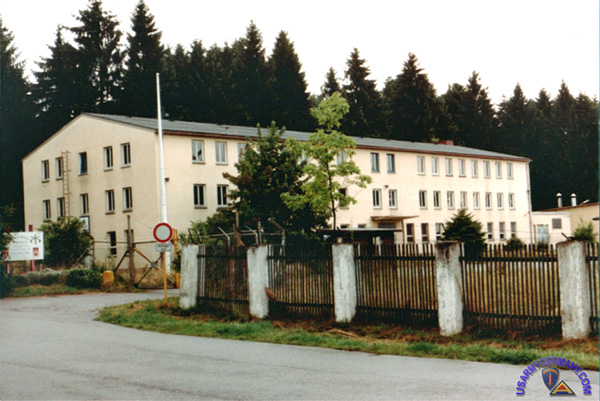 Administrative Building, Delta Battery, Pforzheim (1986) |
||||||||||||||||||||||||||||||||||||||||||||||||
| 1969 | ||||||||||||||||||||||||||||||||||||||||||||||||
| (Source: Email from Larry Bible) | ||||||||||||||||||||||||||||||||||||||||||||||||
| I not only was in D 3/71, but I was also in A 6th/59th. I have found considerable Nike Herc info and information regarding Herc on the internet but very little about Hawk or Hawk units. If you know of any please let me know.
I will try to offer some details here. I arrived at D Battery barracks on the Friday before the Memorial Day weekend 1969 after successfully completing 24U20 training in class Nike Hercules Missile Mechanic training class 4-69 at Fort Bliss Texas. I can give many details about my service there as well as names of many of the people I served with there. The IFC area was at Wurmburg and the Missile area was across the autobahn to the West a couple of kilometers away. The Missile area was surrounded by a game area controlled by the local Jeagermeister. The barracks were several kilometers to the southwest of the Launcher Area. I worked for and with some very good people there whose names and even how to contact a few of them I can offer. In 2000 through 2002 I did extensive business travel in Europe and went back to the barracks, IFC area and as close as I could get to the launcher area. The IFC area is now a small Industrial complex with a business that refurbishes and sells LandRover vehicles. The launcher area is now fenced off with a sign indicating that the area is a municipal project. The barracks are still standing but in a very run down state with many broken windows, weeds grown up and the like. In June or July of 1970 I was sent to a Hawk site, A 6/59 at Fliegerhorst at Hanau. Fliegerhorst was a very interesting Kaserne due to its WWII significance. It had been built by Hitler as an airfield. The barracks were arranged and built to look like a village and the air strip was built so that it could be flooded with a few inches of water to appear as a lake when flown over during the daytime. I OJT'd into a 24F20 Fire Control Repair MOS in the Hawk system and retained my 24U20 as a secondary MOS. Where our Hawk unit was located on the NE corner of the Kaserne and airfield now appears to be an ammo dump of some sort and has Marine signs around it. Something super secret is going on in Fliegerhorst so they would not let me in under any circumstances. This is a thumbnail sketch. |
||||||||||||||||||||||||||||||||||||||||||||||||
| 1981 | ||||||||||||||||||||||||||||||||||||||||||||||||
| (Source: Email from Greg Mosholder, D Btry, 3/71st ADA, 1981-85) | ||||||||||||||||||||||||||||||||||||||||||||||||
| I was stationed at D 3/71 ADA from 1981 to 1985. I lived in the barracks bldg shown in the posted pictures (Marco A.'s photos below). How sad to see it in this condtion. From watching a video posted on YouTube, I learned that the entire US portion of the Buckenberg Kaserne was torn down!!! So now these historical bldgs no longer exist. I don't know if the French part was also torn down or if it is still standing. | ||||||||||||||||||||||||||||||||||||||||||||||||
| (Photo above) The admin building was located on the west side of the Buckenberg Kaserne which was under French control since the end of WWII. Before that, it was a Wehrmacht Kaserne. I think that it dated back to the early 1900's-WWI era. I don't know when the Admin building was built, but I guess 1957 as this was the year that the Nike base was established. The area across the street from the Admin area was used by the French for driver training. It was originally an air strip for the Luftwaffe in WWII. The Admin Building served as billets, messhall, Orderly Room and unit club. The Orderly room, mess hall and unit club were located on the first floor. The club was on the east end of the building(the end of the building on the left of the picture) The club contained a bar, several booths and two pinball machines, a Pac Man machine and a Centipede machine another video game who's name I can't remember as well as a Juke Box. The Orderly room and offices occupied the middle portion and the mess hall was on the other(west) end. The second floor contained the supply room, movie/TV room, dayroom and billets for the 16C Radar and other IFC soldiers. The third floor was all billets with the MP's on the east end of the building and the 16B's Nike Crewmen were on the west end. There were latrines on all floors and showers on the 2d and 3d floors. As I remember, the female soldiers were billeted in their own area on the first floor. They had rooms with their own showers.(not sure of them being on the first floor though). The movie/TV room had a 16mm movie projector that had to be operated by a licensed operator. We got movies sent to the unit from the MWR office located in Coffee Barracks near Stuttgart. The licensed operator was SGT Aguirre, I believe. We called it a movie/TV room and there was a TV there, but there was no TV as we didn't have AFN reception at the Admin area. The housing area in Kieselbronn had AFN reception. There may have been a Beta Max or VHS machine though. There was also a motor pool building, POL point/fueling station located along the fence on the north side of the compound. At the admin site as well as a steam boiler plant for hot water and steam heat. A basketball/tennis court was located at the rear (west) end of the compound. In 1983 a relocatable two story barracks was constructed at the rear of the Admin area. This building was later relocated to an engineer kaserne near the Rhine River west of Landau after the unit closed in 1985. In General, each room housed 4 soldiers. There were a couple of rooms that could house 6-8 soldiers. With the exception of the female rooms, the latrines on each floor were common latrines for the male soldiers. There was also a laundry room on the 2d and 3d floors with one washer and dryer each. |
||||||||||||||||||||||||||||||||||||||||||||||||
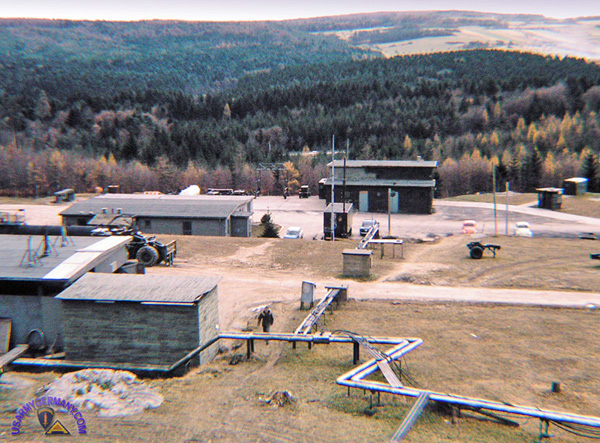 LA area, Delta Battery, Wurmberg (early 1970s) |
||||||||||||||||||||||||||||||||||||||||||||||||
| (Photo above) The buildings on the left in the Launcher Area photo are the ready building and the generator building. The building to the right of the assembly building is the warhead building. The ready building was were the launcher crewmembers and MP's stayed when they were off duty. There were bunks, small kitchen, latrine and arms room located in this building. The food for the on duty crews was ferried out to the launcher area from the messhall in the Admin area. This was done using the duty runner who drove an M151A1 (Ford) jeep. The food was packed in Mermalite containers. The generator building housed a steam plant for heat/hot water, a 60kw diesel generator, converters to convert civilian German power to Nike power requirements and switching gear to switch from German to 60 kw generator power and visa versa. Also, there was a small workshop and parts room for the generator crew. The pipes in the picture are steam heat pipes used to heat the missile storage barns. They were also used to support the commo and missile data cables for each launch section. The van in the middle of the picture is the LCT (Launch Control Trailer). It was used in the missile launch sequence and it could be used to launch a missile if the IFC to launcher area cable was put out of action. | ||||||||||||||||||||||||||||||||||||||||||||||||
|
||||||||||||||||||||||||||||||||||||||||||||||||
|
||||||||||||||||||||||||||||||||||||||||||||||||
 Main gate and Ready Building at IFC |
||||||||||||||||||||||||||||||||||||||||||||||||
| (Source: Email from Steven Swift) | ||||||||||||||||||||||||||||||||||||||||||||||||
| I was at D 3/71 from early 1981 to Oct 1982. I just got back from my parents house and I scanned some pictures. Some were from the radar site and maybe one from the launch area. If you want them, I can send them to you so you can post them. | ||||||||||||||||||||||||||||||||||||||||||||||||
|
||||||||||||||||||||||||||||||||||||||||||||||||
| (Source: Email from Marco A., Germany) | ||||||||||||||||||||||||||||||||||||||||||||||||
| Buckenberg Kaserne, located in the southern part of Pforzheim, was an old Wehrmacht barracks occupied by French Forces after the end of the war. It is not clear at what point, but eventually a section of the barracks was used to house Battery "D" of 3rd Bn, 71st ADA. Single soldiers were billeted in barracks in the US-section of the post while accompanied married personnel were housed at a US housing area in Kieselbronn. The Battery's Launch Area was located at Wurmberg (known as "Hagenschießwald" to the Germans) and the IFC somewhat east of that. Marco A. is a German Army Reserve Officer who is collecting historical information on the military installations in and around Pforzheim. Both he and I would be very interested in corresponding with any former member of "D" Battery or any other US Army or Air Force personnel stationed in and around Pforzheim to gather more information on this subject. Please contact me  if you have information or want to know more about this project. if you have information or want to know more about this project. |
||||||||||||||||||||||||||||||||||||||||||||||||
|
||||||||||||||||||||||||||||||||||||||||||||||||
| (Source: Email from Dave Zigler, DSP 3rd Bn, 71st ADA) | ||||||||||||||||||||||||||||||||||||||||||||||||
| You have the
DSP located on Karls Kaserne - I was assigned to the DSP 3/71, 1973-1977.
In 1973 the DSP was in Karlsruhe, Gerzewski Barracks, we moved to
Ludwigsburg, Flak Kaserne
in late 1973, early 1974 and that is where the DSP was when I left
in 1977. In 1973-1977, the Battalion Operations Center (BOC) was co-located with B 3/71 ADA at Grosssachenheim. Karls Kaserne was a very small Kaserne in Ludwigsburg, there was a DOD-EUR Elementary School there, our daughter went to kindergarten and first grade there. |
||||||||||||||||||||||||||||||||||||||||||||||||
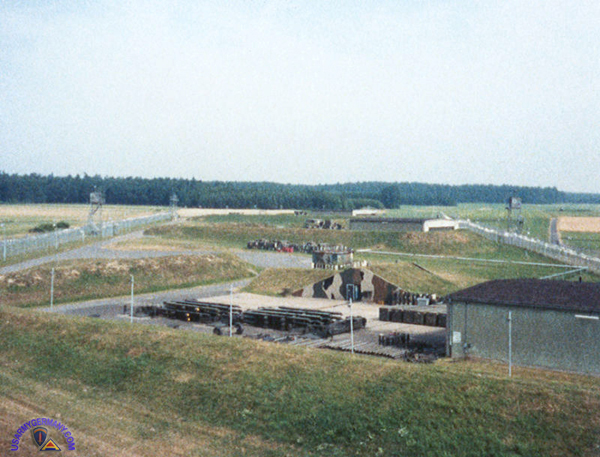 The NIKE-HERC site as seen from "Alpha" Tower, 1983 |
||||||||||||||||||||||||||||||||||||||||||||||||
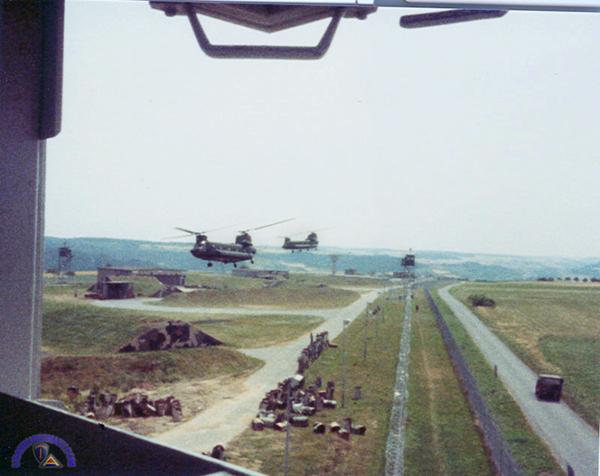 Chinooks fly in to C Battery, Hardheim, to remove nuclear warheads, 1983 |
||||||||||||||||||||||||||||||||||||||||||||||||
| 1983 | ||||||||||||||||||||||||||||||||||||||||||||||||
| (Source: David Buckley photo album, "d652ada" Yahoo Groups page) | ||||||||||||||||||||||||||||||||||||||||||||||||
|
||||||||||||||||||||||||||||||||||||||||||||||||
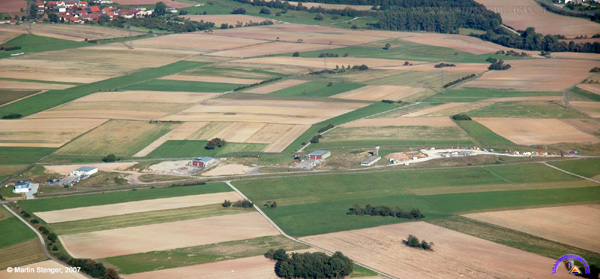 Great aerial photo of the former C Battery site, 2007 (Martin Stenger, Germany) |
||||||||||||||||||||||||||||||||||||||||||||||||
|
||||||||||||||||||||||||||||||||||||||||||||||||
|
|
||||||||||||||||||||||||||||||||||||||||||||||||
| EARLY NIKE UNIT PATCHES - 1950s | ||||||||||||||||||||||||||||||||||||||||||||||||
|
||||||||||||||||||||||||||||||||||||||||||||||||
|
||||||||||||||||||||||||||||||||||||||||||||||||
|
|
||||||||||||||||||||||||||||||||||||||||||||||||
| Related Links: | ||||||||||||||||||||||||||||||||||||||||||||||||
  Charlie Battery, 3rd Missile Battalion, 71st Artillery website |
||||||||||||||||||||||||||||||||||||||||||||||||
|
||||||||||||||||||||||||||||||||||||||||||||||||
  Rolf's Nike Pages website |
||||||||||||||||||||||||||||||||||||||||||||||||
|
||||||||||||||||||||||||||||||||||||||||||||||||
| 6th Battalion, 3rd ADA (PATRIOT) / 1st Battalion, 7th ADA (PATRIOT) | ||||||||||||||||||||||||||||||||||||||||||||||||
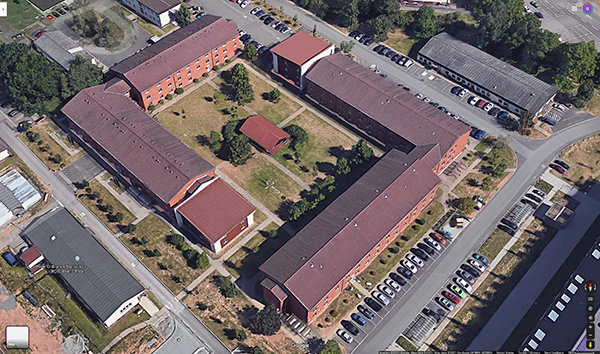 Former 1/7 ADA billets at Rhine Ordnance Barracks, Kaiserslautern (Google) |
||||||||||||||||||||||||||||||||||||||||||||||||
| 6th Battalion, 3rd Air Defense Battalion (PATRIOT) | ||||||||||||||||||||||||||||||||||||||||||||||||
| 1st Battalion, 7th Air Defense Battalion (PATRIOT) | ||||||||||||||||||||||||||||||||||||||||||||||||
| 1988 | ||||||||||||||||||||||||||||||||||||||||||||||||
| (Source: 7th Air Defense Artillery Regiment Page, Wikipedia - accessed on 5/10/2021) | ||||||||||||||||||||||||||||||||||||||||||||||||
| 1st Battalion, 7th Air Defense Artillery was activated on 13 September 1972 at Fort Bliss, Texas and was inactivated there on 16 June 1987. On 16 December 1988, 6th Bn, 3rd ADA (PATRIOT) at Rhine Ordnance Barracks, Kaiserslautern, Germany was reflagged as 1st Battalion, 7th Air Defense Artillery (PATRIOT) with no change in station. |
||||||||||||||||||||||||||||||||||||||||||||||||
| 1992 | ||||||||||||||||||||||||||||||||||||||||||||||||
| (Source: Email from Martin Newville) | ||||||||||||||||||||||||||||||||||||||||||||||||
| I served in 32d AADCOM from 1992 until it deactivated while I was stationed in Kaiserslautern with 1st BN 7th ADA (PATRIOT) until Feb 1995. The 1/7 fell under 94th ADA BDE. I returned to Hanau Germany in 1997 to 2000 with 5th BN 7TH ADA (PATRIOT) During my 3 years in 1/7 ADA, as a 24T – PATRIOT Systems Operator/Mechanic, I was stationed @ Rhine Ordnance Barracks (ROB) across the A6 from Kaiserslautern and the shopping and housing complex. I was in Headquarters and Headquarters Battery. The Battalion did numerous last minute deployments to support the global mission in both Kuwait and Saudi Arabia. Prior to my departure, we had also planned on deployment to Bosnia, but due to the terrain there, PATRIOT would not have been effective. In 1994, 32AADCOM, which at the time was under the command of BG Joseph Garrett III, whom I had worked for in the past while stationed at a different assignment, participated in the 50th anniversary events of World War II in Normandy, Bastogne, and Marseille. Many of my fellow soldiers were fortunate to go and meet, most importantly, the Veterans who had been there during those battles 50 years prior. We also met with high ranking officials to include then President & Mrs. Clinton. If I recall, it was shortly after this and prior to my move to White Sands Missile Range when 32AADCOM deactivated. From what I have followed up with, the colors were relocated to Ft. Bliss, Texas and reactivated with the addition of the THAAD system. The command made numerous world wide deployments of both PATRIOT & THAAD. I know we sent one Firing Battery to Ft. Lewis, WA, now Joint Base Lewis/McCord outside of Tacoma. Also, when I went back to Germany in 1997, 1/7 ADA was in the process or had already left K-Town for Ft. Bliss. 1/7 ADA is now stationed @ Ft. Bragg as my oldest nephew had been assigned to that battalion prior to deciding to depart the Army. |
||||||||||||||||||||||||||||||||||||||||||||||||
| Related Links: | ||||||||||||||||||||||||||||||||||||||||||||||||
|
||||||||||||||||||||||||||||||||||||||||||||||||
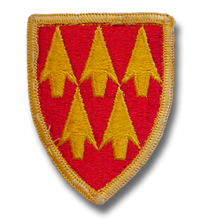

 3rd BN 71st ADA with units at Dallau, Hardheim, Pforzheim, Grossachsenheim - all in Baden Württemberg;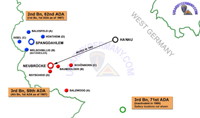
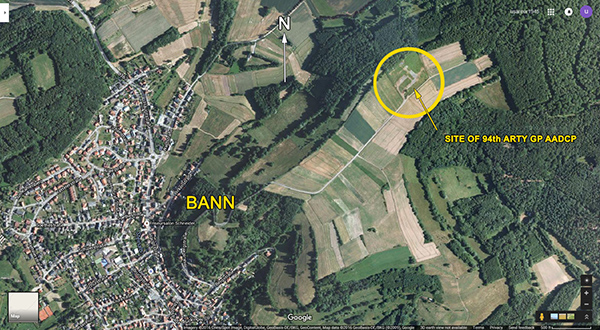
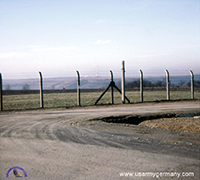
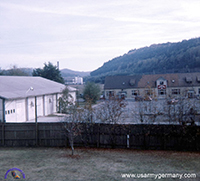
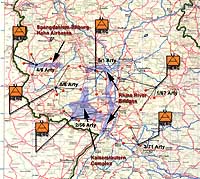
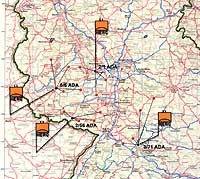

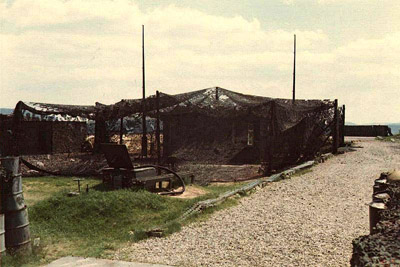
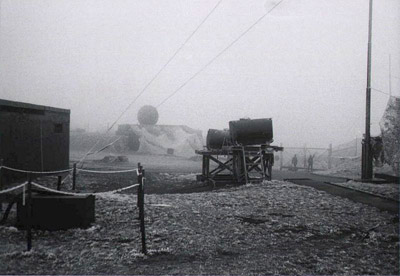
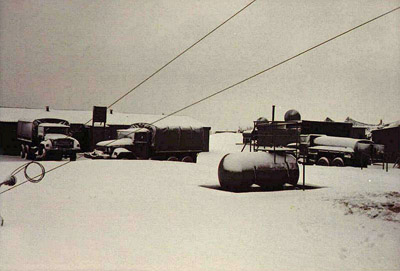

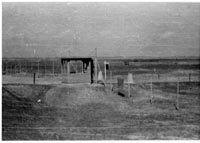
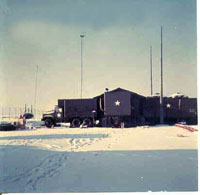
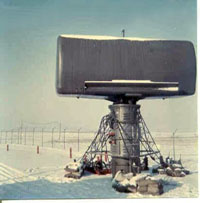


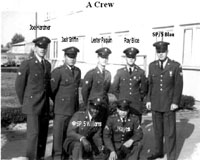

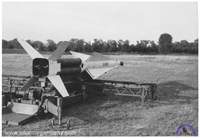
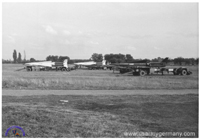
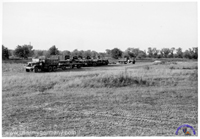
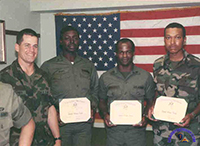
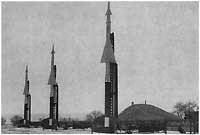
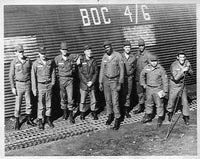
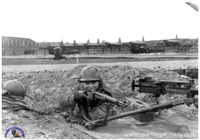
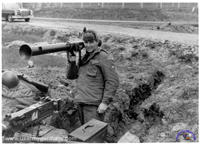
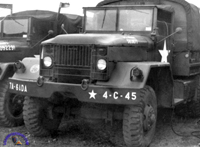
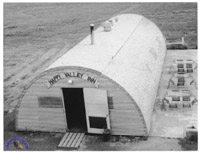
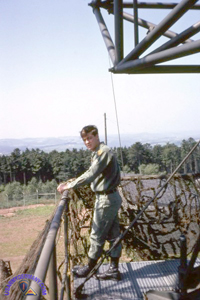
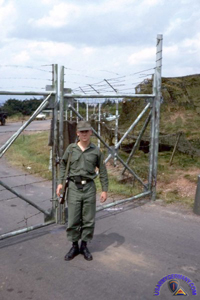
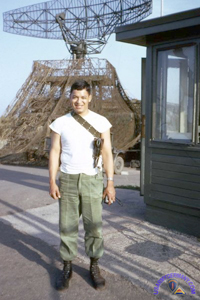
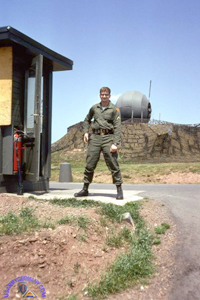
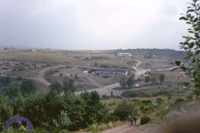

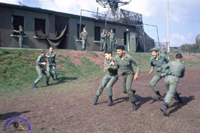
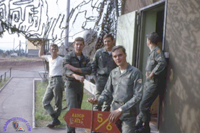
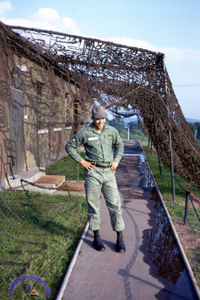
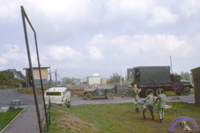
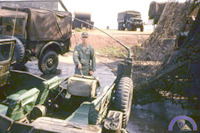
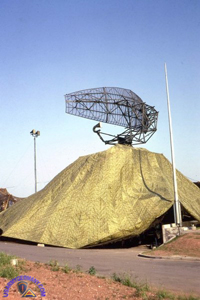
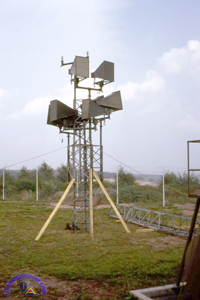
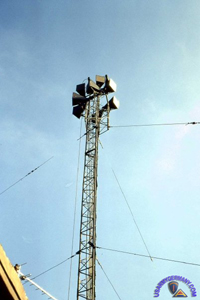
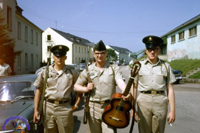
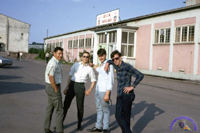
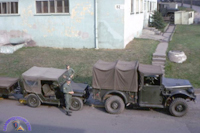
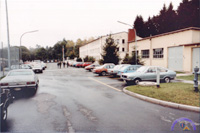
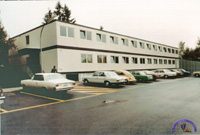
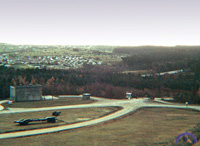
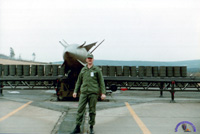
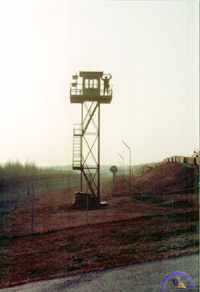
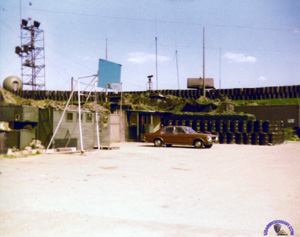
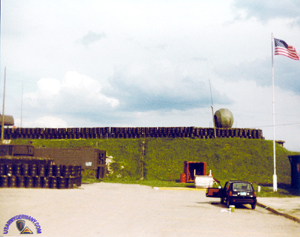
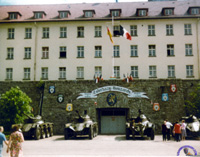
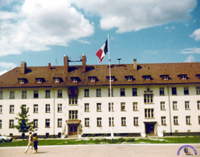
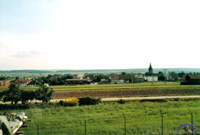
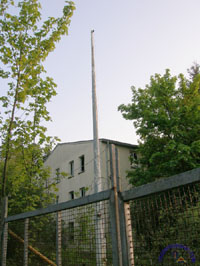
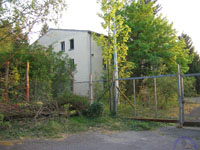
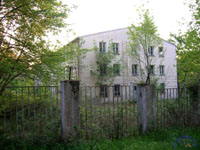

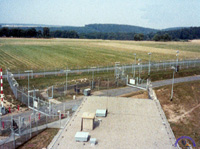
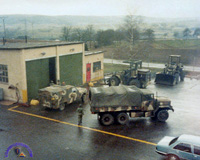
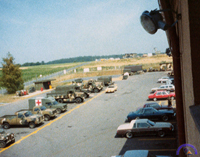


 - a website for soldiers, family members and friends who served at Delta Battery and its predecssor, D Btry, 5th Bn, 1st Arty.