| If you do
NOT see the Table of Contents frame to the left of this page, then
Click here to open 'USArmyGermany' frameset |
|||||||||||||||||||||||||||
|
26th Support Group |
|||||||||||||||||||||||||||
|
|
|||||||||||||||||||||||||||
|
|||||||||||||||||||||||||||
|
|
|||||||||||||||||||||||||||
| Special Troops, HQ USAREUR History | |||||||||||||||||||||||||||
1954 |
|||||||||||||||||||||||||||
(Source: Annual Historical Report, USAREUR, 1954-55) |
|||||||||||||||||||||||||||
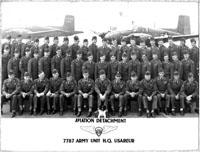
| Special Troops, Headquarters, USAREUR This command continued to perform its mission of furnishing enlisted personnel, and providing security, transportation, supplies, utilities and various services for USAREUR headquarters, and of administering and training all personnel assigned to Special Troops. The following units, aggregating approximately 1,400 men, were assigned to Special Troops during the period (1954-1955):   519th Transportation Car Company 529th Military Police Company 33rd Army Band 9th Military History Detachment 10th Military History Detachment 11th Military History Detachment 11th Finance Disbursement Section 7787 Army Unit, Aviation Detachment 176th Engineer Platoon (Service)
Headquarters and Headquarters Company, Special Troops, Headquarters, USAREUR, 7888 Army Unit 519th Transportation Car Company 529th Military Police Company 33rd Army Band 9th Military History Detachment 10th Military History Detachment 11th Military History Detachment 11th Finance Disbursement Section 7787 Army Unit, Aviation Detachment 176th Engineer Platoon (Service)
Headquarters and Headquarters Company, Special Troops, Headquarters, USAREUR, 7888 Army UnitThere was no change in these assigned units except for the 176th Engineer Platoon, which was newly assigned during December 1954. In addition to these units, there were about 10 small units that were attached only, and for which Special Troops had no adminsitrative responsibility. |
|||||||||||||||||||||||||||
| (Source: STARS & STRIPES, September 7, 1954) | |||||||||||||||||||||||||||
| Special Troops, Hq USAREUR is located at Patton Barracks, Heidelberg. Special Troops is tasked with providing administrative and housekeeping personnel for USAREUR headquarters. |
|||||||||||||||||||||||||||
| ORGANIZATION (1954): | |||||||||||||||||||||||||||
|
|||||||||||||||||||||||||||
| 519th Trans Co (Car) -- this unit provides drivers and services passenger vehicles for HQ USAREUR and Patton Barracks. 33rd Army Band -- plays at USAREUR parades and ceremonies as well as gives concerts in the Headquarters Area Command area. 7787 AU -- this unit is the Army aviation unit that supports HQ USAREUR and is located at the Heidelberg airfield. The unit includes officer pilots, mechanics, maintenenace and supply, as well as operations personnel. There are 11 pilots assigned. Aircraft includes: 12 passenger planes (ranging from L23s to L17s); and two helicopters. Det 9 (Heidelberg) of the Air Force's 31st Weather Sq provides weather data for the aviation activities at the airfield. 7888 AU -- all enlisted personnel (men and women) working for the various staff sections of HQ USAREUR are assigned to this unit. The 7888 consisted of a Hq Co and four detachments (A thru D). Hq Co administered the 7888 as well as all of Special Troops. All of the WACs were assigned to D Det. |
|||||||||||||||||||||||||||
| 1955 | |||||||||||||||||||||||||||
| (Source: Email from Norman McCracken, 7888 AU, 1955-1956) | |||||||||||||||||||||||||||
| I
stumbled on your website while looking for a site mentioning the APO 403, used
for mail to 7888 th AU, the thrown-together TD unit to which I was
assigned while assigned to the AGC in Heidelberg.
Units like the 7888 had little cohesive spirit since everyone worked at many
different branches all over the headquarters and surrounding areas. I learned a lot more about USAREUR from your website than from my having been working at the headquarters in the classified mail unit. I am unsure what, if anything, I could contribute to the site. I visited Heidelberg in June 2001, for the first time in Germany since I returned home in August 1956. At Campbell Barracks the guards were German hired hands who, after I showed them my passport and said I had lived there years ago, allowed me to briefly walk beyond the gate and take a couple photos. However, at Patton Barracks, when I tried to take a video of the sign outside the gate, an MP stopped me and said not even the sign could be photographed! I was certainly disappointed. 7888 AU, Hq Special Troops, Hq USAREUR, Feb. 1955-Aug. 1956 As a draftee 21 years old with physical limitations in eyes and feet, I didn’t make the Infantry — thank goodness — so I went through clerks’ school at Fort Ord, Calif. and managed by what has to be luck, to get an assignment in Europe with just three other graduates, though most of my clerks’ schoolmates went to many other places like Panama and Georgia (none went to Korea as far as I can remember). From Camp Kilmer , N. J. on the troopship USNS Gen. Maurice Rose, built after WII and named for a brigadier general killed with about 100 other soldiers in a massacre at Malmedy, France in Dec. 1944, I sailed from New York for Europe in mid winter, Feb. 1955. Never having been at sea before, this was an experience never to be forgotten. There were family members on the ship in comfortable quarters. On board also was a group of USAF enlisted ranks who were mighty upset at having to travel by sea rather than flying to Europe. After only eleven days at sea, including fresh-water showers and three meals a day (older ships took longer, had salt water showers and served only two meals a day) and an experiment with seasickness medicines in which I participated and avoided any shipboard duty in exchange for arising early to pass out pills, we arrived in Bremerhaven, were packed into a train and sent off to the replacement depot at Zweibrucken. At the PX I bought a German-made Kodak 35mm camera, and began taking pictures with Kodachrome film with a speed of ASA 10. Color film today is the equivalent of ASA 600 or higher. At Zweibrucken, I lost my French interpreter MOS, given to me for having taken four years of French in school, and became a Clerk-Typist assigned to the 7888 AU, Hq Special Troops, Hq USAREUR, Heidelberg. This was what was and I assume still is called a Table of Distribution and Allowances unit, a bunch of guys thrown together for rations and quarters. I think there were more E-8’s (master sergeant or, after their creation in July 1955, master specialist rank) in this unit than anywhere else in the Army. Our billet was at Patton Barracks, solidly built in or around the 1930’s to house German army troops. Lower ranks lived about 20 or so in a big room. I was assigned to the classified mail unit at headquarters in Campbell Barracks under CWO William Ryerson, who had been a major during WWII. I just remembered his name after all those years! In this unit we received and dispatched all classified mail except for Top Secret, which was transported by armed courier. The rest was sent via U. S. Mail, using postage stamps via the Post Office. I also had the duty of hand-delivering classified documents to the various branches at headquarters. I never did know why we used stamps instead of some form of government prepaid postage. At times we used stamps as small as $.05 denomination, plastered all over the envelopes and packages. Being in a TD unit meant that we had disparate duties; we had little in common. There were several units including a transportation company and an MP company that traveled the autobahn. I can’t remember doing any activity in as a unit other than the regular meeting with a chaplain, not even when an “alert” was called in the middle of the night, and everyone reported to the office in which they worked and, in our office, packing up files equipped with padlocks, loading them on trucks, then moving into the countryside without any breakfast to wait several hours for the all-clear. I always remember the time when, after waiting somewhere in the countryside and being hungry, a sergeant broke open a case of K-rations made in 1951 and we ate the chocolate, dried up and whitish, but couldn’t smoke the dried-out cigarettes. (When an officer discovered the opened K-ration box, he was enraged and I was sure he would have disciplined us Pfc’s if the sergeant hadn’t been the instigator). The story often told was, if you wanted to know when the next alert was to be called, ask in the local bierstube, they always knew. We were supposed to have cal. 30 M-1 carbines but they were in short supply and we had M-1 rifles, the so-named U. S. Rifle, Cal. 30, M-1 or Garand of WWII fame. I’m sure that it was because none had firing pins, since they were kept separately stored from the rifles themselves. At the twice-yearly range proficiency, the firing pins were put in and at least a third of these rifles, of WWII and Korean-era vintage, were inoperative. Remember, in 1955 virtually every type of equipment as well as our uniforms were first issued during WWII. By 1955 troops were permitted to possess civilian clothes. Indeed, wearing a uniform off post was discouraged unless on duty. We wore civvies to go to downtown Heidelberg, eat at the Roter Ochsen (Red Ox of “Student Prince” fame), enjoy a steak Chateubriand dinner for two for the equivalent of about $2.00 each, walk along the Philosophenweg on the north side of the Neckar river or go elsewhere. Part of the 7888 AU was a WAC detachment, which also ran the mess hall. The food was distinctly better than the usual Army chow since the mess sergeant was a WAC and women mostly did the cooking. In those days we paid civilians out of our pay, to do the KP and so we never had to pull that duty, and we ate from dishes, not metal trays. Guard duty fell about twice a year to some of us Pfc’s and lower ranks when the MP company had a big party and got roaring drunk, leaving us to guard the entrances to the kaserne, with unloaded rifles and no ammunition. What a joke! In late 1955 I bought a new VW Beetle, the first legally made for the U. S. market, for about $1,200 in marks. The car sold for around $1,800 stateside. In that car, with three roommates, we traveled in the dead of winter through southern France and Spain, with a rack on top for luggage and carrying a five-gallon jerrycan of gas in case we couldn’t find a station before running out of fuel. In those days a VW had no gas gauge; instead it had a four liter reserve tank, flipping a lever to let this fuel into the regular tank. If you forgot to reset the lever when filling the tank, it was possible — and once it happened — to run completely out of gas, which, at the Quartermaster stations, cost $.14 a gallon. I also drove to Berlin in wintertime, which, as it turned out, was not really advisable. The only road open to Berlin was controlled by the East Germans and Russians and was in terrible condition. Speed was limited to about 45 mph in most places, even less in others such as bridges which looked like WWII leftovers. Returning from Berlin, we missed a turn and went down what after about an hour we determined was the wrong way. A pair of East German police stopped us. Pointing at our map, we asked, “Marienborn?” (the terminus in East Germany , also called Helmstedt in the west). The cops replied, “Nein, Leipzig ,” and we immediately turned around and went the opposite direction. As I drove I hit a patch of glare ice and skidded off the road surface into the ditch, scaring me but causing no harm. My travel companion took over the wheel. We managed to arrive at Helmstedt four minutes after the three-hour period allowed for transit before the MP’s set out to find us. I never managed to bring the VW home, having an accident in August 1956 en route to Bremerhaven to ship it, eventually to California. The bright side of this, if there was one, was being able to travel home via air instead of ship because of injuries in the accident and clearing up the insurance claim resulting from the accident. I have always said, the military is wonderful institution. But I wouldn’t like to spend my life in an institution. |
|||||||||||||||||||||||||||
| AVIATION DETACHMENT, 7787 ARMY UNIT, HQ USAREUR | |||||||||||||||||||||||||||
| (Source: author's collection) | |||||||||||||||||||||||||||
|
|||||||||||||||||||||||||||
 |
|||||||||||||||||||||||||||
| 26th Support Group History | |||||||||||||||||||||||||||
| 19.. - present | |||||||||||||||||||||||||||
| (Source: Herald-Post, March 21, 1985) | |||||||||||||||||||||||||||
| WINTEX challenges soldiers "The 26th Support Group soldiers were doing what they're trained to do during WINTEX, the recent command post exercise," plans officer Maj. Chris Clarke said. The result of that training is the soldier's ability to support the USAREUR staff mission, both in garrison and in the field, during peacetime and in the event of conflict. Some Support Group and soldiers from other major commands moved out to the two primary field locations during the latter part of February in advance of the main body, which arrived the first week of March. In Landau, the main site that Company A, 26th Support Group commanded, the advance party members had to orient themselves to the new location, organize the billeting and work areas, and rearrange the French Army's buildings to accommodate the staff's needs. Those efforts allowed the main body to move right in and continue with daily European theater operations. The advance party soldiers in the rear site, Muenchweiler, under the command of Headquarters and Headquarters Company, 26th Support Group, prepared their support base, with the inclusion of "tent city." These soldiers had it a little rougher than their main site counterparts because they lived and worked in fest tents instead of barracks buildings. CSM Harold McGaugh, Support Battalion (Provisional) said, "The CPX, aside from the USAREUR staff mission, was a challenge for our soldiers. It was a test of their caliber, especially the first few days out there." He explained saying, "Soldiers were doing other duties besides their MOS's (military occupational specialties) which consisted of details. Clerks, military police and truck drivers picked up brooms, set up tents, moved tables, and did the general cleaning and scrubbing needed for good living conditions." What did these soldiers, many of whom hardly go to the field, think of that? "There was a little moaning and groaning from a few of the soldiers," McGaugh said, "but that doesn't bother me. I wouldn't know how my soldiers feel if they didn't tell me. But overall, these soldiers are the best I've ever seen and this exercise helped them become more well-rounded in soldiering. Their attitude, willingness to work and response to the duties they're assigned, and were assigned during the exercise, received many positive comments from the USAREUR staff." When soldiers deploy to the field, the ones who remain in garrison don't "get over," said PFC James Malcolm, of 503rd Transportation Company. There are still duties and details that have to be done. "Since half of our guys (from the unit) support the field, the soldiers in garrison have twice the workload. For instance, some of our duties are transporting rations to the dining facility from the warehouse in Mannheim, and moving supplies, and trash. We move everything and everybody." SSgt. Alfonza Williams, assistant operations sergeant said, "The transportation support to the rear and main sites can be trying. We never know when we'll have to relocate USAREUR during the exercise." SSgt. Terry Quall, a transportation coordinator for the exercise, said, "Our support requirement is to move each staff agency in USAREUR to a different location if there ever is a transition from peacetime to war. These various training exercises let us know what is needed to move each staff agency." Clarke said that in addition to transportation support, the 26th Support Group provided housing, food service, supplies, generators for electricity, construction, security and morale support and other assistance. |
|||||||||||||||||||||||||||
| (Source: Herald-Post, April 18, 1985) | |||||||||||||||||||||||||||
| HHC USAREUR and 7th Army new unit in Heidelberg As the Heidelberg Herald-Post went to press, a unit redesignation and change of command ceremony was scheduled for April 15 at Campbell Barracks. Maj. Hugh F.T. Hoffman III, who was the installation coordinator at Campbell and who is the deputy USAREUR headquarters commandant, will assume command of Headquarters and Headquarters Company, USAREUR and 7th Army (Provisional) from Capt. Steve A. Bedding, who was the Company A, 26th Support Group commander at Patron Barracks. "The changeover is an idea that has been bantered around for quite awhile," said Maj. Chris Clarke, the 26th Support Group plans officer. "The offices will be nearer to the people they serve. The orderly room, supply, training and NBC (nuclear, biological and chemical) rooms will be colocated with the soldiers near their work offices, instead of on Patton Barracks." Billeted soldiers will still reside on Patton. The Headquarters and Headquarters Company mission, like the deactivated company's is to provide command and control, training support and personnel service to Headquarters USAREUR. "The Support Group's personnel actions staff is providing the redesignated administration people with information on how to set up a personnel actions center" said SEC Johnny Graham, assistant personnel staff NCO at the 26th Support Group. "Before, every USAREUR staff element handled personnel actions for its own people. Soldier's administrative actions had to go through their office's officer in charge, then the Company A orderly room and finally the 26th Support Group or battalion personnel actions center. Now, the personnel actions will all go through a centralized PAC at HHC, USAREUR and 7th Army (Prov.), which will provide a more timely and consistent paperwork flow." Some actions requiring additional processing will still be sent to the Support Group. In addition, HHC will handle the directorates' organizational equipment (war equipment) through its own property book office instead o! through the Consolidated Installation Property Book Office. The purpose of this is to make them more combat ready. The changeover will take several months. "There will be a transition period to gradually take over the administrative and logistical actions from the directorates, selecting each or some directorates at a time. By Oct. 1, HHC USAREUR and 7th Army (Prov.) should be able to handle all of those actions," Clarke said. "Where Company A was like a liaison between the USAREUR staff and the 26th Support Group, HHC USAREUR and 7th Army (Prov.) will be more directly involved with the paperwork flow aspect of providing support to the troops in USAREUR," Graham said. Before the changeover, enlisted soldiers assigned to USAREUR directorate staffs were attached to Company A on Patron Barracks for billeting, housing, rations, training and legal actions. Officers were assigned to Headquarters USAREUR. More than a dozen cadre were "permanent party" or assigned to Company A. Assigned enlisted soldiers as well as officers to Headquarters USAREUR will be attached to HHC USAREUR and 7th Army (Prov.) for those administrative actions, making the headquarters company one o! the largest in the Army, officials say. |
|||||||||||||||||||||||||||
| (Source: Herald-Post, Aug 24, 1989) | |||||||||||||||||||||||||||
| The Commander, 26th Support Group also serves as Deputy Community Commander of the Heidelberg Military Community. | |||||||||||||||||||||||||||
|
|
|||||||||||||||||||||||||||
| Support Battalion | |||||||||||||||||||||||||||
| The wartime mission of the Support Battalion (Prov) is to support Headquarters US Army, Europe at its tactical sites (Main and Rear?). | |||||||||||||||||||||||||||
| (Source: Herald-Post, Jan 28, 1983) | |||||||||||||||||||||||||||
| ORGANIZATION (Jan 1983) (1): | |||||||||||||||||||||||||||
|
|||||||||||||||||||||||||||
| (1) It is possible that the 4022nd Civilian Support Group was also attached to the Spt Bn. | |||||||||||||||||||||||||||
| (Source: Herald-Post, Jan 23, 1986) | |||||||||||||||||||||||||||
| The 500th Engineer Detachment was inactivated on Jan 16, 1986. | |||||||||||||||||||||||||||
| (Source: Herald-Post, June 8, 1989) | |||||||||||||||||||||||||||
| ORGANIZATION (June 1989): | |||||||||||||||||||||||||||
|
|||||||||||||||||||||||||||
|
|||||||||||||||||||||||||||
| 519th Transportation Company (Car) | |||||||||||||||||||||||||||
| 1963 | |||||||||||||||||||||||||||
| (Source: Email from Larry Ziman, 519th Trans Co - 529th MP Co - 176th Engr Spt Co) | |||||||||||||||||||||||||||
| First off, I want to thank Walter for making this website available for us to express our thoughts. As many of us who are old enough to remember the draft, getting a job after high school was just short of impossible. I had plans to put it off until I was drafted, however my father used a little reverse Psycology on me by claiming I wasn't man enough to cut it in the Military. Well, that was the straw that broke the camels back and I enlisted within a week. Arriving in Ft Leonard Wood in late November1962 was both tough and rewarding. This was still the old style barracks where Elvis went through just 18 months earlier. My training unit was A-1-3 just west of Garrison parade field. After basic and AIT I was flown to Ft. Di,x New Jersey where I spent a month awaiting orders for overseas deployment. I was told each week, if my name was not on the transport list I would be in the running to fly over instead of a troop ship. The Gods were watching over me as I made a list of only 14 to fly over out of 650 + men. My orders were for Baumholder, Germany however after a short stay in Frankfurt my orders were changed to Heidelberg, assigned to the 519th transportation (Car). This could have only been divine intervention to start out in the worst of assignments with staying in the field for 6 months at a time, to one of the best duty stations in Europe. What a great outfit to be in with a class A pass after your first month on duty. I was able to buy my first car a 1957 VW Beetle and getting around became a lot easier. My MOS was frozen so I had a chance to transfer to the 529th MP Company and SP/4 followed. After getting into a little trouble with a bar fight at Brunos I was given an article 15 and upon completing 14-2 I opted to transfer to the 176th Engineer Support Company where I gained the experience at driving large trucks and applying that experience to my livelihood after getting out of the militartary in Nov of 1965. The only things I wish I had done looking back was take many more pictures and addresses of buddies from long ago. All freedom was won on the battlefield! |
|||||||||||||||||||||||||||
| 1972 | |||||||||||||||||||||||||||
| (Source: Email from Rodney J. Johnson) | |||||||||||||||||||||||||||
| I'll start with just the facts. Basic at Fort Knox, AIT at Fort Dix (truck driving school). Then sent to the 519th Transportation Company (Car) based at Patton Barracks, Heidelberg from March 1972 to October 1974. I was assigned to staff car HQ-83, a 1968 Rambler Ambassador -- OD green, 3 on the tree, vacuum wipers, 6 cylinder, totally insufficient heater, rubber flooring, no a/c. The lower the vehicle number the higher ranking folks you drove. My first posting was to post engineers. I messengered stuff to a kaserne in Stuttgart frequently and once in a while took a sergeant there for meetings. I was with them for about 6 months, then I was withdrawn for being under-utilized. I was then assigned to the motor pool as an on-call driver for a while. This included the "film run" which involved going to the CINC's house, picking up cans of movies which he had viewed (he censored them; if he didn't think it was anti-commie, was pornographic, pro-army, pro-u.s., and a whole bunch of other criteria then it wasn't shown in Heidelberg), taking them to the IG Farben Bldg in Frankfurt (V Corps hq), picking up THEIRS, and going on to Oberursel where the Film Library was. Man, I'm bushed by now. Those cans were heavy, no 2-wheeler, and POSTA do all this in Class A's. I never did use fatigues. I just made sure I sneaked in the CINC's house through the kitchen, then down into the basement where he had a theater. Dropped off what I had at the lib, got fresh ones and back to the CINC's house. Each movie was in 3 cans, usually 3 or 4 movies at a time. Generally, the 519th was known as 'the Patton killers." Gen Patton was being driven by a female driver at the time of his death and after that event there were no more female drivers in the 519th until late 1973 or early 1974. They were not domiciled in the the company building, which wasn't just a barracks, it housed the O.R., Supply room, armourer, and mailroom. We later got a couple of checker "airport limos" -- stretch cabs with a rear section for baggage. OD green, of course, and some wit named them the "green weenies." The only tactical vehicle we had was in 1973 or 1974. It was called a Gamma Goat, probably the forerunner of the HUMMV. If I recall correctly it was articulated, all wheel drive. No-one liked it and it was rarely driven. |
|||||||||||||||||||||||||||
| 1981 | |||||||||||||||||||||||||||
| (Source: Gary Maffioli, 519th Trans Co, 1981-84) | |||||||||||||||||||||||||||
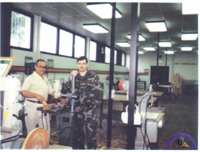
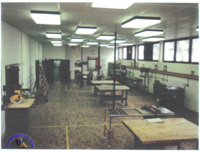
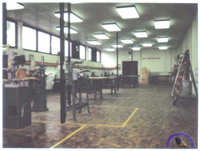
| I was assigned to the 379th PSC and reassigned to the 519th Transportation (Car) Company. The CINC was Gen Kroesen at that time. My wife was a Spc/E4 assigned to the CENTAG Motor Pool also on Patton Barracks. She was a PLL/TAMMS clerk at that time. I was the Motor Sergeant of 519th from 1981-1984 cir. I was there when Gen Kroesen's car was RPG'd. That Mercedes was one of the vehicles under our maitenance responsability. We had two American's and 8 German Local National working for us at that time. I went back to visit Patton Barracks in 2004 and to my discovery, the entrance to Patton Bks was through the back gate and the vehicle search area was my old Motor Pool building. My most everlasting memory of Patton Bks was when we played CENTAG in Softball. I injured my left knee at that time and it changed my life forever. I also helped renovate the Woodcraft shop on Patton Bks. I left Patton Bks to attend Warrant officer Maintenance School at Aberdeen, Md. But because I was having problems with my knee I was not able to complete the course and was sent to 30 Level (BNOC) course. |
|||||||||||||||||||||||||||
|
|||||||||||||||||||||||||||
| (Source: Herald-Post, July 8, 1983) | |||||||||||||||||||||||||||
| 519th deactivates after 41 years of service by Shaun Gearon July 20 marks the end of an era in the United States Army, Europe. The 519th Transportation Company (Car) is being deactivated after 41 years of service. The 519th ("Driving for Freedom") was the last non-tactical transportation unit in USAREUR, and is being phased out as an Army-wide economy program. The Transportation Motor Pool and the 503rd Transportation Company will take over the 519th's mission to support Headquarters USAREUR and Heidelberg Community. Many personnel assigned to the 519th have already been transferred, and the company's hallways seem deserted. "We haven't been able to finalize any plans for a deactivation ceremony yet. Almost everyone will have been transferred by July 20, so I am not sure whether I will even have enough people for a formal ceremony," Capt. Philip Hibbert, 519th commander, commented. The drivers and mechanics from the 519th are being transferred to the 503rd Transportation Company, while the supply and clerical personnel are shipping to Headquarters and Headquarters Company. Hibbert explained that this might create temporary overstrengths in the receiving units, but seasonal rotation would soon bring the units back to authorized levels. Hibbert himself is returning to Fort Carson, Colo. Thirty one local national employees who worked in the 519th have been transferred to the Transportation Motor Pool. "People have known about these transfers for a long time now, so there haven't been any problems, though some drivers may have to take refresher courses on the two-and-a-half-ton truck when they get to the 503rd," Hibbert ernlained. Although all the personnel from the 519th will find new homes, 35 percent of the vehicles won't. The Transpormstion Motor Pool is under orders to reduce the number of sedans by 35 percent and carryalls by 25 percent. This reduction is part of the overall economy program, of which the deactivation of the 519th was part. From now on it's going to be a lot harder to pick up a sedan or carryall. Out at Patton Motor Pool the unit's symbol, "The Roadrunner", bears mute witness to the unit's end; the paint is peeling and the plaster chipped. As Hibbert and his cadre wind down the 519th, one is reminded of a skeleton crew accompanying an old cargo ship on a sentimental journey to be retired and scrapped. |
|||||||||||||||||||||||||||
|
|||||||||||||||||||||||||||
| 529th Military Police Company | |||||||||||||||||||||||||||
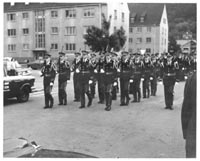
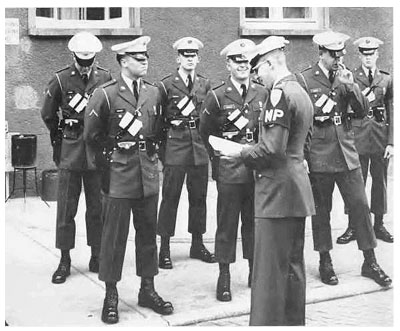
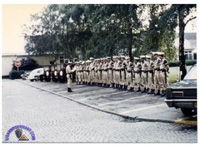
 Members of the 529th MP Company, 1974 (Bob Walls) |
|||||||||||||||||||||||||||
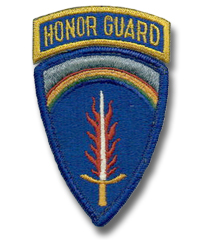 Patch worn by 529th Military Police Company Patch worn by 529th Military Police Company |
|||||||||||||||||||||||||||
| (Source: Herald-Post, Feb 19, 1986) | |||||||||||||||||||||||||||
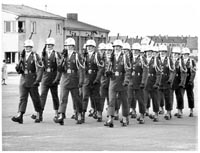
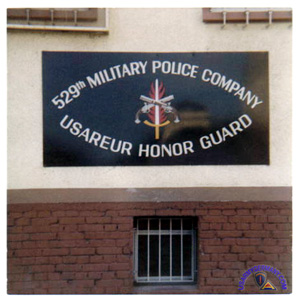
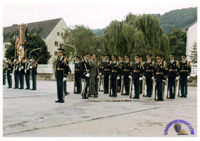
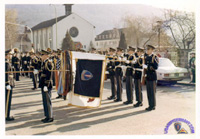
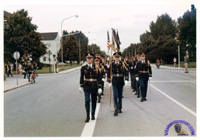
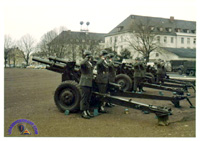
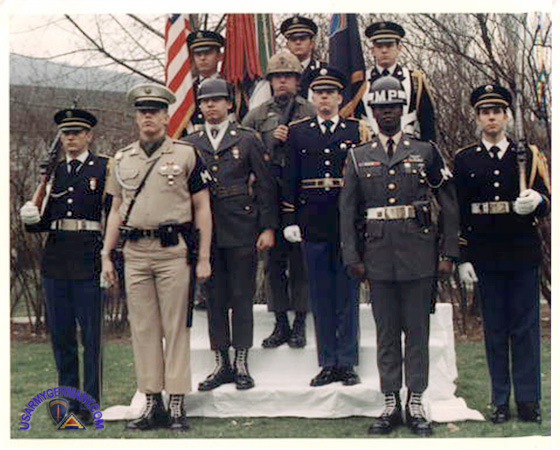
| 529th honored to serve by Linda Fozo As two military policeman cross paths in the corridors of 529th Military Police billets on Patton Barracks, one might hear "honor guard" proudly bellowed. More than 40 soldiers have the privilege of being in the elite USAREUR honor guard and color guard. That number will soon expand though when enough Army blue uniforms arrive to outfit the entire company. "This MP company has more pride than a common unit. We are the honor guard. We set our goals higher. We are representatives of USAREUR and all eyes are on us," said Sfc. Morris Ricketts, the unit's operations sergeant. The honor guard formation is a special courtesy to visiting dignitaries. Members of the guard are selected for their soldierly appearance and superior discipline. An honor guard consists of the band, colors, salute battery and a formation of soldiers. The color guard, when participating in a ceremony, consists of six enlisted soldiers. It is an honor to be selected to be a member of the color guard. Ricketts, who is also the honor and color guards' coordinator, said, "Many of the men come off of their shifts, pull a commitment and wind up putting in an 18-hour day. "I have to respect these individuals. They work hard and keep up their morale," he said. When the unit begins to rotate the commitments, the burden on the regularly committed soldiers will be lightened. Ricketts said the soldiers should be proficient in 30 days but with their many company responsibilities, it will lake probably two months. Part of the training is "by the numbers" with the soldiers resounding "one, two" after a command is given to make sure the movements will be exact during the real thing. "The hardest part, I think, is to pass in review when you're cold," Ricketts said. "Getting that weapon or flag up to sync with the rest is hard." "Using the saber isn't the easiest to do thing either," said 1st. Lt. Caroline Remmie, the only woman in the honor guard. As the enlisted make slapping movements with their rifles, three officers snap their sabers into position. At first, because she was the only woman soldier in front of the formation, she felt that all eyes were on her. "I stood so stiff and still and was afraid to breath. Now it's better. I'm confident," she said. Remmie also likes the idea of the entire company being in the honor and color guards. "That will make it a lot better. It's difficult for those in the honor guard to take leaves and passes and attend schools," she said. Although the MPs are used to being "stract," soldiers had to get used to the increased uniform and personal appearance standards. During the formations they get closely inspected by dignitaries. Their blue uniforms must be sharply pressed and lint free, brass sparkling, haircuts nearly "high and tight," boots spit-shined with soles dyed, weapons cleaned and other details. In spite of the extra efforts soldiers put forth by virtue of being in the honor guard, Sp4 John Schmidt said that he's proud to wear the distinguished patch. Sp4 Gerald Howell added that it sets them apart. "The hard part is coming off midnight shift and working honor guard. But working honor guard for Maj. Nicholson (slain American Military Liaison Mission officer) was a different experience," Howell said. "I felt very good at having the honor to be there. It was an emotional experience - his little daughter was there and his wife." "The music brought us down too," said SSgt. Jeff Hogue, also in the honor guard. "Our movements had to be a lot slower," Howell said. In the winter, the color guard is committed about three times a month and more frequently during the summer months. The color guard is present for dining-in ceremonies, military balls, parades, retreat and change of command ceremonies, funerals and commemorations. They often accompany the honor guard to functions in and out of Germany, to honor dignitaries and commemmorations. Sgt. David Hoque said, "Being in the color guard is dynamic. We represent all of the soldiers under the commander-in-chiefs, USAREUR, command. The recognition we get in one year is equal to about five years of regular duty in the MP corps." "I feel the honor guard and color guard play a very important role in international relationships by representing the United States in professionalism and appearance," said 1st. Lt. Larry Robinson, the executive officer. "It's like being an extension of the CINC. Our behavior is very important." |
|||||||||||||||||||||||||||
|
|||||||||||||||||||||||||||
|
|||||||||||||||||||||||||||
|
|||||||||||||||||||||||||||
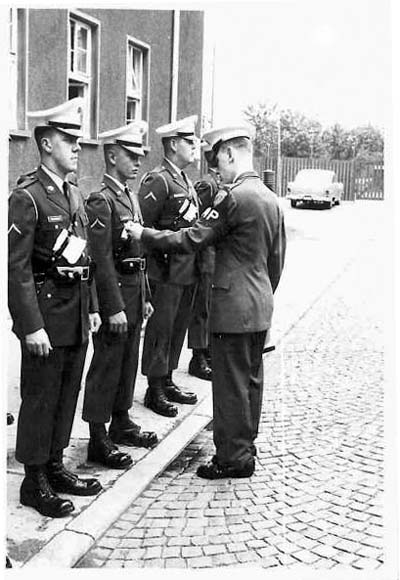
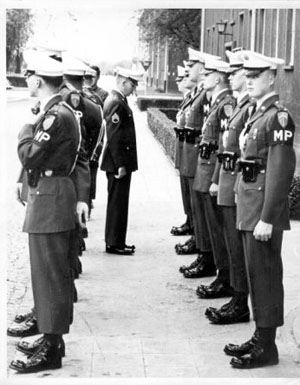
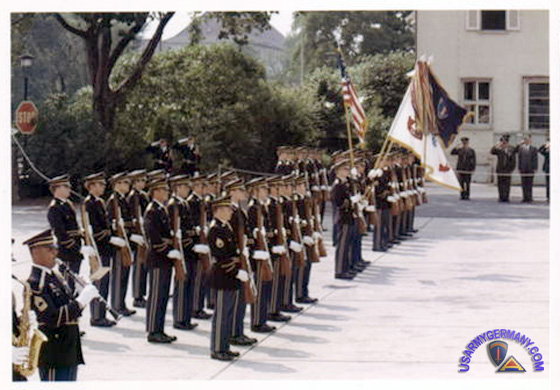 529th MP Company Honor Guard and Color Guard, 1974 (Bob Walls) |
|||||||||||||||||||||||||||
| (Source: Bob Walls, 529th MP Co, 1972-74)) | |||||||||||||||||||||||||||
|
|||||||||||||||||||||||||||
|
|||||||||||||||||||||||||||
|
|||||||||||||||||||||||||||
|
|||||||||||||||||||||||||||
| 4022nd Civilian Support Group (Guard) | |||||||||||||||||||||||||||
| Webmaster note: Udo Bernhauer's email confirms that the 4022nd CSG actually did report to the 26th Spt Gp in early 1980s. | |||||||||||||||||||||||||||
| 1983 | |||||||||||||||||||||||||||
| (Source: Email from Udo Bernhauer) | |||||||||||||||||||||||||||
| I just found your page about the 26th Sup Bn. I used to be a member of the 4022nd CSG (Guard) from 1983 to 1985 and then in the Mannheim Community in two more units after being promoted. The 4022nd CSG was assigned to the 26th and was responsible for guarding all US Installations except the USAREUR Headquarters. The Headquarters was guarded by the 529th MP Company. During the new fence constructions the 529th were assisted by the 4022nd. |
|||||||||||||||||||||||||||
| 1984 | |||||||||||||||||||||||||||
| (Source:Email from Stefan Kissler) | |||||||||||||||||||||||||||
I worked for the US Army from Sept 6, 1983 till Nov 18, 1984.
I would like to tell you something about the maybe forgotten 4022nd Civ Spt Gp (Gd).
I was at 4022nd Civ Spt Gp (Gd) 2nd Relief. The Office of the 4022nd was at Patton Barracks, Heidelberg. The 4022 did not have its own patch, only the three-Star-Patch was used. The names of the Supervisors: Hans G.Caesar ZB-8 and Anna Sattler ZB-7. The Training-Phase was given at 6950th Civilian Support Group, Pulaski-Baracks Kaiserslautern. The 4022 guarded the following objects: Patton Barracks, Heidelberg Kilborne Kaserne, Schwetzingen Tompkins Barracks, Schwetzingen Autobahn Kaserne, Mannheim Koenigsstuhl, Heidelberg Engineers Heidelberg Heidelberg Hospital US Army Airfield Heidelberg and a few times also Patrick Henry Village near Heidelberg. |
|||||||||||||||||||||||||||
|
|
|||||||||||||||||||||||||||
|
|
|||||||||||||||||||||||||||
| Related
Links 529th MP Co MSN Group web site - Les and Debra Hintz are the points of contact |
|||||||||||||||||||||||||||
 .
.