| If you do
NOT see the Table of Contents frame to the left of this page, then
Click here to open 'USArmyGermany' frameset |
||||||||||||||||||||||||||||||||||||||||||||||||||||||||||||||||||||||||||||||||||||||||||
Military Police Division |
||||||||||||||||||||||||||||||||||||||||||||||||||||||||||||||||||||||||||||||||||||||||||
|
|
||||||||||||||||||||||||||||||||||||||||||||||||||||||||||||||||||||||||||||||||||||||||||
|
|
||||||||||||||||||||||||||||||||||||||||||||||||||||||||||||||||||||||||||||||||||||||||||
| Theater Provost Marshal | ||||||||||||||||||||||||||||||||||||||||||||||||||||||||||||||||||||||||||||||||||||||||||
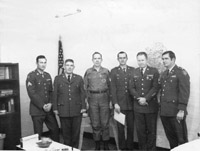
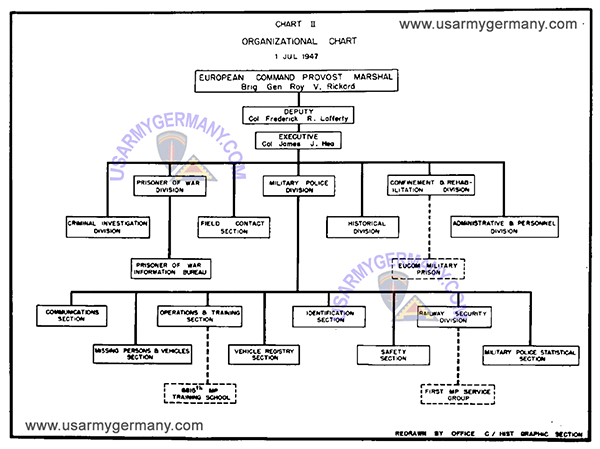 HQ EUCOM Provost Marshal Organization, July 1947 |
||||||||||||||||||||||||||||||||||||||||||||||||||||||||||||||||||||||||||||||||||||||||||
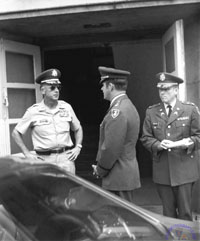
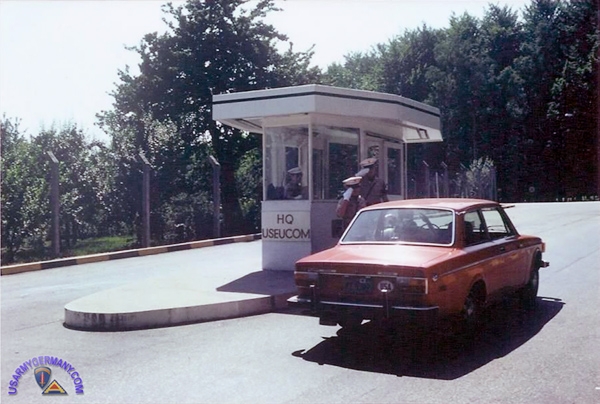 Gate Security: Members of the 554th MP Co working the main gate, Patch Barracks (Bob Kent) |
||||||||||||||||||||||||||||||||||||||||||||||||||||||||||||||||||||||||||||||||||||||||||
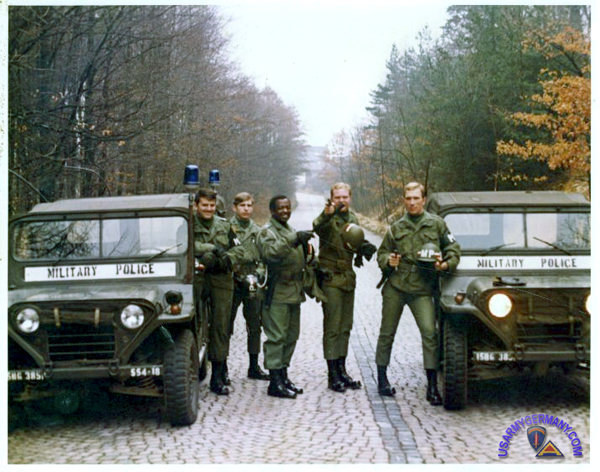 The 554th MP Co also performs tactical missions in support of USEUCOM hqs (Brook Schaub) |
||||||||||||||||||||||||||||||||||||||||||||||||||||||||||||||||||||||||||||||||||||||||||
| 1945 - present | ||||||||||||||||||||||||||||||||||||||||||||||||||||||||||||||||||||||||||||||||||||||||||
(Source: Email from Richard Karlsson, 554th MP Co, 1990-93) |
||||||||||||||||||||||||||||||||||||||||||||||||||||||||||||||||||||||||||||||||||||||||||
I enjoyed reading the USAREUR webpage and noticed that
you did not have a list of USAREUR Provost Marshals. Here is a list which came from the USAREUR OPM homepage (note that the PM from 1947-48 is the father of the one and only GEN Schwarzkopf): FORMER USAREUR PROVOST MARSHALS |
||||||||||||||||||||||||||||||||||||||||||||||||||||||||||||||||||||||||||||||||||||||||||
|
||||||||||||||||||||||||||||||||||||||||||||||||||||||||||||||||||||||||||||||||||||||||||
|
As a note, there are many of us who served after 1989 in USAREUR, so it would be nice if you considered expanding your pages.
|
||||||||||||||||||||||||||||||||||||||||||||||||||||||||||||||||||||||||||||||||||||||||||
(Source:
STARS & STRIPES, 26 Sep, 1956 - submitted by James
Turcotte) |
||||||||||||||||||||||||||||||||||||||||||||||||||||||||||||||||||||||||||||||||||||||||||
MP
Corps Celebrates 15th Anniversary |
||||||||||||||||||||||||||||||||||||||||||||||||||||||||||||||||||||||||||||||||||||||||||
| "Prevention
-- Protection -- Preparedness," these three words pinpoint
the theme for the 15th anniversary of the Military Police Corps. Today,
USAREUR MPs join their counterparts throughout the world in celebrating
their birthday. At Heidelberg, Germany, Brig Gen H. M. Hobson, USAREUR provost marshal, told his military policemen that they must identify their prevention and protection roles both with individual soldiers and military supplies and property. "At the same time," Hobson said, "we must remember and stress our combat potential and our preparedness for combat operations. Although the Military Police Corps is a comparative newcomer to the ranks of the Regular Army, the history of military police functions dates from 1629, when Charles I of England wrote his articles of war. In the US, Gen George Washington named the first provost marshal of the Continental Army in 1776. Since that time, provost marshal and military police activities have been an integral part of the service. The insignia of "crossed pistols" traces its origin to the flintlocks manufactured in 1806 at the Harper's Ferry Arsenal, W.Va. On Sept. 26, 1941, the War Department issued formal orders designating the Military Police Corps as a permanent branch of the U.S. Army. Military Police in Europe are a "combat ready" organization, but their work is perhaps best known through the everyday labors they perform. Their work is divided among "prevention, protection and preparedness" activities. Crime prevention is foremost in an MP's mind. He would far rather see a crime prevented than apprehend an offender. One way the MP helps in crime prevention is by assisting others whenever and however possible. This is in keeping with the motto of the Military Police Corps -- "Of the Troops and for the Troops." The provost marshal general of the U.S. Army is Maj Gen William H. Maglin. Maglin graduated from the U.S. Military Academy in 1951 and has devoted his Army career to service in the corps. The USAREUR Provost Marshal, Hobson, also has had long and varied service as a military police officer. At one time he was senior military police adviser to the Chinese Army. Later he became provost marshal of the Army Field Forces at Ft. Monroe, Va., and after serving a tour as deputy provost marshal, USAREUR, he was assigned under Maglin as deputy. The USAREUR Corn Z provost marshal is Col Earl S. Bessmer and the 7th Army provost marshal is Col John K Daly. Military policemen on duty in Europe have been especially trained for their jobs. After completing basic training, most MPs are sent through the Provost Marshal General's School at Ft. Gordon, Ga. There, the novice MP is taught basic police subjects. After assignment to Europe, many of these men are enrolled in the USAREUR Intelligence and Military Police School at Oberammergau, Germany. Here, they learn methods and techniques that have been tried and tested in Europe. Refresher training on military aspects is also given. Although these MPs are charged with law enforcement and crime prevention duties, their secondary mission is that of fighting as infantry. The police duties and the combat mission of the military police in Europe are summed up in this year's anniversary theme of "Prevention -- Protection -- Preparedness." Military policemen participate in regular field exercises and infantry training to keep prepared for combat operations. In addition to the individuals performing regular military police duties every day of the year, MPs in Western Germany and Com Z have been grouped into different fields to carry out their respective assignments. The members of the military police criminal investigation units are especially trained to unearth facts and circumstances surrounding crimes involving military personnel. These men are military policemen who, because of special aptitudes, have undergone intensive training in preparation for their assignment as criminal investigators. An important aspect of an investigator's duty deals with crime prevention surveys, which are concerned with internal security and crime prevention in specified areas. In each instance, the criminal investigator surveys the installation and makes recommendations aimed at reducing the crime and pilferage rate of the surveyed locality. Closely allied with the criminal investigation units are the military police crime labs. The 27th MP Crime Laboratory in Frankfurt is an example. Here, provost marshals receive assistance from a well-equipped, modern laboratory designed for the scientific investigation of difficult cases. |
||||||||||||||||||||||||||||||||||||||||||||||||||||||||||||||||||||||||||||||||||||||||||
|
||||||||||||||||||||||||||||||||||||||||||||||||||||||||||||||||||||||||||||||||||||||||||
|
||||||||||||||||||||||||||||||||||||||||||||||||||||||||||||||||||||||||||||||||||||||||||
| Military police are charged with operating the USAREUR
Military Stockade in Mannheim and the Crailsheim
USAREUR Rehabilitation Center. Here, military policemen
work as guards, administrative specialists, supervisors and instructors
in classes at the center or the stockade. Two particularly unique MP units are the MP Boat Patrol on the Wannsee, and the MP Horse Platoon -- both in Berlin. The Boat Patrol can be compared to the civilian water police and harbor patrol organizations. During the summer months, the patrol has the duty of watching for boats or swimmers in trouble. The Horse Platoon patrols the wooded areas near the West Berlin border. Civilian vehicle registration is another function supervised in Western Germany by the USAREUR provost marshal and in the Com Z by the Com Z provost marshal. In Western Germany, the USAREUR Motor Vehicle and Firearms Registration Unit (7878) is charged with registering firearms and vehicles throughout the command. The lion's share of police duties in Europe is performed by the various separate military police companies and military police battalions with their organic companies. These companies are responsible for most of the town patrolling and related functions. Alternating between garrison and field, members of these units are kept at peak performance. Military police companies are found in each armored and infantry division in Europe. Aside from law enforcement and crime prevention, the division MP companies are interested in traffic control and prisoner of war work within their divisions. During the past 11 years, through the interchange of information with West European police, great strides have been made in the law enforcement field. Military police representatives have been invited to attend and take part in conferences held by West European police agencies. The great international police organization commonly called Interpol works closely with representatives of the American military police. Other MPs have been selected to attend police schools and seminars in various foreign countries. Through this interchange of information, military police in Europe have adopted new and improved methods and equipment shown them by their European counterparts. Foreign police have also benefited through reciprocal information exchange on the part of the US Army provost marshals. Lie detector and radar speed measuring demonstrations are particluarly interesting to European observers. Worldwide, military policemen endeavor to foster friendship and good will. Sometimes termed "Ambassadors in Brassards," the MPs are always aware of their community relations responsbility. At the same time, MPs keep abreast of the latest crime prevention and law enforcement techniques. These efforts are culminated in their own organization, the Military Police Assn. MPs like to be thought of as "soldiers first -- military policemen second." Today, when the military effort is directed toward preparedness, the MPs of Western Europe stand ready for any emergency. In the meantime they continue to "pull" their peacetime duties of prevention and protection which are so important to the operation of the Army. |
||||||||||||||||||||||||||||||||||||||||||||||||||||||||||||||||||||||||||||||||||||||||||
|
||||||||||||||||||||||||||||||||||||||||||||||||||||||||||||||||||||||||||||||||||||||||||
 |
||||||||||||||||||||||||||||||||||||||||||||||||||||||||||||||||||||||||||||||||||||||||||
| Military Police Unit History Project | ||||||||||||||||||||||||||||||||||||||||||||||||||||||||||||||||||||||||||||||||||||||||||
 Mr.
Robert L. Gunnarsson, a former MP
who served with several units in Germany in the 1960s, has initiated
a massive project to document the history
of Military Police units during the Cold War (with a heavy
emphasis on units that served in Europe). Mr.
Robert L. Gunnarsson, a former MP
who served with several units in Germany in the 1960s, has initiated
a massive project to document the history
of Military Police units during the Cold War (with a heavy
emphasis on units that served in Europe).Bob has already completed several chapters:  1. The 558th Military
Police Company, (Warning: 1.5 MB) A Unit History.2. The
285th Military Police Company, A Unit History. (Adobe
Acrobat reader required)3. 1. The 558th Military
Police Company, (Warning: 1.5 MB) A Unit History.2. The
285th Military Police Company, A Unit History. (Adobe
Acrobat reader required)3.  The Theater Military Police School, A Unit History. (Adobe Acrobat reader required) The Theater Military Police School, A Unit History. (Adobe Acrobat reader required) |
||||||||||||||||||||||||||||||||||||||||||||||||||||||||||||||||||||||||||||||||||||||||||
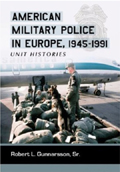
ATTENTION READERS!! 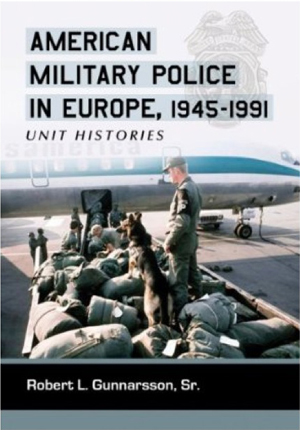 N O W  A V A I L A B L E !!! A V A I L A B L E !!! The unit history of US Military Police units in USAREUR during the Occupation and Cold War periods has been published and can now be ordered. I have just received a copy and I am still in the process of reading it --- but I can already state that it is very comprehensive and well researched text - everything is there from "white hats" and "white mice" to "tower rats" and "steel-ribbon rangers." The book, by Bob Gunnarsson, Sr. - an early contributor to the USArmyGermany.com website, examines the organization and mission of the MPs from the US Constabulary era to the fall of the Wall as well as providing a thorough examination of US peace-keeping programs in Europe during that period. (The primary focus is on police units that were stationed in Germany, Austria, Italy, Trieste, France, Belgium and The Netherlands.) Bob has put a lot of time and research into the effort - the chapter notes alone encompass 55 pages. The publisher is McFarland & Company, Inc. (website: www.mcfarlandpub.com) - the book can also be ordered through Amazon.com. |
||||||||||||||||||||||||||||||||||||||||||||||||||||||||||||||||||||||||||||||||||||||||||
| Mr. Phillip A. Lester, a former Provost Marshal for USMCA Fulda from 1978 to 1981, has written an interesting article on the role of the USMCA provost marshal offices in Germany. NOTE: The article is in a Microsoft Word format. 1. USMCA Fulda, Germany, Community Provost Marshal, 1978-1981. |
||||||||||||||||||||||||||||||||||||||||||||||||||||||||||||||||||||||||||||||||||||||||||
| Mr. Gerry Rush supplied information and photos to Bob Gunnarsson about the Military Police School at Oberammergau.
(Gerry taught at the school from January 1957 until June 1960.) Bob has used these and other materials to create an historical manuscript about this Theater School activity that played a significant role during the occupation and early defense period by providing a supply of trained MP's when they were needed quickly and by training individuals who already understood the special environment of Europe. NOTE: The article is a Adobe Acrobat (PDF) file. Adobe Acrobat reader required). 1. Theater Military Police School. |
||||||||||||||||||||||||||||||||||||||||||||||||||||||||||||||||||||||||||||||||||||||||||
| ATTENTION READERS!! I must remind all readers that the manuscripts provided by the above authors or any other contributors on this web site (www.usarmygermany.com) are protected by copyright which prohibits the reproduction, reuse or resale of all or part of these documents. |
||||||||||||||||||||||||||||||||||||||||||||||||||||||||||||||||||||||||||||||||||||||||||
|
|
||||||||||||||||||||||||||||||||||||||||||||||||||||||||||||||||||||||||||||||||||||||||||
|
|
||||||||||||||||||||||||||||||||||||||||||||||||||||||||||||||||||||||||||||||||||||||||||
| (Source: STATION LIST, 31 Dec 1965) | ||||||||||||||||||||||||||||||||||||||||||||||||||||||||||||||||||||||||||||||||||||||||||
| AREA PROVOST MARSHAL MP DETs in Germany (TO&E 19-500D60) USAACOM 17th MP Det Patton Bks, 20th MP Det Vogelweh, Kaiserslautern, APO 09227 21st MP Det McGraw Ksn, 31st MP Det Robinson Bks, 34th MP Det Ludwigs Ksn, Wuerzburg, 39th MP Det McGraw Ksn, 59th MP Det Reese Bks, 60th MP Det Bad Kreuznach, 61st MP Det Gutleut Ksn, Frankfurt, APO 09757 62nd MP Det W.O. Darby Ksn, Fürth, 67th MP Det Pioneer Ksn, 510th MP Det Pendleton Bks, |
||||||||||||||||||||||||||||||||||||||||||||||||||||||||||||||||||||||||||||||||||||||||||
| 17th MP Det / APM North Baden | ||||||||||||||||||||||||||||||||||||||||||||||||||||||||||||||||||||||||||||||||||||||||||
| (Source: Email from Dick Burch) | ||||||||||||||||||||||||||||||||||||||||||||||||||||||||||||||||||||||||||||||||||||||||||
| During June 1965 with the activation of the 15th Military Police Brigade in Frankfurt, Area Provost Marshal Detachments were formed throughout the 15th MP Brugade area of operation. The 17th Military Police Detachment/Area Provost Marshal Office (APM) North Baden Area was activated and headquartered in Mannheim. The Area Provost Marshal (APM), North Baden Area was also the Commanding Officer, 17th MP Detachment and his area of operation (AO) included MP Stations located in Mannheim, Karlsruhe, Heidelberg and Worms. Detachment personnel were assigned and located at each of the MP Stations with duties as MP Station Commanders, MP Operations NCOs, MP Desk Sergeants, MP Investigators (MPI), Physical Security NCOs, Administrative Clerks and German interpreters. The 537th MP Company, headquartered and located at Turley Barracks with MP Detachments in Mannheim, Worms and Mainz, provided MP support to the Area Provost Marshal, North Baden Area. On 30 March 30, 1971, the 537th MP Company was re-designated as Company C, 94th MP Battalion at Turley Barracks. During March of 1973, Co C, 94th MP Battalion was re-designated as Company A. 95th MP Battalion, Mannheim. Each of the MP Stations supported the Law Enforcement Mission of the Area Provost Marshal (APM) North Baden Area, 15th Military Police Brigade and the Provost Marshal,U.S. Army Europe (USAREUR) Law Enforcement Mission. Detachment MP Base Radio Call Signs: Mannheim MP Station "VOID OUTLAW"; Heidelberg MP Station "DARK LION"; Worms MP Station " WIZARD DEACON";Karlsruhe MP Station "RACING DRIVE". |
||||||||||||||||||||||||||||||||||||||||||||||||||||||||||||||||||||||||||||||||||||||||||
|
||||||||||||||||||||||||||||||||||||||||||||||||||||||||||||||||||||||||||||||||||||||||||
| 20th MP Det / APM Palatinate | ||||||||||||||||||||||||||||||||||||||||||||||||||||||||||||||||||||||||||||||||||||||||||
| (Source: Email from Dick Burch) | ||||||||||||||||||||||||||||||||||||||||||||||||||||||||||||||||||||||||||||||||||||||||||
| During June 1965, with the activation of the 15th Military Police Brigade, the 20th Military Police Detachment/Area Provost Marshal Office (APM) Palatinate Area, headquartered in Vogelweh - Kaiserslautern on Highway B-40, was activated. The Commander, 20th MP Detachment was also the Area Provost Marshal, Palatinate Area. The 20th MP Detachment operated MP Stations at Kaiserslautern, Pirmasens, and Zweibrücken. Also, 20th MP Detachment personnel were assigned and located at each of the MP Stations with duties as MP Station Commanders, MP Operations NCOs, MP Desk Sergeants, MP Investigators (MPI), Physical Security NCOs, Administrative Clerks and German interpreters. The 533rd MP Company, located at Pulaski Barracks with MP Detachments in Zweibrücken and Pirmasens, provided MP support to the Area Provost Marshal, Palatinate Area. On March 30, 1971, the 533rd MP Company was re-designated as Company B, 94th MP BN at Pulaski Barracks. Each of the MP Stations supported the Law Enforcement Mission of the 20th MP Detachment/Area Provost Marshal, Palatinate Area, 15th Military Police Brigade and the Provost Marshal, U.S. Army Europe (USAREUR) Law Enforcement Mission. During September 1977, Company B, 94th MP BN was re-designated as the 230th MP Company, 95th MP BN. During this time, the 20th MP Detachment was deactivated and all personnel were assigned to the Office of the Provost Marshal, 29th Area Support Group, Kaiserslautern, Germany Detachment MP Base Radio Call Signs: Kaiserslautern "SINGLE BRUISER" to all unitsPirmasens "PRIME RIVET" to all unitsZweibruecken "GRAINY MOTH" to all units. |
||||||||||||||||||||||||||||||||||||||||||||||||||||||||||||||||||||||||||||||||||||||||||
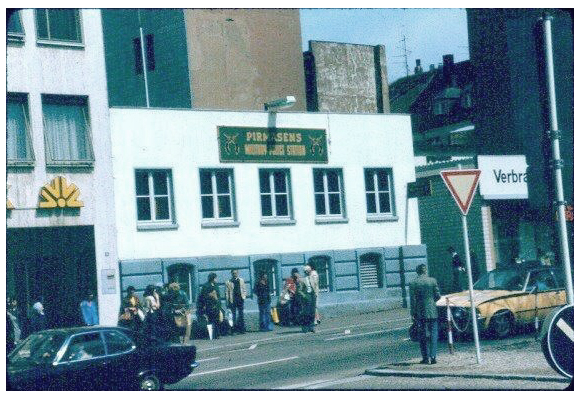 Pirmasens MP Station, Exerzierplatz, Pirmasens (Gary Prange) |
||||||||||||||||||||||||||||||||||||||||||||||||||||||||||||||||||||||||||||||||||||||||||
| 1968 | ||||||||||||||||||||||||||||||||||||||||||||||||||||||||||||||||||||||||||||||||||||||||||
| (Source: Email from Gary L. Prange) | ||||||||||||||||||||||||||||||||||||||||||||||||||||||||||||||||||||||||||||||||||||||||||
| My father, Richard R. Prange, was the senior NCO at the downtown MP station on the Exerzierplatz in Pirmasens, West Germany from 1968 until his departure in 1972. Above is a photo of the station. His assignment in Pirmasens was his favorite of his military career. A WWII and Vietnam veteran, my father retired from the military in 1973 and passed away in 2003. I hope this helps in some small way. Thank you for your efforts to reconstruct the service of our military in Europe. |
||||||||||||||||||||||||||||||||||||||||||||||||||||||||||||||||||||||||||||||||||||||||||
|
||||||||||||||||||||||||||||||||||||||||||||||||||||||||||||||||||||||||||||||||||||||||||
| 21st MP Det / APM South Bavaria | ||||||||||||||||||||||||||||||||||||||||||||||||||||||||||||||||||||||||||||||||||||||||||
| 1965 - 19.. | ||||||||||||||||||||||||||||||||||||||||||||||||||||||||||||||||||||||||||||||||||||||||||
| (Source: Email from Dick Burch) | ||||||||||||||||||||||||||||||||||||||||||||||||||||||||||||||||||||||||||||||||||||||||||
| HISTORY OF THE 21st MILITARY POLICE DETACHMENT In June 1965, with the activation of the 15th Military Police Brigade, Frankfurt, Germany, the 21st Military Police Detachment/Area Provost Marshal was activated and headquartered in Von Steuben Hall, Munich, Germany. Detachment personnel were assigned and located at each of the MP Stations operated by the 21st MP Detachment in Munich, Bad Toelz, Berchtesgaden, Garmisch, Augsburg and Chiemsee as Station Commanders and Military Police Operations Officers, MP Operations NCOs, Physical Security NCO'S and Military Police Investigators (MPI). From 1 July 1964 until early 1972, the 793rd MP BN provided MP support to the 21st MP Detachment/Area Provost Marshal (APM) South Bavaria Area. In early 1972, Co C, 385th MP BN relocated from Karlsruhe and replaced the 793rd MP Battalion personnel. During 1974 a detachment was established at the American Hotel in Chiemsee. Detachment MP Base Radio Call Signs: Munich Radio Net Call Sign "SLIGHT CONTROL". Bad Toelz 'FURY STEAMER"; Berchtesgaden "REFUGE SNOWCAP"; Augsburg "OAKLAND SIREN"; Garmisch "FOGGY CREST" |
||||||||||||||||||||||||||||||||||||||||||||||||||||||||||||||||||||||||||||||||||||||||||
| (Source: Email from William D. Sharon) | ||||||||||||||||||||||||||||||||||||||||||||||||||||||||||||||||||||||||||||||||||||||||||
| I was the NCOIC, 21st MP Detachment, from Feb 1976 to until it deactivated approx Sept 1977. I took over when M/Sgt John Van Bergen retired. Major Mouris was PM and replaced by LTC Thomas Hamiltion. SFC Hamborski was my Operations Sgt and he is now retired in Alexander VA. I was surprised to see this web site being sent to me as it’s been a long time. If you hear from anyone else I would like to know about them. |
||||||||||||||||||||||||||||||||||||||||||||||||||||||||||||||||||||||||||||||||||||||||||
| Related Links: http://unitpages.military.com/unitpages/unit.do?id=772648 |
||||||||||||||||||||||||||||||||||||||||||||||||||||||||||||||||||||||||||||||||||||||||||
|
||||||||||||||||||||||||||||||||||||||||||||||||||||||||||||||||||||||||||||||||||||||||||
| 31st MP Det / APM North Wuerttemberg | ||||||||||||||||||||||||||||||||||||||||||||||||||||||||||||||||||||||||||||||||||||||||||
| 1965 - 19.. | ||||||||||||||||||||||||||||||||||||||||||||||||||||||||||||||||||||||||||||||||||||||||||
| (Source: Email from Dick Burch) | ||||||||||||||||||||||||||||||||||||||||||||||||||||||||||||||||||||||||||||||||||||||||||
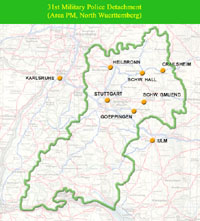
| 31ST MILITARY POLICE DETACHMENT HEADQUARTERS AREA PROVOST MARSHAL, NORTH -WURTTEMBURG AREA, 15TH MILITARY POLICE BRIGADE, STUTTGART, GERMANY. In June 1965, with the activation of the 15th Military Police Brigade, Frankfurt, Germany, the 31st Military Police Detachment Headquarters was activated in Stuttgart, Germany. The Commander/Area Provost Marshal, 31st Military Police Detachment was headquartered in Stuttgart at Robinson Barracks with an Area of Operation of 10,000 Kms of North -Wurttemburg Area. The 31st Military Police Detachment Headquarters, operated MP Stations and Detachment located through out the areaof operations at Stuttgart, which included Stuttgart, Heilbronn, Schwäbish Hall, Schwäbish Gmünd, Göppingen, Crailsheim, Karlsruhe and Ulm, Germany. 31st Military Police Detachment personnel were assigned to each of the above locations with duties as Station Commanders and Military Police Operations Officers, MP Operations NCOs, Physical Security NCO's and Military Police Investigators (MPI). The 385th Military Police Battalion, Wilkens Barracks, Kornwestheim, had personnel assigned to MP Detachments at each of the above locations which provided MP personnel for duty as MP Duty Officer, MP Desk Sgts, Patrol Supervisors, and MP Patrolmen. Patrolmen were assigned patrol areas both on and off the installations and investigated traffic accidents - incidents, patrolled selected areas, including housing areas and conducted assigned security checks within their patrol areas. Responded to complaints, fights, domestic disturbances, riots, and completed reports in support of the of the Law Enforcement Mission of the Area Provost Marshal, North-Wurttemburg Area, 15th Military Police Brigade and Provost Marshal, U.S. Army Europe |
||||||||||||||||||||||||||||||||||||||||||||||||||||||||||||||||||||||||||||||||||||||||||
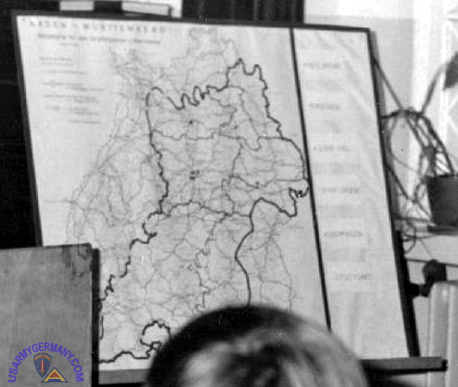 Map of 31st MP Det AOR Map of 31st MP Det AOR Here is a (not to great a view) map of the 31st MP Det/APM North Wuerttemberg Map showing the Area of operation which was 10,000 kms in the North Wuerttemberg Area.. Cdr, 31st MP Det/APM was headquartered at Robinson Barracks over the Stuttgart MP Station. 31st MP Detachment personnel were assigned to the detachments located at each of the below MP Stations under the Control of the Cdr, 31st MP Detachment/Area Provost Marshal, North Wurttemburg Area:
Stuttgart MP Station, 31st MP Detachment located at Robinson Barracks, Stuttgart. Patch MP Station, 31st MP Detachment located at Patch Barracks, Stuttgart - VaihingenHeilbronn MP Station, 31st MP Detachment located at Wharton Barracks, HeilbronnSchwaebisch Hall MP Station, 31st MP Detachment located at Schwaebisch HallSchwaebisch Gmuend MP Station, 31st MP Detachment located at Schwaebisch GmuendGoeppingen MP Station, 31st MP Detachment located at Cook Barracks, Goeppingen Crailsheim MP Station, 31st MP Detachment located at McKee Barracks, CrailsheimUlm MP Station, 31st MP Detachment located at Ulm Karlsruhe MP Station, 31st MP Detachment located at Smiley Barracks, Karlsruhe |
||||||||||||||||||||||||||||||||||||||||||||||||||||||||||||||||||||||||||||||||||||||||||
|
||||||||||||||||||||||||||||||||||||||||||||||||||||||||||||||||||||||||||||||||||||||||||
Members on MP Patrol in the Stuttgart area who were assigned to the 31st MP Detachment or the 385th MP BN over the years will remember the MP Base Station, located at the Stuttgart MP Station, Robinson Barracks, and the call signs used. Here are the MP Radio Call Signs for the 31st MP Detachment Stuttgart and MP Stations operated by the 31st MP Detachment: :
"KING FISH" TO ALL UNITS or in later years 'CIVIC CRIME" TO ALL UNITS in the Stuttgart Area;Heilbronn "FATEFUL ESCORT;"Schwaebisch Hall "SLIPKNOT INDEX;"Schwaebisch Gmuend "SANDY GUARDIAN;"Goeppingen " STATE DEADLINE;"Crailsheim " CRANE BULLET;"Karlsruhe " RACING DRIVE;" and Neu Ulm " MUFFLED AUTO" |
||||||||||||||||||||||||||||||||||||||||||||||||||||||||||||||||||||||||||||||||||||||||||
| Related Links: http://unitpages.military.com/unitpages/unit.do?id=727093 |
||||||||||||||||||||||||||||||||||||||||||||||||||||||||||||||||||||||||||||||||||||||||||
|
||||||||||||||||||||||||||||||||||||||||||||||||||||||||||||||||||||||||||||||||||||||||||
| 34th MP Det / APM Franconia | ||||||||||||||||||||||||||||||||||||||||||||||||||||||||||||||||||||||||||||||||||||||||||
| (Source: Email from Dick Burch) | ||||||||||||||||||||||||||||||||||||||||||||||||||||||||||||||||||||||||||||||||||||||||||
| During June 1965, with the activation of the 15th MP Brigade, Area Provost Marshal Detachments were formed throughout the 15th MP Brigade area of operation. The 34th Military Police Detachment/Area Provost Marshal Office (APM) Franconia Area was headquartered at the Rivers Building, Wuerzburg and was activated at this time. The Area Provost Marshal, Franconia Area was also the Commanding Officer, 34th MP Detachment and the area of operation (AO) included the operation of MP Stations located at Wuerzburg, Wertheim, Kitzingen, Aschaffenburg, Schweinfurt and Bad Kissingen. Detachment personnel were assigned and located at each of the MP Stations with duties as MP Station Commanders, MP Operations NCOs, MP Desk Sergeants, MP Investigators (MPI), Physical Security NCOs, Administrative Clerks and German interpreters. The 793rd MP BN provided support to the 34th MP Detachment/APM Franconia Area. Each of the MP Stations supported the Law Enforcement Mission of the 34th MP Detachment/Area Provost Marshal, Franconia Area, 15th Military Police Brigade and the Provost Marshal, U.S. Army Europe (USAREUR) Law Enforcement Mission. Detachment MP Base Radio Call Signs: Wuerzburg "PAGAN OUTLAW" to all units.Wertheim "WASP HIGHLAND" to all units.Kitzingen "KINGPIN MAVERICK" to all units.Aschaffenburg "DARK STAGER" to all units.Schweinfurt "SEVEN TREAD" to all units.Bad Kissingen "JUDGE CLIPPER" to all units. |
||||||||||||||||||||||||||||||||||||||||||||||||||||||||||||||||||||||||||||||||||||||||||
|
||||||||||||||||||||||||||||||||||||||||||||||||||||||||||||||||||||||||||||||||||||||||||
| 60th MP Det / APM Rheinland Pfalz | ||||||||||||||||||||||||||||||||||||||||||||||||||||||||||||||||||||||||||||||||||||||||||
| (Source: Email from Dick Burch) | ||||||||||||||||||||||||||||||||||||||||||||||||||||||||||||||||||||||||||||||||||||||||||
| In June 1965, with the activation of the 15th Military Police Brigade, Frankfurt, Germany, the 60th Military Police Detachment/Area Provost Marshal Office (APM) Rheinland-Pfalz Area was activated and headquartered at Rose Barracks, Bad Kreuznach, Germany. The Area Provost Marshal, Rheinland-Pfalz Area was also the Commanding Officer, 60th MP Detachment and his area of operation (AO) included MP Stations located at Rose Barracks, Bad Kreuznach, Dragooner Kaserne in Mainz and Smith Barracks in Baumholder. 60th MP Detachment personnel were assigned and located at each of the MP Stations as Station Commanders, MP Operations NCOs, MP Desk Sergeants, Traffic Accident Investigation Section (TAPS), MP Investigators (MPI), Physical Security NCO, Administrative Clerk and German interpreters. The 285th MP Company, headquartered in Bad Krueuznach at Rose Barracks, 3rd Platoon located in Dragooner Kaserne, Mainz and 2nd Platoon located at Smith Barracks, Baumholder, provided MP support to the 60th MP Detachment/ Area Provost Marshal (APM) Rhineland Pfalz Area. The 285th MP Company, headquartered in Rose Barracks, Bad Kreuznach was redesignated as headquarters, Co C, 709th MP Battalion and the 3rd Platoon, 285th MP Company, Dragooner Kaserne, Mainz would be re-designated as Company C, 709th MP Battalion and remain in place to support the 60th MP Detachment/Area Provost Marshal (APM) Rhineland Pfalz area. During late June 1965, the 709th MP Battalion was relocated from Funari Barracks to Gutleut Kaserne, Frankfurt. The headquarters, Company C, 709th MP Bn located at Rose Barracks, Bad Kreuznach would be redesignated as a detachment of the 285th MP Company, headquartered in Smith Barracks, Baumholder. The 3rd Platoon, Co C, 709th MP BN, Dragooner Kaserne, Mainz was re-designated as the 3rd Platoon, 537th MP Company, 94th MP Battalion and remained in Mainz to support the Mainz MP Station, 60th MP Detachment/Area Provost Marshal, Rhineland Pfalz Area, Baumholder. 3rd Platoon, 537th MP Company, 94th MP Battalion was the only Platoon from the 537th MP Co, Mannheim which supported the 60th MP Detachment/Area Provost Marshal (APM) Rhineland Pfalz Area. (Note: The 537th MP Company was headquartered in Turley Barracks with detachments located in Heidelberg, Karlsruhe and Worms and supported the 17th MP Detachment/Area Provost Marshal (APM), North Baden Area, Mannheim except for the 3rd Platoon, 537th MP Company in Dragooner Kaserne, Mainz). The 60th MP Detachment area of operation (AO) included MP Stations located at Baumholder, Bad Kreuznach and Mainz. During 1974, the 60th MP Detachment/Area Provost Marshal, Rhineland Pfalz Area, located at Baumholder was reassigned for operational control to the Commander, 709th MP Battalion. Also, during this realignment, Company A, 94th MP Battalion, located in Baumholder was attached to the 709th MP Battalion and remained in Baumholder supporting the 60th MP Detachment. Also, during this time the 60th MP Detachment/APM Rheinland-Pfalz Area became responsible for MP Stations at Baumholder, Mainz, Pruem and Bad Kreuznach. The 60th MP Detachment Prüm MP Station was relocated from Pruem to Bitburg on 28 July 1975. During September 1977, the 60th MP Detachment/Area Provost Marshal, Rhineland Pfalz was deactivated. MP Patrols on duty in the 60th MP Detachment/APM Rhineland Pfalz Area, Rose Barracks, Bad Kreuznach and Mainz should remember the following Radio Call Signs: MP Station, Bad Kreuznach "RENO FLAMES" to all units; MP Station, Dragooner Kaserne,
Mainz "STILL DEALER" to all units; MP Station, Smith Barracks, Baumholder "BARREN HINGE" to all units. During 1974, Pruem MP Station was assigned to the 60th MP Detachment and the radio call sign was "PILGRIM DAYLIGHT." |
||||||||||||||||||||||||||||||||||||||||||||||||||||||||||||||||||||||||||||||||||||||||||
|
||||||||||||||||||||||||||||||||||||||||||||||||||||||||||||||||||||||||||||||||||||||||||
|
||||||||||||||||||||||||||||||||||||||||||||||||||||||||||||||||||||||||||||||||||||||||||
| 61st MP Det / APM Taunus | ||||||||||||||||||||||||||||||||||||||||||||||||||||||||||||||||||||||||||||||||||||||||||
| (Source: Email from Dick Burch) | ||||||||||||||||||||||||||||||||||||||||||||||||||||||||||||||||||||||||||||||||||||||||||
| The 61st MP Detachment and 67th MP Detachment were both supported by the 709th MP BN.
The 61st Military Police Detachment/Area Provost Marshal (APM) Taunus Area, in Frankfurt, Germany had detachments at Frankfurt, Darmstadt, Bad Hersfeld and Fulda. Detachments MP Base Radio Call Signs: Frankfurt ”PARTNER UNITS” to all units.Darmstadt “DENVER RIOT” to all units.Bad Hersfeld “BEDROCK SPIRIT” to all units.Fulda “MIDWAY SWAMP” to all units. |
||||||||||||||||||||||||||||||||||||||||||||||||||||||||||||||||||||||||||||||||||||||||||
| (Source: Email from Dick Burch) | ||||||||||||||||||||||||||||||||||||||||||||||||||||||||||||||||||||||||||||||||||||||||||
| 61st MP Det/Area Provost Marshal Taunus Area The 61st Military Police Detachment/Area Provost Marshal Office (APM) Taunus Area was activated in 1965 and headquartered in Frankfurt am Main Germany, in a building located at the intersection of Hansaallee and Miguelallee (near the Frankfurt MP Station). The unit had detachments operating MP Stations located in Frankfurt, Darmstadt, Giessen, Butzbach, Bad Herzfeld and Fulda. Sometime in 1971, the 61st MP Detachment was assigned and assumed control over the Bremerhaven MP Station. Company A, 709th MP BN provided MP support to the Bremerhaven MP Station, under the operational control of the 61st MP Detachment/Area Provost Marshal (APM) Taunus Area, Frankfurt, Germany. |
||||||||||||||||||||||||||||||||||||||||||||||||||||||||||||||||||||||||||||||||||||||||||
| (See Company "A," 709th MP Bn Page for article on Frankfurt MP Station, 1976) | ||||||||||||||||||||||||||||||||||||||||||||||||||||||||||||||||||||||||||||||||||||||||||
| Related Links: http://unitpages.military.com/unitpages/unit.do?id=780293 |
||||||||||||||||||||||||||||||||||||||||||||||||||||||||||||||||||||||||||||||||||||||||||
| |
||||||||||||||||||||||||||||||||||||||||||||||||||||||||||||||||||||||||||||||||||||||||||
| 62nd MP Det / APM Northern Bavaria | ||||||||||||||||||||||||||||||||||||||||||||||||||||||||||||||||||||||||||||||||||||||||||
| (Source: Email from Dick Burch) | ||||||||||||||||||||||||||||||||||||||||||||||||||||||||||||||||||||||||||||||||||||||||||
| During June 1965, with the activation of the 15th Military Police Brigade, Frankfurt, Germany, the 62nd Military Police Detachment/Area Provost Marshal Office (APM) Northern Bavaria Area was activated and headquartered at William O. Darby Kaserne, Fürth, Germany. The Area Provost Marshal, Northern Bavaria Area was also the Commander, 62nd MP Detachment and his area of operation (AO) included operating MP Stations at Nürnberg, Bamberg, Hohenfels, Wildflecken and Ansbach. Personnel from the 62nd MP Detachment were assigned and located at each of the MP Stations as Station Commanders, MP Operations NCOs, MP Desk Sergeants, MP Investigators (MPI), Physical Security NCOs, Administrative Clerk and German interpreters. The 793rd MP Battalion provided support to the Area Provost Marshal (APM), North Bavaria Area. Each of the above MP Stations supported the Law Enforcement Mission of the Area Provost Marshal, Northern Bavaria Area, 15th Military Police Brigade and the Provost Marshal, U.S. Army Europe (USAREUR). Detachments MP Base Radio Call Signs: Nuernberg “DEEP SPRITE” to all units.Bamberg “BALD LOCKER” to all units.Hohenfels “COUNTER CRAVER” to all units.Wildflecken “RUSTIC SHERIFF” to all units.Ansbach “LOGAN STAGES” to all units. |
||||||||||||||||||||||||||||||||||||||||||||||||||||||||||||||||||||||||||||||||||||||||||
| CORRECTION: The correct call sign for Nuernberg was "Deep Sprite" not "Deep Spirit". The desk sergeants would have had a fit! (Source: Email from Russ Sheldon)
|
||||||||||||||||||||||||||||||||||||||||||||||||||||||||||||||||||||||||||||||||||||||||||
| Related Links: http://unitpages.military.com/unitpages/unit.do?id=780293 |
||||||||||||||||||||||||||||||||||||||||||||||||||||||||||||||||||||||||||||||||||||||||||
|
||||||||||||||||||||||||||||||||||||||||||||||||||||||||||||||||||||||||||||||||||||||||||
| 67th MP Det / APM Vogelsberg | ||||||||||||||||||||||||||||||||||||||||||||||||||||||||||||||||||||||||||||||||||||||||||
| (Source: Email from Dick Burch) | ||||||||||||||||||||||||||||||||||||||||||||||||||||||||||||||||||||||||||||||||||||||||||
| The 61st MP Detachment and 67th MP Detachment were both supported by the 709th MP BN.
The 67th Military Police Detachment/Area Provost Marshal (APM) Vogelsberg Area, at Pioneer Kaserne, Hanau, Germany had detachments at Hanau, Giessen, Gelnhausen and Butzbach. |
||||||||||||||||||||||||||||||||||||||||||||||||||||||||||||||||||||||||||||||||||||||||||
Detachment MP Base Radio Call Signs:
Hanau "HOWLING STAMP" to all units.Giessen "GENTLE LISTING" to all units..Gelnhausen "VOLLEY TRIBUNE" to all units.Butzbach "BENGAL FILES" to all units. |
||||||||||||||||||||||||||||||||||||||||||||||||||||||||||||||||||||||||||||||||||||||||||
| Related Links: http://unitpages.military.com/unitpages/unit.do?id=780306 |
||||||||||||||||||||||||||||||||||||||||||||||||||||||||||||||||||||||||||||||||||||||||||
|
||||||||||||||||||||||||||||||||||||||||||||||||||||||||||||||||||||||||||||||||||||||||||
| 510th MP Det / APM Hessen | ||||||||||||||||||||||||||||||||||||||||||||||||||||||||||||||||||||||||||||||||||||||||||
| (Source: Email from Dick Burch) | ||||||||||||||||||||||||||||||||||||||||||||||||||||||||||||||||||||||||||||||||||||||||||
The 510th MP Detachment/Area Provost Marshal (APM) Hessen Area was activated on 28 August 1965 and headquartered in Pendleton Barracks, Giessen, Germany with detachments located at Giessen, Bremerhaven, Bad Hersfeld, Bad Nauheim, Kassel and Wildflecken, Germany.
Based on comments from a former Opns Sgt at Kassel, 510th MP Detachment, he and several others at the Kassel MP Station were reassigned from Co B, 709th MP BN to the 510th MP Detachment on 28 August 1965 with duty at the Kassel MP Station. That was when the 510th MP Detachment was activated. |
||||||||||||||||||||||||||||||||||||||||||||||||||||||||||||||||||||||||||||||||||||||||||
| Related Links: |
||||||||||||||||||||||||||||||||||||||||||||||||||||||||||||||||||||||||||||||||||||||||||
|
||||||||||||||||||||||||||||||||||||||||||||||||||||||||||||||||||||||||||||||||||||||||||
| Related Links: | ||||||||||||||||||||||||||||||||||||||||||||||||||||||||||||||||||||||||||||||||||||||||||
|
||||||||||||||||||||||||||||||||||||||||||||||||||||||||||||||||||||||||||||||||||||||||||
 .
.