| If you do NOT see the Table of Contents frame to the left of this page, then Click here to open 'USArmyGermany' frameset |
|||||||||||||||||||||||||||||||||||||||||||||||||||||||||||||||
US Army Postal Group, Europe |
|||||||||||||||||||||||||||||||||||||||||||||||||||||||||||||||
|
|||||||||||||||||||||||||||||||||||||||||||||||||||||||||||||||
| Early Years (Postal Branch - 1940s - 1969) | |||||||||||||||||||||||||||||||||||||||||||||||||||||||||||||||
| 1947 | |||||||||||||||||||||||||||||||||||||||||||||||||||||||||||||||
| (Source: STARS & STRIPES, March 9, 1947) | |||||||||||||||||||||||||||||||||||||||||||||||||||||||||||||||
|
|||||||||||||||||||||||||||||||||||||||||||||||||||||||||||||||
| (Source: OCCUPATION FORCES, Quarter I, Third Year, Vol. III) | |||||||||||||||||||||||||||||||||||||||||||||||||||||||||||||||
| EUCOM Postal Service | |||||||||||||||||||||||||||||||||||||||||||||||||||||||||||||||
|
|||||||||||||||||||||||||||||||||||||||||||||||||||||||||||||||
(Webmaster note: STATION LIST for 2 September 1947 lists the following BPO's: 18th BPO (Type A), Wiesbaden24th BPO (Type C), Frankfurt 25th BPO (Type F), Würzburg 26th BPO (Type B), Frankfurt27th BPO (Type A), Fürth28th BPO (Type A), Wesermünde (Bremerhaven) 29th BPO (Type A), Pasing (Munich) 18th BPO (Type A), Wiesbaden24th BPO (Type C), Frankfurt 25th BPO (Type F), Würzburg 26th BPO (Type B), Frankfurt27th BPO (Type A), Fürth28th BPO (Type A), Wesermünde (Bremerhaven) 29th BPO (Type A), Pasing (Munich) Also listed are several other Army Postal Units assigned to various locations in Germany with the additional comment that they are scheduled for inactivation -- there are two exceptions: the 68th APU (Berlin) and the 69th APU (Wesermünde) were not scheduled (at least at that time) for inactivation. |
|||||||||||||||||||||||||||||||||||||||||||||||||||||||||||||||
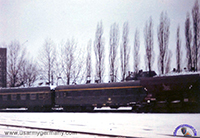
| The program of reinforcing and marking baggage cars used to transport mail, in a move to detect or eradicate depredations, was completed on 30 July 1947. All windows and doors of the mail cars, except loading doors, were covered with steel matting, and exteriors were painted with distinctive red, white, and blue stripes to identify them and stop their use for other purposes. With mail transport within Germany confined to thirty-six cars so reinforced and so identified, no depredations of mail were reported during the remainder of the quarter. | |||||||||||||||||||||||||||||||||||||||||||||||||||||||||||||||
| (Source: OCCUPATION FORCES, Quarter IV, Third Year, Vol. III) | |||||||||||||||||||||||||||||||||||||||||||||||||||||||||||||||
| On 1 April 1948, a new rail schedule was inaugurated, whereby sealed mail cars at the 28th Base Post Office at Bremerhaven, destined for the 27th Base Post Office at Nürnberg and the 29th Base Post Office at Munich, were routed via Kassel, Fulda, and Würzburg. Railway mail cars out of Frankfurt were attached to passenger trains, and the all-mail train between Frankfurt and Munich was discontinued. Operational difficulties and delays were encountered at Kassel, and on 26 May 1948 the sealed cars from Bremerhaven were routed through Frankfurt, and the mail train from Bremerhaven was put back in service between Frankfurt and Munich. |
|||||||||||||||||||||||||||||||||||||||||||||||||||||||||||||||
| 1950 | |||||||||||||||||||||||||||||||||||||||||||||||||||||||||||||||
| (Source: STARS & STRIPES, March 27, 1950) | |||||||||||||||||||||||||||||||||||||||||||||||||||||||||||||||
| Under a plan to effect economies and increase the operating efficiency of the Army postal service in EUCOM, the Postal Branch of the EUCOM Adjutant General's Division, the Central Postal Directory and Army Post Office 403 will be moved in the next few weeks to EUCOM Hq at Campbell Barracks.
EUCOM APOs serve all American occupation personnel as well as HICOG, EUCOM, U.S. Air and Naval forces, the mutual defense assistance program and military attaches.
The staff of the postal branch, now located in Munich, will be assigned offices in the EUCOM Adjutant General's Division at Campbell Barracks. Space vacated in Munich will be returned to Munich Military Post. Transfer of the central postal directory APO 743 unit from Wurzburg to the basement of Building 1 at EUCOM Hq will make it possible to eliminate the locator file of the Machine Records Branch of the AG at EUCOM Hq. The central postal directory maintains a complete file of names and locations of American occupation personnel assigned to EUCOM over the past several years, so that mail with incomplete or obsolete addresses can be redirected. APO 403, which now is located in the Grand Hotel in Heidelberg, will be moved to Building 9 at Campbell Barracks when the fire station transfers to new quarters now being constructed. Offices in the Grand Hotel will be returned to Heidelberg Military Post. This change will eliminate one complete handling of mail to and from a small branch APO to EUCOM Hq, speeding up deliveries as much as 12 hours. A smail branch post office will be maintained in the Heidelberg post-exchange store. A change that was inaugurated last week in the routing of mail trains to and from Bremerhaven will give one-day mail service to the majority of Army and Air Force post offices. Mall trains are attached to a U. S. duty train leaving Bremerhaven in the early evening and arriving at Frankfurt the next morning. There, the cars are switched to through trains to Karlsuhe and to Munich-Garmisch. Mail sacks for Darmstadt, Heidelberg, Mannheim, Stuttgart, Karlsruhe, Munich and Garmisch are taken off en-route, and mail for these and other EUCOM points are taken aboard during scheduled station stops. Mail cars are attached to through trains for the return trips to Frankfurt and Bremerhaven. Formerly, mail was channeled from Bremerhaven through the base post office at Frankfurt, and dispatched to other EUCOM APOs on six different trains. |
|||||||||||||||||||||||||||||||||||||||||||||||||||||||||||||||
| 1952 | |||||||||||||||||||||||||||||||||||||||||||||||||||||||||||||||
| (Source: STARS & STRIPES, June 15, 1952) | |||||||||||||||||||||||||||||||||||||||||||||||||||||||||||||||
| The 2nd Air Postal Sq (USAFE) is commanded by Lt Col Robert P. Muhlbach and is located at Rhein-Main Air Base. The squadron has a dual mission: it operates the base post office at R-M AB and also maintains intransit mail service for all of the European Command. As part of its latter mission, Flight A of the 2nd Sq operates the intransit mail room at the air base. Mail is flown into Rhein-Main mostly via MATS carriers (C-97* and C-54 aircraft) or by commercial flights. A staff of a minimum of 5 airmen are always on duty at the instransit mail to receive, off-load and process the mail. Incoming mail destined for locations within the European Command is forwarded to the 312th Base Post Office in Frankfurt. Mail bound for areas outside the US Zone in Germany is consolidated by the mail room and made ready for MATS, USAFE or commercial flights to those destinations. All outgoing mail to the States is flown via MATS aircraft to Westover AFB in Massachusetts. * a Boeing C-97 STRATOFREIGHTER (long-range heavy military cargo aircraft) can lift as much as 20,000 pounds of mail. |
|||||||||||||||||||||||||||||||||||||||||||||||||||||||||||||||
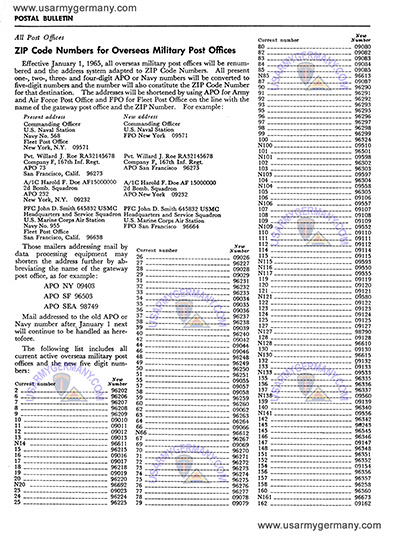 Conversion table for ZIP Code numbers 1965 |
|||||||||||||||||||||||||||||||||||||||||||||||||||||||||||||||
| 1965 | |||||||||||||||||||||||||||||||||||||||||||||||||||||||||||||||
| (Source: National Archives, College Park, Md.) | |||||||||||||||||||||||||||||||||||||||||||||||||||||||||||||||
| Effective 1 January 1965, 1-3 digit APO numbers used for US Army and Air Force military addresses became 5-digit numbers similar to the ZIP Code system in use for civilian mail in the US. (Navy FPO numbers were 4-digit and were converted to the new numbers without the previous prefix 'N.') In the ZIP-APO conversion of military postal addresses using the New York "gateway," all previous one-digit numbers were to be prefixed by '0900,' two-digit numbers prefixed by '090,' and three-digit numbers by '09.' Examples: APO 1 became APO NY 09001; APO 46 became APO NY 09046 and APO 111 became APO NY 09111. |
|||||||||||||||||||||||||||||||||||||||||||||||||||||||||||||||
| 1968 | |||||||||||||||||||||||||||||||||||||||||||||||||||||||||||||||
| (Source: STARS & STRIPES, Sept 25, 1968) | |||||||||||||||||||||||||||||||||||||||||||||||||||||||||||||||
| In 1967, there were a total of 915 workers (military and civlian) handling mail at 138 postal facilities in USAREUR. Some 400 of them worked at the base post offices at Frankfurt, Munich, Stuttgart, Kaiserslautern, Heidelberg and Nuernberg. (Base Post Offices operate on a 24-hour schedule, seven days a week. Unit facilities operate only during the day, close at noon on Saturdays, and are not open on Sundays.) US Army railway mail cars make a daily run, via German railway facilities) between Munich - Frankfurt, Frankfurt - Bremerhaven, and Frankfurt - Berlin. |
|||||||||||||||||||||||||||||||||||||||||||||||||||||||||||||||
 |
|||||||||||||||||||||||||||||||||||||||||||||||||||||||||||||||
| 22nd Base Post Office | |||||||||||||||||||||||||||||||||||||||||||||||||||||||||||||||
| 1961 | |||||||||||||||||||||||||||||||||||||||||||||||||||||||||||||||
| (Source: Email from William F. Moorehead, APO 189, Pirmasens) | |||||||||||||||||||||||||||||||||||||||||||||||||||||||||||||||
| The 22nd Base Post Office was in Kaiserslautern and is not on the list (Webmaster: now added). It was sent there during the Berlin Crisis in 1961. I was at APO 189 (Pirmasens) and we got our mail from APO 227 until the Berlin Crisis and then we picked up our mail from the 22nd Base Post Office. After completing Postal School at Fort Benjamin Harrison, IN our class Postal 12 was sent to Fort Dix, NJ for 3 weeks OJT with the 22nd Base Post Office. Part of the class went to France and the rest to Germany.
We arrived in Germany on Aug 31, 1959. |
|||||||||||||||||||||||||||||||||||||||||||||||||||||||||||||||
|
|||||||||||||||||||||||||||||||||||||||||||||||||||||||||||||||
| 24th Base Post Office | |||||||||||||||||||||||||||||||||||||||||||||||||||||||||||||||
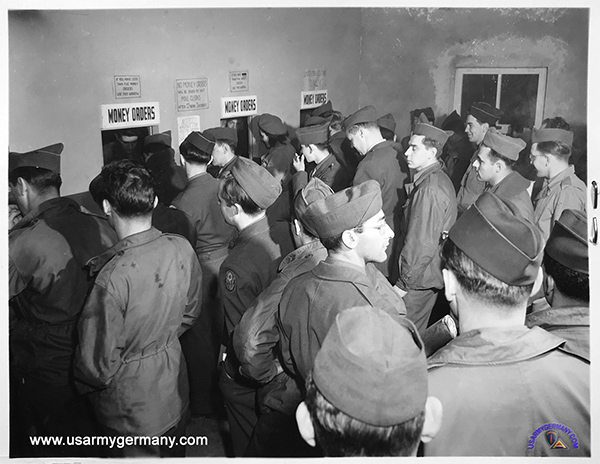 This is only a small portion of the crowds which gather all during the day at the Money Order windows in the APO at Frankfurt, Germany, March 1946 |
|||||||||||||||||||||||||||||||||||||||||||||||||||||||||||||||
| 1946 | |||||||||||||||||||||||||||||||||||||||||||||||||||||||||||||||
| For the Americans serving in the Army of Occupation, the post offices have become one of the most important establishments. As well as expediting mail, parcels, and selling stamps, the popularity of the money orders for saving and exchange have given the post office the atmoshere of a busy bank. Typical is the 24th Base Post Office serving the Frankfurt area. Monthly averages are $2,750,000 in money orders; 2,250,000 letters to the States; $210,000 worth of stamps; 240,000 parcels from the States; and 2,520,000 letters from the States. There are approximately 60,000 troops in the Frankurt area. |
|||||||||||||||||||||||||||||||||||||||||||||||||||||||||||||||
| 1953 | |||||||||||||||||||||||||||||||||||||||||||||||||||||||||||||||
| (Source: STARS & STRIPES, Nov 2, 1953) | |||||||||||||||||||||||||||||||||||||||||||||||||||||||||||||||
| The 24th BPO has announced new operating hours for APO 757 postal units during the pre-Christmas rush. The units are located at:  Atterberry Area I.G. Farben Building 97th Gen Hosp Hoechst WAC Circle Atterberry Area I.G. Farben Building 97th Gen Hosp Hoechst WAC Circle |
|||||||||||||||||||||||||||||||||||||||||||||||||||||||||||||||
| 25th Base Post Office | |||||||||||||||||||||||||||||||||||||||||||||||||||||||||||||||
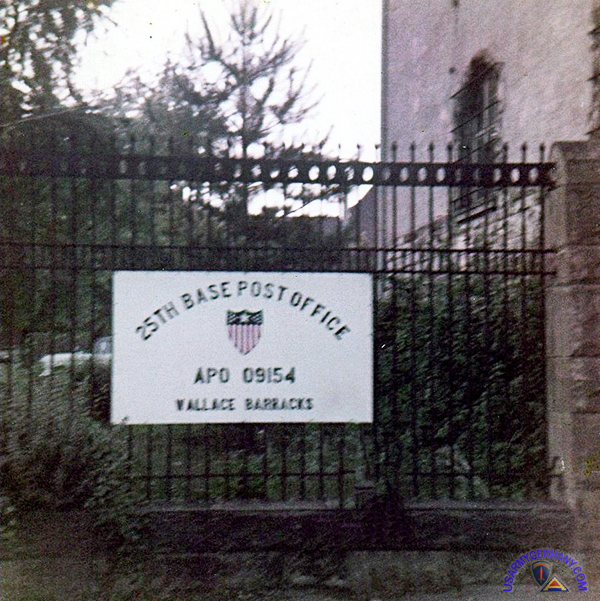 25th BPO sign mounted on the perimeter fence, 1971 |
|||||||||||||||||||||||||||||||||||||||||||||||||||||||||||||||
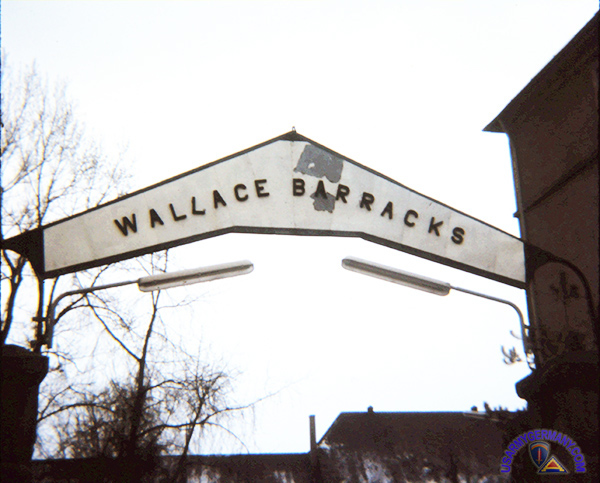 Installation sign over main gate, Wallace Barracks, 1971 |
|||||||||||||||||||||||||||||||||||||||||||||||||||||||||||||||
| 1965 | |||||||||||||||||||||||||||||||||||||||||||||||||||||||||||||||
| (Source: Email from G. McCurty) | |||||||||||||||||||||||||||||||||||||||||||||||||||||||||||||||
| I arrived in Stuttgart, Germany the last few days of December 1965. I was assigned to the 25th Base Post Office, Robinson Barracks, United States Army Garrison Stuttgart. Our building was located right next to the gym, and across the field was the Military Police station. My work station was in the main exchange building along with the commissary, the bank, the barbershop and the dry cleaner to recall some of the businesses in that one particular building. We had a postal finance unit upstairs on the first floor to serve the public, but the more heavier work was done in the basement of the building. As I recall, across the street was the military dispensary for sick call and the pharmacy. In back of the dispensary was a company of the 68th Signal Battalion. Also on the installation was the Skyline NCO club, Military Personnel, Finance and Accounting and finally behind the NCO Club and down the hill was the Mess Hall. Last, but certainly not least, the 5th General Hospital was located no more than roughly five miles from Robinson Barracks. I almost forgot that family housing was also located on the installation too! This was my first overseas tour and I have some very fond memories of this place. Throughout my nearly 25 years of service, I was never able get reassigned there again. |
|||||||||||||||||||||||||||||||||||||||||||||||||||||||||||||||
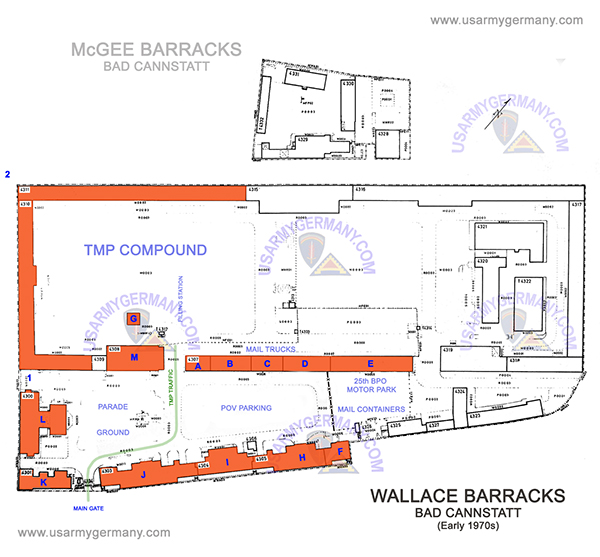 Annotated installation map for Wallace Barracks, early 1970s |
|||||||||||||||||||||||||||||||||||||||||||||||||||||||||||||||
| 1969 | |||||||||||||||||||||||||||||||||||||||||||||||||||||||||||||||
| (Source: Email from Matt Mellenthin, 25th BPO , 1969-1971) | |||||||||||||||||||||||||||||||||||||||||||||||||||||||||||||||
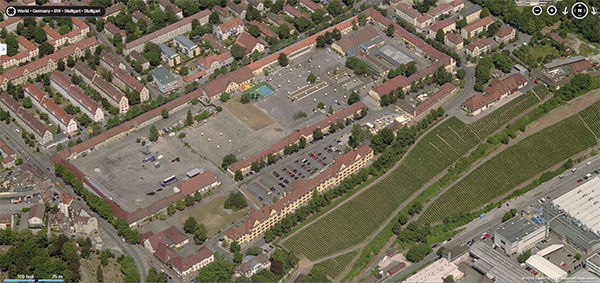
| I served as a Registered Mail Clerk from August 1969 to January 1971. One of the most interesting times in my life. I arrived before the Army started giving out paychecks and as the Register Mail Clerk on night shift received the next days pay role in cash in the form of large square boxes and coins in many smaller boxes. Taking responsibility for it until signing it over to the day shift or the Pay Clerks when my shift ends. Although never confirmed it was said to be in the millions. To say the least it made me quite nervous. We had a 45 caliber handgun hanging on the wall but did not not now how to use it. This came to light and we where taken to a gravel pile behind the the gymnasium and we shot a few rounds into the gravel pile and we where “qualified”. A few months later we where ordered to carry a 45 when transporting register mail to the train station. Then there was the classified mail that was not package well. Two inch thick reports/orders would be put in a plain 10x12 envelope. Several times in transit these documents being to heavy for the envelope would break open. I would report immediately and then be questioned, sometimes extensively, as to what I might have seen or read. There are other stories about how my kindness was misused by my fellow "soldiers". Never the less there are many fellow BPO men that I would like to know if life has been good since those days in Germany. If my memory serves, this is what I remember about the 25th Post Office. I know nothing about the motor pool as we where separated by a fence. It was said that Wallace Barracks once was General Rommel's Calvary Headquarters and there was evidence that these building we worked in might have been tack rooms for cavalry. D. This was the storage area for surface mail or as we called it "boat mail". A truck would come every 2 or 3 weeks from Bremerhaven and drop the forty foot trailer and then pick it up the next day. Also hidden in one corner, when I first arrived in August 1969, was the register mail office. Very unsecured but that soon changed and moved to B. C. This was the main sorting floor for all mail and local APO 0154 mail. Bag racks and pigeon hole sorting racks and floor space for sorting package mail. I/we worked night shift so our main task was to ready the mail for the trains. It was not heated very well and on cold winter days it was not a pleasant place to work. Every night we met a train from Frankfurt going south to Munich and the Munich train going north to Frankfurt. The Stuttgart Bahnhof and meeting the trains had its own set of challenges and memorable adventures. Like the arguments with the Italian workers over carts we both used to put our unloaded mail on. If the trains where on time we had plenty of time to unload but if running behind they left on time if that meant only a 5 minute stop or less. It was especially crazy at Christmas time and many time there was so much mail to unload we wouldn't get it all off. The mail that was not unloaded would return on the Munich train the next night. This made the men on the trains a bit unpleasant at times. Thankfully for me the register mail came in bags and Christmas had little effect. But it did get touch and go when the trains were late checking all the numbers and signing off responsibility. It all had to come off and there was a couple of times bags where thrown off as the train pulled out. Sign and jump off a moving train. But we got the job done. B. Was the Register Mail and Certified Mail office. Office is a generous description. But it did stay warm in the winter. More secure than in the corner of the "boat mail" room. Pigeon holes and floor space for sorting packages. We also received postage money from the postal window office in the PX which was held for the day shift to deal with the next morning. On a cold January night in 1971, two weeks before my time in the Army would end, my kindness bit me. After a cold night of sorting and a very cold trip to the Bahnhof I let the guys on the floor come into the Register Mail Office to warm up. When my shift ended I walked across the parking lot and went to bed in building H. At 9:00am I was awakened and told that one of the envelopes containing receipt from the PX was missing. We had some new guys on the main floor and I suspect that one of them grab it when I was working my mail when I letting them warm up. Scared the investigation would keep me in the Army longer than my commitment, worry set in. But thankfully the Captain and the First Sargent pushed it through fast. It also helped to pay back the (140 or 170?) bucks which was a hardship at the time as I was shipping my belonging back home. F. Was civilian quarters for motor pool workers. I am terrible at names and cannot remember the names of the family that befriend me. They where from Yugoslavia. I would kick the soccer ball around with their son and their daughter who was a very beautiful young woman. They had me over for supper a number of times and the language barrier was difficult but we had many good laughs. They served me a small glass of a Yugoslavian liquor. It made my eyes water and the whole family got a big kick out of that. And if I burped after the meal Mother seem quite pleased and the Father would point it out to her with glee. H. Our barracks building. First floor - 25th BPO administration offices and showers. Second Floor housed us. I think there was about 5 rooms with four to a room and one that held five I believe. Bathroom was also on this floor. I do not recall what was on the third floor but there was a game room with a pool table in the 4th or attic room. The view from our rooms was Bad Cannstatt and the Nectar river valley. Immediately outside the window was a street then a sidewalk and then a hillside vineyard. Below my room was the First Sergeant's office and I found out quickly not to play music to loud. The two buildings, I and J, for the most part where empty. There were some clubs that met in J. K. This is the building where the beer vending machine resided. Other than that it seemed to be occupied by German workers. "Mail Trucks" - is where we parked our trucks. 1. Is where the pile of dirt was I shot into to qualify with the 45. M - the Gym, as I recall, was not used much but then I work the night shift. "Parade Ground" was never used by us. We assembled outside of H. Our Exchange, Dinning/Mess Hall, NCO club, Theater and Baden-Wuerttemberg Headquarters where up on the hill about a mile or more from us. It was quite a hike up the hill if you could not secure a ride. My open classified mail interrogations took place in a building up on the hill. But this layout does seem familiar. I rarely used the mess hall. I ate at a local Guesthouse (2) around the corner from the Main gate about a half block. Because I ate there so often the owner started kidding me and calling me Mr. Rockefeller. We became friends even with a language barrier. Would help him move kegs in the basement once in a while and receive a free meal or beer. His wife on the other hand did not like him to befriend me. But it is a great memory. Not sure if you are aware of this or not but you can go to Google Maps and get street level view of Wallace and the guesthouse and the street that went up the hill to Headquarters. |
|||||||||||||||||||||||||||||||||||||||||||||||||||||||||||||||
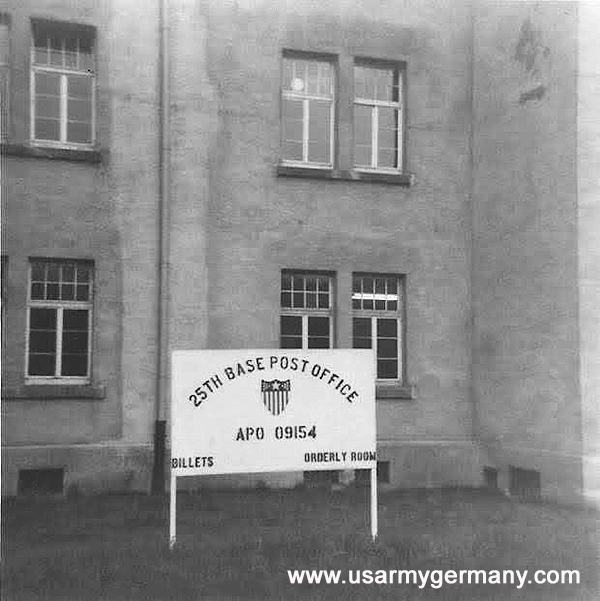 Unit sign in front of billets at Wallace Barracks - Bob Henault, c. 1970 |
|||||||||||||||||||||||||||||||||||||||||||||||||||||||||||||||
| 1970 | |||||||||||||||||||||||||||||||||||||||||||||||||||||||||||||||
| (Source: Email from James Jent, 25th BPO, 1970-72) | |||||||||||||||||||||||||||||||||||||||||||||||||||||||||||||||
| I saw where some information about Stuttgart Motor Pool #1 was wanted, I think primarily the location. It was located at Wallace Barracks in Bad Cannstatt. The 25th Base Post Office, later changed to the 25th AG Det was also housed at Wallace. I was assigned to the 25th AG Det from Jan. 1970 to May 1972. It was located on Rommelstrassel. Here are a couple of pictures of the entrance to the 25th BPO in Stuttgart taken in 1971. Wallace Barracks was an old pre-World War II (maybe even a pre-World War I) German Calvary post. In fact, the main bulk post office, where we sorted all the mail for the Stuttgart units, still had horse rings on the wall. I was a Postal Window Clerk and I worked units at Patch Barracks, U.S. General Hospital in Bad Cannstatte, and several other units that I can't recall right. I worked the last year of my tour as the NCOIC at the three man unit (APO) at Robinson Barracks. Our billets were really a small area when compared to the entire building where we were housed (Bldg #4303-4305). It was three stories and had a basement. The basement was our rec room with a pool table and few tables and chairs and a Coke vending machine and a beer vending machine. So, we did not have a snack bar. There may have been one in the TMP area but I don't know for sure. The first floor of the billets was the CO's office, First Sergeant's office, a few sleeping areas, the showers and toilets, and the company mail-room. The 2nd floor were sleeping quarters for the men who lived on the compound and the third floor had a few sleeping areas. Since the 25th, like most units during the Viet Nam era, was always undermanned, the third floor was not fully occupied. On either side of the 25th BPO's billets were housing for the families of the workers for the motor pool. When I say workers, I am talking about the civilian workers, most were 3rd nationals from Turkey. I do not recall ever seeing any U.S. Army personal living in any of the building in the Wallace Barracks compound. The operations area of the Post Office was across the parking lot from the billets. It consisted of the Bulk Mail Area where all of the mail coming into the Stuttgart area and going out of the area was housed until it was either sorted for local distribution or sent to the airport, the bahnhof, or held until container trucks arrived to be shipped by boat. The bulk mail room was a very large area as you can tell by the photograph. The Postal Area also housed the XO's office along with the NCOIC for postal operations and several other Staff Sergeants. It also housed the vault where the stamps, money orders, money and various other items the Postal Window Clerks would need including an Armory. Window Clerks transporting stamps and money were all certified in the handling of the U.S. Army 1911 45 ACP weapon, but the armory also housed other weapons including an M50 Machine Gun. There was a "Dead Letter" office and the registered mail room, where the registered mail was under surveillance or in a vault at all times. There was a basketball gym at the very end of the building, but rarely used. I do recall that the Headquarters for the 25th BPO and later designated the 25th A.G. Detachment was the Adjutant General Headquarters located in Heidelberg, Germany. I will try to recall the U.S. Army bases we serviced and the ones where we had window units assigned. The 25th did not, of course, have Postal Window Units at every base that we delivered mail to or got mail from. I should be able to recall the bases where we had window units as I worked at all of them at one time or another. |
|||||||||||||||||||||||||||||||||||||||||||||||||||||||||||||||
|
|||||||||||||||||||||||||||||||||||||||||||||||||||||||||||||||
| 26th Base Post Office | |||||||||||||||||||||||||||||||||||||||||||||||||||||||||||||||
| Frankfurt | |||||||||||||||||||||||||||||||||||||||||||||||||||||||||||||||
| 1949 | |||||||||||||||||||||||||||||||||||||||||||||||||||||||||||||||
| (Source: STARS & STRIPES, December 15, 1949) | |||||||||||||||||||||||||||||||||||||||||||||||||||||||||||||||
| The 26th Base Post Office has been stationed in Frankfurt since the beginning of the Occupation in the summer of 1945. CO of the 26th is Capt John W. McMichael. He has a staff of three officers, 68 enlisted men, one Department of the Army civilian and 58 German civilians. The 26th BPO is the clearing house for all EUCOM mail. Incoming mail from MATS or commercial planes is trucked from Rhein-Main airfield to the 26th. Surface mail arriving at Bremerhaven on Army transports is transported to the 26th in guarded mail cars. (The BPO receives 77 rail cars of mail from Bremerhaven every week.) Incoming mail is sorted in the mail shed at the 26th BPO and then rerouted to places as far away as Asmara, Eritrea; Dhahran, Saudi Arabia; the Azores; Athens and Tripoli, plus EUCOM and USFA post offices. At Rhein-Main airfield, a special postal unit, the Mail Regulating Section of the 2nd Air Postal Squadron (an Air Force unit), has been set up to handle EUCOM air mail. Normally, the unit handles an average of 250 pounds of mail daily. During the Christmas rush, the unit can handle up to 3,500 pounds of mail a day. Air mail letters and air parcel post have priority, but the postal officials will use all remaining available space in each aircraft for ordinary parcel-post packages. All transatlantic planes - military and commercial - carry US mail. The 26th is a branch office of the New York City post office for international mail. Mail sent from EUCOM to Luxembourg, for example, takes the same amount of postage as a parcel sent from New York City (to Luxembourg). However, the rate for a parcel sent from Germany to California is the same as from New York City to California. Besides the enormous volume of mail sent by individuals that goes through the BPO, the 26th also handles Army distribution of pamphlets, circulars and posters sent out to various military posts. |
|||||||||||||||||||||||||||||||||||||||||||||||||||||||||||||||
| Munich | |||||||||||||||||||||||||||||||||||||||||||||||||||||||||||||||
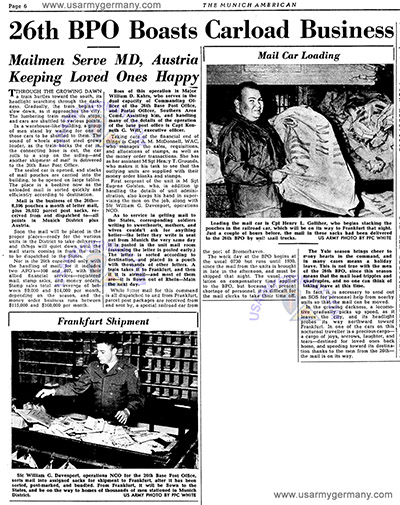 Article on the 26th BPO from 1953 (Webmaster's collection) |
|||||||||||||||||||||||||||||||||||||||||||||||||||||||||||||||
| 1953 | |||||||||||||||||||||||||||||||||||||||||||||||||||||||||||||||
| (Source: STARS & STRIPES, June 4, 1953) | |||||||||||||||||||||||||||||||||||||||||||||||||||||||||||||||
| The 26th Base Post Office, which handles all Army mail in the Munich metropolitan area, has moved from 472 Landsbergstrasse
in Pasing to a new location on a rail siding near the Munich east railroad station (Ostbahnhof). Known as the 26th BPO since January 1952, the mail service organization suceeded the 29th BPO, which had served the Munich area since 1946. Men of the organization, who have been billeted at McGraw Caserne and at the BPO in Pasing, moved at the same time to new quarters in Peterson Casern. The new building was specially designed to serve as a base post office and is expected to result in more rapid handling of mail. The office handles an average of 5,000 pouches of first-class and air mail, 15,000 sacks and outside pieces of parcel post, and 6,000 pieces of registered mail each month. |
|||||||||||||||||||||||||||||||||||||||||||||||||||||||||||||||
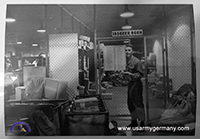
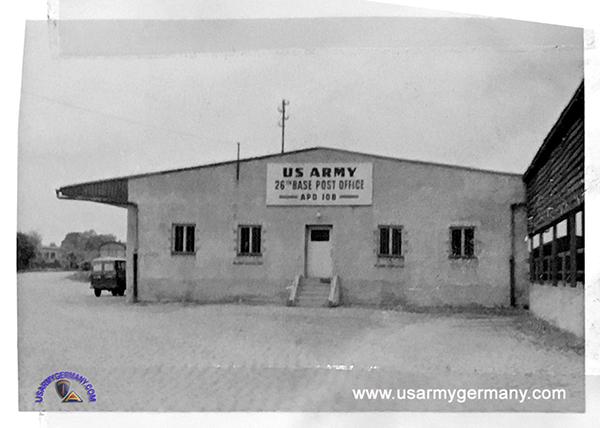 The 26th BPO mail distribution center at the Ostbahnhof (Paul Zale) |
|||||||||||||||||||||||||||||||||||||||||||||||||||||||||||||||
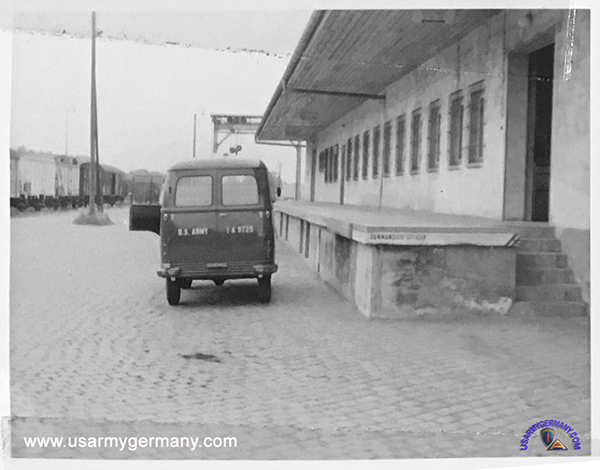 Army van at loading dock, 26th BPO (Paul Zale) |
|||||||||||||||||||||||||||||||||||||||||||||||||||||||||||||||
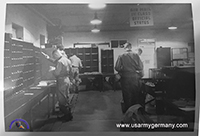
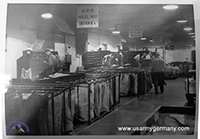
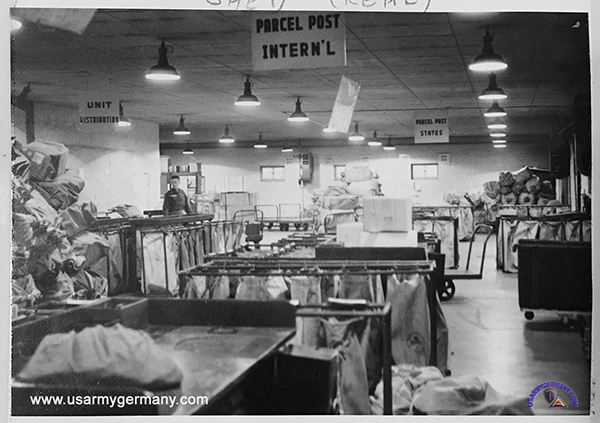 The mail sorting area inside the 26th BPO distribution center (Paul Zale) |
|||||||||||||||||||||||||||||||||||||||||||||||||||||||||||||||
| 1957 | |||||||||||||||||||||||||||||||||||||||||||||||||||||||||||||||
| (Source: Email from Paul Zale, 26th BPO, 1957-58) | |||||||||||||||||||||||||||||||||||||||||||||||||||||||||||||||
| I served with the 26th BPO in 1957-58 at McGraw Kaserne in Munich Germany. There was a distribution center that we were transported to daily by truck to receive the freight cars and distribute the mail to the other Kasernes and other units in the SACOM. Commanding officer was Captain McCarthy. Other officers were Captain Berson and a warrant officer. I have a complete roster if anyone is interested. The 26th BPO billets were at 237 Tegernseer Landstrasse in McGraw Kaserne. These were the living quarters for the unit, not the Post Office Operations. The building was right across the alley from the University of Maryland. If you have an aerial view of the Kaserne (which I can send you) you can see the layout. The quarters were very nice and comfortable. There were one and two man rooms. Polished wood floors and we all chipped in for a "Putz Frau" (cleaning woman) to clean the place. We even had a billiard table in the day room. The building was 3 floors with a basement that housed the armory of M1 carbines, and had access to the underground tunnels that were built by the Germans that ran under the Kaserne. We were forbidden to open the locked doors to these tunnels, and never did. The Kaserne was a wonderful posting and I am fortunate to have been posted there for the one and a half years that I spent there. |
|||||||||||||||||||||||||||||||||||||||||||||||||||||||||||||||
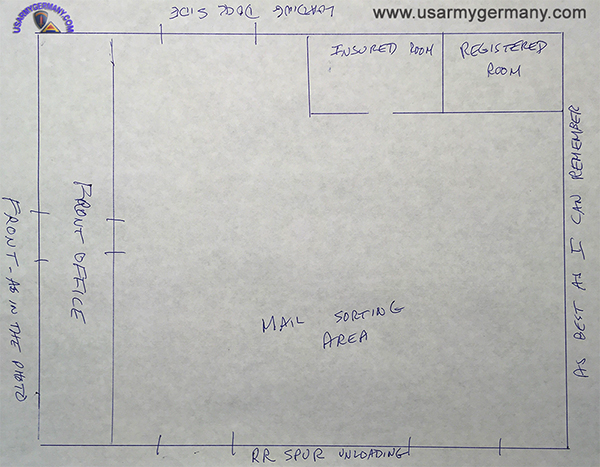 Layout of the 26th BPO Distribution Center, Ostbahnhof (Paul Zale) |
|||||||||||||||||||||||||||||||||||||||||||||||||||||||||||||||
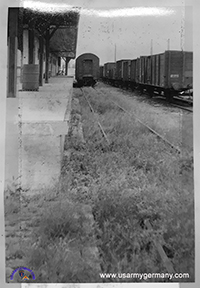
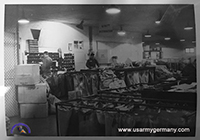
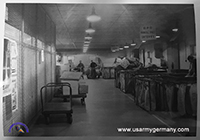
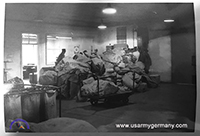
| The post office operations were conducted at a separate facility on an RR spur at the East Train Station (Ostbahnhof) to get all the mail that was delivered daily sorted and distributed to the many posts and Kasernes in the Southern Area Command (SACOM). I will send you some photos of this shed, inside and out. Together the inside photos should give you a good idea of the layout. The commanding officer and the supporting staff of the unit were based at the McGraw site. The NCO and some staff in charge were also at the mail shed daily. I believe the commanding officer and others would come out occasionally to inspect. The soldiers were transported every day by a canvas covered deuce and a half truck to and from, driven by a German national. About a 20 minute ride through the city. I worked in the registered mail section. I and others would go armed every morning to the Main Bahnhof (Hauptbahnhof) to meet the train mail car and pick up the registered mail. If we missed the train in the evening to send out the mail, we had to go to the Munich airport to put it on the flight to the USA. If I had to guess, the building was about 10 to 20 thousand square feet. As I said, there was an RR siding next to it and a loading dock on the opposite side for the trucks to pick up their mail. In one of the photos that I sent to you (photo #1), you can see the surrounding area behind it where the trains would arrive with produce and other supplies for the city. I was surprised that virtually all the labor were women. 12 years after the war and there was still a shortage of men. I was in touch with the City of Munich to see where the building was located. They gave me the approximate location, but of course the area was rebuilt and the shed is no more. Some nights a military hospital train would use the siding, for what, I do not know. I was on all night watch, armed and locked in, and I had this happen to me. Click here to read an article on the 26th Base Post Office that appeared in the SACOM SCENE, the Southern Area Command newspaper. Click here to see some photos of McGraw Kaserne (Munich Page) also submitted by Paul Zale from the same time frame, 1957-58. |
|||||||||||||||||||||||||||||||||||||||||||||||||||||||||||||||
|
|||||||||||||||||||||||||||||||||||||||||||||||||||||||||||||||
| 1961 | |||||||||||||||||||||||||||||||||||||||||||||||||||||||||||||||
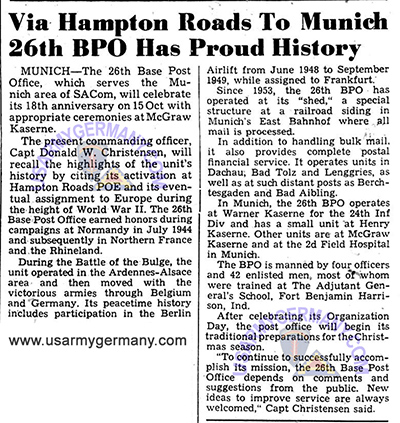 Article on the 26th BPO from 1961 (Webmaster's collection) |
|||||||||||||||||||||||||||||||||||||||||||||||||||||||||||||||
| 1967 | |||||||||||||||||||||||||||||||||||||||||||||||||||||||||||||||
| (Source: Email from Lee Milner) | |||||||||||||||||||||||||||||||||||||||||||||||||||||||||||||||
| I served at the 26th BPO & 15th APU between 1967 & 1969. The 26th BPO was in Munich at that time & Captain Ken Boegler was the CO. I was a new 2nd Lt. at the time. 1st Lt. Paul Martin was XO. I was Assistant Operations Officer & the Property Book Officer. I was transferred to the 15th APU in Zweibrucken and served there until I went back to the States. My first Sergeant was an E6 named David Shaw. I had about 15 enlisted men at the time & I was the only officer. There was supposed to be another officer in the unit. I can't remember exactly where the BPO was located Iwhich installation in Munich) but I still visit with my commanding officer and just talked to him this afternoon. I told him about your site and that there was no mention of the 26 BPO during his time as Commanding Officer. Two other officers in the BPO were Capt. Pat Siemon and Joe Bruschi (not sure of spelling). Pat arrived about the time I was transferred and he eventually became the commanding officer of the unit. Joe Bruschi was the COPE when I was there. Paul Martin, whom I still visit with, was the XO and the Operations Officer. Sgt Chuddy was the First Sergeant. I don't know about the APU's that received mail. Ken can probably tell you about them. I know there were a lot of Unit Mail rooms that we delivered mail to. When I first arrived there we were part of USAREUR (U.S. Army Europe). Then we became part of COMZ (which was Communications Zone Europe). I do remember the troops were living at Warner Kaserne in Munich. Married housing was in Perlacher Forrest. I don't know what happened to the 15th APU at Zweibrucken. It would be nice to know so maybe someone will get the itch to do a search for these postal units sometime soon. |
|||||||||||||||||||||||||||||||||||||||||||||||||||||||||||||||
| (Source: STATION LIST, 31 March 1970 & 30 June 1970) | |||||||||||||||||||||||||||||||||||||||||||||||||||||||||||||||
| The 26th AG Base Post Office was replaced by the 226th AG Postal Detachment sometime between 1 April and the end of June, 1970. | |||||||||||||||||||||||||||||||||||||||||||||||||||||||||||||||
|
|||||||||||||||||||||||||||||||||||||||||||||||||||||||||||||||
| 27th Base Post Office | |||||||||||||||||||||||||||||||||||||||||||||||||||||||||||||||
| 1952 | |||||||||||||||||||||||||||||||||||||||||||||||||||||||||||||||
| (Source: STARS & STRIPES, Aug 24, 1952) | |||||||||||||||||||||||||||||||||||||||||||||||||||||||||||||||
| 44 enlisted men are assigned to the 27th Base Post Office at Nuernberg Military Post. | |||||||||||||||||||||||||||||||||||||||||||||||||||||||||||||||
| 1970 | |||||||||||||||||||||||||||||||||||||||||||||||||||||||||||||||
| (Source: STARS & STRIPES, June 25, 1970) | |||||||||||||||||||||||||||||||||||||||||||||||||||||||||||||||
| The 27th Base Post Office serves Support District Nord Bayern. | |||||||||||||||||||||||||||||||||||||||||||||||||||||||||||||||
|
|||||||||||||||||||||||||||||||||||||||||||||||||||||||||||||||
| 28th Base Post Office - 312th BPO | |||||||||||||||||||||||||||||||||||||||||||||||||||||||||||||||
| 28th Base Post Office - Bremerhaven | |||||||||||||||||||||||||||||||||||||||||||||||||||||||||||||||
| 1950 | |||||||||||||||||||||||||||||||||||||||||||||||||||||||||||||||
| (Source: STARS & STRIPES, May 29, 1950) | |||||||||||||||||||||||||||||||||||||||||||||||||||||||||||||||
| The 28th Base Post Office located at Bremerhaven, recently moved from its old quarters at Fischereihafen to a new building at Columbus Quay. All mail from the US and EUCOM is processed through the post office where approx. 40,000 sacks of mail per month are handled. The move speeds up the dispatch of mail to the Zone of Occupation (southern Germany) by one day, eliminating the 10 to 12 hours previously lost because mail arriving by ship had to be first transported by rail to Fischereihafen before being processed. |
|||||||||||||||||||||||||||||||||||||||||||||||||||||||||||||||
| 312th Base Post Office - Frankfurt | |||||||||||||||||||||||||||||||||||||||||||||||||||||||||||||||
| 1953 | |||||||||||||||||||||||||||||||||||||||||||||||||||||||||||||||
| (Source: Email from Terrance P. Carroll, 28th BPO, 1953-1955) | |||||||||||||||||||||||||||||||||||||||||||||||||||||||||||||||
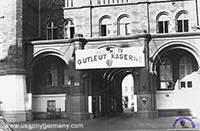
| I read your web site with interest. In October of 1953, I was assigned to the U. S. Army's 312th Base Post Office. We were billeted in the back of the Gutleut Kaserne on the second floor of the building that sat next to the State Side Club and along the back near the brick wall. I remember the post office building being located near the main rail road station in Frankfurt. We were the mail and baggage distribution center for all branches of service located in Germany and France. The 312th consisted of the following sections, Track and Floor, Distribution, Operations, Registered Mail, Motor Pool and CP Riders. I don't remember how many troops we had but it was a large unit. We were commanded by two Majors, two Captains and a number of lieutenants. I was a CP Rider. I was a CP rider. [I don't remember what CP rider meant, but on my separation paper my duty was listed as a railway mail guard.] Except for the Christmas mail rush of 1954, which I volunteered to help with, I rode military trains all over Germany and a part of France guarding the mail. We rode in a box car and when the train stopped we made sure that none of the sealed military box cars were entered. We also dropped off and received mail from military postal units at various stops. Sometime between my arrival in October 1953 and my departure in March 1955, this unit changed it's name to the 28th Base Post Office. I have no idea why or when this change took place. Other units billeted at the Gutleut Kaserne at that time were the 709th MP Battalion, 540th Railway MP, an ASA and a Refrigerator unit. Just about all of us had a beer or two at the Palm Room, Fischerstube, Reicholf, and The Mairagustel. Tonys was a small place across from the Kaserne that served little pizzas. In searching the internet for any information on the these BPO s I found a mention of a 24th Base Post Office located at the Gutleut Kaserne around 1948. This is all the information I could find. I have however, located 15 veterans who served with these units. I have remained in touch with Roman Borkan, Jake Flynn, Jim McGinn, Lew Plonty, Jerry Palmer and Don Morrison in Minnesota, Fordy Gregg and Don Rasmussen in Michigan, Douglas Calvert in Utah, Howard Ruvelson in California, Len Sullivan in Maine, Del Cain in Massachusetts, and Tom Craig in North Carolina. In order to keep in contact we put out our first newsletter in April, 2003. Terrance P. Carroll |
|||||||||||||||||||||||||||||||||||||||||||||||||||||||||||||||
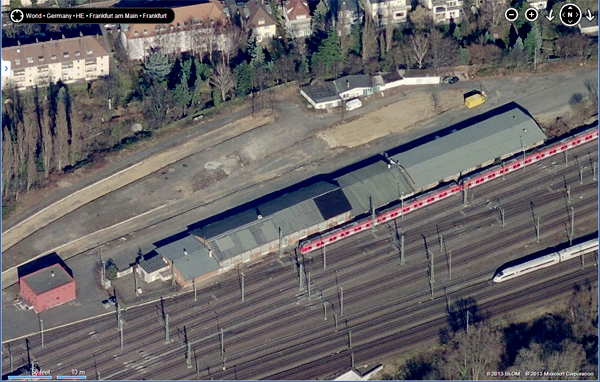 Güterbahnhof Süd in Sachsenhausen, site of the former 28th BPO mail distribution facility |
|||||||||||||||||||||||||||||||||||||||||||||||||||||||||||||||
| 28th Base Post Office - Frankfurt | |||||||||||||||||||||||||||||||||||||||||||||||||||||||||||||||
| 1954 | |||||||||||||||||||||||||||||||||||||||||||||||||||||||||||||||
| (Source: STARS & STRIPES, Nov 20, 1954) | |||||||||||||||||||||||||||||||||||||||||||||||||||||||||||||||
| The 312th Base Post Office Office in Frankfurt was recently redesignated as the 28th BPO. The 312th was an Army Reserve unit from New York that had been federalized and sent to Germany as part of the Augmentation in 1951. The newly redesignated 28th BPO is the center of the American mail distribution system in Europe. With the exception of some direct Paris-US mail, all USAREUR mail passes through the 28th. The unit operates 50 railway cars which deliver the mail in Europe. Trains radiate from the 28th to APOs and BPOs in Paris, Berlin, Munich, Bremerhaven, and dozens of other cities. Where distances are great, such as with mail to Italy and North Africa, mail is trucked to Rhein-Main Air Base and carried by plane. CO of the 28th BPO is Capt Edward J. Murphy. The 130 EM and six officers of the unit work around the clock in three shifts to process approximately 50,000 tons of mail a year. |
|||||||||||||||||||||||||||||||||||||||||||||||||||||||||||||||
| 1955 | |||||||||||||||||||||||||||||||||||||||||||||||||||||||||||||||
| (Source: Email from Tom Craig, 28th BPO, 1955-57) | |||||||||||||||||||||||||||||||||||||||||||||||||||||||||||||||
| I was assigned to the 28th BPO from March of 1955 until April of 1957. While assigned there, our compliment of troops numbered between 76 and a little over 100, with one German National whose name I can't remember. During the Christmas season of 1955, we worked as many as 18 days in a row without a day off. I remember on one occasion, the USS United States docked in Bremerhaven, and we received 43 box cars loaded with mail. Fortunately for us, only eight of those had to be unloaded and rerouted. The rest were "directs" with all the mail on them going to one general area. We had three shifts working 24 hours a day while I was at the 28th BPO. The midnight shift had only one man on it. The rest of us were divided into the other two shifts, and the CP riders. We had several CP runs at that time; including Bremerhaven, Munich and Paris. One of the runs used Hermann Georing's personal railroad car. It had two ramps mounted on one end, so that his personal automobile could be driven into the railroad car and go wherever he went. In the winter of either 1955-56 or 1956-57, they had the coldest winter on record. One night we worked on the "Track and Floor" loading mail on to box cars, and it was 13 degrees below zero. We closed up the Berlin boxcar and it was pulled out to be coupled with the rest of the train. Twenty minutes later, the truck from Heidelberg arrived with the Commanding General's pouch for the next day. Four of us drove over to the South Bahnhof to make sure the pouch got on the boxcar. It took all four of us with the aid of the long wheel bar, that was used to start a box car rolling so that it could be moved by hand, to pry the door open. In those few minutes, it had frozen shut. That is the coldest I ever want to be. Our commanding officer when I arrived was Capt. Murphy. The other officers I remember were Capt. Gaady (sp.), and 2nd Lt. Baker. Mister McDermott was the Warrant Officer. Capt. Murphy made major and moved on. Capt. Gaady became commanding officer, and Lt. Baker was promoted to 1st Lt. My favorite items traveling through the mail were the camel saddles that guys stationed in the near east sent home. Try stacking those in a box car. I am looking for anyone who was with the 312th and the 28th BPO. Please contact me. Tom Craig |
|||||||||||||||||||||||||||||||||||||||||||||||||||||||||||||||
| (Source: STARS & STRIPES, Dec 13, 1955) | |||||||||||||||||||||||||||||||||||||||||||||||||||||||||||||||
APO 727, located at Atterberry Area and supporting Frankfurt Sub-area, recently merged with the 28th Base Processing Office. 28th BPO took over the functions of APO 727, resulting in faster mail service for personnel in the Frankfurt area.. |
|||||||||||||||||||||||||||||||||||||||||||||||||||||||||||||||
| (Source: Email from Donald Davis) | |||||||||||||||||||||||||||||||||||||||||||||||||||||||||||||||
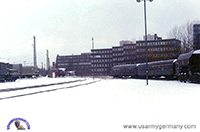
| I was stationed at the 28th Base Post Office and the Gutleut Kaserne in 1955 and 1956. I have been back twice since then as a professor on study trips. Just want those interested to know the Kaserne’s front wall is still standing but all other parts have been razed. Looks like an office building now. Neighborhood much improved now, over what is was in the 1950s, but lots of middle eastern businesses. The Südbahnhof in Sachsenhausen is barely recognizable, and just a single small building remains of the original. Not much of Frankfurt or Germany remains similar to what is was in the 1950s. The food is nothing like we had then, and the bars for the most part cater to the trendy — especially in Sachesenhausen that is noted for its apfelwein. The tourists overflow the taverns there to partake of the wein. Miss the old world ambiance of old Frankfurt. From my limited memory, here is what I remember of Gutleut: it seems Bldg 1163, the wing closest to the main entrance, were billets for 28th BPO on the second floor. I think an MP detachment was on the third floor. As mentioned, we were based at the Kaserne but transported by truck to the Südbahnof in Sachsenhausen each day. I was on the second shift, worked in the so called "bureau" which was a sorting department. Often went to the Hauptbahnhof in Frankfurt to deliver mail shipments, both regular and registered. The beauty of the job at that time was that I worked 4 days on, 2 off -- an innovative schedule. |
|||||||||||||||||||||||||||||||||||||||||||||||||||||||||||||||
| 1956 | |||||||||||||||||||||||||||||||||||||||||||||||||||||||||||||||
| (Source: Email from William Roth, 28th BPO, 1956 - 1957; 68th APO, 1957-58) | |||||||||||||||||||||||||||||||||||||||||||||||||||||||||||||||
| I was stationed at the 28th BPO from Nov 1956 until transferred to the 68th APU in Aschaffenburg on March 5, 1957. Spent my time there on the night shift in the parcel post bldg bagging all those clocks packed in wooden crates. The room was stacked to the ceiling with clocks, dishes, saddles and lots of other crap. I do remember Tony’s pizza joint across the street. Also the little bars and the larger one’s across the street from the train station. I recall one was named the Café Continental. Lot of fun riding in the back of the trucks tormenting the Germans. We were at the Gutleut Kaserne. We bunked on the second floor facing the court yard across from the mess hall. I have a picture of the Gutleut Kaserne hanging on my office wall. We had to take a deuce and 1/2's to get to the facility (the off-site transfer terminal across the Main River in Sachsenhausen) where we worked. I would think it might have been a 15-20 min drive. The truck ride shuttling back and forth from the work area to the kaserne introduced me to Frankfurt. Once went to the I.G. Farben building and rode on the continuous belted open elevators. 68th Army Postal Unit, Aschaffenburg |
|||||||||||||||||||||||||||||||||||||||||||||||||||||||||||||||
| 1958 | |||||||||||||||||||||||||||||||||||||||||||||||||||||||||||||||
| (Source: STARS & STRIPES, Nov 14, 1958) | |||||||||||||||||||||||||||||||||||||||||||||||||||||||||||||||
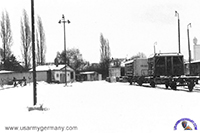
| Maj Edwin E. Slater is the commanding officer of the 28th Base Post Office, the unit that operates APO 757, central clearing house for all APO mail between the States and Europe, the Middle East and North Africa. APO 757 occupies a warehouse-like building alongside the tracks at south Frankfurt freight station. The total mail processed (received and dispatche) on a monthly basis (except for the Christmas period) at APO 757 is 5,500 tons. |
|||||||||||||||||||||||||||||||||||||||||||||||||||||||||||||||
| 1963 | |||||||||||||||||||||||||||||||||||||||||||||||||||||||||||||||
| (Source: Email from Frederick Leach, 28th BPO, Nov 1963 - May 1966) | |||||||||||||||||||||||||||||||||||||||||||||||||||||||||||||||
| I was fascinated to have discovered this web site and will enjoy sharing my recollections of my duty in Gutleut Kaserne from 1963 to 1966. The 28th BPO processed mail for the greater part of Western Europe as I recall. My recollections begin on a grey and rainy day in November in Germany. I did not speak German and had received no orientation concerning where I was being stationed for duty or the culture I was entering. After arriving at Rhine-Main Air Base I was assigned to a personnel replacement station in central Frankfurt before being transported to the 28th BPO in Gutleut Kaserne. Those first months of Track and Floor duty unloading mail sacks and packages from trucks and trains in the off-site transfer terminal across the Main River in Sachsenhausen introduced me to Frankfurt shuttling back and forth to the kaserne. I remember MSgt Matcaroff, Pfc Federici, Pfc Vinson, Pfc Smitka, SSgt Schmidt and many more. I remember long white tile corridors of the kaserne barracks on the first, second and third floors on Gutleut Strasse. I moved on to the Administrative Office at the off-site facility, then to the Training Office in the kaserne under the Detachment SSgt Joe Calendra, God bless him. Such excellent servicemen I was privileged to serve with: Ed Bush, Joe Hurtig, Jack Schacheran (hello), Bill Whalen, Pfc Gustafson, Benny Robinson, Ed Winters, Bob Parmer, Jim Joelson, Steve Kaner, Bob Haack, Bob Johnson, Rod Hayden, Clyde Wright, Billy Crow, WO Conrad, Lt McLain, Lt Lake, Lt Kearney, Benny Mangham, Billy Clyde, Jim Isenberg, John Moore, Joe DiGilarmo, Roscoe Bray, Sgt Sifuentes, SSgt Dubroc, Pete Turant, Bob Humbert, Sgt Mezo, Jim Allen, Sgt Joe Polumbo and many others I remember. In the Training Office organizing the training sessions, then to Company Clerk. I worked in the EM Club after my duty hours waiting on tables, making change for the slot machines and selling cigs. and having a front row view of the live entertainment bands with Hans, Inge, Mellie, Elke, Sophie, Angie, Helen, my German co-workers. Explored the kaserne attics and basement and sub-basements, a very old and architecturally interesting group of buildings. Some upper rooms had bars on the windows and metal rings in the walls for some purpose in the past, great wooden beams in attics that went on like caverns. There were two four or five story towers on either side of the main, arched, drive-thru gate or short tunnel. I had a room in one of the towers for a while. Gutleut Kaserne was configured similar to a fort, the center court a parking area for military vehicles. There was a gym building, a movie theatre, mess hall, fuel enclosure, Officers and EM Club, and Chapel within the court area. A barber shop staffed by German Nationals, always delighted to accept a tip, a laundry facility also staffed by German Nationals. Delightful Italian German National girls working in the mess hall. A library in the basement level at the far side of the kaserne facing the Hauptbahnhof. Gutleut Kaserne was constructed entirely of dark red brick that bore countless bullet and shell holes in the facade from WW2. Other entities there: the ASA, MPs, Motorpool, Stockade and others. For that brief time I served there we were fortunate that our service occurred during a relatively peaceful period for the U.S.. |
|||||||||||||||||||||||||||||||||||||||||||||||||||||||||||||||
| 1964 | |||||||||||||||||||||||||||||||||||||||||||||||||||||||||||||||
| (Source: Email from Jeffrey Koren, 28th BPO, 1964-66) | |||||||||||||||||||||||||||||||||||||||||||||||||||||||||||||||
| From 1964-1966 I was a member of the 28th Base Post Office, stationed in Frankfurt am Main, Germany. I was housed in the Gutleut Kasserne. At the time I was there, the unit was approx 60-75 men strong. No females. It's primary mission was to move mail. All mail from military personnel, whether leaving Germany or coming into Germany was processed through the 28th Base Post Office. Actual mail sorting took place within a large "sub train station" known as the "SUD GUTER BAHNHOF". I don't remember the exact address, but the location wasn't far from the main Frankfurt am Main train station. I'd estimate that the SUD GUTER BAHNHOF was approx a 75,000-100,000 square building. The mail was "worked" around the clock with three shifts. The midnight shift was manned the lightest. Each day, all military units within a designated mile radius would truck their mail to the centralized location and in turn pick-up their unit mail. Units that were too far away to truck-in, sent their mail by train.........., in military sealed box cars. The box cars were positioned along a rail-track approach to the facility and one by one were unloaded. Then the outgoing mail was loaded-up and the box cars left for designated locations. Mail that arrived by ship (Bremerhaven) was sent by train. Including the God-aweful Sears catalogs. Seemed like every military person in Germany got a catalog. Ha! Ha! The unit occupied a section of the first and second floors of the Gutleut Kaserne. I recall that all the room windows looked-out onto Gutleut Strasse, just to the left (as you faced the main gate) of the main gate of the Kaserne. Above us, on the third floor a Military Police unit was billeted. I don't recall what unit it was, but it did the policing of the Gutleut Kaserne and surrounding area -- into the downtown Frankfurt area. They wanted their mail and we wanted to be cut some slack........, so we had a mutual agreement not to **ck with each other. That's about it. The two+ years I spent there, in hindsight were pretty enjoyable. I didn't understand the impact at the time, but beginning in 1965 the Army began transfering-out some personnel to a place call Vietnam. I was discharged and just came back home to Los Angeles. The only person from the unit that I have had any contact with since 1966 was our company clerk (James Joelson). I believe that now he lives in the Sacramento, Calif area. Jeffrey Koren |
|||||||||||||||||||||||||||||||||||||||||||||||||||||||||||||||
| (Source: STARS & STRIPES, Nov 7, 1964) | |||||||||||||||||||||||||||||||||||||||||||||||||||||||||||||||
| During the Christmas rush (Nov 20 - New Year), the 28th BPO - hub of the US Army's postal system in Europe - doubles its normal workload of 100 tons of mail daily. During this period, the unit may handle up to 15 rail cars of US-bound mail weekly. The 28th is normally staffed with 147 military and 16 civilan personnel. During the ruch, however, the unit is augmented by 28 soldiers on temporary duty from other units in the area. The mission of the 28th BBO is to receive, separate, distribute, route and dispatch mail to and from military post offices in Europe. |
|||||||||||||||||||||||||||||||||||||||||||||||||||||||||||||||
| 1968 | |||||||||||||||||||||||||||||||||||||||||||||||||||||||||||||||
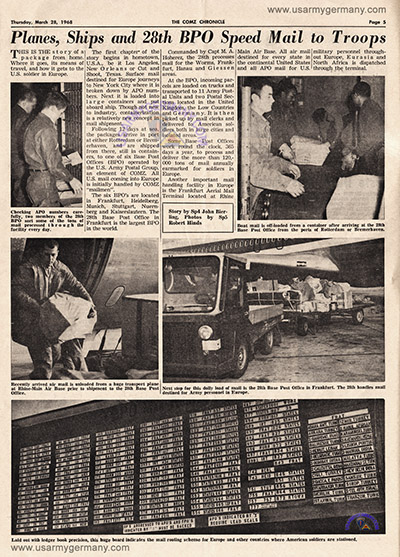 March 28, 1968 issue of The COMZ CHRONICLE |
|||||||||||||||||||||||||||||||||||||||||||||||||||||||||||||||
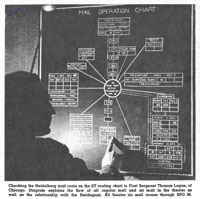
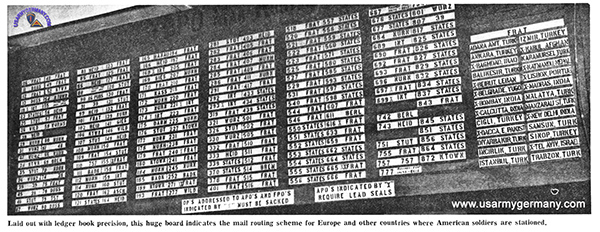 Mail Routing Board at 28th BPO (Click on image to view hi res version) |
|||||||||||||||||||||||||||||||||||||||||||||||||||||||||||||||
| 1970 | |||||||||||||||||||||||||||||||||||||||||||||||||||||||||||||||
| (Source: Email from Robert P. IVES, 28th BPO, 1970-71) | |||||||||||||||||||||||||||||||||||||||||||||||||||||||||||||||
| I was the last commander of the 28th Base Post Office. In June or July 1970, the BPO was reorganized and redesignated as the 228th Adjutant General Company (Postal). The APUs in Hanau, Aschaffenburg, and Darmstadt were incorporated into the 228th and were designated as "Teams." When I came in April 1970, the mail handling facility was in Sachsenhausen, south across the Main River from Frankfurt. It was located in what was called the Südgüterbahnhof (south freight train station). It was in a poor state of repair. The soldiers lived in Gutleut Kaserne which was around the corner from the Frankfurt Hauptbahnhof. In 1970 the area was rather rundown containing drug dealers, prostitutes, and other low life. The kaserne was built prior to the turn of the century and showed its age. The plumbing and heating were poor. Maintenance money was scarce as most of the effort was still going to Viet Nam. Anti-war protestors used to march up Gutleutstrasse to the Bahnhofplatz for a rally. Some of the soldiers would throw water-filled condoms out of the billet windows on the marchers. That was frowned upon, however what the officers didn't know, didn't matter. The soldiers were generally good with the exception of a few short-timers on ITT from Viet Nam. One SP5 was caught with drugs upon arrival in Germany. We ran three shifts, 24 hours per day, 365 days per year. Authorized strength was 7 officers and 225 EMs. We received mail via air, truck, and rail. We also exchanged international mail with the Bundespost. We ran railway mail cars daily to Munich via Stuttgart and to Bremerhaven and Berlin. We had about 20 local nationals and third-country nationals (mostly Italians) who were bulk mail handlers. One of my last acts as CO was to negotiate with AAFES for a portion of a new warehouse that they were building in the area to use as the mail handling facility. I left in July 1971 for greener pastures. The Company moved into the new facility around the first of 1972. Later on, I understand, the billets were moved to a kaserne closer to the new mail handling facility. I understand that Gutleut Kaserne still stands but is abandoned. Robert P. Ives MAJOR, USA (RET) |
|||||||||||||||||||||||||||||||||||||||||||||||||||||||||||||||
|
|||||||||||||||||||||||||||||||||||||||||||||||||||||||||||||||
| US Army Postal Group, Europe | |||||||||||||||||||||||||||||||||||||||||||||||||||||||||||||||
| Worms | |||||||||||||||||||||||||||||||||||||||||||||||||||||||||||||||
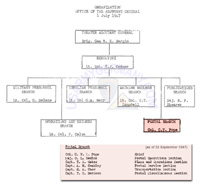
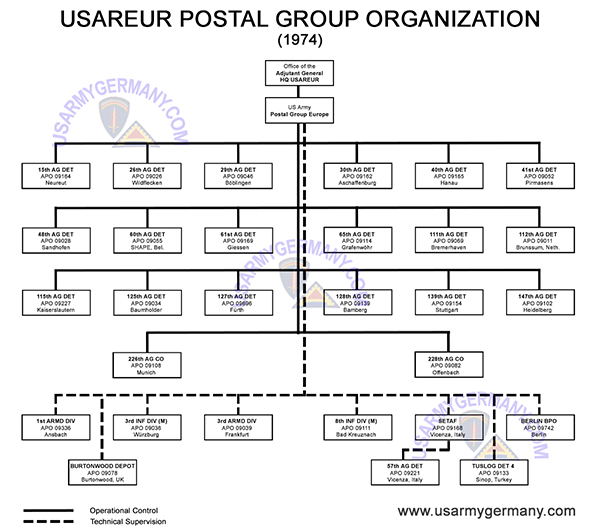 Wire diagram of the USAPGE Organization, 1974 (Click on image to view hi res version) |
|||||||||||||||||||||||||||||||||||||||||||||||||||||||||||||||
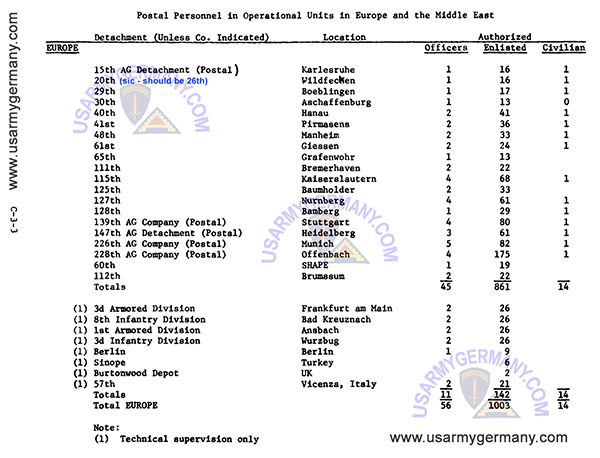 Operational Unit staffing, USAPGE, 1974 (Click on image to view hi res version) |
|||||||||||||||||||||||||||||||||||||||||||||||||||||||||||||||
 US Army Postal Group, Europe DI US Army Postal Group, Europe DI |
|||||||||||||||||||||||||||||||||||||||||||||||||||||||||||||||
| (Source: Letter from the PAO, 1st PERSCOM, May 1989) | |||||||||||||||||||||||||||||||||||||||||||||||||||||||||||||||
| Postal Branch within the Adjutant General Division, HQ, USAREUR, became operational on 26 June 1952. The U. S. Army, Europe (USAREUR) Staff Postal Officer operated under the Adjutant General, and had responsibility for Army Postal Services with the USAREUR Communications Zone. Initially, operational control of USAREUR postal organizations was decentralized to local commanders of the 17th Army Postal Unit in Paris, France; Theater Postal Finance Office in Wurzburg, Germany; and 28th Base Post Office in Bremerhaven, Germany. By 1960, postal activities in Europe had expanded to include a Base Postal Office at Metz, France; eleven Army Postal Units operating twenty-eight Army Post Offices; and the USAREUR Postal Finance Office (moved from Wuerzburg to Metz, France in 1954 and co-located with the Base Postal Office). Although technical supervision continued to be provided by Postal Branch, no centralized organization existed to exercise operational control over the postal organizations within USAREUR. The United States Army Postal Group, Europe, was organized per USAREUR & 7th Army General Order 148 dated 26 February 1969, and was assigned total responsibility for all postal functions formerly executed by the USAREUR Adjutant General Postal Branch which had been redesignated as a Division. The six Base Post Offices and ninteen Army Postal Units initially assigned were reduced and redesignated as three Adjutant General Companies (Postal), and eleven Adjutant General Detachments (Postal). From 1 January 1974 to 16 September 1988, the United States Army Postal Group, Europe exercised command and control over three Postal Companies and seventeen Postal Detachments located in Germany, Belgium, and Holland; provided technical control over all postal operations throughout US Army Europe, and was responsible for coordinating mail movement and postal services to the military forces in the Sinai, Berlin, Liberia, Turkey, Zaire and England. At that time U. S. Army Postal Group, Europe was authorized 962 military and 113 Department of the Army civilians, and moves 71,000 tons of mail each year while providing in excess of $100,000,000 in postal finance sales annually. |
|||||||||||||||||||||||||||||||||||||||||||||||||||||||||||||||
| Schwetzingen | |||||||||||||||||||||||||||||||||||||||||||||||||||||||||||||||
| 1976 | |||||||||||||||||||||||||||||||||||||||||||||||||||||||||||||||
| (Source: STATION LIST, 30 June 1976) | |||||||||||||||||||||||||||||||||||||||||||||||||||||||||||||||
| ORGANIZATION (1976): | |||||||||||||||||||||||||||||||||||||||||||||||||||||||||||||||
|
|||||||||||||||||||||||||||||||||||||||||||||||||||||||||||||||
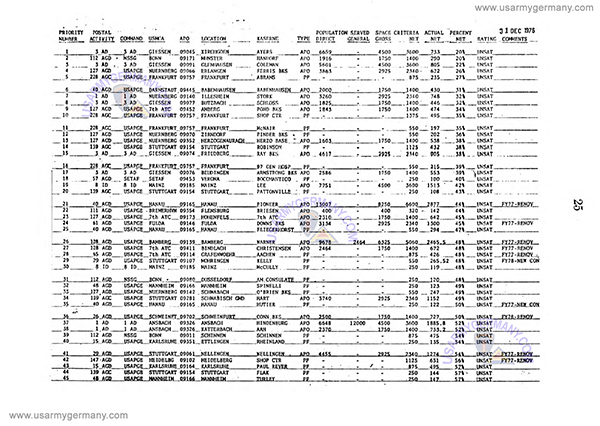 List of postal activities in USAREUR 1977 (Congressional Report) (Click on image to view the entire list) |
|||||||||||||||||||||||||||||||||||||||||||||||||||||||||||||||
| (Source: Postal System of the United States Armed Forces in Europe, Subcommittee on Postal Personnel and Modernization, House of Representatives, 1 July 1977) | |||||||||||||||||||||||||||||||||||||||||||||||||||||||||||||||
| Members of the Subcommittee on Postal Personnel and Modernization conducted an overseas inspection of the U.S. Armed Forces Military Postal System-Europe during the period from April 7 - 18, 1977. The purpose of the inspection trip was to determine if any of the deficiencies in the Military Postal System noted in an earlier field trip to the Pacific Theater could be determined. A second goal was to determine what steps could be taken to improve the movement of mail during the Christmas season. (Excess delays were experienced during the 1976 Christmas season causing morale issues.) From a briefing on the USAREUR Postal Support Mission given to subcommittee members during their visit to Frankfurt: Primary operations consists of responsibility for 154 postal facilities selling stamps and money orders; 93 postal facilities dispatching mail; 6 air mail terminals (operated by the Army); and 8 SEAVAN separation points. These facilities are located from Burtonwood, England in the north to Sinop, Turkey in the south. The USAREUR postal operation supports mail service to some 250,000 military personnel and 175,000 civilians and dependents. Money order and postage business represented over $75 million during calendar year 1976. Over 118 million pounds of mail was handled with mail distribution by truck in excess of 3 million miles. Air mail arrives in Europe at one of twelve air mail terminals (6 operated by the Army and 6 operated by the Air Force). Surface mail arrives at either Rotterdam, Netherlands or Livorno, Italy. Mail is then transported by commercial trucks to the APOs. Mail is moved from the APOs by air, truck, and rail. Only 1 percent of the mail is moved by rail. Of primary concern is the time required for a soldier in Europe to receive mail from CONUS. To monitor this important feature, a survey of first class mail is accomplished by selecting at random 100 letters at each survey location. The transit time is tabulated in days from the five U.S. Postal Service regions. The reasonable transit time standard set is 90 percent delivery within 4 days compared with the U.S. Postal Service's standard of 100 percent delivery in 3 days within CONUS. In 1976, only 40 percent of CONUS first-class mail arrived at European APOs in 4 days. Transit times of surface containers from CONUS averaged 35-45 days. |
|||||||||||||||||||||||||||||||||||||||||||||||||||||||||||||||
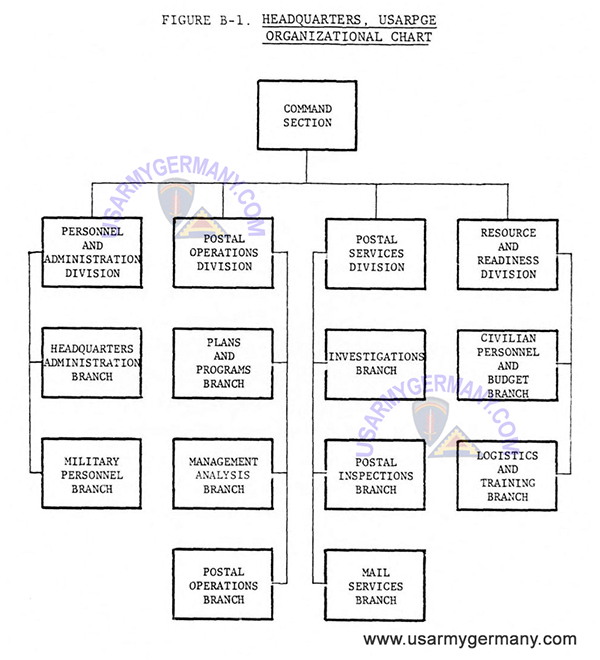 Wire diagram of the USAPGE Command Section, 1977 |
|||||||||||||||||||||||||||||||||||||||||||||||||||||||||||||||
| (Source: "Management of the Military Postal System," by Eugene A Narragon & Jerome M Neil, Logistics Management Institute, 1977) | |||||||||||||||||||||||||||||||||||||||||||||||||||||||||||||||
| The Personnel and Administration Division is responsible for administration of USARPGE headquarters and all matters related to military personnel. The responsibilities of the Postal Operations Division include:   Establishing, changing and terminating military postal service within USAREUR Implementing mail transportation policies and procedures Preparing modified Tables of Organization and Equipment (TOE) and TDA submissions for assigned postal units/activities Monitoring mail movement to, from, and within the command. Establishing, changing and terminating military postal service within USAREUR Implementing mail transportation policies and procedures Preparing modified Tables of Organization and Equipment (TOE) and TDA submissions for assigned postal units/activities Monitoring mail movement to, from, and within the command. The Postal Services Division is concerned with the overall quality of the mail service provided USAREUR assigned personnel. This includes reviewing locator service operations, evaluating mail delivery practices, auditing APO operations, and monitoring the mail distribution scheme in place at the New York MMT. The Resource and Readiness Division is responsible for budget development and all civilian personnel functions within USARPGE. It is also the headquarters focal point on the combat readiness status of subordinate postal units. The actual postal operations within USAREUR are performed by AG companies (AGCs), AG detachments (AGDs), postal units in combat divisions, and several TDA postal units. Two AGCs and sixteen AGDs are under the command of the Commander, USARPGE.1 These eighteen units are all located in West Germany. The remaining postal units, which are scattered throughout Europe, report to local commanders, but they receive technical guidance on postal matters from the Commander, USARPGE. The AGCs/AGDs are responsible for all Army postal matters within assigned geographic regions. The responsibility may include: Operating several postal finance units Dispatching trucks to an aerial mail terminal or mail consolidation point for pickup of incoming mail and offload of outgoing mail. Distributing incoming mail to unit mail clerks or outlying postal units, which in turn distribute to unit mail clerks. Sorting outgoing mail by city or state (if destined for CONUS) or by country (if the destination is non-CONUS).The unit mail clerk picks up incoming mail from the AGC/AGD and sorts it for distribution to the individual member. He is also required to perform a preliminary sort of all outgoing mail. The combat division postal units provide postal support to division personnel. This includes operation of postal finance units, distribution of mail to unit mail clerks, and complete front-line support in the event of hostilities. Army mail is distributed throughout West Germany in the following general manner. Priority mail is offloaded at the Frankfurt International Airport and moved to the Air Force-operated AMT. If the mail is containerized, the container is transported directly to the APO 2 (using Army trucks) for breakout by unit. Noncontainerized mail is picked up by the Army and brought to the Offenbach facility (in the greater Frankfurt area) for sorting to the APO level. The sorted mail is then loaded into trucks for movement to the respective APOs. The MSC shipping agreement calls for surface mail to be transported from the ocean port (usually Rotterdam) directly to the APO. Several APOs may be served by the same surface container. All military vehicles used in transporting Army mail within West Germany are provided by the 37th Transportation Group. The USARPGE does not pay for this service, but it is responsible for effective scheduling of the vehicles. The USARPGE developed its operating budget for FY 1977 for the first time. The responsibility for budget development had previously rested elsewhere within the Adjutant General's Office. The FY 1977 budget totals $220,000 and includes funds for temporary duty, shipment of civilian household goods back to CONUS, and postal supplies and equipment. The funds spent at the AGC/AGD level are the responsibility of the commanding officer of those units. FOOTNOTES: 1 The distinction between an AGC and an AGD is based on personnel strength. An AGC is larger than an AGD. 2 In this context, the term APO is used interchangeably with AGC/AGD, even though the latter may support several APOs.) ADDITIONAL INFORMATION (Source: STARS & STRIPES, Oct 19, 1977) Army Postal Offices are divided into two categories: direct and general support. Direct support APOs receive mail from local postal patrons and send it on, or conversely, receive the mail from Offenbach, Germany, and deliver it to local mail clerks. General support APOs have the dual responsibility of taking bulk mail from outlying units and forwarding it to the central mail facility at Offenbach or the Frankfurt Aerial Mail Terminal (FRAT). There it is separated for distibution to the States or within the command. |
|||||||||||||||||||||||||||||||||||||||||||||||||||||||||||||||
| On 16 September 1988 the Army of Excellence initiative culminated in the consolidation of the Theater Army Postal mission under US Army Postal Group, Europe. This effort resulted in the streamlining of 26 postal units to 9 company headquarters and 26 postal platoons geographically dispersed over a 64,000 square mile radius. | |||||||||||||||||||||||||||||||||||||||||||||||||||||||||||||||
|
|||||||||||||||||||||||||||||||||||||||||||||||||||||||||||||||
| 28th AG Postal Unit | |||||||||||||||||||||||||||||||||||||||||||||||||||||||||||||||
| (Source: Email from Rudy Reber) | |||||||||||||||||||||||||||||||||||||||||||||||||||||||||||||||
| I was in the 28th APU (APO 09028) from the end of 1968 to May of 1971. We were at Coleman Barracks, Mannheim, home of the last stop for army convicts short of Leavenworth. I worked at the Coleman Barracks post office and later ran the one-man office at Spinelli Barracks. After I got the highest score in the Army on the MOS test for 71F20 I was made NCOIC of the APO at Ben Franklin Village. I ETSed in 1971 but reupped in 1973 and was sent back to USAREUR in 1974 to the APO in Pirmasens. I was there and later became NCOIC at the Zweibrueken APO until I was reassigned to Ft. Huachuca, AZ. |
|||||||||||||||||||||||||||||||||||||||||||||||||||||||||||||||
|
|||||||||||||||||||||||||||||||||||||||||||||||||||||||||||||||
| 65th AG Postal Detachment | |||||||||||||||||||||||||||||||||||||||||||||||||||||||||||||||
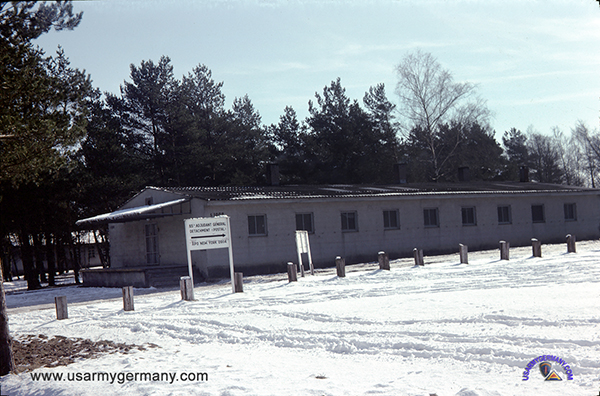 The 65th AG Postal Det building at Garfenwoehr, mid-1970s (Paul Reese) |
|||||||||||||||||||||||||||||||||||||||||||||||||||||||||||||||
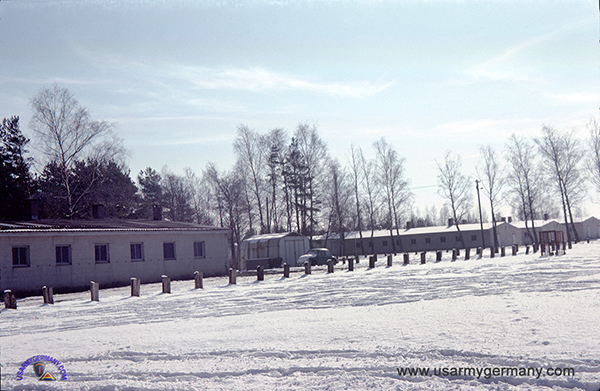 The 65th AG Postal Det building on the left; Camp Aachen on the right (Paul Reese) |
|||||||||||||||||||||||||||||||||||||||||||||||||||||||||||||||
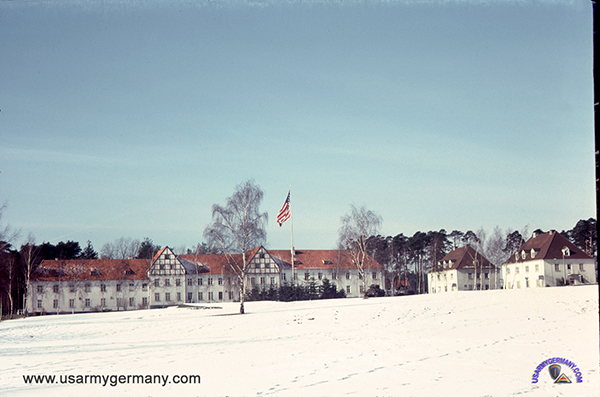 A photo of the HQ Building, 7th ATC, mid-1970s (Paul Reese) |
|||||||||||||||||||||||||||||||||||||||||||||||||||||||||||||||
| (Source: Email from Paul Reese, CO 65th Army Postal Det, 1975-76) | |||||||||||||||||||||||||||||||||||||||||||||||||||||||||||||||
| I was assigned as the commanding officer of the 65th AG Postal Detachment. The detachment was responsible to process all of the mail for the 7th Army Training Command at Grafenwohr, Germany. There were two small sub post offices that sold stamps and processed outgoing mail from all of the units that were in the field on their training assignments. The main building processed all of the incoming mail to be distributed to the permanent units and personnel stationed at Grafenwohr and Vilseck, as well as those who are temporarily assigned for their training. The detachment had a civilian clerk, a Non-Commissioned Officer in Charge (NCOIC) Staff Sergeant, and about eight enlisted individuals to process the mail. The main APO was in our processing center. It was housed in an old WW 2 single one-story building separated from the other buildings on the post. The heat was from an oil fired, smelly and sooty space heater. The troops were in a shared barracks. One of the most antiquated pieces of equipment we used was the telephone system. We called it Hitler’s Revenge. Especially in Grafenwohr the reception quality was poor at best. There was always static on the line. In fact early on we realize that if we didn’t want to talk anybody we would just fake some static with our voices and keep yelling “I can’t hear you”. We would then just hang up. This became very important especially if headquarters called. Having come from a short but impressive “real Army/Infantry” background as a Platoon Leader of a line mechanized Infantry Company at Ft. Carson Colorado, I found the slackness of this operation most difficult to work with. In particular the Army had assigned one Jeep and one 2½ Ton truck each with a trailer, to potentially move all of the postal operations to a safe location in the event of an outbreak of the Cold War with the Eastern Bloc countries. Because we were only fifteen miles west of Czechoslovakia, it became apparent that these vehicles needed to operate. They had not been out of the motor pool for years, such that the canvas coverings had in fact rotted from lack of maintenance. In addition we had a shed full of postal supplies there were so old and outdated, and had been infested with mice, that they were useless. No one had been in that shed for years. All the previous commanders had ever done in this detachment was just sell stamps, money orders, and throw the mail. We processed about 40 bags of mail, both incoming and outgoing, a day. The mail came from Nuremburg, about 2 hours away. We began to try to operate as a military unit with uniform inspections, barracks inspections, and to get the vehicles in operational order and actually have some of our personnel licensed to drive them. We even held physical training on a somewhat regular basis. None of these actions were looked on very favorably by those who were assigned to this unit. |
|||||||||||||||||||||||||||||||||||||||||||||||||||||||||||||||
|
|||||||||||||||||||||||||||||||||||||||||||||||||||||||||||||||
| 111th AG Postal Detachment | |||||||||||||||||||||||||||||||||||||||||||||||||||||||||||||||
| (Source: Email from Terrance D. Coleman) | |||||||||||||||||||||||||||||||||||||||||||||||||||||||||||||||
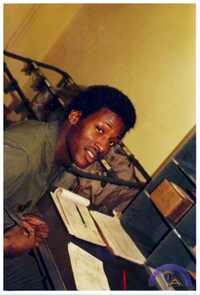
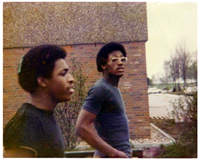
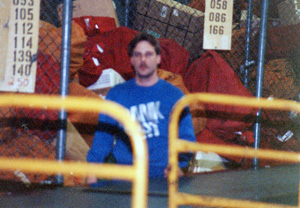
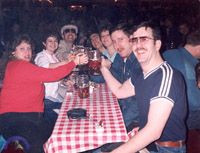
| I was assigned to the 111th AG Det (Postal) from Dec 1977 until Dec 1980. I have attached two pictures of myself and my roommate as we both worked in the base post office. I would like to see more of the units that were assigned to the post added to your website. |
|||||||||||||||||||||||||||||||||||||||||||||||||||||||||||||||
|
|||||||||||||||||||||||||||||||||||||||||||||||||||||||||||||||
|
|||||||||||||||||||||||||||||||||||||||||||||||||||||||||||||||
| 115th AG Postal Detachment | |||||||||||||||||||||||||||||||||||||||||||||||||||||||||||||||
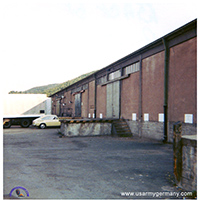
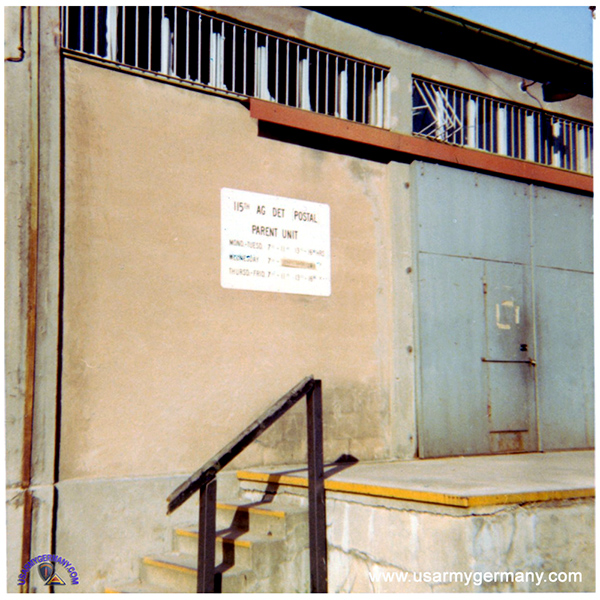 115th Postal Det post office at Panzer Kaserne, Kaiserslautern (Bernie Moening) |
|||||||||||||||||||||||||||||||||||||||||||||||||||||||||||||||
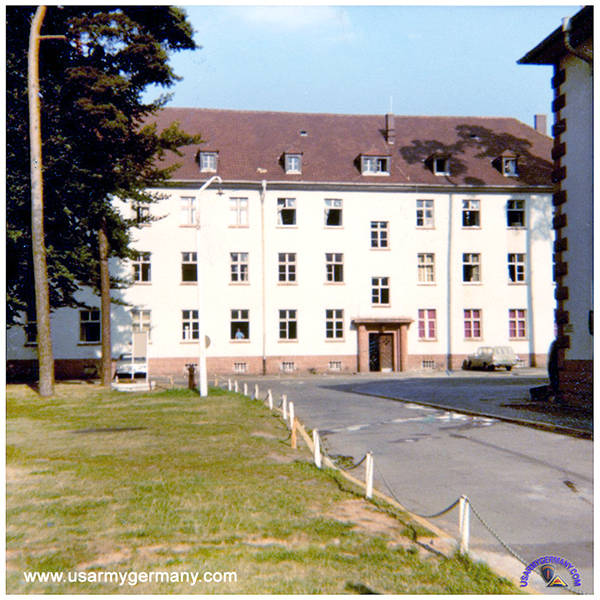 115th Postal Det barracks (Bldg 3003), Panzer Kaserne (Bernie Moening) |
|||||||||||||||||||||||||||||||||||||||||||||||||||||||||||||||
| 1971 | |||||||||||||||||||||||||||||||||||||||||||||||||||||||||||||||
| (Source: Email from Bernie Moening) | |||||||||||||||||||||||||||||||||||||||||||||||||||||||||||||||
| I was at the 115th Postal Detachment from 1971-73 (on Panzer Kaserne, Kaiserslautern). The mail for all the different units was picked up in Semi trailers and broke down at our unit (base post office). Unit mail clerks would then pick up their mail at the post office. We had 3 shifts at this post office as it seems like mail came in several times a day, usually from Frankfurt. We even had trucks that took the mail we brought in to Frankfurt. We had shotgun riders that went with the truck drivers. I worked as a window clerk and worked a few times at the parent unit (photo 1). We were housed at Panzer Kaserne (photo 2). (It is my understanding the 115th billets were moved to Kleber Kaserne in the late 1970’s.) I was trained at Ft. Benjamin Harrison, Indiana, in PO Class 7 and we were told we would be going to Germany. Arriving in Worms, Germany we were told we could go anywhere we wanted to go with the exception of Munich and Berlin as we were postal clerks that Germany hadn’t had in a long time. I chose Kaiserslautern as it was close to France and was told by an APO clerk in Worms I made a mistake because K-Town had a lot of military and we would be busy. He was right but I enjoyed my experience at the 115th. The movie theatre was at Kleber Kaserne. At Panzer we had Headquarters Co. (or a maintenance or supply battalion?), 115th Postal and 45th Finance. I am not sure what was in the other billets -- I believe it was transportation. The 115th made up most of the people at this kaserne. We had an NCO club, a mess hall and a club for after the mess hall was closed. ADDITIONAL INFORMATION We handled mail for several APO’s. I worked Landsthul, Vogelweh, Miesau, Einsiedlerhof post offices. Einsiedlerhof was my main window and my round dater had APO 09227 Unit 4. I believe in 1974 they changed this post but some of the buildings I can identify. The road you show going into Panzer was actually the road that went to the base post office. It did not go into Panzer Kaserne as we had an entrance at the back of the 45th Finance building (3002). 3005 was the club and mess hall and 3003 was Headquarters first floor -- the 115th had the 3rd floor. Behind 3005 (mess hall) was a huge hill that went into the woods. The Germans had cut paths into these woods and I would walk on these paths and saw some kind of radio tower (military I believe) with a huge fence around it. Not sure what that was. (Webmaster note: this could have been the Kaiserslautern M/W Station.) I found my old records and the 115th headquarters and Base Post office was in building 3058. That is where the commanding officer, custodian of postal effects and all officers as well as the main post office was at. ADDITIONAL INFORMATION #2 |
|||||||||||||||||||||||||||||||||||||||||||||||||||||||||||||||
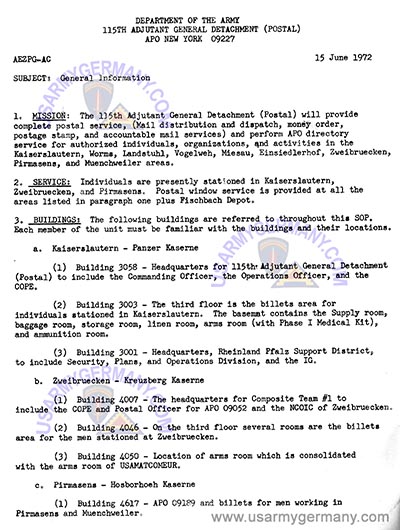 115th Postal Det SOP, 1972 (Click on image to view both pages) |
|||||||||||||||||||||||||||||||||||||||||||||||||||||||||||||||
| The image above shows a page from the 115th SOP booklet, 1972. Maybe this would help in locating buildings. We had 4 units we served which were as follows : Unit #1 Miesau , Unit #2 Landstuhl, Unit #3 Vogelweh, and Unit #4 Einsiedlerhof. |
|||||||||||||||||||||||||||||||||||||||||||||||||||||||||||||||
|
|||||||||||||||||||||||||||||||||||||||||||||||||||||||||||||||
|
|||||||||||||||||||||||||||||||||||||||||||||||||||||||||||||||
| 127th AG Postal Detachment | |||||||||||||||||||||||||||||||||||||||||||||||||||||||||||||||
| (Email from "guedea5") | |||||||||||||||||||||||||||||||||||||||||||||||||||||||||||||||
| I have been searching the Internet in hopes of establishing the whereabouts of the 127th AG Detachment (Postal). This detachment was billeted in Building 41 at William O Darby Kaserne, Fuerth, Nuremberg, Germany. I was assigned there from Novermber 1979 to Novermber 1981. I was the Operations NCO, and later the First Sergeant of this unit. In searching the net I only came across information regarding other postal units that fell under 1st PERSCOM, US Army Postal Group Europe, but nothing on the 127th AG Detachment (Postal). We operated out of Johnson Barracks - that's where the BPO was. It was a fairly large unit. We provided mail to all the outlying units around Nuremberg. |
|||||||||||||||||||||||||||||||||||||||||||||||||||||||||||||||
|
|||||||||||||||||||||||||||||||||||||||||||||||||||||||||||||||
| 139th AG Postal Company | |||||||||||||||||||||||||||||||||||||||||||||||||||||||||||||||
| 1974 | |||||||||||||||||||||||||||||||||||||||||||||||||||||||||||||||
| (Source: "Organization of the Army Postal Service," LTC Richard J. Leonard, DAAG-MA, 30 June 1975) | |||||||||||||||||||||||||||||||||||||||||||||||||||||||||||||||
| Comments regarding conditions of USAREUR postal facilities taken from an Audit report of the Army Postal Service in Europe issued in November 1974: 1. Europe. HQ, Postal Group, Europe, was unable to provide data concerning its facilities. One respondent informed the project manager that they did not know how may facilities the group had. Therefore, the following summary Is provided. a. The poor condition of many of the facilities in which postal personnel must live and work presents a very unfavorable situation. Most postal units visited occupied small buildings which lacked sufficient floor space, loading docks, interior arrangements conductive to efficient operation, and attractive appearances for workers and patrons. Maintenance and repair requests are acted upon slowly and many times repairs are made by APO personnel themselves. It appears that APOs have a very low priority in regard to choice of facilities and repairs. b. The worst conditions existed in Stuttgart (139th AG Company (Postal). Both the APO and billets are in Wallace Barracks (Bad Cannstatt). Personnel are billeted in the middle of a building both sides of which are occupied by third country nationals. Litter was strewn around the area. There are no recreation facilities on Wallace Barracks and one of the NCOs voluntarily drives a bus to and from another compound where such facilities are available. In one shower room of the billets, only two of eight showers were working, and one of those had no shower head. The APO was in need of repair (e.g., wooden doors had large holes in them). It is surprising that morale was as good as it seemed to be considering all the negatives observed. c. The foregoing is not intended to imply that all facilities (of USAPGE) are in comparable condition. The working areas of the 228th and 226th AG Companies were pleasant, well lighted, clean, and well maintained. |
|||||||||||||||||||||||||||||||||||||||||||||||||||||||||||||||
| 1977 | |||||||||||||||||||||||||||||||||||||||||||||||||||||||||||||||
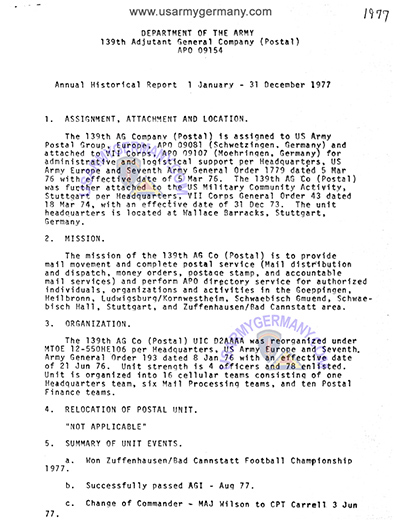 Annual Historical Report, CY 1977 - PDF format (AHEC) |
|||||||||||||||||||||||||||||||||||||||||||||||||||||||||||||||
|
|||||||||||||||||||||||||||||||||||||||||||||||||||||||||||||||
| 226th AG Postal Company | |||||||||||||||||||||||||||||||||||||||||||||||||||||||||||||||
| 1970 | |||||||||||||||||||||||||||||||||||||||||||||||||||||||||||||||
| (Source: Email from Robert P. Markarian) | |||||||||||||||||||||||||||||||||||||||||||||||||||||||||||||||
| Hello and thank you for providing such a wonderful and interesting site.
From Jan. 1970 to Dec. 1972 I was assigned to the 226th AG Company (Postal) APO NY 09108 (McGraw Kaserne, Munich Germany). We were part of Postal Group Europe which was headquartered in Worms, Germany. I would like to correspond with anybody interested in my story and sharing theirs. |
|||||||||||||||||||||||||||||||||||||||||||||||||||||||||||||||
|
|||||||||||||||||||||||||||||||||||||||||||||||||||||||||||||||
| 228th AG Postal Company | |||||||||||||||||||||||||||||||||||||||||||||||||||||||||||||||
| Gutleut Kaserne, Frankfurt | |||||||||||||||||||||||||||||||||||||||||||||||||||||||||||||||
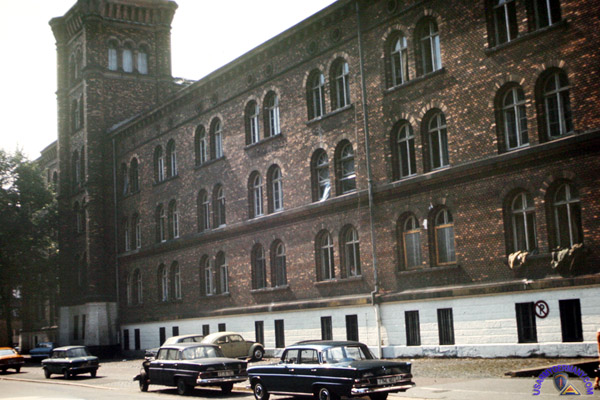 Gutleut Kaserne, 1971 |
|||||||||||||||||||||||||||||||||||||||||||||||||||||||||||||||
| 1971 | |||||||||||||||||||||||||||||||||||||||||||||||||||||||||||||||
| (Source: Email from Randy Arneson, 228th AG Postal Co, 1970-71) | |||||||||||||||||||||||||||||||||||||||||||||||||||||||||||||||
| I was in the 228th Postal Group 1971-72. | |||||||||||||||||||||||||||||||||||||||||||||||||||||||||||||||
|
|||||||||||||||||||||||||||||||||||||||||||||||||||||||||||||||
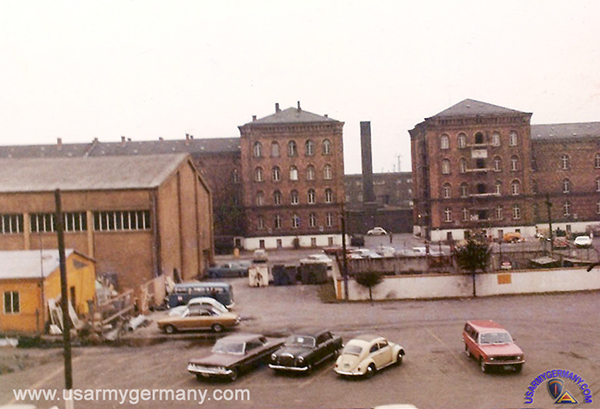 Inside Gutleut Kaserne, 1971 (Giovanni Fazio) |
|||||||||||||||||||||||||||||||||||||||||||||||||||||||||||||||
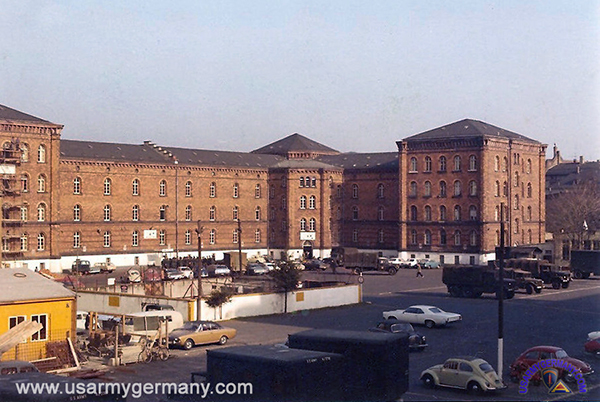 Inside Gutleut Kaserne, 1971 (Giovanni Fazio) |
|||||||||||||||||||||||||||||||||||||||||||||||||||||||||||||||
| (Source: Email from Giovanni Fazio) | |||||||||||||||||||||||||||||||||||||||||||||||||||||||||||||||
| I was stationed at the 228th AG Postal from July 1971 to January 1973. We only lived at Gutleut Kaserne. In the summer of 1972 we moved to the Kaserne in Offenbach. I've enclosed 5 photos of the Gutleut Kaserne in Frankfurt, Germany. On the building use at Gutleut: I believe that building #1174 or #1165 is the mess hall and across the way to the right, at the end of building #1162 is the movie theater. Building #1162, upper floors, was pretty much our building. The office and the mail room was there. |
|||||||||||||||||||||||||||||||||||||||||||||||||||||||||||||||
|
|||||||||||||||||||||||||||||||||||||||||||||||||||||||||||||||
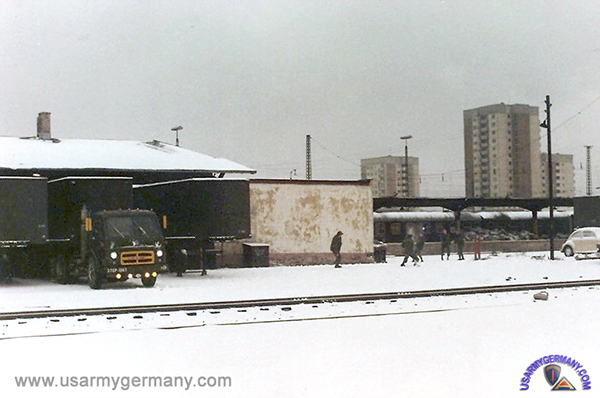 Sachsenhausen freight station (Giovanni Fazio) |
|||||||||||||||||||||||||||||||||||||||||||||||||||||||||||||||
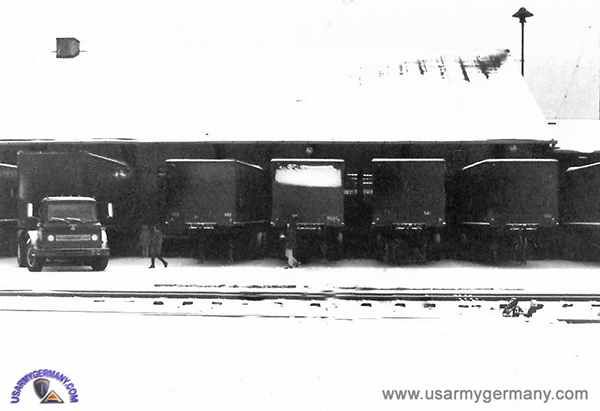 Sachsenhausen freight station (Giovanni Fazio) |
|||||||||||||||||||||||||||||||||||||||||||||||||||||||||||||||
| The train station that we worked at was the freight station in Sachenhausen (image and location). I remember we were able to walk to it from the Gutleut Kaserne. It is just on the other side of the river. All the mail came in there. We sorted them and sent them off to the rest of USAREUR. I never saw any civilians there other then the workers (who worked with the 228th). |
|||||||||||||||||||||||||||||||||||||||||||||||||||||||||||||||
|
|||||||||||||||||||||||||||||||||||||||||||||||||||||||||||||||
| Biebererstrasse Kaserne, Offenbach | |||||||||||||||||||||||||||||||||||||||||||||||||||||||||||||||
| 1972 | |||||||||||||||||||||||||||||||||||||||||||||||||||||||||||||||
| (Source: Email from Scott A. Gates) | |||||||||||||||||||||||||||||||||||||||||||||||||||||||||||||||
| I worked at the post office at the Main PX in Frankfurt in 1972 and 1973. Do you know if this is still there? The APO was 09082. It was the 228th AG Postal Company. Our barracks were in Offenbach, near the Offenbach Kickers Stadium. Our barracks caught fire on Thanksgiving night in 1972. I have been looking for pictures of the PX and our barracks on line but most are of the early 1950's. It is good to think back to those good days. I would be happy if anyone knows more. When I first got to Germany, the 228th Postal Company was billeted at Gutleut Kaserne. At this time the mail was sorted in an old train station which was not far from the Gutleut Kaserne. About four months later the new mail handling building was completed and everything was moved there closer to Rhine Main Air Base. This made our barracks quite a distance so they had us trade barrarcks with the MP's. I think they might of been the 709th. I think you found the right location of the small kaserne except part of the building is gone and the white wall surrounding it is also gone. During the intense bombings of Hanoi the Germans painted a lot of graffitti on the walls that had to be painted over every day. The barracks was called Biebererstrasse Kaserne. The 228th had around 200 people of which most sorted mail. There were around ten of us who were postal finance clerks. One was in the 97th General Hospital, one was in the I.G. Farben Building, one was in Oberursel, and 5 of us at the main PX. They rotated us around a little but mostly we stayed in one spot, mine being at the PX. I mostly sold stamps and money orders. On paydays when we opened the post office there was a line of people two blocks long. When I left to come home I held the record of most money orders sold in one day. I recall it being just under a thousand and seventy dollars. A money order cost fifteen cents in those days. First class postage was eight cents and airmail was eleven cents. |
|||||||||||||||||||||||||||||||||||||||||||||||||||||||||||||||
| 1974 | |||||||||||||||||||||||||||||||||||||||||||||||||||||||||||||||
| (Source: STARS & STRIPES, Jan 16, 1974) | |||||||||||||||||||||||||||||||||||||||||||||||||||||||||||||||
| The 228th AG Postal Company is considered one of the world's largest Army post offices. In addition to serving the Frankfurt area, the post office also serves as a trans-shipment point for mail headed to Nuernberg and Stuttgart. One of the first things done by a newly arrived soldier when inprocessing, is to fill out a postal locator card. The card contains the soldier's complete name, social security number, former unit and new unit. A similar card will be kept on file in the Heidelberg post office. When a letter addressed to a soldier is received at the 228th AG Postal Company, the postal clerk checks the locator files. If the name of the individual is not found under the file, the letter will be forwarded to the Heidelberg office. The 228th has a staff of 150 postal clerks who work in shifts seven days a week throughout the year. Incoming mail destined for soldiers station in Europe can come from three possible sources: exchanges with the German post, intra-command mail or mail received from the States. |
|||||||||||||||||||||||||||||||||||||||||||||||||||||||||||||||
| 1975 | |||||||||||||||||||||||||||||||||||||||||||||||||||||||||||||||
| (Source: "Organization of the Army Postal Service," LTC Richard J. Leonard, DAAG-MA, 30 June 1975) | |||||||||||||||||||||||||||||||||||||||||||||||||||||||||||||||
| The General Mail Support Facility at Offenbach, or the Base Post Office (BPO), as it is more commonly known, is responsible for one of the largest International Mail Exchanges in Europe. The BPO operates in conjunction with the Frankfurt Aerial Mail Terminal (FRAT), where the Air Force processes incoming and outgoing APO mail transported by commercial airlines at the Frankfurt International Airport. The Frankfurt Air Mail Terminal is one of eight airmail terminals operated by the Europe-Mid East Region of the U.S. Air Force Postal and Courier Service. Terminal operations are located in a leased building at the Frankfurt International Airport. The annual cost of the leased building is about $120,000. The terminal is the largest in the European theater and handles about 48 million pounds of mail annually or about 86 percent of the mail handled by military airmail terminals in Germany. Authorized staffing for the terminal is 60 military and civilian personnel. At Offenbach, about 13 miles from the terminal, the 228th Postal Company of the Army Postal Group, Europe operates a major mail facility. The 228th provides both general and direct support postal service. The general support mission includes the processing of intransit air and surface bulk mail, redistribution of intra-theater intransit mail and the operation of the U.S. Army, Europe International Exchange Office. The direct support mission consists of normal Army Post Office financial operations for authorized individuals and organizations in the greater Frankfurt area. The authorized staffing of the 228th for the general and direct support functions is 114 and 45 personnel, respectively. In addition, the 228th maintains a small installation for the billeting and messing of assigned military personnel (Offenbach Kaserne). The operation of the casern and related functions requires 32 military and 5 civilian personnel. The general support activity does not rework the intransit mail but merely acts as a transshipment point. Mail is loaded by the Frankfurt terminal on Army trucks from Offenbach. At Offenbach, the mail received from the terminal is unloaded and reloaded on other Army trucks for movement to 22 Army Post Offices. The same circumstances exist for mail transiting Offenbach destined for the Frankfurt terminal. Five daily round trips or 1,825 round trips per year are scheduled for the movement of intransit mail between the terminal and Offenbach. |
|||||||||||||||||||||||||||||||||||||||||||||||||||||||||||||||
| 1977 | |||||||||||||||||||||||||||||||||||||||||||||||||||||||||||||||
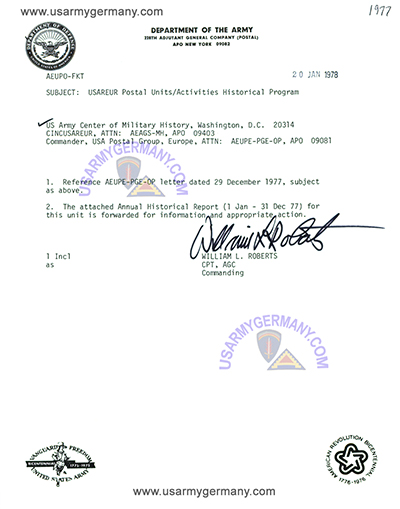 Annual Historical Report, CY 1977 - PDF format (AHEC) |
|||||||||||||||||||||||||||||||||||||||||||||||||||||||||||||||
| 1980 | |||||||||||||||||||||||||||||||||||||||||||||||||||||||||||||||
 Annual Historical Report, CY 1980 - PDF format (AHEC) |
|||||||||||||||||||||||||||||||||||||||||||||||||||||||||||||||
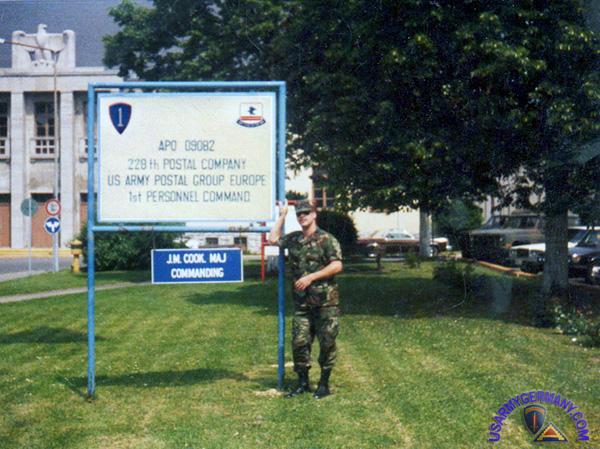 Don Franks and company sign, Gibbs Barracks, 1987 |
|||||||||||||||||||||||||||||||||||||||||||||||||||||||||||||||
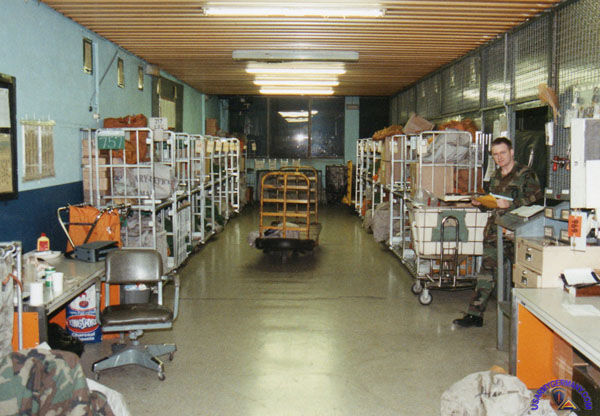 Registered Mail section |
|||||||||||||||||||||||||||||||||||||||||||||||||||||||||||||||
| 1986 | |||||||||||||||||||||||||||||||||||||||||||||||||||||||||||||||
| (Source: Email from Don Franks, 228th AG Postal Co, 1986-90) | |||||||||||||||||||||||||||||||||||||||||||||||||||||||||||||||
|
|||||||||||||||||||||||||||||||||||||||||||||||||||||||||||||||
| I lived off post in Offenbach just 2 miles from the BPO. I worked in every aspect of the operations of this company. I was in tight with a GS14 from 1st Perscom in H-burg His name was Ed Dimeske. Ed and a few of us started the Express mail system along with a whole new mail type called sensitive mail. This was to account for payrole without having to pay any additional cost. It started with having problems with IMR. Getting mail to the Germans without them messing it up. It worked and we saved the Military tons of money. We where HQ'd on Gibbs the whole time I was there. However I understand the 228th did stay in Offenbach prior to me. There was a Building being maintained by the USAR's. The Gibbs commander tried to get us to move there at one time. Big story in small we did not move there due to the Young GI Girls not wanting to be away from the PX. I have tons of stories. I loved it there. I was there when the wall came down. It was historic. |
|||||||||||||||||||||||||||||||||||||||||||||||||||||||||||||||
 228th Postal Softball Team during a home game at Gibbs |
|||||||||||||||||||||||||||||||||||||||||||||||||||||||||||||||
|
|||||||||||||||||||||||||||||||||||||||||||||||||||||||||||||||
|
|||||||||||||||||||||||||||||||||||||||||||||||||||||||||||||||
| 57th Army Postal Unit (Italy) | |||||||||||||||||||||||||||||||||||||||||||||||||||||||||||||||
| (Source: Email from George E. Riep) | |||||||||||||||||||||||||||||||||||||||||||||||||||||||||||||||
| When I went to Italy as a buck sergeant in May 65, I was assigned to the 57th APU, at Vicenza. When the bus from the Milan airport stopped in Verona, SSGT Diaz had me pulled off. I was then assigned to the 57th APU, Detachment 1 at Verona. We closed that Detachment when SETAF closed Verona (I believe Dec 1966) and we moved to Vicenza where I was considered the 1st Sergeant for the Unit. They had a staff sergeant but he told the commander he did not want the responsibility. Needless to say, I made Staff Sergeant right after I got him reassigned out of the unit. We were attached to the Missle Support Command but later got attached to the HHC SETAF. |
|||||||||||||||||||||||||||||||||||||||||||||||||||||||||||||||
|
|||||||||||||||||||||||||||||||||||||||||||||||||||||||||||||||
| 68th Army Postal Unit | |||||||||||||||||||||||||||||||||||||||||||||||||||||||||||||||
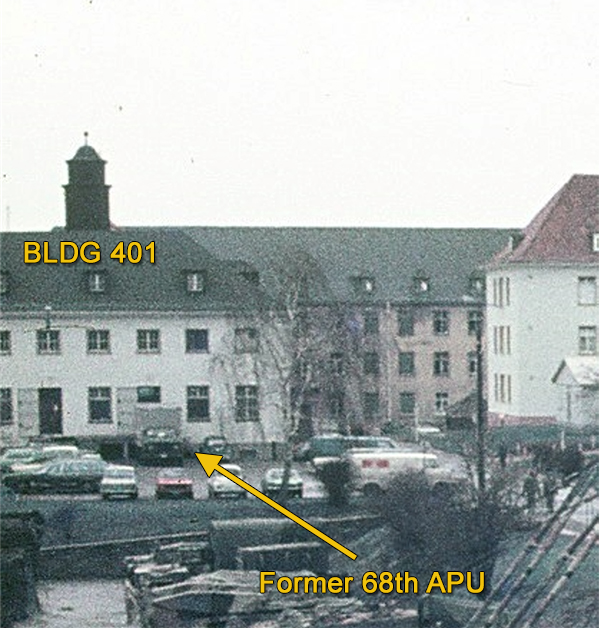 Former location of the 68th APU on Ready Barracks - Scott Van Ness photo (mid-1970s) |
|||||||||||||||||||||||||||||||||||||||||||||||||||||||||||||||
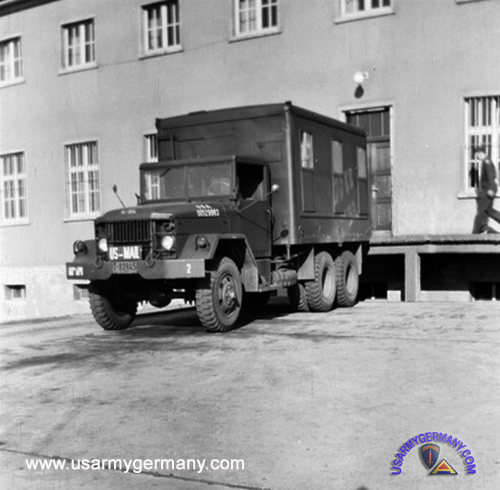 The unit's new mail truck parked in front of the 68th Army Postal Unit, Ready Barracks, 1953 - Daniel Gallagher |
|||||||||||||||||||||||||||||||||||||||||||||||||||||||||||||||
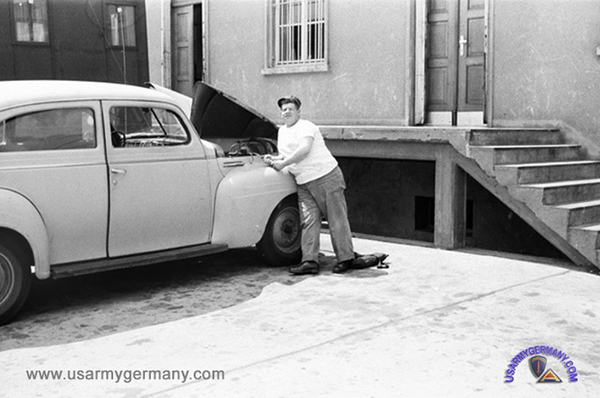 Steps leading up to the 68th APU, Ready Barracks - Daniel Gallagheer |
|||||||||||||||||||||||||||||||||||||||||||||||||||||||||||||||
| 1953 | |||||||||||||||||||||||||||||||||||||||||||||||||||||||||||||||
| (Source: Email from Daniel Gallagher) | |||||||||||||||||||||||||||||||||||||||||||||||||||||||||||||||
| 68th Army Postal Unit, APO 162 I arrived in Aschaffenburg in September 1953. I was met at the Bahnhof by the First Sergeant and a driver in a Jeep. He asked where I was from, I told him Johnstown Pa. He said ok, and asked what is your serial number ? I replied US 52x-xx-xxxx. He "ahh, you are a draftee, how did you get into my company"? The repo-depot assigned me. He said, "we never had a draftee in this company." At that point I knew it was going to be rough. Soldiers in the company-  First Lt. Patterson - was the CO MSG Max Karaduck - served in WWII and helped to design the Army postal service in Germany, Korea. SGT Hogan - in charge of supply and weapons . SGT. Cardwell - was in Africa in WWII, and worked at small post office at Babenhausen. SGT Williams - was in charge of out going mail to base post office SGT Pearson - served in the Korea War; Parcel Post window SGT Waberson - stamps, money orders Corporal Taylor - driver Corporal Bales Corporal Reed PVT 2 Wreed PVT 2 Gallagher - driver First Lt. Patterson - was the CO MSG Max Karaduck - served in WWII and helped to design the Army postal service in Germany, Korea. SGT Hogan - in charge of supply and weapons . SGT. Cardwell - was in Africa in WWII, and worked at small post office at Babenhausen. SGT Williams - was in charge of out going mail to base post office SGT Pearson - served in the Korea War; Parcel Post window SGT Waberson - stamps, money orders Corporal Taylor - driver Corporal Bales Corporal Reed PVT 2 Wreed PVT 2 Gallagher - driverThe Company was run much like it was in the WWII Army. The MSG ran the Company, the Commander was only at the Postal Unit in the AM about 30 minutes. Some of the rules Reedy told me were:  Do not be late in the AM. Be at the office at 0730. Go to lunch and get back on time. Then help in the mail area. At 1300 the units will pick up their mail, it had better be ready. Do not be late in the AM. Be at the office at 0730. Go to lunch and get back on time. Then help in the mail area. At 1300 the units will pick up their mail, it had better be ready.I usual got back from the Frankfurt mail run about 1130 so the truck load had to be broken down for the unit pick up. Every one helped to break down the mail. The company worked very well together, no one goofed off. The First Sergeant who was of the WWII-era Army, would take the new soldier behind the barracks and fight the new Soldier. I did not know this. So, about 2 weeks after I was in the unit, it was quitting time (1700) and all the mail was taken care of as we were leaving out the back door I was headed to chow. I heard the first Sergeant call Gallagher. I saw several of the Corporal’s smile, I just thought what did I do? I walked over to the First SGT’s office, looked back to the back door all the guys were gone and the door was shut. Max came out of his office and took off his fatigue jacket and place it on the back of a chair so it would not wrinkle. He said, we are equal now and we got into it. Max was good but, on the way to the floor I got a head lock on him. I made it tighter so he could not get out, then I heard “PVT.” At that time I knew we were not equal! I let go and we both got up. I went to chow, no one ever talked about this. I left the postal Unit as a Corporal in August, 1954. Three new men came into the unit one we called Rocky, Bob, and a guy named Sosana. |
|||||||||||||||||||||||||||||||||||||||||||||||||||||||||||||||
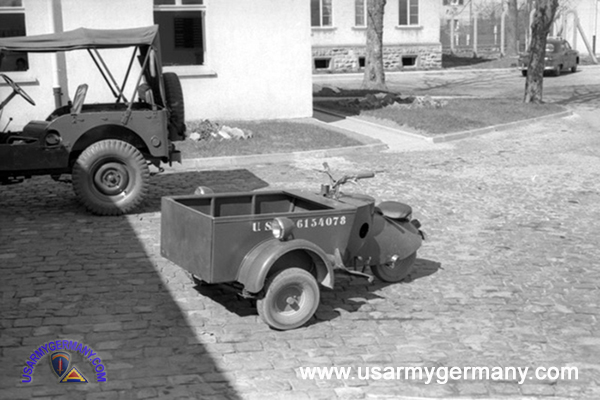 Parking lot in front of 68th APU - Daniel Gallagher |
|||||||||||||||||||||||||||||||||||||||||||||||||||||||||||||||
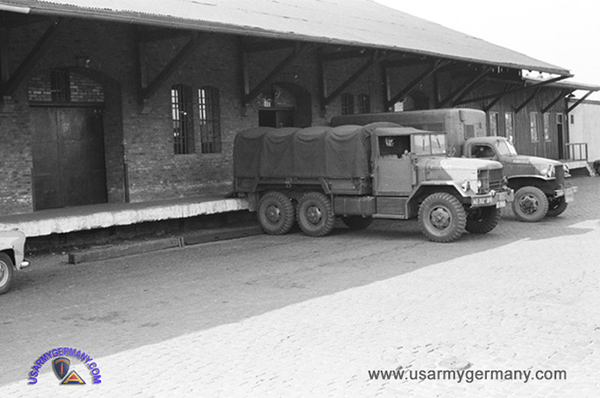 Frankfurt Base Post Office at Güterbahnhof Süd - Daniel Gallagher |
|||||||||||||||||||||||||||||||||||||||||||||||||||||||||||||||
| ADDITIONAL INFORMATION The 68 APU (operations) was in Building 401 (the Headquarters building at Ready Barracks). We only had part of the first floor, we did not have an orderly room. There was a lobby and the area where we worked. A parcel post window and window for stamps and money orders, the Co. and 1st SGT had their office in the same area. The parking lot in front of the entrance was used by the APU. The 68th did have one satellite office, at Babenhausen. The mail was picked up in Frankfurt at the Base Post Office (BPO) by the 68th APU truck 6 days a week. The photo of the BPO above with 2 trucks is at the Frankfurt BPO. The closest 2 1/2 is the 68th APU truck. The base post office was near a railroad (Güterbahnhof Süd = South Freight Depot). (Webmaster note: That depot in Sachsenhausen has been torn down and replaced by a residential area.) Building 408 was our barracks. Looking at the front of 408 we had about 5 rooms on the top floor. The unit's supply room was in the basement. We shared the barracks with the 32nd Field Arty Battalion, later with the 7th Transportation Truck Company. |
|||||||||||||||||||||||||||||||||||||||||||||||||||||||||||||||
|
|||||||||||||||||||||||||||||||||||||||||||||||||||||||||||||||
| 74th Army Postal Unit | |||||||||||||||||||||||||||||||||||||||||||||||||||||||||||||||
| 1959 | |||||||||||||||||||||||||||||||||||||||||||||||||||||||||||||||
| (Source: Email from William F. Moorehead) | |||||||||||||||||||||||||||||||||||||||||||||||||||||||||||||||
| Do you have any info on the 74th Army Postal Unit, APO 189 stationed at Pirmasens? I was there with the 74th. About the 74th Army Postal Unit. I was stationed with the 74th from Sept.1, 1959 till April 2, 1962. After Postal School I was sent to Fort Dix, NJ for 3 weeks OJT with the 22nd Base Post Office. Then was sent to Germany on the USNS Upshur and came home on the USNS Rose. The 74th had One Postal Officer and 16 enlisted men of which 3 men were stationed at Zweibruecken and operated APO 872. We also had 2 one man units. Unit 1 was in the basement of one of the buildings in the dependent housing area just down from the PX and Unit 2 was in Munchweiler at the 225th Station Hospital. I was assigned to Unit 1 from Oct 1959 thru March 1962. I also worked Unit 2 a few times. The 74th Army Postal Unit was responsible for providing mail service to the Army Units in and around Pirmasens also to the dependents. We received our mail from APO 227 in Kaiserslautern which acted as our Base Post Office until the Berlin Crisis and the the 22nd (?) Base Post Office was set up in Kaiserslautern and then we got our mail from them. I do know that the 22nd was in Manila in the Philippines in WWII and that the 74th & 70th Postal Units were in that area. Best I can remember, the 70th Army Postal Unit operated APO 227 (1). I know the Company Commander of the 22nd Base Post Office that was in Manila, and some of the men that were in the 22nd. I would like to know more history on the 74th Army Postal Unit and if it is still active. (1) Webmaster note: the US Army Station List for 17 August 1959, indicates that it was actually the 73rd APU that was stationed in Kaiserslautern. So, which BPO was responsible for the 74th (and 73rd) during this period? |
|||||||||||||||||||||||||||||||||||||||||||||||||||||||||||||||
| 1961 | |||||||||||||||||||||||||||||||||||||||||||||||||||||||||||||||
| (Source: Email from Norman Griffin) | |||||||||||||||||||||||||||||||||||||||||||||||||||||||||||||||
| I was assigned to the 447 Signal Bn in Pirmasens, Germany. I think I was in the 1st Platoon. As Christmas mail became very heavy I was volunteered to help out the 74th Post Office. I must have done a great job because I stayed there TDY until my rotation time. The unit consisted of the CO, a LT., with 2 sergeants and less then 10 enlisted men. My memory is skimpy on details. I only remember the one APO (189) plus the Hospital at Muenchweiler. I don’t know how many different units. The companies as I remember them were the 447 Sig.; 79th Engineers; a 2nd Armored Division unit; the 74th APU; the Hospital at Münchweiler; the Mess co. & others I don’t remember. There was also an Italian Co. (Labor Service?) on post. The 74th was a small bldg. near the center of the post next to the 2nd Armored unit. I did go to France one time to work. We were scared badly a couple of times because of the Alerts and restricted to post, but I mostly enjoyed my time in Germany. I would enjoy contacting some of the guys I served with. I was Honorably discharged as a Sp4. |
|||||||||||||||||||||||||||||||||||||||||||||||||||||||||||||||
|
|||||||||||||||||||||||||||||||||||||||||||||||||||||||||||||||
| 548th Army Postal Unit | |||||||||||||||||||||||||||||||||||||||||||||||||||||||||||||||
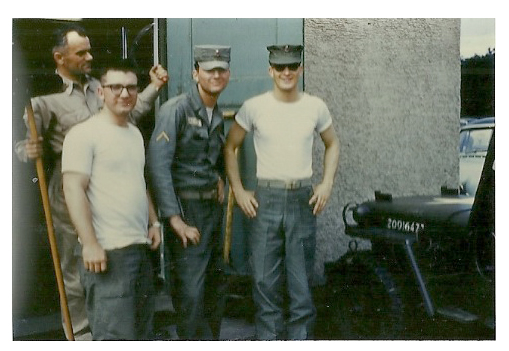 L to R: Sgt Szemanski, Valazza, Zackary, & Manofsky (Ray Manofsky) |
|||||||||||||||||||||||||||||||||||||||||||||||||||||||||||||||
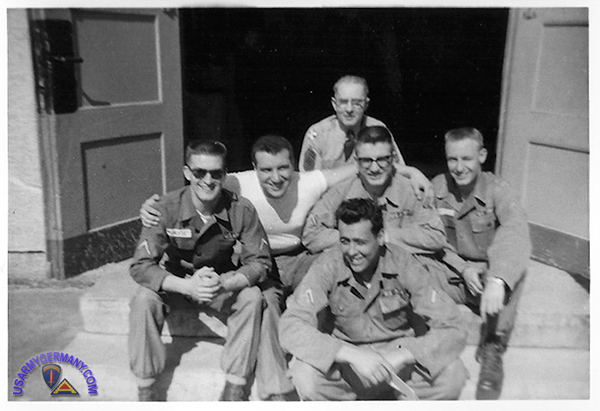 L to R: (back) Sgt Sally; (middle) Manofsky, Fiatta, Valazza, Gay; (front) unknown |
|||||||||||||||||||||||||||||||||||||||||||||||||||||||||||||||
| 1957 | |||||||||||||||||||||||||||||||||||||||||||||||||||||||||||||||
| (Source: Email from Ray Manofsky) | |||||||||||||||||||||||||||||||||||||||||||||||||||||||||||||||
| 548th APU was located in Neureut Kaserne, Karlsruhe Germany. I was in Karlsruhe from Oct. 1957 to April 1959. We serviced Smiley Barracks and Smiley was also HQ for the area. We had a unit at the PX, it was off base, and we had a unit at Gerszewski Barracks. We also serviced Phillips Barracks. We received our incoming mail from the 3rd Base Post Office, Heidelberg Germany. The 3rd BPO was at Patton Barracks. In the morning our carriers picked up the mail at the 3rd BPO. Then at 2:30 PM we dispatched our outgoing mail back to HEIDELBERG. Our unit was manned with about 18 to 20 men -- 1 postal officer; 3 SGTS; and the rest were PVTS, SPEC 4s. I also have pictures of the men and post office. |
|||||||||||||||||||||||||||||||||||||||||||||||||||||||||||||||
|
|||||||||||||||||||||||||||||||||||||||||||||||||||||||||||||||
| Related Links: 1st Personnel Command - official home page |
|||||||||||||||||||||||||||||||||||||||||||||||||||||||||||||||
 .
.