| If you do
NOT see the Table of Contents frame to the left of this page, then
Click here to open 'USArmyGermany' frameset |
|||||||||||||
|
102nd
Signal Battalion |
|||||||||||||
|
|
|||||||||||||
|
|||||||||||||
|
|
|||||||||||||
| 102nd Signal Battalion | |||||||||||||
| ANGEVILLERS RADIO SITE | |||||||||||||
| 1955 | |||||||||||||
| (Email from Herb Majer, Co D, 102nd Signal Battalion at Angevillers, France) | |||||||||||||
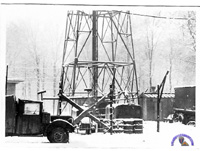
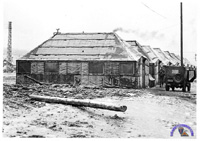
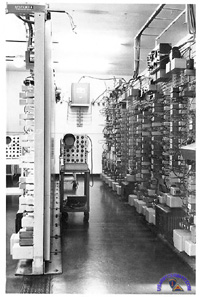
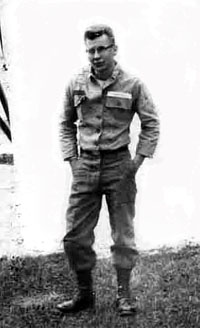
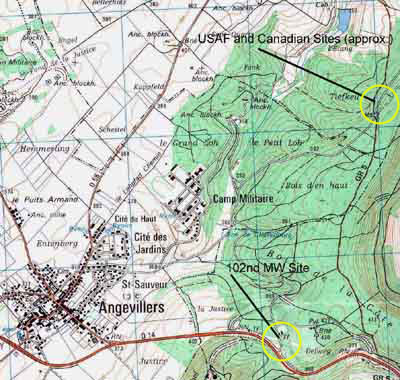
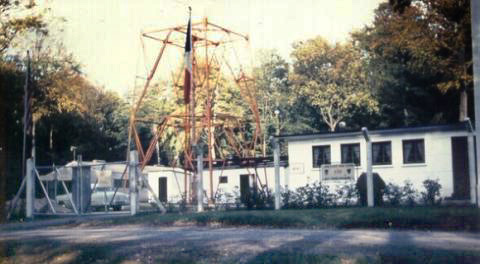
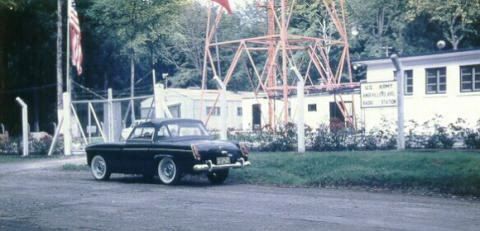
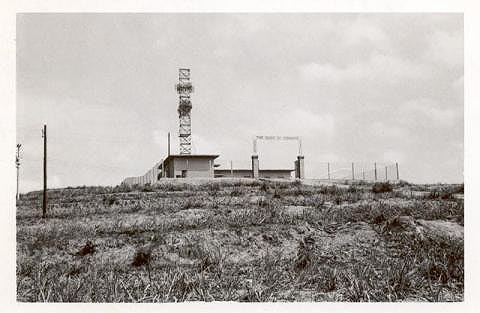
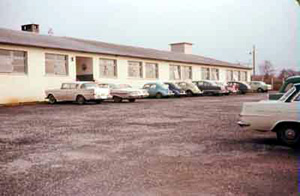
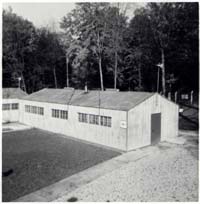
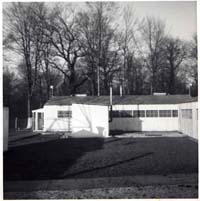
| Came across the web site when I entered Angevillers. Fr. Found it very interesting since I was stationed at TW from Jan.1955 to Dec 1956. "TW" meant we were "Terminal West," as in the first site west of the Rhine. I made up a sign that I mounted on the front fence of our site that read Angevillers Radio Station or ARS. Very seldom that we used ARS as our call sign, I have good memories of those days. We (detachment of Company D, 102nd Sig Bn) were assigned to the 175 th. Sig Co. for rations and quarters in the Angevillers camp. I had a chance to go to Maison Fort (because I had frameman experience with Ma Bell.) when I first got to Co D HQ in Verdun, but requested TW ( even though I was told it was one of the "cruder" sites.) Since my patents came from southern Germany I wanted to go to the more german part of France. I was able to get right out in the villages and converse with the locals because many of the older people could only speak german. I worked the GE AN/FRC 26 (?) equipment. The original site was nothing more than a tin shack. We got into the new building about April or May of 1955. Boy the memory sure goes with age. Equipment wise in the new station we had 4 systems of GE AN/FRC 26 ( I believe it was 26). We broke the signal to audio level and some circuits went down to Camp Angevillers switchboard which was in an old Maginot bunker just outside the camp. Sorry to say never bothered to check it out. The other circuits were cut through to the out going system via a small distributing frame. We had a VHF system as back up if the GE system was down in either direction. We also had one system of Siemens. It was smuggled in to France in old WECO (Western Electric) switchboard crates. If the GE went down we had a VHF link we could keep in touch with the sites either side of us for maintenance. |
|||||||||||||
|
|||||||||||||
| 1960 | |||||||||||||
| (Source: Email from Ron R. Glaeseman, 102nd Sig Bn, Angevillers, 1960-63) | |||||||||||||
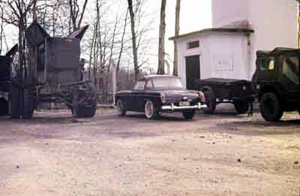
| Angevillers Radio Site, 102nd Sig Bn Co. D, 1960 to 1963 This write-up on the Angevillers site supplements that posted by Larry Brogdon for the years 1964 to 1966. I arrived at the 102nd microwave radio-telephone station at Angevillers, FR in November, 1960 and left April, 1963. I extended my enlistment for 6 months while at Angevillers. I just couldn’t get enough of the place I guess. |
|||||||||||||
|
|||||||||||||
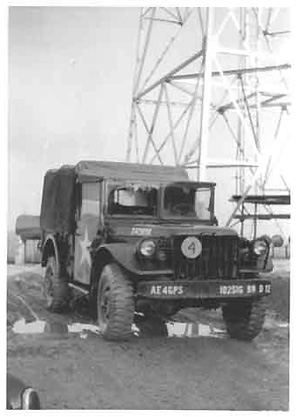
| In 1962, we had 120-channel Siemens microwave frequency division multiplexed FM modulated gear for the main radio-telephone equipment, teletype machines, and a Siemens (or Lorenz) 24/200 PPM R/T setup for a separate link to Pirmasens and Verdun. There were two identical Siemens transceiver bays, one repeating France to Germany, the other Germany to France and two parabolic antennas to do this. The Siemens gear was maintained by two German tech reps. Army personnel were not permitted to align the Siemens gear, other than tune the final amplifier for maximum output. We were the last repeater in France, so the alternate call sign for ARS was "TW" (Terminal West). One channel was connected to a loudspeaker and was reserved for communication between the stations on the link. Our company HQ ("D Co") was located in a little town (LeChenoy or "LCY") outside of Fountainebleu. The stations in the French link were (from LCY):  Les PlessisLes EssartsSoulieresTilloyClemontVerdunAngevillers Les PlessisLes EssartsSoulieresTilloyClemontVerdunAngevillersThe next station from ARS in Germany was Weiskirchen. Station Duties Operators pulled a three 12 hr. day, three 12 hr. night, and two 24 hr. days off shift. Kitchen duties were performed by a foreign national cook who was hired from our separation rations allotment. We had three cooks during my stay, the last being Mme. Smolog. Operators were also responsible for cleaning of the latrines and barracks at the end of their shifts. Much encouragement was given to “beautifying” the station. After all, you never could tell who was going to stop by. One of the photos shows such a project underway. Operators were also responsible to make PX runs either to our secondary company HQ in Verdun, or the caserne in Metz. These runs would include picking up mail, buying rations, and any other duties proscribed by the NCOIC. Station Equipment In addition to the real estate and radio gear, we had 10 M14 rifles and 1 M2 carbine for defense. The ammo bunker contained C4 explosives as well as ammunition. The explosives were to be used to blow the tower in case of evacuation. The vehicles were: ¼ ton truck (Jeep) with trailer; a ¾ ton truck, and a 2 ½ ton truck. We also had a portable diesel generator to back up the Deutz in case it failed. Our facilities were maintained by French engineers from the Angevillers military camp. Operator Pay A Specialist E-5 was taking home around $140.00/mo base pay with $77.00 for separate rations. If Proficiency Pay was authorized (P2), that meant an extra $60.00/mo. That came to about $277.00 per month, out of which we had to pay our cook and buy rations. One could easily save $100.00 per month, and considering that a new VW Beetle with US specifications cost $1250 at the dealer’s in Luxembourg City, it’s easy to calculate the buying power of the American GI in post-war Europe. Recreation During my tenure, the single GI’s spent their time in Dudelange, Luxembourg. Primarily because we could find companions our age (both male and female) who spoke English. Little or no English was spoken by the Angevillers townsfolk. In fact, one could say that about the area of northern France as a whole. Our time was spent mostly at “Mom’s” café in Dudelange, or in the Italian section (slang: the “IT”) of Dudelange. There were many Italians imported as “gastarbeiter” to work in the local steel mill. They lived and played in an area close to the mill, which was a good bit shabbier than the rest of the town, and also a good deal wilder. Our motto was “If you couldn’t do it in the IT, you better leave it alone”. As long as we behaved ourselves, we were welcomed by the local inhabitants. In fact, over the 2½ years I was there, I never saw any genuine fights or rowdiness. Much can be said for the fact that there were only about 30 GI’s who knew about Dudelange. Most of those were attached to the 208th Signal Company located in the Camp Militaire at Angevillers (I have never been able to find reference to this group, although I am reasonably certain that I remember the unit designation correctly). The 7th Army imposed a weeknight 12AM bedcheck requirement on Army personnel who did not have a pass. On Saturday night, the bedcheck was extended one hour to 1AM. The fear was that one would be caught off post without a pass when an alert was called. During alerts, all personnel had to be accounted for and a report made to company HQ. The bedcheck requirement did not apply to our NATO friends down the road; a fact which irritated us no end when things were getting wound up at Heueretz dance hall in Dudelange on Saturday night. The other fear that company HQ had was the vehicle accident rate. No accident report was ever made to HQ unless it involved injury or total destruction of the vehicle. It was that serious. The CO would restrict vehicles to post if the weather looked like snow or ice. In the winter of 1962 when we were hit with the worst ice and snow storm I’ve ever seen, we lost two POV’s totally destroyed and one (a Mercedes 180) which took extensive repair to bring back into running condition. Even though we were restricted to the site, it became necessary to make a commissary run and one vehicle was lost on the way to Verdun. In 1960-61, the 208th ran a 2½ ton into Dudelange as a pass run. This practice stopped in mid-1961 owing to some idiotic border requirement. From then on, it was hire a taxi or buy your own car if you wanted to make the 13 km trip into Dudelange. This cessation of the pass run made life a bit desperate for those single GI’s who had dates in Dudelange. And phoning across the border was next to impossible for us who knew no French. Ron R. Glaeseman |
|||||||||||||
|
|||||||||||||
|
|||||||||||||
|
|||||||||||||
|
|||||||||||||
|
|||||||||||||
|
|||||||||||||
|
|||||||||||||
| 1964 | |||||||||||||
| (Email from Larry Brogdon, 102nd Signal Battalion at Angevillers, France, radio site, 1964-66) | |||||||||||||
|
|||||||||||||
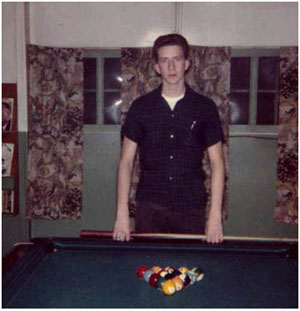
| We watched movies,
read books or played pool for relaxation. Occasionally we had water
fights with the pump water fire-extinguishers. I used to explore the
surrounding Maginot line and its bunkers plus rode a bicycle around
the countryside until I got a car, a French Simca. Spent some time
in the village of Angevillers with the locals bowling. Larry Brogdon |
|||||||||||||
|
|||||||||||||
 |
|||||||||||||
 .
.