| If you do
NOT see the Table of Contents frame to the left of this page, then
Click here to open 'USArmyGermany' frameset |
|||||||||||||||||||||||||||||||||||||||||||||||||||||||||||||||||||||||||||||||||||||||||||||||||||||||||||||||||||||||||||||||||||||||||||||||||||||||||||||||||||||||||||||||||||||
|
Communications
in USFET & EUCOM 1940s |
|||||||||||||||||||||||||||||||||||||||||||||||||||||||||||||||||||||||||||||||||||||||||||||||||||||||||||||||||||||||||||||||||||||||||||||||||||||||||||||||||||||||||||||||||||||
|
|
|||||||||||||||||||||||||||||||||||||||||||||||||||||||||||||||||||||||||||||||||||||||||||||||||||||||||||||||||||||||||||||||||||||||||||||||||||||||||||||||||||||||||||||||||||||
|
|||||||||||||||||||||||||||||||||||||||||||||||||||||||||||||||||||||||||||||||||||||||||||||||||||||||||||||||||||||||||||||||||||||||||||||||||||||||||||||||||||||||||||||||||||||
|
|
|||||||||||||||||||||||||||||||||||||||||||||||||||||||||||||||||||||||||||||||||||||||||||||||||||||||||||||||||||||||||||||||||||||||||||||||||||||||||||||||||||||||||||||||||||||
| The 1940s | |||||||||||||||||||||||||||||||||||||||||||||||||||||||||||||||||||||||||||||||||||||||||||||||||||||||||||||||||||||||||||||||||||||||||||||||||||||||||||||||||||||||||||||||||||||
 "Mike" VHF Relay Station - Grosser Feldberg, Taunus , 1946 |
|||||||||||||||||||||||||||||||||||||||||||||||||||||||||||||||||||||||||||||||||||||||||||||||||||||||||||||||||||||||||||||||||||||||||||||||||||||||||||||||||||||||||||||||||||||
| (Source: Communications, OCCUPATION FORCES IN EUROPE, 1947) | |||||||||||||||||||||||||||||||||||||||||||||||||||||||||||||||||||||||||||||||||||||||||||||||||||||||||||||||||||||||||||||||||||||||||||||||||||||||||||||||||||||||||||||||||||||
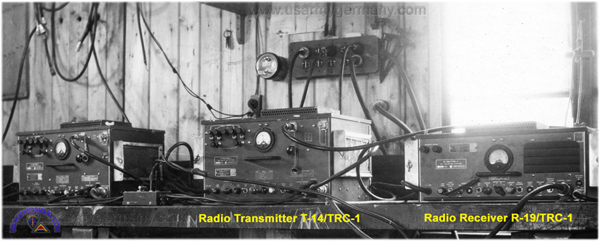
| Radio Communications Throughout the OVERLORD period, two principal types of radio communications, requiring different equipment and suitable for use under widely differing conditions, were employed in military operations in the ETO. These types were known as HF (high frequency) and VHF (very high frequency). They not only used different bands in the radio spectrum but depended on different types of transmission, HF employing amplitude modulation (AM) and VHF frequency modulation (FM). |
|||||||||||||||||||||||||||||||||||||||||||||||||||||||||||||||||||||||||||||||||||||||||||||||||||||||||||||||||||||||||||||||||||||||||||||||||||||||||||||||||||||||||||||||||||||
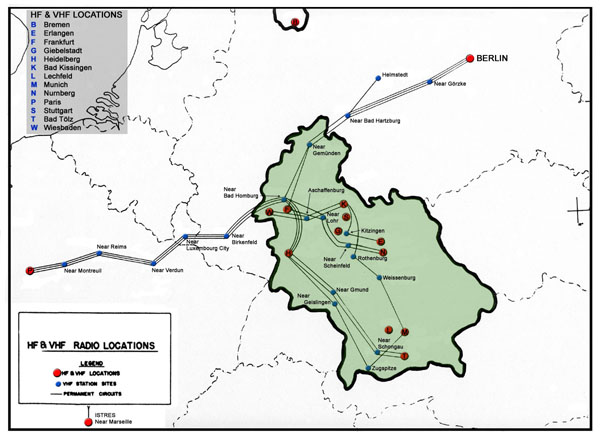 HF & VHF network (1945) |
|||||||||||||||||||||||||||||||||||||||||||||||||||||||||||||||||||||||||||||||||||||||||||||||||||||||||||||||||||||||||||||||||||||||||||||||||||||||||||||||||||||||||||||||||||||
| HF Radio HF radio proved itself invaluable in backing up long distance wire circuits on the Continent. Because of its special characteristics, it was standard for radio communications between static headquarters. Ordinarily, HF circuits carried a light load, being used steadily and at full capacity whenever wire circuits went out of operation. (Standard equipment used for HF was the SCR-399 set.) VHF Radio By V-E Day, VHF radio transmission was recognized as one of the important developments of the war. Its special value for military purposes lay in the wide range of frequencies available for VHF transmission and in the compactness of the equipment required. It was ideally suited for use in advance of main hqs, in mobile situations. Wherever there was a gap in wire communications, VHF could be used to complete the circuit. (When connected to a telephone switchboard, VHF provides circuits that can be used in the same way as any wire circuit.) By the use of directional antenna, VHF is beamed in a straight line to a direct point. Normal curvature of the earth necessitates relay stations at intervals of approx 25 miles. (Standard equipment used for VHF was the AN/TRC-3 set.) |
|||||||||||||||||||||||||||||||||||||||||||||||||||||||||||||||||||||||||||||||||||||||||||||||||||||||||||||||||||||||||||||||||||||||||||||||||||||||||||||||||||||||||||||||||||||
| Throughout the European campaign, VHF radio provided the main type of communications between Army Group and the Armies. Other types of equipment used for VHF were AN/TRC-6 sets. They arrived in the Theater too late for extensive use during OVERLORD. This equipment was designed for SHF (super high frequency) transmission. Decimeter equipment captured in Germany was also used. A laboratory was established at MANNHEIM and German technicians were employed to develop this equipment for use by US forces. | |||||||||||||||||||||||||||||||||||||||||||||||||||||||||||||||||||||||||||||||||||||||||||||||||||||||||||||||||||||||||||||||||||||||||||||||||||||||||||||||||||||||||||||||||||||
|
|||||||||||||||||||||||||||||||||||||||||||||||||||||||||||||||||||||||||||||||||||||||||||||||||||||||||||||||||||||||||||||||||||||||||||||||||||||||||||||||||||||||||||||||||||||
|
|
|||||||||||||||||||||||||||||||||||||||||||||||||||||||||||||||||||||||||||||||||||||||||||||||||||||||||||||||||||||||||||||||||||||||||||||||||||||||||||||||||||||||||||||||||||||
| Frankfurt Signal Center (USFET) | |||||||||||||||||||||||||||||||||||||||||||||||||||||||||||||||||||||||||||||||||||||||||||||||||||||||||||||||||||||||||||||||||||||||||||||||||||||||||||||||||||||||||||||||||||||
| (Source: Communications, OCCUPATION FORCES IN EUROPE, 1947) | |||||||||||||||||||||||||||||||||||||||||||||||||||||||||||||||||||||||||||||||||||||||||||||||||||||||||||||||||||||||||||||||||||||||||||||||||||||||||||||||||||||||||||||||||||||
| When Frankfurt am Main was chosen as headquarters for US forces in Germany, the Signal Division, Supreme Headquarters, set to work to supply initial communications requirements.
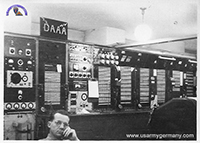
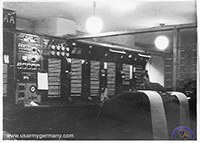
Forward Echelon of Supreme Headquarters was scheduled to begin operating in Frankfurt on 25 May, 1945 with approximately 589 officers. The 3118th Signal Service Battalion reached Frankfurt in mid-April to install telephone, radio, and signal center facilities in the I.G. Farben Building. This building provided ample basement space for a signal center, and already contained a 1200-line Siemens automatic telephone system in good condition. The first swithboard put into operation was an Army TC-10, later converted to the official "Redline" switchboard for top-level subscribers. On 26 May, Supreme Headquarters (Forward) opened at Frankfurt and closed at Reims, France. On 15 June, Supreme Headquarters (Main) moved from Versailles, France to Frankfurt, absorbing the forward echelon. Control and allocation of circuits in local cable facilities was placed in the hands of the Headquarters Signal Officer. As the headquarters continued to grow, telephone equipment in the I.G. Farben Building was supplemented by the Norden Exchange, the newly installed Frankfurt Switch at Ginnheim Repeater Station, the I.G. Farben Exchange at Höchst, and the Senckenberg Exchange. By the summer of 1946 this military system, using German dial equipment, was serving 3,000 subscribers in Frankfurt and 1,000 in Höchst. RADIO FACILITIES By the end of December 1945, Frankfurt Signal Center (call sign = initially JEJE, later redesignated DAAA) controlled 11 HF circuits that terminated at Frankfurt and also operated the Frankfurt terminal (ACAN) of a circuit between Frankfurt and the War Department. With the reduction of TSFET installations in France and the UK (which resulted in the closing of ACAN radioteletype circuits connecting London and Paris with Washington), three more channels were added on the Frankfurt-War Department link, circuit 1100, and Frankfurt became a net control station in ACAN. By March 31, 1946 there were thirteen HF radio circuits terminated at Frankfurt and the "out" terminals of Circuit No. 6 RTT at Berlin, Circuit No. 64 RTT at Bremern, and Circuit No. 90 RTT at Munich. |
|||||||||||||||||||||||||||||||||||||||||||||||||||||||||||||||||||||||||||||||||||||||||||||||||||||||||||||||||||||||||||||||||||||||||||||||||||||||||||||||||||||||||||||||||||||
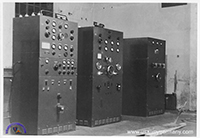
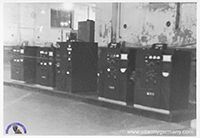
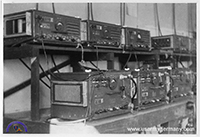
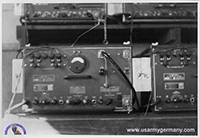
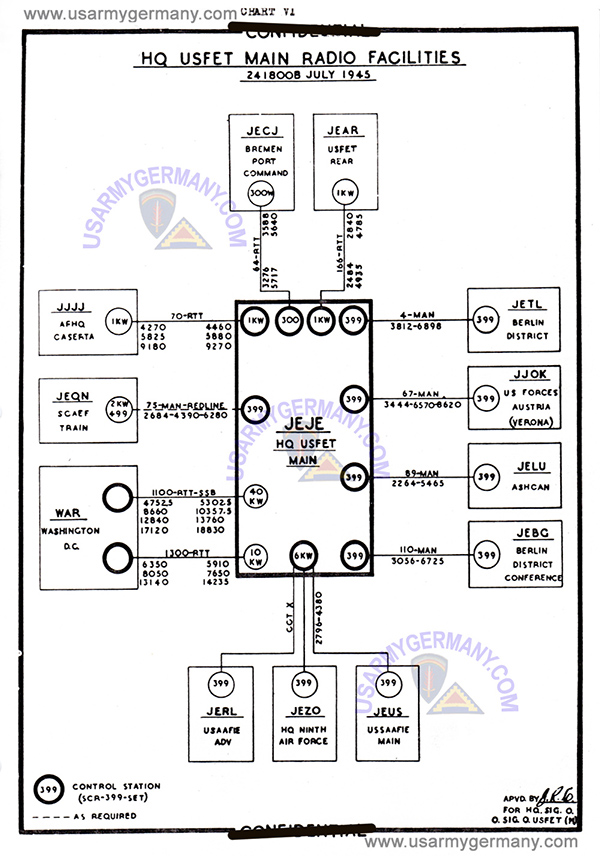 HQ USFET main radio facilities, ACAN, July 1945 |
|||||||||||||||||||||||||||||||||||||||||||||||||||||||||||||||||||||||||||||||||||||||||||||||||||||||||||||||||||||||||||||||||||||||||||||||||||||||||||||||||||||||||||||||||||||
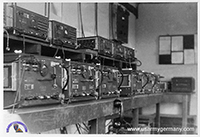
| HF & VHF Radio Equipment | |||||||||||||||||||||||||||||||||||||||||||||||||||||||||||||||||||||||||||||||||||||||||||||||||||||||||||||||||||||||||||||||||||||||||||||||||||||||||||||||||||||||||||||||||||||
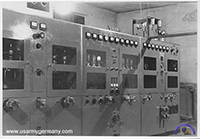
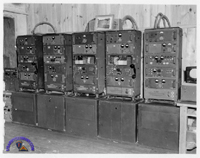
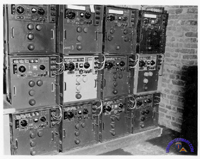
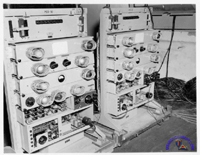
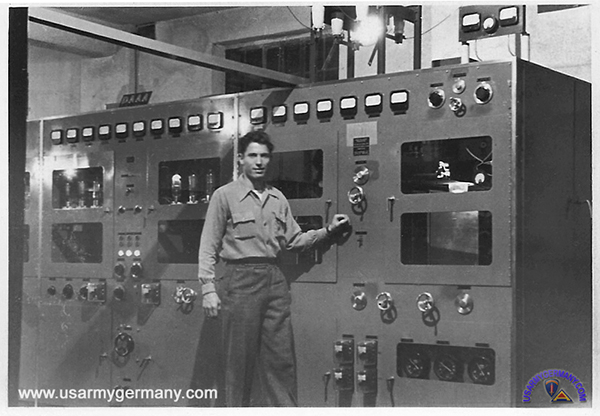 George Castle poses next to the 40kW TEC transmitter equipment at the ACAN transmitter site, 1946 (Charles Hite, Jr.) |
|||||||||||||||||||||||||||||||||||||||||||||||||||||||||||||||||||||||||||||||||||||||||||||||||||||||||||||||||||||||||||||||||||||||||||||||||||||||||||||||||||||||||||||||||||||
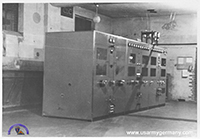
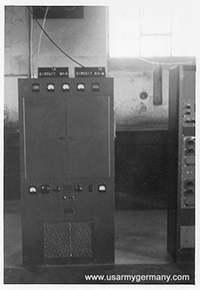
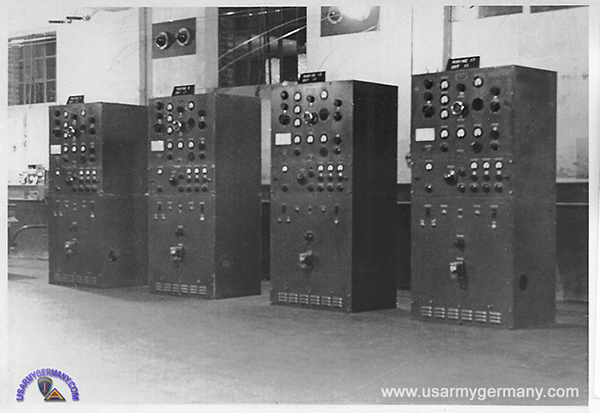 1kW BC-399 transmitters at the transmitter site, 1946 (Charles Hite, Jr.) |
|||||||||||||||||||||||||||||||||||||||||||||||||||||||||||||||||||||||||||||||||||||||||||||||||||||||||||||||||||||||||||||||||||||||||||||||||||||||||||||||||||||||||||||||||||||
| 1946 | |||||||||||||||||||||||||||||||||||||||||||||||||||||||||||||||||||||||||||||||||||||||||||||||||||||||||||||||||||||||||||||||||||||||||||||||||||||||||||||||||||||||||||||||||||||
| (Source: Email from Charles Hite, Jr.) | |||||||||||||||||||||||||||||||||||||||||||||||||||||||||||||||||||||||||||||||||||||||||||||||||||||||||||||||||||||||||||||||||||||||||||||||||||||||||||||||||||||||||||||||||||||
I have found some old photos in my father-in-law's papers from WW2. He stayed after the war and worked for the Civil Service. He worked on bringing back on line the various communication systems in Germany until early 1947.
I believe he was stationed at Frankfurt or Feldberg because he married a German girl from nearby Sossenheim, Frankfurt, Germany. It is very interesting because his experience in this area of communication with the military became his life work. ADDITIONAL INFORMATION: Based on Mr. Castle's notes, the following were some of his assignments during the Occupation in Germany -
|
|||||||||||||||||||||||||||||||||||||||||||||||||||||||||||||||||||||||||||||||||||||||||||||||||||||||||||||||||||||||||||||||||||||||||||||||||||||||||||||||||||||||||||||||||||||
|
|||||||||||||||||||||||||||||||||||||||||||||||||||||||||||||||||||||||||||||||||||||||||||||||||||||||||||||||||||||||||||||||||||||||||||||||||||||||||||||||||||||||||||||||||||||
| Decimeter Equipment (UHF) | |||||||||||||||||||||||||||||||||||||||||||||||||||||||||||||||||||||||||||||||||||||||||||||||||||||||||||||||||||||||||||||||||||||||||||||||||||||||||||||||||||||||||||||||||||||
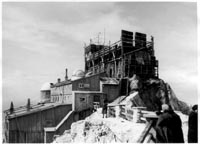
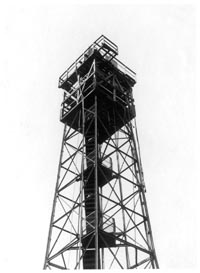
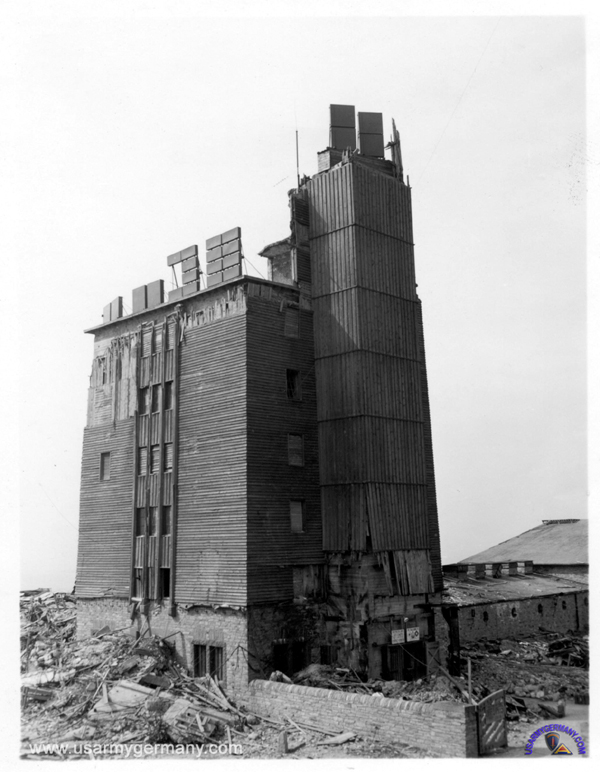 Decimeter station on Hill 880 (Grosser Feldberg/Taunus) in 1946 (Webmaster's collection) |
|||||||||||||||||||||||||||||||||||||||||||||||||||||||||||||||||||||||||||||||||||||||||||||||||||||||||||||||||||||||||||||||||||||||||||||||||||||||||||||||||||||||||||||||||||||
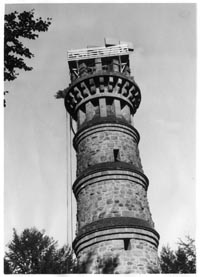
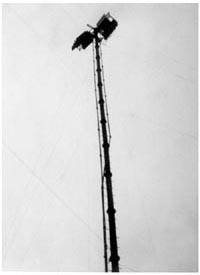
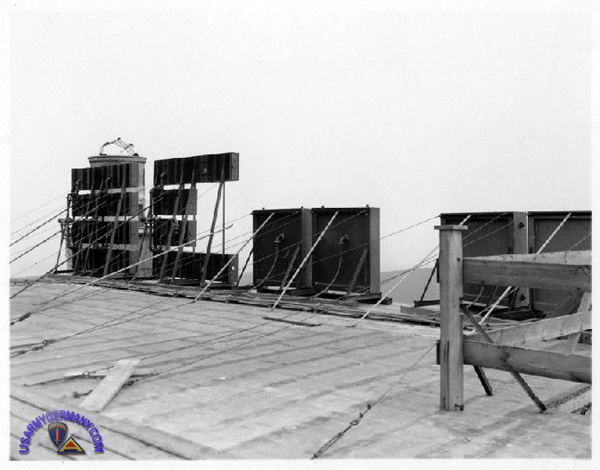 Rear view of directional antennas on the roof of the transmitting tower |
|||||||||||||||||||||||||||||||||||||||||||||||||||||||||||||||||||||||||||||||||||||||||||||||||||||||||||||||||||||||||||||||||||||||||||||||||||||||||||||||||||||||||||||||||||||
|
|||||||||||||||||||||||||||||||||||||||||||||||||||||||||||||||||||||||||||||||||||||||||||||||||||||||||||||||||||||||||||||||||||||||||||||||||||||||||||||||||||||||||||||||||||||
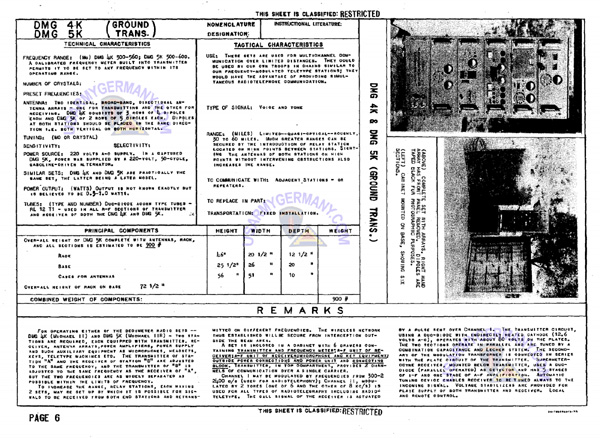 War Dept. description of German transmission equipment for Michael Decimeter Radio Sets |
|||||||||||||||||||||||||||||||||||||||||||||||||||||||||||||||||||||||||||||||||||||||||||||||||||||||||||||||||||||||||||||||||||||||||||||||||||||||||||||||||||||||||||||||||||||
| 1945 | |||||||||||||||||||||||||||||||||||||||||||||||||||||||||||||||||||||||||||||||||||||||||||||||||||||||||||||||||||||||||||||||||||||||||||||||||||||||||||||||||||||||||||||||||||||
| (Source: Communications, OCCUPATION FORCES IN EUROPE, 1947) | |||||||||||||||||||||||||||||||||||||||||||||||||||||||||||||||||||||||||||||||||||||||||||||||||||||||||||||||||||||||||||||||||||||||||||||||||||||||||||||||||||||||||||||||||||||
| In the Oct-Dec 1945 time frame, the Frankfurt to Munich UHF (ultra high frequency) system which used German decimeter equipment, was installed under Signal Corps supervision. | |||||||||||||||||||||||||||||||||||||||||||||||||||||||||||||||||||||||||||||||||||||||||||||||||||||||||||||||||||||||||||||||||||||||||||||||||||||||||||||||||||||||||||||||||||||
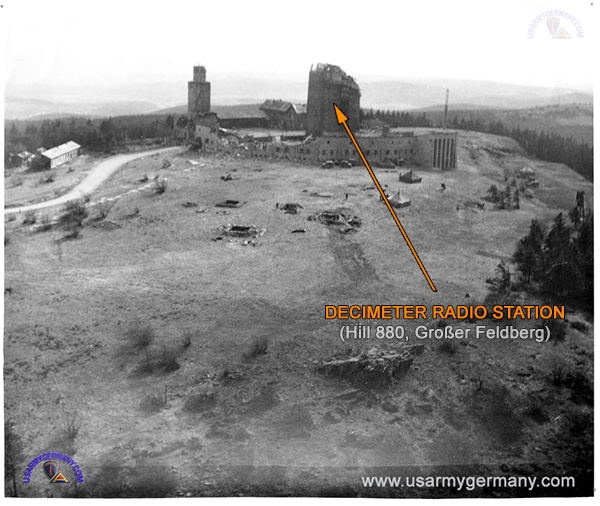 Decimeter radio station on Hill 880, September 1945 (Webmaster's collection) |
|||||||||||||||||||||||||||||||||||||||||||||||||||||||||||||||||||||||||||||||||||||||||||||||||||||||||||||||||||||||||||||||||||||||||||||||||||||||||||||||||||||||||||||||||||||
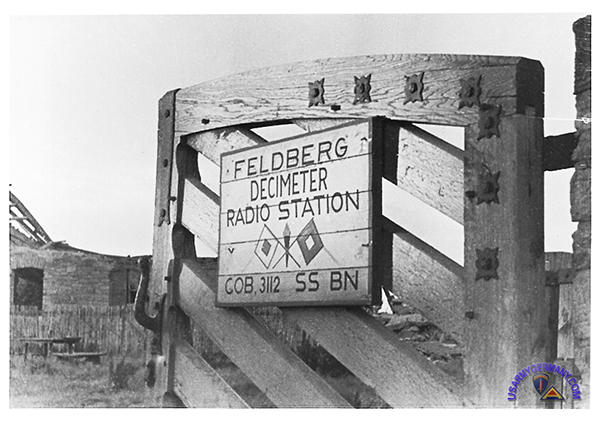 Sign at entrance to the Hill 880 (Feldberg) radio station, ca. 1946 (Charles Hite, Jr.) |
|||||||||||||||||||||||||||||||||||||||||||||||||||||||||||||||||||||||||||||||||||||||||||||||||||||||||||||||||||||||||||||||||||||||||||||||||||||||||||||||||||||||||||||||||||||
| 1946 | |||||||||||||||||||||||||||||||||||||||||||||||||||||||||||||||||||||||||||||||||||||||||||||||||||||||||||||||||||||||||||||||||||||||||||||||||||||||||||||||||||||||||||||||||||||
| (Source: Email from Mitchell L. Cotton) | |||||||||||||||||||||||||||||||||||||||||||||||||||||||||||||||||||||||||||||||||||||||||||||||||||||||||||||||||||||||||||||||||||||||||||||||||||||||||||||||||||||||||||||||||||||
| The 3146th Sig Sv Gp is not known to me. I thought we (Co. B, 3112th Sig Svc Bn) were the only ones operating microwave links for 12th Army Group in Europe during 1945-46. Apparently there was a good deal of reorganization during this period. The 3112th seems to have had a relatively short lifetime. My company had 72 sites, from Cherbourg, to Potsdam, to Garmisch. Included were such interesting summits as (1) top of Eiffel tower, (2) Mt. Brocken (Hartz Mountains in Russian zone), and (3) Zugspitze. The quarters we occupied were also quite notable. In Bad Tölz, Bavaria we enjoyed "Hof Saursberg", a multi-million dollar alpine cottage of Friedrick Flick, the German steel magnate. His family servants remained resident on our payroll to keep everything tidy. Shortly after I came home it was taken over as a General Officers Club ("we" had been one 2nd Lt. and one Corporal). I look forward to referencing your web site. There does not seem to be very much out there about our history. The equipment we operated on the Zugspitze was AN/TRC-6. Hauling the towers (14 ft. telescoped) sticking out sideways from the cable gondola, in a windy snowstorm was an adventure. Fortunately the sergeant who sat on the inside end was a bit fat. Mitchell L. Cotton |
|||||||||||||||||||||||||||||||||||||||||||||||||||||||||||||||||||||||||||||||||||||||||||||||||||||||||||||||||||||||||||||||||||||||||||||||||||||||||||||||||||||||||||||||||||||
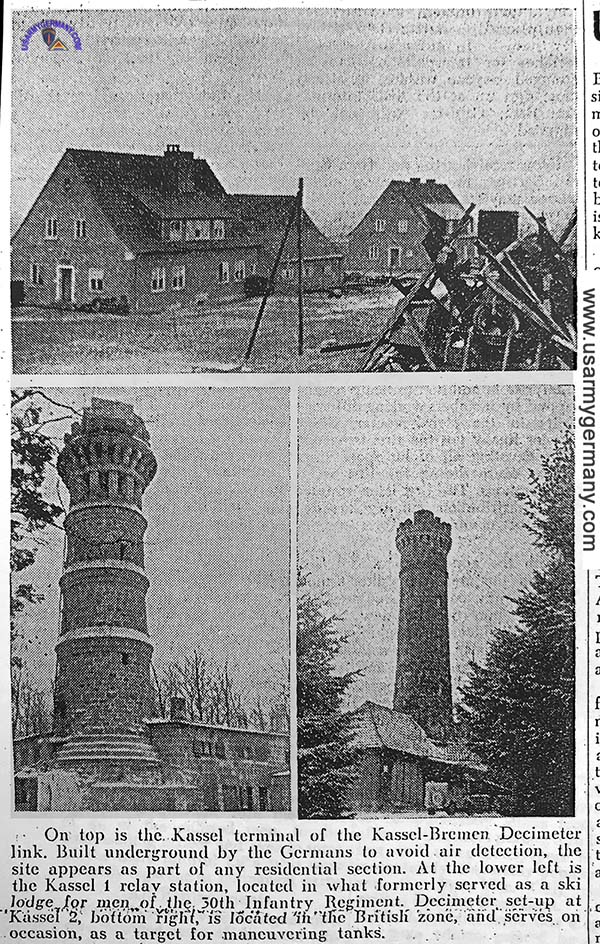 Radio relay sites for the Kassel - Bremen Decimeter link, 1946 (Charles Hite, Jr.) |
|||||||||||||||||||||||||||||||||||||||||||||||||||||||||||||||||||||||||||||||||||||||||||||||||||||||||||||||||||||||||||||||||||||||||||||||||||||||||||||||||||||||||||||||||||||
| (Source: HARD TIMES, June 1 1946) | |||||||||||||||||||||||||||||||||||||||||||||||||||||||||||||||||||||||||||||||||||||||||||||||||||||||||||||||||||||||||||||||||||||||||||||||||||||||||||||||||||||||||||||||||||||
| Click here to read the article in the 3118th Sig Svc Gp newspaper on the Kassel-Bremen Decimeter link. The link was installed in May 1946 and operated by a detachment of Company B, 3112th Sig Svc Bn. | |||||||||||||||||||||||||||||||||||||||||||||||||||||||||||||||||||||||||||||||||||||||||||||||||||||||||||||||||||||||||||||||||||||||||||||||||||||||||||||||||||||||||||||||||||||
| 1947 | |||||||||||||||||||||||||||||||||||||||||||||||||||||||||||||||||||||||||||||||||||||||||||||||||||||||||||||||||||||||||||||||||||||||||||||||||||||||||||||||||||||||||||||||||||||
| (Source: The Third Year of the Occupation: First Quarter. OCCUPATION FORCES IN EUROPE. (Vol. IV, Chapter XXIX)) | |||||||||||||||||||||||||||||||||||||||||||||||||||||||||||||||||||||||||||||||||||||||||||||||||||||||||||||||||||||||||||||||||||||||||||||||||||||||||||||||||||||||||||||||||||||
| Transfer of Decimeter Systems Operational control over the decimeter systems previously used by the Army was surrendered to the Deutsche Post during the quarter. On 1 August (1947), the station on Hill 880 near Frankfurt and the systems to Bremen, Nürnberg, and Munich were transferred. Decimeter sites using captured motor vehicles were subject to military supervision until the transportation equipment was transferred on memorandum receipt. Stations at Breitsol, Schwanberg, Hagenbuchach, Nürnberg, Munich, Zugspitze, Geislingen, Heidelberg, and Mannheim were inspected finally by a representative of the Chief Signal Officer and responsibility was transferred to the Deutsche Post in September. All military personnel were withdrawn from decimeter stations prior to the end of the quarter. |
|||||||||||||||||||||||||||||||||||||||||||||||||||||||||||||||||||||||||||||||||||||||||||||||||||||||||||||||||||||||||||||||||||||||||||||||||||||||||||||||||||||||||||||||||||||
|
|
|||||||||||||||||||||||||||||||||||||||||||||||||||||||||||||||||||||||||||||||||||||||||||||||||||||||||||||||||||||||||||||||||||||||||||||||||||||||||||||||||||||||||||||||||||||
| SHF Radio Equipment (AN/TRC-6) | |||||||||||||||||||||||||||||||||||||||||||||||||||||||||||||||||||||||||||||||||||||||||||||||||||||||||||||||||||||||||||||||||||||||||||||||||||||||||||||||||||||||||||||||||||||
 |
|||||||||||||||||||||||||||||||||||||||||||||||||||||||||||||||||||||||||||||||||||||||||||||||||||||||||||||||||||||||||||||||||||||||||||||||||||||||||||||||||||||||||||||||||||||
| ARMY GROUP COMMUNICATIONS | |||||||||||||||||||||||||||||||||||||||||||||||||||||||||||||||||||||||||||||||||||||||||||||||||||||||||||||||||||||||||||||||||||||||||||||||||||||||||||||||||||||||||||||||||||||
Radio Link Circuits, as of May 8 1945 (Map "C")
|
|||||||||||||||||||||||||||||||||||||||||||||||||||||||||||||||||||||||||||||||||||||||||||||||||||||||||||||||||||||||||||||||||||||||||||||||||||||||||||||||||||||||||||||||||||||
| FIELD ARMY COMMUNICATIONS | |||||||||||||||||||||||||||||||||||||||||||||||||||||||||||||||||||||||||||||||||||||||||||||||||||||||||||||||||||||||||||||||||||||||||||||||||||||||||||||||||||||||||||||||||||||
| 301st Signal Operation Bn, Seventh US Army 302nd Signal Operation Bn, Third US Army |
|||||||||||||||||||||||||||||||||||||||||||||||||||||||||||||||||||||||||||||||||||||||||||||||||||||||||||||||||||||||||||||||||||||||||||||||||||||||||||||||||||||||||||||||||||||
| Source: The Second Year of the Occupation. OCCUPATION FORCES IN EUROPE. (Chapter XXXV) | |||||||||||||||||||||||||||||||||||||||||||||||||||||||||||||||||||||||||||||||||||||||||||||||||||||||||||||||||||||||||||||||||||||||||||||||||||||||||||||||||||||||||||||||||||||
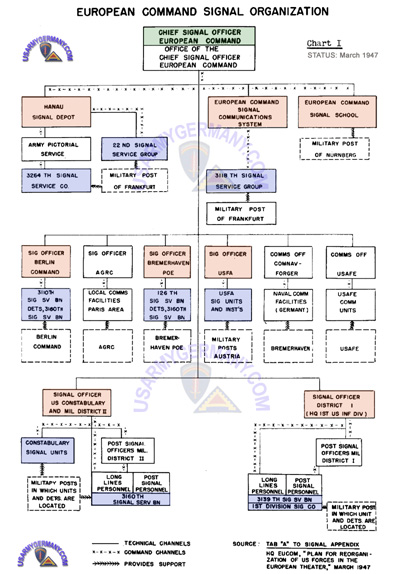
1946/1947 The second year of occupation was characterized by change in responsibilities for the Chief Signal Officer (OCSigO). Although the Chief Signal Officer continued to retain the mission of technical supervision and inspection of signal functions at every echelon of EUCOM, actual operating tasks were being transferred as rapidly as feasible to the Reichspost. By Jun 30 1947, the OCSigO no longer had the mission of providing all communications needed by U.S. installations in Europe. Instead, its mission was: The signal staff of the major commands and military posts continued to provide special communications facilities for military use. OCSigO Organization OCSigO Strength As the operational tasks of the organization dwindled, through transfer of operations to the Reichspost and general reduction of installations, the number of troops assigned to OCSigO continued to diminish. At the end of Jun 1947, the authorized strength of the Signal Corps in EUCOM was 5,570. On Jul 1 1946, 9,053 civilians were employed in Signal Corps activities. As of May 1 1947, there were 6,241 civilians. The Office of the Chief Signal Officer (OCSigO), HQ USFET assumed the responsibilities of the Theater Signal Communications Service (TSCS) on Nov 15 1946, when the latter technical command was inactivated. Theater Signal Communications Service The TSCS was originally organized on Jul 17 1945 and established as a technical command on Nov 4 1945. As of June 1946, the OCSigO began absorbing the functions of TSCS, a task that was completed with the inactivation of TSCS in Nov 1946. The staff and functions of the agency were assigned to OCSigO, the equipment was transferred to the 3118th Sig Svc Gp. HQ TSCS moved from Wiesbaden to the Commando Bldg, USFET Compound on Jul 27-29 1946 where it was collocated with the OCSigO, also recently moved. Former TSCS functions passed to OCSigO: Also, as a result of the discontinuance of TSCS, supervision and control of the Headquarters (EUCOM) Signal Office became a responsibility of OCSigO. After the integration of TSCS into OCSigO, the Theater Signal Communications Div assumed the following responsibilities: On Mar 15 1947, the Theater Signal Communications Div was redes as Communications Div. EUCOM Signal Organization (March 1947) Signal Supply In accordance with the Theater policy of consolidating technical installations, a central signal depot and maintenance shop was established at HANAU in July 1946. The 22nd Sig Svc Gp, formerly located at MANNHEIM, moved to HANAU to operate the new depot. Movement of reserve stocks from other depots to HANAU and the disposal of surplus property progressed throughout the remainder of the period. Signal depot operating responsibilities were transferred, as scheduled, from Continental Base Section (CBS) to OCSigO with the closure of the former (May 15 - Jun 15, 1947). Responsibilities of the Supply & Procurement Div: During the third quarter of 1946, the U.S. Constabulary continued to place heavy demands for signal equipment on the Supply & Procurement Div. On Sep 30 1946, surplus property on hand in six depots in France and Belgium totaled 120,585 long tons. No items remained for shipment to the U.S. or to Germany. This surplus in the liberated areas was disposed of by Western Base Section before Mar 31 1947. On Sep 30 1946, signal supplies on hand in the six signal depots in Germany totaled 81,424 long tons. The signal depots were located at: The disposition program initiated as part of the effort to consolidate signal supply at the central signal depot in HANAU, provided that all items needed for Theater reserve levels be moved to HANAU. Items requested by the War Department was returned to the Z.I.; demilitarized captured signal equipment was released to OMGUS; the remaining signal equipment was declared as surplus and transferred to other services or declared to the Office of the Foreign Liquidation Commissioner. An important goal of the Procurement Branch (estab Jul 1 1946) was to obtain maximum quantities of signal equipment from the German economy. Theater Signal Corps School Critical shortages existed in trained men for numerous specialties, the most serious being those needed to operate the Signal depots. Training centered in the Theater Signal Corps School, in ANSBACH. On Aug 24 1947, the school was redes as the Theater Signal School. Army Pictorial Div The Army Pictorial Div operated through The Photographic Operations Br provided motion and still picture coverage of major events. It had operational control of the 3264th Sig Photo Svc Co. Major projects included: On Jun 18 1947, the 3264th was redes as the 69th Sig Photo Svc Co. |
|||||||||||||||||||||||||||||||||||||||||||||||||||||||||||||||||||||||||||||||||||||||||||||||||||||||||||||||||||||||||||||||||||||||||||||||||||||||||||||||||||||||||||||||||||||
 |
|||||||||||||||||||||||||||||||||||||||||||||||||||||||||||||||||||||||||||||||||||||||||||||||||||||||||||||||||||||||||||||||||||||||||||||||||||||||||||||||||||||||||||||||||||||
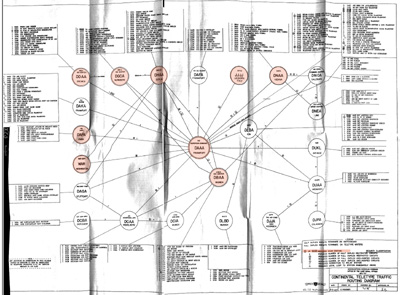
| CONTINENTAL TELETYPE TRAFFIC DIAGRAM | |||||||||||||||||||||||||||||||||||||||||||||||||||||||||||||||||||||||||||||||||||||||||||||||||||||||||||||||||||||||||||||||||||||||||||||||||||||||||||||||||||||||||||||||||||||
| 1946 | |||||||||||||||||||||||||||||||||||||||||||||||||||||||||||||||||||||||||||||||||||||||||||||||||||||||||||||||||||||||||||||||||||||||||||||||||||||||||||||||||||||||||||||||||||||
|
|||||||||||||||||||||||||||||||||||||||||||||||||||||||||||||||||||||||||||||||||||||||||||||||||||||||||||||||||||||||||||||||||||||||||||||||||||||||||||||||||||||||||||||||||||||
| (Source: SIGNAL, Jul-Aug 1947) | |||||||||||||||||||||||||||||||||||||||||||||||||||||||||||||||||||||||||||||||||||||||||||||||||||||||||||||||||||||||||||||||||||||||||||||||||||||||||||||||||||||||||||||||||||||
| Constabulary Communications by Capt. Harry Margolies Content under revision |
|||||||||||||||||||||||||||||||||||||||||||||||||||||||||||||||||||||||||||||||||||||||||||||||||||||||||||||||||||||||||||||||||||||||||||||||||||||||||||||||||||||||||||||||||||||
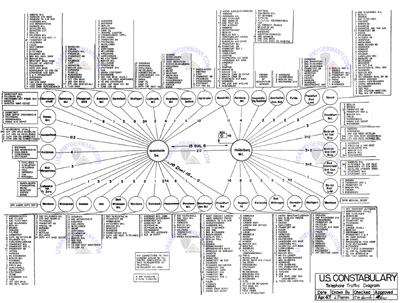
| CONSTABULARY TELEPHONE TRAFFIC DIAGRAM | |||||||||||||||||||||||||||||||||||||||||||||||||||||||||||||||||||||||||||||||||||||||||||||||||||||||||||||||||||||||||||||||||||||||||||||||||||||||||||||||||||||||||||||||||||||
|
|||||||||||||||||||||||||||||||||||||||||||||||||||||||||||||||||||||||||||||||||||||||||||||||||||||||||||||||||||||||||||||||||||||||||||||||||||||||||||||||||||||||||||||||||||||
|
|||||||||||||||||||||||||||||||||||||||||||||||||||||||||||||||||||||||||||||||||||||||||||||||||||||||||||||||||||||||||||||||||||||||||||||||||||||||||||||||||||||||||||||||||||||
| (Source: Email from Edsel H. Freeman, B Co, 7773rd Sig Bn) | |||||||||||||||||||||||||||||||||||||||||||||||||||||||||||||||||||||||||||||||||||||||||||||||||||||||||||||||||||||||||||||||||||||||||||||||||||||||||||||||||||||||||||||||||||||
| I was in the 7773rd Signal Battalion in Fuerth, Germany, from 1947 to 1948.
I was on guard duty at the Nuernberg Military Post Stockade
for two moths.
Then I was in the message center as a clerk. I roomed with Harold P. Hill, Jesse C Hill (Brothers), Bruce D. Hoslingsworth. I left New York on the USAT Gen. M. B. Stewart. On the 9th day out, I come down with the German Measles. I got off in Bremenhaven and was quarantined at the 319th Station Hospital for 22 days with Guy Fletcher, James Ballard and John B. Clark. I left Bremerhaven for Marburg. There I was assigned B Company, 7773rd Signal Bn in Wuerzburg. From there I was transferred to Fuerth. Some of the War Crimes trials were still going on in Nurnberg. The buildings were laying in the streets from the bombings during the war. Edsel Freeman |
|||||||||||||||||||||||||||||||||||||||||||||||||||||||||||||||||||||||||||||||||||||||||||||||||||||||||||||||||||||||||||||||||||||||||||||||||||||||||||||||||||||||||||||||||||||
| 1948 | |||||||||||||||||||||||||||||||||||||||||||||||||||||||||||||||||||||||||||||||||||||||||||||||||||||||||||||||||||||||||||||||||||||||||||||||||||||||||||||||||||||||||||||||||||||
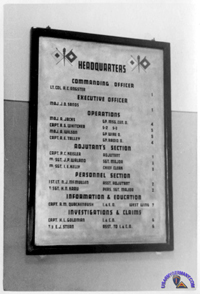
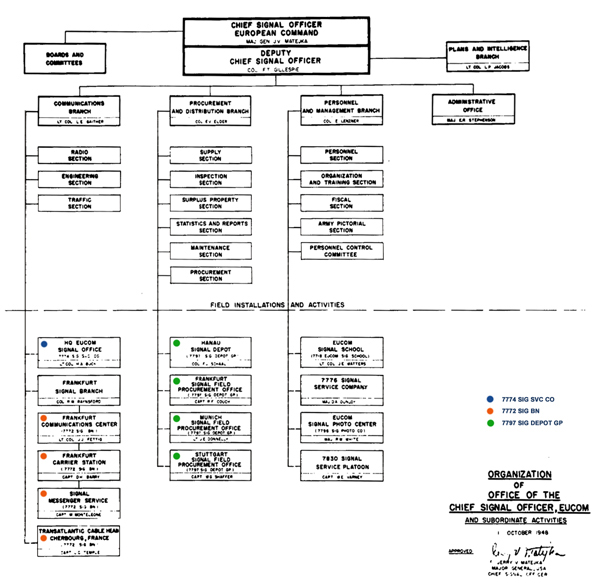 Signal Division, HQ EUCOM, Oct 1948 |
|||||||||||||||||||||||||||||||||||||||||||||||||||||||||||||||||||||||||||||||||||||||||||||||||||||||||||||||||||||||||||||||||||||||||||||||||||||||||||||||||||||||||||||||||||||
| (Source: Signal Division, Chapter XXIX (Vol IV), The Fourth Year, OCCUPATION FORCES IN EUROPE Series) | |||||||||||||||||||||||||||||||||||||||||||||||||||||||||||||||||||||||||||||||||||||||||||||||||||||||||||||||||||||||||||||||||||||||||||||||||||||||||||||||||||||||||||||||||||||
| SIGNAL DIVISION 1. Mission and Organization (1 July - 31 December 1948) For the Signal Division of EUCOM Headquarters, July through December 1948 was a period of increasing economy in the use of manpower and materials, closer working relationship with the Deutsche Post, military government communications agencies and military posts, and continued efforts to provide adequate military communications efficiently operated. The development of communications for the headquarters at Heidelberg dominated the work program, while adoption of the project system, by which all communications installalations.... (missing text) 2. (missing) 3. Increase in Workload The work of Signal Division tended to increase, at least temporarily, as a result of the following factors:
4. Developments Personnel |
|||||||||||||||||||||||||||||||||||||||||||||||||||||||||||||||||||||||||||||||||||||||||||||||||||||||||||||||||||||||||||||||||||||||||||||||||||||||||||||||||||||||||||||||||||||
|
|||||||||||||||||||||||||||||||||||||||||||||||||||||||||||||||||||||||||||||||||||||||||||||||||||||||||||||||||||||||||||||||||||||||||||||||||||||||||||||||||||||||||||||||||||||
| Colonel Raynsford replaced Colonel E. V. Elder as Chief of the Procurement and Distribution Branch during the fourth quarter. 5. Signal Publications In addition to routine circulars and operating instructions, the Signal Division published a new standing operating procedure (SOP) on signal projects and a revision of SOP No. 40, on the provision of wire communication facilities for military and military government official business. Directing that Deutsche Post facilities be used as far as possible, SOP No. 40 defined conditions under which military tie lines, PBX's, telegraph circuits and other facilities could be established. Signal SOP No. 41, governing the operation of local and long distance switchboards, was reissued as Signal Technical Circular No. 41. A EUCOM directive of 11 October, amended on 1 December, decentralized responsibility for providing local communication service, and made it possible for Post Signal Officers to order the Deutsche Post to provide all communications needed within city limits. SIGNAL COMMUNICATIONS 6. Analysis of Signal Services 1947 - 48 Signal communications services in the European Command showed the following developments during the period 1 October 1947 to 1 October 1948, as analyzed by the Chief Signal Officer.
7. Maintaining the Military Network 8. Developments in Wire Communications
 (4) Cutting into service of a 200-line exchange (PAX) with an associated one-position switchboard at Karlsruhe, 17 July.(5) Cutting into service of a 180-line exchange to serve Theater Information and Education Group Headquarters at Büdingen, 17 September.(6) Placing in service of a dictograph intercommunications system for the Director, Office of the Deputy Director of Intelligence (ODDI), on 9 July.(7) Installation of an intercommunications system for Headquarters, Munich Military Post.(6) Installation of a PAX at Passau. (9) Installation of a BPX for Tompkins Barracks, Schwetzingen.b. Projects in ProgressIn addition to the projects listed above, numerous projects were under study, in progress, or awaiting procurement of supplies. c. EUCOM Communications Center, HeidelbergBy the end of September, 1,500 lines of dial equipment were available to serve the EUCOM Communications Center and fifteen positions of F-36 AST Switchboard had been installed, five Heidelberg-Frankfurt dial circuits for inter-operator dialing were ready for service, and cables were 90 percent completed. Items still to be installed included a new power panel and rectifiers for the power room, toll test and toll carrier equipment, a chief operator's check unit for monitoring, and manual radio equipment. By the end of the year the power panel and rectifiers had been installed, the manual radio installation was completed except for the antennae, and three of the inter-city dial circuits between Heidelberg and Frankfurt, modified for two-way use, had been cut into service. (4) Cutting into service of a 200-line exchange (PAX) with an associated one-position switchboard at Karlsruhe, 17 July.(5) Cutting into service of a 180-line exchange to serve Theater Information and Education Group Headquarters at Büdingen, 17 September.(6) Placing in service of a dictograph intercommunications system for the Director, Office of the Deputy Director of Intelligence (ODDI), on 9 July.(7) Installation of an intercommunications system for Headquarters, Munich Military Post.(6) Installation of a PAX at Passau. (9) Installation of a BPX for Tompkins Barracks, Schwetzingen.b. Projects in ProgressIn addition to the projects listed above, numerous projects were under study, in progress, or awaiting procurement of supplies. c. EUCOM Communications Center, HeidelbergBy the end of September, 1,500 lines of dial equipment were available to serve the EUCOM Communications Center and fifteen positions of F-36 AST Switchboard had been installed, five Heidelberg-Frankfurt dial circuits for inter-operator dialing were ready for service, and cables were 90 percent completed. Items still to be installed included a new power panel and rectifiers for the power room, toll test and toll carrier equipment, a chief operator's check unit for monitoring, and manual radio equipment. By the end of the year the power panel and rectifiers had been installed, the manual radio installation was completed except for the antennae, and three of the inter-city dial circuits between Heidelberg and Frankfurt, modified for two-way use, had been cut into service.
|
|||||||||||||||||||||||||||||||||||||||||||||||||||||||||||||||||||||||||||||||||||||||||||||||||||||||||||||||||||||||||||||||||||||||||||||||||||||||||||||||||||||||||||||||||||||
|
|||||||||||||||||||||||||||||||||||||||||||||||||||||||||||||||||||||||||||||||||||||||||||||||||||||||||||||||||||||||||||||||||||||||||||||||||||||||||||||||||||||||||||||||||||||
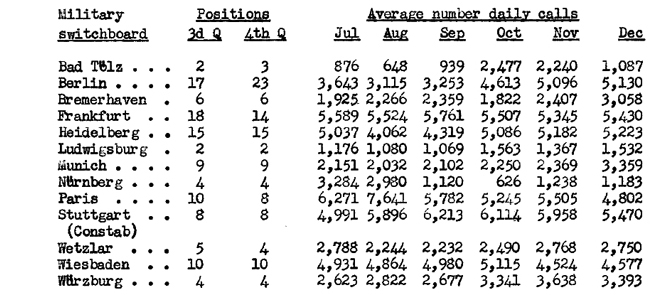
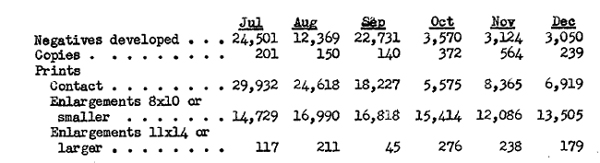
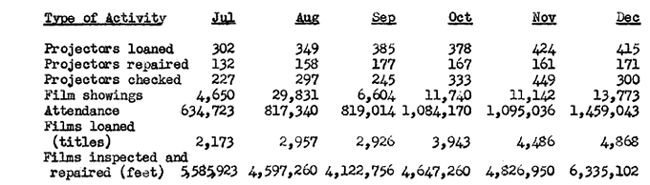
The large number of telephone circuit orders shown for August reflects a transfer of circuits to Signal Division records rather than an actual increase. New circuits were established during this period in support of Operation VITTLES and 1st Infantry Division maneuvers. 9. Radio Communications 11. Signal Communications Traffic Traffic for the half-year period is reflected in the following figures.
|
|||||||||||||||||||||||||||||||||||||||||||||||||||||||||||||||||||||||||||||||||||||||||||||||||||||||||||||||||||||||||||||||||||||||||||||||||||||||||||||||||||||||||||||||||||||
 |
|||||||||||||||||||||||||||||||||||||||||||||||||||||||||||||||||||||||||||||||||||||||||||||||||||||||||||||||||||||||||||||||||||||||||||||||||||||||||||||||||||||||||||||||||||||
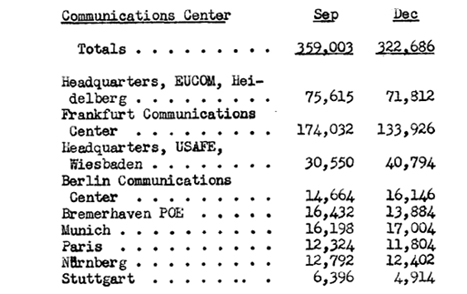
| b. Teletype TrafficTeletype traffic figures for the principal communications centers for the months of September and December 1948 are given below: |
|||||||||||||||||||||||||||||||||||||||||||||||||||||||||||||||||||||||||||||||||||||||||||||||||||||||||||||||||||||||||||||||||||||||||||||||||||||||||||||||||||||||||||||||||||||
 |
|||||||||||||||||||||||||||||||||||||||||||||||||||||||||||||||||||||||||||||||||||||||||||||||||||||||||||||||||||||||||||||||||||||||||||||||||||||||||||||||||||||||||||||||||||||
| c. Traffic at FrankfurtThe average number of long distance calls originating on Frankfurt Military daily, starting at 1,834 far the week ending 3 July, fell to 1,649 for the week ending 31 July, reached 2,468 for the week ending 30 October, and fell to 1,748 for the week ending 25 December. Daily radio and teletype messages showed some reduction late in the year, averaging 53,667 for the week ending 3 July, 50,360 for the week ending 24 September, and 32,339 for the last week of December. 12. Signal Messenger Service The average number of pieces of mail handled per week by the Signal Messenger Service (SMS) increased throughout the period, as shown by the following figures |
|||||||||||||||||||||||||||||||||||||||||||||||||||||||||||||||||||||||||||||||||||||||||||||||||||||||||||||||||||||||||||||||||||||||||||||||||||||||||||||||||||||||||||||||||||||
|
|||||||||||||||||||||||||||||||||||||||||||||||||||||||||||||||||||||||||||||||||||||||||||||||||||||||||||||||||||||||||||||||||||||||||||||||||||||||||||||||||||||||||||||||||||||
Motor, air, and train miles reported by SMS Stop 6200, Frankfurt, fell from 175,611 in November to 63,058 in December, while the number of pouches handled at that point decreased from 49,108 to 21,346. 14. Developments in Teletype Service 15. Contracts for Telecommunications Services 16. Conditions Affecting Supply 17. Transfer of Signal Equipment |
|||||||||||||||||||||||||||||||||||||||||||||||||||||||||||||||||||||||||||||||||||||||||||||||||||||||||||||||||||||||||||||||||||||||||||||||||||||||||||||||||||||||||||||||||||||
 Click on image for larger resolution |
|||||||||||||||||||||||||||||||||||||||||||||||||||||||||||||||||||||||||||||||||||||||||||||||||||||||||||||||||||||||||||||||||||||||||||||||||||||||||||||||||||||||||||||||||||||
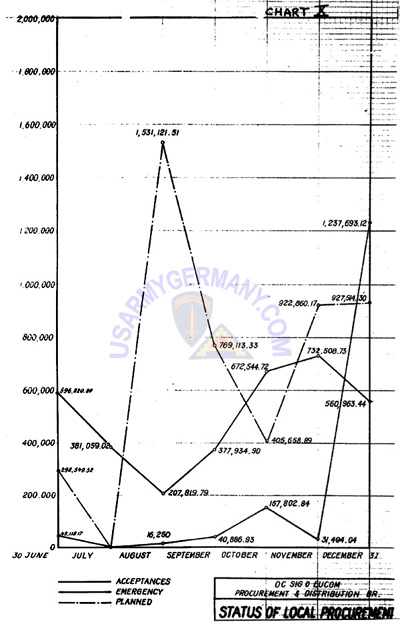
A German battery specialist called upon to analyze production of batteries at the Kirschner & Harsing plant in Erlangen reported that numerous cell defects were observable, machinery was inadequate and its maintenance poor, raw materials were of poor quality, and workmanship was also poor. A series of remedial steps were recommended on the basis of this report. Quality control inspection procedures were established in all battery factories, with a provision that special reports should be prepared by Signal Corps inspectors stationed at battery factories. Sixty thousand batteries of type BA-30 were delivered during the third quarter of 1948, while smaller deliveries included 6,000 BA-37 batteries, 2,025 BA-200 batteries, and 4,000 of type BA-23. Requisition demands were placed during the same quarter for 200,000 BA-30's, 60,000 BA-38's, and smaller numbers of nine other types of battery. In the fourth quarter, 290,000 BA-30's, 7,500 BA-23's and smaller amounts of other batteries were delivered by German manufacturers, and substantial orders were placed for various types. 19. Analysis of Signal Depot Consolidation Plan
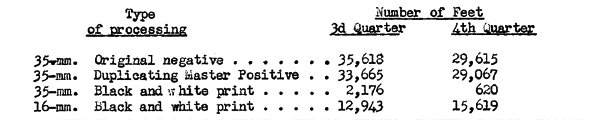
Army Pictorial Activities 20. Army Pictorial Section
|
|||||||||||||||||||||||||||||||||||||||||||||||||||||||||||||||||||||||||||||||||||||||||||||||||||||||||||||||||||||||||||||||||||||||||||||||||||||||||||||||||||||||||||||||||||||
|
|||||||||||||||||||||||||||||||||||||||||||||||||||||||||||||||||||||||||||||||||||||||||||||||||||||||||||||||||||||||||||||||||||||||||||||||||||||||||||||||||||||||||||||||||||||
 |
|||||||||||||||||||||||||||||||||||||||||||||||||||||||||||||||||||||||||||||||||||||||||||||||||||||||||||||||||||||||||||||||||||||||||||||||||||||||||||||||||||||||||||||||||||||
|
|||||||||||||||||||||||||||||||||||||||||||||||||||||||||||||||||||||||||||||||||||||||||||||||||||||||||||||||||||||||||||||||||||||||||||||||||||||||||||||||||||||||||||||||||||||
 |
|||||||||||||||||||||||||||||||||||||||||||||||||||||||||||||||||||||||||||||||||||||||||||||||||||||||||||||||||||||||||||||||||||||||||||||||||||||||||||||||||||||||||||||||||||||
|
|||||||||||||||||||||||||||||||||||||||||||||||||||||||||||||||||||||||||||||||||||||||||||||||||||||||||||||||||||||||||||||||||||||||||||||||||||||||||||||||||||||||||||||||||||||
|
|||||||||||||||||||||||||||||||||||||||||||||||||||||||||||||||||||||||||||||||||||||||||||||||||||||||||||||||||||||||||||||||||||||||||||||||||||||||||||||||||||||||||||||||||||||
|
|||||||||||||||||||||||||||||||||||||||||||||||||||||||||||||||||||||||||||||||||||||||||||||||||||||||||||||||||||||||||||||||||||||||||||||||||||||||||||||||||||||||||||||||||||||
|
|||||||||||||||||||||||||||||||||||||||||||||||||||||||||||||||||||||||||||||||||||||||||||||||||||||||||||||||||||||||||||||||||||||||||||||||||||||||||||||||||||||||||||||||||||||
|
|||||||||||||||||||||||||||||||||||||||||||||||||||||||||||||||||||||||||||||||||||||||||||||||||||||||||||||||||||||||||||||||||||||||||||||||||||||||||||||||||||||||||||||||||||||
|
|
|||||||||||||||||||||||||||||||||||||||||||||||||||||||||||||||||||||||||||||||||||||||||||||||||||||||||||||||||||||||||||||||||||||||||||||||||||||||||||||||||||||||||||||||||||||
| 3118th Signal Service Group | |||||||||||||||||||||||||||||||||||||||||||||||||||||||||||||||||||||||||||||||||||||||||||||||||||||||||||||||||||||||||||||||||||||||||||||||||||||||||||||||||||||||||||||||||||||
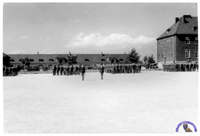
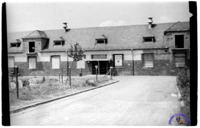
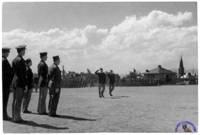
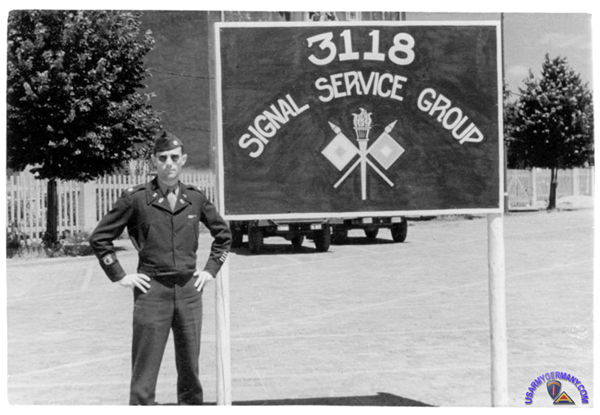 3118th Sig Svc Gp sign at Marbach Kaserne, Frankfurt, 1945 |
|||||||||||||||||||||||||||||||||||||||||||||||||||||||||||||||||||||||||||||||||||||||||||||||||||||||||||||||||||||||||||||||||||||||||||||||||||||||||||||||||||||||||||||||||||||
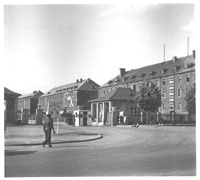
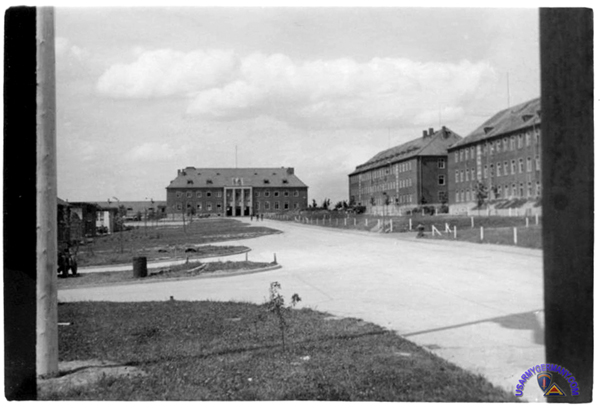 Looking from main gate towards the mess hall, 1945 |
|||||||||||||||||||||||||||||||||||||||||||||||||||||||||||||||||||||||||||||||||||||||||||||||||||||||||||||||||||||||||||||||||||||||||||||||||||||||||||||||||||||||||||||||||||||
| (Source: 204th Military Intelligence Battalion Lineage and History) | |||||||||||||||||||||||||||||||||||||||||||||||||||||||||||||||||||||||||||||||||||||||||||||||||||||||||||||||||||||||||||||||||||||||||||||||||||||||||||||||||||||||||||||||||||||
|
|||||||||||||||||||||||||||||||||||||||||||||||||||||||||||||||||||||||||||||||||||||||||||||||||||||||||||||||||||||||||||||||||||||||||||||||||||||||||||||||||||||||||||||||||||||
|
|||||||||||||||||||||||||||||||||||||||||||||||||||||||||||||||||||||||||||||||||||||||||||||||||||||||||||||||||||||||||||||||||||||||||||||||||||||||||||||||||||||||||||||||||||||
| (Source: "History - SHAEF/ETOUSA Veterans Association" on Military.com; retrieved December 25, 2010) | |||||||||||||||||||||||||||||||||||||||||||||||||||||||||||||||||||||||||||||||||||||||||||||||||||||||||||||||||||||||||||||||||||||||||||||||||||||||||||||||||||||||||||||||||||||
| Unit Designation: 3118th Signal Service Group, APO 757, C/o PM, NYC, NY Commanding Officer: Lt. Col. Robert C. Angster. Type of work unit is equipped to do: Planning, installation, and operating communications for a Major Headquarters, originally for COSSAC (Chiefs of Staff Supreme Allied Command), then SAC which subsequently became SHAEF, and finally for Hq, U.S. Forces European Theater. Length of stay in European Theater: This unit, the largest Signal Service Group in the Army was activated 15 Nov 1943 as a Bn. The first contingent arrived in the U.K. 14 Dec 1943 and operated communications in London, Rotunda Signal Center, SHAEF Hq. at Bushey Park, and the SHAEF CP at Portsmouth. In July 1944. our first detachment landed in France to handle communications of the Normandy Campaign for SHAEF and continued to operate with SHAEF from Jullouville to Versailles, Reims, and finally Frankfurt.Simultaneously, this unit operated Signal Centers for three echelons of SHAEF (Advance CP, Main, and Rear) as well as operating communications for Missions in Brussels, Paris, Luxembourg, The Hague, Berlin, and other European Capitals; this unit likewise had communications detachments with the 6th, 12th, and 21st Army Groups. Statistics: Handled, in 20 months of operation, 5,250,000 tactical and administrative messages by electrical means, Wire and Radio, totaling more than 700,000,000 groups. Handled approximately 3,700.000 registered packets and 14,000,000 unregistered packets by Motor, Air, Train, and Boat Messenger Service. An average of 10,000 long distance telephone calls and 30,000 local calls are handled daily through the exchanges operated by this unit. This would total 24 million for the 20 month period, or 28 calls per minute. Such traffic might be compared to the traffic generated by a city of 45,000 in the United States. The unit Motor Messengers have driven over 5,200,000 miles throughout England, Scotland, Wales, and every continental country to deliver message traffic for SHAEF. The Group Supply had driven over 21,000,000 truck miles, carrying 16,800,000 pounds in 2,750 truck loads, worth $6,000,000 of signal communication supplies to equip, install, and repair all the above mentioned installations. Battle Experience: Members of this unit participated in all five European campaigns and the Group as a whole participated in the Northern France, Rhineland, and Central European Campaigns. Unusual Jobs: 1. Installed, operated and maintained the first Signal Center for General Eisenhower on the continent, near Cerisy de Foret, Normandy. 2. Upon orders of Gen. Eisenhower, through the Chief Signal Officer, operated a 24 hour Radio Network at Dover and Chatham, England, back to London for the purpose of deceiving the German High Command to believe that the Americans were in that area in strength preparing an invasion from those ports. This small radio detachment, the only Americans in that area, were successful in effecting a diversion of German troops to a position across the Channel from Dover and Chatham to anticipate this supposed attack. 3. This unit conceived, installed, operated, and maintained both a private Telephone and private Radio network, known as "Redline Switchboard" and "Redline Net" for the Supreme Commander to his Army Groups, Chiefs of Staff, and all echelons of SHAEF . 4. During the past 20 months the Group has installed, operated, and maintained the Signal Communication facilities for the various conferences of Generals Marshall, Eisenhower, and De Gaulle; Presidents Roosevelt, and Truman; Prime Ministers Churchill and Atlee, and Marshals Stalin, Zhukov, and Montgomery. 5. Installed, operated, and maintained three Radio Studios for Public Relations Division of SHAEF in London and Paris for the use of Commercial Broadcasters disseminating battle news to the United States. 6. The Group Supply trucks hauled vital supplies unceasingly, day and night, seven days a week, for 21 days from Omaha and Utah Beaches to SHAEF Forward at Versailles or SHAEF CP at Reims, without accident or vehicle breakdown, the vehicles stopped only long enough to refuel. 7. This unit established the first direct communication with the German High Command which resulted in the surrender at Reims. 8. With 8 men, in 29 days, working seven days a week, installed for SHAEF a 14 position (1400 line) manual Switchboard; an installation that would be inconceivable in the United states in less than three months. 9. The 40 KW Radio Team assigned to this unit operates one radio circuit with five channels. The voice channel is capable of transmitting colored pictures to the United States. It operated formerly direct to the American Telephone and Telegraph Co., in New York at a cost of $1,000 per hour. It now operates directly to the War Department in Washington, D.C. During the Postsdam Conference, many calls were made by President Truman through this system to the United States. This $2,300,000 installation was installed and operating in eleven days from the States, a record hitherto unsurpassed. 10. A detachment of this unit operated the Radio communication facilities to Saltzburg to Marshal Kesselring, insuring that his surrender would be made to the Russians, as well as the other allies. 11. The only Enlisted Man officially at the confirmation of the surrender terms at the Potsdam conference was furnished by this organization to operate the radio communications back to the U.S. Sector and thence to Washington. 12. This unit refitted, installed and operated a communications car on the train, formerly belonging to Hitler, for the use of General Eisenhower. It is a complete mobile Signal Center with a 12 KW radio transmitter, Teletype, Cipher Room, complete inter-train telephone system with facilities for plugging into the local exchange of whatever city in which the train is located. It was the first Allied communications car fitted with radio communication while on the move. 13. We have installed and operate an Airborne Signal Center in the C-53 airplane assigned to this Group. This radio plane is used to overcome the obstacle of time and distance in a special or emergency mission where there is a demand to set up an emergency radio link in a given location within the shortest possible time. 14. This unit has installed, operated and maintained a radio teletype circuit from Nuremburg to provide the War Crimes Commission with teletype relay facilities to Frankfurt and thence to any point on earth. 15. We have operated highly successfully as the only major Anglo-American Signal Installation in the European Theater. The majority of the signal equipment used by the British in SHAEF has been provided and installed by this unit. The 3118th has salvaged, rehabilitated and operated, in a minimum of time, with a maximum of efficiency, British, French, German, Danish, Dutch, Belgian, and Russian equipment without prior instruction or knowledge. Outstanding Individuals: There have been 36 members of this organization awarded the Bronze Star Medal for outstanding merit and achievement. For the superior manner in which this unit has overcome all adversities, distinguished itself by setting an example of such high degree of efficiency, and installing three permanent, complete, elaborate, and modern Signal Centers, this organization has been awarded the Unit Meritorious Service Plaque and is at present under consideration for a second award of the same plaque {This second award has since been made}. The unit has been commended by the Chief Signal Officer of the British and American Armies, the Chief of French Signals, General Eisenhower, and President Truman. For the Commanding Officer: PAUL C. KEISLER Capt., Infantry |
|||||||||||||||||||||||||||||||||||||||||||||||||||||||||||||||||||||||||||||||||||||||||||||||||||||||||||||||||||||||||||||||||||||||||||||||||||||||||||||||||||||||||||||||||||||
| (Source: OCCUPATION FORCES SERIES) | |||||||||||||||||||||||||||||||||||||||||||||||||||||||||||||||||||||||||||||||||||||||||||||||||||||||||||||||||||||||||||||||||||||||||||||||||||||||||||||||||||||||||||||||||||||
| Frankfurt Signal Center When FRANKFURT was selected as hqs for the US forces in Germany, the Sig Div, SHAEF set to work to supply initial communications requirements. Fwd Echelon, SHAEF, was scheduled to begin operations at FRANKFURT on May 25. SHAEF FWD opened at Frankfurt on 26 May, 1945. SHAEF Main moved from Versailles to Frankfurt on June 15, 1945 and absorbed SHAEF FWD. The 3118th Sig Svc Bn reached FRANKFURT in mid-April to install telephone, radio, and signal center facilities in the I.G. Farben Building. This building provided ample basement space for a Signal Center and already contained a 1200-line Siemens automatic telephone system in good condition. The first switchboard put into operations (in the basement) was an Army TC-10, later converted to the official "Redline" switchboard for top-level subscribers. Control and allocation of circuits in local cable facilities was placed in the hands of the HQ Signal Officer. As the headquarters continued to grow, telephone equipment in the I.G. Farben Bldg was supplemented by By the summer of 1946, this military system was serving 3,000 subscribers in FRANKFURT and 1,000 in HÖCHST. |
|||||||||||||||||||||||||||||||||||||||||||||||||||||||||||||||||||||||||||||||||||||||||||||||||||||||||||||||||||||||||||||||||||||||||||||||||||||||||||||||||||||||||||||||||||||
| 1946 | |||||||||||||||||||||||||||||||||||||||||||||||||||||||||||||||||||||||||||||||||||||||||||||||||||||||||||||||||||||||||||||||||||||||||||||||||||||||||||||||||||||||||||||||||||||
| (Source: Email from Tony Bianchi, son-in-law of Charles Pungello, 7772nd Sig Svc Bn then 3118th Sig Svc Bn, 1946-1949) | |||||||||||||||||||||||||||||||||||||||||||||||||||||||||||||||||||||||||||||||||||||||||||||||||||||||||||||||||||||||||||||||||||||||||||||||||||||||||||||||||||||||||||||||||||||
| I’m originally from Brooklyn, NY. I did basic training at Camp Polk, Louisiana from April 1946 to June 1946. My embarkation point to Germany was Camp Kilmer, NJ. To get to Germany we took the George Washington (possibly a merchant marine vessel) which transported us from Bayonne? NJ (Unsure of departure point) to Bremerhaven. I then took the train to Bremen. The trains had steam locomotives and the passenger cars were wooden with compartments which seated about 6 people. We stayed in Bremen a few days and then continued by train to Frankfurt. One of the guys that traveled with me was Messenger, but I can’t remember his first name. Messenger got killed in a Jeep accident in early 1947. We got to Frankfurt late at night and went straight to the mess hall to get midnight chow. I was given a rather large room in the Company B? barracks on the third floor. Messenger was assigned to a different company. “I was assigned to the 7772nd when I initially arrived in Germany in July 1946. I left in January 1949. While I was there the 7772nd was deactivated and we became the 3118th. The next day I was assigned to the receiver side power station in Ginnheim which was run by MSG Wittstein. I spent about 5 months working with him and then I was sent to school in Ansbach for three months to learn more about diesel generator sets in various sizes and capacities. We were also given instruction in electrical theory. I believe Col Abramowitz was in charge of the school. In Ginnheim there were three “shacks”, (Quonset hut type bldgs), one for the diesels, one for radio receivers and one for the lieutenant that was in charge of everything. The diesel generator sets at both Ginnheim and the power station were started by small gas motors which ran for about 15 minutes and then the diesel was engaged. The Ginnheim location diesel generator sets which ran the radio equipment, teletype, and other communications equipment including the Armed Forces Radio Network local station in case of power failure. It was in the Marbach Kaserne (later to become Gibbs Barracks). The 97th General Hospital was across the street from the Kaserne. The actual location of the power station in Frankfurt was about a mile away from the IG Farben building. There were two generators and two six-cylinder Cummins diesel engines for both the Ginnheim operations and the power station. Generators for the transmission side were located about two miles(? ) away near where the black soldiers were based. They had more generator sets on the transmission side, probably 4 or 5. My typical daily duties for both locations included checking the engines and generators, testing voltage, wattage, and amperage. The system was 220 volts. On the diesels I checked the oil, fuel, and adjusted the tappets. We typically worked Monday through Friday with standby being shared at Ginnheim. We also taught some of the radio operators how to work the generators. I was on call 24 hours a day at the power station. I once suggested to MSG Hefner that I have a back up and two more gents were assigned. Unfortunately one was a drunk and the other was unreliable. After about 10 days of their “help” I asked MSG Hefner to get rid of them and I went back to being on call 24 hours. When I wanted a pass or to take leave, someone from the transmission side was assigned to my spot. The company commander was CPT Fennelly?(sp). I don’t remember him coming to Ginnheim or the power plant. Lt Cohen was the officer responsible in Ginnheim and he came to the generator “shack” a few hours every day. I don’t recall the First Segeant’s name but I was not fond of him in large part to him taking an SS souvenir bayonet that I had acquired. Other duties included checking the rombic?(sp) antennas about once a week while in Ginnheim. These were located in a field about 50 yards away from the generator shack. We started the generators about every 2 or three days and did a full load test once a month. I would notify the officer at Radio Control that the generators were ready to be tested and then I would throw the switch to auxiliary power. The test would last about 30 minutes and we would then switch it back. One time a 2nd Lieutenant in Radio Control told me to do the test with only one engine. I voiced my concern and asked MSG Hefner if I should do it and he said to carry out the Lt’s orders. We started the test but very quickly the one engine started vibrating to the point where I thought it was going to fail and take the generator with it. I told him I had to abort the test to avoid damage to the unit. The Lt got in trouble over his “modification” of the test. MSG Hefner and I got along very well. I kept the power station very clean and I used to get a lot of officers with their wives coming over to look at the station because it was so clean. I painted everything I could to make it look good. Other observations Also during my time there the war crime trials were being held in Nuremburg. I knew an MP with the 709th MP Co stationed in Nuremberg and went to visit him. While there, out of curiosity, we went to the execution of a number of Germans that had been sentenced to death by hanging. We only went once and I never wanted to go back. It was an awful sight. One time a MSG told me to check all the German tools and mark them so they wouldn’t get mixed up with the American tools as the German ones were Metric and the US English. I wasn’t thrilled with the idea and told him I wouldn’t do it. He came over to the building and as soon as I took a look at him I changed my mind and did what he asked. Turns out he was about 6’5 – 6’6 and cut a rather imposing figure. We eventually became friendly. Lt Parker was part of B Company when we were the 3118th and performed various duties while I was there. He was on the same ship with me when I returned to the States. In the IG Farben Bldg a T4 named Fujimoto was in charge of the film shot during European combat operations. There was a huge library of film and some of us would go to him and get a roll to watch if we were bored. Ernie Pyle was on a couple of the reels we watched. There were a lot of displaced persons in Frankfurt while I was there including Poles, Russians, Ukrainians, and Italians who didn’t want to go back to their home countries. The general population was not in good shape when I first arrived as many were suffering from malnutrition and exposure to the elements. It was not uncommon to see Jewish holocaust survivors as they were easily identifiable by the numbered tattoos on their arms. The city of Frankfurt was a disaster with only 5-10% of the housing intact within the city proper. The suburbs did not look as bad. The food that even the US servicemen were eating was of poor quality when I first arrived. Most of the food was dehydrated and tasted bad. Breakfast consisted of powdered eggs, powdered potatoes and powdered milk. The coffee appeared thick enough so you could stand up a spoon in it. Around Jan 1947 the food started getting better as we were now getting fresh meat, eggs and other produce. While there a friend of mine was responsible for the daily firing a cannon to mark retreat. I was with him one time when he was going to fire it and he suggested that we change the direction that it was pointed and needed me to assist him. I agreed and we “re-aimed” the cannon. When he fired it off, the concussion broke a bunch of windows in the Mess Hall. Clearly it had previously been aligned to prevent this from occurring. The Provost Marshall was none too pleased but my friend accepted responsibility and took all the heat on it. He never gave me up. |
|||||||||||||||||||||||||||||||||||||||||||||||||||||||||||||||||||||||||||||||||||||||||||||||||||||||||||||||||||||||||||||||||||||||||||||||||||||||||||||||||||||||||||||||||||||
|
|||||||||||||||||||||||||||||||||||||||||||||||||||||||||||||||||||||||||||||||||||||||||||||||||||||||||||||||||||||||||||||||||||||||||||||||||||||||||||||||||||||||||||||||||||||
| 3139th Signal Service Battalion | |||||||||||||||||||||||||||||||||||||||||||||||||||||||||||||||||||||||||||||||||||||||||||||||||||||||||||||||||||||||||||||||||||||||||||||||||||||||||||||||||||||||||||||||||||||
| (Source: Email from Mark Sexton) | |||||||||||||||||||||||||||||||||||||||||||||||||||||||||||||||||||||||||||||||||||||||||||||||||||||||||||||||||||||||||||||||||||||||||||||||||||||||||||||||||||||||||||||||||||||
| Saw your request for info re service in Europe 1945 - 1989. I was posted to 3139 Signal Sv Bn, a signal messenger unit, about August of 1946. We lived in a small town called Homberg, about 30 miles from Kassel. We were quatered in German houses, there were about 20 of us. We delivered official Gov't documents many related to the war crimes trials in Nurenburg. In 1947 we moved to Bad Wildungen where we were quartered in a sanatorium. The outfit disbanded after a few months and I was transferred to the 3160 Signal Sv Bn in Bremen. There were about 10 of us. We were quartered in a beautiful house on Barbarossa Str. We ran a radio teletype station there. That lasted about a year. The station was dismantled and moved to Bremerhaven and set up on a Luftwaffe base outside of Bremerhaven right on the edge of the north sea. We were quartered in a German naval compound called the Marine Barracks (I Think). The RTT transmitter at the airbase was dismantled and we all became radio telegraph operators at the Signal Center in Bremerhaven. I remained at this post until spring of 1949 and then returned to ZI. It seems strange to me that I can't find any information on the 3139 & 3160 Signal anywhere. It was a very interesting time there in Germany. The winter of 1946/'47 was dreadful. Very very stressful for the germans shortage of food, fuel, electricty and so on. There are many interesting stories of this time. |
|||||||||||||||||||||||||||||||||||||||||||||||||||||||||||||||||||||||||||||||||||||||||||||||||||||||||||||||||||||||||||||||||||||||||||||||||||||||||||||||||||||||||||||||||||||
|
|||||||||||||||||||||||||||||||||||||||||||||||||||||||||||||||||||||||||||||||||||||||||||||||||||||||||||||||||||||||||||||||||||||||||||||||||||||||||||||||||||||||||||||||||||||
Related Links: |
|||||||||||||||||||||||||||||||||||||||||||||||||||||||||||||||||||||||||||||||||||||||||||||||||||||||||||||||||||||||||||||||||||||||||||||||||||||||||||||||||||||||||||||||||||||
 .
.


 to provide only an essential core of communications, and
  Chief Signal Officer (CSO)
  Control of intra-zonal, inter-zonal, and international primary and secondary routes and means of military signal communications in the European Theater;
  Mannheim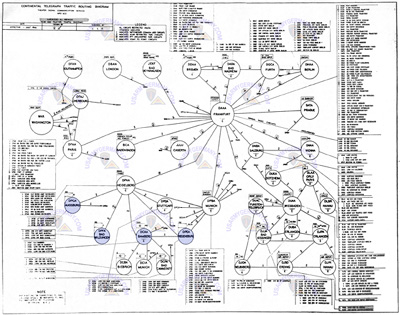
 the Norden Exchange,