| If you do NOT
see the Table of Contents frame to the left of this page, then Click here to open 'USArmyGermany' frameset |
||||||||||||||||||||||||||||||||||||||||||||||||||||||||||||||||||||||||
|
59th
Ordnance Brigade |
||||||||||||||||||||||||||||||||||||||||||||||||||||||||||||||||||||||||
|
|
||||||||||||||||||||||||||||||||||||||||||||||||||||||||||||||||||||||||
|
||||||||||||||||||||||||||||||||||||||||||||||||||||||||||||||||||||||||
|
|
||||||||||||||||||||||||||||||||||||||||||||||||||||||||||||||||||||||||
| 2 ATAF - Warhead Custodial Detachments & Supported Formations | ||||||||||||||||||||||||||||||||||||||||||||||||||||||||||||||||||||||||
 2ATAF 2ATAF |
||||||||||||||||||||||||||||||||||||||||||||||||||||||||||||||||||||||||
Related Links: |
||||||||||||||||||||||||||||||||||||||||||||||||||||||||||||||||||||||||
|
|
||||||||||||||||||||||||||||||||||||||||||||||||||||||||||||||||||||||||
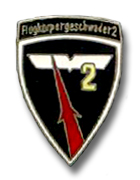
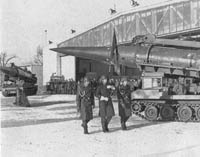
| Flugkörpergeschwader 2 | ||||||||||||||||||||||||||||||||||||||||||||||||||||||||||||||||||||||||
| (Source: www.bundesarchiv.de and Jürgen Dreifke) | ||||||||||||||||||||||||||||||||||||||||||||||||||||||||||||||||||||||||
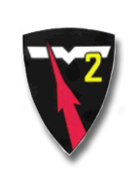 Flugkörpergeschwader
2 (2nd Surface-to-Surface
Missile Wing) Flugkörpergeschwader
2 (2nd Surface-to-Surface
Missile Wing) |
||||||||||||||||||||||||||||||||||||||||||||||||||||||||||||||||||||||||
| The Flugkörpergeschwader
2 (2nd SSMW) was activated at Lechfeld on 1 January 1965 with a HQ staff,
a training/technical group, and two missile firing groups: Flugkörpergruppe
(FKGrp) 21 and 22. The 2nd SSMW was initially subordinate to the 1st
Luftwaffendivision, but then reassigned to the 3rd Luftwaffendivision
in 1968. Missile Group 21, after returning from training at Fort Sill OK, moved to Nörvenich in northern Germany in September 1965. Missile Group 22 moved to Wuppertal in August 1966. HQs 2nd SSMW was relocated to Diedenhofen Kaserne in Wuppertal in August 1966. Another move occurred in late 1968, when the Wing found a more permanent home at the former RAFG air base in Geilenkirchen-Teveren. (I believe the entire Wing was consolidated at Teveren.) Both missile groups were equipped with the Pershing 1 (MGM-32A) system during the summer of 1967. On 18 December 1970, the 2nd SSMW was placed under operational control of NATO (2 ATAF). The FKG 2 transitioned to the Pershing 1A (MGM-31B) system starting on 1 July 1971. The Wing was reorganized similar to the FKG 1 - with the two missile groups merged into a single missile group and the formation of a support group. Warhead custodial support was provided by the 85th USAFAD. With the expansion of the Missile Wing from 1000 personnel to over 1700, the installation at Teveren proved to be too small, necessitating the move of the security squadron and of the headquarters squadron, support group, back to Nörvenich. |
||||||||||||||||||||||||||||||||||||||||||||||||||||||||||||||||||||||||
|
||||||||||||||||||||||||||||||||||||||||||||||||||||||||||||||||||||||||
|
|
||||||||||||||||||||||||||||||||||||||||||||||||||||||||||||||||||||||||
| Related
Links: Traditionsgemeinschaft FKG 2  - an interesting reunion web site for veterans of the German
Luftwaffe's 2nd SSMW in Geilenkirchen, Germany. (German language) - an interesting reunion web site for veterans of the German
Luftwaffe's 2nd SSMW in Geilenkirchen, Germany. (German language) |
||||||||||||||||||||||||||||||||||||||||||||||||||||||||||||||||||||||||
|
|
||||||||||||||||||||||||||||||||||||||||||||||||||||||||||||||||||||||||
|
||||||||||||||||||||||||||||||||||||||||||||||||||||||||||||||||||||||||
| The 85th U.S. Army
Field Artillery Detachment was constituted in the U.S. Army in November
1966 at Fort Sill, Okla. as the 85th U.S. Army Missile Detachment. The
detachment was assigned to the 2nd Battalion, 79th Artillery. In November 1968, the unit was reassigned to the 2nd Battalion, 44th Artillery. In August 1969, the 85th moved to Europe and was assigned to the 5th U.S. Army Artillery Group in November of that year. In October 1979, the detachment was reassigned to the 557th U.S. Army Artillery Group. The 85th was one of only two Pershing 1A warhead detachments in the world. The 85th U.S. Army Field Artillery Detachment was inactivated in April 1991 in Geilenkirchen, Germany. |
||||||||||||||||||||||||||||||||||||||||||||||||||||||||||||||||||||||||
| Related
Links: |
||||||||||||||||||||||||||||||||||||||||||||||||||||||||||||||||||||||||
 |
||||||||||||||||||||||||||||||||||||||||||||||||||||||||||||||||||||||||
|
|
||||||||||||||||||||||||||||||||||||||||||||||||||||||||||||||||||||||||
| II (FR) Corps - Warhead Custodial Detachments & Supported Formations | ||||||||||||||||||||||||||||||||||||||||||||||||||||||||||||||||||||||||
| (Source: Email from Alain Giletta, France) | ||||||||||||||||||||||||||||||||||||||||||||||||||||||||||||||||||||||||
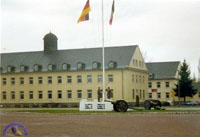
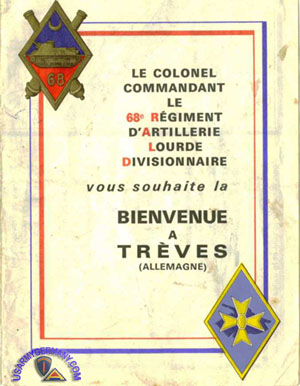
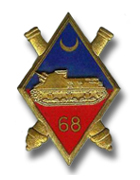
| Alain does research on the history of the American military presence in Trier, Germany. He was kind enough to submit some of the information he has collected for the website. Based on information he has found, he believes that the US Army missile detachment (6th MSL Det) was stationed at the French installation designated as Caserne d'Artillerie du Pétrisberg and that they worked at the SAS at Mattheiserwald. The French artillery unit, 68th Artillery Regiment (RALD), was stationed at the French installation designated as Quartier du Belvédère in Trier. This unit included a battery of HONEST JOHN rockets. |
||||||||||||||||||||||||||||||||||||||||||||||||||||||||||||||||||||||||
|
||||||||||||||||||||||||||||||||||||||||||||||||||||||||||||||||||||||||
|
||||||||||||||||||||||||||||||||||||||||||||||||||||||||||||||||||||||||
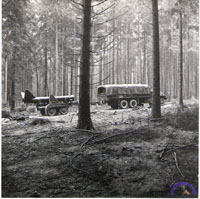
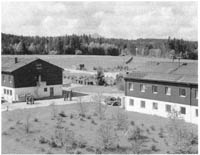
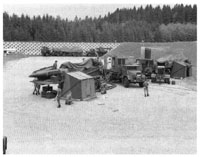
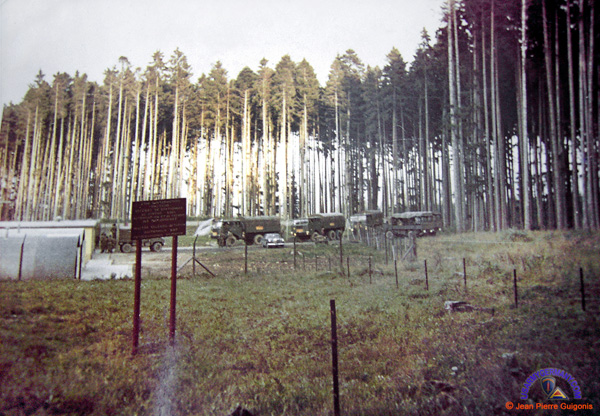 Trucks of the 4th Section, BSS, at SAS Weisswald (Tannheimer Forst) |
||||||||||||||||||||||||||||||||||||||||||||||||||||||||||||||||||||||||
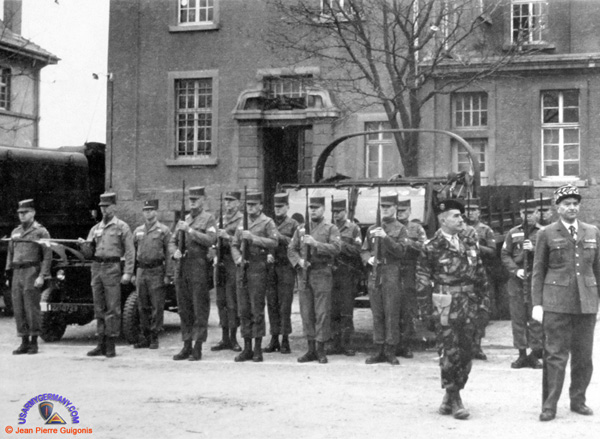 15th MSL Detachment at Villingen. Also shown in the photo is COL Maragi, CO of the 301st GA. |
||||||||||||||||||||||||||||||||||||||||||||||||||||||||||||||||||||||||
| (Source: Email from Jean Pierre Guigonis, 301 GA, French Army) | ||||||||||||||||||||||||||||||||||||||||||||||||||||||||||||||||||||||||
| I served in the 301 group of artillery, Villingen, Germany from 1965 to 1970. When I arrived at the unit, I was a sergeant and I worked in the 4ieme (4th) section of the security and support battery (BSS). We were responsible for guarding the SAS and for providing security to the convoy of nucleaire ammunition. I worked with the 15th Missile Detachment from 1965 to 1966. (Attached is also a group photo of the 15th MSL detachment with Colonel MARAGI, commander of the 301 GA). I would like to contact former members of the 15th MSL Det and am looking for additional information on the following topics:
You can find more information on the 301st GA Reunion website (see Related Links). |
||||||||||||||||||||||||||||||||||||||||||||||||||||||||||||||||||||||||
| (Source: Information provided by Klaus Stark and Rick Anders) | ||||||||||||||||||||||||||||||||||||||||||||||||||||||||||||||||||||||||
| From 1951 to 1960, the French Forces in Germany (FFA) were comprised of two Army Corps stationed in the former French Zone of Occupation of Germany: | ||||||||||||||||||||||||||||||||||||||||||||||||||||||||||||||||||||||||
|
||||||||||||||||||||||||||||||||||||||||||||||||||||||||||||||||||||||||
| FFA Headquarters
was located at Baden-Baden and was an Army-level command under Central
Army Group. Actual troop strength, especially in the latter years, was much below authorized strengths due to military manpower needs in Indochina (1946-54) and subsequently in Algeria (1954-62). With the formation of the German Bundeswehr in the late 1950s, the French government decided to resize and restructure its forces in Germany and to concentate them in an area around Freiburg and Trier: |
||||||||||||||||||||||||||||||||||||||||||||||||||||||||||||||||||||||||
|
||||||||||||||||||||||||||||||||||||||||||||||||||||||||||||||||||||||||
| The newly formed
III (GE) Corps replaced the II (FR) Corps in Koblenz and assumed the responsibilities
previously performed by that French corps in the northern sector of CENTAG. According to the Nuclear Weapons Databook, Vol V, The US and France signed an agreement ("The Agreement for Cooperation in the Operations of Atomic Weapon Systems for Mutual Defense Purposes") at Paris on 27 July 1961 that entered into force on 9 October 1961 and facilitated the use of US warheads on French launchers. By 1965, these constitued - two fighter-bomber wings of 4th ATAF; Honest John battalions of FFA; and Nike-Hercules units of 1er CATAC. (The agreement was similar to the agreements signed between the US and eight other allied countries.) The FFA apparently formed four HONEST JOHN units which were nuclear capable and supported by four separate US Army missile detachments (see 576th Arty Group). At least two, if not all four, were rocket artillery batteries within a heavy field artillery regiment assigned to each division. The type heavy artillery regiment (Régiment d'Artillerie Lourde Divisionaire - RALD) of a 'Division 59' (French TOE) infantry and armor divisions of the period was organized as follows: |
||||||||||||||||||||||||||||||||||||||||||||||||||||||||||||||||||||||||
 Regimental
Headquarters HQ Battery Observation and Calibration
Platoon Fire Direction Platoon
Radar Platoon Technical Platoon (muzzle
velocity and weather) Service Battery2 Heavy Artillery Battalions
HQ & Service Battery
(BCS) 2 Batteries (4 howitzers
each)(155mm) Rocket
Battalion (some battalions have only 1x battery) HQ & Service Battery
(BCS) 1
Battery (2x Honest John) 1 Battery (2x Lacrosse)
[1] Regimental
Headquarters HQ Battery Observation and Calibration
Platoon Fire Direction Platoon
Radar Platoon Technical Platoon (muzzle
velocity and weather) Service Battery2 Heavy Artillery Battalions
HQ & Service Battery
(BCS) 2 Batteries (4 howitzers
each)(155mm) Rocket
Battalion (some battalions have only 1x battery) HQ & Service Battery
(BCS) 1
Battery (2x Honest John) 1 Battery (2x Lacrosse)
[1] |
||||||||||||||||||||||||||||||||||||||||||||||||||||||||||||||||||||||||
| [1] According to Phillip A. Karber, Nuclear Weapons and the US Army in Europe, 1953-1989, France evaluated the LACROSSE guided nuclear missile system but decided against it - so it was never fielded. | ||||||||||||||||||||||||||||||||||||||||||||||||||||||||||||||||||||||||
| The four US Army
artillery detachments supporting FFA were: the 6th, 9th, 15th and 16th
Arty Dets. The 9th and 16th were originally based in Villingen with the 15th Arty Det, but relocated to Radolfzell and Saarlouis respectively, after being attached to the 576th Arty Gp. Originally, these units were organized under the 512th Arty Group in Urlau, Germany. In March 1963, the 576th Arty Group was formed and all nulear warhead custodial units supporting French Army and Air Force units (the 357th supported the French Nike-Hercules battalions) in Germany were placed under the command of the new group. |
||||||||||||||||||||||||||||||||||||||||||||||||||||||||||||||||||||||||
|
|
||||||||||||||||||||||||||||||||||||||||||||||||||||||||||||||||||||||||
| (Source: Email from Rick Anders and Klaus Sturm, Germany) | ||||||||||||||||||||||||||||||||||||||||||||||||||||||||||||||||||||||||
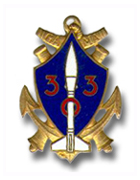
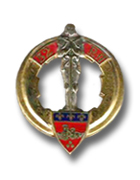
| Report on the French HONEST JOHN Units A total of five French artillery regiments were equipped with the HONEST JOHN rocket system. Two of the regiments (32º and 68º) were assigned to French divisions in Freiburg, Germany and Trier, Germany. The other three (301º, 302º and 303º) were part of the Reserves Générales (Army troops) or assigned to FFA (French Forces in Germany). Each of the divisional artillery regiments were comprised of two battalions (I and II Groupes) with conventional tube artillery and one battalion (III Groupe) with HONEST JOHN rockets. Some sources refer to the HJ unit as the "5th Battery." It is not certain if this is a designation used prior to or after the "III Groupe" designation. The firing battery of the divisional HJ battalion was comprised of two sections with one HJ rocket launcher each. The exact composition of the army artillery HJ battalion is not known. (Anybody out there who can provide details?) Rick's best guess is that each battalion had four HJ launchers. (Based on these estimates, there would have been a total of 16 launchers - 12 assigned to army artillery; four to divisional artillery.) 1) As far as nuclear warheads, it is known that the Americans had assigned 100 to the French HONEST JOHN and NIKE units (see information under 576th USAAG). Since apparently only a few of the French NIKE batteries were nuclear certified, it is probable that a large portion of the warheads were reserved for the HJ units. After the nuclear support (and the warheads) had been withdrawn by the US Army (as a consequence of , the French HJ remained in Germany (now with conventional warheads) until the mid-1970s. 1) Source: Les unités Honest John (see Musée de l'artillerie AMAD website) HJ Group Organization: The five HJ groups had a similar organization. They were composed of two firing batteries (batteries de tir) and a headquarters and service battery (batterie de commandement et de soutien). Each firing battery included: Two sections - each with a launcher; An assembly and transportation section (section de montage et de livraison);A survey section (section topographique);A communications section (section de transmissions).Divisional Artillery Regiments With the introduction of the HJ system in 1960, the divisional artillery regiments were redesignated as Régiments d'Artillerie Lourde et d'Engins (R.A.L.E.). The designation changed in mid-1962 to Régiments d'Artillerie Lourde Divisionnaires (R.A.L.D.). |
||||||||||||||||||||||||||||||||||||||||||||||||||||||||||||||||||||||||
|
||||||||||||||||||||||||||||||||||||||||||||||||||||||||||||||||||||||||
| Army Artillery Regiments | ||||||||||||||||||||||||||||||||||||||||||||||||||||||||||||||||||||||||
| Of the three HJ artillery regiments assigned to Army troops, two were French Marines. The units were known as Groupes d'Artillerie (G.A.) or Groupes d"Artillerie de Marine (G.A.Ma.). In July 1970, they were redesignated as Regiments d'Artillerie. | ||||||||||||||||||||||||||||||||||||||||||||||||||||||||||||||||||||||||
|
||||||||||||||||||||||||||||||||||||||||||||||||||||||||||||||||||||||||
| Several French units supported the HJ units. Among them was the 351º Groupe d'Artillerie, which was actually a transportation battalion for special weapons (similar to the German Nachschubbataillon Sonderwaffen), and several ammunition companies near the respective home stations that were responsible for the storage of conventional warheads and spare parts for the HJ rockets. | ||||||||||||||||||||||||||||||||||||||||||||||||||||||||||||||||||||||||
|
||||||||||||||||||||||||||||||||||||||||||||||||||||||||||||||||||||||||
| US Army Warhead Custodial Support | ||||||||||||||||||||||||||||||||||||||||||||||||||||||||||||||||||||||||
| The final element of support for the French HJ units was comprised of the US Army warhead custodial detachments. These small units were responsible for the storage and security of the nuclear warheads reserved for French use. | ||||||||||||||||||||||||||||||||||||||||||||||||||||||||||||||||||||||||
|
||||||||||||||||||||||||||||||||||||||||||||||||||||||||||||||||||||||||
| All four missile detachments as well as the 357th MSL Det (which supported the nuclear certified NIKE batteries of the 500 Groupement de Brigades d'Engines (NIKE) ) were originally attached to the 512th US Army Artillery Group (Warhead Support). As of March 1963, the five detachments in support of French units were attached to the 576th Group. Headquarters and Headquarters Detachment of the 576th was located at the Quartier Général Pagezy in Karlsruhe. With the French leaving the military structure of NATO in 1966, the 576th USAAG and its subordinate detachments were inactivated. |
||||||||||||||||||||||||||||||||||||||||||||||||||||||||||||||||||||||||
|
||||||||||||||||||||||||||||||||||||||||||||||||||||||||||||||||||||||||
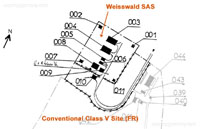
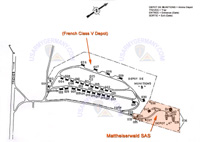
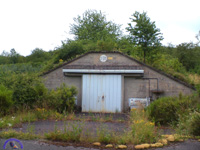
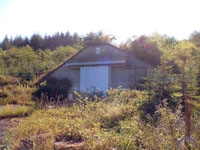
| (1) a special thanks goes out to my friends at www.lostplaces.de (Webmaster note: name changed Nov 2010 to "Geschichtsspuren.de") who were able to track down this former SAS site (2) courtesy of Alain Giletta (France) |
||||||||||||||||||||||||||||||||||||||||||||||||||||||||||||||||||||||||
MISCELLANEOUS INFORMATION |
||||||||||||||||||||||||||||||||||||||||||||||||||||||||||||||||||||||||
| Looking
for former members of the 576th Arty Gp and subordinate detachments and
for "anciens"
of the FFA who were assigned to any of the nuclear-capable artillery units
within the FFA from 1960 to 1966. Please contact me. |
||||||||||||||||||||||||||||||||||||||||||||||||||||||||||||||||||||||||
| French HONEST JOHN Units and their US Army Support Detachments | ||||||||||||||||||||||||||||||||||||||||||||||||||||||||||||||||||||||||
|
||||||||||||||||||||||||||||||||||||||||||||||||||||||||||||||||||||||||
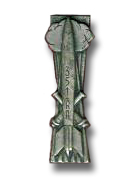
| (1) not certain if this design dates back to the HJ era or is post-HJ (based on the design of the rocket, it is probably from a later date) | ||||||||||||||||||||||||||||||||||||||||||||||||||||||||||||||||||||||||
Related Links:
|
||||||||||||||||||||||||||||||||||||||||||||||||||||||||||||||||||||||||
|
|
||||||||||||||||||||||||||||||||||||||||||||||||||||||||||||||||||||||||
| 4 ATAF - Warhead Custodial Detachments & Supported Formations | ||||||||||||||||||||||||||||||||||||||||||||||||||||||||||||||||||||||||
 4ATAF 4ATAF |
||||||||||||||||||||||||||||||||||||||||||||||||||||||||||||||||||||||||
|
|
||||||||||||||||||||||||||||||||||||||||||||||||||||||||||||||||||||||||
| Flugkörpergeschwader 1 | ||||||||||||||||||||||||||||||||||||||||||||||||||||||||||||||||||||||||
| (Source: Traditionsgemeinschaft FKG 1 e.v; www.bundesarchiv.de; and Jürgen Dreifke) | ||||||||||||||||||||||||||||||||||||||||||||||||||||||||||||||||||||||||
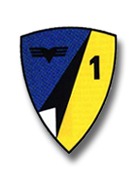 Flugkörpergeschwader
1 (1st Surface-to-Surface
Missile Wing) Flugkörpergeschwader
1 (1st Surface-to-Surface
Missile Wing) |
||||||||||||||||||||||||||||||||||||||||||||||||||||||||||||||||||||||||
| In September 1963,
the Flugkörpergeschwader 1 (FKG 1) was activated at Landsberg with a Hq
staff, two Flugkörpergruppen (12 and 13**) (FKGrp - missile groups) and
a training/technical group. The Wing was based at the Saarburg Kaserne
in Landsberg am Lech and was assigned to the 1st Luftwaffendivision. The
missile groups were initially equipped with the tracked-vehicle mounted
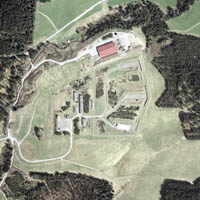
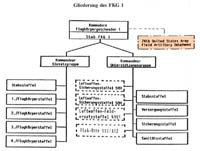
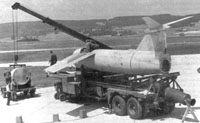
Pershing 1 (MGM-31A). In 1964, the Wing received its Pershing 1 system. The FKGrp 12 was located at Landsberg; FKGrp 13 was at Kaufbeuren. In 1966, a QRA site was established at Schwabstadl, south of the Lechfeld Air Base. This site was used until 1976. At the same time, the 74th Missile Det arrived at Schwabstadl to provide warhead custodial support. In 1969, the 82nd Missile Det arrived to provide warhead custodial support. (Webmaster: I am trying to understand why the FKG 1 would have operated two separate QRA sites which then required two separate warhead custodial detachments. Can anybody provide some details?) In 1970, a QRA site south of Landsberg (Landsberg-Süd) became operational. The FKG 1 transitioned to the Pershing 1A (MGM-31B) system on 1 January 1971. As part of the reorganization that occurred with the transition, FKGrp 12 and 13 were consolidated and a support group was created. Except for the security squadron which remained at Schwabstadl, the entire wing was now stationed at Landsberg. |
||||||||||||||||||||||||||||||||||||||||||||||||||||||||||||||||||||||||
|
||||||||||||||||||||||||||||||||||||||||||||||||||||||||||||||||||||||||
| ** In reading through
some of the unit history presented in the Traditionsgemeinschaft FKG 1
newsletters , it appears that FKGrp 13 wasn't actually formed until 1965.
Prior to that there was a FKGrp 11 that had actually been activated in
February 1959 as a MATADOR
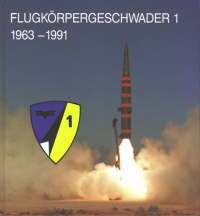
(TM 61C) unit (!!!) and stationed at Kaufbeuren Air Base. For details on the book (Flugkörpergeschwader 1, 1963-1991) published by the Traditionsgemeinschaft (similar to a reunion group in the States), check out the Shop link in the Services section of their web site. |
||||||||||||||||||||||||||||||||||||||||||||||||||||||||||||||||||||||||
|
||||||||||||||||||||||||||||||||||||||||||||||||||||||||||||||||||||||||
| (Source: Email from Peter Wodniok, webmaster Traditionsgemeinschaft FKG 1) | ||||||||||||||||||||||||||||||||||||||||||||||||||||||||||||||||||||||||
| The FKG 1 was in the beginning (1965 – 1971) divided into two Flugkörpergruppen – Flugkörpergruppe 12, stationed together with the wing staff at Saarburgkasere, Landsberg, and the Flugkörpergruppe 13, stationed at Fliegerhorst Kaufbeuren, hosted by the Technische Schule der Luftwaffe 1. Each Flugkörpergruppe had its own detachment: FKGrp 12 the 74th Flugkörpergeschwader 2 at Geilenkirchen was in the beginning also divided into two Groups. Flugkörpergruppe 21 at Geilenkirchen with wing staff and Flugkörpergruppe 22 at Wuppertal. The reason why FKG 2 only had the support of one detachment (85th US Army Artillery Detachment) was that Flugkörpergruppe 22 never reached operational status before being united to FKG 2 at Geilenkirchen. |
||||||||||||||||||||||||||||||||||||||||||||||||||||||||||||||||||||||||
|
|
||||||||||||||||||||||||||||||||||||||||||||||||||||||||||||||||||||||||
| Related
Links: Traditionsgemeinschaft FKG 1 e.V. - a very nice reunion web site for veterans of the
German Luftwaffe's 1st SSMW. Great newsletters on-line (PDF format) provide
a lot of historical information. (German language) |
||||||||||||||||||||||||||||||||||||||||||||||||||||||||||||||||||||||||
|
|
||||||||||||||||||||||||||||||||||||||||||||||||||||||||||||||||||||||||
|
||||||||||||||||||||||||||||||||||||||||||||||||||||||||||||||||||||||||
| 82nd USA Missile
Detachment at Lagerlechfeld, Germany, supported the FKG1 (also known as
1st SSMW) from November 1969 until January 1971, and was the first U.S.
Army unit to receive a unit to unit streamer from the German Air Force.
Stationed on a Lutwaffe airbase, the Germans possessed the missile and the Americans had the nuclear warheads. During exercises, the launch exercise would include mating the warhead with the missile, and a cooperative launch. Rigorous and frequent inspections by U.S. and NATO commands were conducted to maintain certification. In January 1971, the two U.S. missile detachments assigned to the 512th, the 74th and 82nd U.S. Army Missile Detachments, were combined. The 82nd was merged with the 74th and redesignated as the 74th U.S. Army Field Artillery Detachment. |
||||||||||||||||||||||||||||||||||||||||||||||||||||||||||||||||||||||||
|
|
||||||||||||||||||||||||||||||||||||||||||||||||||||||||||||||||||||||||
| (Source: Email from Charles Harden) | ||||||||||||||||||||||||||||||||||||||||||||||||||||||||||||||||||||||||
| Moved Charles' email to the 82nd USAFAD section on the main 59th Ord Bde Page -- link | ||||||||||||||||||||||||||||||||||||||||||||||||||||||||||||||||||||||||
|
|
||||||||||||||||||||||||||||||||||||||||||||||||||||||||||||||||||||||||
|
||||||||||||||||||||||||||||||||||||||||||||||||||||||||||||||||||||||||
| The 74th U.S. Army
Field Artillery Detachment was organized and activated in April 1965 at
Fort Sill, Okla. as the 74th U.S. Army Missile Detachment. The detachment moved to Germany in June 1966 and was assigned to the 512th U.S. Army Artillery Group in support of the German Air Force's 1st Surface-to-Surface Missile Wing (Webmaster note: see Peter Wodniok's email for a good explanation of the US Army warhead custodial support for FKG 1 prior to transition to the P1a). In January 1971, the two U.S. missile detachments assigned to the 512th, the 74th and 82nd U.S. Army Missile Detachments, were combined. The 82nd was merged with the 74th and redesignated as the 74th U.S. Army Field Artillery Detachment. The 82nd had supported the 1st SSMW from November 1969 until January 1971, and was the first U.S. Army unit to receive a unit to unit streamer from the German Air Force. Since its deployment in 1966 the 74th U.S. Army Field Artillery Detachment had provided continuous support of its strategic NATO mission along with the 1st SSMW. In 1990 the 74th and the 1st SSMW close working relationship was recognized with the USAREUR Partnership award. With its formal inactivation on 15 July, 1991, the 74th completed over 25 years of service in support of the NATO alliance. The 74th was one of only two Pershing IA units in the world. The 74th US Army Field Artillery Detachment was activated in April 1965 at Fort Sill, Oklahoma, as the 74th US Army Missile Detachment. |
||||||||||||||||||||||||||||||||||||||||||||||||||||||||||||||||||||||||
|
|
||||||||||||||||||||||||||||||||||||||||||||||||||||||||||||||||||||||||
| (Source: Email from John Maxham) | ||||||||||||||||||||||||||||||||||||||||||||||||||||||||||||||||||||||||
| Moved Charles' email to the 74th USAFAD section on the main 59th Ord Bde Page -- link | ||||||||||||||||||||||||||||||||||||||||||||||||||||||||||||||||||||||||
|
||||||||||||||||||||||||||||||||||||||||||||||||||||||||||||||||||||||||
|
|
||||||||||||||||||||||||||||||||||||||||||||||||||||||||||||||||||||||||