| If you do
NOT see the Table of Contents frame to the left of this page, then
Click here to open 'USArmyGermany' frameset |
||||||||||||||||||||||||||||||||||||||||||||||||||||||||||||||||||||||||||||||||||||||||||||||||||||||||||||||||||||||||||||||||||||||||||||||||||||||||||||||||||||||||||
|
68th
Signal Battalion |
||||||||||||||||||||||||||||||||||||||||||||||||||||||||||||||||||||||||||||||||||||||||||||||||||||||||||||||||||||||||||||||||||||||||||||||||||||||||||||||||||||||||||
|
|
||||||||||||||||||||||||||||||||||||||||||||||||||||||||||||||||||||||||||||||||||||||||||||||||||||||||||||||||||||||||||||||||||||||||||||||||||||||||||||||||||||||||||
|
||||||||||||||||||||||||||||||||||||||||||||||||||||||||||||||||||||||||||||||||||||||||||||||||||||||||||||||||||||||||||||||||||||||||||||||||||||||||||||||||||||||||||
|
|
||||||||||||||||||||||||||||||||||||||||||||||||||||||||||||||||||||||||||||||||||||||||||||||||||||||||||||||||||||||||||||||||||||||||||||||||||||||||||||||||||||||||||
| Battalion History | ||||||||||||||||||||||||||||||||||||||||||||||||||||||||||||||||||||||||||||||||||||||||||||||||||||||||||||||||||||||||||||||||||||||||||||||||||||||||||||||||||||||||||
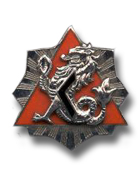 68th Signal Battalion DUI
 |
||||||||||||||||||||||||||||||||||||||||||||||||||||||||||||||||||||||||||||||||||||||||||||||||||||||||||||||||||||||||||||||||||||||||||||||||||||||||||||||||||||||||||
If you have more
information on the history or organization of the 68th Signal Battalion,
please contact me |
||||||||||||||||||||||||||||||||||||||||||||||||||||||||||||||||||||||||||||||||||||||||||||||||||||||||||||||||||||||||||||||||||||||||||||||||||||||||||||||||||||||||||
|
|
||||||||||||||||||||||||||||||||||||||||||||||||||||||||||||||||||||||||||||||||||||||||||||||||||||||||||||||||||||||||||||||||||||||||||||||||||||||||||||||||||||||||||
| MISCELLANEOUS
UNIT INFORMATION - On 1 July 1974, the 43rd Signal Battalion was activated at Heidelberg, Germany. The battalion was organized from elements of Signal Operations Battalion, Heidelberg, and D Company 68th Signal Battalion. Among other things, the new battalion took over responsibility for several HF/SS fixed and mobile radio sites and a portion of the European Wideband Communications (a part of Defense Communications Systems). - in 1964, Co C, 68th Sig Bn operated a radio site at Sennelager - in 1966, Co B, 68th Signal Bn was stationed at Neu Ulm, APO 09035 - in 1967, Co B, 68th Sig Bn operated the Hohenstadt Radio Station - in 1968, Co C, 68th Signal Bn was located at Giessen. |
||||||||||||||||||||||||||||||||||||||||||||||||||||||||||||||||||||||||||||||||||||||||||||||||||||||||||||||||||||||||||||||||||||||||||||||||||||||||||||||||||||||||||
| 1964 | ||||||||||||||||||||||||||||||||||||||||||||||||||||||||||||||||||||||||||||||||||||||||||||||||||||||||||||||||||||||||||||||||||||||||||||||||||||||||||||||||||||||||||
| (Source: Email from Noel Abbott, S-2 Div, HQ 68th Sig Bn, 1964-66) | ||||||||||||||||||||||||||||||||||||||||||||||||||||||||||||||||||||||||||||||||||||||||||||||||||||||||||||||||||||||||||||||||||||||||||||||||||||||||||||||||||||||||||
| I have been reading about the US Army's 68th Signal Battalion on the website and I don't see much about it during the period of 1963 to 1966. I was stationed to the 68th Signal Battalion on Nelligen Kaserne, Germany from Feb 1964 to May of 1966. I worked at Battalion Headquarters in the S-2 Division, My rank when I left was SP-5 and I was assigned the duty of getting everyone assigned to this Battalion at least a SECRET Clearance. The Battalion Commander at that time was Lt Col Fred Stivers. The S-2/S-3 Officer was Capt Buck. During this time we only had three companies - Company A , B, C When I first arrived at this Battalion in Feb of 1964 there was only a few people in Battalion Headquarters; however it grew quite a bit over the next two years. I would really like to hear more about the 68th from anyone out there. |
||||||||||||||||||||||||||||||||||||||||||||||||||||||||||||||||||||||||||||||||||||||||||||||||||||||||||||||||||||||||||||||||||||||||||||||||||||||||||||||||||||||||||
 |
||||||||||||||||||||||||||||||||||||||||||||||||||||||||||||||||||||||||||||||||||||||||||||||||||||||||||||||||||||||||||||||||||||||||||||||||||||||||||||||||||||||||||
|
|
||||||||||||||||||||||||||||||||||||||||||||||||||||||||||||||||||||||||||||||||||||||||||||||||||||||||||||||||||||||||||||||||||||||||||||||||||||||||||||||||||||||||||
| "A" Company | ||||||||||||||||||||||||||||||||||||||||||||||||||||||||||||||||||||||||||||||||||||||||||||||||||||||||||||||||||||||||||||||||||||||||||||||||||||||||||||||||||||||||||
| 1964 | ||||||||||||||||||||||||||||||||||||||||||||||||||||||||||||||||||||||||||||||||||||||||||||||||||||||||||||||||||||||||||||||||||||||||||||||||||||||||||||||||||||||||||
| (Source: Email from Uyless "Wayne" Golden) | ||||||||||||||||||||||||||||||||||||||||||||||||||||||||||||||||||||||||||||||||||||||||||||||||||||||||||||||||||||||||||||||||||||||||||||||||||||||||||||||||||||||||||
| I was assigned to Co A 68th Sig Bn from July 1964 to July 1966. I was attached to 4th Fighter Wing RCAF. As far as I know the detachment at Lahr was one of ours in Co A, but it was not us. I believe Lahr was a French Air Force base. I believe it was Cem 29. If that is the one, it was manned by Co A personnel because one of our operators one Sunday went to sleep on duty was logged out for 45 minutes, had classified docs - openly accessible. 1st SGT wanted to hang him but to spite the 1st Sgt, the SGM of Bn. called him to Hq., gave him an Art 15, busted him 1 stripe, 2 weeks extra duty, and sent him back to work. I was at Baden-Soellingen on the Rhine River, on the French Border, on the edge of the Black Forest close to Baden-Baden which was a resort for the Germans. I was attached to Det 1900 7232nd MMG (USAFE) which was attached to the 4th Fighter Wing Royal Canadian Air Force. We were Cem 66. For 18 mos. we worked SSB with Collins KWM-2A's on 3 nets (CRCS, control sta. Cem 5 (primary net); Operations net control sta. Cem 59 it was the secondary net; I forget the designation of the other net, it was monitored only but we could contact stations on it by permission -- it consisted of stations like USAFE Hqs (Cem 3). I think we contacted them once for Air Force business. Cem 5 was at Heidelberg. Don't know much about them, but they ranked up there with Cem 3. If we had to contact Cem 3 on their net, we first had to contact Cem 5 on the CRCS to request permission to contact Cem 3. He would call Cem 3 on their net and tell him of our request. Cem 3 would then grant permission for us to contact them on their net. We had to monitor the net but could't talk without permission. They had strange traffic on that net. A pilot (rank of Capt. even gave his name) called Cem 3 asked for a phone patch to phone no. what ever. It was granted immediately, no questions asked. The conversion was "Hello, Honey I'll be late for dinner". That net was very lax on "Proper Procedure". Cem 29 was on our net. Cem 67 was also on our net -- they were the Third Fighter Wing Royal Canadian Air Force at Zwiebrucken. They were not manned by Co A personnel. I don't know what Co manned them. All the stations on CRCS used the secondary net to contact each other through Cem 59. I don't know who they were or where they were. Cem 5 sometimes logged out and gave control of CRCS to Cem 59. |
||||||||||||||||||||||||||||||||||||||||||||||||||||||||||||||||||||||||||||||||||||||||||||||||||||||||||||||||||||||||||||||||||||||||||||||||||||||||||||||||||||||||||
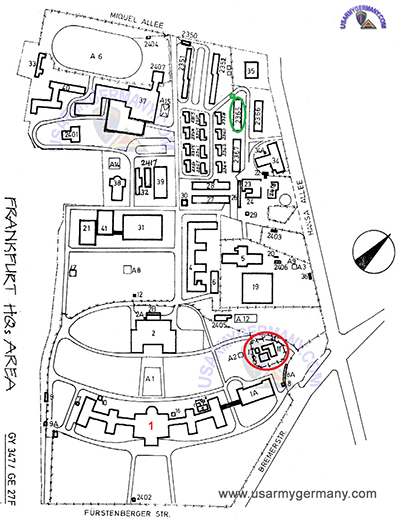 Hq 68th Sig Bn & Co A, IG Farben Complex (Don Izard) |
||||||||||||||||||||||||||||||||||||||||||||||||||||||||||||||||||||||||||||||||||||||||||||||||||||||||||||||||||||||||||||||||||||||||||||||||||||||||||||||||||||||||||
| 1971 | ||||||||||||||||||||||||||||||||||||||||||||||||||||||||||||||||||||||||||||||||||||||||||||||||||||||||||||||||||||||||||||||||||||||||||||||||||||||||||||||||||||||||||
| (Source: Email from Don Izard) | ||||||||||||||||||||||||||||||||||||||||||||||||||||||||||||||||||||||||||||||||||||||||||||||||||||||||||||||||||||||||||||||||||||||||||||||||||||||||||||||||||||||||||
I was the operations officer at Frankfurt Tech Control and Company HQ from May 1972 - until the switch over to 102nd Sig Bn in 1974. I was there with my wife, and first lived in Bad Vilbel (civilian) and only later (once I was promoted to 1st Lt.) did we get an appartment in Army dependents quarters. Maybe at Gibbs (but it has been a "few years.") (Note: I know in Frankfurt Co A just did the Multichannel M/W and there was another Signal unit that managed the phones and switches in the Farben building.) Maybe I should ADD that any time the Tech Control would find a LINK or channel OUT OF SPEC, and not able to adjust within tolerance, faulty modules identified and replacement parts would be ordered.
We had almost daily runs to the Depot in Manheim, OR to another site - if a part was located. |
||||||||||||||||||||||||||||||||||||||||||||||||||||||||||||||||||||||||||||||||||||||||||||||||||||||||||||||||||||||||||||||||||||||||||||||||||||||||||||||||||||||||||
| Breitsol MW Station | ||||||||||||||||||||||||||||||||||||||||||||||||||||||||||||||||||||||||||||||||||||||||||||||||||||||||||||||||||||||||||||||||||||||||||||||||||||||||||||||||||||||||||
| Click here to see the Breitsol Radio Station Page | ||||||||||||||||||||||||||||||||||||||||||||||||||||||||||||||||||||||||||||||||||||||||||||||||||||||||||||||||||||||||||||||||||||||||||||||||||||||||||||||||||||||||||
| Donnersberg Radio Station | ||||||||||||||||||||||||||||||||||||||||||||||||||||||||||||||||||||||||||||||||||||||||||||||||||||||||||||||||||||||||||||||||||||||||||||||||||||||||||||||||||||||||||
| Click here to see the Donnersberg Radio Station Page | ||||||||||||||||||||||||||||||||||||||||||||||||||||||||||||||||||||||||||||||||||||||||||||||||||||||||||||||||||||||||||||||||||||||||||||||||||||||||||||||||||||||||||
| Feldberg/Schwarzwald Tropo Site | ||||||||||||||||||||||||||||||||||||||||||||||||||||||||||||||||||||||||||||||||||||||||||||||||||||||||||||||||||||||||||||||||||||||||||||||||||||||||||||||||||||||||||
| Click here to see the Feldberg-Schwarzwald Radio Station Page | ||||||||||||||||||||||||||||||||||||||||||||||||||||||||||||||||||||||||||||||||||||||||||||||||||||||||||||||||||||||||||||||||||||||||||||||||||||||||||||||||||||||||||
| Kaiserslautern MW Station | ||||||||||||||||||||||||||||||||||||||||||||||||||||||||||||||||||||||||||||||||||||||||||||||||||||||||||||||||||||||||||||||||||||||||||||||||||||||||||||||||||||||||||
| (Source: Email from Mike Zimmer, A Co, 68th Sig Bn, 1972-75) | ||||||||||||||||||||||||||||||||||||||||||||||||||||||||||||||||||||||||||||||||||||||||||||||||||||||||||||||||||||||||||||||||||||||||||||||||||||||||||||||||||||||||||
I ran across your Web page on the 68th Signal Battalion.
I was a member of the unit from 1972 -1975 and was stationed at the Kaiserslautern Radio Site. A microwave line of sight (LOS) station. I spent 20 years in the Army and most of it in STRATCOM or it's successors mostly in Europe. I retired in 1987 and can say that I enjoyed every minute of it.
I would appreciate having a copy of your "Line of Sight Network of France and Germany". You may not be the original source since I see the name of Hank Ickes on that portion of the Web Page.
I was an instructor and later NCOIC of the 22d and later 2d Sign Bde's Technical Training Facility at Taylor Barracks in Mannheim from 1978 - 1982. I have a recollection of the old European Wideband Communications Systems (EWCS) and it's associated data communications equipment.
Nice to find your pages.
|
||||||||||||||||||||||||||||||||||||||||||||||||||||||||||||||||||||||||||||||||||||||||||||||||||||||||||||||||||||||||||||||||||||||||||||||||||||||||||||||||||||||||||
| Würzburg MW Station | ||||||||||||||||||||||||||||||||||||||||||||||||||||||||||||||||||||||||||||||||||||||||||||||||||||||||||||||||||||||||||||||||||||||||||||||||||||||||||||||||||||||||||
| (Source: STARS & STRIPES, Jan 14, 1971) | ||||||||||||||||||||||||||||||||||||||||||||||||||||||||||||||||||||||||||||||||||||||||||||||||||||||||||||||||||||||||||||||||||||||||||||||||||||||||||||||||||||||||||
| The Würzburg Radio Station is a microwave site located on Leighton Barracks in Würzburg and operated and maintained by Company A, 68th Sig Bn. The station is a terminal facility in the STRATCOM-Eur wideband (long-lines) communications system in Germany. | ||||||||||||||||||||||||||||||||||||||||||||||||||||||||||||||||||||||||||||||||||||||||||||||||||||||||||||||||||||||||||||||||||||||||||||||||||||||||||||||||||||||||||
|
||||||||||||||||||||||||||||||||||||||||||||||||||||||||||||||||||||||||||||||||||||||||||||||||||||||||||||||||||||||||||||||||||||||||||||||||||||||||||||||||||||||||||
| "B" Company | ||||||||||||||||||||||||||||||||||||||||||||||||||||||||||||||||||||||||||||||||||||||||||||||||||||||||||||||||||||||||||||||||||||||||||||||||||||||||||||||||||||||||||
| Hohenpeissenberg Radio Station | ||||||||||||||||||||||||||||||||||||||||||||||||||||||||||||||||||||||||||||||||||||||||||||||||||||||||||||||||||||||||||||||||||||||||||||||||||||||||||||||||||||||||||
| Click here to see the Hohenpeissenberg Radio Station Page | ||||||||||||||||||||||||||||||||||||||||||||||||||||||||||||||||||||||||||||||||||||||||||||||||||||||||||||||||||||||||||||||||||||||||||||||||||||||||||||||||||||||||||
| Munich Microwave Station | ||||||||||||||||||||||||||||||||||||||||||||||||||||||||||||||||||||||||||||||||||||||||||||||||||||||||||||||||||||||||||||||||||||||||||||||||||||||||||||||||||||||||||
|
||||||||||||||||||||||||||||||||||||||||||||||||||||||||||||||||||||||||||||||||||||||||||||||||||||||||||||||||||||||||||||||||||||||||||||||||||||||||||||||||||||||||||
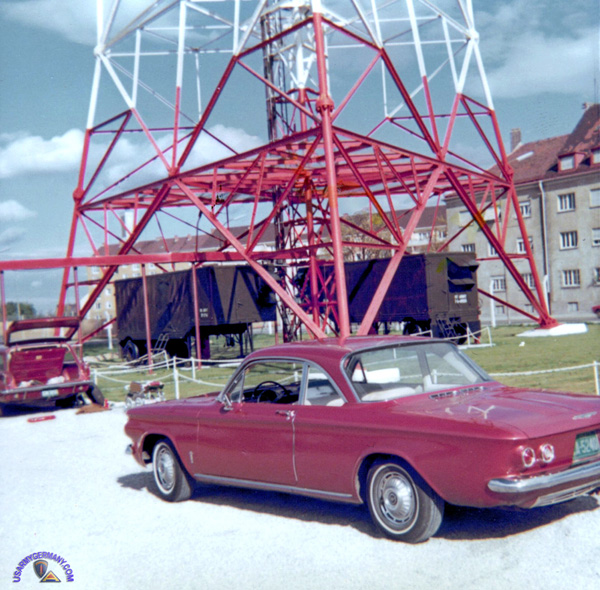 Two CRE vans under the MW tower, 1968 |
||||||||||||||||||||||||||||||||||||||||||||||||||||||||||||||||||||||||||||||||||||||||||||||||||||||||||||||||||||||||||||||||||||||||||||||||||||||||||||||||||||||||||
| 1968 | ||||||||||||||||||||||||||||||||||||||||||||||||||||||||||||||||||||||||||||||||||||||||||||||||||||||||||||||||||||||||||||||||||||||||||||||||||||||||||||||||||||||||||
| (Source: Email from Gary Seigh) | ||||||||||||||||||||||||||||||||||||||||||||||||||||||||||||||||||||||||||||||||||||||||||||||||||||||||||||||||||||||||||||||||||||||||||||||||||||||||||||||||||||||||||
| I was stationed at the microwave station in Munich (68th Signal Battalion) from July 1968 to Jan 1969 as an SP4 and billeted at the McGraw Kaserne. The Munich site was part of Co. B 68th Signal Battalion, which was under the 22nd Signal Group in Mannheim. I was assigned there with 4 others with 34D20 MOS, ADPS Repair. A SSGT Murphy was in charge of the site. Munich was set up with a CRE (Console Remote Equipment) station but was not up and active yet. The CRE equipment was located in 2 vans. The vans were located under the tower between the 3 legs. |
||||||||||||||||||||||||||||||||||||||||||||||||||||||||||||||||||||||||||||||||||||||||||||||||||||||||||||||||||||||||||||||||||||||||||||||||||||||||||||||||||||||||||
|
||||||||||||||||||||||||||||||||||||||||||||||||||||||||||||||||||||||||||||||||||||||||||||||||||||||||||||||||||||||||||||||||||||||||||||||||||||||||||||||||||||||||||
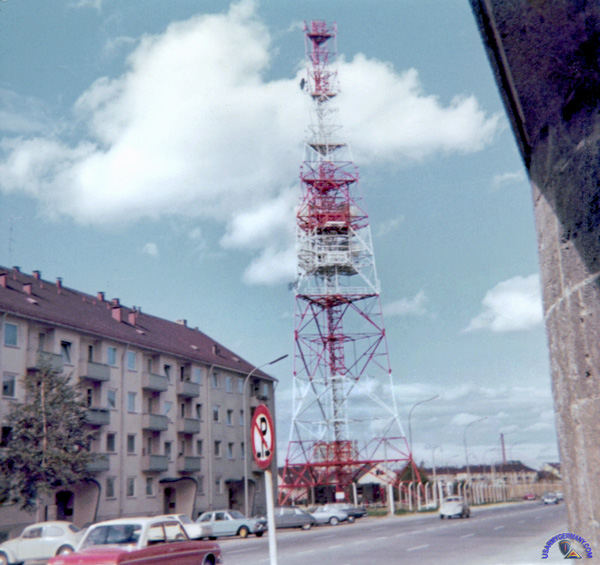
| The microwave guys handled the daily communications, we just looked over their shoulders killing time. I eventually filled in as clerk for Murphy just to have something to do and get off of shifts and onto days. We had a large 3-legged tower (photo above) with 2 CRE dishes about midway up. (The dishes were parabolic -- you can see them in the center white part of the tower, one above the other. One received in from the CLE, which I think was in Stuttgart, and the other was the transmit out to the Tribs, of which none were active.) The communication dishes were higher up. I believe our incoming data was to come from the CLE at Stuttgart. I can't remember how many Tributaries we were to shoot to, but they were not active either. By Dec. of 1968, I was the only 34D20 left. Two SP6's were transferred to other stations and the other SP4 (James 'Mike' Spencer), was sent to Mannheim as an instructor at the 22nd Signal Group Headquarters. Mike and I had been together since March of 1967 when we entered signal school at Ft. Monmouth, NJ. I was transferred to Mannheim also in Jan., catching up with Mike, as Munich was destined not to become active. We taught classes together on the CLE (Console Local Equip), the CRE and the Tributary Equipment as SP5's. We both mustered out at the same time in Dec, flew stateside on the same plane, and separated at Ft. Dix. Had a lot of fun in Munich. The Octoberfest is there and very little military beside us. It wasn't difficult to stagger onto a trolley and fall off at McGraw! Mannheim was a drag. |
||||||||||||||||||||||||||||||||||||||||||||||||||||||||||||||||||||||||||||||||||||||||||||||||||||||||||||||||||||||||||||||||||||||||||||||||||||||||||||||||||||||||||
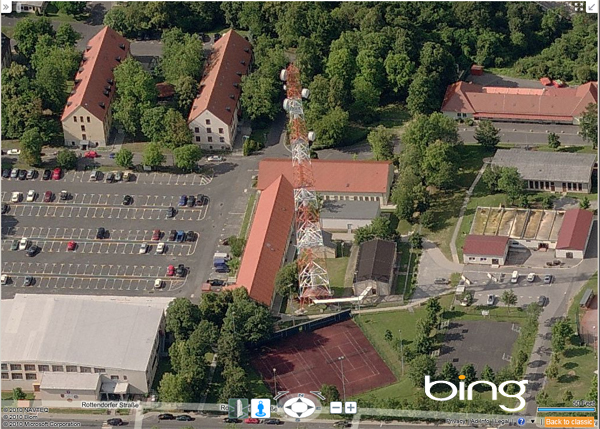
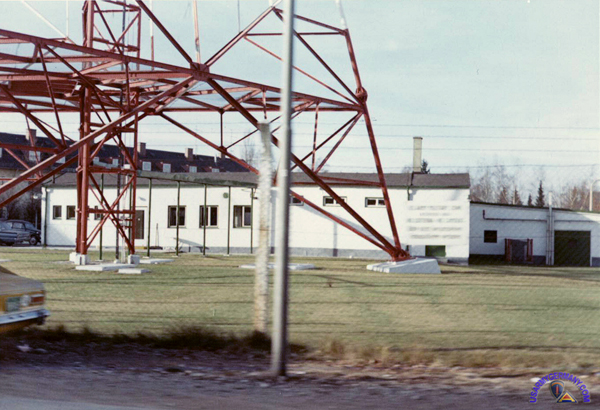 Munich MW Station, 1970s? |
||||||||||||||||||||||||||||||||||||||||||||||||||||||||||||||||||||||||||||||||||||||||||||||||||||||||||||||||||||||||||||||||||||||||||||||||||||||||||||||||||||||||||
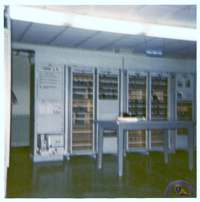
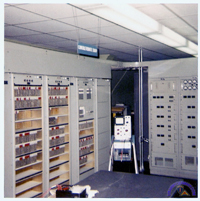
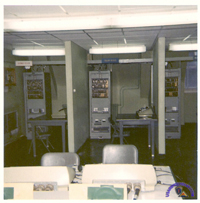
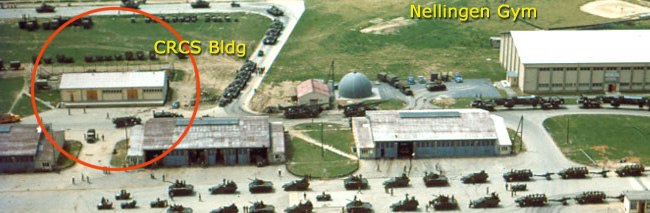
| Nellingen CRCS Radio Station | ||||||||||||||||||||||||||||||||||||||||||||||||||||||||||||||||||||||||||||||||||||||||||||||||||||||||||||||||||||||||||||||||||||||||||||||||||||||||||||||||||||||||||
| 1966 | ||||||||||||||||||||||||||||||||||||||||||||||||||||||||||||||||||||||||||||||||||||||||||||||||||||||||||||||||||||||||||||||||||||||||||||||||||||||||||||||||||||||||||
| (Source: Email from John Pratt, Cemetery 6, 68th Sig Bn, Nellingen, 1966-68) | ||||||||||||||||||||||||||||||||||||||||||||||||||||||||||||||||||||||||||||||||||||||||||||||||||||||||||||||||||||||||||||||||||||||||||||||||||||||||||||||||||||||||||
| I left The radio site was a Net Control Station for the Cemetery Net. The CRCS site became part of B Co., 68th Sig Bn, 22nd Sig Gp, which at that time was located in Neu Ulm. I went there once or twice during my time at Nellingen; once before a promotion board. During my tour of duty at Cemetery 6; we were named the Best Site in the entire 22nd Sig Gp. The Bde/Group CO came to our site to bestow the award personally. His name was Colonel Shifflet. My NCOIC during that time was a SFC Hellish. Sometime in 1968, the 68th Sig Bn was redesignated Signal Battalion 360. I have many fond memories of my time & the people I met while w/the 68th. |
||||||||||||||||||||||||||||||||||||||||||||||||||||||||||||||||||||||||||||||||||||||||||||||||||||||||||||||||||||||||||||||||||||||||||||||||||||||||||||||||||||||||||
The Nellingen CRCS CRCS, as I recall, stood for Consolidated Radio Control Station. (Webmaster Note: other sources stated this meant Communications Relay Control Center...?) |
||||||||||||||||||||||||||||||||||||||||||||||||||||||||||||||||||||||||||||||||||||||||||||||||||||||||||||||||||||||||||||||||||||||||||||||||||||||||||||||||||||||||||
|
||||||||||||||||||||||||||||||||||||||||||||||||||||||||||||||||||||||||||||||||||||||||||||||||||||||||||||||||||||||||||||||||||||||||||||||||||||||||||||||||||||||||||
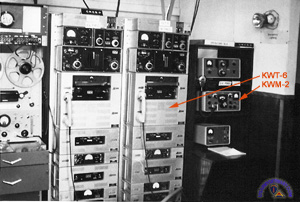
Each of our radio sets; KWT-6s & KWM-2s, were preset or tuned to a specific frequency. Each set was subsequently ID by us to let everyone know who was on duty at the site what the primary, secondary, etc. frequencies were during their shift. These signs were moveable and were typically moved from set to set throughout the day or a particular shift depending on what specific frequencies were being used by the CEMETERY net. |
||||||||||||||||||||||||||||||||||||||||||||||||||||||||||||||||||||||||||||||||||||||||||||||||||||||||||||||||||||||||||||||||||||||||||||||||||||||||||||||||||||||||||
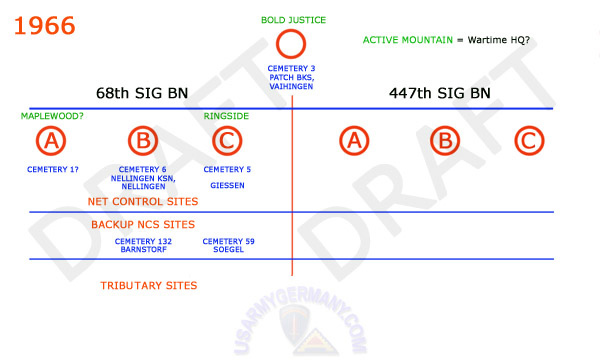
| The Cemetery Net There were indeed several nets within the CEMETERY network. I can recall at least 3 of them which were all interconnected. I remember talking to CEMETERY 5, CEMETERY 1 and CEMETERY 3. (CEMETERY 3 was located at Patch Barracks if I remember correctly; we would get together once in a while with CEMETERY 3 personnel.) (Webmaster Note: "working" theory – in 1966, each lettered company (A, B & C) of the 68th and 447th operated a CRCS. And the 32nd Sig Det in |
||||||||||||||||||||||||||||||||||||||||||||||||||||||||||||||||||||||||||||||||||||||||||||||||||||||||||||||||||||||||||||||||||||||||||||||||||||||||||||||||||||||||||
|
||||||||||||||||||||||||||||||||||||||||||||||||||||||||||||||||||||||||||||||||||||||||||||||||||||||||||||||||||||||||||||||||||||||||||||||||||||||||||||||||||||||||||
| Looking at your schematic; you have the 3 CRCS sites (for the 68th) depicted properly. The three of us each ran our own individual nets within the Cemetery network. All three of us did fall under Cemetery 3 as depicted in your schematic. (Webmaster Note: can anybody provide more details or corrections -- also looking for information on the 447th Sig Bn segment of the Cemetery Net?) |
||||||||||||||||||||||||||||||||||||||||||||||||||||||||||||||||||||||||||||||||||||||||||||||||||||||||||||||||||||||||||||||||||||||||||||||||||||||||||||||||||||||||||
CEMETERY 3 also 'doubled' as BOLD JUSTICE. He basically ran the entire CEMETERY show. Once in awhile, he would receive traffic from the great one up in the sky, I never knew the logic behind the regional breakdown (between the two signal battalions or between the lettered companies of the 68th) or how they arrived at the numbering system for the CEMETERY Net. Most of the sites that were in my net were located in Every half hour on the |
||||||||||||||||||||||||||||||||||||||||||||||||||||||||||||||||||||||||||||||||||||||||||||||||||||||||||||||||||||||||||||||||||||||||||||||||||||||||||||||||||||||||||
|
||||||||||||||||||||||||||||||||||||||||||||||||||||||||||||||||||||||||||||||||||||||||||||||||||||||||||||||||||||||||||||||||||||||||||||||||||||||||||||||||||||||||||
| 1968 | ||||||||||||||||||||||||||||||||||||||||||||||||||||||||||||||||||||||||||||||||||||||||||||||||||||||||||||||||||||||||||||||||||||||||||||||||||||||||||||||||||||||||||
| (Source: Email from David Hutchinson) | ||||||||||||||||||||||||||||||||||||||||||||||||||||||||||||||||||||||||||||||||||||||||||||||||||||||||||||||||||||||||||||||||||||||||||||||||||||||||||||||||||||||||||
| I'm kind of shooting from the hip here because that was ages ago and my brain has become a little feeble, but here goes. By the way, my first 12 years in the Army was as an Army Cop (MP). I spent my first 5 years at White Sand Missile Range, NM, where I was privileged to have manned a 'Road Block' for a missle test and watched the first Redstone Missile fire, get UP about 25 feet, then fall over, hit the ground, and explode. Guess we didn't think that one through. :-) That assignment was fun and interesting. Then I spent a few years in Germany as part of the old RAMS Platoon in Kaiserslautern. RAMS meaning "Relocation of Atomic Material and Supplies". That assignment was also fun and interesting because at that time the Army was still an "Occupying Force" in Germany and an Army MP could and did often physically dismount his jeep and move an on-duty German Policeman directing traffic out of an intersection to facilitate our convoy travel. But getting back to the point, I was actually assigned to B Co., 68th Sig. Bn. twice. The first time was, I think, late 1968 through about 1972 as Hemau Site Chief, no recollection of month timeframes. I also did a short stint as Site Commander of the Hohenstadt Microwave Radio Station. (The largest Radio Repeater Station in Europe) during that trip. Hohenstadt supported the SHAPE trunk over the mountains to Belgium. That was an extremely hot link. After that I had the misfortune of being assigned to the US Army Signal School, Ft Monmouth, NJ as an instructor. I loved teaching and could have stayed there longer except for having to go to the parade field on my days off and pick poppies. That hairbrained CG loved to have parades at least once a month and wanted no poppies on the parade field. The second time was in the late 70s. Went back to Co B, 68th Sig Bn in about 1976 thru 1978 or so. Retired as a MSG in 1979 at Ft. Eustis, VA. HURRAAA! |
||||||||||||||||||||||||||||||||||||||||||||||||||||||||||||||||||||||||||||||||||||||||||||||||||||||||||||||||||||||||||||||||||||||||||||||||||||||||||||||||||||||||||
| 1970 | ||||||||||||||||||||||||||||||||||||||||||||||||||||||||||||||||||||||||||||||||||||||||||||||||||||||||||||||||||||||||||||||||||||||||||||||||||||||||||||||||||||||||||
| (Source: Email from Bradley R. Tamm, "B" Co, 68th Sig Bn, 1970-72) | ||||||||||||||||||||||||||||||||||||||||||||||||||||||||||||||||||||||||||||||||||||||||||||||||||||||||||||||||||||||||||||||||||||||||||||||||||||||||||||||||||||||||||
|
||||||||||||||||||||||||||||||||||||||||||||||||||||||||||||||||||||||||||||||||||||||||||||||||||||||||||||||||||||||||||||||||||||||||||||||||||||||||||||||||||||||||||
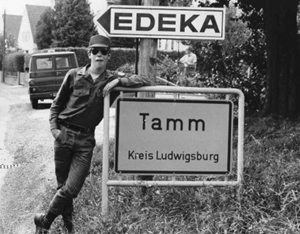
| Initially I was assigned to Cemetery 158 of the Cemetery Delta Net (answering to "Eagle Farm?") at Schwabstadl Bundeswehr Kaserne near Lagerlechfeld (south of Munich); but that assignment didn't last long. A bit of a trouble maker in my youth, I was responsible for our station being logged out in a routine authentication of the Cemetery net - which was a major upset for the Company CO. Capt. Frank W. Bowders, and 1st Sgt Floyd Riddle, decided to transfer me to Munich to work in the Munich/MgGraw Kaserne microwave station (I was a 26V10), with billeting in the Co. Hq. building at 2600 Sintperstrasse, Giesing (near McGraw Kaserne). Again, showing no talent for following orders, or fitting in with the team, I was reassigned to 1st Sgt Riddle as his "permanent CQ" and driver. My job then became to drive a "duce & a half" or other company vehicle to Battalion (Stuttgart), USAREUR Hq (Heidelberg), Nuremberg, Augsburg, and all our microwave relay stations and Cemetery stations in between. [see photo attached] What punishment! I would spend the whole day, every day, driving around Bavaria and the German Alps, carrying important stuff (an envelope or two, maybe a small box) in my big truck. Summer was fantastic! When winter arrived I learned that the trucks had no heaters. Rumor was that the heaters had been sent to Viet Nam (what? Heaters in Nam?). Most notable people I remember are SFC Damm (we all said "damn" behind his back) was the NCOIC of the Schwabstadl operation. A native born German, still had a heavy accent, but was a US Army regular with a top secret security clearance and a tendency to impose Wehrmacht standards. Being that my name is Tamm, and I am German by ancestry, and was a rebel without cause, we had some very entertaining disputes (hell, I should have been shot!). [Co. CO] Capt. Frank W. Bowders wanted to be a career army officer, and was ahead of his time in attempting to lead by techniques which came to fame in the 1980s. I didn't do him any favors with my behavior, but if he ever reads this, I want him to know that he made a major impression on my life and I eventually turned out OK, and did so in no small measure to his leadership. 1st Sgt Riddle was also a great guy. |
||||||||||||||||||||||||||||||||||||||||||||||||||||||||||||||||||||||||||||||||||||||||||||||||||||||||||||||||||||||||||||||||||||||||||||||||||||||||||||||||||||||||||
|
||||||||||||||||||||||||||||||||||||||||||||||||||||||||||||||||||||||||||||||||||||||||||||||||||||||||||||||||||||||||||||||||||||||||||||||||||||||||||||||||||||||||||
|
|
||||||||||||||||||||||||||||||||||||||||||||||||||||||||||||||||||||||||||||||||||||||||||||||||||||||||||||||||||||||||||||||||||||||||||||||||||||||||||||||||||||||||||
| "C" Company | ||||||||||||||||||||||||||||||||||||||||||||||||||||||||||||||||||||||||||||||||||||||||||||||||||||||||||||||||||||||||||||||||||||||||||||||||||||||||||||||||||||||||||
| Stein Communications Station ("Site 81") | ||||||||||||||||||||||||||||||||||||||||||||||||||||||||||||||||||||||||||||||||||||||||||||||||||||||||||||||||||||||||||||||||||||||||||||||||||||||||||||||||||||||||||
| (Source: Email from Edward L. Keith, Co. C, 68th Sig Bn, 1965-66) | ||||||||||||||||||||||||||||||||||||||||||||||||||||||||||||||||||||||||||||||||||||||||||||||||||||||||||||||||||||||||||||||||||||||||||||||||||||||||||||||||||||||||||
| I was formerly with Co. C, 68th Signal Battalion. I graduated from Microwave School (281.1 changed to 26L20) at Fort Monmouth in May 1964, served with the 362nd in Vietnam and volunteered for a second overseas assignment in Germany. I was assigned to Co. C, 68th Signal in September 1965 when my Security Clearance came through. I trained on the microwave gear we would use (ANG-66 I think) at a 3-week school in Mannheim. I was in company headquarters in Giessen until about November 5th, 1965. At that time, 12 of us were sent to "Site 81" to operate a nodal Microwave site. The mission was Secret at that time, but I suppose it must be de-classified by now. The site was still there in 1985, but when I came back after the Cold War ended, it was gone. Site 81 was located at Stein, West Germany (60-km west of Giessen and 60-km east of Bonn). Stein was a very small "dorf" with maybe five or six small farm houses. We lived in Marienberg, 8-km to the west. It was a great assignment because there were no other GIs nearby and we were on Rations and Quarters allowance. No one in town spoke English, so living on the economy we learned conversational German mighty fast. It was such a fine assignment, I thought the Army was making it up for sending me to Vietnam. The Battalion HQ was way down in Stutgartt, and those chosen to compete for a stripe had to drive down and sit before a promotion board. So far as I know, I was the only one at the time to make E5 in a 3-year enlistment without going before the board. Germany was mighty sweet. I was shipped back to the States for discharge on August 11, 1966. Ed Keith |
||||||||||||||||||||||||||||||||||||||||||||||||||||||||||||||||||||||||||||||||||||||||||||||||||||||||||||||||||||||||||||||||||||||||||||||||||||||||||||||||||||||||||
| Stuttgart Microwave & Tropo Site | ||||||||||||||||||||||||||||||||||||||||||||||||||||||||||||||||||||||||||||||||||||||||||||||||||||||||||||||||||||||||||||||||||||||||||||||||||||||||||||||||||||||||||
| 1969 | ||||||||||||||||||||||||||||||||||||||||||||||||||||||||||||||||||||||||||||||||||||||||||||||||||||||||||||||||||||||||||||||||||||||||||||||||||||||||||||||||||||||||||
| (Source: Email from John Gorkowski) | ||||||||||||||||||||||||||||||||||||||||||||||||||||||||||||||||||||||||||||||||||||||||||||||||||||||||||||||||||||||||||||||||||||||||||||||||||||||||||||||||||||||||||
| I was stationed at Stuttgart Microwave & Tropo Site on Robinson Barracks from July 1968 to June 1973. We had AN/GRC-66 Tropo shots to Hohenpeisenberg and KSL (Heidelberg) and line of sight shots using Siemens FM 120/8000 gear to Hohenstadt and Vaihingen (Patch Barracks). When I arrived in 1968, we were part of Co. B, Sig. Bn. 360 which was headquartered at Nelson Barracks in Neu Ulm. Later, I think in late 69 or early 70, the company was redesignated as Co. C, 68th Sig. Bn. Click here to read more about John Gorkowski 's time at the Stuttgart site. |
||||||||||||||||||||||||||||||||||||||||||||||||||||||||||||||||||||||||||||||||||||||||||||||||||||||||||||||||||||||||||||||||||||||||||||||||||||||||||||||||||||||||||
| Tributary Sites | ||||||||||||||||||||||||||||||||||||||||||||||||||||||||||||||||||||||||||||||||||||||||||||||||||||||||||||||||||||||||||||||||||||||||||||||||||||||||||||||||||||||||||
| (Source: Email from Larry Kriner, Co. C, 68th Sig Bn, 1964-66) | ||||||||||||||||||||||||||||||||||||||||||||||||||||||||||||||||||||||||||||||||||||||||||||||||||||||||||||||||||||||||||||||||||||||||||||||||||||||||||||||||||||||||||
| I was a member of Company C, but was stationed with, attached to, the 4th USA Missile Detachment in Werl. They were "training" the Belgium forces and we were providing communications with USAREUR. We only had about 50 Americans in the town, around 5,000 (I think) Belgium army and another 5,000 (?) Canadians, as we were in the British zone. I was there from April of 1964 thru July of 1966. I have lots of pictures, but need to locate them. It was great duty except for the need to cover 24 hour comm. That caused some long shifts when we were short of personnel. Our mail was forwarded to us thru the Canadian post. We would go over daily to pick it up. Looking back it seems a little strange. I was Signal Corps attached to Missile, who were working with the Belgium Army, in the British Zone. My company was in Giessen, my Battalion was in Stuttgart, and my Group was in Mannheim. |
||||||||||||||||||||||||||||||||||||||||||||||||||||||||||||||||||||||||||||||||||||||||||||||||||||||||||||||||||||||||||||||||||||||||||||||||||||||||||||||||||||||||||
(Source: Email from Donald R. Elmore, Co. C, 68th Sig Bn, 1965-66)  |
||||||||||||||||||||||||||||||||||||||||||||||||||||||||||||||||||||||||||||||||||||||||||||||||||||||||||||||||||||||||||||||||||||||||||||||||||||||||||||||||||||||||||
| I hope this will be of some use to you in the history of Signal Units in Germany. June, 1964: Assigned to a Signal Site, (the name of which I cannot remember), under the 22nd Sig Gp. Upon arrival at HQ 22nd Sig Gp, I was reassigned to Co C, 68th Sig Bn, Giessen Germany. From there I was further assigned to the Sennelager Radio Site as Site Commander. I served there from June 1964 until January 1966. In January 1966, I was reassigned to Operation "Silk Purse" at Koenigstuhl, and was assigned to Co C, 102nd Sig Bn at Kaiserslautern. Operation “Silk Purse” was the Airborne Command Post, and was operated by the Air Force. One of their ground based units was brought to Heidelberg and set up at Koenigstuhl. I was the Site Commander, and LT Potts was the OIC. SP6 Lawrence Baker was my second, and SP6 James M. Mukagawa was third in line. We had one lower rank, PFC Donald E. Ernsberger. (The Silk Purse project was an Air Force project, for the Airborne Command Post. However, once the van was moved to Koenigstuhl the US Army operated it. The equipment was Air Force and it was maintained by the Air Force at RAF Mindenhall, England. When it was defective, we would carry it to the Wiesbaden Air Force Base and ship it to Mindenhall. They in turn would ship it back to us. The equipment ran on 400 Cycles instead of 60 cycles. We had converters that would change the cycles of the incoming voltage. Silk Purse had nothing to do with the Cemetery Net. It was a stand-alone project.) SP6 Lawrence Baker and I were promoted to SFC E7 in the fall of 1966. Since he got promoted 30 days ahead of me, he became the Site Commander. I served there from January 1966 to June 1967, and was reassigned to Vietnam. Upon my return from Vietnam, in June 1968, I was assigned to the 22nd Sig Gp with duty station Donnersberg. I had heard many bad stories about Donnersberg, so I asked the personnel clerk to reassign me somewhere else. He assigned me to Co D, 447th Sig Bn at Giessen. This is now my second time to serve in the Giessen company. |
||||||||||||||||||||||||||||||||||||||||||||||||||||||||||||||||||||||||||||||||||||||||||||||||||||||||||||||||||||||||||||||||||||||||||||||||||||||||||||||||||||||||||
|
||||||||||||||||||||||||||||||||||||||||||||||||||||||||||||||||||||||||||||||||||||||||||||||||||||||||||||||||||||||||||||||||||||||||||||||||||||||||||||||||||||||||||
| I served in this capacity until I retired, leaving Giessen in June 1975. June 1968, the Co Commander was CPT Arpad P. Batta. The First Sergeant was, First Sergeant Robert Ousley. The Co Commander was relieved and reassigned to HQ 22nd Sig Gp. The First Sergeant was relieved of duty and reassigned to the States. The First Sergeant slot was filled by Master Sergeant Richey, who had been the Site Commander at the Stein site. In the fall of 1972, CPT Dennis D. Foggy, was assigned to Co D, 447th Sig Bn, Giessen. In 1974, he was recalled to the States due to a family illness and was replaced by Captain Claude M. (C.M.) Glave. From 1973 to 1975, the Operations Sergeant was SFC Angel M. Martinez. One of the men at Soest Sig Site was SP6 Steve Stavro. Here is a list of sites that were under Co C, 68th Sig Bn in 1968 to 1970. I believe there were 11 sites, so I hope this is correct.
In 1968 to 1970, SFC Arabie was the Site Commander at Bocksberg. 1973 to 1976, SFC Charles Fuller was the Site commander at Bocksberg. In addition to the SSB site, there was the Giessen Microwave site right next door to the Company. The Telephone exchange was also under Co C, 68th Sig Bn. The Giessen Command Operations Center was also under Co. C, 68th Sig Bn. Many of the above sites were under the Giessen Company, even while Co D, 447 Sig Bn and 532nd Sig Co, 39th Sig Bn. In 1973, the 447th Sig Bn, was converted fron a TAADS unit to a TOE unit and was redesignated to Signal Battalion 447. CORRECTION (Source: Donald Elmore - 8/18/2012) Walt, Montabauar should not be on this list. I have spoken to a few people and they all agreed that Montabaur was not in Company C, 68th Signal Battalion. ADDITIONAL INFORMATION SENNELAGER The Sennelager Signal Site was CEMETERY 35 on the Cemetery Net. It supported the 22nd Artillery Detachment, a SW warhead custodial unit that supported the BAOR (British Army artillery). CEMETERY 5 was the NCS for Sennelager. Co C, 68th Sig Bn was located at Pendleton Barracks in Giessen.
68th SIG BN COMMO ROOM AT DET SITES At the SSB sites, the commo room was inside the Detachment buildings. When the AN/GRC-66 Tropospheric Scatter equipment arrived, they worked out of the van, but still maintained the SSB inside the buildings. At Sennelager, we actually built a small building out away from the Detachment building and placed the van next to it. I am not sure what all the rest did. This was when I was stationed at Sennelager. In 1968, when I became the Operations Sergeant, Lipperhöhe was out in the van, with a tent adjoined and the men were freezing in the winter time. Some time in 1966, (I believe it was 1966), permanent buildings were built and they moved all the equipment, SSB and AN/GRC-66, into the buildings. That is, except Lipperhöhe. Between the time they built the permanent buildings and when I got there, they could not move Lipperhöhe into the building because they could not get the 3 60” telephone poles need for the SSB antennas. I was told they were on back order and would not be available for at least another 3 years. At this time I decide it was time for a little action. The building had no electricity connected and the water was turned off. I called a “Polish Labor Service” Captain in Karlsruhe who's unit had installed the telephone poles for me in Sennelager. I told him I needed 3 60” poles installed in Lipperhöhe and he said to me, “No Problem”. He installed them in 3 weeks. I worked with the Facility Engineers at the Giessen Depot. They had the original blue prints for this site. In conjuction with the Facility Engineers and the German Electric Company, I got an Electric Sub Station installed and the site was connected for power. Then I contacted the Battalion Antenna to come down and install the antennas for the SSB. The Engineers had to do repairs on a busted water line in the building and turn the water on. I was prepared to go out on the next Saturday with an extra SSB Transceiver and move the SSB equipment into the new building. I got a call from the Battalion Commander demanding to know what I was doing. He was angry that I had bypassed proper channels and completed the task of making the site operational. Then he demanded that I go out on Friday, 24 hours earlier than I planned and make the move of the equipment. At this point I lost my cool and told him that I would not go out early and I kept my own schedule. The Battalion Commander showed up on Saturday morning to watch the action and naturally he chewed me out like I had never been chewed out before. I explained to him that I had accomplished what others prior to me had not and they were willing to wait another 3 years for the telephone poles, whereas I was not willing to wait. CO D, 447th SIG BN - GIESSEN The OPS NCOIC (at Co D) was responsible for: preparing all recurring reports, making sure the sites were prepared, supplied, and operational; maintaining Classified documents; training; maintaining all files that pertained to the operations of the company; going to the sites at least once monthly for inspections. The First Sergeant gave me the task of rewriting the Company SOP, typing it, printing it and collating and binding 50 copies. I also had the task of completing many recurring reports that belonged to the Supply Sergeant, the Motor Sergeant and the First Sergeant. I was so overworked that I had a nervous breakdown. When the Commanding Officer, First Sergeant and Supply Officer were all relieved of duty, the new First Sergeant redistributed the work load and I found myself with plenty of time for properly completing the tasks that were truly mine. The Operations Section was supposed to be 7 men with one Officer, but I had myself and 2 men. My typist was a Cook. There was a Microwave Tower at Giessen also, at Pendleton Barracks. It remained under our control regardless of which Company or which Battalion was in Giessen at the time. Also, I think I stated this before, in 1973, the Giessen Communications Center, located in the Giessen Depot came under Company D, 447 Signal Battalion and remained under our control after we became 532nd Signal Company, 39th Signal Battalion. CO C, 102nd SIG BN - KOENIGSTUHL (See Don's comments on the "Silk Purse" van operated by C Co, 102nd Sig Bn at the Königstuhl Radio Station.) SPECIAL ORDERS AND OTHER INFORMATION |
||||||||||||||||||||||||||||||||||||||||||||||||||||||||||||||||||||||||||||||||||||||||||||||||||||||||||||||||||||||||||||||||||||||||||||||||||||||||||||||||||||||||||
|
||||||||||||||||||||||||||||||||||||||||||||||||||||||||||||||||||||||||||||||||||||||||||||||||||||||||||||||||||||||||||||||||||||||||||||||||||||||||||||||||||||||||||
|
||||||||||||||||||||||||||||||||||||||||||||||||||||||||||||||||||||||||||||||||||||||||||||||||||||||||||||||||||||||||||||||||||||||||||||||||||||||||||||||||||||||||||
|
||||||||||||||||||||||||||||||||||||||||||||||||||||||||||||||||||||||||||||||||||||||||||||||||||||||||||||||||||||||||||||||||||||||||||||||||||||||||||||||||||||||||||
|
||||||||||||||||||||||||||||||||||||||||||||||||||||||||||||||||||||||||||||||||||||||||||||||||||||||||||||||||||||||||||||||||||||||||||||||||||||||||||||||||||||||||||
|
||||||||||||||||||||||||||||||||||||||||||||||||||||||||||||||||||||||||||||||||||||||||||||||||||||||||||||||||||||||||||||||||||||||||||||||||||||||||||||||||||||||||||
|
||||||||||||||||||||||||||||||||||||||||||||||||||||||||||||||||||||||||||||||||||||||||||||||||||||||||||||||||||||||||||||||||||||||||||||||||||||||||||||||||||||||||||
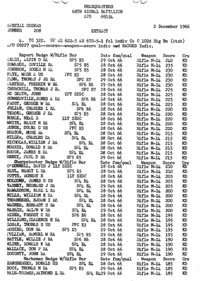
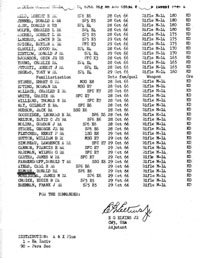
| Here is a copy of Special Orders #208, 2 Dec 1966, with names of men (looks like personnel from C Co, 102nd Sig Bn attached to the 68th). The orders only show they were assigned to the 68th Sig Bn, and does not show the Company.) | ||||||||||||||||||||||||||||||||||||||||||||||||||||||||||||||||||||||||||||||||||||||||||||||||||||||||||||||||||||||||||||||||||||||||||||||||||||||||||||||||||||||||||
|
||||||||||||||||||||||||||||||||||||||||||||||||||||||||||||||||||||||||||||||||||||||||||||||||||||||||||||||||||||||||||||||||||||||||||||||||||||||||||||||||||||||||||
| EVEN MORE INFORMATION I was just looking at my DA Form 20 and I see that the changing of the colors took place on 28 March 1973. That is when Signal Battalion 447 was deactivated and 39th Signal Battalion was activated. This took place in Darmstadt. I also see that when I was assigned to Giessen on 17 June 1968, I was assigned to Co D, Sig Bn 447. On 15 February 1968, the unit changed and became Co B, Signal Battalion 360 in Giessen. In June 1964, I was assigned to Co C, 68th Sig Bn in Giessen. In June 1968, I was assigned to Co D, Sig Bn 447 in Giessen. In February 1969, it became Co B, Sig Bn 360 in Giessen. In February 1974, I was assigned to the 532nd Sig Co, 39th Sig Bn in Giessen. The Giessen Company became the 532nd Sig Co in March 1973. |
||||||||||||||||||||||||||||||||||||||||||||||||||||||||||||||||||||||||||||||||||||||||||||||||||||||||||||||||||||||||||||||||||||||||||||||||||||||||||||||||||||||||||
| (Source: STARS & STRIPES, May 29, 1971) | ||||||||||||||||||||||||||||||||||||||||||||||||||||||||||||||||||||||||||||||||||||||||||||||||||||||||||||||||||||||||||||||||||||||||||||||||||||||||||||||||||||||||||
| C Co, 68th Sig Bn operates a high-frequency, single-sideband radio station in support of a warhead custodial detachment at Pfullendorf. Site chief is S.Sgt Richard Simpson. |
||||||||||||||||||||||||||||||||||||||||||||||||||||||||||||||||||||||||||||||||||||||||||||||||||||||||||||||||||||||||||||||||||||||||||||||||||||||||||||||||||||||||||
|
||||||||||||||||||||||||||||||||||||||||||||||||||||||||||||||||||||||||||||||||||||||||||||||||||||||||||||||||||||||||||||||||||||||||||||||||||||||||||||||||||||||||||
| "D" Company | ||||||||||||||||||||||||||||||||||||||||||||||||||||||||||||||||||||||||||||||||||||||||||||||||||||||||||||||||||||||||||||||||||||||||||||||||||||||||||||||||||||||||||
| (Source: STARS & STRIPES, Nov 13, 1972) | ||||||||||||||||||||||||||||||||||||||||||||||||||||||||||||||||||||||||||||||||||||||||||||||||||||||||||||||||||||||||||||||||||||||||||||||||||||||||||||||||||||||||||
| In November 1972, the 360th Signal Battalion, 22nd Sig Gp, at Mannheim was discontinued. This led to several organizational changes within 22nd Sig Gp subordinate battalions. 447th Sig Bn's former Company C with station at Karlsruhe was redesignated as Company D, 68th Signal Battalion. There was no change in station. |
||||||||||||||||||||||||||||||||||||||||||||||||||||||||||||||||||||||||||||||||||||||||||||||||||||||||||||||||||||||||||||||||||||||||||||||||||||||||||||||||||||||||||
|
||||||||||||||||||||||||||||||||||||||||||||||||||||||||||||||||||||||||||||||||||||||||||||||||||||||||||||||||||||||||||||||||||||||||||||||||||||||||||||||||||||||||||
| Related Links: |
||||||||||||||||||||||||||||||||||||||||||||||||||||||||||||||||||||||||||||||||||||||||||||||||||||||||||||||||||||||||||||||||||||||||||||||||||||||||||||||||||||||||||

 26 September 1968