| If you do
NOT see the Table of Contents frame to the left of this page, then
Click here to open 'USArmyGermany' frameset |
||||||||||||||||||||||||||||||||||||||||||||||||||||||||||||||||||||||||||||||||||||||||||||||||||||||||||||||||||||||||||||||||||||||||||||||||||||||
|
5th
Signal Command |
||||||||||||||||||||||||||||||||||||||||||||||||||||||||||||||||||||||||||||||||||||||||||||||||||||||||||||||||||||||||||||||||||||||||||||||||||||||
|
|
||||||||||||||||||||||||||||||||||||||||||||||||||||||||||||||||||||||||||||||||||||||||||||||||||||||||||||||||||||||||||||||||||||||||||||||||||||||
|
||||||||||||||||||||||||||||||||||||||||||||||||||||||||||||||||||||||||||||||||||||||||||||||||||||||||||||||||||||||||||||||||||||||||||||||||||||||
|
|
||||||||||||||||||||||||||||||||||||||||||||||||||||||||||||||||||||||||||||||||||||||||||||||||||||||||||||||||||||||||||||||||||||||||||||||||||||||
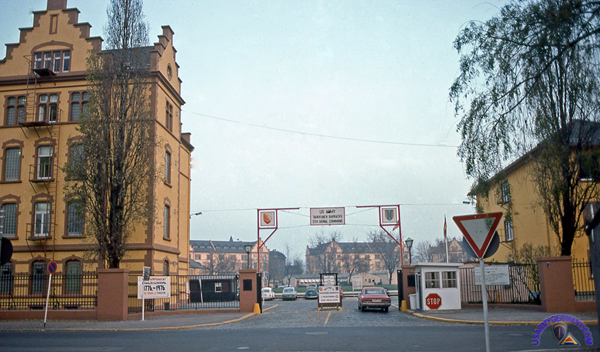 Taukkunen Barracks, Worms, 1976 (George Lane) |
||||||||||||||||||||||||||||||||||||||||||||||||||||||||||||||||||||||||||||||||||||||||||||||||||||||||||||||||||||||||||||||||||||||||||||||||||||||
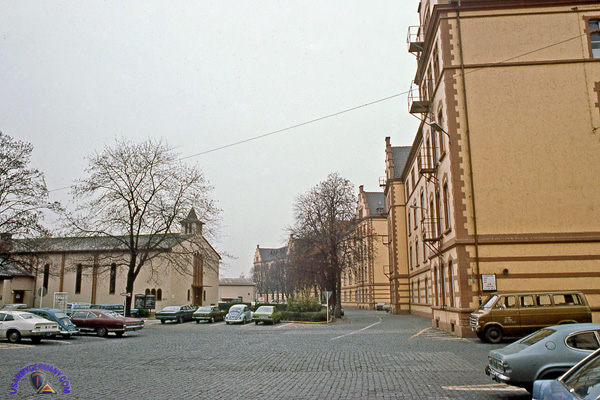 Taukkunen Barracks, Worms, 1976 (George Lane) |
||||||||||||||||||||||||||||||||||||||||||||||||||||||||||||||||||||||||||||||||||||||||||||||||||||||||||||||||||||||||||||||||||||||||||||||||||||||
| Command History | ||||||||||||||||||||||||||||||||||||||||||||||||||||||||||||||||||||||||||||||||||||||||||||||||||||||||||||||||||||||||||||||||||||||||||||||||||||||
| 1958 - 1977 | ||||||||||||||||||||||||||||||||||||||||||||||||||||||||||||||||||||||||||||||||||||||||||||||||||||||||||||||||||||||||||||||||||||||||||||||||||||||
| (Source: History of the 5th Signal Command, 1958 - 1977. Prepared by the 5th Signal Command, 20 October 1978.) | ||||||||||||||||||||||||||||||||||||||||||||||||||||||||||||||||||||||||||||||||||||||||||||||||||||||||||||||||||||||||||||||||||||||||||||||||||||||
|
||||||||||||||||||||||||||||||||||||||||||||||||||||||||||||||||||||||||||||||||||||||||||||||||||||||||||||||||||||||||||||||||||||||||||||||||||||||
|
|
||||||||||||||||||||||||||||||||||||||||||||||||||||||||||||||||||||||||||||||||||||||||||||||||||||||||||||||||||||||||||||||||||||||||||||||||||||||
|
|
||||||||||||||||||||||||||||||||||||||||||||||||||||||||||||||||||||||||||||||||||||||||||||||||||||||||||||||||||||||||||||||||||||||||||||||||||||||
|
Section
I
1958 - 1964 |
||||||||||||||||||||||||||||||||||||||||||||||||||||||||||||||||||||||||||||||||||||||||||||||||||||||||||||||||||||||||||||||||||||||||||||||||||||||
|
HISTORY
OF
|
||||||||||||||||||||||||||||||||||||||||||||||||||||||||||||||||||||||||||||||||||||||||||||||||||||||||||||||||||||||||||||||||||||||||||||||||||||||
|
THE
US ARMY SIGNAL COMMAND, EUROPE
|
||||||||||||||||||||||||||||||||||||||||||||||||||||||||||||||||||||||||||||||||||||||||||||||||||||||||||||||||||||||||||||||||||||||||||||||||||||||
|
THE
US ARMY SIGNAL BRIGADE, EUROPE
|
||||||||||||||||||||||||||||||||||||||||||||||||||||||||||||||||||||||||||||||||||||||||||||||||||||||||||||||||||||||||||||||||||||||||||||||||||||||
|
The history of the first viable signal command in Europe began in
1958, when the US Army Signal Command, Europe,
was formally organized under USAREUR General Order Number 81 (TD
77-7891), dated 20 March 1958. This organization was a result of
efforts started in the early 1950's to consolidate all "technical
service" units under their respective Regular Army branches (i.e.,
all signal units would fall under a "signal command," all engineer
units would come under an "engineer command," etc.). Signal was
one of 12 such technical services previously identified by USAREUR
and further designated Class II subordinate commands to Headquarters,
US Army, Europe. All 12 of these technical service commands were
established with commanders who would serve concurrently as the
chief of the respective USAREUR staff division having proponency
or operational control over their command. (1)
This automatically put the USAREUR Signal Officer, Brigadier General
Wm. D. Hamlin, in the dual hat role of Chief, USAREUR Signal Division
(1) By June 1957, the 11 other technical service commands had abolished the dual hat concept. For reasons which are not clear, the signal "command" maintained the dual role arrangement (HQ, US Army, Europe, Annual Historical Report, 1 Jul 56-30 Jun 57, page 11). |
||||||||||||||||||||||||||||||||||||||||||||||||||||||||||||||||||||||||||||||||||||||||||||||||||||||||||||||||||||||||||||||||||||||||||||||||||||||
|
(later
called Office of the Deputy Chief of Staff, Communications-Electronics)
and Commanding General, US Army Signal Command, Europe.
The command mission under the new formal organization was: "To implement plans, policies and procedures for the establishment, operations and maintenance of signal communications systems; to provide photographic and signal logistical support for USAREUR, CENTAG and, as directed, for NATO elements, US Navy and Air Force in Europe. |
||||||||||||||||||||||||||||||||||||||||||||||||||||||||||||||||||||||||||||||||||||||||||||||||||||||||||||||||||||||||||||||||||||||||||||||||||||||
|
|
||||||||||||||||||||||||||||||||||||||||||||||||||||||||||||||||||||||||||||||||||||||||||||||||||||||||||||||||||||||||||||||||||||||||||||||||||||||
|
||||||||||||||||||||||||||||||||||||||||||||||||||||||||||||||||||||||||||||||||||||||||||||||||||||||||||||||||||||||||||||||||||||||||||||||||||||||
|
The
major subordinate elements of the US Army Signal Command, Europe,
would be the 4th Signal Group, headquartered
in Heidelberg, the 516th Signal Group
which was activated in Karlsruhe, Germany, during the winter of
1954, and the 102nd Signal Battalion
which was then headquartered in a rehabilitated German air raid
bunker at Feudenheim, Germany.
On 21 January 1959, as the new command was developing their plans and organization to meet the mission requirements, the table of distribution was expanded appreciably: |
||||||||||||||||||||||||||||||||||||||||||||||||||||||||||||||||||||||||||||||||||||||||||||||||||||||||||||||||||||||||||||||||||||||||||||||||||||||
|
|
||||||||||||||||||||||||||||||||||||||||||||||||||||||||||||||||||||||||||||||||||||||||||||||||||||||||||||||||||||||||||||||||||||||||||||||||||||||
|
||||||||||||||||||||||||||||||||||||||||||||||||||||||||||||||||||||||||||||||||||||||||||||||||||||||||||||||||||||||||||||||||||||||||||||||||||||||
|
On
8 February 1960, Brigadier General R.J. Meyer replaced Brigadier
General Wm. D. Hamlin as the USAREUR Signal Officer and Commanding
General, US Army Signal Command, Europe.
Effective 9 June 1960, USAREUR General Order Number 260 reorganized and redesignated the US Army Signal Command, Europe, to Headquarters, US Army Signal Command, Europe. While this change was to lay the foundation for future manpower and expansion, the immediate effect was an actual loss of authorized strength, due to a table of distribution adjustment preceeding the reorganization. |
||||||||||||||||||||||||||||||||||||||||||||||||||||||||||||||||||||||||||||||||||||||||||||||||||||||||||||||||||||||||||||||||||||||||||||||||||||||
|
|
||||||||||||||||||||||||||||||||||||||||||||||||||||||||||||||||||||||||||||||||||||||||||||||||||||||||||||||||||||||||||||||||||||||||||||||||||||||
|
||||||||||||||||||||||||||||||||||||||||||||||||||||||||||||||||||||||||||||||||||||||||||||||||||||||||||||||||||||||||||||||||||||||||||||||||||||||
|
Later
that year on 20 October 1960, General Bruce C. Clark would take
over as the Commander in Chief, US Army, Europe. The "Signal Command"
would be short lived under General Clark. The events that follow
are best explained in Brigadier General Meyer's own words as written
in a DF to the USAREUR Chief of Staff on 16 December 1960:
"During my briefing of the Commander in Chief, 19 November 1960, he expressed a dislike for the term "command" when referring to the United States Army Signal Command, Europe, and he reiterated this dislike at the 7th December Commanders Conference. Subsequently, I briefed you on the adequacy of the headquarters signal command staff and a recommended solution to the problem by the amalgamation of Headquarters, 4th Signal Group with the United States Army Signal Command, Europe. You approved this recommendation in principle and requested a plan be staffed with the Deputy Chiefs of Staff. This is the plan for the reorganization, and concurrences of the Deputy Chiefs of Staff are indicated: "It is proposed to reorganize Headquarters, US Army Signal Command, Europe, and Headquarters, 4th Signal Group by merging into a headquarters adequately staffed within existing resources to provide a more efficient organization. This organization, to be known as the US Army Signal Brigade, Europe. Reassign all subordinate elements currently assigned to the US Army Signal Command, Europe. There are no permanent change of station implications in this plan. "Major elements to be assigned to US Army Signal Brigade, Europe will be: |
||||||||||||||||||||||||||||||||||||||||||||||||||||||||||||||||||||||||||||||||||||||||||||||||||||||||||||||||||||||||||||||||||||||||||||||||||||||
USAREUR General Order Number 10, dated 25 January 1961, redesignated HQ, USA Signal Command, Europe, to Headquarters, US Army Signal Brigade, Europe. Headquarters and Headquarters Detachment, US Army Signal Brigade, Europe (Provisional) was activated 1 February 1961, by US Army Signal Brigade, Europe, General Order Number 2, dated 1 February 1961. |
||||||||||||||||||||||||||||||||||||||||||||||||||||||||||||||||||||||||||||||||||||||||||||||||||||||||||||||||||||||||||||||||||||||||||||||||||||||
|
||||||||||||||||||||||||||||||||||||||||||||||||||||||||||||||||||||||||||||||||||||||||||||||||||||||||||||||||||||||||||||||||||||||||||||||||||||||
|
In
another DF dated 1 February 1961, to the CINCUSAREUR, BG Meyer vrote:
"With the redesignation of the Signal Command, Europe, to the Signal Brigade, Europe, it appears logical to me to take one further step - that of separating the Brigade completely from Signal Division by naming a senior Signal Corps colonel as the Brigade Commander, and by my relinquishing this command and holding only the position of USAREUR Signal Officer." On 1 February 1961, Colonel Gordon B. Cauble became the Commander of the US Army Signal Brigade, Europe, seemingly bringing to a close the last "Tech Service Command" and dual role staff/command concept. In his now single role as USAREUR Signal Officer, BG Meyer did maintain operational control of the brigade. Up to this point, BG Meyer's writings had favored the separation of staff and command, and the minimizing of "Division Staff Officers getting into operational matters." His letter to the Signal Brigade Commander, dated 10 June 1961, gives more insight into the subject. In the letter BG Meyer directed: "To more effectively accomplish our respective assigned missions, I desire that the following elements of your organization report directly to my office and perform duties under my supervision: |
||||||||||||||||||||||||||||||||||||||||||||||||||||||||||||||||||||||||||||||||||||||||||||||||||||||||||||||||||||||||||||||||||||||||||||||||||||||
|
||||||||||||||||||||||||||||||||||||||||||||||||||||||||||||||||||||||||||||||||||||||||||||||||||||||||||||||||||||||||||||||||||||||||||||||||||||||
|
The
provisions of this letter are effective 1 February 1961."
On 5 July 1961, BG H. McD. Brown succeeded BG Meyer as the USAREUR Signal Officer and COL Cauble who had been Acting USAREUR Signal Officer since 20 June 1961, resumed his duties as Commander, US Army Signal Brigade, Europe. BG Meyer would become the Commanding General of the US Army Signal Training Center, Fort Gordon, Georgia. |
||||||||||||||||||||||||||||||||||||||||||||||||||||||||||||||||||||||||||||||||||||||||||||||||||||||||||||||||||||||||||||||||||||||||||||||||||||||
|
||||||||||||||||||||||||||||||||||||||||||||||||||||||||||||||||||||||||||||||||||||||||||||||||||||||||||||||||||||||||||||||||||||||||||||||||||||||
The size of the US Army Signal Brigade, Europe, expanded considerably during the 1961-1963 time frame; however, it's command structure remained noticably stable. USAREUR General Order 309 dated 23 October 1963, delineates the composition of the brigade as follows: |
||||||||||||||||||||||||||||||||||||||||||||||||||||||||||||||||||||||||||||||||||||||||||||||||||||||||||||||||||||||||||||||||||||||||||||||||||||||
|
Headquarters,
US Army Signal Brigade, Europe
|
||||||||||||||||||||||||||||||||||||||||||||||||||||||||||||||||||||||||||||||||||||||||||||||||||||||||||||||||||||||||||||||||||||||||||||||||||||||
|
||||||||||||||||||||||||||||||||||||||||||||||||||||||||||||||||||||||||||||||||||||||||||||||||||||||||||||||||||||||||||||||||||||||||||||||||||||||
|
4th
Signal Group
(plus augmentation)
|
||||||||||||||||||||||||||||||||||||||||||||||||||||||||||||||||||||||||||||||||||||||||||||||||||||||||||||||||||||||||||||||||||||||||||||||||||||||
|
||||||||||||||||||||||||||||||||||||||||||||||||||||||||||||||||||||||||||||||||||||||||||||||||||||||||||||||||||||||||||||||||||||||||||||||||||||||
|
22nd
Signal Group
(Cadre)
|
||||||||||||||||||||||||||||||||||||||||||||||||||||||||||||||||||||||||||||||||||||||||||||||||||||||||||||||||||||||||||||||||||||||||||||||||||||||
|
106th
Signal Group
|
||||||||||||||||||||||||||||||||||||||||||||||||||||||||||||||||||||||||||||||||||||||||||||||||||||||||||||||||||||||||||||||||||||||||||||||||||||||
|
||||||||||||||||||||||||||||||||||||||||||||||||||||||||||||||||||||||||||||||||||||||||||||||||||||||||||||||||||||||||||||||||||||||||||||||||||||||
|
516th
Signal Group
(plus augmentation)
|
||||||||||||||||||||||||||||||||||||||||||||||||||||||||||||||||||||||||||||||||||||||||||||||||||||||||||||||||||||||||||||||||||||||||||||||||||||||
|
||||||||||||||||||||||||||||||||||||||||||||||||||||||||||||||||||||||||||||||||||||||||||||||||||||||||||||||||||||||||||||||||||||||||||||||||||||||
|
The
4th Signal Group in Heidelberg with its principle subordinate unit,
the 102nd Signal Battalion, operated the microwave relay stations
throughout France and Germany.
The 22nd Signal Group had been reactivated at Mannheim on 19 August 1963, per USAREUR General Order Number 213, as part of the phased programming of the European Tropo-Army (ETA) System. "Slim but eager," as of 28 February 1964, the group disposition and organization was as follows: |
||||||||||||||||||||||||||||||||||||||||||||||||||||||||||||||||||||||||||||||||||||||||||||||||||||||||||||||||||||||||||||||||||||||||||||||||||||||
|
|
||||||||||||||||||||||||||||||||||||||||||||||||||||||||||||||||||||||||||||||||||||||||||||||||||||||||||||||||||||||||||||||||||||||||||||||||||||||
|
||||||||||||||||||||||||||||||||||||||||||||||||||||||||||||||||||||||||||||||||||||||||||||||||||||||||||||||||||||||||||||||||||||||||||||||||||||||
|
During
the next seven months, the 22d Signal Group would take over 37 HF/SSB
sites from civilian contractors and the initial tropo radio and
mux equipment courses would begin at the group training facility.
The 106th Signal Group headquartered in Paris had the primary mission of supporting the Headquarters, US European Command (USEUCOM). The 516th Signal Group, in Karlsruhe, consisted of tactical signal units and civilian labor service organizations. Meanwhile, back in Washington, planning was underway to establish the US Army Strategic Communications Command, a major field command directly responsible to the Army Chief of Staff. STRATCOM would take over "some" of the functions of the Brigade. |
||||||||||||||||||||||||||||||||||||||||||||||||||||||||||||||||||||||||||||||||||||||||||||||||||||||||||||||||||||||||||||||||||||||||||||||||||||||
|
|
||||||||||||||||||||||||||||||||||||||||||||||||||||||||||||||||||||||||||||||||||||||||||||||||||||||||||||||||||||||||||||||||||||||||||||||||||||||
|
BIBLIOGRAPHY
|
||||||||||||||||||||||||||||||||||||||||||||||||||||||||||||||||||||||||||||||||||||||||||||||||||||||||||||||||||||||||||||||||||||||||||||||||||||||
|
|
||||||||||||||||||||||||||||||||||||||||||||||||||||||||||||||||||||||||||||||||||||||||||||||||||||||||||||||||||||||||||||||||||||||||||||||||||||||
|
General
Order Number 81, HQ, USAREUR, dated 20 Mar 58
Letter, Commander, 516th Signal Group to Commanding General, USASTRATCOM-Eur, dated 12 Jan 66, subject: Unit Crests and Histories Table of Distribution Number 77-7891, Change 1, HQ, USAREUR, dated 21 Jan 59 General Order Number 260, HQ, USAREUR, dated 9 Jun 60 DF, SIG (USAREUR) to Chief of Staff (USAREUR), dated 16 Dec 60, subject: Establishment of the US Army Signal Brigade, Europe General Order Number 10, HQ, USAREUR, dated 25 Jan 61 General Order Number 2, USA Signal Brigade, Europe, dated 1 Feb 61 DF, SIG O (USAREUR) to CINCUSAREUR, dated 1 Feb 61, subject: Designation of Commander, Signal Brigade Letter, Signal Officer (USAREUR) to Commanding Officer, USA Signal Brigade, Europe, dated 10 Jun 61, subject: Exercise of Operation Control General Order Number 309, HQ, USAREUR, dated 23 Oct 63 Summary of Battalion History, HQ, 102d Signal Battalion, dated 6 Dec 65 Supplement to History of the 22d Signal Group, dated 31 Dec 69 |
||||||||||||||||||||||||||||||||||||||||||||||||||||||||||||||||||||||||||||||||||||||||||||||||||||||||||||||||||||||||||||||||||||||||||||||||||||||
 |
||||||||||||||||||||||||||||||||||||||||||||||||||||||||||||||||||||||||||||||||||||||||||||||||||||||||||||||||||||||||||||||||||||||||||||||||||||||
|
Section
II
1964 - 1974 |
||||||||||||||||||||||||||||||||||||||||||||||||||||||||||||||||||||||||||||||||||||||||||||||||||||||||||||||||||||||||||||||||||||||||||||||||||||||
|
HISTORY
OF
|
||||||||||||||||||||||||||||||||||||||||||||||||||||||||||||||||||||||||||||||||||||||||||||||||||||||||||||||||||||||||||||||||||||||||||||||||||||||
|
THE
US ARMY STRATEGIC COMMUNICATIONS COMMAND, EUROPE
|
||||||||||||||||||||||||||||||||||||||||||||||||||||||||||||||||||||||||||||||||||||||||||||||||||||||||||||||||||||||||||||||||||||||||||||||||||||||
|
THE
US ARMY COMMUNICATIONS
COMMAND, EUROPE
|
||||||||||||||||||||||||||||||||||||||||||||||||||||||||||||||||||||||||||||||||||||||||||||||||||||||||||||||||||||||||||||||||||||||||||||||||||||||
|
As a result of the rapid growth in electronic technology and communications
capability, the need for a unified manager of these assets became
apparent. In response to this need, the Department of Defense created
the Defense Communications Agency to manage all global communications.
In turn, the Department of the Army determined the need for a major command to manage its portion of the Defense Communications System, and, in March 1964, the US Army Strategic Communications Command (STRATCOM) was formed with headquarters in Washington, D.C. STRATC0M immediately turned its attention to Europe, and, on 1 July 1964, STRATCOM-Europe became the first subcommand of STRATCOM. Colonel I.R. Obenchain became the first Commanding Officer of the fledgling signal organization, headquartered at Neue Kaserne, in Schwetzingen. Five elements from the US Army Signal Brigade, Europe, were transferred to form the new command of 2474 authorized military and civilian personnel. These included the 22nd and 106th Signal Groups, the 21st Signal Company, which support HQ, SETAF in Leghorn, and the Signal Relay Centers at Pirmasens, Germany, and Saran, France. It didn't take long before STRATCOM-Europe extended its borders. A sister command, STRATCOM-MIDEAST, was briefly formed and then dissolved. As a result, STRATCOM-Europe inherited the HF/SSB stations in Ankara and Sinop, Turkey; Asmara, Ethiopia; and Teheran, Iran, on 1 November 1961. By the end of its first year, STRATCOM-Europe was well established. The US Army's attention, however, was diverted away from Europe and toward an escalating war in Vietnam. Yet, even with the concerns in Southeast Asia, STRATCOM-Europe continued to receive the manpower and resources it needed to manage the Army's DCS communications on the European continent. BG Walter G. Bess became STRATCOM-Europe's second commander on 1 October 1965, just in time to assume more of the USAREUR Signal Brigade responsibilities. On 1 November, the 516th Signal Group was reorganized and joined STRATCOM-Europe's roster. The composition of the Group included the newly reorganized 72nd Signal Battalion, the 102nd Signal Battalion, the USAREUR Signal Center, the 16th Aviation Company, the 6981st Civilian Labor Service Group and the 4038th Polish Civilian Labor Service Company. The 72nd Signal Battalion, in Karlsruhe, supported HQ, USAREUR with transportable communications. The 102nd Signal Battalion, in Sandhofen, managed the Army's portion of the European Microwave System. There were three microwave networks at that time: the USAREUR Northern System; the USAREUR Forward Area System; and the Joint Europoan Microwave System which connected the three service headquarters in Europe. The USAREUR Signal Center supported HQ, USAREUR with a telephone exchange, a radio station and a telecommunications center. Also on 1 November, STRATCOM-Europe was given the US Army Command Issuing Office-Europe in Poitiers, France. Any USAREUR unit which required cryptographical material or equipment relied on this facility. In the same month, the STRATCOM-Europe Engineering Command was organized in Schwetzingen to engineer and install new communications systems. This function was previously handled by the US Army Communications Agency-Europe. With these tremendous responsibilities placed upon STRATCOM-Europe, BG Bess was given still an additional mission. The STRATCOM-Europe commander was designated the Deputy Chief of Staff, Communications-Electronics, USAREUR. The decision to vest, in one individual, both command and staff responsibilities was based on an agreement between General O'Meara, Commander in Chief, US Army, Europe, and Major General Meyer, Commanding General, US Army Strategic Communications Command. STRATCOM-Europe hardly had time to assess its recent acquisitions before 1966 arrived. This year proved to be a milestone for the command. On 9 March, the headquarters post was redesignated Kilbourne Kaserne, in honor of MG Charles E. Kilbourne, who, as a First Lieutenant, was awarded the Medal of Honor during the Philippine Insurrection of 1899. The day after the Kilbourne Kaserne ceremony, Signal Group Mediterranean was organized at Camp Darby, Italy. This new group encompassed the STRATCOM-Europe sites in Italy, Ethiopia, Iran and Turkey. Signal Group Mediterranean was reorganized in February 1968, due to command and control problems; and the sites outside Italy were returned under the STRATCOM-Europe headquarters. Three weeks later on 1 April 1966, STRATCOM-Europe became involved in the newest mode of telecommunications, Satellite Systems. An AN/MSC-46 satellite terminal was installed at Landstuhl, Germany. Pirmasens Signal Facility was tasked to provide operational support for the terminal which provided five voice and data channels to Fort Dix, New Jersey. STRATCOM-Europe acquired another satellite terminal located in Gura, Ethiopia, from the Satellite Communications Command in September of the same year. The link between Gura and Landstuhl was established when a second MSC-46 was installed at Landstuhl, and the site transferred to STRATCOM-Europe in December of 1967. Due to increasing responsibilities and missions, the STRATCOM-Europe headquarters was expanding along with the rest of the command. Consequently, a Command and Control Battalion was organized on 10 March 1966. The Battalion's primary mission was to provide a specified support to the Headquarters, USASTRATCOM, and the Engineering Agency, USASTRATCOM-EUR. |
||||||||||||||||||||||||||||||||||||||||||||||||||||||||||||||||||||||||||||||||||||||||||||||||||||||||||||||||||||||||||||||||||||||||||||||||||||||
|
||||||||||||||||||||||||||||||||||||||||||||||||||||||||||||||||||||||||||||||||||||||||||||||||||||||||||||||||||||||||||||||||||||||||||||||||||||||
| After less than 10 months in command, BG Bess departed Europe on 20 July 1966, to become the Deputy Commander of STRATCOM at its new headquarters in Fort Huachuca, Arizona. As BG John E. Kelsey assumed command of STRATCOM-Europe, he saw tumultuous times ahead. The command was preparing to expand its area of responsibility and assume the final remnants of the USAREUR Signal Brigade functions. The world situation, however, added a few critical problems. The war Vietnam was deepening, and STRATCOM-Europe could no longer protect its manpower. Also, President DeGaulle intended to withdraw France from the NATO alliance and order all NATO troops to leave the country. On 25 August 1966, the 4th Signal Group joined STRATCOM-Europe. With the 4th Group came the responsibility of providing fixed plant telephone, teletype, radio and data communications support to USAREUR elements in Germany. The addition of the 4th Group represented a major turning point for STRATCOM-Europe. The mission of the command was transformed from a strictly DCS oriented one to a more general C-E type mission which provided communications support down to the individual subscriber. The following day, 26 August, Headquarters, EUCOM announced its plans to move from France to Stuttgart, Germany; thus beginning the NATO-wide operation known as the French Relocation (FRELOC). The 106th Signal Group, which was to move with the headquarters, had to maintain communications both in Paris and in Stuttgart during the entire move. The remainder of the NATO communications system was to be moved from France by 31 March 1967; the date set by the French government to have all NATO troops out of France. All units and activities of STRATCOM-Europe were involved in the relocation, as those units already in Germany supported those relocating from France. The STRATCOM-Europe Engineering Command along with 120 additional personnel was given primary responsibility to engineer and install all relocated communications systems within Germany. The 22nd Signal Group supported the operation by keeping communications channels into France open until 16 March 1967. Through close cooperation with USAREUR and 7th Army C-E personnel, the command met the challenge and the unprecedented move was completed well in advance of the 31 March deadline. In an effort to supply communications to the units and activities relocated from France, STRATCOM-Europe went into a major expansion program involving over 70 Class IV projects. These included expansion or construction of new radio sites by the 22nd Signal Group at Vaihingen, Zweibruecken, Pirmasens, Boeblingen, Donnersberg, Hohenstadt and Koenigstuhl. The 4th Signal Group installed and operated nearly 50 additional DCOs and communications centers. Finally, the Westward Extension Project, directed by the 22nd Signal Group was completed in order to extend the European Tropo-Army (ET-A) System from Germany to England. The impact of the French relocation and the increase of personnel and communications requirements forced the four Signal Groups to revert from the rigid TO&E structures to the flexible, but sometimes burdensome, TDA concepts. The resulting name changes were slight: Signal Service Group 4, Signal Group 22, Signal Support Group 106 and Signal Support Group 516. In November 1967, the STRATCOM-Europe Engineering Command became a STRATCOM-Europe staff section, headed by the Deputy Chief of Staff for Systems Project management. (Three years later, it would revert to a command again.) By the close of 1967, the dust had settled from the relocation. The headquarters of USEUCOM, USAREUR, USNAVEUR and USAFE were finally tied into a unique voice system known as the European Command and Control Console System. Using the ET-A framework, ECCCS tied the four headquarters and various selected sites into a unified conference network which could establish theater-wide master conferences by allowing all users to be interconnected. The system was completed in 1972 when Headquarters, SETAF joined the net. The fourth commander of STRATCOM-Europe, BG Thomas K. Trigg, assumed command on STRATCOM-Europe's 4th birthday, 1 July 1968. By this time, the command was suffering from the shortage of personnel which was affecting the rest of USAREUR. Personnel resources were austere and turnover was continuous to support the Vietnam effort. STRATCOM-Europe took this opportunity to stabilize and concentrate on three new communications systems: AUTOVON (Automatic Voice Network); AUTODIN (Automatic Digital Network); and AUTOSEVOCOM (Automatic Secure Voice Communications). The AUTODIN system was designed to replace the older and slower torn tape relay system. A Coltano, Italy, AUTODIN Switching Center (ASC) was opened 19 February 1969, near the site where Marconi pioneered radio communications. The Air Force also opened a station at Croughton, England. Using these ASCs and others in operation, messages could now be sent instantly around the command, or around the world. AUTOVON was the principle long haul unsecure voice communications network within the DCS, with AUTOSEVOCOM being its secure counterpart. In order to introduce these global systems to Europe, many problems were encountered in interfacing the 4-wire AUTOVON system with European dialing equipment. However, the command overcame these problems and, in June 1969, an 850 line switch was activated at Donnersberg. Late on 1 March 1970, a 250 line switch became operational at Coltano, Italy. Colonel Charles R. Myer assumed command or STRATCOM-Europe on 24 November 1969. He was promoted to Brigadier General on New Year's Day 1970. By this time, the command had grown to 9,000 personnel spread over 2.5 million square miles. The Army was changing. President Nixon intended to convert the Army into an all-volunteer force. This meant many changes for the soldiers, particularly in living conditions and working environment. STRATCOM-Europe was changing, too. Technical Control Facilities were installed at various microwave stations throughout the command. These facilities break down multiplexed signals into single voice channels, thus simplifying problem detection and correction. Contemporaneously, the 72nd Signal Battalion completed its testing of the newest AUTODIN hardware, the Digital Subscriber Terminal Equipment or DSTE. For the first time since the move from France, STRATCOM-Europe began to shuffle its assets. On 1 July 1970, Signal Support Group 516 was inactivated. Its two civilian labor service companies and the 102nd Signal Battalion were shifted to Signal Service Group 4, and the 72nd Signal Battalion became subordinate directly to STRATCOM-Europe headquarters. Also on 1 July, the Area Maintenance Supply Facility opened shop in Neuostheim (they moved to Sullivan Barracks in Mannheim, Germany the following March). The AMSF provided repair and maintenance support for all fixed station facilities and some transportable communications systems. On 10 December 1970, the Deputy Chief of Staff for System Project Management reverted to a command organization known as Communications Electronics Engineering and Installation Agency-Europe (CEEIA-EUR). CEEIA-EUR would engineer, install and test new equipment before it was turned over to STRATCOM-Europe. The new organization was immediately tasked with two major USAREUR-wide projects. These included an upgrade of the USAREUR Telephone System and an upgrade of Army Airfield communications. The latter project involved 41 airfields throughout Germany and England and was CEEIA-EUR's first encounter with airfield engineering. In December 1971, one of the last USAREUR Signal Brigade activities still held by USAREUR Headquarters became part of STRATCOM-Europe. This new responsibility was the 69th Signal Company (Photo), which photographically recorded USAREUR unit activities in the field. With this acquisition, the only C-E functions left within USAREUR were those held by the DCSC-E staff. By the time BG Myer left the command on 8 May 1972, STRATCOM-Europe had made significant achievements. The Vietnam war appeared to be phasing down and the Modern Volunteer Army was becoming a reality. However, racial unrest and drug problems plagued the European theater and proved to be a challenge to its leadership. The Deputy Commander for BG Myer, Colonel Kenneth L. Shiflet, served as the STRATCOM-Europe commander for the next five weeks. On 24 May 1972, a terrorist bomb exploded in the parking lot of Campbell Barracks in Heidelberg. Two people were killed and the ECCCS Console Local Equipment (CLE) van for USAREUR Headquarters was destroyed. Also, 114 active microwave channels between Heidelberg and Donnersberg were disrupted. Signal Group 22 dispatched a team to assess the damage and restore the circuits at 7:40 P.M. that evening. By 3:40 A.M., the radio frequency path between Heidelberg and Donnersberg was repaired and the CLE was again fully operational. Brigadier General Richard W. Swenson became the new commander on 22 June 1972. Ten days later, he gained responsibility for the communications center and the DCS VHF link in Daharan, Saudi Arabia. Six weeks later, on 28 August, a commercial satellite channel was opened from Tehran to CONUS. When American involvement in Vietnam ended in early 1973, the distinguished 39th Signal Battalion came to STRATCOM-Europe. The 39th was the first signal battalion in Vietnam and the last one out. Its colors were flown by an officer escort from Saigon to Frankfurt. On 28 March 1973, the 39th Signal Battalion, replaced the 447th Signal Battalion which was deactivated. On 19 April 1973, a third AUTODIN ASC was activated in Augsburg to support the Department of Defense Intelligence Community in the area (the switch was deactivated two years later). The Department of the Army, on 1 July 1973, gave STRATCOM a new mission: Air Traffic Control at all US Army Airfields. STRATCOM-Europe was faced with the problem of organizing ATC functions within Europe which at that time were performed by some 26 different organizations in USAREUR. To assist the Command in this task, the 14th Aviation Company (ATC) joined STRATCOM-Europe on 1 July 1973. By December 1974, all operational functions had been shifted from USAREUR, and the command had full responsibility for the Air Traffic Control facilities and navigational aids at 43 Army airfields throughout Europe. STRATCOM-Europe ceased to exist on 1 October 1973. On that date, the US Army Strategic Communications Command was redesignated the US Army Communications Command, by order of the Army Chief of Staff, General Creighton W. Abrams. The term "strategic" no longer described a command whose responsibilities included non-DCS functions. The US Army Communications Command-Europe (USACC-EUR) was short-lived, however. During its nine month existence, it was preoccupied with the impending birth of the 5th Signal Command. |
||||||||||||||||||||||||||||||||||||||||||||||||||||||||||||||||||||||||||||||||||||||||||||||||||||||||||||||||||||||||||||||||||||||||||||||||||||||
|
BIBLIOGRAPHY
|
||||||||||||||||||||||||||||||||||||||||||||||||||||||||||||||||||||||||||||||||||||||||||||||||||||||||||||||||||||||||||||||||||||||||||||||||||||||
| Letter, Commander,
US Army Strategic Communications Command, Wash, D.C., dated 17 Jul
64, subject: Establishment of US Army Strategic Communications Command-Europe
History of the US Army Communications Command 1964-1976 Organizational Chart, USASTRATCOM-Eur/DCS Comm-EL, Sep 65 - Mar 66 Letter, Commander, 516th Signal Group to CG, USASTRATCOM-Eur, dated 12 Jan 66, subject: Unit Crests and Histories Annual History, FY 1971, STRATCOM-Eur Organizational Chart, USASTRATCOM-Eur, Oct 72 End of Tour Report, Commander, Signal Support Group 4, USACC-EUR, dated 11 Jan 74 The Echo, A Publication of STRATCOM-Eur/5th Signal Command, various issues from 18 Jun 69 to date |
||||||||||||||||||||||||||||||||||||||||||||||||||||||||||||||||||||||||||||||||||||||||||||||||||||||||||||||||||||||||||||||||||||||||||||||||||||||
| STRATCOM-EUR UNIT PATCHES - 1960s-70s | ||||||||||||||||||||||||||||||||||||||||||||||||||||||||||||||||||||||||||||||||||||||||||||||||||||||||||||||||||||||||||||||||||||||||||||||||||||||
|
||||||||||||||||||||||||||||||||||||||||||||||||||||||||||||||||||||||||||||||||||||||||||||||||||||||||||||||||||||||||||||||||||||||||||||||||||||||
| STRATCOM-EUR UNIT CRESTS - 1960s-70s | ||||||||||||||||||||||||||||||||||||||||||||||||||||||||||||||||||||||||||||||||||||||||||||||||||||||||||||||||||||||||||||||||||||||||||||||||||||||
|
||||||||||||||||||||||||||||||||||||||||||||||||||||||||||||||||||||||||||||||||||||||||||||||||||||||||||||||||||||||||||||||||||||||||||||||||||||||
|
|
||||||||||||||||||||||||||||||||||||||||||||||||||||||||||||||||||||||||||||||||||||||||||||||||||||||||||||||||||||||||||||||||||||||||||||||||||||||
|
Section
III
1 July 1974 - 30 September 1975 |
||||||||||||||||||||||||||||||||||||||||||||||||||||||||||||||||||||||||||||||||||||||||||||||||||||||||||||||||||||||||||||||||||||||||||||||||||||||
|
HISTORY
OF THE
|
||||||||||||||||||||||||||||||||||||||||||||||||||||||||||||||||||||||||||||||||||||||||||||||||||||||||||||||||||||||||||||||||||||||||||||||||||||||
|
5TH
SIGNAL COMMAND
|
||||||||||||||||||||||||||||||||||||||||||||||||||||||||||||||||||||||||||||||||||||||||||||||||||||||||||||||||||||||||||||||||||||||||||||||||||||||
 |
||||||||||||||||||||||||||||||||||||||||||||||||||||||||||||||||||||||||||||||||||||||||||||||||||||||||||||||||||||||||||||||||||||||||||||||||||||||
|
|
||||||||||||||||||||||||||||||||||||||||||||||||||||||||||||||||||||||||||||||||||||||||||||||||||||||||||||||||||||||||||||||||||||||||||||||||||||||
|
STRATCOM-Europe,
from the time of its activation in 1964, was organized on a functional
basis. Signal Group 22 had primary responsibility for communications
links between major subscribers north of the Alps, while the Signal
Service Group 4 controlled all DCOs and communications centers in
the same area. The geographical separation of units under these
two groups presented many command and control problems. As a result,
a decision was made to reorganize the group responsibilities around
geographical areas. Each signal group would have total responsibility
for all communications facilities within its own area. One group
would service the Southern portion of Germany while the other group
would service Northern Germany, Belgium, Holland and England. It
was also decided that signal units which were being phased out of
Vietnam would be activated in Europe to asume the new missions created
by the reorganization.
The 12th Signal Group (Provisional) was organized on 2 April 1974, as part of this reorganization. The group was formed in order to organize the smaller independent units within USACC-EUR into one organization for administrative and command and control purposes. This new group which replaced the USACC-EUR Support Battalion included the AMSF, the 69th Signal Company (Photo), the 6981st Civilian Labor Group, the Theater COMSEC Logistics Support Center (formerly Command Issuing Office, Europe), the 14th ATC and the USACC-EUR Service Company. On 1 July 1974, the proposed reorganization became reality. Not only was the command completely reorganized but it was given a new name, the 5th Signal Command. This change to a numerical designation was done in order to distinguish the command as an operational headquarters as opposed to a managerial headquarters. Nearly every subordinate unit in the command received a new name and mission. The 2nd Signal Group, formerly Signal Group 22, was given the responsibility for communications in Northern Germany, Belgium, Holland and England. Signal Support Group 4 was changed to the 160th Signal Group and was given all communications in Southern Germany. Signal Group 106 was deactivated and its responsibilitries for support of HQ EUCOM were taken over by part of the 52nd Signal Battalion which was part of the 160th Signal Group. Along with the new name, the 5th Signal Command also received a new headquarters. In March 1974, USAREUR Headquarters had announced that the 5th Signal Command must move its headquarters from Schwetzingen to Taukkunen Barracks in Worms, Germany. The reason for the move was that a merger of staffs between USAREUR and the Theater Army Support Command (formerly the Comm Z) had created a requirement for more office space in the Heidelberg area. Therefore, Project Roundtable was begun in order to plan and organize the task of moving over 900 personnel, not including military dependents, to Worms. On 15 June, the move was begun and on 1 August, a ceremony was held at Taukkunen Barracks in which the 5th Signal Command officially took command of the Kaserne. It was not until mid-September, however, that the move was officially completed. This marked the first time in the history of the command that all headquarters staff elements, including CEEIA-EUR, were located at the same Kaserne. Following the removal of US troops from Vietnam, the general trend in the Army was toward reducing personnel strength while at the same time increasing overall efficiency. In light of this trend, the Army implemented Project 16/78. This program is the Army's plan to add three combat divisions by 1978 using existing manpower resources. The additional personnel required for these new divisions are to be taken from non-combat units, and the 5th Signal Command was directed to reduce its overall personnel strength by 1978. To accomplish this reduction, three subordinate units are to be deactivated on 30 June 1975. These units include the 12th Signal Group, the 69th Photo Company, and the 534th Signal Company. The responsibilities of the 69th Photo Company will be transferred to USAREUR while those of the remaining two units will be retained within the command. Another phase of the 16/78 Project was the amalgamation of the USAREUR DCSC-E staff with the 5th Signal Command headquarters. The purpose of this amalgamation was to streamline the C-E endeavor in Europe and eliminate duplication of effort between the two staffs. On 16 April 1975, a proposed amalgamation plan was approved by DA, and, on 21 April, the transfer of C-E functions to the 5th Signal Command Headquarters was started. By 23 May, the transfer was complete and the 5th Signal Command had sole responsibility for the overall communications and electronics functions in Europe. As the command looks ahead, the future of the 5th Signal Command holds many challenging problems. Among these are additional personnel cuts required by Project 16/78. However, along with this decrease in personnel, no appropriate decrease in the command's overall mission is scheduled. Instead, new projects and missions are appearing almost daily. If the past is an indication of the future, the 5th Signal Command will meet these and other challenges in the same professional manner as they have since 1964, and continue to supply effective and responsive communications to the US Army in Europe. |
||||||||||||||||||||||||||||||||||||||||||||||||||||||||||||||||||||||||||||||||||||||||||||||||||||||||||||||||||||||||||||||||||||||||||||||||||||||
|
|
||||||||||||||||||||||||||||||||||||||||||||||||||||||||||||||||||||||||||||||||||||||||||||||||||||||||||||||||||||||||||||||||||||||||||||||||||||||
|
Section
IV
1 July 1975 - 30 September 1976 |
||||||||||||||||||||||||||||||||||||||||||||||||||||||||||||||||||||||||||||||||||||||||||||||||||||||||||||||||||||||||||||||||||||||||||||||||||||||
|
HISTORY
OF THE
|
||||||||||||||||||||||||||||||||||||||||||||||||||||||||||||||||||||||||||||||||||||||||||||||||||||||||||||||||||||||||||||||||||||||||||||||||||||||
|
5TH
SIGNAL COMMAND
|
||||||||||||||||||||||||||||||||||||||||||||||||||||||||||||||||||||||||||||||||||||||||||||||||||||||||||||||||||||||||||||||||||||||||||||||||||||||
|
|
||||||||||||||||||||||||||||||||||||||||||||||||||||||||||||||||||||||||||||||||||||||||||||||||||||||||||||||||||||||||||||||||||||||||||||||||||||||
|
|
||||||||||||||||||||||||||||||||||||||||||||||||||||||||||||||||||||||||||||||||||||||||||||||||||||||||||||||||||||||||||||||||||||||||||||||||||||||
|
AN
OVERVIEW 1 JULY 1975 - 30 JUNE 1976
|
||||||||||||||||||||||||||||||||||||||||||||||||||||||||||||||||||||||||||||||||||||||||||||||||||||||||||||||||||||||||||||||||||||||||||||||||||||||
| The history
of the 5th Signal Command during FY 76 continued to record an ever
increasing growth in the Command's support requirements for US Army
Europe while simultaneously losing manpower assets as a result.of
Project 16/78. The new year was launched with numerous deactivations, inactivations and activations of subordinate units which necessitated further reorganizations and realignment of resources and lines of command and control. The expertise and professionalism of all assigned individuals were constantly in evidence as the problems caused by organizational turbulence were repeatedly anticipated enabling assigned tasks to be accomplished ahead of schedule. Upon assumption of command, BG Joseph C. Racke initiated an indepth analysis to identify the priority of telecommunications requirements in the Command. This analysis caused the establishment of priorities for more than 600 on-going telecommunications projects. The end result was that the Command received their first overview of these projects in a consolidated, priority sequence printout. In addition to the Command priority list, work was initiated on five major Command Objectives. First, to develop and implement a system to measure the Soldier's job satisfaction; second, to refine and up-date a plan for the wartime mission of command and determine the forces required to support the mission; third, to implement a program of education and orientation for all USAREUR commanders concerning the 5th Signal Command's capability; fourth, to.complete a survey of all test, measurement and diagnostic equipment (TMDE) in the Command and take the necessary action pertaining to the distribution of excess, and authority for acquisition and requisitioning of shortages; and fifth, to develop a management information system which identifies the status and priority of each CEMO/TELER project. Mission requirements continued to grow at an ever increasing rate and frequently the Field Training Exercises, in which the Command participated, overlapped. Although these exercises provided excellent continuous MOS training, they also required aggressive management of resources to meet all mission requirements. The communications management and engineering of Project Creek Swap, one of the largest troop and unit relocations in Europe in recent years, again demonstrated the flexibility, competence and expertise of the 5th Signal Command. Approval of the plan for civilianization of the Area Maintenance and Supply Facility-Europe signified the Command had entered into the final phases of Project 16/78. The conversion of all United States operated Telecommunications Center (TCC) and the Data Processing Installations (DPI) in Europe to the Federal Standard Hollerith Punch Card Code denoted another major task completed and a key link in the world wide implementation of the system. The mission to improve the Communications System for USEUCOM HQ continued towards completion with the installation of a digital microwave system. All members of the staff sectons in the Headquarters were constantly reviewing, analysing and directing the resources of the Command towards mission accomplishment. The magnitude of the workload required to accomplish these daily tasks was magnified by 30 special study groups for USAREUR, NATO and EUCOM that were in session simultaneously. Although the winds of change have blown throughout FY 76, the 5th Signal Command pursued and met the many requirements placed upon it. Many of our major tasks have been completed but there are more that continue to call upon our proud heritage and expertise. We expect to be challenged in the future as we have been in the past. Our reaction to future challenges will, of course, be even more professional than before. To provide greater understanding and to give an amplified and more detailed description of the 5th Signal Command's numerous accomplishments for FY 70, a year long month by month synopsis follows. |
||||||||||||||||||||||||||||||||||||||||||||||||||||||||||||||||||||||||||||||||||||||||||||||||||||||||||||||||||||||||||||||||||||||||||||||||||||||
|
MONTH
BY MONTH SYNOPSIS
1 JULY 1975 - 30 JUNE 1976 |
||||||||||||||||||||||||||||||||||||||||||||||||||||||||||||||||||||||||||||||||||||||||||||||||||||||||||||||||||||||||||||||||||||||||||||||||||||||
|
The month of
July was a busy one for all 5th Signal Command units. In addition
to all the major tasks brought about by ongoing reorganization and
realignment, other missions had to be performed. The normal day
to day, 24 hour operation of the 5th Signal Command continued to
run smoothly while many additional tasks were completed. |
||||||||||||||||||||||||||||||||||||||||||||||||||||||||||||||||||||||||||||||||||||||||||||||||||||||||||||||||||||||||||||||||||||||||||||||||||||||
|
|
||||||||||||||||||||||||||||||||||||||||||||||||||||||||||||||||||||||||||||||||||||||||||||||||||||||||||||||||||||||||||||||||||||||||||||||||||||||
|
Section
V
1 July 1976 - 30 September 1977 |
||||||||||||||||||||||||||||||||||||||||||||||||||||||||||||||||||||||||||||||||||||||||||||||||||||||||||||||||||||||||||||||||||||||||||||||||||||||
|
HISTORY
OF THE
|
||||||||||||||||||||||||||||||||||||||||||||||||||||||||||||||||||||||||||||||||||||||||||||||||||||||||||||||||||||||||||||||||||||||||||||||||||||||
|
5TH
SIGNAL COMMAND
|
||||||||||||||||||||||||||||||||||||||||||||||||||||||||||||||||||||||||||||||||||||||||||||||||||||||||||||||||||||||||||||||||||||||||||||||||||||||
|
|
||||||||||||||||||||||||||||||||||||||||||||||||||||||||||||||||||||||||||||||||||||||||||||||||||||||||||||||||||||||||||||||||||||||||||||||||||||||
|
|
||||||||||||||||||||||||||||||||||||||||||||||||||||||||||||||||||||||||||||||||||||||||||||||||||||||||||||||||||||||||||||||||||||||||||||||||||||||
|
AN
OVERVIEW 1 JULY 1976 - 30 SEPTEMBER 1977
|
||||||||||||||||||||||||||||||||||||||||||||||||||||||||||||||||||||||||||||||||||||||||||||||||||||||||||||||||||||||||||||||||||||||||||||||||||||||
| The history of
the 5th Signal Command, during the "long year," 1 July 1976 to 30
September 1977, saw its assets more deeply involved than ever before
in the continuous planning and implementation of overlapping tactical
communications exercises, plus the assumption of additional fixed
station missions and responsibilities, despite manpower losses over
470 personnel through unit deactivations and consolidations. 5th Signal Command was well represented by its Soldiers in varied events with other entrants from USAREUR, USACC, US Army and other international events by capturing such awards as the "General Douglas MacArthur Award" for leadership, "Career Counsellor of the Year", "US Army Air Traffic Controller of the Year", "Individual World Pistol Marksmanship Record" and the "International Air Traffic Controller of the Year Award." Other awards, which are too numerous to individually identify, range from chess champions to establishing weight lifting records. The Command's top nine objectives for FY 77 were selected in November 1976, and were approved during the USACC Commander's Conference in December 1976. An overview of a accomplishments and status on our objectives are as follows: 1. The first objective was "to implement Phase I of Occupational Safety and Health Act (OSHA) of 1970." This included the conduct of survey of each manned, fixed communications site using OSHA criteria. We have identified, prioritized, and arranged all sites to be surveyed in geographical areas to match those of each USAREUR major command and made formal requests to USAREUR's six major subordinate commands to have their OSHA surveyors conduct these surveys. Site surveys have been initiated and will continue into FY 78. A systematic command and staff approach was developed to fulfill the Command's safety and health requirements, i.e., by providing training, writing site inspection programs and analyzing data. This approach was defined, published and discussed in periodic command conferences. The increased attention given this objective at various command levels caused most site supervisors to emphasize safety in numerous ways. This continuing objective in FY 78 also introduces the concept of additional OSHA phases, such as cost estimates, funding and project implementation extending into FY 80 and FY 81. 2. Objective number two was "to improve the personnel management system of the command." This objective was accomplished. Due to the turbulent nature of the personnel field, however, this program is a continuing one. The establishment of a streamlined awards policy system reduced the processing time of awards from 80-90 days to 50-60 days with further gains in sight. Another intensively managed personnel program concerns assignment instructions and port calls, and has resulted in the number of late assignment instructions being reduced from 20 percent in October 1978 to 3 percent in September 1977. 3. Objective number three was "to lead USACC in reenlistments for 1977, without sacrificing quality." This program has been a resounding success. We lead USACC in reenlistments for the year and plan for this trend to continue. This is a top objective again for FY 78. 4. Objective number four was "to implement and evaluate the success of the command's communications center management improvement program." This viable program to monitor communications center performance was accomplished by implementing a 5th Signal Command Regulation 105-15. We believe that a major benefit resulting from the program will be the accrual of more meaningful performance data to be incorporated into the overall communications center management effort. 5. Objective number five was "to obtain the total USAREUR circuit requirements in support of OPLAN 4102." All USAREUR units to Corps level with OPLAN 4102 requirements have been identified, given initial notification and visited to provide assistance. Due to the personnel shortages at Command and Control Data Management Center (CCDMC), program writing could not be accomplished in accordance with the original schedule and is projected for completion in 1st Qtr FY 78. 6. Objective number six was "to improve the command's financial management through the development of a financial management improvement program." This completed program resulted in the reconstitution of a Management Division and System and Economic Analysis Office and the reorganization of our Financial Resources Division. Furthermore, we have developed a programming capability and implemented an effective Commander's Audit Compliance Program. 7. Objective number seven was "to identify staff message center operations which should be integrated into telecommunications centers throughout the Command." Action was taken to identify locations where message center operations could be integrated into servicing communications centers. These locations have been identified and, in FY 78, we plan to assume responsibility for these staff message centers. 8. Objective number eight was "to identify and evaluate communications centers operated and maintained by other US Army commands and identify those which this Command should assume post, camp and station responsibility." A communications survey and study identified 30 non-USACC TCCs for possible transfer. Of these 30 non-USACC TCCs, 15 were approved for transfer to this Command. Most of the communications centers we proposed to assume are presently staffed with TOE personnel and equipment and will require extensive facility upgrade to meet USACC standards. However, we plan to assume responsibility for these communications centers in FY 78. 9. Our last objective, "to develop and implement a program to improve physical security at isolated sites", is on target. We have determined the deficiencies and are conducting surveys to ascertain how much physical security is required at these sites and how standards can be developed. We have accomplished what we planned to do during FY 77, but we still have requirements in FY 78 to evaluate and program funds to finance improved security. Overall, we accomplished all but one of our objectives. There are, however, certain specific actions on several objectives still in process. In general, the Management by Objective Program and the Top Objectives technique have been a success in this command. While our stated objectives were only a core for direction, our accomplishments above and addition to these areas give a more realistic picture of the 5th Signal Command. To provide greater understanding and to give an amplified and more detailed description of the 5th Signal Command's numerous accomplishments for FY 77. a year long month by month synopsis follows. |
||||||||||||||||||||||||||||||||||||||||||||||||||||||||||||||||||||||||||||||||||||||||||||||||||||||||||||||||||||||||||||||||||||||||||||||||||||||
|
MONTH
BY MONTH SYNOPSIS
1 JULY 1976 - 30 SEPTEMBER 1977 |
||||||||||||||||||||||||||||||||||||||||||||||||||||||||||||||||||||||||||||||||||||||||||||||||||||||||||||||||||||||||||||||||||||||||||||||||||||||
| The 5th Signal
Command spirit of July 1976, with its Bicentennial spirit, and rededication
to our proud soldierly heritage can be best keynoted by the following:
At 2050 hours, 25 July 1976, a violent, explosion and flash fire broke out in the office of the Boeblingen radio site where PFC Glen A. Moore was working. The fire in the building had become so intense that the fire fighting equipment was useless and all communications and lighting equipment was inoperative. As the senior individual on the site, SP4 Alpedo G. Corro of the 52d Signal Battalion rapidly assessed the critical situation and, at considerable risk, to his own safety, took immediate action to save the life of a fellow Soldier. Using his own shirt to extinguish the flames on PFC Moore's body, Specialist Corra administered first aid and then moved PFC Moore to a safe area, while exposing himself to smoke, fire and possible further explosion. The doctor at the hospital emergency ward stated that Specialist Corra's rapid and proper actions unquestionably precluded PFC Moore's death or more serious injury. For his heroic actions, SP4 Coria was awarded the highest peacetime award authorized, the Soldier's Medal. As part of the North/South of the Alps realignment program, several selected sites previously under the 39th Signal Battalion were transferred to the US Air Force. Simultaneously, the 54th Signal Company, Vicenza, Italy, assumed operations and maintenance responsibility for four (4) HF/microwave sites in Northern Italy previously under US Air Force control. Meanwhile, USACC-Iran completed activation of a Joint Overseas Switch (JOSS), an AN/FRC-80 microwave system and an AMCC switchboard. These activations expanded the capabilities of the outdated and unreliable equipment they replaced. On 13 July 1976, BG Racke passed the unit colors of the 2d Signal Group to Colonel George R. Whitley. Colonel Billy J. Thrasher, the former Commander, was then appointed Deputy Commander of the 5th Signal Command. While numerous communications upgrades were being conducted throughout the command, headquarters staff elements began development of a USAREUR VHF-FM wartime CEOI plan, the first of its kind since WWII. August 1976 to the majority of 5th Signal Command Soldiers means "Reforger." This annual exercise is a demonstration of flexible reinforcement in support of NATO solidarity by deployment of CONUS forces to the Federal Republic of Germany. The 72d Signal Battalion (Tactical) had elements of its five companies deployed over an operational area encompassing most of the Federal Republic of Germany and locations in Belgium and the United Kingdom in support of this exercise. The 2d Signal Group simultaneously had to draw on its assets to provide a tactical Line of Communications (LOC) in the BENELUX for troops embarking in that area. Meanwhile, the 160th Signal Group had the critical task of coordinating and providing the "tactical to fixed" interface into the Defense Communications System. The Commander of the 63d Signal Battalion (SPT) committed the 6981st Civilian Labor Group to provide cable and telephone pole support. The Theater COMSEC Logistics Support Center, also under the 63d, provided COMSEC mobile maintenance contact teams to both V and VII Corps. On 16 August 1976, a joint 5th Signal Command/USACEEIA-EUR Airfield Project Control Office was established, and a US Army airfield/heliport C-E/navigational aids upgrade project was initiated, affecting 26 facilities in Germany. By 30 September 1977, 28 of these projects had been completed at 15 different locations. This upgrade program is scheduled for total completion during the 1st Qtr, FY 78. During September 1976, "Reforger" was still in high gear and the 5th Signal Command committed to three additional major exercises. "Flintlock 76" kept the 72d Signal Battalion in the field until October in order that communication center support for the Special Operations Task Force Europe (SOTFE) be provided. From 17 September to 29 September 1976, the assets of the 72d Signal Battalion were strained further in support of exercise "Knight Avenger." During this exercise, the 72d provided personnel and equipment to the Commander-in-Chief British Army on the Rhine (BAOR) to further the total interoperability concept. During the same period, the 14th Aviation Unit (ATC) provided tactical flight operation centers and air space management to both V and VII Corps with liaison personnel to the Belgian Army in support of exercise "Gordian Shield/Lares Team." The DCSOPS Plans Division saw three major undertakings result in highly successful programs in support of USAREUR/NATO commitments: The 5th Signal Command, acting as USAREUR C-E Staff, prepared their first C-E annex to a USAREUR/7A war plan and submitted the annex to USAREUR for publication; major progress was achieved in the area of improving interoperability between NATO forces, with the publication of a draft interoperability manual; and, by combining efforts with the Air Force, a draft C-E annex was published and provided to EUCOM. On 16 October 1976, the 2d Signal Group, operating on a self-help basis, activated a new data laboratory with supporting classrooms. The expanded technical training facility was in response to requirements to train in-country DOD personnel in the operation and maintenance of the European Command Control Console System (ECCCS). Maintenance support for the 509th Signal Battalion supplied by the Area Maintenance Service Facility-Mediterranean (AMSF-MED) changed from military to civilian manning. The reminder of the month of October belongs to elements of the 102d Signal Battalion. SSG Dennis Hoskinson of the 261st Signal Company was selected as the 5th Signal Commend NCO of the Year. A formal torchlight ceremony was held at Rheinbach, Germany, declaring the 102d Signal Battalion and the German 910th Signal Battalion sister units. After the exchange of scrolls, members of the two battalions marched through Rheinbach by torchlight. The O&M mission of the Wiesbaden TV station, previously belonging to the US Air Force, was assumed by the 232d Signal Company, 102d Signal Battalion. November saw the activation of the 593d Signal Company under the command of CPT Jesse Hunt. This increases to four the number of Signal Operations Companies under the 72d Signal Battalion. The Hamminkeln Phase II Radio Site was activated, upgraded with microwave and entered the ECCCS system. The groundbreaking at Menwith Hill started the construction of an antenna system and established SATCOM Det-UK. This station is scheduled to be transferred to 5th Signal Command in April 1977. The November trend of activations was reversed with the closing of the microwave site at Portoguaro, Italy. The deactivation of its supporting units allowed for the relocation of personnel and material assets. The CG emphasized his strong feelings concerning the importance of continuous education by directing that Education and Training be combined under the DCSOPS. A full-time Education NCO was appointed. In December 1976, the 509th Signal Battalion, which included the 54th, 56th and 59th Signal Companies, was activated. The changing of the USACC-MED to a battalion configuration not only enhanced the supervision of operations, but also defined areas of responsibility and increased the flow of information. The first commander was LTC Robert L. Bishop. This activation allowed responsibilities of the major communications facilities to be placed under the above three signal companies with overall responsibility at the Battalion S-3. Another important activity during the month was the upgrade of the Flensburg Radio Site, operated by the 581st Signal Company, 39th Signal Battalion. This upgrade was the installation of a microwave system and activation of a Phase II radio site. December was concluded on a happy note for the soldiers of the 232d Signal Company, 102d Signal Battalion, with the completion of the modernization of their troop billets. The 5th Signal Command started calendar year 1977 by supporting USAREUR's exercise WINTEX/PRIME TARGET 77. A 24-hour battle staff was activated at the headquarters and the 63d Signal Battalion provided the 6981st Civilian Labor Group to install telephone poles, messenger stand and over-the-road cable crossings. COMSEC Logistics Support was provided in the form of Mobile Maintenance Contact teams. Technical evaluation teams provided assistance in repair of secure voice systems. The 14th Aviation Unit (ATC) established an instrumented Army airfield in support of USAREUR Main and one enroute Flight Coordination Center for the Army Rear during FTX Caract Signal 1-77. 5th Signal Command assumed responsibility to provide C-E in Saudi Arabia with the activation of USACC-SA. The final Mission Assumption Plan defined the USACC-SA mission in part as "management, operation end maintenance of all assigned DOD communication facilities and equipment in-country." A tactical mission for the 14th Aviation Unit (ATC) was identified and included in the 5th Signal Command OPLAN 4102. This is the first tactical mission assigned the 14th Aviation Unit since their transfer to the 5th Signal Command in July 1973. Effective 1 February 1977, a 5th Signal Command replacement detachment was approved by Department of the Army. Staff realignment resulted from a Command Security Inspection in October 1976 by the USACC Assistant Chief of Staff for Intelligence and Security. As a result of this inspection, the Intelligence and Security Staff Section was moved from its position subordinate to DCSPA and established as a separate staff section responsible directly to the Chief of Staff, HQ, 5th Signal Command. This reorganization became effective on 14 February 1977, utilizing resources already available. On 21 February 1977, BG Racke and BG Ahmann, Chief, US Military Training Mission (USMTM) to Saudi Arabia, signed the 5th Signal Command and Mission Assumption Plan, giving the USACC-SA the responsibility for all 0&M missions formerly the responsibility of the USMTM J6. A major milestone in providing required support to EUCOM Co-OPLAN 4312 was met with the final installation and acceptance of Chievres, Belgium, telecommunications center facilities. Two communications upgrades, the IBM 360-20 at the Frankfurt TCC and the Phillipsburg antenna rehabilitation, were completed during the month of February. The 298th Signal Company, 73d Signal Battalion, assumed operational control of the 21st Support Command Staff Message Center. SP4 Monford Hamilton from the 228th Signal Company took top honors in the Frankfurt sub-charter AURA Soldier Of the Year competition. The month of February closed out with the deactivation of the Linderhofe/Stein microwave link and the Dial Central Office at Gutleut. March 1977 saw the 14th Aviation Unit (ATC) in the field, again, operating a tactically instrumented airfield in support of the WINTEX/PRIME TARGET FTX. The Worms microwave station operated by personnel from the 232d Signal Company, 102d Signal Battalion, was selected as Microwave Site of the Year by the Defense Communications Agency (DCA) Europe and construction began at Landstuhl for the AN/FSC-78 SATCOM terminal and power building. On 1 April 1977, the Technical Evaluation Program (TEP) was transferred to DCSOPS, HQ, 5th Signal Command from the 63d Signal Battalion (SPT). This transfer of personnel was the beginning of a phased deactivation of the 63d Signal Battalion (SPT). Major progress was made in determining wartime communications requirements from information gathered during visits to 30 major headquarters. Computer programming was initiated so that this information can be totally computerized. The coveted DCA European DCS Station of the Year (Category III) award went to the Landstuhl AN/MSC-46 SATCOM terminal. This award placed them in competition for the DCA Worldwide Station of the Year (Category III) award. Extensive modifications of existing patch facilities in the Dhahran communications center enabled USACC-Saudi Arabia to make extensive improvements in the service provided their AUTOVON subscribers. During the month of May 1977, the Commanding General, USACC, made an extensive tour of the 5th Signal Command. Obviously pleased with what he saw, MG Grombacher presented two impact ARCOMs to unit personnel of the 581st Signal Company, 39th Signal Battalion. During the same period of time, SMA Bainbridge visited similar areas of the command and, again, favorable comments were received. In conjunction with the phased deactivation of the 63d Signal Battalion (SPT), the 6981st Civilian Labor Group was transferred to the direct control of HQ, 5th Signal Command. Project Creek Swap saw elements of the 5th Signal Command obtain Wiesbaden and Kastel DCOs while the Army DCO at Vogelweh was transferred to the Air Force. The Coltano AUTOVON switch completed 10,000 hours of operation without a reportable outage. This major accomplishment was recognized by BG Racke by awarding Coltano site with a 5th Signal Command Certificate of Achievement. SP4 Alpedo G. Corra was awarded the Soldier's Medal for his heroic actions of 25 July 1976. June 1977 was the month of key personnel changes within the headquarters. Colonel Billy J. Thrasher, the Deputy Commander, 5th Signal Command, was reassigned to HQ USACC as Chief of Staff on 12 June. Colonel Frank H. Baker, the former Commander of the 7th Signal Brigade, assumed the duties of Deputy Commander and also served as Chief of Staff until the arrival and appointment of Colonel Harold B. Demick as Chief of Staff on 21 June. Colonel Richard C. Anglin, then LTC (P), arrived to assume the duties of the DCSOPS from Colonel Harold C. Richards, who was transferred to the 7th Signal Command at Ft. Ritchie, Maryland. During July 1977, the phased deactivation of the 63d Signal Battalion (SPT) continued as the Theater COMSEC Logistics Support Center, Europe (TCLSC-E) was transferred to the direct control of HQ, 5th Signal Command. In the USACC-Saudi Arabia, the TDA revision reduced their personnel spaces from 43 to 32. As part of the reduction, the Chief, United States Military Training Mission (USMTM) withdrew the requirement to operate the Jiddah, Taif Hotel and MARS radio facilities. Additionally, at the request of BG Cathey, Chief, USMTM, USACC-Saudi Arabia personnel installed an Emergency Operation Center (EOC) for the use of USMTM staff elements. The fact that interoperability is a reality, not just a concept was again proven. Members of the 14th Aviation Unit (ATG) were tasked to augment the German Air Force with US controllers to support the Leipheim Air Base (FRG) during the construction closure of the Stuttgart airport. Technical upgrades continued with the 267th Signal Company, 73rd Signal Battalion, implementing an automated Tech Control which will reduce the overall manning requirements while increasing circuit efficiency. The upgrade of the Baumholder microwave terminal increased their capability to 36 VF channels. During the same period, the 267th Signal Company at Pirmasens completed renovation of their station ground, and the AMSF completed a calibration upgrade conversion which gives 5th Signal Command a totally in-house "C" level calibration capability. The 5th Signal Command Training Branch published a new training regulation (350-1) that for the first time provides clearly defined guidance to all subordinate units as to the training and education requirements they must meet here in USAREUR. The Month of August 1977 saw the men and women of the 5th Signal Command involved in "Reforger" for a second time in the "Long Year." The 2d Signal Group was again given responsibility for the BENELUX Line of Communications (LOC) for the port of embarkation for CONUS Reforger troops arriving in Europe. August 1977 was also a month of celebration as the Commanding General, BG Joseph C. Racke, celebrated his 30th anniversary of active military service and his second year as CG of the 5th Signal Command. Representatives of HQ USACC DCSLOG along with 5th Signal Command DCSLOG negotiated with Federal Electric International for their operation of the AMSF for a second year. The first Omni-Directional (RAILS/REILS) Lighting System to be installed at any Army airfield in Europe was installed at Coleman Army Airfield. The final month of the year, September 1977, found the 14th Aviation Unit (ATC) personnel participating in the 4ATAF Airspace Control Center Plan for the first time during "Reforger." Twenty-two US Army Controllers were attached to the German Air Force at Leipheim, FRG, to operate side-by-side German Air Traffic Controllers using German ATC equipment. Other support furnished by the 14th during Reforger/Carbon Edge FTX was the provision of two flight operations center and Airspace Management Liaison Section in support of VII Corps operations. SSG Roy R. Tribble of the 102d Signal Battalion was honored by being selected as USACC Career Counselor of the Year and was presented a letter of commendation from BG Racke. Project Partnership between the German/American Armies was further enhanced by the formal changing of scrolls between the 39th Signal Battalion and Fernmeldebattalion 11, Oldenburg, FRG. The exchange was made at a formal ceremony which included a marching team of German/American Soldiers. The Special Guest of this event was Major General Ewert, Commander, 11th Panzer-Grenadier Division. Efforts to bring additional educational opportunities to the members of 5th Signal Command took giant strides forward with the appointment of CW4 Header as Dames Test Control Officer on 16 September 1977. As a result, USACC-Saudi Arabia was able to initiate a civilian education program, the first of its kind in Saudi Arabia under military control. On 30 September 1977, the 63d Signal Battalion (SPT) was deactivated as an active Army unit. This deactivation was brought about by requirements for manpower reduction. |
||||||||||||||||||||||||||||||||||||||||||||||||||||||||||||||||||||||||||||||||||||||||||||||||||||||||||||||||||||||||||||||||||||||||||||||||||||||
If you have more
information on the history or organization of the 5th Sig Comd, please
contact me . . |
||||||||||||||||||||||||||||||||||||||||||||||||||||||||||||||||||||||||||||||||||||||||||||||||||||||||||||||||||||||||||||||||||||||||||||||||||||||
|
|
||||||||||||||||||||||||||||||||||||||||||||||||||||||||||||||||||||||||||||||||||||||||||||||||||||||||||||||||||||||||||||||||||||||||||||||||||||||
|
|
||||||||||||||||||||||||||||||||||||||||||||||||||||||||||||||||||||||||||||||||||||||||||||||||||||||||||||||||||||||||||||||||||||||||||||||||||||||
| Additions / Corrections to the History of the 5th Signal Command, 1958 - 1977 | ||||||||||||||||||||||||||||||||||||||||||||||||||||||||||||||||||||||||||||||||||||||||||||||||||||||||||||||||||||||||||||||||||||||||||||||||||||||
| (Source: Email from Anthony Haskins, USASTRATCOM ASC Pirmasens) | ||||||||||||||||||||||||||||||||||||||||||||||||||||||||||||||||||||||||||||||||||||||||||||||||||||||||||||||||||||||||||||||||||||||||||||||||||||||
| I enjoyed reading
your history of my old unit, USASTRATCOM, in Germany in the early
seventies. I noticed one discrepancy though in your history. You made
no mention of the USASTRATCOM ASC located in Pirmasens, Germany. It
was online long before Augsburg.... as a matter of fact, I was stationed
at the ASC in the DSTE terminal area until the Augsburg switch came
on line. Therefore, your claim that Augsburg being the 3rd switch couldn't be true, unless you were referring to Army switches only. At the time, we had Pirmasens, Coltano and Croughton. Anyway, fine work. It's nice to remember the "Voice of the Army" years! Anthony Haskins (SSG) |
||||||||||||||||||||||||||||||||||||||||||||||||||||||||||||||||||||||||||||||||||||||||||||||||||||||||||||||||||||||||||||||||||||||||||||||||||||||
| 1966 | ||||||||||||||||||||||||||||||||||||||||||||||||||||||||||||||||||||||||||||||||||||||||||||||||||||||||||||||||||||||||||||||||||||||||||||||||||||||
| (Source: Annual History, USAREUR & Seventh Army, 1966) | ||||||||||||||||||||||||||||||||||||||||||||||||||||||||||||||||||||||||||||||||||||||||||||||||||||||||||||||||||||||||||||||||||||||||||||||||||||||
| Realignment of Communications Support | ||||||||||||||||||||||||||||||||||||||||||||||||||||||||||||||||||||||||||||||||||||||||||||||||||||||||||||||||||||||||||||||||||||||||||||||||||||||
|
||||||||||||||||||||||||||||||||||||||||||||||||||||||||||||||||||||||||||||||||||||||||||||||||||||||||||||||||||||||||||||||||||||||||||||||||||||||
b. The 1966 Reorganization. In January 1966 USAREUR and USASTRATCOM conducted a joint review to determine the effectiveness of the communications support and to recommend adjustments based on the year's operating experience. The 1965 realignment had left two of USAREUR's major commands -- the United States Army Area Command (USAACOM) and the United States Army Communications Zone, Europe (USACOMZEUR) -- with extensive organic communications capabilities. In April USAREUR considered the transfer of their signal support units -- the 4th and 1st Signal Groups, respectively -- to USASTRATCOM-EUR. This realignment would consolidate the responsibility for operating and maintaining the Automatic Voice Switching Network (AUTOVON), Automatic Digital Network (AUTODIN), interface equipment, telephone exchanges, and communications centers. While USAACOM favored the transfer of the 4th Signal Group to USASTRATCOM-EUR, USACOMZEUR preferred to retain control of the 1st Signal Group during the critical months of the relocation from France. A realignment before completion of the relocation would complicate the difficult negotiations with the French for the continued use of the tropospheric-scatter and other long line systems. In their second joint report, USAREUR and USASTRATCOM-EUR recommended the complete integration of the staffs of USAREUR's Communications-Electronics Division and USASTRATCOM-EUR headquarters. They also advocated the extension of the single-managership principle to include all of USAREUR's fixed-plant communications facilities. To implement this recommendation CINCUSAREUR proposed to transfer USAACOM's 4th Signal Group to USASTRATCOM-EUR by 1 October, whereas the timing of the transfer of the 1st Signal Group would depend on the problems incident to the relocation of USACOMZEUR. a. In Belgium. The separation of SHAPE and USEUCOM headquarters made it necessary to provide USCINCEUR with communications support in Belgium. The provision of emergency communications at Casteau involved the procurement and installation of cryptologic and teletype equipment, ground stations for USCINCEUR's airborne command post (SILK PURSE) and his command and control radio net, broadband system access to the Defense Communications System (DCS), and leased circuits. USEUCOM estimated the total cost of the Phase I communications facility at Casteau -- scheduled to be operational by 15 March 1967 -- at $731,000, of which $531,000 would be one-time expenditures. USCINCEUR tasked CINCUSAREUR to install the KG-13/RY-2 terminal and the KY-3 narrow-band terminal extensions at the new SHAPE location. d. Support of Wartime Headquarters Echelons.
f. Other Actions.
Command and Control b. Interim Computer Facility. c. Automated Systems Design. |
||||||||||||||||||||||||||||||||||||||||||||||||||||||||||||||||||||||||||||||||||||||||||||||||||||||||||||||||||||||||||||||||||||||||||||||||||||||
| 1977 | ||||||||||||||||||||||||||||||||||||||||||||||||||||||||||||||||||||||||||||||||||||||||||||||||||||||||||||||||||||||||||||||||||||||||||||||||||||||
| (Source: History of the 5th Signal Command, 1958 - 1977. Prepared by the 5th Signal Command, 20 October 1978.) | ||||||||||||||||||||||||||||||||||||||||||||||||||||||||||||||||||||||||||||||||||||||||||||||||||||||||||||||||||||||||||||||||||||||||||||||||||||||
ORGANIZATION (Feb 1977): |
||||||||||||||||||||||||||||||||||||||||||||||||||||||||||||||||||||||||||||||||||||||||||||||||||||||||||||||||||||||||||||||||||||||||||||||||||||||
|
||||||||||||||||||||||||||||||||||||||||||||||||||||||||||||||||||||||||||||||||||||||||||||||||||||||||||||||||||||||||||||||||||||||||||||||||||||||
| (1) Under Operational Control of 5th Sig Comd | ||||||||||||||||||||||||||||||||||||||||||||||||||||||||||||||||||||||||||||||||||||||||||||||||||||||||||||||||||||||||||||||||||||||||||||||||||||||
| (Source: Email from Larry Richardson) | ||||||||||||||||||||||||||||||||||||||||||||||||||||||||||||||||||||||||||||||||||||||||||||||||||||||||||||||||||||||||||||||||||||||||||||||||||||||
| I assumed command of HHC, 5th Signal Command arriving from Special Forces-Panama, in May 1977. I served as the unit’s CO from May 1977 to May 1978. My immediate commander was LTC(P) Lee Goff. What is most notable about my command, and a moment in history for the 5th Signal Command, was the improvement of living conditions for enlisted men/women who lived in the barracks. I came up through the ranks albeit not in the Signal Corps, rather in the Infantry, Military Intelligence, and Special Forces. As such, and, as a commander of 675 personnel, I wanted better living conditions for my personnel. The barracks at Taukkunen Kaserne were old Bundeswehr barracks made of concrete-filled cinder block. All of the furniture was GI-issue. I asked LTC Goff if I could change all of the furniture to civilian furniture, limit two soldiers to a room, include a small refrigerator, and permit beer and/or wine in the rooms. While he objected, he did say he would consult with the other MILCOM and CEEIA commanding officers on the concept. All of them objected so, I took it to BG Racke. Now, one has to understand the relationship between General Racke and me. General Racke had come up through the ranks, been a paratrooper in the 187th Regimental Combat Team (ABN) in the Korean War, and served in the 82nd Airborne Division. We were both Master Parachutists and had some similar enlisted experiences under parachute canopy. General Racke knew of both my enlisted and officer exploits. He called me into his office and told me, “You have too much time under the Green Beret and a rucksack on your back!” You need to finish your college degree. He ordered me to do so and told LTC Goff to monitor my studies and report to him. General Racke told me he would entertain my concept for changing the enlisted living conditions IF I could come up with the funding to do so and write the Operating Procedures covering the new living conditions (i.e. alcoholic beverages in the barracks, no more spit-shinning and display of shoes and boots, no more locker inspections [with the exception of no-notice drug inspections] etc. I went to the MILCOM and found the money, went to the local German stores (Kaufhof) and purchased the furniture, and totally reconfigured the living areas for all three buildings under my command. General Racke invited the CINCEUR to come up to Worms and tour HHC living areas. Many years later, during a meeting with the New Mexico Veterans Affairs rep (a former Army SGT), in my home town, I discovered that that change in enlisted living conditions became the de facto standard for all Army installations everywhere. I believe that what was accomplished in HHC, 5th Signal Command, and became to the standard for barracks living deserves a place in 5th Signal Command’s history. |
||||||||||||||||||||||||||||||||||||||||||||||||||||||||||||||||||||||||||||||||||||||||||||||||||||||||||||||||||||||||||||||||||||||||||||||||||||||
|
|
||||||||||||||||||||||||||||||||||||||||||||||||||||||||||||||||||||||||||||||||||||||||||||||||||||||||||||||||||||||||||||||||||||||||||||||||||||||
| 1982 | ||||||||||||||||||||||||||||||||||||||||||||||||||||||||||||||||||||||||||||||||||||||||||||||||||||||||||||||||||||||||||||||||||||||||||||||||||||||
| (Source: 5th Signal Command, "Professional Communications"; not dated but I believe around 1982) | ||||||||||||||||||||||||||||||||||||||||||||||||||||||||||||||||||||||||||||||||||||||||||||||||||||||||||||||||||||||||||||||||||||||||||||||||||||||
MISSION: to operate and maintain the US Army's portion of the Defense Communications System (DCS);
to provide all Army tactical communications at echelons above corps (EAC) level in Europe.
Area of Responsibility: over 400 different sites in seven countries stretching from England in the north to Turkey and Saudi Arabia in the south. Area Maintenance and Supply Facility (AMSF) repairs and maintains fixed station electronic equipment. |
||||||||||||||||||||||||||||||||||||||||||||||||||||||||||||||||||||||||||||||||||||||||||||||||||||||||||||||||||||||||||||||||||||||||||||||||||||||
| |
||||||||||||||||||||||||||||||||||||||||||||||||||||||||||||||||||||||||||||||||||||||||||||||||||||||||||||||||||||||||||||||||||||||||||||||||||||||
| Asst Chief of Staff, Engineer | ||||||||||||||||||||||||||||||||||||||||||||||||||||||||||||||||||||||||||||||||||||||||||||||||||||||||||||||||||||||||||||||||||||||||||||||||||||||
| (Source: TOWER ECHO, February 1985) | ||||||||||||||||||||||||||||||||||||||||||||||||||||||||||||||||||||||||||||||||||||||||||||||||||||||||||||||||||||||||||||||||||||||||||||||||||||||
| |
||||||||||||||||||||||||||||||||||||||||||||||||||||||||||||||||||||||||||||||||||||||||||||||||||||||||||||||||||||||||||||||||||||||||||||||||||||||
| Management Information Systems Office | ||||||||||||||||||||||||||||||||||||||||||||||||||||||||||||||||||||||||||||||||||||||||||||||||||||||||||||||||||||||||||||||||||||||||||||||||||||||
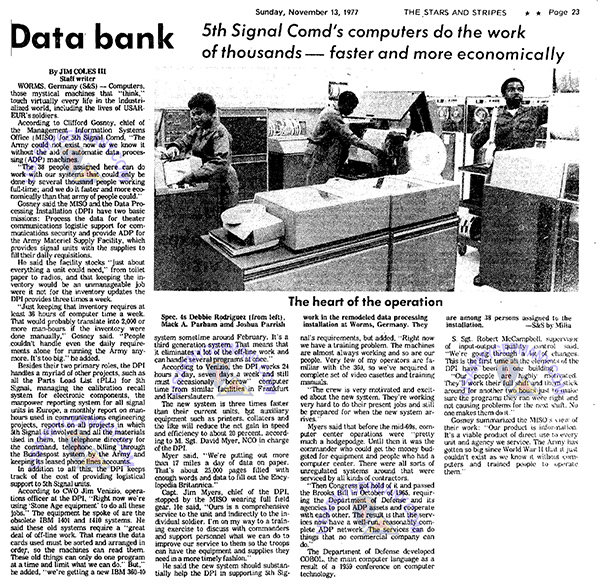 STARS and STRIPES, November 13, 1977 |
||||||||||||||||||||||||||||||||||||||||||||||||||||||||||||||||||||||||||||||||||||||||||||||||||||||||||||||||||||||||||||||||||||||||||||||||||||||
| |
||||||||||||||||||||||||||||||||||||||||||||||||||||||||||||||||||||||||||||||||||||||||||||||||||||||||||||||||||||||||||||||||||||||||||||||||||||||
| Command & Control Battalion | ||||||||||||||||||||||||||||||||||||||||||||||||||||||||||||||||||||||||||||||||||||||||||||||||||||||||||||||||||||||||||||||||||||||||||||||||||||||
| (Email from Stephen Sydnor, HHC, C&C Bn, 1968-1970) | ||||||||||||||||||||||||||||||||||||||||||||||||||||||||||||||||||||||||||||||||||||||||||||||||||||||||||||||||||||||||||||||||||||||||||||||||||||||
|
As I recall
everyone arrived arrived in Germany at Frankfurt and reported to
a replacement unit for further shipment to a unit. My unit would
be HHC, Command & Control Battalion,
USASTRATCOM-EUR located at Kilbourne Kaserne, Schwetzingen, Germany. |
||||||||||||||||||||||||||||||||||||||||||||||||||||||||||||||||||||||||||||||||||||||||||||||||||||||||||||||||||||||||||||||||||||||||||||||||||||||
|
||||||||||||||||||||||||||||||||||||||||||||||||||||||||||||||||||||||||||||||||||||||||||||||||||||||||||||||||||||||||||||||||||||||||||||||||||||||
| Some of the officers
at that time were: CPT Robert H. Meck, Sig C, and 1LT Wesley M. Penrose, Sig C; both Adjutants for the Battalion CPT Leonard J. Ferrara, AGC; HHC Commander 1LT Ronald A. Elgin, Sig C, Adjutant, and J. Brum, Jr., AGC, Asst. Adj. I have a Christmas Dinner brochure (1968) that lists Thomas K. Trigg, BG Commanding. They were good units (HHC and Battalion) led by good officers and senior NCOs. |
||||||||||||||||||||||||||||||||||||||||||||||||||||||||||||||||||||||||||||||||||||||||||||||||||||||||||||||||||||||||||||||||||||||||||||||||||||||
|
|
||||||||||||||||||||||||||||||||||||||||||||||||||||||||||||||||||||||||||||||||||||||||||||||||||||||||||||||||||||||||||||||||||||||||||||||||||||||
| (Email from Barry Hope, C&C Bn, 1968-1969) | ||||||||||||||||||||||||||||||||||||||||||||||||||||||||||||||||||||||||||||||||||||||||||||||||||||||||||||||||||||||||||||||||||||||||||||||||||||||
| I was a LT at
the headquarters of CCbn which was located near the airfield at Neuostheim.
The CO when I arrived was Maj Smith and he was replaced by LTC Pick. In addition to S1 LT Ron Elgin, the S3 was CPT James and the S4 was CPT Miller. My roommate, LT Donald Brooks was Aide-de-Camp to BG Trigg, commander of STRATCOM-EUR HHC provided support, transportation and in case the “balloon went up” defense of HQ Stratcom. There was another company under CCBN that provided electronic supplies, much of it German for the telephone and Commo systems at HQ Stratcom. CCBN had a very large motor pool and maintained the staff cars and buses and the backup generators that supported HQ Stratcom, and I think that the Motor Pool company was a separate company command as well. |
||||||||||||||||||||||||||||||||||||||||||||||||||||||||||||||||||||||||||||||||||||||||||||||||||||||||||||||||||||||||||||||||||||||||||||||||||||||
| (Source: Email from Eileen M. Drake, Motor Pool, HQ STRATCOM-EUR, 1974-77) | ||||||||||||||||||||||||||||||||||||||||||||||||||||||||||||||||||||||||||||||||||||||||||||||||||||||||||||||||||||||||||||||||||||||||||||||||||||||
| I was assigned to 5th Signal Command from Feb 74-May 77. My first duty
assignment was as a wrecker operator at Tompkins Barracks in Schwetzingen in
Feb 74. I lived briefly in the WAC Barracks across from Campbell Barracks
in Heidelberg. I later moved to a garden apartment in Mannheim-Neuostheim
recommended by the German dispatcher in our Motor Pool, Herr Reiss. As part
of our inprocessing, we had to look at a scrapbook he kept containing photos
of really gory accidents before we could go for our USAREUR Driver's test.
We were located at the back of Tompkins Barracks next to the railhead. Our Motor Sergeant at the time was SFC Virgil Onstott, later replaced by MSG Harlan C. McReynolds. The Transportation NCO was SGT Dennis Gillam (he now works for Public Works here at Fort Riley). One of the mechanics was SGT Doran Else, who wore the biggest boots I've ever seen. SSG Robert Strongman, another of the mechanics, had been born in Germany, and enlisted in the U.S. Army to avoid being drafted into the German Army. He later became a warrant officer. I last encountered him in 1983-84 in the Kitzingen area. We moved the Motor Pool to Worms in Dec 1974; we were the last section to move to the new location at Taukkunen Barracks, across the street from the vineyards where grapes for Liebrauenmilch wine were harvested. The NCO club was accross the street on another side of the Kaserne, and our Motor Pool about a block away in what had formerly been the TMP, accross from the Caterpillar facility. The Post Transportation Office was co-located with us. One of the events we looked forward to was the Backfischfest, and there was another fest in the spring. I often took my turn as duty driver driving VIPs around. One particularly memorable (and frightening) event was an occasion on which I drove one of engineers to a meeting at the Abrams (formerly I.G. Farben) building in Frankfurt. We agreed to meet in the Snack Bar when he was finished, and I took my ever-present book and went off to read a bit in the Snack Bar. The officer returned, we walked to the sedan, and left. We were on the autobahn just passing Rhein-Main Air Base when there was a news flash - The Baader-Meinhof Gang had bombed the Abrams Building in the vicinity of the Snack Bar we had just left. Since we didn't have a loading dock at the Motor Pool, when we needed to transport a forklift for maintenance in Mannheim, we would have to drive it through the cobblestone streets across town to the Engineer Kaserne where there was a ramp. What a bumpy ride! It was rumored that there were tunnels under our barracks leading down to the river, to be used by German soldiers to escape during WWII. The bridge over the Rhein had only one clock tower; the other had been bombed by the Germans to prevent the Allies from crossing. I have so many memories of that first assignment with what was then USSTRATCOM-EUR. I went over initially on a 16 month tour, and kept extending until they told me I had to leave. I was able to see much of Europe right on the job between my trips as a wrecker operator, VIP runs and occasional courier runs. |
||||||||||||||||||||||||||||||||||||||||||||||||||||||||||||||||||||||||||||||||||||||||||||||||||||||||||||||||||||||||||||||||||||||||||||||||||||||
|
|
||||||||||||||||||||||||||||||||||||||||||||||||||||||||||||||||||||||||||||||||||||||||||||||||||||||||||||||||||||||||||||||||||||||||||||||||||||||
|
|
||||||||||||||||||||||||||||||||||||||||||||||||||||||||||||||||||||||||||||||||||||||||||||||||||||||||||||||||||||||||||||||||||||||||||||||||||||||
| Communications Control Center, Europe | ||||||||||||||||||||||||||||||||||||||||||||||||||||||||||||||||||||||||||||||||||||||||||||||||||||||||||||||||||||||||||||||||||||||||||||||||||||||
| 1976 | ||||||||||||||||||||||||||||||||||||||||||||||||||||||||||||||||||||||||||||||||||||||||||||||||||||||||||||||||||||||||||||||||||||||||||||||||||||||
| (Source: Email from Rick Stumbaugh) | ||||||||||||||||||||||||||||||||||||||||||||||||||||||||||||||||||||||||||||||||||||||||||||||||||||||||||||||||||||||||||||||||||||||||||||||||||||||
| It was the Communications Control Center that fell under the 5th Signal Command DCSOPS. It was responsible for monitoring and controlling all Army communications systems in Europe. They interfaced with DCA in the restoral of circuit/system outages throughtout the area. We also coordinated with AMSF to get things fixed, when needed. System status reports were prepared for the command group, who kept CINCUSAREUR and staff informed. Additionally, we also prepared a phone itinerary for the commercial telephone that was on the CINCUSAREUR's train (it listed contact information for anyone on the train when it was in use. I prepared that itinerary while I was there). During my time, BG Racke was the 5th Sig Cmd CG; COL Anglin was the DCSOPS; MAJ Villasenor was in charge of CCC; and, GEN Blanchard was the CINCUSAREUR. Regarding AMSF, I have some knowledge of them during my time at 5th Sig Cmd from 1976-79. During my time, they were located at Sullivan Barracks in Mannheim. They became an organization run and operated by contractors. They fell under 5th Sig Cmd and became contractors by BG Racke's direction and authority. They had set times to respond to any and all communications degradation and/or outages throughout europe. We at CCC-E monitored their work for the 5th Sig Cmd DCSOPS and CG. |
||||||||||||||||||||||||||||||||||||||||||||||||||||||||||||||||||||||||||||||||||||||||||||||||||||||||||||||||||||||||||||||||||||||||||||||||||||||
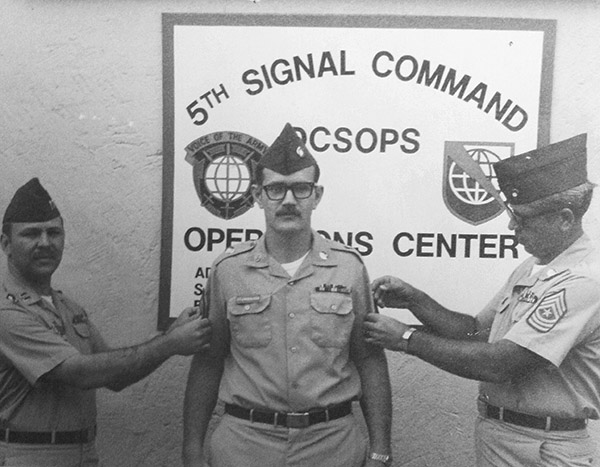 Stumbaugh being promoted to E-7 directly in front of the Operations Center sign next to the entrance of the CCC-E building |
||||||||||||||||||||||||||||||||||||||||||||||||||||||||||||||||||||||||||||||||||||||||||||||||||||||||||||||||||||||||||||||||||||||||||||||||||||||
| We were located in a separate building inside Taukkunen Barracks, Worms, Germany. We were within the same complex as all of the rest of HQ, 5th Signal Command. Our building might have been Bldg #5806. It was a single-story next to the Rod & Gun Club. The guys would get off shift and go straight to the R&G Club (there was a portion of it that sold beer and some food) and you walked out our building and it was a very short distance. Inside our building were offices: on the left for the boss, SGM, Ops Sgt, and the guy who does commo itineraries for the CINCUSAREUR's train. To the right was a large open area for the CCC. There was a large desk like area for several seats for the senior NCO's (all of us were E-7s and above). In front of them were multi TTY systems that were connected to like centers at all major subordinate commands in Europe to the CG, 5th Signal Command. We were a status gathering hub for all Army commications facilities and systems in support of everything "communications" in Europe. Any outages, damages to facilities, degradation to service or high interest systems/circuit, were some of the things we tracked and reported. We would continue the tracking until everything was fixed and restored. The majority of our work was with the Army DCS and satellite systems, although, some tactical commo was also involved but only on a limited basis. Let me give you some of the names of people I knew while stationed there: MSG Bennett, MSG Smith, SFC Ward, MAJ Villasenor, to name a few. MSG Bennett was my boss when I worked doing train itineraries. During 1977, GEN Blanchard (CINCUSAREUR) was visited by his Soviet counterpart from East Germany, who came to Heidelberg on the CINC's train. Despite all of the different forms of commo that was established to track him as he progressed on the train, the only way people could be reached was by the itinerary I prepared listing the commercial phone number for the train. Myself and a few others received a letter of appreciation from GEN Blanchard because of our support during that visit (I still have it). I do have a lttle bit more trivia for you: My dad, SGM Ralph Stumbaugh, was also under US Army Europe for two tours. First was under the 293rd Engr Bn in Baumholder, from approx 1951-1954. He was then stationed at Rhein Main AB under the 7th Engr Bde, from 1957-1960. He was the first SGM in their history. Dad is now gone, so any history of his time has now been lost. |
||||||||||||||||||||||||||||||||||||||||||||||||||||||||||||||||||||||||||||||||||||||||||||||||||||||||||||||||||||||||||||||||||||||||||||||||||||||
| |
||||||||||||||||||||||||||||||||||||||||||||||||||||||||||||||||||||||||||||||||||||||||||||||||||||||||||||||||||||||||||||||||||||||||||||||||||||||
| Theater Command Control Center | ||||||||||||||||||||||||||||||||||||||||||||||||||||||||||||||||||||||||||||||||||||||||||||||||||||||||||||||||||||||||||||||||||||||||||||||||||||||
| (Source: TOWER ECHO, April 1989) | ||||||||||||||||||||||||||||||||||||||||||||||||||||||||||||||||||||||||||||||||||||||||||||||||||||||||||||||||||||||||||||||||||||||||||||||||||||||
|
||||||||||||||||||||||||||||||||||||||||||||||||||||||||||||||||||||||||||||||||||||||||||||||||||||||||||||||||||||||||||||||||||||||||||||||||||||||
| |
||||||||||||||||||||||||||||||||||||||||||||||||||||||||||||||||||||||||||||||||||||||||||||||||||||||||||||||||||||||||||||||||||||||||||||||||||||||
| 16th Aviation Detachment | ||||||||||||||||||||||||||||||||||||||||||||||||||||||||||||||||||||||||||||||||||||||||||||||||||||||||||||||||||||||||||||||||||||||||||||||||||||||
| (Source: TOWER ECHO, Nov 1984) | ||||||||||||||||||||||||||||||||||||||||||||||||||||||||||||||||||||||||||||||||||||||||||||||||||||||||||||||||||||||||||||||||||||||||||||||||||||||
| Those
flying young troops and their magnificent machines By Linda Curbow A twin-engine turbo-prop airplane is flying high above the blue skies of Europe. Its destination could be Belgium, Greece, Spain or any other glamorous Old World country. But the aircraft isn't ending a Trans-Atlantic flight and there are no stewardesses serving lavish meals. It's one of the 16th Aviation Detachment's EU-21As making one of its normal flights across the European world of the 5th Signal Command. The detachment, recently the Aviation Section of the 7th Signal Brigade, was officially reactivated during a ceremony presided over by Col. Samuel Leffler, the 7th Signal Brigade's commanding officer. Leffler was also the commander of the 16th after its reactivation in Heidelberg, Germany, in September 1965. Although the unit may be newly reactivated, it is definitely no stranger to the aviation field. Constituted July 14, 1958, into the Regular Army as the 16th Aviation Operating Detachment, it was activated August 8, 1958, at Fort Bragg, North Carolina. After a brief inactivation period beginning in October 1963 in Germany, the unit was redesignated as the 16th Aviation Detachment and reactivated in September 1965 in Heidelberg, Germany. But that did not last long as the unit was once again inactivated in Germany in November 1967. But now, active again, the unit is back to working its sole mission in the air. The detachment is no longer a part of the 7th Signal Brigade and now comes directly under HQ 5th Signal Command. Its mission, however, has remained essentially the same and its commander, Capt. Debi Schroeder, believes the unit will now be able to perform that mission even better. "We'll be able to provide better tactical support to our units," she said. "Before, as a unit under the 7th Signal Brigade, our primary concern was with the 7th. We took care of 5th Signal Command whenever we could," she explained. "But now we'll have more flexibility for 5th Signal and be able to service it throughout Europe." The detachment's primary objective is to provide general aviation support to the 5th Signal Command and its subordinate units. This support includes providing aircraft for personnel and equipment, acting as a USAREUR air courier and providing radio retransmission capability to USAREUR units. The detachment has three types of aircraft to help it accomplish its mission. The OH-58A Observation Helicopter is used primarily for signal reconnaissance and personnel transport. The unit has four 58s for its use. The other helicopter in the detachment's hangar is the UH-1 H Utility Helicopter, commonly referred to as the "Huey." The Huey is a multi-purpose aircraft used as a cargo and personnel transporter. It is the "work horse" of Army Aviation. The detachment is equipped with five Hueys. The only fixed-wing airplanes the unit is equipped with are its three EU-21A Utility Airplanes. The twin engine turbo-prop aircraft with all-weather capability is used for FM automated airborne radio retransmission and cargo and staff transportation. These aircraft are the hub for the activities that the detachment is tasked with every day. As in any unit, there are so many skills that combine to meet the mission that it would be almost impossible to describe them all. But, when one thinks of aviation, some specific areas stand out: the pilots, who of course, fly the aircraft; the mechanics, who keep the aircraft going; and even the flight operations and administrative side of the unit who schedule the flights and keep the records accurate and up to date. Without these people and the many others, there could be no aviation unit at all. All the glamour of aviation probably falls into the pilots cockpits. Flying an aircraft, to some, may seem fun and exciting. But ask any military pilot in the air today and he will be glad to attest to the hard work it took to achieve his position. "Flight school was very strenuous and had extremely long hours," said WO I John Kelly, a new Huey pilot in the detachment. "As far as stress goes, this training is supposed to have the worst, and I'd believe it." After the grueling 42-week course is over and the new pilots are assigned to their units, their beginnings aren't always as they may have anticipated. The pilots won't be able to fly solo for another six months. During this time they will be undergoing extensive unit training to prove their competence in the air. Once the commander's evaluation is in and the pilot is assured of his efficiency in the cockpit, he can go it alone and may soon be training new pilots in the unit. Their skillfully taught training in the beginning leads to their efficient expertise in the end. "I couldn't believe the amount of training and learning we went through in such few months," said WO 1 Stephen Shimonek, also a new Huey pilot in the detachment. "I came here and found out that I hadn't really learned as much as I had thought. We have so many well-experienced pilots here that it seems that you'll never be able to match up to their skills." But Kelly and Shimonek agree that the presence of the highly experienced pilots is a great advantage. "It really helps a lot to fly with the experienced;" Kelly said. "When a pilot begins he can either pick up good or bad habits from his first tour and initial instructors. Here a pilot can learn the good points of flying and become the proficient pilot he was intended to be." Proficiency is probably the number one element in a pilot's career. But that proficiency in the air could not be achieved without the mechanics on the ground. The 16th has about 40 enlisted mechanics who are broken down into the type of aircraft maintenance they are specifically trained for. Their main duty is to keep the aircraft in the best possible condition. "Helicopter maintenance is an art practiced by us all, but truly mastered by none;" claimed Sp4 Russell Presswood, a utility helicopter repairman. "We learn something new every day as we're working on the helicopters. I don't believe anyone could know everything about these aircraft and their engines, but we try to come close." Great expertise is a definite must when the work is being done inside an aircraft engine. It's too late to correct mistakes when the aircraft is 1500 feet in the air. The mechanics could not do their job without the help of the folks in Technical Supply. These are the personnel who order aircraft parts and maintenance equipment. Without them, of course, an aircraft would certainly not get far. Another major activity in the aviation unit takes place in Flight Operations. Here is where the flights are scheduled, the pilots' and flight records are kept, the missions are planned and the annual examinations of the pilots are arranged. Besides these few areas of aviation, are the many other jobs of administration, crew chiefs, inspectors and others too numerous to list and describe. But without the work of each individual in the aviation unit 5th Signal Command could find itself grounded. So as long as the 16th Aviation Detachment is around, the command will be high in the sky. |
||||||||||||||||||||||||||||||||||||||||||||||||||||||||||||||||||||||||||||||||||||||||||||||||||||||||||||||||||||||||||||||||||||||||||||||||||||||
|
|
||||||||||||||||||||||||||||||||||||||||||||||||||||||||||||||||||||||||||||||||||||||||||||||||||||||||||||||||||||||||||||||||||||||||||||||||||||||
|
|
||||||||||||||||||||||||||||||||||||||||||||||||||||||||||||||||||||||||||||||||||||||||||||||||||||||||||||||||||||||||||||||||||||||||||||||||||||||
| Communications-Electronics Support Company | ||||||||||||||||||||||||||||||||||||||||||||||||||||||||||||||||||||||||||||||||||||||||||||||||||||||||||||||||||||||||||||||||||||||||||||||||||||||
| 1968 | ||||||||||||||||||||||||||||||||||||||||||||||||||||||||||||||||||||||||||||||||||||||||||||||||||||||||||||||||||||||||||||||||||||||||||||||||||||||
| (Source: STARS & STRIPES, October 14, 1968) | ||||||||||||||||||||||||||||||||||||||||||||||||||||||||||||||||||||||||||||||||||||||||||||||||||||||||||||||||||||||||||||||||||||||||||||||||||||||
| The StratCom-Europe General Support Maintenance Facility at Neuostheim (Mannheim) provides maintenance and serves as a supply point from the "non-standard" communications equipment and test instruments in use throughout Europe. The Communications-Electronics Support Company that runs the facility, performs a special job because there are no supply channels for most of the equipment brought to them for repair. There is even a special section for still-used German-made communications equipment. CO of the company is Capt Bruce Miller. The GS Maintenance Facility is the last echelon of repair for non-standard equipment In StratCom-Europe. Equipment that we cannot be fixed here must be sent to the individual manufacturers. Equipment sent in for repair by signal units is logged into the Production Control center books and tagged according to priority. Seventy-five per cent of the work orders are kept on the Direct Exchange (DX) system. Faulty components are immediately exchanged for serviceable equipment from the DX stock, eliminating much priority work as well as saving money and time while repair work is done. Once the faulty components are repaired components they are returned to the DX stock. Production control processed more than 9,400 work orders last year. Equipment sent into the workshops for repair is compared with test modules that are maintained as a standard. Any difference in the test results points out a fault. Microwave and fixed station multiplex modules comprise over two-thirds of the work orders sent to the shop. These modules are compared with test results that have been punched into computer tapes instead of "standard" modules. Using this system, the Robo Tester, a module with 70 individual components, can be set up and tested for each component in only 10 minutes. The tested modules are marked with tags denoting deficiencies and are returned to production control where they are picked up for repair according to priority. Two departments of the facility, the wood and metal shops, provide the non-electronic repair components. The equipment the unit services is non-standard in the overall military equipment inventory; therefore it is often faster and less expensive to fabricate screws, shafts, antenna supports etc. that are not in regular supply channels. The Supply Section is a maze of file cards and small drawers. The card file contains a listing of 3,300 line items and their location within the hundreds of drawers containing components. Providing repair parts for the equipment outside of normal supply channels keeps three clerks busy doing research to correlate manufacturer's stock numbers with federal stock numbers. |
||||||||||||||||||||||||||||||||||||||||||||||||||||||||||||||||||||||||||||||||||||||||||||||||||||||||||||||||||||||||||||||||||||||||||||||||||||||
| 1970 | ||||||||||||||||||||||||||||||||||||||||||||||||||||||||||||||||||||||||||||||||||||||||||||||||||||||||||||||||||||||||||||||||||||||||||||||||||||||
| (Source: STARS & STRIPES, August 26, 1970) | ||||||||||||||||||||||||||||||||||||||||||||||||||||||||||||||||||||||||||||||||||||||||||||||||||||||||||||||||||||||||||||||||||||||||||||||||||||||
| The Communications-Electronics Support Company, an element of STRATCOM-Europe, is stationed at the Mannheim Airport in Neuostheim. Commanding officer of the unit is Capt Charles E. Coleman. The company is comprised of 100 American soldiers, 45 German nationals and one enlisted WAC. The unit's mission is to support 78 units in thirteen countries, stretching from northern Europe down to North Africa, with repairs, rebuild and spare parts for non-standard communications equipment used in USAREUR. The unit's Supply Section, headed by 1st Lt Thomas L. Brock, Jr., includes some 18,000 line items, valued at close to $50 million, that are stored in six giant warehouses. The supply point has on hand everything needed for repairing (non-standard) electronic communications equipment in STRATCOM. The General Support Maintenance Section is under the direction of CWO Edward E. Montanye, the Shop officer. This section is dividied into five areas:   Work Order section Test Equipment Repair shop Troposperic Equipment shop Single-Sideband Radio shop Supply room Work Order section Test Equipment Repair shop Troposperic Equipment shop Single-Sideband Radio shop Supply room Work Order section: serves as the initial pickup point for equipemtn received by the unit for repairs. Test Equipment Repair section: located in a temperature-controlled room, this busy section repairs the test equipment used by signal units in the field to perform their own testing of equipment on the line. The Motor Vehicle Section, with some 230 vehicles ranging from panel trucks to 5-ton tactical trucks, is responsible for delivering communications equipment throughout Europe. |
||||||||||||||||||||||||||||||||||||||||||||||||||||||||||||||||||||||||||||||||||||||||||||||||||||||||||||||||||||||||||||||||||||||||||||||||||||||
| 1971 | ||||||||||||||||||||||||||||||||||||||||||||||||||||||||||||||||||||||||||||||||||||||||||||||||||||||||||||||||||||||||||||||||||||||||||||||||||||||
| (Source: STARS & STRIPES, April 22, 1971) | ||||||||||||||||||||||||||||||||||||||||||||||||||||||||||||||||||||||||||||||||||||||||||||||||||||||||||||||||||||||||||||||||||||||||||||||||||||||
| The Communications-Electronics (COMMEL) Support Company located in Neuostheim (at the airfield) is moving to a new home on Sullivan Barracks, Kaefertal (Mannheim). The relocation entails moving more than 100 unit personnel and $40 million worth of equipment. COMMEL Spt Co is responsible for providing maintenance and supply to (communications) units in Europe and the Middle East. The move was necessitated by a need for more space as the unit will soon be reorganized as the Area Maintenance & Supply Facility. (The AMSF will the only one of its kind in Europe and one of only two in the world.) The reorganization will signify an expansion of the unit's mission (work load will increase by 75-80 percent). Yo read more about the Area Maintenance & Supply Facility, click here) |
||||||||||||||||||||||||||||||||||||||||||||||||||||||||||||||||||||||||||||||||||||||||||||||||||||||||||||||||||||||||||||||||||||||||||||||||||||||
| |
||||||||||||||||||||||||||||||||||||||||||||||||||||||||||||||||||||||||||||||||||||||||||||||||||||||||||||||||||||||||||||||||||||||||||||||||||||||
| Communications-Electronics Engineering Installation Agency , Europe | ||||||||||||||||||||||||||||||||||||||||||||||||||||||||||||||||||||||||||||||||||||||||||||||||||||||||||||||||||||||||||||||||||||||||||||||||||||||
In 1968 the U.S. Army Communications Engineering and Installation Agency (USACEIA) was activated. It's primary functions were radio propagation, installation, and construction. In 1970 it was given the added mission of responsibility of telecommunications engineering and evaluation and redesignated as the U.S. Army Communications-Electronics Engineering Installation Agency (USACEEIA). CEEIA-Eur was the field office responsible for supporting the European thater. |
||||||||||||||||||||||||||||||||||||||||||||||||||||||||||||||||||||||||||||||||||||||||||||||||||||||||||||||||||||||||||||||||||||||||||||||||||||||
| (Source: Email from Michael A. Hart) | ||||||||||||||||||||||||||||||||||||||||||||||||||||||||||||||||||||||||||||||||||||||||||||||||||||||||||||||||||||||||||||||||||||||||||||||||||||||
| I was just reminded of my Army past after arriving here. I saw my old patch – 160th Signal Brigade. I was stationed in Germany for 6 years between 1984 and 1992: 5/84 – 6/85: MOS32D1I – US Army Communications Electronics Installation (USACEI) BN. Assigned to Ft Huachuca, but had our office in Worms, HDQTR 5th SIG CMD. Worked at Bocksberg, Ramstein, Hessich-Olendorf, Koterburg, Holzminden, plus many others installing strategic microwave links. 12/85 – 12/87: MOS32D1IH4 – 270th SIG CO, 73rd Signal BN, 2nd SIG BDE, Pirmasens AUTODIN Switching Center. 11/89 – 11/92 MOS31N/PI – USAISC Augsburg, 69th Signal BN, 160th Signal BDE. Worked in the Gablingen Tech Control Facility in support of Field Station Augsburg. Your site is a nice reminder of the work others and I did between 1945 and 1989. The old man who sold me a car outside Augsburg in 1991, had been in Germany since WWII. USACEI Bn, its European Theater role and TDY assignments to the various strategic MW sites: In a nutshell, we installed the microwave links that made it possible to migrate from the DDS (Direct Dial System -- aka Hitler’s revenge) to ETS (European Telephone System) which is still in use. Plus we replaced a very old REL 2600s at Bocksberg and West Berlin -- The comm. link between West Germany and West Berlin. The one website that has some info on Bocksberg is www.lostplaces.de You’ll find a small write up on that. If you want some more details on USACEI and its work, I can help with the period of 5/84 – 6/85. Left one week before the big blast in Concourse C , International Departures at Frankfurt. USACEI BN was part of USAISEC nee USACEEIA. One was the US Army Information System Engineering Command and the latter was the USA Communications Electronics Engineering and Installation Agency (I think). If was know by the troops as “see ya!” Meaning frequent TDYs, so see ya. All based out of sunny Ft. Huachuca, with field offices in Worms, GE, Seoul ROK and an office on the east coast, possibly Ft Ritchie (This I believe was an ISEC group). The field offices gave us way to make arrangements for transportation, logistics, lodging, etc. Basically an office that had permanently assigned troops based on their status could get us the stuff we needed. As TDYers we would need licenses etc and this office made a lot possible. I even worked this office while waiting for our team to head north. Spent time calling and coordinating deliveries of equipment, verify site drawings, fetching coffee, etc. As best I remember we had 3 companies, A, B, and HHC. A and B companies traveled the road doing everything from Airfield (NAV/COM), comm facilities, embassies, etc. HHC was admin support and was responsible for running the Basic Installer Course (BIC), plus other training related to our jobs. The team I was on, was responsible for installing microwave radios and related gear through out Northern Germany. The project was called Frankfurt-North, so anything north of Frankfurt. We were part of many teams both Army and Air Force working on the DEB (Digital European Backbone) which was the result of DRAMA (Digital Radio and Mux Acquisition) program. Basically we made a “spine” from FKT to Bremerhaven with some links out to other locations. Most of these sites were unmanned and more became after the installation of the new gear and its monitoring system. It was some of the best duty I have seen. Especially Northern Germany, were families adopted us during our stay and treated us to holidays and even family events. Made some good friends. |
||||||||||||||||||||||||||||||||||||||||||||||||||||||||||||||||||||||||||||||||||||||||||||||||||||||||||||||||||||||||||||||||||||||||||||||||||||||
| (Source: ECHO, December 1984) | ||||||||||||||||||||||||||||||||||||||||||||||||||||||||||||||||||||||||||||||||||||||||||||||||||||||||||||||||||||||||||||||||||||||||||||||||||||||
| ESEIA -
Communication system designers by Margaret Cummins In the 19th century, when a signal officer needed new equipment, he could probably contact his supply sergeant who could quickly turn to a catalog that listed the major communication systems of the time. For example, "Flag, signal, staff attached." The system implementation was easy. Issue the flags to the flag specialist and head for the boonies. Now that the signal corps has advanced beyond flag-waving, the procedures and equipment have become a bit more complex. Most of its equipment is no longer ordered from a catalog but must be designed to meet a specific need, and the implementation requires the aid of system experts. When the 5th Signal Command needs a new communication system, it turns to its own experts at the Electronic Systems Engineering/Installation Activity-Europe, ESEIA for short. They are responsible for everything from AFN transmission to complex multi-channel communication systems to telephones. ESEIA was formerly known as the Communication Electronics Engineering Installation Agency-Europe, but was renamed October 1. ESEIA's commander, Col. Roger V. Sheffield, says that removing the word "communications" from their name indicates they are not only concerned with communications. but with related automation processes as well. "The real challenge that we have," Sheffield says, "is to handle this period of bringing new digital systems into existence. This may take years. With the new systems we're bringing in, we need new technology in communications. We're moving from the old analog world of communications to the new digital world, and in the end, it will be a much better system than what we've had in the past." Located al Taukkunen Barracks, in Worms, Germany, ESEIA is comprised primarily of high-ranking individuals, due to the level of experience and expertise its mission requires. Tasked with providing communications, electronics engineering, and construction quality assurance and test evaluation to the 5th Signal Command, its mission is, briefly, to provide the command with communication systems. Although most of its work is concerned with 5th Signal Command project, it does provide assistance to other Department of Defense agencies as required, according to Mike Causey, chief of the Plans and Scheduling Management Office. "We work very closely with the Air Force and also provide assistance to the U.S. Navy in Spain and Italy at times;" he says. "We also have a very important mission to provide communications for the Secretary of Defense and other important visitors to the European Theater." This involves the portable voice network (PORTAVON), he says. ESEIA's routine operation, however, is concerned with the broad spectrum of communications requirements of the command. Causey says they may have as many as 1,200 to 1,500 projects in various stages of completion at any one time. The projects range from weather protection covers for airfield radar equipment to the design and installation of complete telephone systems such as the European Telephone System (ETS) currently being installed throughout Germany. Each of these projects, whether they entail a single device or an entire system, starts with an idea that must be analyzed, staffed, engineered and funded before it reaches the final installation phase. Once installed, the equipment must be tested to ensure it meets the project specifications. A typical project would flow through three main divisions of ESEIA: engineering, installation and quality assurance tesling. According to Lt. Col. Arthur M. Askew, III, chief of ESEIA's Project Coordination Division, all new projects must first be approved by 5th Signal Command's Deputy Chief of Staff Plans and Operations (DCSOPS). Once approved, however, the project becomes ESEIA's responsibility until they complete it and turn it over to the command's operations and maintenance personnel. "All the things concerning the project, from tasking personnel to making sure material is available at the site at the right time, is our job;" Askew says. "We coordinate with the DCSLOG (Deputy Chief of Staff/Logistics) to make sure they are aware of their maintenance responsibility and with DCSOPS to make sure people are properly trained to operate the equipment, and with the sites to be sure they know what's coming and that our people will appear there to do some work at their site. When it's all finished, we walk away and let them have it." Once a project has been outlined, it is handed over to ESEIA's various divisions and subdivisions. Due to the diversity of communication systems and devices in the command, these are specialized groups, such as the telecommunications branch, television branch and the voice systems branch. Projects tasked to the Communications Engineering Division are again tasked within the division's three main branches: switching systems, transmission and terminal facilities. Engineers plan an engineer package according to the type of project to be done. With the support of another branch, the technical support branch, engineers use a library, drafting material and bill of material to help design each plan to meet the specifications of the project. Plans for the projects may include anything from the design of a sophisticated microwave radio signal with a long-haul cable system, to the new digital compact telephone key systems like the new Horizon system. According to the chief of the terminal facilities branch, Rich Fitzharris, because of the shortage of people in the engineering division, personnel have multiple functions and are cross trained to cover jobs throughout the division. "We go out, perform the engineering and put out our engineer package;" says Fitzharris. "The package, after so far along, gets handed to the Quality Assurance Testing Division where they do a test program and after that the project is handed to the Installation Division which goes out and provides installation. Because ESEIA is tasked with so many projects throughout the command and staffed with approximately 200 people (half military), some of the actual installation is done by people TDY from the States. Other installation projects are given to local contractors according to the type of project to be done and the location of the task. For example, if a project is located in a city and it is easier for local contractors to accomplish the installation because of the availability of equipment, it is given to them to do. All equipment passes through the hands of the Quality Assurance and Testing (QA&T) Division both before and after installation to ensure it meets the specifications required by the command. SSgt. Alphonso Evans, one of the test directors from the QA&T Division, says that when he is on a job, he must make sure that the equipment meets Army and military standards before accepting it. Engineers design a plan to install the equipment, but before it can be installed the equipment must meet the manufacturer's operation standard as well as the requirements of the Army. Checking the equipment usually takes from one to two weeks. Sometimes the test director must also brief local personnel on how to operate the equipment before releasing it to them. "The new systems going in are compact, use less power and are easier for technicians to work with and are also easier for folks who have never worked with these kinds of systems before," Evans says. Despite all the testing and retesting problems will arise with equipment and systems. Sgt. Maj. Delbert J. Lewis of the QA&T Division, says this sometimes occurs after a project has been accepted as completed by the Department of the Army. "A month or two later (after completion) we may get a phone call and someone says 'The phone system doesn't work. It's screwed up, you accepted it, come and fix it. We're not in the fix-it business, but since we have the experts, we'll pack a tool box and test equipment and head back out. Unfortunately, we often find out it's user abuse, particularly with the new Horizon telephone system." ESEIA is no stranger to phone systems and even created a special task division to handle ETS. The division chief, Maj. John R. Thomas, says, "Basically, our responsibility is to insure locations are prepared to accept the ETS switch that is provided by the deputy project manager of ETS. We are the point of contact far all site-preparation activities, engineering surveys and network transitions." He stresses, however, that the ETS effort is not dependent on any one individual in the command. "It's dependent on the collective effort by all 5th Signal Command brigades and the project manager of the ETS office;" he says. Naturally, the implementation of any system requires a collective effort and if the system you are using to communicate with is more complex than a typewriter, the collection of system experts at ESEIA probably had a hand in it. |
||||||||||||||||||||||||||||||||||||||||||||||||||||||||||||||||||||||||||||||||||||||||||||||||||||||||||||||||||||||||||||||||||||||||||||||||||||||
| |
||||||||||||||||||||||||||||||||||||||||||||||||||||||||||||||||||||||||||||||||||||||||||||||||||||||||||||||||||||||||||||||||||||||||||||||||||||||
| Related Links: | ||||||||||||||||||||||||||||||||||||||||||||||||||||||||||||||||||||||||||||||||||||||||||||||||||||||||||||||||||||||||||||||||||||||||||||||||||||||
|
||||||||||||||||||||||||||||||||||||||||||||||||||||||||||||||||||||||||||||||||||||||||||||||||||||||||||||||||||||||||||||||||||||||||||||||||||||||


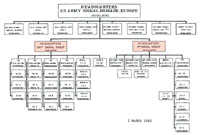
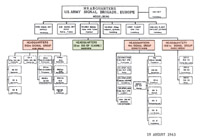
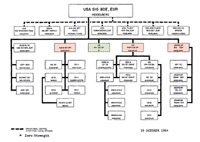
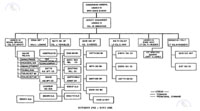
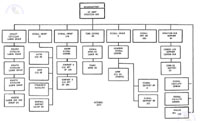
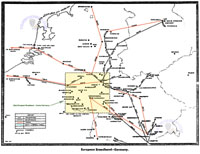

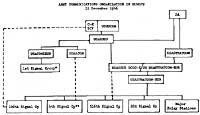
 39th Sig Bn


 - New Yahoo Group for USASTRATCOM, STRATCOM, USASCC, USACEEIA, & USACSA civilian and military personnel moderated by Tom Custer. A great "meeting place" for anyone assigned to STRATCOM or its subordinate groups over the years.
