| If you do
NOT see the Table of Contents frame to the left of this page, then
Click here to open 'USArmyGermany' frameset |
||||||||||||||||||||||||||||||||||||||||||||||||||||||||||||||||||||||||||||||||||||||||||||||||||||||||||||||||||||||||||||||||||||||||||||||||||||||
|
Ordnance Division |
||||||||||||||||||||||||||||||||||||||||||||||||||||||||||||||||||||||||||||||||||||||||||||||||||||||||||||||||||||||||||||||||||||||||||||||||||||||
|
|
||||||||||||||||||||||||||||||||||||||||||||||||||||||||||||||||||||||||||||||||||||||||||||||||||||||||||||||||||||||||||||||||||||||||||||||||||||||
|
||||||||||||||||||||||||||||||||||||||||||||||||||||||||||||||||||||||||||||||||||||||||||||||||||||||||||||||||||||||||||||||||||||||||||||||||||||||
|
|
||||||||||||||||||||||||||||||||||||||||||||||||||||||||||||||||||||||||||||||||||||||||||||||||||||||||||||||||||||||||||||||||||||||||||||||||||||||
| The 1950s | ||||||||||||||||||||||||||||||||||||||||||||||||||||||||||||||||||||||||||||||||||||||||||||||||||||||||||||||||||||||||||||||||||||||||||||||||||||||
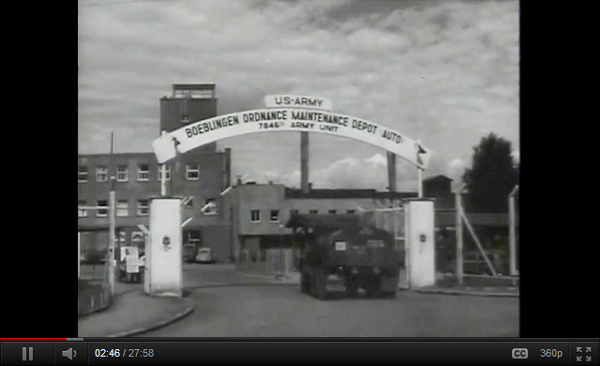 Big Picture Series: Ordnance Corps in USAREUR, mid-1950s (YouTube)  |
||||||||||||||||||||||||||||||||||||||||||||||||||||||||||||||||||||||||||||||||||||||||||||||||||||||||||||||||||||||||||||||||||||||||||||||||||||||
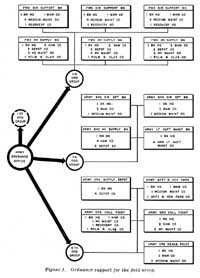
| Ordnance - Maintenance & General Supply | ||||||||||||||||||||||||||||||||||||||||||||||||||||||||||||||||||||||||||||||||||||||||||||||||||||||||||||||||||||||||||||||||||||||||||||||||||||||
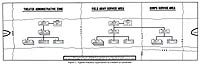
| (Source: FM 9-10, Ordnance Maintenance and General Supply in the Field, August 1951) | ||||||||||||||||||||||||||||||||||||||||||||||||||||||||||||||||||||||||||||||||||||||||||||||||||||||||||||||||||||||||||||||||||||||||||||||||||||||
|
||||||||||||||||||||||||||||||||||||||||||||||||||||||||||||||||||||||||||||||||||||||||||||||||||||||||||||||||||||||||||||||||||||||||||||||||||||||
|
Second Ordnance
Group |
||||||||||||||||||||||||||||||||||||||||||||||||||||||||||||||||||||||||||||||||||||||||||||||||||||||||||||||||||||||||||||||||||||||||||||||||||||||
|
||||||||||||||||||||||||||||||||||||||||||||||||||||||||||||||||||||||||||||||||||||||||||||||||||||||||||||||||||||||||||||||||||||||||||||||||||||||
| Third
Ordnance Group
This group is responsible for the field maintenance of units located in or passing through the army service area and for the field maintenance of army aircraft. |
||||||||||||||||||||||||||||||||||||||||||||||||||||||||||||||||||||||||||||||||||||||||||||||||||||||||||||||||||||||||||||||||||||||||||||||||||||||
|
||||||||||||||||||||||||||||||||||||||||||||||||||||||||||||||||||||||||||||||||||||||||||||||||||||||||||||||||||||||||||||||||||||||||||||||||||||||
| Fourth Ordnance
Group This group provides general support for the field army. |
||||||||||||||||||||||||||||||||||||||||||||||||||||||||||||||||||||||||||||||||||||||||||||||||||||||||||||||||||||||||||||||||||||||||||||||||||||||
|
||||||||||||||||||||||||||||||||||||||||||||||||||||||||||||||||||||||||||||||||||||||||||||||||||||||||||||||||||||||||||||||||||||||||||||||||||||||
| 7th
Army Ord Bns in USAREUR (STATION LIST, 15 Dec 1952): Fwd DS Ordnance Battalions -  71st
Ord Bn, Illesheim80th
Ord Bn, Esslingen85th Ord Bn, Oberursel 71st
Ord Bn, Illesheim80th
Ord Bn, Esslingen85th Ord Bn, OberurselFwd Hv Spt Ordnance Battalions - 8th Ord Bn, Griesheim38th Ord Bn, Nellingen 7th Army Ordnance Supply Depot - 19th Ord Bn, Böblingen (Webmaster Note: the 38th Ord Bn was redesignated as the 87th Ord Bn in December 1954, and I believe the 80th Ord Bn was replaced in the mid-1950s by the 66th Ord Bn as part of Operation Gyroscope) |
||||||||||||||||||||||||||||||||||||||||||||||||||||||||||||||||||||||||||||||||||||||||||||||||||||||||||||||||||||||||||||||||||||||||||||||||||||||
|
|
||||||||||||||||||||||||||||||||||||||||||||||||||||||||||||||||||||||||||||||||||||||||||||||||||||||||||||||||||||||||||||||||||||||||||||||||||||||
| Ordnance
Medium Maintenance Company (T/O&E 9-7) a. Mission. The ordnance medium maintenance company provides direct support for combat units in the combat zone, and may be employed on any of the following missions: (1) To augment the
organic divisional ordnance service of infantry divisions and of airborne
divisions. (2) To provide direct
support for corps troops. (3) To provide direct
support for army heavy artillery, including heavy antiaircraft artillery.
(4) To rehabilitate
the ordnance equipment of combat units, withdrawn from combat for
short periods, for rest. (5) To perform maintenance-in-storage
of the army utility stock of towed artillery and vehicles, held for
replacement purposes. b. Assignment. Ordnance medium maintenance companies are attached to ordnance battalion headquarters on the basis of the density of ordnance equipment encountered in various parts of the combat zone. c. Capabilities. The ordnance medium maintenance company is a mobile ordnance maintenance company capable of accomplishing the third echelon of maintenance on all types of ordnance equipment, except army aircraft, found in the combat zone, and capable of supplying the needs of supported using organizations for organizational spare parts. Under normal conditions it is capable of providing direct support for the equivalent of 100 artillery pieces, 100 tanks, and 750-wheel vehicles; with other equipment such as small arms, optical instruments, electrical fire control systems, and trailers in the proportions normally experienced in the combat zone. d. Organization. The ordnance medium maintenance company includes a supply section, a service section, and a recovery section, organized into one platoon; an automotive platoon, and an armament platoon. A signal corps radio repair detachment may be attached to this company when the amount of radio equipment to be repaired incident to field maintenance justifies such an arrangement. |
||||||||||||||||||||||||||||||||||||||||||||||||||||||||||||||||||||||||||||||||||||||||||||||||||||||||||||||||||||||||||||||||||||||||||||||||||||||
|
|
||||||||||||||||||||||||||||||||||||||||||||||||||||||||||||||||||||||||||||||||||||||||||||||||||||||||||||||||||||||||||||||||||||||||||||||||||||||
| Ordnance Medium Automotive Maintenance Company (T/O&E 9-127) a. Mission. The mission of the ordnance medium automotive maintenance company is to provide direct support to service units and combat support units in the combat zone, and may be employed in any one of the following missions: (1) To provide direct
support for corps service troops. (2) To provide direct
support for army service troops. (3) To rehabilitate
the ordnance equipment of service troops during rest periods. (4) To combat load
and to perform maintenance-in-storage of the army utility stock of
general purpose vehicles, held for replacement purposes. b. Assignment. Ordnance medium automotive maintenance companies are attached to ordnance battalion headquarters on the basis of the density of wheel vehicles encountered in various parts of the combat zone. c. Capabilities. The ordnance medium automotive maintenance company is a mobile ordnance maintenance company capable of accomplishing the third echelon of maintenance on wheel vehicles and small arms of service units and combat support units in the combat zone, and capable of supplying the needs of supported using organizations for organizational spare parts. Under normal conditions, it is capable of providing direct support for the equivalent of 1,500 wheel vehicles, and the small arms normally encountered in service units and combat support units of the combat zone. In assessing the capabilities of the medium automotive maintenance company, the trucks of engineer dump truck companies and transportation corps truck companies are considered as requiring twice the field maintenance work normally required by vehicles of that weight classification in other units. d. Organization. The ordnance medium automotive maintenance company consists of a company headquarters, a supply section, a service section, and a small arms section, organized into one platoon; and two identical automotive maintenance platoons. |
||||||||||||||||||||||||||||||||||||||||||||||||||||||||||||||||||||||||||||||||||||||||||||||||||||||||||||||||||||||||||||||||||||||||||||||||||||||
|
|
||||||||||||||||||||||||||||||||||||||||||||||||||||||||||||||||||||||||||||||||||||||||||||||||||||||||||||||||||||||||||||||||||||||||||||||||||||||
| Ordnance Heavy Maintenance Company (Army)
(T/O&E 9-9) a. Mission. The ordnance heavy maintenance company (army) reinforces and assists the divisional ordnance units and ordnance medium maintenance companies by accepting work beyond these units' capabilities, either because of the extent of the work required, or due to lack of time, manpower, or space or because of the tactical situation. This company performs field maintenance on small arms, artillery, instruments, and tracked or combat vehicles. b. Assignment. Ordnance heavy maintenance companies are attached to ordnance battalion headquarters on the basis of the density of ordnance equipment encountered in various parts of the combat zone. c. Capabilities. The ordnance heavy maintenance company is a semi-mobile ordnance maintenance company capable of accomplishing the third and fourth echelons of maintenance on all types of ordnance equipment, except army aircraft and wheel vehicles, found in the combat zone. Under normal conditions, one heavy maintenance company can provide heavy support for one armored division; three infantry divisions; or the corps troops of one corps. The tank platoon of the ordnance heavy maintenance company is designed to work on track vehicles. The individual repairmen, however, are all qualified in the maintenance of wheel vehicles before they specialize in track vehicles. If provision is made for the supply of assemblies and parts for wheel vehicles, the ordnance heavy maintenance company can be employed in the field maintenance of wheel vehicles. The ordnance heavy maintenance company may also be employed in the depot maintenance of all types of ordnance equipment, except army aircraft, in a theater where depot maintenance battalions are not provided. This employment is advantageous when fixed shop buildings are not available and new construction is impractical, such as during the early stages of an operation or in a theater where a fixed depot system will not be established. Employment of ordnance maintenance companies in lieu of depot maintenance battalions will necessitate the issue of some depot maintenance tools and the supply of parts required for the fifth echelon of maintenance. The arrangement for the supply of additional tools and parts to enable the ordnance heavy maintenance company to engage in the fifth echelon of maintenance is an operational project which requires approval by the Theater Army Ordnance Officer. d. Organization. The ordnance heavy maintenance company consists of a supply section and a service section organized into one platoon; an armament platoon; and a tank platoon. |
||||||||||||||||||||||||||||||||||||||||||||||||||||||||||||||||||||||||||||||||||||||||||||||||||||||||||||||||||||||||||||||||||||||||||||||||||||||
| Ord
HM units in USAREUR (STATION LIST, 15 Dec 1952): 88th Ord Co (HM)(Army), Sandhofen 301st Ord Co (HM)(Army), Illesheim 304th Ord Co (HM)(Army), Hanau 357th Ord Co (HM)(Army), 38th Ord Bn, Nellingen 517th Ord Co (HM)(Army), Karlsruhe |
||||||||||||||||||||||||||||||||||||||||||||||||||||||||||||||||||||||||||||||||||||||||||||||||||||||||||||||||||||||||||||||||||||||||||||||||||||||
|
|
||||||||||||||||||||||||||||||||||||||||||||||||||||||||||||||||||||||||||||||||||||||||||||||||||||||||||||||||||||||||||||||||||||||||||||||||||||||
| Ordnance Heavy Automotive Maintenance Company
(T/O&E 9-197) a. Mission. The ordnance heavy automotive maintenance company accomplishes field maintenance of wheel vehicles and trailers, when the scope of maintenance work required is beyond the capabilities of direct support ordnance maintenance units in the combat zone. b. Assignment. Ordnance heavy automotive maintenance companies are attached to ordnance battalion headquarters on the basis of the density of ordnance equipment encountered in various parts of the combat zone. c. Capabilities. The ordnance heavy automotive maintenance company is a semi-mobile ordnance maintenance company capable of accomplishing the third and fourth echelons of maintenance on wheel vehicles. Under normal conditions, one heavy automotive maintenance company can provide heavy support for a combat force in an area containing 4,500 wheel vehicles, exclusive of trailers. The ordnance heavy automotive maintenance company may also be employed in the depot maintenance of wheel vehicles in a theater where depot maintenance battalions are not provided. This employment is advantageous when fixed shop buildings are not available and new construction is impractical, such as during the early stages of an operation or in a theater where a fixed depot system will not be established. Employment of ordnance heavy automotive maintenance companies in lieu of depot maintenance battalions will necessitate the issue of some depot maintenance tools and the supply of parts required for the fifth echelon of maintenance. The arrangement for the supply of additional tools and parts to enable the ordnance heavy automotive maintenance company to engage in the fifth echelon of maintenance is an operational project which requires approval by the Theater Army Ordnance Officer. d. Organization. The ordnance heavy automotive maintenance company consists of a company headquarters; a service section and a supply section organized into one platoon; amd an automotive platoon. |
||||||||||||||||||||||||||||||||||||||||||||||||||||||||||||||||||||||||||||||||||||||||||||||||||||||||||||||||||||||||||||||||||||||||||||||||||||||
| Ord
HAM units in USAREUR (STATION LIST, 15 Dec 1952): 504th Ord Co (HAM), 38th Ord Bn, Nellingen 507th Ord Co (HAM), 8th Ord Bn, Griesheim Ordnance Depot 519th Ord Co (HAM), Kaiserslautern 881st Ord Co (HAM), 8th Ord Bn, Hanau 903rd Ord Co (HAM), 38th Ord Bn, Nellingen |
||||||||||||||||||||||||||||||||||||||||||||||||||||||||||||||||||||||||||||||||||||||||||||||||||||||||||||||||||||||||||||||||||||||||||||||||||||||
|
|
||||||||||||||||||||||||||||||||||||||||||||||||||||||||||||||||||||||||||||||||||||||||||||||||||||||||||||||||||||||||||||||||||||||||||||||||||||||
| Ordnance Depot Company
(T/O&E 9-57) a. Mission. The ordnance depot company (Army) receives, stores, and issues Class II and IV ordnance general supplies and equipment, except towed artillery and vehicles, used by an army in the field. b. Assignment. Ordnance depot companies (army) are attached to ordnance battalion headquarters on the basis of the density of troops to be supplied and type of major items of equipment to be serviced. c. Capabilities. The ordnance depot company (army) is a semi-mobile unit which can lift approximately 170 tons of ordnance general supplies per day in the semi-trailer vans and cargo trucks authorized the company. While it can lift this tonnage, it cannot displace in one serial because of the limited number of truck-tractors provided. d. Organization. The ordnance depot company consists of one depot platoon and one storage platoon. e. 0perations. |
||||||||||||||||||||||||||||||||||||||||||||||||||||||||||||||||||||||||||||||||||||||||||||||||||||||||||||||||||||||||||||||||||||||||||||||||||||||
|
||||||||||||||||||||||||||||||||||||||||||||||||||||||||||||||||||||||||||||||||||||||||||||||||||||||||||||||||||||||||||||||||||||||||||||||||||||||
| Ord
Depot units in USAREUR (STATION LIST, 15 Dec 1952): 33rd Ord Co (Depot)(Army), 85th Ord Bn, Oberursel 40th Ord Co (Depot)(Army), 19th Ord Bn, Böblingen 63rd Ord Co (Depot)(Army), 19th Ord Bn, Böblingen 77th Ord Co (Depot)(Army), 80th Ord Bn, Esslingen 78th Ord Co (Depot)(Army), 19th Ord Bn, Böblingen 334th Ord Co (Depot)(Army), 71st Ord Bn, Illesheim 978th Ord Co (Depot)(Army), 19th Ord Bn, Böblingen |
||||||||||||||||||||||||||||||||||||||||||||||||||||||||||||||||||||||||||||||||||||||||||||||||||||||||||||||||||||||||||||||||||||||||||||||||||||||
|
|
||||||||||||||||||||||||||||||||||||||||||||||||||||||||||||||||||||||||||||||||||||||||||||||||||||||||||||||||||||||||||||||||||||||||||||||||||||||
| Ordnance Recovery Company (T/O&E 9-187) a. Mission. The ordnance recovery company augments the evacuation facilities of combat units and combat support units in the combat zone. The company operates a pool of recovery equipment to provide for battlefield recovery and evacuation of ordnance equipment. b. Assignment. Ordnance recovery companies are attached to ordnance battalion headquarters on the basis of the number of ordnance collecting points to be established. c. Capabilities. The ordnance recovery company is a mobile unit capable of providing recovery and evacuation facilities for an ordnance collecting point, which is located near the corps rear boundary or in the army service area. d. Organization. The ordnance recovery company consists of a company headquarters and three identical recovery platoons. |
||||||||||||||||||||||||||||||||||||||||||||||||||||||||||||||||||||||||||||||||||||||||||||||||||||||||||||||||||||||||||||||||||||||||||||||||||||||
|
||||||||||||||||||||||||||||||||||||||||||||||||||||||||||||||||||||||||||||||||||||||||||||||||||||||||||||||||||||||||||||||||||||||||||||||||||||||
| e. Operations. | ||||||||||||||||||||||||||||||||||||||||||||||||||||||||||||||||||||||||||||||||||||||||||||||||||||||||||||||||||||||||||||||||||||||||||||||||||||||
|
||||||||||||||||||||||||||||||||||||||||||||||||||||||||||||||||||||||||||||||||||||||||||||||||||||||||||||||||||||||||||||||||||||||||||||||||||||||
| Ord
Recovery units in USAREUR (STATION LIST, 15 Dec 1952): 460th Ord Co (Recovery), Sandhofen |
||||||||||||||||||||||||||||||||||||||||||||||||||||||||||||||||||||||||||||||||||||||||||||||||||||||||||||||||||||||||||||||||||||||||||||||||||||||
|
|
||||||||||||||||||||||||||||||||||||||||||||||||||||||||||||||||||||||||||||||||||||||||||||||||||||||||||||||||||||||||||||||||||||||||||||||||||||||
| Ordnance Reclamation and Classification Company (T/O&E 9-167) a. Mission. The ordnance reclamation and classification company operates ordnance collecting points in the combat zone. b. Assignment. Ordnance reclamation and classification companies are attached to ordnance battalion headquarters to operate ordnance collecting points near the corps rear boundary or in the army service area. c. Capabilities. The ordnance reclamation and classification company is a semi-mobile unit capable of operating a collecting point for the receipt, inspection, classification, and segregation of unserviceable ordnance general supplies and similar captured enemy materiel, normally generated by a corps in combat. It performs minor repairs to ordnance general supplies, including the sectional repair of tires and tubes, preserves and prepares items of ordnance general supply for evacuation when major repairs are required, and disposes of the unserviceable residue. d. Organization. The ordnance reclamation and classification company consists of a reclamation and classification platoon and a supply and evacuation platoon. |
||||||||||||||||||||||||||||||||||||||||||||||||||||||||||||||||||||||||||||||||||||||||||||||||||||||||||||||||||||||||||||||||||||||||||||||||||||||
|
||||||||||||||||||||||||||||||||||||||||||||||||||||||||||||||||||||||||||||||||||||||||||||||||||||||||||||||||||||||||||||||||||||||||||||||||||||||
| e. Operations.
Operating procedures of the ordnance reclamation and classification company will provide for |
||||||||||||||||||||||||||||||||||||||||||||||||||||||||||||||||||||||||||||||||||||||||||||||||||||||||||||||||||||||||||||||||||||||||||||||||||||||
|
||||||||||||||||||||||||||||||||||||||||||||||||||||||||||||||||||||||||||||||||||||||||||||||||||||||||||||||||||||||||||||||||||||||||||||||||||||||
| Ord
R&C units in USAREUR (STATION LIST, 15 Dec 1952): 148th Ord Co (R&C)(Army), Griesheim |
||||||||||||||||||||||||||||||||||||||||||||||||||||||||||||||||||||||||||||||||||||||||||||||||||||||||||||||||||||||||||||||||||||||||||||||||||||||
|
|
||||||||||||||||||||||||||||||||||||||||||||||||||||||||||||||||||||||||||||||||||||||||||||||||||||||||||||||||||||||||||||||||||||||||||||||||||||||
| Ordnance Artillery and Vehicle Park Company (T/O&E 9-137) a. Mission. The ordnance artillery and vehicle park company receives, stores, and distributes the army utility stock of reserve towed artillery and vehicles. The company operates a small ammunition supply point and ration dump for the loading of ammunition and rations on combat vehicles before issuing them. b. Assignment. Ordnance artillery and vehicle park companies are attached to ordnance battalion headquarters on the basis of the quantity of towed artillery and vehicles expected to be maintained as army reserve stocks in the combat zone. Normally, only one company is required per army or independent corps. c. Capabilities. |
||||||||||||||||||||||||||||||||||||||||||||||||||||||||||||||||||||||||||||||||||||||||||||||||||||||||||||||||||||||||||||||||||||||||||||||||||||||
|
||||||||||||||||||||||||||||||||||||||||||||||||||||||||||||||||||||||||||||||||||||||||||||||||||||||||||||||||||||||||||||||||||||||||||||||||||||||
| d. Organization.
The artillery and vehicle park company consists of a park platoon and a distribution platoon. |
||||||||||||||||||||||||||||||||||||||||||||||||||||||||||||||||||||||||||||||||||||||||||||||||||||||||||||||||||||||||||||||||||||||||||||||||||||||
|
||||||||||||||||||||||||||||||||||||||||||||||||||||||||||||||||||||||||||||||||||||||||||||||||||||||||||||||||||||||||||||||||||||||||||||||||||||||
| e. Operations. | ||||||||||||||||||||||||||||||||||||||||||||||||||||||||||||||||||||||||||||||||||||||||||||||||||||||||||||||||||||||||||||||||||||||||||||||||||||||
|
||||||||||||||||||||||||||||||||||||||||||||||||||||||||||||||||||||||||||||||||||||||||||||||||||||||||||||||||||||||||||||||||||||||||||||||||||||||
| Ord
Arty & Veh Park units in USAREUR (STATION LIST, 15 Dec 1952): 558th Ord Co (Arty-Veh Park), 19th Ord Bn, Böblingen |
||||||||||||||||||||||||||||||||||||||||||||||||||||||||||||||||||||||||||||||||||||||||||||||||||||||||||||||||||||||||||||||||||||||||||||||||||||||
|
|
||||||||||||||||||||||||||||||||||||||||||||||||||||||||||||||||||||||||||||||||||||||||||||||||||||||||||||||||||||||||||||||||||||||||||||||||||||||
| (Source: Keeping the Guns Battle-Ready, Army Information Digest, Jan 1956. p. 41 - 43.) | ||||||||||||||||||||||||||||||||||||||||||||||||||||||||||||||||||||||||||||||||||||||||||||||||||||||||||||||||||||||||||||||||||||||||||||||||||||||
| Each infantry
and airborne division normally has an Ordnance battalion
consisting of two (2) companies, while the armored division Ordnance
battalion is composed of three identical companies, plus
a headquarters company. Normally Ordnance companies work in the Division rear and Corps service areas but are assigned to Army. - Direct Support (DS) Ordnance companies give mobile support for non-divisional troops and reinforce division ordnance when required. - Backing up the DS companies at Corps level are Ordnance Heavy Maintenance (HM) companies (TOE 9-9R) which furnish repairs too heavy for the DS companies. - There are also Direct Support companies in the Army Area to supply and maintain the Army AAA Brigade. Depot maintenance is centered in the Communications Zone Area. Materiel that may be too badly damaged for either DS or HM units to handle is dispatched to the Ordnance Armament and Fire Control Rebuild Company of the Ordnance Armament Rebuild Battalion. In addition there are several Ordnance detachments and teams which are organized for specific duties. - Artillery Repair Detachments for field
artillery repairs - Integrated Fire Control Detachments
which provide field maintenace of the M-33 Antiaircraft Fire Control
Systems or T-38 Antiaircraft Fire Control Systems - Heavy Antiaircraft Artillery Repair Detachment
which performs field maintenance on 75-mm, 90-mm and 120-mm pieces
and mounts only. |
||||||||||||||||||||||||||||||||||||||||||||||||||||||||||||||||||||||||||||||||||||||||||||||||||||||||||||||||||||||||||||||||||||||||||||||||||||||
|
|
||||||||||||||||||||||||||||||||||||||||||||||||||||||||||||||||||||||||||||||||||||||||||||||||||||||||||||||||||||||||||||||||||||||||||||||||||||||
| EUCOM Ordnance Division -- Ordnance Construction Program (1950 - 1953) | ||||||||||||||||||||||||||||||||||||||||||||||||||||||||||||||||||||||||||||||||||||||||||||||||||||||||||||||||||||||||||||||||||||||||||||||||||||||
|
||||||||||||||||||||||||||||||||||||||||||||||||||||||||||||||||||||||||||||||||||||||||||||||||||||||||||||||||||||||||||||||||||||||||||||||||||||||
| EUCOM Ordnance Division (1952) -- Ordnance Rebuild Program | ||||||||||||||||||||||||||||||||||||||||||||||||||||||||||||||||||||||||||||||||||||||||||||||||||||||||||||||||||||||||||||||||||||||||||||||||||||||
| 1952 | ||||||||||||||||||||||||||||||||||||||||||||||||||||||||||||||||||||||||||||||||||||||||||||||||||||||||||||||||||||||||||||||||||||||||||||||||||||||
| (Source: STARS & STRIPES, March 2, 1952) | ||||||||||||||||||||||||||||||||||||||||||||||||||||||||||||||||||||||||||||||||||||||||||||||||||||||||||||||||||||||||||||||||||||||||||||||||||||||
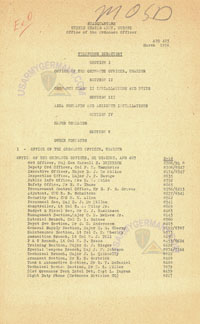
| EUCOM Chief of Ordnance in 1952 is Brig Gen Ray M. Hare Currently, one of the primary mission's of the Ordnance Division is the rebuilding of WWII-vintage ordnance materiel for equipping the armies of Allies under the Mutual Defense Assistance Program. In additional to the rebuild program, the Ord Div is also responsible for training (in the EUCOM Ordnance School) officers and men of the MDAP nations in the maintenance of the equipment that they are receiving through the rebuild program. The Rebuild Program began in May 1947 when the Ordnance Division was tasked with collect and rehabilitate equipment that had been left in theater when units redeployed to the US after WWII. This surplus equipment was scattered around Germany in depots and vehicle parks. The Ord Div began actual rebuilding operations in 1948. Equipment declared excess of Army needs were channeled through STEG (1) for disposal. This program is still active and continues to supply rebuilt equipment to both US troops as well as to allied nations under MDAP. So far (March 1952), the program has rebuilt approximately $1 billion worth of equipment that includes wheeled and tracked vehicles (jeeps, trucks and tanks), artillery, small arms, automatic weapons, tires and tubes, fire-control apparatus, tools and parts. The cost to US taxpayers was less than $100 million. (Returning the equipment to the US for rebuild and then resupply back to the European theater would have cost about $600 million). Due to the added missions of supporting the MDAP program and the build up of US troops in theater, the Ordnance Division has undergone a major reorganization in the recent past. Four ordnance groups have been formed under the Ord Div to handle the increased load and to maintain operational control of the 20+ ordnance installations in theater:
|
||||||||||||||||||||||||||||||||||||||||||||||||||||||||||||||||||||||||||||||||||||||||||||||||||||||||||||||||||||||||||||||||||||||||||||||||||||||
Ordnance Installations in Germany include:
|
||||||||||||||||||||||||||||||||||||||||||||||||||||||||||||||||||||||||||||||||||||||||||||||||||||||||||||||||||||||||||||||||||||||||||||||||||||||
| Of note, more than 24,000 Germans are employed by the ordnance depots in Germany. | ||||||||||||||||||||||||||||||||||||||||||||||||||||||||||||||||||||||||||||||||||||||||||||||||||||||||||||||||||||||||||||||||||||||||||||||||||||||
Ordnance Installations in France include:
|
||||||||||||||||||||||||||||||||||||||||||||||||||||||||||||||||||||||||||||||||||||||||||||||||||||||||||||||||||||||||||||||||||||||||||||||||||||||
| (1) STEG (Staatliche Erfassungsstelle für öffentliches Gut) is the West German government-controlled agency responsible for the disposal of surplus equipment. | ||||||||||||||||||||||||||||||||||||||||||||||||||||||||||||||||||||||||||||||||||||||||||||||||||||||||||||||||||||||||||||||||||||||||||||||||||||||
| (Source: STARS & STRIPES, Dec 8, 1953) | ||||||||||||||||||||||||||||||||||||||||||||||||||||||||||||||||||||||||||||||||||||||||||||||||||||||||||||||||||||||||||||||||||||||||||||||||||||||
| USAREUR Ord Div announced on December 7 that ten ordnance installations have been renamed. Under the new naming system, ordnance installations are classified as either supply or maintenance. Maintenance installations are further broken down as to the type of maintenance performed. (All other ordnance installations remain unchanged.) The installations renamed are as follows: |
||||||||||||||||||||||||||||||||||||||||||||||||||||||||||||||||||||||||||||||||||||||||||||||||||||||||||||||||||||||||||||||||||||||||||||||||||||||
|
||||||||||||||||||||||||||||||||||||||||||||||||||||||||||||||||||||||||||||||||||||||||||||||||||||||||||||||||||||||||||||||||||||||||||||||||||||||
| (Source: STARS & STRIPES, May 14, 1953) | ||||||||||||||||||||||||||||||||||||||||||||||||||||||||||||||||||||||||||||||||||||||||||||||||||||||||||||||||||||||||||||||||||||||||||||||||||||||
| USAREUR Ordnance 1952/53 On the occasion of the Army Ordnance Corps' 141st Anniversary observance at Spinelli Barracks, Mannheim, Brig Gen Earl S. Gruver, ordnance officer of USAREUR, will inspect the honor guard and then witness a display of ordnance materiel required to supply an infantry regiment, including weapons, ammunition, wheeled and tracked vehicles, tools and fire control instruments. Guests for the day's activities will include, in addition to Gruver, Col George W. White, deputy ordnance officer for USAREUR, and Lt Col F. E. Hendler, commanding officer of the 53rd Ord Gp. A parade and review of troops in honor of Gruver will follow the demonstration. To train manpower in Europe for the technical role of Ordnance is the mission of the USAREUR Ordnance School at Fuessen. Here, both officers and enlisted men as well as personnel of countries taking part in the North Atlantic Treaty Organization and the Mutual Security Administration program receive instruction in subjects ranging from special parts identification to maintenance of the M47 tank. Another ordnance unit, the 51st Ord Gp, commanded by Col Philip Schwartz, can well be called the Army arsenal in Europe. Into the depots and installations of this group are funneled all the worn and disabled guns, instruments, fire control equipment, wheeled and tracked vehicles and tires. After being rebuilt and reconditioned, this equipment is put back in use with US forces and NATO nations. The 53rd Ord Gp processed for shipment more than 100,000 wheeled and tracked vehicles during the past year. The group is located at the Germersheim Ordnance Vehicle Park and the Rhine Ordnance Depot. The Germersheim park was established for vehicle processing in connection with the Mutual Defense Assistance Program. The ordnance offshore procurement program, administered by the Ordnance Procurement Center under the command of Col Joseph M. Colby, is another of Gruver's responsibilies. |
||||||||||||||||||||||||||||||||||||||||||||||||||||||||||||||||||||||||||||||||||||||||||||||||||||||||||||||||||||||||||||||||||||||||||||||||||||||
| 1954 | ||||||||||||||||||||||||||||||||||||||||||||||||||||||||||||||||||||||||||||||||||||||||||||||||||||||||||||||||||||||||||||||||||||||||||||||||||||||
| (Source: STARS & STRIPES, May 11, 1954) | ||||||||||||||||||||||||||||||||||||||||||||||||||||||||||||||||||||||||||||||||||||||||||||||||||||||||||||||||||||||||||||||||||||||||||||||||||||||
Reduction of the Army Rebuild Program |
||||||||||||||||||||||||||||||||||||||||||||||||||||||||||||||||||||||||||||||||||||||||||||||||||||||||||||||||||||||||||||||||||||||||||||||||||||||
| EUCOM Ordnance Division (1956) | ||||||||||||||||||||||||||||||||||||||||||||||||||||||||||||||||||||||||||||||||||||||||||||||||||||||||||||||||||||||||||||||||||||||||||||||||||||||
| (Source: Telephone Directory, USAREUR Ordnance Division, March 1956) | ||||||||||||||||||||||||||||||||||||||||||||||||||||||||||||||||||||||||||||||||||||||||||||||||||||||||||||||||||||||||||||||||||||||||||||||||||||||
|
||||||||||||||||||||||||||||||||||||||||||||||||||||||||||||||||||||||||||||||||||||||||||||||||||||||||||||||||||||||||||||||||||||||||||||||||||||||
| Ordnance Maintenance & Supply units in USAREUR (1) | ||||||||||||||||||||||||||||||||||||||||||||||||||||||||||||||||||||||||||||||||||||||||||||||||||||||||||||||||||||||||||||||||||||||||||||||||||||||
| (Source: Telephone Directory, USAREUR Ordnance Division, March 1956) | ||||||||||||||||||||||||||||||||||||||||||||||||||||||||||||||||||||||||||||||||||||||||||||||||||||||||||||||||||||||||||||||||||||||||||||||||||||||
| 47th ORD GP ORGANIZATION (March 1956): | ||||||||||||||||||||||||||||||||||||||||||||||||||||||||||||||||||||||||||||||||||||||||||||||||||||||||||||||||||||||||||||||||||||||||||||||||||||||
|
||||||||||||||||||||||||||||||||||||||||||||||||||||||||||||||||||||||||||||||||||||||||||||||||||||||||||||||||||||||||||||||||||||||||||||||||||||||
| 51st ORD GP ORGANIZATION (March 1956): | ||||||||||||||||||||||||||||||||||||||||||||||||||||||||||||||||||||||||||||||||||||||||||||||||||||||||||||||||||||||||||||||||||||||||||||||||||||||
|
||||||||||||||||||||||||||||||||||||||||||||||||||||||||||||||||||||||||||||||||||||||||||||||||||||||||||||||||||||||||||||||||||||||||||||||||||||||
| (1) Does not include ordnance units in COMZEUR; ordnance ammunition units are listed below. | ||||||||||||||||||||||||||||||||||||||||||||||||||||||||||||||||||||||||||||||||||||||||||||||||||||||||||||||||||||||||||||||||||||||||||||||||||||||
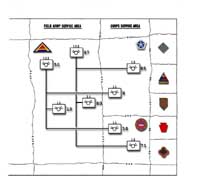
| FIELD ARMY LEVEL ORDNANCE UNITS - 1950s | ||||||||||||||||||||||||||||||||||||||||||||||||||||||||||||||||||||||||||||||||||||||||||||||||||||||||||||||||||||||||||||||||||||||||||||||||||||||
|
||||||||||||||||||||||||||||||||||||||||||||||||||||||||||||||||||||||||||||||||||||||||||||||||||||||||||||||||||||||||||||||||||||||||||||||||||||||
|
|
||||||||||||||||||||||||||||||||||||||||||||||||||||||||||||||||||||||||||||||||||||||||||||||||||||||||||||||||||||||||||||||||||||||||||||||||||||||
| Ordnance - Ammunition Supply | ||||||||||||||||||||||||||||||||||||||||||||||||||||||||||||||||||||||||||||||||||||||||||||||||||||||||||||||||||||||||||||||||||||||||||||||||||||||
| (Source: Telephone Directory, USAREUR Ordnance Division, March 1956) | ||||||||||||||||||||||||||||||||||||||||||||||||||||||||||||||||||||||||||||||||||||||||||||||||||||||||||||||||||||||||||||||||||||||||||||||||||||||
| 57th ORD GP (AMMO) ORGANIZATION (March 1956): | ||||||||||||||||||||||||||||||||||||||||||||||||||||||||||||||||||||||||||||||||||||||||||||||||||||||||||||||||||||||||||||||||||||||||||||||||||||||
|
||||||||||||||||||||||||||||||||||||||||||||||||||||||||||||||||||||||||||||||||||||||||||||||||||||||||||||||||||||||||||||||||||||||||||||||||||||||
| 71st ORD GP (M&S) ORGANIZATION (March 1956): | ||||||||||||||||||||||||||||||||||||||||||||||||||||||||||||||||||||||||||||||||||||||||||||||||||||||||||||||||||||||||||||||||||||||||||||||||||||||
|
||||||||||||||||||||||||||||||||||||||||||||||||||||||||||||||||||||||||||||||||||||||||||||||||||||||||||||||||||||||||||||||||||||||||||||||||||||||
|
|
||||||||||||||||||||||||||||||||||||||||||||||||||||||||||||||||||||||||||||||||||||||||||||||||||||||||||||||||||||||||||||||||||||||||||||||||||||||
| Ordnance Procurement
Center
See some history of present day Mannheim Laboratory Center |
||||||||||||||||||||||||||||||||||||||||||||||||||||||||||||||||||||||||||||||||||||||||||||||||||||||||||||||||||||||||||||||||||||||||||||||||||||||
| Ordnance - 7th Army Modern Army Supply System (MASS) Project | ||||||||||||||||||||||||||||||||||||||||||||||||||||||||||||||||||||||||||||||||||||||||||||||||||||||||||||||||||||||||||||||||||||||||||||||||||||||
| For some of the information on the role of the Ordnance Technical Service in the 7th Army MASS project, see the relevant section on the 19th Ord Bn Page. | ||||||||||||||||||||||||||||||||||||||||||||||||||||||||||||||||||||||||||||||||||||||||||||||||||||||||||||||||||||||||||||||||||||||||||||||||||||||
| (More MASS Project information to be added) | ||||||||||||||||||||||||||||||||||||||||||||||||||||||||||||||||||||||||||||||||||||||||||||||||||||||||||||||||||||||||||||||||||||||||||||||||||||||
 |
||||||||||||||||||||||||||||||||||||||||||||||||||||||||||||||||||||||||||||||||||||||||||||||||||||||||||||||||||||||||||||||||||||||||||||||||||||||
|
|
||||||||||||||||||||||||||||||||||||||||||||||||||||||||||||||||||||||||||||||||||||||||||||||||||||||||||||||||||||||||||||||||||||||||||||||||||||||
| The 1960s | ||||||||||||||||||||||||||||||||||||||||||||||||||||||||||||||||||||||||||||||||||||||||||||||||||||||||||||||||||||||||||||||||||||||||||||||||||||||
| Class V Ordnance Service in the European Theater | ||||||||||||||||||||||||||||||||||||||||||||||||||||||||||||||||||||||||||||||||||||||||||||||||||||||||||||||||||||||||||||||||||||||||||||||||||||||
| (Source: History of the 15th Ordnance Battalion, Adjutant, HQ 15th Ord Bn, 1980s) | ||||||||||||||||||||||||||||||||||||||||||||||||||||||||||||||||||||||||||||||||||||||||||||||||||||||||||||||||||||||||||||||||||||||||||||||||||||||
| In 1961, a realignment of ordnance support units in Germany, including ammunition units, was effected. Previously, the three Class V ordnance battalions were grouped under 57th Ord Gp (Ammo). In November, the 15th Ord Bn was relieved from attachment to the 57th and attached to the 51st Ord Gp. Similarily, the 101st Ord Bn was relieved (probably in the same time frame) from the 57th and attached to the 47th Ord Gp. The 84th Ord Bn remained attached to the 57th Ord Gp. At the same time, the mission of the Class V ordnance battalions changed and they became "composite organizations" consisting of conventional and special ammunition companies, as well as supply and maintenance companies. The 15th Ord Bn unit history goes on to say that the battalion's "composite organization" was soon changed back to a purely ammunition organization (probably in 1963). This is probably true for the other ammo battalions. The battalions, however, remained attached to the "composite" ordnance groups until 1965, when the COSTAR concept was implemented. |
||||||||||||||||||||||||||||||||||||||||||||||||||||||||||||||||||||||||||||||||||||||||||||||||||||||||||||||||||||||||||||||||||||||||||||||||||||||
| (Source: STATION LIST, 30 September 1963) | ||||||||||||||||||||||||||||||||||||||||||||||||||||||||||||||||||||||||||||||||||||||||||||||||||||||||||||||||||||||||||||||||||||||||||||||||||||||
| CLASS V SUPPORT (COMPANY SIZE) | ||||||||||||||||||||||||||||||||||||||||||||||||||||||||||||||||||||||||||||||||||||||||||||||||||||||||||||||||||||||||||||||||||||||||||||||||||||||
|
||||||||||||||||||||||||||||||||||||||||||||||||||||||||||||||||||||||||||||||||||||||||||||||||||||||||||||||||||||||||||||||||||||||||||||||||||||||
| CLASS V COMMAND UNITS | ||||||||||||||||||||||||||||||||||||||||||||||||||||||||||||||||||||||||||||||||||||||||||||||||||||||||||||||||||||||||||||||||||||||||||||||||||||||
|
||||||||||||||||||||||||||||||||||||||||||||||||||||||||||||||||||||||||||||||||||||||||||||||||||||||||||||||||||||||||||||||||||||||||||||||||||||||
COMMAND CODES
|
||||||||||||||||||||||||||||||||||||||||||||||||||||||||||||||||||||||||||||||||||||||||||||||||||||||||||||||||||||||||||||||||||||||||||||||||||||||
|
||||||||||||||||||||||||||||||||||||||||||||||||||||||||||||||||||||||||||||||||||||||||||||||||||||||||||||||||||||||||||||||||||||||||||||||||||||||
| (Source: Email from Rick Anders, Germany) | ||||||||||||||||||||||||||||||||||||||||||||||||||||||||||||||||||||||||||||||||||||||||||||||||||||||||||||||||||||||||||||||||||||||||||||||||||||||
| As already mentioned on different pages of this web site, Rick is doing research on various topics relating to French units stationed in Germany. His investigations have led him to many different governmental archives in France and Germany. As a courtesy, he has provided to this web site many tidbits of information that pertain to the US Army in Germany that he finds as part of his efforts. | ||||||||||||||||||||||||||||||||||||||||||||||||||||||||||||||||||||||||||||||||||||||||||||||||||||||||||||||||||||||||||||||||||||||||||||||||||||||
| Found something about the 47th Ord Gp you might be interested in. The following information is from 1962. The 47th Ord Gp at Stuttgart has responsibility for 13 ammunition storage sites in Baden-Württemberg and eight in Bavaria (including Bamberg). Those in B-W are at: |
||||||||||||||||||||||||||||||||||||||||||||||||||||||||||||||||||||||||||||||||||||||||||||||||||||||||||||||||||||||||||||||||||||||||||||||||||||||
|
||||||||||||||||||||||||||||||||||||||||||||||||||||||||||||||||||||||||||||||||||||||||||||||||||||||||||||||||||||||||||||||||||||||||||||||||||||||
| The 51st Ord Gp at Mannheim had eight or nine sites in Hesse. | ||||||||||||||||||||||||||||||||||||||||||||||||||||||||||||||||||||||||||||||||||||||||||||||||||||||||||||||||||||||||||||||||||||||||||||||||||||||
| The 57th Ord Gp at Kaiserslautern had five sites in Rhineland-Palatinate and the Saarland. | ||||||||||||||||||||||||||||||||||||||||||||||||||||||||||||||||||||||||||||||||||||||||||||||||||||||||||||||||||||||||||||||||||||||||||||||||||||||
| Webmaster Note: Will work on getting the 51st and 57th sites identified and creating a list for each of the Ord Groups. Will also work on identifying which sites were being operated by which ordnance ammo companies in the 1960s (see list above). Will be happy to receive help from anybody who might know some of these details. MISCELLANEOUS INFORMATION: Miesau Depot Activity ABREST Pirmasens Depot Activity ABREST PSP Koeppern (German: Munitionsdepot Wehrheim-Rosbach) became operational in 1952 and was handed over to the Bundeswehr in 1997 PSP Bernbach (German: Munitionsdepot Freigericht-Bernbach) |
||||||||||||||||||||||||||||||||||||||||||||||||||||||||||||||||||||||||||||||||||||||||||||||||||||||||||||||||||||||||||||||||||||||||||||||||||||||
| Ordnance - Special Weapons Support | ||||||||||||||||||||||||||||||||||||||||||||||||||||||||||||||||||||||||||||||||||||||||||||||||||||||||||||||||||||||||||||||||||||||||||||||||||||||
| Nuclear-capable artillery in NATO - 1965 | ||||||||||||||||||||||||||||||||||||||||||||||||||||||||||||||||||||||||||||||||||||||||||||||||||||||||||||||||||||||||||||||||||||||||||||||||||||||
| Nuclear Ammunition Storage | ||||||||||||||||||||||||||||||||||||||||||||||||||||||||||||||||||||||||||||||||||||||||||||||||||||||||||||||||||||||||||||||||||||||||||||||||||||||
| (Sources: "The Elegibility for Infrastructure Funding of Certain Projects in MC 32/11," a Standing Group Report, SG 137/54, 25 August 1958, courtesy Historical Office, SHAPE (NATO Archives website), accessed June 28 2019) | ||||||||||||||||||||||||||||||||||||||||||||||||||||||||||||||||||||||||||||||||||||||||||||||||||||||||||||||||||||||||||||||||||||||||||||||||||||||
| Description of Nuclear Ammunition Storages | ||||||||||||||||||||||||||||||||||||||||||||||||||||||||||||||||||||||||||||||||||||||||||||||||||||||||||||||||||||||||||||||||||||||||||||||||||||||
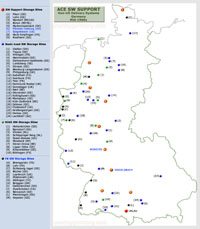
| 1. Storage for nuclear weapons must be provided in magazines capable of providing protection from the elements and from attack. Maintenance must be carried out in special buildings at storage sites and at rearward support and depot installations. Security requirements will dictate the use of fencing, floodlights, guard towers, and alarm devices etc. 2. There will be, in general, three echelons of infrastructure facilities necessary to support the fully implemented NATO nuclear stockpile concept,   a. Custodial storage sites, or "basic load sites". One of these sites will be located near each unit or group of units having an atomic delivery capability. This basic site will consist of a double fenced enclosure in which storage facilities and a maintenance building are located. Storage facilities will consist of one or more ammnnition magazines of the semi-buried, or cut-and-cover type. The size of the basic site will vary depending on the nature of the atomic delivery unit supported. (Rough estimate of cost for a typical unit of this type is £ 500,000). b. The second echelon of infrastructure facilities will be the support sites. These will contain several magazines for weapons awaiting repair or reissue. A maintenance building larger than that at the basic site will be required. One or more storage buildings for spare parts will be needed. Security fence, guard posts, etc. will be similar to those in the basic sites. (Rough estimate of cost for a typical nnit of this type is £ 400,000). c. The third echelon of infrastructure facilities will be the depot sites. These will contain, in addition to storage magazines, the necessary shop space for high order maintenance and weapons modification operations. Security fencing and guard posts will be required. (Rough estimate a. Custodial storage sites, or "basic load sites". One of these sites will be located near each unit or group of units having an atomic delivery capability. This basic site will consist of a double fenced enclosure in which storage facilities and a maintenance building are located. Storage facilities will consist of one or more ammnnition magazines of the semi-buried, or cut-and-cover type. The size of the basic site will vary depending on the nature of the atomic delivery unit supported. (Rough estimate of cost for a typical unit of this type is £ 500,000). b. The second echelon of infrastructure facilities will be the support sites. These will contain several magazines for weapons awaiting repair or reissue. A maintenance building larger than that at the basic site will be required. One or more storage buildings for spare parts will be needed. Security fence, guard posts, etc. will be similar to those in the basic sites. (Rough estimate of cost for a typical nnit of this type is £ 400,000). c. The third echelon of infrastructure facilities will be the depot sites. These will contain, in addition to storage magazines, the necessary shop space for high order maintenance and weapons modification operations. Security fencing and guard posts will be required. (Rough estimateof cost for a typical unit of this type is £ 2 million). 3. Small units of US personnel will be required to carry out maintenance, custody, and assembly operations at the basic, support and depot sites. Where administrative facilities to accomodate these personnel are not available at the storage site, such facilities are a proper charge against common infrastructure funding, in the same manner as they are provided at Early Warning Sites. Such facilities will be required since it is probable that many stockpile sites will be located in areas remote from other installations and facilities. A rough estimate of cost for administrative facilities would be £ 1,000 per man, in addition to the above. 4. It will be necessary to provide adequate and reliable communications facilities (radio and land line) in order to:  a. accomplish the desired control from SACEUR (and his designated Subordinate Commands) to delivery sites and delivery forces. b. provide for administrative and logistic support between rearward and forward echelons. c. provide liaison between advanced echelons and supported NATO delivery forces. d. provide means for reporting between US custodians at basic load sites to nuclear weapons accounting agencies. a. accomplish the desired control from SACEUR (and his designated Subordinate Commands) to delivery sites and delivery forces. b. provide for administrative and logistic support between rearward and forward echelons. c. provide liaison between advanced echelons and supported NATO delivery forces. d. provide means for reporting between US custodians at basic load sites to nuclear weapons accounting agencies. 5. To accomplish these functions, infrastructure requirements will include the construction of extensions to national PTT systems and the provision of telephone, teletype and cryptographic equipment as required. |
||||||||||||||||||||||||||||||||||||||||||||||||||||||||||||||||||||||||||||||||||||||||||||||||||||||||||||||||||||||||||||||||||||||||||||||||||||||
| Nuclear Ammunition Storage Types | ||||||||||||||||||||||||||||||||||||||||||||||||||||||||||||||||||||||||||||||||||||||||||||||||||||||||||||||||||||||||||||||||||||||||||||||||||||||
| (Source: German Bundesarchiv, via Rick Anders) | ||||||||||||||||||||||||||||||||||||||||||||||||||||||||||||||||||||||||||||||||||||||||||||||||||||||||||||||||||||||||||||||||||||||||||||||||||||||
|
||||||||||||||||||||||||||||||||||||||||||||||||||||||||||||||||||||||||||||||||||||||||||||||||||||||||||||||||||||||||||||||||||||||||||||||||||||||
| (Sources: NATO Strategy Documents, 1949-1969, Historical Office, SHAPE, 1997; Die Anfangsjahre des Heeres, 1956-1966, Special Issue #5002, Tankograd Militärfahrzeug, 2003; War Without Battles, Canada's NATO Brigade in Germany, 1951-1993, by Sean M. Maloney, 1997) | ||||||||||||||||||||||||||||||||||||||||||||||||||||||||||||||||||||||||||||||||||||||||||||||||||||||||||||||||||||||||||||||||||||||||||||||||||||||
| SHIELD AND SWORD In 1958, a plan - called MC 70 - was developed by NATO to restructure forces committed to ACE, based on the 1957 strategic concept (MC 14/2). The plan entailed integrating nuclear delivery systems into the "Shield" forces (1), thus making available to NATO members a range of nuclear-capable tube artillery (M-110), short range and medium range surface-to-surface missiles (HJ; Sergeant; Corporal) and nuclear-tiped anti-aircaft missiles (NIKE-H). A result of this was the creation in 1958 of a stockpile of US nuclear warheads available to NATO members who at the same time acquired the appropriate delivery systems. The American-owned weapons could only be released on the order of SACEUR. |
||||||||||||||||||||||||||||||||||||||||||||||||||||||||||||||||||||||||||||||||||||||||||||||||||||||||||||||||||||||||||||||||||||||||||||||||||||||
|
||||||||||||||||||||||||||||||||||||||||||||||||||||||||||||||||||||||||||||||||||||||||||||||||||||||||||||||||||||||||||||||||||||||||||||||||||||||
| Ordnance - TOEs activated or reorganized under the COSTAR Concept | ||||||||||||||||||||||||||||||||||||||||||||||||||||||||||||||||||||||||||||||||||||||||||||||||||||||||||||||||||||||||||||||||||||||||||||||||||||||
| (Source: FM 101-10-2 Extracts of Tables of Organization and Equipment, January 1965 with Change 1) | ||||||||||||||||||||||||||||||||||||||||||||||||||||||||||||||||||||||||||||||||||||||||||||||||||||||||||||||||||||||||||||||||||||||||||||||||||||||
Click on  thumbnails to view additional details on particular TOE's thumbnails to view additional details on particular TOE's |
||||||||||||||||||||||||||||||||||||||||||||||||||||||||||||||||||||||||||||||||||||||||||||||||||||||||||||||||||||||||||||||||||||||||||||||||||||||
| (STATION LIST, 30 September 1966) TOE 29-134F / Light Equipment GS Maintenance Company 78th Lt Equip GS Mnt Company, Panzer Ksn, Boeblingen 81st Lt Equip GS Mnt Company, Sullivan Bks, Mannheim 91st Lt Equip GS Mnt Company, Pulaski Bks, Kaiserslautern 182nd Lt Equip GS Mnt Company, W.O. Darby Ksn, Fuerth 881st Lt Equip GS Mnt Company, Hessen-Homburg Ksn, Hanau TOE 29-137F / Heavy Equipment GS Maintenance Company 42nd Hvy Equip GS Mnt Company, W.O. Darby Ksn, Fuerth 43rd Hvy Equip GS Mnt Company, Daenner Ksn, Kaiserslautern 66th Hvy Equip GS Mnt Company, Harvey Bks, Kitzingen 77th Hvy Equip GS Mnt Company, Gerszewski Bks, Knielingen 88th Hvy Equip GS Mnt Company, Pioneer Ksn, Hanau 124th Hvy Equip GS Mnt Company, Nellingen 507th Hvy Equip GS Mnt Company, Grossauheim Ksn, Hanau 517th Hvy Equip GS Mnt Company, Tompkins Bks, Schwetzingen 543rd Hvy Equip GS Mnt Company, Pioneer Ksn, Hanau 572nd Hvy Equip GS Mnt Company, Wharton Bks, Heilbronn 903rd Hvy Equip GS Mnt Company, Nellingen TOE 29-139F / Collection, Classification and Salvage Company 296th Col Cls-Salv Company, Hutier Ksn, Hanau - read more 508th Col Cls-Salv Company, Pulaski Bks, Kaiserslautern 538th Col Cls-Salv Company, Nellingen - read more TOE 29-136F / Maintenance GS Battalion - Hq & Hq Det, 8th Maint Bn (GS), Grossauheim Ksn, Hanau - read more Hq & Hq Det, 81st Maint Bn (GS), Taylor Bks, Mannheim - read more Hq & Hq Det, 87th Maint Bn (GS), Nellingen Ksn, Nellingen - read more TOE 29-205F / Maintenance DS Battalion - Hq & A Co (Main Spt), 1st Maint Bn (DS), Ludendorff Ksn, Kornwestheim - read more  B Co (Lt Maint), 1st Maint Bn, Eastman Bks, Dachau C Co (Lt Maint), 1st Maint Bn, Artillery Ksn, Neckarsulm D Co (Lt Maint), 1st Maint Bn, Flak Ksn, Ludwigsburg B Co (Lt Maint), 1st Maint Bn, Eastman Bks, Dachau C Co (Lt Maint), 1st Maint Bn, Artillery Ksn, Neckarsulm D Co (Lt Maint), 1st Maint Bn, Flak Ksn, Ludwigsburg Hq & A Co (Main Spt), 19th Maint Bn (DS), Pendleton Bks, Giessen - read more B Co (Lt Maint), 19th Maint Bn, Camp Pieri, WiesbadenC Co (Lt Maint), 19th Maint Bn, Downs Bks, Fulda Hq & A Co (Main Spt), 51st Maint Bn (DS), Sullivan Bks, Mannheim - read more B Co (Lt Maint), 51st Maint Bn, Gerszewski Bks, Knielingen C Co (Lt Maint), 51st Maint Bn, Spinelli Bks, Mannheim Hq & A Co (Main Spt), 66th Maint Bn (DS), Rhein Ord Bks, Kaiserslautern - read more B Co (Lt Maint), 66th Maint Bn, Rhein Ord Bks, KaiserslauternC Co (Lt Maint), 66th Maint Bn, Smith Bks, Baumholder Hq & A Co (Main Spt), 71st Maint Bn (DS), Pinder Ksn, Zirndorf - read more B Co (Lt Maint), 71st Maint Bn, Conn Bks, Schweinfurt C Co (Lt Maint), 71st Maint Bn, Ammo Depot, Bamberg Hq & A Co (Main Spt), 85th Maint Bn (DS), Pioneer Ksn, Hanau - read more B Co (Lt Maint), 85th Maint Bn, Pioneer Ksn, HanauC Co (Lt Maint), 85th Maint Bn, Fiori Bks, Aschaffenburg Please contact me  if you have additions, corrections or details on any of these units. if you have additions, corrections or details on any of these units.
|
||||||||||||||||||||||||||||||||||||||||||||||||||||||||||||||||||||||||||||||||||||||||||||||||||||||||||||||||||||||||||||||||||||||||||||||||||||||
|
||||||||||||||||||||||||||||||||||||||||||||||||||||||||||||||||||||||||||||||||||||||||||||||||||||||||||||||||||||||||||||||||||||||||||||||||||||||
|
|
||||||||||||||||||||||||||||||||||||||||||||||||||||||||||||||||||||||||||||||||||||||||||||||||||||||||||||||||||||||||||||||||||||||||||||||||||||||
| Related Links: |
||||||||||||||||||||||||||||||||||||||||||||||||||||||||||||||||||||||||||||||||||||||||||||||||||||||||||||||||||||||||||||||||||||||||||||||||||||||








 NATO Strategy Documents
  Militärfahrzeug Special
  War Without Battles cover