Tactical Air Control System |
|||||||||||||||||||||||||||||||||||||||||||||||||||||||||||||||||||||||||||||||||||||||||||||||||||||||||||||||||||||||||||||||||||||||||||||||||||||||||||||||||||||||||||||||||||||||||||||||||||||||||||||||||||||||||||||||||||||||||||||||||||||||||||||||||||||||||||||||||||
|
|||||||||||||||||||||||||||||||||||||||||||||||||||||||||||||||||||||||||||||||||||||||||||||||||||||||||||||||||||||||||||||||||||||||||||||||||||||||||||||||||||||||||||||||||||||||||||||||||||||||||||||||||||||||||||||||||||||||||||||||||||||||||||||||||||||||||||||||||||
| 86th Air Division (Defense) | |||||||||||||||||||||||||||||||||||||||||||||||||||||||||||||||||||||||||||||||||||||||||||||||||||||||||||||||||||||||||||||||||||||||||||||||||||||||||||||||||||||||||||||||||||||||||||||||||||||||||||||||||||||||||||||||||||||||||||||||||||||||||||||||||||||||||||||||||||
| 86th Air Division (Defense) Command Histories | |||||||||||||||||||||||||||||||||||||||||||||||||||||||||||||||||||||||||||||||||||||||||||||||||||||||||||||||||||||||||||||||||||||||||||||||||||||||||||||||||||||||||||||||||||||||||||||||||||||||||||||||||||||||||||||||||||||||||||||||||||||||||||||||||||||||||||||||||||
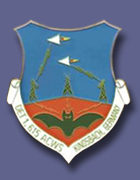
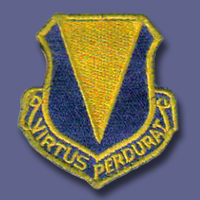 86th Air Division (Defense) Patch 86th Air Division (Defense) Patch |
|||||||||||||||||||||||||||||||||||||||||||||||||||||||||||||||||||||||||||||||||||||||||||||||||||||||||||||||||||||||||||||||||||||||||||||||||||||||||||||||||||||||||||||||||||||||||||||||||||||||||||||||||||||||||||||||||||||||||||||||||||||||||||||||||||||||||||||||||||
| (Source: 601st Tactical Control Wing - A Historical Perspective, HQ 601st TCW, prob 1982 or soon thereafter) | |||||||||||||||||||||||||||||||||||||||||||||||||||||||||||||||||||||||||||||||||||||||||||||||||||||||||||||||||||||||||||||||||||||||||||||||||||||||||||||||||||||||||||||||||||||||||||||||||||||||||||||||||||||||||||||||||||||||||||||||||||||||||||||||||||||||||||||||||||
|
|||||||||||||||||||||||||||||||||||||||||||||||||||||||||||||||||||||||||||||||||||||||||||||||||||||||||||||||||||||||||||||||||||||||||||||||||||||||||||||||||||||||||||||||||||||||||||||||||||||||||||||||||||||||||||||||||||||||||||||||||||||||||||||||||||||||||||||||||||
| After undergoing a aeries of relocations, changes of assignment, and inactivations/activations the four squadrons were assigned to USAFE by 1 July 1948; just in time to take part in the Berlin Airlift. These radar units helped guide air transports along air routes to Berlin and ware awarded the Medal for Humane Action for their efforts. 0n 1 December 1948, each of the four tactical control squadron, was designated an aircraft control and warning squadron or AC&WS. (Source: OCCUPATION FORCES Series) Tactical Control Sites - Dec 1948:
At this point in time concerning the development of the European TACS, a parallel situation developed in that the 526th TCG was activated at Spangdahlem AB on 1 November 1953. Its operational component units were the 619th TCS (Toul Rosiere AB, France), the 604th AC&WS (Freising, Germany), the 615th AC&WS (Pruem, Germany), and the 616th AC&WS (Ulm, Germany). These subordinate units came from several sources. For instance, as previously shown, the 604th AC&WS had originally been Company "D" of the 555th and was assigned to the 501st TCG prior to 15 July 1952. At this time, control of the 604th passed to the 155th TCG prior to being assigned to the 526th TCG in November 1953. Conversely, the 619th TCS was a newly activated unit which took over the personnel and equipment of the just inactivated 121st TCS; a National Guard element prior to 1951 whose main element arrived in Europe on 4 November 1952. In any event, like the 501st TCG, the 526th reported directly to Twelfth Air Force under USAFE. On 1 July 1955, the 501st and 526th TCGs merged to form the Tactical Control Wing, Provisional. In all, this consolidation process brought a number of elements together to form Twelfth Air Forces tactical control system. These included two tactical control squadrons (the 807th TCS and 619th TCS), six aircraft control and warning squadrons (the 601st AC&WS, 602d AC&WS, 603rd AC&WS, 604th AC&WS, 615th AC&WS, and 616th AC&WS), and three Shoran Beacon Squadrons (the 3rd Shor. B., 6th Shor. B., and 7th Shor. B.). |
|||||||||||||||||||||||||||||||||||||||||||||||||||||||||||||||||||||||||||||||||||||||||||||||||||||||||||||||||||||||||||||||||||||||||||||||||||||||||||||||||||||||||||||||||||||||||||||||||||||||||||||||||||||||||||||||||||||||||||||||||||||||||||||||||||||||||||||||||||
|
|||||||||||||||||||||||||||||||||||||||||||||||||||||||||||||||||||||||||||||||||||||||||||||||||||||||||||||||||||||||||||||||||||||||||||||||||||||||||||||||||||||||||||||||||||||||||||||||||||||||||||||||||||||||||||||||||||||||||||||||||||||||||||||||||||||||||||||||||||
| (Source: HQ USAFE, via Frank Fischer) | |||||||||||||||||||||||||||||||||||||||||||||||||||||||||||||||||||||||||||||||||||||||||||||||||||||||||||||||||||||||||||||||||||||||||||||||||||||||||||||||||||||||||||||||||||||||||||||||||||||||||||||||||||||||||||||||||||||||||||||||||||||||||||||||||||||||||||||||||||
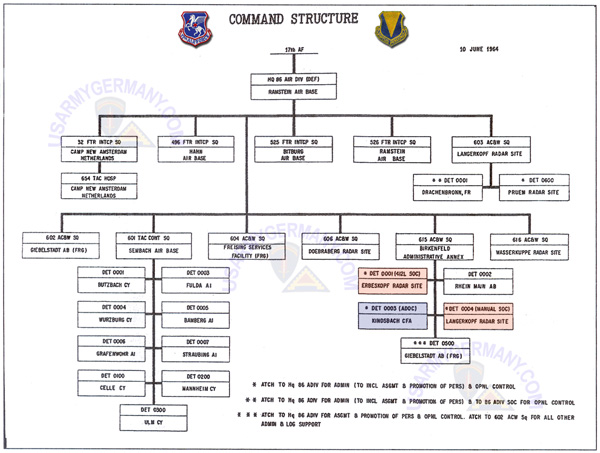 86th AIR DIVISION, June 1964 |
|||||||||||||||||||||||||||||||||||||||||||||||||||||||||||||||||||||||||||||||||||||||||||||||||||||||||||||||||||||||||||||||||||||||||||||||||||||||||||||||||||||||||||||||||||||||||||||||||||||||||||||||||||||||||||||||||||||||||||||||||||||||||||||||||||||||||||||||||||
| (Source: ON GUARD, May 1964, via Frank Fischer) | |||||||||||||||||||||||||||||||||||||||||||||||||||||||||||||||||||||||||||||||||||||||||||||||||||||||||||||||||||||||||||||||||||||||||||||||||||||||||||||||||||||||||||||||||||||||||||||||||||||||||||||||||||||||||||||||||||||||||||||||||||||||||||||||||||||||||||||||||||
|
|||||||||||||||||||||||||||||||||||||||||||||||||||||||||||||||||||||||||||||||||||||||||||||||||||||||||||||||||||||||||||||||||||||||||||||||||||||||||||||||||||||||||||||||||||||||||||||||||||||||||||||||||||||||||||||||||||||||||||||||||||||||||||||||||||||||||||||||||||
 |
|||||||||||||||||||||||||||||||||||||||||||||||||||||||||||||||||||||||||||||||||||||||||||||||||||||||||||||||||||||||||||||||||||||||||||||||||||||||||||||||||||||||||||||||||||||||||||||||||||||||||||||||||||||||||||||||||||||||||||||||||||||||||||||||||||||||||||||||||||
| DETACHMENT 1, 86th AIR DIV (412L SOC Börfink) | |||||||||||||||||||||||||||||||||||||||||||||||||||||||||||||||||||||||||||||||||||||||||||||||||||||||||||||||||||||||||||||||||||||||||||||||||||||||||||||||||||||||||||||||||||||||||||||||||||||||||||||||||||||||||||||||||||||||||||||||||||||||||||||||||||||||||||||||||||
|
|||||||||||||||||||||||||||||||||||||||||||||||||||||||||||||||||||||||||||||||||||||||||||||||||||||||||||||||||||||||||||||||||||||||||||||||||||||||||||||||||||||||||||||||||||||||||||||||||||||||||||||||||||||||||||||||||||||||||||||||||||||||||||||||||||||||||||||||||||
| DETACHMENT 2, 86th AIR DIV | |||||||||||||||||||||||||||||||||||||||||||||||||||||||||||||||||||||||||||||||||||||||||||||||||||||||||||||||||||||||||||||||||||||||||||||||||||||||||||||||||||||||||||||||||||||||||||||||||||||||||||||||||||||||||||||||||||||||||||||||||||||||||||||||||||||||||||||||||||
|
|||||||||||||||||||||||||||||||||||||||||||||||||||||||||||||||||||||||||||||||||||||||||||||||||||||||||||||||||||||||||||||||||||||||||||||||||||||||||||||||||||||||||||||||||||||||||||||||||||||||||||||||||||||||||||||||||||||||||||||||||||||||||||||||||||||||||||||||||||
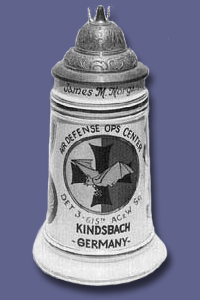
| DETACHMENT 3, 86th AIR DIV (ADOC Kindsbach) | |||||||||||||||||||||||||||||||||||||||||||||||||||||||||||||||||||||||||||||||||||||||||||||||||||||||||||||||||||||||||||||||||||||||||||||||||||||||||||||||||||||||||||||||||||||||||||||||||||||||||||||||||||||||||||||||||||||||||||||||||||||||||||||||||||||||||||||||||||
|
|||||||||||||||||||||||||||||||||||||||||||||||||||||||||||||||||||||||||||||||||||||||||||||||||||||||||||||||||||||||||||||||||||||||||||||||||||||||||||||||||||||||||||||||||||||||||||||||||||||||||||||||||||||||||||||||||||||||||||||||||||||||||||||||||||||||||||||||||||
| DETACHMENT 4, 86th AIR DIV | |||||||||||||||||||||||||||||||||||||||||||||||||||||||||||||||||||||||||||||||||||||||||||||||||||||||||||||||||||||||||||||||||||||||||||||||||||||||||||||||||||||||||||||||||||||||||||||||||||||||||||||||||||||||||||||||||||||||||||||||||||||||||||||||||||||||||||||||||||
| see 412L Depot Level Maintenance Facility | |||||||||||||||||||||||||||||||||||||||||||||||||||||||||||||||||||||||||||||||||||||||||||||||||||||||||||||||||||||||||||||||||||||||||||||||||||||||||||||||||||||||||||||||||||||||||||||||||||||||||||||||||||||||||||||||||||||||||||||||||||||||||||||||||||||||||||||||||||
| In 1968, with the reassignment of the AC&W squadrons to the newly formed 601st Tactical Control Wing, Det 4, 86th AD(D) was redesignated as Det 4, 601st TCW. No change of station or mission. | |||||||||||||||||||||||||||||||||||||||||||||||||||||||||||||||||||||||||||||||||||||||||||||||||||||||||||||||||||||||||||||||||||||||||||||||||||||||||||||||||||||||||||||||||||||||||||||||||||||||||||||||||||||||||||||||||||||||||||||||||||||||||||||||||||||||||||||||||||
| (Source: Forty-five Years of Vigilance for Freedom, United States Air Forces in Europe, 1942-1987. Office of History, HQ USAFE, Ramstein AB, Germany) | |||||||||||||||||||||||||||||||||||||||||||||||||||||||||||||||||||||||||||||||||||||||||||||||||||||||||||||||||||||||||||||||||||||||||||||||||||||||||||||||||||||||||||||||||||||||||||||||||||||||||||||||||||||||||||||||||||||||||||||||||||||||||||||||||||||||||||||||||||
| TACS Related Chronology -- 1945-1968 | |||||||||||||||||||||||||||||||||||||||||||||||||||||||||||||||||||||||||||||||||||||||||||||||||||||||||||||||||||||||||||||||||||||||||||||||||||||||||||||||||||||||||||||||||||||||||||||||||||||||||||||||||||||||||||||||||||||||||||||||||||||||||||||||||||||||||||||||||||
|
|||||||||||||||||||||||||||||||||||||||||||||||||||||||||||||||||||||||||||||||||||||||||||||||||||||||||||||||||||||||||||||||||||||||||||||||||||||||||||||||||||||||||||||||||||||||||||||||||||||||||||||||||||||||||||||||||||||||||||||||||||||||||||||||||||||||||||||||||||
|
|||||||||||||||||||||||||||||||||||||||||||||||||||||||||||||||||||||||||||||||||||||||||||||||||||||||||||||||||||||||||||||||||||||||||||||||||||||||||||||||||||||||||||||||||||||||||||||||||||||||||||||||||||||||||||||||||||||||||||||||||||||||||||||||||||||||||||||||||||
| If you have copies of the TAF REVIEW, the TACONEER or any of the other pubs listed below - I would be very interested in scans or photo copies... Also, if you know of other publications distributed by USAFE or NATO radar units or air defense organizations - I am very interested in knowing about them! | |||||||||||||||||||||||||||||||||||||||||||||||||||||||||||||||||||||||||||||||||||||||||||||||||||||||||||||||||||||||||||||||||||||||||||||||||||||||||||||||||||||||||||||||||||||||||||||||||||||||||||||||||||||||||||||||||||||||||||||||||||||||||||||||||||||||||||||||||||
|
|||||||||||||||||||||||||||||||||||||||||||||||||||||||||||||||||||||||||||||||||||||||||||||||||||||||||||||||||||||||||||||||||||||||||||||||||||||||||||||||||||||||||||||||||||||||||||||||||||||||||||||||||||||||||||||||||||||||||||||||||||||||||||||||||||||||||||||||||||
USAFE Newspaper with coverage of AC&WS units in the 1950s and early 1960s: |
|||||||||||||||||||||||||||||||||||||||||||||||||||||||||||||||||||||||||||||||||||||||||||||||||||||||||||||||||||||||||||||||||||||||||||||||||||||||||||||||||||||||||||||||||||||||||||||||||||||||||||||||||||||||||||||||||||||||||||||||||||||||||||||||||||||||||||||||||||
| USAFE RADAR UNITS | |||||||||||||||||||||||||||||||||||||||||||||||||||||||||||||||||||||||||||||||||||||||||||||||||||||||||||||||||||||||||||||||||||||||||||||||||||||||||||||||||||||||||||||||||||||||||||||||||||||||||||||||||||||||||||||||||||||||||||||||||||||||||||||||||||||||||||||||||||
|
|||||||||||||||||||||||||||||||||||||||||||||||||||||||||||||||||||||||||||||||||||||||||||||||||||||||||||||||||||||||||||||||||||||||||||||||||||||||||||||||||||||||||||||||||||||||||||||||||||||||||||||||||||||||||||||||||||||||||||||||||||||||||||||||||||||||||||||||||||
| (Source: Stars & Stripes, European edition, Feb 23, 1962) | |||||||||||||||||||||||||||||||||||||||||||||||||||||||||||||||||||||||||||||||||||||||||||||||||||||||||||||||||||||||||||||||||||||||||||||||||||||||||||||||||||||||||||||||||||||||||||||||||||||||||||||||||||||||||||||||||||||||||||||||||||||||||||||||||||||||||||||||||||
| Flying knights with feet on the ground By Wallace Beene, S&S Madrid Bureau |
|||||||||||||||||||||||||||||||||||||||||||||||||||||||||||||||||||||||||||||||||||||||||||||||||||||||||||||||||||||||||||||||||||||||||||||||||||||||||||||||||||||||||||||||||||||||||||||||||||||||||||||||||||||||||||||||||||||||||||||||||||||||||||||||||||||||||||||||||||
|
|||||||||||||||||||||||||||||||||||||||||||||||||||||||||||||||||||||||||||||||||||||||||||||||||||||||||||||||||||||||||||||||||||||||||||||||||||||||||||||||||||||||||||||||||||||||||||||||||||||||||||||||||||||||||||||||||||||||||||||||||||||||||||||||||||||||||||||||||||
| follow link to view photos and read the article from the Stars & Stripes archives | |||||||||||||||||||||||||||||||||||||||||||||||||||||||||||||||||||||||||||||||||||||||||||||||||||||||||||||||||||||||||||||||||||||||||||||||||||||||||||||||||||||||||||||||||||||||||||||||||||||||||||||||||||||||||||||||||||||||||||||||||||||||||||||||||||||||||||||||||||
|
|||||||||||||||||||||||||||||||||||||||||||||||||||||||||||||||||||||||||||||||||||||||||||||||||||||||||||||||||||||||||||||||||||||||||||||||||||||||||||||||||||||||||||||||||||||||||||||||||||||||||||||||||||||||||||||||||||||||||||||||||||||||||||||||||||||||||||||||||||
|
|||||||||||||||||||||||||||||||||||||||||||||||||||||||||||||||||||||||||||||||||||||||||||||||||||||||||||||||||||||||||||||||||||||||||||||||||||||||||||||||||||||||||||||||||||||||||||||||||||||||||||||||||||||||||||||||||||||||||||||||||||||||||||||||||||||||||||||||||||
|
|||||||||||||||||||||||||||||||||||||||||||||||||||||||||||||||||||||||||||||||||||||||||||||||||||||||||||||||||||||||||||||||||||||||||||||||||||||||||||||||||||||||||||||||||||||||||||||||||||||||||||||||||||||||||||||||||||||||||||||||||||||||||||||||||||||||||||||||||||
| RESPONSES: 4. What was the callsign for RP Burglengenfeld? Anton ..., Germany, states that fhe callsign of RP Burglenegenfeld (in the late 1980s) was Angel Face, allocated with four DEST's (see Mobile Radar Sites section below). |
|||||||||||||||||||||||||||||||||||||||||||||||||||||||||||||||||||||||||||||||||||||||||||||||||||||||||||||||||||||||||||||||||||||||||||||||||||||||||||||||||||||||||||||||||||||||||||||||||||||||||||||||||||||||||||||||||||||||||||||||||||||||||||||||||||||||||||||||||||
|
|||||||||||||||||||||||||||||||||||||||||||||||||||||||||||||||||||||||||||||||||||||||||||||||||||||||||||||||||||||||||||||||||||||||||||||||||||||||||||||||||||||||||||||||||||||||||||||||||||||||||||||||||||||||||||||||||||||||||||||||||||||||||||||||||||||||||||||||||||
| 501st Tactical Control Wing | |||||||||||||||||||||||||||||||||||||||||||||||||||||||||||||||||||||||||||||||||||||||||||||||||||||||||||||||||||||||||||||||||||||||||||||||||||||||||||||||||||||||||||||||||||||||||||||||||||||||||||||||||||||||||||||||||||||||||||||||||||||||||||||||||||||||||||||||||||
| 501st Tactical Control Group, Landstuhl, Dec 1945 - Dec 1957 Tactical Control Wing, Provisional, Landstuhl, July 1955 - Dec 1957 501st Tactical Control Wing, Landstuhl-Ramstein, Dec 1957 - Nov 1960 501st TCW Command Histories |
|||||||||||||||||||||||||||||||||||||||||||||||||||||||||||||||||||||||||||||||||||||||||||||||||||||||||||||||||||||||||||||||||||||||||||||||||||||||||||||||||||||||||||||||||||||||||||||||||||||||||||||||||||||||||||||||||||||||||||||||||||||||||||||||||||||||||||||||||||
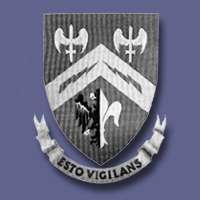 501st Tactical Control Wing (Prov) - (B/W - still looking for color image) 501st Tactical Control Wing (Prov) - (B/W - still looking for color image) 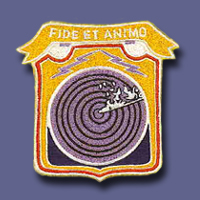 501st Tactical Control Wing Patch 501st Tactical Control Wing Patch |
|||||||||||||||||||||||||||||||||||||||||||||||||||||||||||||||||||||||||||||||||||||||||||||||||||||||||||||||||||||||||||||||||||||||||||||||||||||||||||||||||||||||||||||||||||||||||||||||||||||||||||||||||||||||||||||||||||||||||||||||||||||||||||||||||||||||||||||||||||
| (Source: Email from Jim Clements, 602nd TCS, 1946-48) | |||||||||||||||||||||||||||||||||||||||||||||||||||||||||||||||||||||||||||||||||||||||||||||||||||||||||||||||||||||||||||||||||||||||||||||||||||||||||||||||||||||||||||||||||||||||||||||||||||||||||||||||||||||||||||||||||||||||||||||||||||||||||||||||||||||||||||||||||||
|
|||||||||||||||||||||||||||||||||||||||||||||||||||||||||||||||||||||||||||||||||||||||||||||||||||||||||||||||||||||||||||||||||||||||||||||||||||||||||||||||||||||||||||||||||||||||||||||||||||||||||||||||||||||||||||||||||||||||||||||||||||||||||||||||||||||||||||||||||||
| (Source: STARS & STRIPES, October 28, 1953) | |||||||||||||||||||||||||||||||||||||||||||||||||||||||||||||||||||||||||||||||||||||||||||||||||||||||||||||||||||||||||||||||||||||||||||||||||||||||||||||||||||||||||||||||||||||||||||||||||||||||||||||||||||||||||||||||||||||||||||||||||||||||||||||||||||||||||||||||||||
| The 501st Tactical Control Group operates seventeen direction finding (DF) stations in southern Germany, between Trier and Munich. Net stations for the DF network are Cornbeef (Birkenfeld), Race Card (Freising), Log Roll (Langerkopf) and Gun Post (Rothwesten). Each net station controls four or five DF stations in the field. Three of the four squadrons assigned to the 501st operate the DF stations, the fourth squadron operates a central control agency. If pilots are lost during flight they switch over to VHF and call any DF net station for a fix and a steer. The ground station that picks up the call responds immediately. If it cannot fix the aircraft, it transmits all bearings to the central control agency. The center may get bearings from two or three of the DF sites in the enwtork and be able to fix the aircraft on a central plotting board. The center then directs the net station having the best contact with the aircraft to give the pilot his position and to steer the plane to safety. (The 501st TCG was the only tactical control group in the US Zone until November 1952, when the 155th TCG arrived from the States and was stationed at Spangdahlem Air Base.) |
|||||||||||||||||||||||||||||||||||||||||||||||||||||||||||||||||||||||||||||||||||||||||||||||||||||||||||||||||||||||||||||||||||||||||||||||||||||||||||||||||||||||||||||||||||||||||||||||||||||||||||||||||||||||||||||||||||||||||||||||||||||||||||||||||||||||||||||||||||
| (Source: STARS & STRIPES, October 7, 1954) | |||||||||||||||||||||||||||||||||||||||||||||||||||||||||||||||||||||||||||||||||||||||||||||||||||||||||||||||||||||||||||||||||||||||||||||||||||||||||||||||||||||||||||||||||||||||||||||||||||||||||||||||||||||||||||||||||||||||||||||||||||||||||||||||||||||||||||||||||||
| Between October 1952 and (November,) 1954, the 501st Tactical Control Group and the 807th Tactical Control Sq were stationed at an Army installation, Kleber Kaserne in Kaiserslautern. Just recently the two units moved to new home on Landstuhl Air Base. The 501st TCG is commanded by Col Robert C. Sexton and serves as the administrative and operational headquarters for a sprawling tactical control system (radar and communications network) in southern Germany (12th Air Force AOR). The 807th TCS is commanded by Lt Col Charles G. Whitley and operates the vital nerve center and the communications that connect the operational sites of the aircraft control and warning squadrons assigned to the 501st and 526th tactical control groups. The tactical control network provides navigational aids and emergency direction and guidance for aircraft operating within its area of reponsibility. The units assigned to the 501st TCG are as follows: 601st AC&W Sq at Rothwesten (near Kassel); 602nd AC&W Sq at Birkenfeld; and the 603rd AC&W sq at Langerkopf. |
|||||||||||||||||||||||||||||||||||||||||||||||||||||||||||||||||||||||||||||||||||||||||||||||||||||||||||||||||||||||||||||||||||||||||||||||||||||||||||||||||||||||||||||||||||||||||||||||||||||||||||||||||||||||||||||||||||||||||||||||||||||||||||||||||||||||||||||||||||
| (Source: TACONEER, January 1958, 501st TCW magazine) | |||||||||||||||||||||||||||||||||||||||||||||||||||||||||||||||||||||||||||||||||||||||||||||||||||||||||||||||||||||||||||||||||||||||||||||||||||||||||||||||||||||||||||||||||||||||||||||||||||||||||||||||||||||||||||||||||||||||||||||||||||||||||||||||||||||||||||||||||||
| Wing Becomes of Age THE 18TH OF DECEMBER 1957 marked a milestone in history of the Air Force when the Tactical Control Wing Provisional was formerly redesignated the 501st Tactical Control Wing. Composed of two tactical control groups, the 501st and 529th, the wing assumed the numerical designation of the senior group under the command of Col Carl B. Lindstrand to join the ranks as a full fledged member of the United States Air Force. It all started back at Drew Field, Tampa Florida, in '42 amid the chaos of World War II preparations, when 'draft', 'gas-rationing' and 'Roosevelt' were on the lips of Mr. and Mrs. America. Amid all of this unreal activity, the 555th Signal Aircraft Warning Battalion was formed. An Army organization to be sure, but never-the-less this was the beginning of Tactical Control history. Everybody got into the act forming cadres for this newly born unit. Personnel were hastily drawn from the 3rd Fighter Command and even from civilian organizations of the New England and Michigan Bell Telephone Company. Five months and many cadence counts later found the 555th on its way to an overseas staging area in Massachusetts. Rumors flew through the air. Processing lines, shots, mosquito netting, arctic survival kits, movies and pinups made up the life in this area. |
|||||||||||||||||||||||||||||||||||||||||||||||||||||||||||||||||||||||||||||||||||||||||||||||||||||||||||||||||||||||||||||||||||||||||||||||||||||||||||||||||||||||||||||||||||||||||||||||||||||||||||||||||||||||||||||||||||||||||||||||||||||||||||||||||||||||||||||||||||
|
|||||||||||||||||||||||||||||||||||||||||||||||||||||||||||||||||||||||||||||||||||||||||||||||||||||||||||||||||||||||||||||||||||||||||||||||||||||||||||||||||||||||||||||||||||||||||||||||||||||||||||||||||||||||||||||||||||||||||||||||||||||||||||||||||||||||||||||||||||
| The 501st Tactical Control Group (sic) (Webmaster Note: should say 'Wing') is the sole air defense system of the United States Air Force in Europe. It employs over 4,000 officers and airmen operating radar sets and equipment valued well over the forty million dollar mark. Spread from the bleak and stormy North Sea to the placid sunny Austrian alps, the wing covers over forty-five different living sites. The sites range in size according to personnel from as little as five airmen to the largest with over 400 officers and airmen. Eleven squadrons compose the 501st as it stands now, six are aircraft control and warning squadrons, one a headquarters, two shoran beacon and two tactical control squadrons all reporting to the headquarters at Landstuhl Air Base. The Wing is headed by an electronics expert, Colonel Carl B. Lindstrand, who guides the destinies of his huge family with the help of a seasoned staff. The highly technical operation of the wing's early warning system demands a top notch performance. Untold headaches are avoided, thanks to an efficient and smooth running maintenance operation. And with the new numerical designation, the 501st Tactical Control Wing has become of age and is ready to take its place alongside older and more experienced Air Force wings. |
|||||||||||||||||||||||||||||||||||||||||||||||||||||||||||||||||||||||||||||||||||||||||||||||||||||||||||||||||||||||||||||||||||||||||||||||||||||||||||||||||||||||||||||||||||||||||||||||||||||||||||||||||||||||||||||||||||||||||||||||||||||||||||||||||||||||||||||||||||
| (Source: Fourth Anniversary, 501st TCW, 10 July 1959, pamphlet) | |||||||||||||||||||||||||||||||||||||||||||||||||||||||||||||||||||||||||||||||||||||||||||||||||||||||||||||||||||||||||||||||||||||||||||||||||||||||||||||||||||||||||||||||||||||||||||||||||||||||||||||||||||||||||||||||||||||||||||||||||||||||||||||||||||||||||||||||||||
| 1959 The 501st Tactical Control Wing is the sole air defense system of the United States Air Force in Europe. Its central sector of control employs over 3500 officers and men operating 26 radar sets worth over 20 million dollars. Spread throughout West Germany, the 501st TCW operates over 35 living sites. The sites range from as little as five enlisted men to the largest with over 400 officers and airmen. Six Aircraft Control and Warning Squadrons and one Tactical Control Squadron make up the Wing's complex operation with all reporting to Ramstein Air Base, Headquarters of the 501st Tactical Control Wing. |
|||||||||||||||||||||||||||||||||||||||||||||||||||||||||||||||||||||||||||||||||||||||||||||||||||||||||||||||||||||||||||||||||||||||||||||||||||||||||||||||||||||||||||||||||||||||||||||||||||||||||||||||||||||||||||||||||||||||||||||||||||||||||||||||||||||||||||||||||||
|
|||||||||||||||||||||||||||||||||||||||||||||||||||||||||||||||||||||||||||||||||||||||||||||||||||||||||||||||||||||||||||||||||||||||||||||||||||||||||||||||||||||||||||||||||||||||||||||||||||||||||||||||||||||||||||||||||||||||||||||||||||||||||||||||||||||||||||||||||||
|
|||||||||||||||||||||||||||||||||||||||||||||||||||||||||||||||||||||||||||||||||||||||||||||||||||||||||||||||||||||||||||||||||||||||||||||||||||||||||||||||||||||||||||||||||||||||||||||||||||||||||||||||||||||||||||||||||||||||||||||||||||||||||||||||||||||||||||||||||||
| 601st Tactical Control Wing | |||||||||||||||||||||||||||||||||||||||||||||||||||||||||||||||||||||||||||||||||||||||||||||||||||||||||||||||||||||||||||||||||||||||||||||||||||||||||||||||||||||||||||||||||||||||||||||||||||||||||||||||||||||||||||||||||||||||||||||||||||||||||||||||||||||||||||||||||||
| (Source: 601st Tactical Control Wing - A Historical Perspective, HQ 601st TCW, prob 1982 or soon thereafter) | |||||||||||||||||||||||||||||||||||||||||||||||||||||||||||||||||||||||||||||||||||||||||||||||||||||||||||||||||||||||||||||||||||||||||||||||||||||||||||||||||||||||||||||||||||||||||||||||||||||||||||||||||||||||||||||||||||||||||||||||||||||||||||||||||||||||||||||||||||
|
|||||||||||||||||||||||||||||||||||||||||||||||||||||||||||||||||||||||||||||||||||||||||||||||||||||||||||||||||||||||||||||||||||||||||||||||||||||||||||||||||||||||||||||||||||||||||||||||||||||||||||||||||||||||||||||||||||||||||||||||||||||||||||||||||||||||||||||||||||
| On 27 June 1969, the first of three AN/TPS-43 radar sets (SN #14) planned for wing mobile radar unit use was accepted by Detachment 8, 601st TCS (later to become the 603rd TCS). Work on the conversion plan for replacing the AN/TPS-48 with the 'three dimensional' TPS-43 at the 601st TCS and both CRPs began in early 1969. However, numerous problems arose which precluded the plan from being completed by the end of the fiscal year. Particularly, a firm delivery date could not be established for the first radar which was to be used as a training device. Because of this, an Air Training Command team could not establish a firm school start date to train wing personnel. Also, an interface kit being developed by Westinghouse was required to allow the use of the TPS-43 until the wing received the new TSQ-91V operations centrals; expected to be delivered in 1971 though actually received in February 1972. These problems kept the wing from beginning the conversion until nine months later. Yet another major equipment modification occurred on 1 September 1969, this time within the 412L fixed radar system. A modification was completed in computer programming which created 4,096 possible codes for aircraft identification. This gave each aircraft in 4 ATAF a different code thus providing a more positive identification capability. Where command attention was placed on force modernization projects toward the end of 1969, implementation of the higher headquarter's direction REDCOSTE project pretty well reduced the scope and responsibility of 601st CSG operations. Under REDCOSTE reductions, control of Sembach's CBPO was transferred to the 26th CSG at Remstein on 19 September 1969 and the accounting and finance office/comptrollers division were also inactivated. Further, the 601st CSG lost control of the Base Operations and Training function to Ramstein the very next month, closely followed by the transfer of Sembach's transportation and munitions maintenance responsibilities to the 26th CSG. Indeed, before mid November 1969, the data automation section, base procurement, and the office of information function at Sembach fell victim to REDCOSTE reductions -- it would be almost two years before Sembach would once again publish a base newspaper. In other organizational areas, on 1 October 1969, Det 1 and 2 of the 601st DASS were redesignated as Detachments 41 and 42 respectively. Further, on this same date, all eight detachments of the 601st TCS were redesignated as follows: Det 1 became Det 21; Det 2 became Det 22; Det 3 became Det 23; Det 4 became Det 24; Det 5 became Det 25; Det 6 became Det 26, Det 7 became Det 27; and Det 8 became Det 28. For the most part, the wing continued to function as normal going into 1970. But, on 15 February, the wing acquired yet another mission with the arrival of three Cessna O-2A aircraft. The wing was notified in early January of its tasking to develop an airborne forward air controller capability. Specific goals assigned to the wing included the development of airborne FAC techniques and training policies and procedures. An airborne FAC meeting was conducted at Seventeenth Air Force on 15 January 1970. It was decided that the 601st TCW would be assigned operational control of FAC aircraft, but that the 26th TRW would be responsible for their maintenance/ground support. As such, for the next three years, all FAC aircraft assigned to the 601st TCW would fly out of Ramstein AB. However, this situation would change once the wing relocated to Wiesbaden in 1973. In any event, on 2 March 1970, Colonel Roy Peterson, 601st TCW Deputy Commander for Operations, made the first operational flight of a wing-controlled O-2A aircraft. The wing's airborne FAC capability was further developed from 20 through 26 May via the employment of an O-2A aircraft in support of the Army at the 2d Armored Cavalry Regiment's Annual Training Tests at the Hohenfels tank gunnery range. This marked the beginning of a new concept of operations for tactical air forces in Europe. Nine days later, the 601st TCW deployed its entire fleet of three O-2A aircraft to Italy in support of Dawn Patrol '70. The operational capabilities of the airborne FACs were displayed to great advantage during both deployments. Remaining activity during the first several years of the 1970's was marked by several TACS unit relocations, several activations/inactivations, and the acquisition of new operations centrals for wing CRPs, the two DASS detachments, and the tactical air control center (TACC). At the beginning of 1972, both 601st DASS detachments began converting to the new AN/TSQ-93 shelters and, at the same time, the TACC began its conversion to the AN/TSQ-92. The three conversions took approximately one month each. At the start of March 1972, the 601st TCS and its Detachment 22 (later to become the 602d TCS) also began converting to their new AN/TSQ-91V shelters. In the latter two cases, the conversion process took about five months. Detachment 28, 601st TCS (later to become the 603rd TCS), followed suit three months later when it too began the AN/TSQ-91V conversion. Two major events occurred in 1973. On 2 May, HQ USAFE announced that the 601st TCW would move to Wiesbaden AB on approximately 1 June 1973. Specifically, the 601st TCW, 601st TCS, and 601st TCMS were to move to Wiesbaden with personnel and equipment, whereas the 601st Supply Squadron, 601st CES, 601st SPS, 601st DASS, 601st Transportation Squadron, and 601st CSG were to move to Wiesbaden without personnel or equipment. It was also announced that an entirely new unit, the 7400th Air Base Group, would be created on 1 June 1973 to operate and maintain Sembach AS. On 1 June 1973, the wing began its relocation from Sembach to Wiesbaden though the official ceremony marking the move wasn't held until 29 June 1973. The three O-2A aircraft relocated from Ramstein to Wiesbaden on 16 July 1973 and, seven days later, the Wiesbaden command post assumed all command and control functions for the 601st TCW. At this time, the Wiesbaden vehicle operations branch assumed responsibility for providing "round robin" resupply of outlying TACS radar units. By 1 October 1973, the wing's relocation to Wiesbaden was essentially complete. In the other major occurrence during the year, the 601st TCW went through a major reorganization on 1 July 1973. In some of the major activations, the 601st TCG was once again activated and placed under the control of the 601st TCW. Also, the two 601st DASS detachments were activated as the 601st and 602d Direct Air Support Center (DASC) Squadrons and their parent unit was inactivated. Further, all of the 601st TCS detachments were activated as numbered flights and squadrons as we know them today and Det 1, 601st TCW, became the 601st TACC Squadron. Two other new units were brought on line in the form of the 601st Tactical Air Support Group (601st TASG) and the 601st Consolidated Aircraft Maintenance Squadron (601st CAMS). (The 20th Tactical Air Support Squadron or 20th TASS was not activated until 1 October 1973). Other miscellaneous activity during 1973 included the TACS assisted demonstration of AWACS capabilities in April and the arrival of the first contingent of OV-10A pilots to Germany in October. On the last day of the year, TACP operating locations of the 601st and 602d DASC Sq's were discontinued with simultaneous activations taking place wherein they received new designations and were placed under the control of the 20th TASS. On 21 June 1974, the wing's first two OV-10A aircraft arrived at Wiesbaden AB from Hurlburt AFB. The airplane parts had been loaded aboard a LASS (Lighter Aboard Ship) barge at a stateside port and shipped across the ocean on the SS Almeria Lykes to Rotterdam, Netherlands. The barge was then floated off and sent down the Rhine River to the inland water port at Mainz, near Wiesbaden. On 12 July 1974, OV-10A flying operations officially commenced at Wiesbaden AB and three months later, on 10 October 1974, the 20th TASS flew the first OV-10A sortie involved with airborne FAC coverage of an exercise (Certain Pledge). Additional OV-10A fuselages arrived from Thailand 11 days later and, on 18 December 1974, use of O-2A aircraft for wing flying operations was terminated. Also, in an expansion of airborne mission taskings during 1974, the 601st TASS was activated on 1 July in preparation for the arrival of CH-53C helicopters. However, the first CH-53Cs would not arrive until six months later. The wing's first two helicopters arrived on 15 January 1975, and flying operations for this newest addition to the 601st TCW's aircraft inventory commenced on 6 February. Five additional CH-53Cs were received during the last two months of the year. Also, 12 additional OV-10A9 arrived at Wiesbaden in August 1975, followed by 10 more two months later. However, all these events were overshadowed by the fact that, on 8 August 1975, Project Creek Swap was announced wherein the wing was notified it would again have to pack its bags and move back to Sembach. Thus, in January 1976, after a two year stay at Wiesbaden, the wing began its move en masse back to Sembach AB. The first OV-10A aircraft from Wiesbaden landed at Sembach on 7 January 1976, and Col Fleetwood Pride Jr., the 601st TCW commander, landed another the next day to officially mark the wing's return to Sembach. By 31 March 1976, the wing's move back to Sembach was largely completed. During the relocation, approximately 67,236 line items valued at 618,341,174 were moved. The year 1975 was a relatively quiet one for wing radar units. But, 1976 was, altogether, quite a different story. In an effort to provide mobile radar coverage services for Northern Germany, the 601st TCW planned on opening up several new units in 2 ATAF. Final planning stage for Creek North were completed by 31 March 1976, and, by year's end, the wing's mobile TACS network will have grown by 40 percent. This expansion project involved the activation of eight units and first took in the development of three new sites in Northern Germany -- Hessisch Oldendorf, Bad Muender, and Schwelentrup. Hessisch Oldendorf was the site of a former Royal Netherlands Air Force Hawk missile battery headquarters and the other two locations were its satellite missile launch sites. The 609th TCS and 619th TCF were activated at Bad Muender and Schwelentrup respectively on 1 April 1976. A month later, on 1 May 1976. the 629th TCF was alsc activated at Schwelentrup. Equipment for the 609th TCS came from Cannon AFB, N.M., and that for its two flights arrived from the 103rd TCF, Orange County, Conn.,and the 101st TCF, Worchester, Mass. Shortly after, on 21 May 1976, Hessisch Oldendorf Air Station was officially opened under Project Creek Control and, on 20 September 1976, the 600th TCG and 600th CSS were activated to provide control and support for 2 ATAF radar units. This left three new units yet to be activated. Almost a year later under Project Creek Brahman, on 15 March 1977, the 606th TCS, 626th TCF, and 636th TCF were activated at Carl Schurz Kaserne near Bremerhaven. This marked the completion of mobile radar expansion into Northern Germany. But, unbeknownst to wing officials at that time, the final bed-down of these latter two flights would become a monumental headache. In a side note, it should be noted that the NATO Operations Support Cell (NOSC) was activated on 1 April 1977, at Kalkar under Project Creek Tie to perform the same scheduling of control activity for 2 ATAF units as the ATOC provided for 4 ATAF CRPs and FACPs. Several aircraft related milestones were also reached in 1976. First, on 4 July, the 704th TASS was activated at Sembach AS as a "Bicentennial Squadron". Second, on 1 November 1976, wing OV-10A aircraft, pilots from the 20th TASS, and maintenance personnel from the 601st CAMS deployed to Zaragoza AB, Spain, to "kick off" a four-month weapons training detachment deployment nicknamed "Creek Tally". This was the first time wing aircraft deployed to Spain for this type training. Interestingly, in a related operation, the 611th TCF also deployed their FACP to Zaragoza at the same time. While there, the 611th provided radar and radio coverage for dissimilar air combat training missions between Northrop F-5E Tiger Ils of tile 527th TFTAGS and F-4 Phantoms. Also, in a unique deployment, the 611th TCF was airlifted in two C-5A Galaxies rather than the C-130s or C-141s normally used for radar airborne movements. Going into 1977, the 609th TCS and its two subordinate flights were declared operationally ready on 1 February. Also, yet another TACS milestone was reached on 22 March 1977, when the 603rd TCS received the first two "E" model TPS-43 radars. After initial checkout at the 603rd TCS, one of the TPS-43Es was sent to the 601st TCS on 22 April 1977. Four days later a TPS-43E radar was used for the first time in an exercise as the 601st TCS participated in Certain Fighter. Eventually, all wing mobile radar units would receive the TPS-43E radar set. Indeed, on 4 October 1977, the 603rd TCS started an extensive four week training program for the final 13 newly arrived TPS-43E radars. Each unit in the wing practiced setting up their own radar at the 603rd's technical site in Mehlingen. This period proved to be a busy time for the 603rd TCS which, along with the 615th and 616th AC&WS, participated in an E-3A AWACS demonstration in November and December 1977. The purpose of this demonstration, which proved to be very impressive to NATO officials who observed the activity, was to advertise the advanced capabilities of the E-3A to provide improved air surveillance for the European theater and its ability to downlink gathered data through the ground environment system. The 603rd TCS deployed to Gruenstadt from 9 November through 15 December to support this demonstration. In several other TACS related events during the year, on 14 November 1977, the 626th and 636th TCFs moved off Carl Shurz Kaserne to a location on top of the Bremerhaven City Dump at Muellplatz Grauer Wall, just down the road from their previous site. They would operate here, literally surrounded by garbage, for the next three years. Also, on 1 December 1977, the 636th TCF controlled its first mission, a sortie of two F-111s out of RAF Lakenheath, England. However, like the other two newly activated units, they would not be fully operational for several months. The major aircraft related event of 1977 involved the arrival of four additional OV-10As from the States on 9 September. The four aircraft were flown across the Atlantic Ocean, accomplishing what is believed to be the first transoceanic crossing of an OV-10. The four OV-10s made the 6,500-mile trip at an average airspeed of 200 knots, and the journey was completed in 36 hours of actual flying time. In all, the total mission lasted 15 days. TPS-43E activity dominated the early months of 1978. On 20 January, the 606th TCS became the last CRP to receive the new radar set and several months later, on 31 March 1978, the remaining eight TPS-43Es stored at the 603rd TCS were released to the gaining FACPs. At this time, only two wing units still operated off the TPS-44 -- the 626th and 636th TCFs. However, on 8 May 1978, TPS-43E radar sets became operational at the last two FACPs. This completed the wing's conversion to one type of radar set for the first time in the history of the 601st TCW. Incidentally, earlier on 24 February 1978, the first of two Non-Operationally Active (NOA) spare TPS-43E radars was assigned to the 603rd TCS in a test program of the NOA concept; the other NOA radar was assigned to the 609th TCS in 2 ATAF. While a long accepted practice for aircraft units, NOA assets were not previously purchased for communications-electronics equipment. Several other operational "firsts' also highlighted 1978. The 629th TCF assisted the 636th TCF in its first practice deployment from 4 through 7 January 1978 and the 606th TCS controlled its first practice intercept several weeks later on 2 February. The intercept involved F-15 aircraft from Bitburg AFB. On 22 March 1978, the 606th TCS, 626th TCF, and 636th TCF officially came on line as operational units and were declared fully operationally ready. Their sister radar units in 2 ATAF had previously achieved the same status on 1 February 1977. Also, in another key development, a change of command ceremony was held on 31 December 1978 which passed control and ownership of the Wasserkuppe 412L fixed radar site from the wing to the German Air Force. This concluded the transfer of various 4 ATAF 412L sites to the Germans that had been planned since 1959. On the next day, the 616th AC&WS was officially inactivated. Since the 606th AC&SW was previously inactivated and the Doebraberg site turned over to the German Air Force on 1 July 1974, only the 615th AC&WS fixed 412L radar site at Boerfink remained assigned to the wing. The remaining five fixed radar sites were now owned and operated by the German Air Force. With the exception of the arrival of nine newly assigned OV-10As, which made yet another transoceanic crossing on 22 July 1978, things remained relatively quiet for the aircraft side of the house during 1978 and most of 1979. In one of the several significant events of the latter year, the 601st TCW sent its first CH-53C helicopter to the Fokker Plant at Speyer for a major Analytical Condition Inspection (ACI). Also, the wing fully implemented the production oriented maintenance organization (POMO) concept on 30 April 1979 whereby the 601st CAMS was inactivated with the simultaneous activations of the 601st Aircraft Generation Squadron (601st AGS) and the 601st Component Repair Squadron (601st CRS). The POMO concept, originally called the tactical aircraft maintenance system (TAMS), was designed to increase sortie generation production rates and increase aircraft readiness rates. For the 601st TCW, which was the third USAFE wing to convert to POMO, it took six months to fully implement the program. Also, the first two wing OV-10As to receive camouflage painting returned to Sembach on 14 August 1979 from Alverca, Portugal, where the work was performed. On the radar side of the house, the three major events of the year involved the arrival of the first GSQ-120 radar data transfer system (RDTS) on 15 March 1979, the inactivation of the 601st TACC Squadron on 10 April 1979, and the October 1979 activation of a Phase III computer software change for wing TYC-10s which permitted interface between the CRP message processing centers and the fixed radar sites. This accomplishment ended the five-year-long Salty Net TACS modernization project which also ultimately allowed wing CRPs to interface with other NATO computer systems in the Central Region to include those of the airborne AWACS aircraft. Many major events occurred in 1980. The 601st TASG gained additional CH-53Cs and OV-10As, a major wing reorganization occurred, the 626th/636th TCFs finally moved off their garbage dump near Bremerhaven to another temporary site in Nordholz, and the 412L site at Boerfink shut down to undergo the GEADGE modification. However, all this activity was overshadowed by the distant guns being sounded in the Persian Gulf area; called the Arabian Gulf after the fall of the Shah of Iran. The war broke out between Iran and Iraq on 22 September 1980. Shortly after, the Saudis requested and received US assistance in the form of various radar elements to ensure that Saudi Arabian airspace was not violated during the on-going hostilities. Indeed, early in October 1980, the 601st TCW received a short notice order to deploy a survey team to Riyadh to assist in setting up a mobile radar network in Saudi Arabia. Subsequently, stateside TAC elements dispatched a FACP, a 'four scope" single TSQ-91V CRP operations central cell, and a TYC-10 message processing center to Saudi. The overall radar operation in Saudi Arabia was collectively known as Elf One. Actually, Elf One's operation involved three operating locations set up along the eastern edge of the Arabian peninsula on the coast of the Arabian Gulf and in the central city of Riyadh. The message processing center and E-3A AWACS aircraft operated out of the latter location. The TSQ-91V cell, along with the communications element of the Saudi Arabian Sector Operations Center, was situated et a location on Dhahran AB, just inland from the eastern coast of Saudi Arabia. The FACP operated out of Al Jubayl, also along the eastern coast of the country. The primary mission of this operation was to maintain an air defense enhancement package in Saudi Arabia in providing support to the Saudi Arabian government through air defense radar surveillance of the Gulf area. Some 500 personnel made up the population at the three operating locations. Since its activation in 1980, the wing has alternated with stateside TAC units in fulfilling the bulk of Elf One manning requirements. On 11 April 1981, the 602d TCS began deploying en masse to Elf One sans equipment. Prior to this date, the majority of wing members who supported Elf One were taken more or less equally from all 601st TCW TACS units. By the close of 1981, the 606th TCS, 619th TCF, 621st TCF, and 622d TCF also served tours in Saudi Arabia. Unfortunately, other significant events of 1981 which included the arrival of the wing's second AH/TPB-1C ASRT radar, the first time participation of wing aircraft in practice search and rescue (SAR) missions, and the activation of the EIFEL I system at Sembach's ATOC, were once again overshadowed by violence. This time, the threat resulted from terrorist activity in Germany which continued to grow in intensity throughout the year, culminating in a major bomb explosion at Hq USAFE on 31 August 1981. Because of the terrorist threat in Germany, the 601st TCW remained in an indefinite 'Bravo' enhanced security condition through the end of 1981. End of Unit History - some additional overview charts follow |
|||||||||||||||||||||||||||||||||||||||||||||||||||||||||||||||||||||||||||||||||||||||||||||||||||||||||||||||||||||||||||||||||||||||||||||||||||||||||||||||||||||||||||||||||||||||||||||||||||||||||||||||||||||||||||||||||||||||||||||||||||||||||||||||||||||||||||||||||||
|
|||||||||||||||||||||||||||||||||||||||||||||||||||||||||||||||||||||||||||||||||||||||||||||||||||||||||||||||||||||||||||||||||||||||||||||||||||||||||||||||||||||||||||||||||||||||||||||||||||||||||||||||||||||||||||||||||||||||||||||||||||||||||||||||||||||||||||||||||||
| 1975 | |||||||||||||||||||||||||||||||||||||||||||||||||||||||||||||||||||||||||||||||||||||||||||||||||||||||||||||||||||||||||||||||||||||||||||||||||||||||||||||||||||||||||||||||||||||||||||||||||||||||||||||||||||||||||||||||||||||||||||||||||||||||||||||||||||||||||||||||||||
| (Source: STARS & STRIPES, March 1, 1975) | |||||||||||||||||||||||||||||||||||||||||||||||||||||||||||||||||||||||||||||||||||||||||||||||||||||||||||||||||||||||||||||||||||||||||||||||||||||||||||||||||||||||||||||||||||||||||||||||||||||||||||||||||||||||||||||||||||||||||||||||||||||||||||||||||||||||||||||||||||
| Three or four times a year, the 601st Tactical Control Wing, Wiesbaden, deploys elements of two of its operational groups (the 601st Tactical Air Support Gp and 601st Tactical Control Gp) to the north side of the Wiesbaden Air Base (Erbenheim), where they become operational in 12 to 14 hours. The exercise is known as GOLDEN BEAR. The Wing's mission is to provide radar surveillance and to direct NATO aircraft to their targets. Wing commander is Brig Gen David E. Rippetoe, Jr To accomplish its mission, the Wing uses a highly mobile tactical air control system to guide aircraft in support of ground forces and a network of stationary radar sites that maintain a 24-hour watch on the skies over the Iron Curtain. The 407 tactical air control system is used for air defense and to guide US and other NATO aircraft in support of friendly ground forces. It consists of  3 heavy radar units (601st, 602nd and 603rd TCS) 6 light radar units (611th, 612th, 621st, 622nd, 631st, 632nd TCF) a Direct Air Support System 3 heavy radar units (601st, 602nd and 603rd TCS) 6 light radar units (611th, 612th, 621st, 622nd, 631st, 632nd TCF) a Direct Air Support SystemThe DASS consists of two direct air support centers, each colocated with an Army corps (601st DASC, 602nd DASC). Subordinate tactical air control parties (TACP) are located with Army combat battalions, brigades and divisions throughout West Germany. The 412 air weapons control system constantly surveys the skies over the Iron Curtain. It consists of 6 fixed radar sites (two of them are operated by USAFE units; four are operated by German Air Force units)All six 412L sites are under NATO operational control. Elements set up and on display at Wiesbaden Air Base during the GOLDEN BEAR exercise are a tactcial air control center (TACC); a control reporting post (CRP); a direct air support center (DASC); an MCR-107 commo jeep (used by the air liaison elements); a forward air control post; and a static display of some of the aircraft used by the 601st - OV-1A Bronco (belonging to the 20th TASS) and a CH53 helicopter (from the 601st TASS). The newly arrived CH-53 helicopters provide airlift and logistical support to the tactical air control system. |
|||||||||||||||||||||||||||||||||||||||||||||||||||||||||||||||||||||||||||||||||||||||||||||||||||||||||||||||||||||||||||||||||||||||||||||||||||||||||||||||||||||||||||||||||||||||||||||||||||||||||||||||||||||||||||||||||||||||||||||||||||||||||||||||||||||||||||||||||||
| (Source: Email from Tom Goodman, 601st TCS at Wiesbaden AB and 612th TCF at Pruem AS, Germany from 1975 - 1978) | |||||||||||||||||||||||||||||||||||||||||||||||||||||||||||||||||||||||||||||||||||||||||||||||||||||||||||||||||||||||||||||||||||||||||||||||||||||||||||||||||||||||||||||||||||||||||||||||||||||||||||||||||||||||||||||||||||||||||||||||||||||||||||||||||||||||||||||||||||
I arrived in Germany in September of 1973. I was in Wiesbaden where I was the Plans and Scheduling Officer. Then at Sembach where I was the 407L/412L Maintenance Control Officer. I briefed the Wing Commander and Staff each morning.
In the fall of 1973 the 601st TCW had been formed at Wiesbaden AB. They had broken the Wing into three groups when it moved to Wiesbaden AB. The Tactical Air Control Group was colocated on the AB with the Wing. They were responsible for the 407L and the 412L sites. We had operational and maintenance responsibility.
The 407L consisted of the 601st Tactical Control Sqdn that had moved onto Wiesbaden AB. It had two subordinate Tactical Control Flights (TCF): the 612th TCF and the 621st TCF. They, too, had moved onto the Air Base. The 602nd Tactical Control Squadron was located at Neu Ulm. Its subordinate flights were the 622nd TCF, located at Bad Kruznach and the 611st, located at Alzey. The 603rd TCS was at Giebelstadt (memory is hazy here). Their subordinate flights were 631st TCF at Wurzburg and the 632nd TCF at Grafenwoehr. I don't remember where the Tactical Control Center Sq was located. I believe it was at an old missile site south of the Sembach runway. I am sure that some people "out there" will correct these designations and locations for accuracy. In November 1975, the wing moved to Sembach AB; the 601st TCS and the 612th TCF and 621st TCF moved to Pruem Air Station.
The Tactical Control Center Sq (TACC) moved its Tactical equipment to an old Air Defense site South of Sembach. The day to day operations were conducted out of the old ops bunker located under the football field on Sembach.
The 601st Direct Air Support Centers (DASC) were co-located with the Army Corps: 601st DASC was at a location near Frankfurt (V Corps) on an Army Air Field (think it was Bonames AAF) and the 602nd DASC was located on a Kaserne in Stuttgart with the tactical equipment at an Army Airfield near by (Ecterdingen AAF). Please don't forget the 108 MRC107 and 108 jeeps, for the FACs, scattered throughout both Corps areas.
In 1976, the Wing formed another Group, the 600th Tactical Control Group with one squadron and two flights. It was located on an old abandoned Dutch missile site at Hessisch Oldendorf. Can't remember much about these units. They did have a squadron at Bad Munder 609TCS and a flight, and the one flight at Schwelentrup. After I left in 1977 they added another Sqdn. This one was at Bremerhaven along with 2 (?) more TCFs.
The 412L was pretty much as you had it. Kinsbach Cave was the location for SOC 3. Boerfink, Doebraberg, Wasserkuppe, Messtetten, Freising, Lauda. The administrative support for the Boerfink was out of the old Army hospital at Neubruecke.
As far as support for the Germant (412L) sites, there were occasions where we were able to get radio, don't remember radar parts but I am sure we did if the parts were available. When The USAF supply system delivered the "borrowed parts," we would send them to the German units that helped us. We also were able to get Heavy lift Helicopter parts from the Germans. Let me explain. The Wing had acquired some 0-2's and some CH-53 ("Super Jolly Greens") These were to help, among other things, with spare parts movements to the sites. The 0-2s were to aid in the Wing FAC mission. The 412L radar sites that had USAF radar maintenance were Wasserkuppe and Boerfink. For a time we had USAF supply people at German radar sites: Freising, Lauda, Doebraberg. The USAF did run maintenance at the "Kindsbach Cave" (SOC-3) The more that I write about the 601st the more I remember. Seems like the Wing Grroups were the Tactical Control Group, the Tactical Air Control Group (helicopters and 0-2s operations and management) and the Tactical Air (?) resposible for base functions and operations. |
|||||||||||||||||||||||||||||||||||||||||||||||||||||||||||||||||||||||||||||||||||||||||||||||||||||||||||||||||||||||||||||||||||||||||||||||||||||||||||||||||||||||||||||||||||||||||||||||||||||||||||||||||||||||||||||||||||||||||||||||||||||||||||||||||||||||||||||||||||
| DETACHMENT 1, 601st TCW | |||||||||||||||||||||||||||||||||||||||||||||||||||||||||||||||||||||||||||||||||||||||||||||||||||||||||||||||||||||||||||||||||||||||||||||||||||||||||||||||||||||||||||||||||||||||||||||||||||||||||||||||||||||||||||||||||||||||||||||||||||||||||||||||||||||||||||||||||||
| (Source: 601st Tactical Control Wing - A Historical Perspective) | |||||||||||||||||||||||||||||||||||||||||||||||||||||||||||||||||||||||||||||||||||||||||||||||||||||||||||||||||||||||||||||||||||||||||||||||||||||||||||||||||||||||||||||||||||||||||||||||||||||||||||||||||||||||||||||||||||||||||||||||||||||||||||||||||||||||||||||||||||
| Det 1 601st TCW comprised US Air Force personnel who worked at the Tactical Air Control Center in Mehlingen, Germany, in the late 1960s. | |||||||||||||||||||||||||||||||||||||||||||||||||||||||||||||||||||||||||||||||||||||||||||||||||||||||||||||||||||||||||||||||||||||||||||||||||||||||||||||||||||||||||||||||||||||||||||||||||||||||||||||||||||||||||||||||||||||||||||||||||||||||||||||||||||||||||||||||||||
| DETACHMENT 2, 601st TCW | |||||||||||||||||||||||||||||||||||||||||||||||||||||||||||||||||||||||||||||||||||||||||||||||||||||||||||||||||||||||||||||||||||||||||||||||||||||||||||||||||||||||||||||||||||||||||||||||||||||||||||||||||||||||||||||||||||||||||||||||||||||||||||||||||||||||||||||||||||
| (Source: 601st Tactical Control Wing - A Historical Perspective) | |||||||||||||||||||||||||||||||||||||||||||||||||||||||||||||||||||||||||||||||||||||||||||||||||||||||||||||||||||||||||||||||||||||||||||||||||||||||||||||||||||||||||||||||||||||||||||||||||||||||||||||||||||||||||||||||||||||||||||||||||||||||||||||||||||||||||||||||||||
| Det 2 601st TCW comprised US Air Force personnel who worked at the Air Defense Operations Center, 4th ATAF in Kindsbach, Germany, in the late 1960s. | |||||||||||||||||||||||||||||||||||||||||||||||||||||||||||||||||||||||||||||||||||||||||||||||||||||||||||||||||||||||||||||||||||||||||||||||||||||||||||||||||||||||||||||||||||||||||||||||||||||||||||||||||||||||||||||||||||||||||||||||||||||||||||||||||||||||||||||||||||
| DETACHMENT 3, 601st TCW | |||||||||||||||||||||||||||||||||||||||||||||||||||||||||||||||||||||||||||||||||||||||||||||||||||||||||||||||||||||||||||||||||||||||||||||||||||||||||||||||||||||||||||||||||||||||||||||||||||||||||||||||||||||||||||||||||||||||||||||||||||||||||||||||||||||||||||||||||||
| (Source: STARS & STRIPES, April 10, 1970) | |||||||||||||||||||||||||||||||||||||||||||||||||||||||||||||||||||||||||||||||||||||||||||||||||||||||||||||||||||||||||||||||||||||||||||||||||||||||||||||||||||||||||||||||||||||||||||||||||||||||||||||||||||||||||||||||||||||||||||||||||||||||||||||||||||||||||||||||||||
| Det 3 601st TCW is stationed in Freising, Germany. With billets at Vimy Kaserne in Freising, the detachment personnel work at the CRC bunker "FRIDOLIN" north of the town. 10 men are assigned to the detachment, 7 officers and 3 non-commissioned officers. Det 3 was formed in 1967 when the German Air Force took over operations of the bunker from the 604th AC & Sq. It's mission is to assist the GAF unit operating the CRC as well as maintain the US-owned 412L Aircraft Warning & Control System. CO of the detachment is Capt Martin L. Kenny. The Det newsletter is called the HAPPY VALLEY NEWS and is published monthly. |
|||||||||||||||||||||||||||||||||||||||||||||||||||||||||||||||||||||||||||||||||||||||||||||||||||||||||||||||||||||||||||||||||||||||||||||||||||||||||||||||||||||||||||||||||||||||||||||||||||||||||||||||||||||||||||||||||||||||||||||||||||||||||||||||||||||||||||||||||||
|
|||||||||||||||||||||||||||||||||||||||||||||||||||||||||||||||||||||||||||||||||||||||||||||||||||||||||||||||||||||||||||||||||||||||||||||||||||||||||||||||||||||||||||||||||||||||||||||||||||||||||||||||||||||||||||||||||||||||||||||||||||||||||||||||||||||||||||||||||||
| 601st AC&WS / 601st TCS | |||||||||||||||||||||||||||||||||||||||||||||||||||||||||||||||||||||||||||||||||||||||||||||||||||||||||||||||||||||||||||||||||||||||||||||||||||||||||||||||||||||||||||||||||||||||||||||||||||||||||||||||||||||||||||||||||||||||||||||||||||||||||||||||||||||||||||||||||||
| 601st Tactical Control Squadron, Simmershausen then Rothwesten, Dec 1945 - Nov 1948 601st Aircraft Control & Warning Squadron, Rothwesten, Dec 1948 - 1960 601st Tactical Control Squadron, Rothwesten, Nov 1960 - ??? 601st ACWRON Command Histories |
|||||||||||||||||||||||||||||||||||||||||||||||||||||||||||||||||||||||||||||||||||||||||||||||||||||||||||||||||||||||||||||||||||||||||||||||||||||||||||||||||||||||||||||||||||||||||||||||||||||||||||||||||||||||||||||||||||||||||||||||||||||||||||||||||||||||||||||||||||
| 1963 | |||||||||||||||||||||||||||||||||||||||||||||||||||||||||||||||||||||||||||||||||||||||||||||||||||||||||||||||||||||||||||||||||||||||||||||||||||||||||||||||||||||||||||||||||||||||||||||||||||||||||||||||||||||||||||||||||||||||||||||||||||||||||||||||||||||||||||||||||||
| (Source: STARS & STRIPES, May 1963) | |||||||||||||||||||||||||||||||||||||||||||||||||||||||||||||||||||||||||||||||||||||||||||||||||||||||||||||||||||||||||||||||||||||||||||||||||||||||||||||||||||||||||||||||||||||||||||||||||||||||||||||||||||||||||||||||||||||||||||||||||||||||||||||||||||||||||||||||||||
| 601st Tactical Control Sq Moves to Sembach AB SEMBACH, Germany (Special) -- The 601st Tactical Control Sq has moved its headquarters here from Rothwestern, Germany. The movement, involving approximately 200 men, coincided with the establishment of a tactical air direction center at this base. The unit, commanded by Lt Col James M. Wyse, a native of Boston, Mass., and the former deputy commander of the 38th Combat Support Gp, has detachments at Army caserns in Butzbach, Nuernberg, Heilbronn, Celle, Frankfurt, Wuerzburg, Bad Kreuznach, Mannheim and Augsburg. The widely disbursed units are necessary to adequately perform the mission of the 601st which is coordinating Army ground forces with Air Force power operations by providing radar guidance and communications systems assistance to aircraft from home station to target. When air power is needed to closely support Army ground units, the 601st, through a network of radar stations, guides the aircraft until they come in direct contact with their targets. |
|||||||||||||||||||||||||||||||||||||||||||||||||||||||||||||||||||||||||||||||||||||||||||||||||||||||||||||||||||||||||||||||||||||||||||||||||||||||||||||||||||||||||||||||||||||||||||||||||||||||||||||||||||||||||||||||||||||||||||||||||||||||||||||||||||||||||||||||||||
| 1966 | |||||||||||||||||||||||||||||||||||||||||||||||||||||||||||||||||||||||||||||||||||||||||||||||||||||||||||||||||||||||||||||||||||||||||||||||||||||||||||||||||||||||||||||||||||||||||||||||||||||||||||||||||||||||||||||||||||||||||||||||||||||||||||||||||||||||||||||||||||
| (Source: STARS & STRIPES, August 31, 1966) | |||||||||||||||||||||||||||||||||||||||||||||||||||||||||||||||||||||||||||||||||||||||||||||||||||||||||||||||||||||||||||||||||||||||||||||||||||||||||||||||||||||||||||||||||||||||||||||||||||||||||||||||||||||||||||||||||||||||||||||||||||||||||||||||||||||||||||||||||||
| The 601st Tactical Control Sq out of Sembach Air Base recently deployed its AN/TPS-27 mobile radar to the village of Orbis near Alzey for a week-long field exercise. The unit conducted the relocation operation in three separate convoys. The first convoy - the advance party - was responsible for setting up a tent city at the site, as well as a field kitchen, operations shelter, field hospital and communications network. The main body brought the main equipment. The squadron's mission is to provide radar control to offensive mission aircraft at any time from any place. |
|||||||||||||||||||||||||||||||||||||||||||||||||||||||||||||||||||||||||||||||||||||||||||||||||||||||||||||||||||||||||||||||||||||||||||||||||||||||||||||||||||||||||||||||||||||||||||||||||||||||||||||||||||||||||||||||||||||||||||||||||||||||||||||||||||||||||||||||||||
| Click here for article on Det 0005, 601st TCS at Bamberg | |||||||||||||||||||||||||||||||||||||||||||||||||||||||||||||||||||||||||||||||||||||||||||||||||||||||||||||||||||||||||||||||||||||||||||||||||||||||||||||||||||||||||||||||||||||||||||||||||||||||||||||||||||||||||||||||||||||||||||||||||||||||||||||||||||||||||||||||||||
|
|||||||||||||||||||||||||||||||||||||||||||||||||||||||||||||||||||||||||||||||||||||||||||||||||||||||||||||||||||||||||||||||||||||||||||||||||||||||||||||||||||||||||||||||||||||||||||||||||||||||||||||||||||||||||||||||||||||||||||||||||||||||||||||||||||||||||||||||||||
| 602nd AC&WS / 602nd TCS | |||||||||||||||||||||||||||||||||||||||||||||||||||||||||||||||||||||||||||||||||||||||||||||||||||||||||||||||||||||||||||||||||||||||||||||||||||||||||||||||||||||||||||||||||||||||||||||||||||||||||||||||||||||||||||||||||||||||||||||||||||||||||||||||||||||||||||||||||||
| 602nd Tactical Control Squadron, Darmstadt, Dec 1945 - Nov 1948 602nd Aircraft Control & Warning Squadron, Birkenfeld, Dec 1948 - 1956 602nd Aircraft Control & Warning Squadron, Giebelstadt, 1956 - Aug 1968 602nd Tactical Control Squadron, Neu Ulm, ??? 602nd Tactical Control Squadron, Türkheim, Oct 1978 - Aug 1985 602nd ACWRON Command Histories |
|||||||||||||||||||||||||||||||||||||||||||||||||||||||||||||||||||||||||||||||||||||||||||||||||||||||||||||||||||||||||||||||||||||||||||||||||||||||||||||||||||||||||||||||||||||||||||||||||||||||||||||||||||||||||||||||||||||||||||||||||||||||||||||||||||||||||||||||||||
| 602nd TCS, Darmstadt, Dec 1945 - Nov 1948 | |||||||||||||||||||||||||||||||||||||||||||||||||||||||||||||||||||||||||||||||||||||||||||||||||||||||||||||||||||||||||||||||||||||||||||||||||||||||||||||||||||||||||||||||||||||||||||||||||||||||||||||||||||||||||||||||||||||||||||||||||||||||||||||||||||||||||||||||||||
| (Source: Email from Jim Clements, 602nd TCS, 1946-48) | |||||||||||||||||||||||||||||||||||||||||||||||||||||||||||||||||||||||||||||||||||||||||||||||||||||||||||||||||||||||||||||||||||||||||||||||||||||||||||||||||||||||||||||||||||||||||||||||||||||||||||||||||||||||||||||||||||||||||||||||||||||||||||||||||||||||||||||||||||
| Just ran across the web site relative to the European Tactical Control Squadrons. I was assigned to the 602nd Tactical Control Squadron in July of 1946 when we were in a German Airbase near Griesheim. Then we were moved to a Kaserne in Darmstadt. Our radar site was out near Leeheim and Dornheim (Webmaster Note: exact location is Goddelau.) and our call sign was "Cornbeef". Then some of us were sent up to Hof as Detachment "A" of the 602nd and we lived in a large Villa before we moved into a Kaserne in Hof. At that time all our radar equipment was in trucks and semi's. We also had a steel mat runway beside our radar site that our pilots used. It was a most interesting time. I would enjoy talking to someone who was there about that time frame and in the good old days. I came home for discharge in the beginning of Oct. 1948. I could tell you what I remember from 61 years ago. I am surprised that no one has filled you in on any of those years before now. I will try to describe my time with the 602nd as best I can. It was the end of July 1946 when I was assigned to the 602nd. I was part of a group that had radar training at Camp Pinedale, CA. (near Fresno). We helped to get a lot of equipment ready at a warehouse located at Hammer Field . It would be interesting to be in touch with anyone else who was there at that time. Thank you for the links to the maps and maybe the village we went thru was "Goddelau". I remember that when we left the airfield at Griesheim we turned left from the road out of the airfield and Greisheim was only a very small village. We then passed thru another village before we turned right off the road to go through a farm settlement to get to "Cornbeef". ADDITIONAL INFORMATION All four Squadrons had the same mission, just different areas of responsibility. If I remember correctly the locations of the following Squadrons were:
601st was located in Kassel with one of the D/F sites in the British zone 602nd was located in Grieshiem (then Darmstadt with one of the D/F sites in the French zone) 603rd was located in Neustadt 604th was located in Friesing 501st Group Hqtrs. in Bad Kissingen All four radar sites had five D/F stations attached to each squadron. Two, as indicated above, were in French and British zones. One of our D/F stations was called Dodger and I do not remember the others at this time. On the 25th of July 1947, EATS assumed the responsibility for the radar and fixer stations in the US Zone. The 501st TCG which had been under the command of the XII TAC was deactivated on August 1, 1947. At that point there were only three Squadrons, the 601st, 602nd and the 604th. Each Squadron had approximately 14 officers and 176 men. The 602nd was commanded by Major Edwin W. Fuller. Lt. Charles E. Salik, was the Radar officer and M/Sgt. Roman A. Celmer was the radar chief. !/Sgt. Grawert was the Squadron 1/Sgt. You asked if all four units were equipped with AN/CPS-1 and AN/CPS-4's? I'm not sure of the other Squadrons but in 1946 the 602nd had a large rectangular antenna on a trailer (I have a photo), then later a CPS-1 on a trailer, and then later again a tower was built for the CPS-1. The AN/CPS-4 came after the British height finder. I have photos of all the antennas. All the D/F sites were attached to the individual squadrons as indicated above. I never had the opportunity to visit a D/F site but met some of the men when they came in for supplies and such. The mission of Detachment "A" was I believe, the corridor to Berlin and keeping track of the Russians and any aircraft in our vicinity. We started operations in March 1948 in Hof and I left in Oct. 1948 to come home and go back to school. I have photos of the Villa we first stayed in west of Hof. The James Hut is similar in shape to the Quonset hut except that it had a canvas cover and the arcs were wooden (water proof and insulated, not enough on cold winter nights). I also have a photo of the one at the 602nd "Cornbeef. |
|||||||||||||||||||||||||||||||||||||||||||||||||||||||||||||||||||||||||||||||||||||||||||||||||||||||||||||||||||||||||||||||||||||||||||||||||||||||||||||||||||||||||||||||||||||||||||||||||||||||||||||||||||||||||||||||||||||||||||||||||||||||||||||||||||||||||||||||||||
|
|||||||||||||||||||||||||||||||||||||||||||||||||||||||||||||||||||||||||||||||||||||||||||||||||||||||||||||||||||||||||||||||||||||||||||||||||||||||||||||||||||||||||||||||||||||||||||||||||||||||||||||||||||||||||||||||||||||||||||||||||||||||||||||||||||||||||||||||||||
|
|||||||||||||||||||||||||||||||||||||||||||||||||||||||||||||||||||||||||||||||||||||||||||||||||||||||||||||||||||||||||||||||||||||||||||||||||||||||||||||||||||||||||||||||||||||||||||||||||||||||||||||||||||||||||||||||||||||||||||||||||||||||||||||||||||||||||||||||||||
|
|||||||||||||||||||||||||||||||||||||||||||||||||||||||||||||||||||||||||||||||||||||||||||||||||||||||||||||||||||||||||||||||||||||||||||||||||||||||||||||||||||||||||||||||||||||||||||||||||||||||||||||||||||||||||||||||||||||||||||||||||||||||||||||||||||||||||||||||||||
| (Source: Email from the son of Henry E. Thomas, 602nd TCS, 1947-48) | |||||||||||||||||||||||||||||||||||||||||||||||||||||||||||||||||||||||||||||||||||||||||||||||||||||||||||||||||||||||||||||||||||||||||||||||||||||||||||||||||||||||||||||||||||||||||||||||||||||||||||||||||||||||||||||||||||||||||||||||||||||||||||||||||||||||||||||||||||
|
|||||||||||||||||||||||||||||||||||||||||||||||||||||||||||||||||||||||||||||||||||||||||||||||||||||||||||||||||||||||||||||||||||||||||||||||||||||||||||||||||||||||||||||||||||||||||||||||||||||||||||||||||||||||||||||||||||||||||||||||||||||||||||||||||||||||||||||||||||
| After basic he went to Germany on board the General C.H. Muir via Bremerhaven. He was in Darmstadt before the move to Birkenfeld and does not remember the airfield at Griesheim. He did mention to me he was present when a tower for the AN/CPS-1 was built at the Cornbeef Tech site as he took part in its construction. Later when the move to Birkenfeld took place he said they had to pretty much build the place as they had quonset huts which he said were very cold. Of course he was in Germany for the Berlin Airlift and he has his Medal For Humane Action along with a plexiglas plaque that says 602nd AC&WS "Cornbeef" Darmstadt, D Crew proudly displayed. He really has never said much about the time he spent in Freising with the 604th. His time at McDill was as he says one big party. The command at the base had changed and other than repairing a few buildings he spent most of his time laying on the beach. Apparently they didnt have enough for him to do. He decided he had enough of the Air Force and was soon after discharged in Houston, Texas. He moved to Jacksonville, Florida where he worked as an Ironworker for 40 years before he retired in 1993. He lives on a farm near where he grew up in Worthington Springs, Florida. |
|||||||||||||||||||||||||||||||||||||||||||||||||||||||||||||||||||||||||||||||||||||||||||||||||||||||||||||||||||||||||||||||||||||||||||||||||||||||||||||||||||||||||||||||||||||||||||||||||||||||||||||||||||||||||||||||||||||||||||||||||||||||||||||||||||||||||||||||||||
| 602nd ACWS, Birkenfeld, Dec 1948 - 1956 | |||||||||||||||||||||||||||||||||||||||||||||||||||||||||||||||||||||||||||||||||||||||||||||||||||||||||||||||||||||||||||||||||||||||||||||||||||||||||||||||||||||||||||||||||||||||||||||||||||||||||||||||||||||||||||||||||||||||||||||||||||||||||||||||||||||||||||||||||||
| (Source: Birkenfelder Reunion Association web site) | |||||||||||||||||||||||||||||||||||||||||||||||||||||||||||||||||||||||||||||||||||||||||||||||||||||||||||||||||||||||||||||||||||||||||||||||||||||||||||||||||||||||||||||||||||||||||||||||||||||||||||||||||||||||||||||||||||||||||||||||||||||||||||||||||||||||||||||||||||
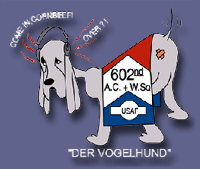 602nd AC & W Sqdn Emblem 602nd AC & W Sqdn Emblem Check out the Birkenfelder Reunion Assn. web site for a history of the 602nd Aircraft Control and Warning Squadron while it was stationed at Birkenfeld from 1948-1955. |
|||||||||||||||||||||||||||||||||||||||||||||||||||||||||||||||||||||||||||||||||||||||||||||||||||||||||||||||||||||||||||||||||||||||||||||||||||||||||||||||||||||||||||||||||||||||||||||||||||||||||||||||||||||||||||||||||||||||||||||||||||||||||||||||||||||||||||||||||||
|
|||||||||||||||||||||||||||||||||||||||||||||||||||||||||||||||||||||||||||||||||||||||||||||||||||||||||||||||||||||||||||||||||||||||||||||||||||||||||||||||||||||||||||||||||||||||||||||||||||||||||||||||||||||||||||||||||||||||||||||||||||||||||||||||||||||||||||||||||||
| (Source: author's collection - photo album belonged to an unnamed member of the 602nd ACWS in 1952) | |||||||||||||||||||||||||||||||||||||||||||||||||||||||||||||||||||||||||||||||||||||||||||||||||||||||||||||||||||||||||||||||||||||||||||||||||||||||||||||||||||||||||||||||||||||||||||||||||||||||||||||||||||||||||||||||||||||||||||||||||||||||||||||||||||||||||||||||||||
|
|||||||||||||||||||||||||||||||||||||||||||||||||||||||||||||||||||||||||||||||||||||||||||||||||||||||||||||||||||||||||||||||||||||||||||||||||||||||||||||||||||||||||||||||||||||||||||||||||||||||||||||||||||||||||||||||||||||||||||||||||||||||||||||||||||||||||||||||||||
|
|||||||||||||||||||||||||||||||||||||||||||||||||||||||||||||||||||||||||||||||||||||||||||||||||||||||||||||||||||||||||||||||||||||||||||||||||||||||||||||||||||||||||||||||||||||||||||||||||||||||||||||||||||||||||||||||||||||||||||||||||||||||||||||||||||||||||||||||||||
| 602nd ACWS, Giebelstadt, 1956 - Aug 1968 | |||||||||||||||||||||||||||||||||||||||||||||||||||||||||||||||||||||||||||||||||||||||||||||||||||||||||||||||||||||||||||||||||||||||||||||||||||||||||||||||||||||||||||||||||||||||||||||||||||||||||||||||||||||||||||||||||||||||||||||||||||||||||||||||||||||||||||||||||||
| 1958 | |||||||||||||||||||||||||||||||||||||||||||||||||||||||||||||||||||||||||||||||||||||||||||||||||||||||||||||||||||||||||||||||||||||||||||||||||||||||||||||||||||||||||||||||||||||||||||||||||||||||||||||||||||||||||||||||||||||||||||||||||||||||||||||||||||||||||||||||||||
| 602nd Aircraft Control & Warning Squadron LOCATION: Giebelstadt Air Base, Germany MISSION: to operate, maintain, and support assigned and/or attached units and/or facilities which provide air surveillance data gathering, processing, and display and weapons commitment, control and recovery, as directed by the Commander, 501st TCW. |
|||||||||||||||||||||||||||||||||||||||||||||||||||||||||||||||||||||||||||||||||||||||||||||||||||||||||||||||||||||||||||||||||||||||||||||||||||||||||||||||||||||||||||||||||||||||||||||||||||||||||||||||||||||||||||||||||||||||||||||||||||||||||||||||||||||||||||||||||||
| (Source: Email from John "Jack" Mazzuchelli, 602nd ACWS, 1958-59) | |||||||||||||||||||||||||||||||||||||||||||||||||||||||||||||||||||||||||||||||||||||||||||||||||||||||||||||||||||||||||||||||||||||||||||||||||||||||||||||||||||||||||||||||||||||||||||||||||||||||||||||||||||||||||||||||||||||||||||||||||||||||||||||||||||||||||||||||||||
| I was stationed at Giebelstadt from Spring 1958 thru Fall 1959. I was a radio operator and operated the Dora D/F Station. In 1959 the Air Force shutdown the "net" and myself along with some others were volunteered to Dhahran, Saudi Arabia to operate the MARS and the then secret SAC network. I was surprised to see that anybody remembers our little "party" at good ole Gieb. We had some veeeery interesting times in 1958. I read on the Web a while back about all of the underground bunkers, hangers etc they found beneath the basw. I WAS TOTALLY DUMBFOUNDED, being there and totally unaware they even existed!!! We knew of a few smaller storage bunkers which were of course off limits but nothing on that scale. I went thru the transition stage from the ole F-100's and the 86 Dogs (F-86D) into the Deuce (F-102). Was that ever an eye opener. Also on duty when Marines first went into Lebanon in 1958. 4 days, 24/7 duty time, full LIVE alert. The D/F Net (Direction Finding): I do not believe we were the network control station. I believe the NCS was on another base since during D/F ops I was directly in communication on radio with a controlling station. I do think that we had 5 stations in my net. As far as the other D/F locations, that's tuff. I do believe we were the closest to the "fence". I think I had one to my NE, one NW,and possibly SW. I know that isn't helping but if you had a map and referenced from Gieb it may help ya. I also do remember that we were on a list of 10 stations for "do not bother to check" if the crap hit the fan. ETA from nearest Hostile base was less than 20 mins. |
|||||||||||||||||||||||||||||||||||||||||||||||||||||||||||||||||||||||||||||||||||||||||||||||||||||||||||||||||||||||||||||||||||||||||||||||||||||||||||||||||||||||||||||||||||||||||||||||||||||||||||||||||||||||||||||||||||||||||||||||||||||||||||||||||||||||||||||||||||
|
|||||||||||||||||||||||||||||||||||||||||||||||||||||||||||||||||||||||||||||||||||||||||||||||||||||||||||||||||||||||||||||||||||||||||||||||||||||||||||||||||||||||||||||||||||||||||||||||||||||||||||||||||||||||||||||||||||||||||||||||||||||||||||||||||||||||||||||||||||
This was established by this method: when a station recv'd a transmission, the operator would see the needle swing to a bearing. If the needle held real steady on one bearing this was the best and most accurate therefore a class Alpha. Swinging say plus or minus 5 degrees, then Bravo; 10 degrees Charlie; more than 10 was Delta and considered unreliable. This was a "learned skill" for all D/F operators since the equipment was not very accurate. The Norm would to be to avg your stations bearing. Pulling Strings: We had a large map on a table, located on that map were the other stations in the net. There was a string from the center of each location. When I recv'd a bearing from each station we literally pulled their string to their bearing and where we crossed, IE triangulated, that was the location of the aircraft. Map was a large sectional laid out in standard grid locations so we could give a location related to the aircraft's sectional. Normally I would give the location to the aircraft directly via radio.We would get a call from an aircraft: IE "Dora D/F. This is Flight (such and such) requesting D/F location" and then the procedure as above. I could also scramble them. If command decided to go "hot" I would relay that to my interceptors. Also at that time, my radar station would come online and we would give vectors etc. If this was an Emergency Request then I called the radar site and they came up on freq and worked with us. The reason for that is even tho I could normally "fix" an aircraft we did not have the equipment to give vectors, headings and in flight guidance that radar could. Also remember that only radar can recv "squawk codes" IFF etc. Communications (D/F Net) -- As stated above all comm was radio except for our radar and that was twisted wire (phone) except when we were in "hot mode" and they could come up on freq. As a note if interest: during all normal ops with both F-100's and 86 Dogs I was able to get Alpha's 90% of the time, Bravo's 9%. When they introduced the F-102's, We were UNABLE to get a D/F fix of any reliability!! The first flights were conducted under strict secrecy, all we knew was that these damn flights would pop up on radio request a fix and then virtually laugh at us when we couldn't get squat. They NEVER gave us any info when I requested little things like: type aircraft, altitude, speed, heading etc. Only learned thru grapevine couple months later what we were dealing with. They were that much more advanced than all previous aircraft :}:}:}:}:} Real nut busters they were. Also, I had the ability to "call" up the net when we got a request for a Fix. Damn, Walter, you are draggin some good times back to life. LOL Thanks 95% good ones. The accuracy of these fixes were highly dependent upon the skills of the crews on duty as are everything else. As a network the DORA net was always way up near the top of the foodchain and we took it that as a real pride issue. When we got a bird under our control from the get go we never lost one. We lost 2 but we got into the situation after it was in progress and tried to help but it was beyond anything we could do. Both were "totals" -- pilots and planes. Remote sites -- I did do TDY at a site around Nürnberg (probably Mausdorf). Can't remember much except we were a detachment and billeted on an Army base (Herzo Base). The site was in the woods about 45 mins away. We went thru tiny towns, drove up a small mountain and the site was on top. We were in tents, there was a van used for radar, everything ran off a big diesel generator, all our food was trucked from the base in big cans like thermos's. I think there was only a search radar -- the van had the rotary antenna. Didn't see anything like the height finder like at Gieb. |
|||||||||||||||||||||||||||||||||||||||||||||||||||||||||||||||||||||||||||||||||||||||||||||||||||||||||||||||||||||||||||||||||||||||||||||||||||||||||||||||||||||||||||||||||||||||||||||||||||||||||||||||||||||||||||||||||||||||||||||||||||||||||||||||||||||||||||||||||||
| 1962 | |||||||||||||||||||||||||||||||||||||||||||||||||||||||||||||||||||||||||||||||||||||||||||||||||||||||||||||||||||||||||||||||||||||||||||||||||||||||||||||||||||||||||||||||||||||||||||||||||||||||||||||||||||||||||||||||||||||||||||||||||||||||||||||||||||||||||||||||||||
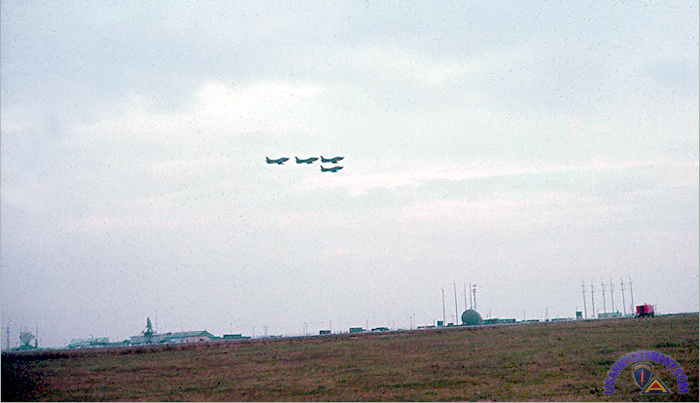 Giebelstadt Radar Site, early 1960s |
|||||||||||||||||||||||||||||||||||||||||||||||||||||||||||||||||||||||||||||||||||||||||||||||||||||||||||||||||||||||||||||||||||||||||||||||||||||||||||||||||||||||||||||||||||||||||||||||||||||||||||||||||||||||||||||||||||||||||||||||||||||||||||||||||||||||||||||||||||
| (Source: Mike Honig, 602nd ACWS, Feb 1962 - Dec 1964) | |||||||||||||||||||||||||||||||||||||||||||||||||||||||||||||||||||||||||||||||||||||||||||||||||||||||||||||||||||||||||||||||||||||||||||||||||||||||||||||||||||||||||||||||||||||||||||||||||||||||||||||||||||||||||||||||||||||||||||||||||||||||||||||||||||||||||||||||||||
|
|||||||||||||||||||||||||||||||||||||||||||||||||||||||||||||||||||||||||||||||||||||||||||||||||||||||||||||||||||||||||||||||||||||||||||||||||||||||||||||||||||||||||||||||||||||||||||||||||||||||||||||||||||||||||||||||||||||||||||||||||||||||||||||||||||||||||||||||||||
|
|||||||||||||||||||||||||||||||||||||||||||||||||||||||||||||||||||||||||||||||||||||||||||||||||||||||||||||||||||||||||||||||||||||||||||||||||||||||||||||||||||||||||||||||||||||||||||||||||||||||||||||||||||||||||||||||||||||||||||||||||||||||||||||||||||||||||||||||||||
| 1963 | |||||||||||||||||||||||||||||||||||||||||||||||||||||||||||||||||||||||||||||||||||||||||||||||||||||||||||||||||||||||||||||||||||||||||||||||||||||||||||||||||||||||||||||||||||||||||||||||||||||||||||||||||||||||||||||||||||||||||||||||||||||||||||||||||||||||||||||||||||
| (Source: Bob James, 602nd ACWS, Mar 1963 - Aug 1964) | |||||||||||||||||||||||||||||||||||||||||||||||||||||||||||||||||||||||||||||||||||||||||||||||||||||||||||||||||||||||||||||||||||||||||||||||||||||||||||||||||||||||||||||||||||||||||||||||||||||||||||||||||||||||||||||||||||||||||||||||||||||||||||||||||||||||||||||||||||
|
|||||||||||||||||||||||||||||||||||||||||||||||||||||||||||||||||||||||||||||||||||||||||||||||||||||||||||||||||||||||||||||||||||||||||||||||||||||||||||||||||||||||||||||||||||||||||||||||||||||||||||||||||||||||||||||||||||||||||||||||||||||||||||||||||||||||||||||||||||
| (Webmaster note: Unlike the other 412L sites being installed in southern Germany at this time, the Giebelstadt CRC was not moved into an underground bunker. Was there no funding for the bunker at Gieb? Or were there already plans to move the CRC to Lauda which did occur in 1968? Anybody have some information on this?) The site was located on the south side of the flight line. To get to work we would exit the base at the south exit and drive around the east end of the runway and travel down the taxi way to the site. If you use Google Earth or Google Maps and type in Giebelstadt, Germany you can see a satellite photo of the base. The buildings on the south side of the flight line, about ¾ of the way down, is where I remember the site as being. The radar we used were a GPS-4 search unit and a GPS-67 Height Finder unit. (CORRECTION: In doing a little searching on-line I think we are both wrong about the height finder at Giebelstadt. From what I can find, the AN/FPS-67 was the search radar. The AN-FPS-6 was height finder radar.) I remember that there was a large building between the GPS-4 and the GPS-67 -- this may have been the manual operations. I never was in that building. The 412-L building (a new building) was west of the GPS-67 tower. This building housed the Computer Room in the lower level (I remember that going into the building we went down several stairs to get to the computer room so I suspect it was below ground level) and an upper level had the Operations Center. The ops center was a very large room probably 2 stories high with several rows of the 412-L scopes. Each row was elevated above the row in front of it. Some of the scopes were search, some were height finder, others were intercept control scopes and finally a couple of jammer detection scopes. At the front of the room was a floor-to-ceiling screen. At the top of the room was a room that housed a huge projector which could project on the screen at the front of the room the air situation for all of Western Europe showing all threats and responses to those threats. Beside the projector room was the telephone switch center which had a state of the art digital phone switch complete with touch tone phone sets. Very fancy for 1963. As far as the CRC building, mostly I remember it was a metal sided and roofed building not really hardened like Messtetten was. We did have our own power generation plant with 4 of the biggest diesels I had ever seen. Additionally we had a large 400Hz converter unit which was in a heavily insulated room at the back of the Computer room. It was insulated because you had to wear ear protection to enter the room VERY LOUD! I do not know how the operations center people were trained. The Maintenance people like me were sent to the GE factory in Syracuse, NY for training following our one year of Technical training at Keesler AFB in Biloxi, MS. At Keesler I was trained on the Datalink portion of the Sage System for North America. Several classes were pulled at the end of our Keesler school and sent to Syracuse. As far as I know, the 412-L system went operation at Giebelstadt in the spring – early summer of 1965 (by that time I was at Ramstein fixing component units). Radar -- As far as I know the 412-L system worked with what was there unless it was very old. The system utilized very complex analog to digital converters which I learned at Messtetten were a pain to keep calibrated. Communications -- Most of the lines were Deutsche Bundespost. I remember working extensively with the Bundespost people getting lines fixed between the various sites. As I mentioned in my other email we had a new digital Ground-to-Air radio system which could take intercept tactics from the 412-L system and communicate them to special instrumentation in the interceptors (F-102) which would guide the pilots to the target in the exact direction and attitude for the chosen intercept tactic. I know we could communicate with the Army Hawk Missile units but I am not sure how that was accomplished. I know those Hawk Missile guys were a lot of laughs. On some mornings I would be driving to work and I would look across the flight line and see and array of Hawk Missiles tracking my car down the taxi way. Not a very comfortable feeling knowing what little I did about the capabilities of that missile. As far as communications between SOC and CRC -- All communications as I understand it was via digital data link. I hope this shines some light on what you were looking for. As I said all of us first termers arrived at Gieb as E3s we were frozen at E3 until the system went operational in spring of 1965. That experience and the fact they wanted me to re-up to go to somewhere called Viet Nam to work on the mobile version of the 412-L made my decision to exit the Air Force pretty simple as in “no-brainer.” |
|||||||||||||||||||||||||||||||||||||||||||||||||||||||||||||||||||||||||||||||||||||||||||||||||||||||||||||||||||||||||||||||||||||||||||||||||||||||||||||||||||||||||||||||||||||||||||||||||||||||||||||||||||||||||||||||||||||||||||||||||||||||||||||||||||||||||||||||||||
|
|||||||||||||||||||||||||||||||||||||||||||||||||||||||||||||||||||||||||||||||||||||||||||||||||||||||||||||||||||||||||||||||||||||||||||||||||||||||||||||||||||||||||||||||||||||||||||||||||||||||||||||||||||||||||||||||||||||||||||||||||||||||||||||||||||||||||||||||||||
| (Source: Welcome to Giebelstadt Air Base, Germany, 1964 Edition) | |||||||||||||||||||||||||||||||||||||||||||||||||||||||||||||||||||||||||||||||||||||||||||||||||||||||||||||||||||||||||||||||||||||||||||||||||||||||||||||||||||||||||||||||||||||||||||||||||||||||||||||||||||||||||||||||||||||||||||||||||||||||||||||||||||||||||||||||||||
| MISSION OF THE 602nd AC& W SQ The 602nd AC & W Squadron is at Giebelstadt Air Base which is located approximately ten miles south of Wuerzburg on Highway 19. It is a unit of the 86th Air Division and its primary function is to operate and maintain a ground electronic control environment in support of offensive and defensive air operations as directed. As host organization at Gioebelstadt Air Base, the 602nd also performs logistic support duties. Currently (1964) on base are the following tenant units: Flight C, 2057th Radio Relay Sq.Det 504, 2nd Air Postal Sq."C" Btry, 6th Bn, 52nd ArtyDet A, 183rd Arty Gp (Webmaster Note: is actually a team of the 183rd Ord Det, in support of "C" Btry) |
|||||||||||||||||||||||||||||||||||||||||||||||||||||||||||||||||||||||||||||||||||||||||||||||||||||||||||||||||||||||||||||||||||||||||||||||||||||||||||||||||||||||||||||||||||||||||||||||||||||||||||||||||||||||||||||||||||||||||||||||||||||||||||||||||||||||||||||||||||
| 1966 | |||||||||||||||||||||||||||||||||||||||||||||||||||||||||||||||||||||||||||||||||||||||||||||||||||||||||||||||||||||||||||||||||||||||||||||||||||||||||||||||||||||||||||||||||||||||||||||||||||||||||||||||||||||||||||||||||||||||||||||||||||||||||||||||||||||||||||||||||||
| (Source: Email from Ed Allen, 602nd ACWS, 1966-68) | |||||||||||||||||||||||||||||||||||||||||||||||||||||||||||||||||||||||||||||||||||||||||||||||||||||||||||||||||||||||||||||||||||||||||||||||||||||||||||||||||||||||||||||||||||||||||||||||||||||||||||||||||||||||||||||||||||||||||||||||||||||||||||||||||||||||||||||||||||
| I arrived at Giebelstadt in early 1966 after training at Keesler on the GE 412L system as a Data Link Technician (30554). I worked down stairs at the radar site maintaining data link and other equipment. I remember going to movies at the base theatre and waiting in line to buy popcorn. Only had one machine and it was small. I also spent a lot of time at the service club shooting pool, considered myself pretty good at pool. Lived in the barracks above the service club, 2nd floor I believe. Also lived in the BOQ's for a short while when they sand blasted and cleaned the radiators in the barracks. I believe my room in the BOQ's was opposite the dentists office. Remember hearing that drill all day long. Stayed until 1968 when the base was turned over to the German Air Force, or so we thought. Turns out that a friend that I play tennis with was transferred there shortly after we left. He was in the Army in charge of the base theatre as well as other things. Here are the pictures I took while I was there. |
|||||||||||||||||||||||||||||||||||||||||||||||||||||||||||||||||||||||||||||||||||||||||||||||||||||||||||||||||||||||||||||||||||||||||||||||||||||||||||||||||||||||||||||||||||||||||||||||||||||||||||||||||||||||||||||||||||||||||||||||||||||||||||||||||||||||||||||||||||
|
|||||||||||||||||||||||||||||||||||||||||||||||||||||||||||||||||||||||||||||||||||||||||||||||||||||||||||||||||||||||||||||||||||||||||||||||||||||||||||||||||||||||||||||||||||||||||||||||||||||||||||||||||||||||||||||||||||||||||||||||||||||||||||||||||||||||||||||||||||
| (Source: Email from Jim Faull) | |||||||||||||||||||||||||||||||||||||||||||||||||||||||||||||||||||||||||||||||||||||||||||||||||||||||||||||||||||||||||||||||||||||||||||||||||||||||||||||||||||||||||||||||||||||||||||||||||||||||||||||||||||||||||||||||||||||||||||||||||||||||||||||||||||||||||||||||||||
| I was stationed at Gieb from July 1966 to Oct 1968. We lived at Leighton Barracks, Wurzburg. As I remember, we had an MPS-11 search radar and an FPS-90 height radar. I don't believe the search radar was moved to Lauda, but I may be wrong! I toured the Lauda facility before I left Germany and I thought the site was operational BEFORE Gieb pulled the plug! Also, I think we had a second height radar, the FPS-6. |
|||||||||||||||||||||||||||||||||||||||||||||||||||||||||||||||||||||||||||||||||||||||||||||||||||||||||||||||||||||||||||||||||||||||||||||||||||||||||||||||||||||||||||||||||||||||||||||||||||||||||||||||||||||||||||||||||||||||||||||||||||||||||||||||||||||||||||||||||||
| 1968 | |||||||||||||||||||||||||||||||||||||||||||||||||||||||||||||||||||||||||||||||||||||||||||||||||||||||||||||||||||||||||||||||||||||||||||||||||||||||||||||||||||||||||||||||||||||||||||||||||||||||||||||||||||||||||||||||||||||||||||||||||||||||||||||||||||||||||||||||||||
| (Source: Email from Jon Vick, 602nd AC &W Sq) | |||||||||||||||||||||||||||||||||||||||||||||||||||||||||||||||||||||||||||||||||||||||||||||||||||||||||||||||||||||||||||||||||||||||||||||||||||||||||||||||||||||||||||||||||||||||||||||||||||||||||||||||||||||||||||||||||||||||||||||||||||||||||||||||||||||||||||||||||||
| I was a weapons controller at Gieb from 1968-69 and at Lauda (Batman) from 1969-70. The 412L system was installed at Gieb when I got there in 1967 and was also installed at Lauda where I was transferred to in 1968 as one of the first controllers. We trained on and used the 412L system exclusively at both Gieb in 1967 and Lauda in 1968. I don't recall running any manual intercepts at either site. I think that both Gieb and Lauda had 3 tiers of scopes: 1 row of controller scopes in the top tier for intercepts with additional scopes for other uses in a second tier and bottom tier, but these were not used for intercepts. There were about 4 controllers per shift with 3 shifts; all were Lts or captains who spoke with the pilots and controlled intercepts via datalink. We reported to the Senior Director who was a captain; he reported to a major who was the Crew Commander. Our shifts were day, swing, and mid-shifts; usually 6 shifts (3 days, 3 nights) in a row then 3 days off. We each used a 412L scope on the top tier to control intercepts and each of us was assigned a weapons tech who were airmen or sgts and who sat beside us and worked the weapons console and communications buttons. We had several channels of communication available and could change frequency as needed after the flight had been identified and vectored. We used phones for internal communication to the Senior Director, pickups, handoffs, etc. Usually we ran some simulated intercepts and were lucky to get one actual flight a week due to bad weather, infrequency of flights, etc. It would take a new controller 6 months to qualify due to the small number of flights. |
|||||||||||||||||||||||||||||||||||||||||||||||||||||||||||||||||||||||||||||||||||||||||||||||||||||||||||||||||||||||||||||||||||||||||||||||||||||||||||||||||||||||||||||||||||||||||||||||||||||||||||||||||||||||||||||||||||||||||||||||||||||||||||||||||||||||||||||||||||
|
|||||||||||||||||||||||||||||||||||||||||||||||||||||||||||||||||||||||||||||||||||||||||||||||||||||||||||||||||||||||||||||||||||||||||||||||||||||||||||||||||||||||||||||||||||||||||||||||||||||||||||||||||||||||||||||||||||||||||||||||||||||||||||||||||||||||||||||||||||
| 603rd AC&WS / 603rd TCS | |||||||||||||||||||||||||||||||||||||||||||||||||||||||||||||||||||||||||||||||||||||||||||||||||||||||||||||||||||||||||||||||||||||||||||||||||||||||||||||||||||||||||||||||||||||||||||||||||||||||||||||||||||||||||||||||||||||||||||||||||||||||||||||||||||||||||||||||||||
| 603rd Tactical Control Squadron, Dec 1945 - Dec 1948 603rd Aircraft Control & Warning Squadron, Dec 1948 - June 1965 603rd Tactical Control Squadron, June 1973 - Sep 1986 603rd ACWRON Command Histories |
|||||||||||||||||||||||||||||||||||||||||||||||||||||||||||||||||||||||||||||||||||||||||||||||||||||||||||||||||||||||||||||||||||||||||||||||||||||||||||||||||||||||||||||||||||||||||||||||||||||||||||||||||||||||||||||||||||||||||||||||||||||||||||||||||||||||||||||||||||
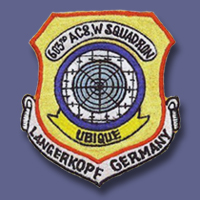 603rd AC & W Squadron 603rd AC & W Squadron |
|||||||||||||||||||||||||||||||||||||||||||||||||||||||||||||||||||||||||||||||||||||||||||||||||||||||||||||||||||||||||||||||||||||||||||||||||||||||||||||||||||||||||||||||||||||||||||||||||||||||||||||||||||||||||||||||||||||||||||||||||||||||||||||||||||||||||||||||||||
| 1945 | |||||||||||||||||||||||||||||||||||||||||||||||||||||||||||||||||||||||||||||||||||||||||||||||||||||||||||||||||||||||||||||||||||||||||||||||||||||||||||||||||||||||||||||||||||||||||||||||||||||||||||||||||||||||||||||||||||||||||||||||||||||||||||||||||||||||||||||||||||
| (Source: 31st Fighter Wing PAO) | |||||||||||||||||||||||||||||||||||||||||||||||||||||||||||||||||||||||||||||||||||||||||||||||||||||||||||||||||||||||||||||||||||||||||||||||||||||||||||||||||||||||||||||||||||||||||||||||||||||||||||||||||||||||||||||||||||||||||||||||||||||||||||||||||||||||||||||||||||
| The 603rd Air Control Squadron was officially activated on Dec. 31, 1945 as the 603rd Tactical Control Squadron. The unit was under the operation control of the 501st Tactical Control Group. On May 25, 1948 the unit was realigned to report to the 7400th Air Force Communications Wing. On Dec. 1, 1948 it was redesignated the 603rd Aircraft control and Warning Squadron, under direct control of the 7402nd Aircraft Control and Warning Group. Its mission was to provide early warning radar and direction-finding network to support tactical air operations of USAFE and to provide navigational aids to friendly aircraft. The main force of the unit's capabilities were witnessed during the 1948-49 Berlin Airlift. On June 10, 1949 the 603rd realigned under the 501st Aircraft Control and Warning Group and on Nov. 18, 1960 it was again realigned under the 86th Air Division where it remained until it was once again inactivated on June 25, 1965. Redesignated 603rd Tactical Control Squadron on June 29, 1973. the unit was again officially reactivated, this time subordinate to the 601st Tactical Control Group. During the next 10 years the 603rd distinguished itself by providing high quality radar coverage and command and control functions both in-garrison and during NATO exercises. |
|||||||||||||||||||||||||||||||||||||||||||||||||||||||||||||||||||||||||||||||||||||||||||||||||||||||||||||||||||||||||||||||||||||||||||||||||||||||||||||||||||||||||||||||||||||||||||||||||||||||||||||||||||||||||||||||||||||||||||||||||||||||||||||||||||||||||||||||||||
| (Source: PLANTER, 603rd Tactical Control Squadron, 1947) | |||||||||||||||||||||||||||||||||||||||||||||||||||||||||||||||||||||||||||||||||||||||||||||||||||||||||||||||||||||||||||||||||||||||||||||||||||||||||||||||||||||||||||||||||||||||||||||||||||||||||||||||||||||||||||||||||||||||||||||||||||||||||||||||||||||||||||||||||||
| 603rd Tactical Control Squadron The 603rd TCS was activated on 31 December 1946 at Neustadt an der Aisch, a small German town northwest of Bad Windsheim in Bavaria. The squadron was formed from Company "A," 555th Signal Aircraft Warning Battalion which had served (along with the rest of the 555th) in the ETO as part of the IX Tactical Air Command in support of First US Army. |
|||||||||||||||||||||||||||||||||||||||||||||||||||||||||||||||||||||||||||||||||||||||||||||||||||||||||||||||||||||||||||||||||||||||||||||||||||||||||||||||||||||||||||||||||||||||||||||||||||||||||||||||||||||||||||||||||||||||||||||||||||||||||||||||||||||||||||||||||||
|
|||||||||||||||||||||||||||||||||||||||||||||||||||||||||||||||||||||||||||||||||||||||||||||||||||||||||||||||||||||||||||||||||||||||||||||||||||||||||||||||||||||||||||||||||||||||||||||||||||||||||||||||||||||||||||||||||||||||||||||||||||||||||||||||||||||||||||||||||||
| In April 1950, the 603rd is relocated to Giebelstadt, Germany. In November 1952, a detachment of the 603rd is assigned to Hof. In July 1956, the 603rd AC&W Sqdn is moved again, this time taking up shop at Langerkopf, Germany, near Pirmasens. Det 1, 603rd AC&WS is at Hof (?) Det 2, 603rd AC&WS is at Giebelstadt (?) Det 3, 603rd AC&WS is at Bann (near Kindsbach) (?) On Nov. 18, 1960 the squadron is again realigned, this time under the 86th Air Division where it remains until it is inactivated on June 25, 1965. Redesignated 603rd Tactical Control Squadron on June 29, 1973, the unit is again officially reactivated, this time subordinate to the 601st Tactical Control Group. |
|||||||||||||||||||||||||||||||||||||||||||||||||||||||||||||||||||||||||||||||||||||||||||||||||||||||||||||||||||||||||||||||||||||||||||||||||||||||||||||||||||||||||||||||||||||||||||||||||||||||||||||||||||||||||||||||||||||||||||||||||||||||||||||||||||||||||||||||||||
| 1963 | |||||||||||||||||||||||||||||||||||||||||||||||||||||||||||||||||||||||||||||||||||||||||||||||||||||||||||||||||||||||||||||||||||||||||||||||||||||||||||||||||||||||||||||||||||||||||||||||||||||||||||||||||||||||||||||||||||||||||||||||||||||||||||||||||||||||||||||||||||
| (Source: Email from Gary Merkel, 12th RRS Yahoo Group) | |||||||||||||||||||||||||||||||||||||||||||||||||||||||||||||||||||||||||||||||||||||||||||||||||||||||||||||||||||||||||||||||||||||||||||||||||||||||||||||||||||||||||||||||||||||||||||||||||||||||||||||||||||||||||||||||||||||||||||||||||||||||||||||||||||||||||||||||||||
| Noticed you have Det 2, 603rd AC&WS being located at Giebelstadt, they may have been there for awhile . . . they were a mobile unit and their headquarters was at Pforzheim AS, they were there while the 12th RRS was there and into some of the time that the 2060th RRS was active. (The 12th RRS was replaced by the 2060th RRS in 1962.) They left shortly before I arrived in Pforzheim in late 1963. | |||||||||||||||||||||||||||||||||||||||||||||||||||||||||||||||||||||||||||||||||||||||||||||||||||||||||||||||||||||||||||||||||||||||||||||||||||||||||||||||||||||||||||||||||||||||||||||||||||||||||||||||||||||||||||||||||||||||||||||||||||||||||||||||||||||||||||||||||||
| 1964 | |||||||||||||||||||||||||||||||||||||||||||||||||||||||||||||||||||||||||||||||||||||||||||||||||||||||||||||||||||||||||||||||||||||||||||||||||||||||||||||||||||||||||||||||||||||||||||||||||||||||||||||||||||||||||||||||||||||||||||||||||||||||||||||||||||||||||||||||||||
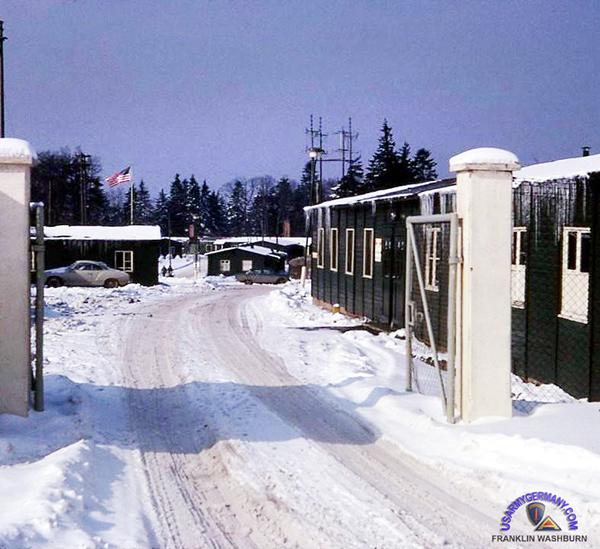 Langerkopf radar site, 1964-65 (Franklin Washburn) |
|||||||||||||||||||||||||||||||||||||||||||||||||||||||||||||||||||||||||||||||||||||||||||||||||||||||||||||||||||||||||||||||||||||||||||||||||||||||||||||||||||||||||||||||||||||||||||||||||||||||||||||||||||||||||||||||||||||||||||||||||||||||||||||||||||||||||||||||||||
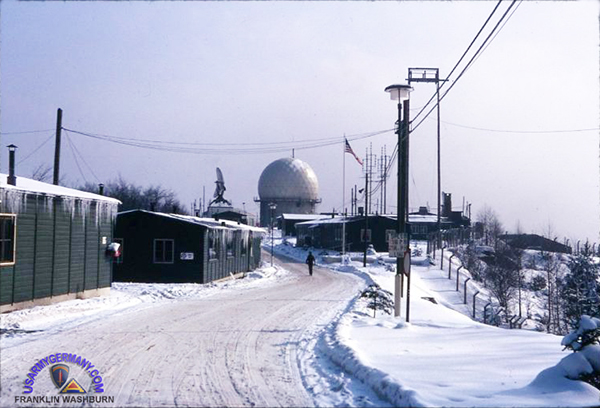 Langerkopf technical area, 1964-65 (Franklin Washburn) |
|||||||||||||||||||||||||||||||||||||||||||||||||||||||||||||||||||||||||||||||||||||||||||||||||||||||||||||||||||||||||||||||||||||||||||||||||||||||||||||||||||||||||||||||||||||||||||||||||||||||||||||||||||||||||||||||||||||||||||||||||||||||||||||||||||||||||||||||||||
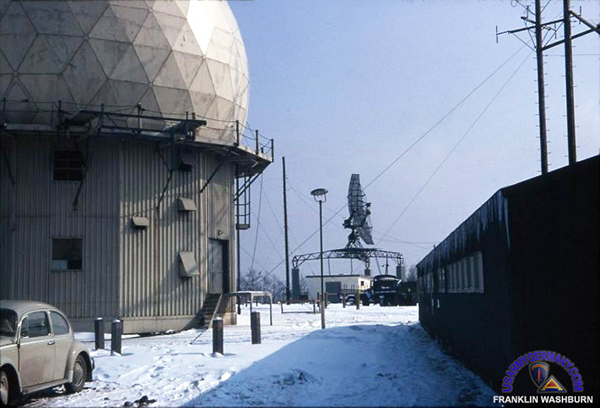 Search radar tower (left) and one of the two height finders (background) (Franklin Washburn) |
|||||||||||||||||||||||||||||||||||||||||||||||||||||||||||||||||||||||||||||||||||||||||||||||||||||||||||||||||||||||||||||||||||||||||||||||||||||||||||||||||||||||||||||||||||||||||||||||||||||||||||||||||||||||||||||||||||||||||||||||||||||||||||||||||||||||||||||||||||
|
|||||||||||||||||||||||||||||||||||||||||||||||||||||||||||||||||||||||||||||||||||||||||||||||||||||||||||||||||||||||||||||||||||||||||||||||||||||||||||||||||||||||||||||||||||||||||||||||||||||||||||||||||||||||||||||||||||||||||||||||||||||||||||||||||||||||||||||||||||
|
|||||||||||||||||||||||||||||||||||||||||||||||||||||||||||||||||||||||||||||||||||||||||||||||||||||||||||||||||||||||||||||||||||||||||||||||||||||||||||||||||||||||||||||||||||||||||||||||||||||||||||||||||||||||||||||||||||||||||||||||||||||||||||||||||||||||||||||||||||
| 604th AC&WS | |||||||||||||||||||||||||||||||||||||||||||||||||||||||||||||||||||||||||||||||||||||||||||||||||||||||||||||||||||||||||||||||||||||||||||||||||||||||||||||||||||||||||||||||||||||||||||||||||||||||||||||||||||||||||||||||||||||||||||||||||||||||||||||||||||||||||||||||||||
| 604th Aircraft Control & Warning Squadron, Freising, Dec 1945 - Dec 1957 604th ACWRON Command Histories |
|||||||||||||||||||||||||||||||||||||||||||||||||||||||||||||||||||||||||||||||||||||||||||||||||||||||||||||||||||||||||||||||||||||||||||||||||||||||||||||||||||||||||||||||||||||||||||||||||||||||||||||||||||||||||||||||||||||||||||||||||||||||||||||||||||||||||||||||||||
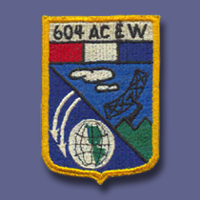 604th AC & W Squadron 604th AC & W Squadron |
|||||||||||||||||||||||||||||||||||||||||||||||||||||||||||||||||||||||||||||||||||||||||||||||||||||||||||||||||||||||||||||||||||||||||||||||||||||||||||||||||||||||||||||||||||||||||||||||||||||||||||||||||||||||||||||||||||||||||||||||||||||||||||||||||||||||||||||||||||
| 1945 | |||||||||||||||||||||||||||||||||||||||||||||||||||||||||||||||||||||||||||||||||||||||||||||||||||||||||||||||||||||||||||||||||||||||||||||||||||||||||||||||||||||||||||||||||||||||||||||||||||||||||||||||||||||||||||||||||||||||||||||||||||||||||||||||||||||||||||||||||||
| The 604th Aircraft Control & Warning Squadron was activated on 31 December 1945 at Freising, Germany. | |||||||||||||||||||||||||||||||||||||||||||||||||||||||||||||||||||||||||||||||||||||||||||||||||||||||||||||||||||||||||||||||||||||||||||||||||||||||||||||||||||||||||||||||||||||||||||||||||||||||||||||||||||||||||||||||||||||||||||||||||||||||||||||||||||||||||||||||||||
| 1950 | |||||||||||||||||||||||||||||||||||||||||||||||||||||||||||||||||||||||||||||||||||||||||||||||||||||||||||||||||||||||||||||||||||||||||||||||||||||||||||||||||||||||||||||||||||||||||||||||||||||||||||||||||||||||||||||||||||||||||||||||||||||||||||||||||||||||||||||||||||
| (Source: Author's collection) | |||||||||||||||||||||||||||||||||||||||||||||||||||||||||||||||||||||||||||||||||||||||||||||||||||||||||||||||||||||||||||||||||||||||||||||||||||||||||||||||||||||||||||||||||||||||||||||||||||||||||||||||||||||||||||||||||||||||||||||||||||||||||||||||||||||||||||||||||||
|
|||||||||||||||||||||||||||||||||||||||||||||||||||||||||||||||||||||||||||||||||||||||||||||||||||||||||||||||||||||||||||||||||||||||||||||||||||||||||||||||||||||||||||||||||||||||||||||||||||||||||||||||||||||||||||||||||||||||||||||||||||||||||||||||||||||||||||||||||||
| 1955 | |||||||||||||||||||||||||||||||||||||||||||||||||||||||||||||||||||||||||||||||||||||||||||||||||||||||||||||||||||||||||||||||||||||||||||||||||||||||||||||||||||||||||||||||||||||||||||||||||||||||||||||||||||||||||||||||||||||||||||||||||||||||||||||||||||||||||||||||||||
| (Source: Email from James Arrington) | |||||||||||||||||||||||||||||||||||||||||||||||||||||||||||||||||||||||||||||||||||||||||||||||||||||||||||||||||||||||||||||||||||||||||||||||||||||||||||||||||||||||||||||||||||||||||||||||||||||||||||||||||||||||||||||||||||||||||||||||||||||||||||||||||||||||||||||||||||
| I went to the 604th Aircraft Control & Warning Squadron in 1955 and left there in 1959. We did not have any 412L at that time. I was at a manuel site about 3 miles outside Freising. I was a Telephone Inside plant technician. We were responsible for bringing all communication directly to the scope VIA a AN/GTA-6 telephone system. I think our radar was a MPS 6 and FPS 20 . I was at Vimy Kaserne if you left the kaserne VIA the front gate turn right go to the corner turn right again . Then you go 3 miles to the radar site. In the dark room there were 2 tiers of scopes. We had some OL and DF sites I don't remember how many. Maybe I will find a map and get the exact directions.and locations. There was a transmitter site maybe a quarter mile before the main radar site. We had HF, VHF UHF and some German (PTT) lines but they came from Vimy Kaserne. I think the HF was used to as a back-up for land line traffic, and for other communication. I am not sure .. I can ask a friend of mine who was in radio. I think both the UHF and the VHF was used to talk to the interceptors. I think the UHF was the primary and VHF was a back-up. There was communications to our control site - I think it was at Landstuhl. I think the 12th Air Force was there at the beginning but I don't remember them being around in the middle of my tour. We had both a small switchboard and teletype. The switchboard was I think a SB 100 . It was the one with the GTA-6 system and the FTA-13. |
|||||||||||||||||||||||||||||||||||||||||||||||||||||||||||||||||||||||||||||||||||||||||||||||||||||||||||||||||||||||||||||||||||||||||||||||||||||||||||||||||||||||||||||||||||||||||||||||||||||||||||||||||||||||||||||||||||||||||||||||||||||||||||||||||||||||||||||||||||
| (Source: Email from Rudy Wesselhoft) | |||||||||||||||||||||||||||||||||||||||||||||||||||||||||||||||||||||||||||||||||||||||||||||||||||||||||||||||||||||||||||||||||||||||||||||||||||||||||||||||||||||||||||||||||||||||||||||||||||||||||||||||||||||||||||||||||||||||||||||||||||||||||||||||||||||||||||||||||||
| Regarding the webpage you started up on AC&WS units in Southern Germany – I was there late 1955/early 1956 to late 1958/early 1959. I went back for a visit last year. It was great. Although a lot has changed since we were stationed there . . the 604th Sqdn was in Freising, a whole lot of memories. Det #3, 604th was a ten-man outpost on the Czech border. We were a D/F unit (early warning). We operated out of an AN/GRA 9 deuce-and-a-half on top of a hill (there is a hospital there now). The 616th AC&WS at Regensburg (also a D/F det - I can’t remember what the det number) was pretty much the same. Only we operated out of an Army base. Then the 616th merged into the 604th AC&W RON. When I got to Germany, Ulm was a repo depot and most of the hard cases that nobody could do anything with went there. Nobody really wanted to be so “unlucky” to get stationed there. If I remember correctly, Deggendorf Det #3 and one in Berlin were the two detachments on a “permanent casualty” list. If anything was to happen, we had 10 minutes to destroy the site and housing and get across the bridge before the 237th Engineers blew the bridge. |
|||||||||||||||||||||||||||||||||||||||||||||||||||||||||||||||||||||||||||||||||||||||||||||||||||||||||||||||||||||||||||||||||||||||||||||||||||||||||||||||||||||||||||||||||||||||||||||||||||||||||||||||||||||||||||||||||||||||||||||||||||||||||||||||||||||||||||||||||||
| 1961 | |||||||||||||||||||||||||||||||||||||||||||||||||||||||||||||||||||||||||||||||||||||||||||||||||||||||||||||||||||||||||||||||||||||||||||||||||||||||||||||||||||||||||||||||||||||||||||||||||||||||||||||||||||||||||||||||||||||||||||||||||||||||||||||||||||||||||||||||||||
| (Source: ON GUARD, April 1961) | |||||||||||||||||||||||||||||||||||||||||||||||||||||||||||||||||||||||||||||||||||||||||||||||||||||||||||||||||||||||||||||||||||||||||||||||||||||||||||||||||||||||||||||||||||||||||||||||||||||||||||||||||||||||||||||||||||||||||||||||||||||||||||||||||||||||||||||||||||
|
|||||||||||||||||||||||||||||||||||||||||||||||||||||||||||||||||||||||||||||||||||||||||||||||||||||||||||||||||||||||||||||||||||||||||||||||||||||||||||||||||||||||||||||||||||||||||||||||||||||||||||||||||||||||||||||||||||||||||||||||||||||||||||||||||||||||||||||||||||
| (Source: Email from George Wickert, 604th AC&WS, 1962-65) | |||||||||||||||||||||||||||||||||||||||||||||||||||||||||||||||||||||||||||||||||||||||||||||||||||||||||||||||||||||||||||||||||||||||||||||||||||||||||||||||||||||||||||||||||||||||||||||||||||||||||||||||||||||||||||||||||||||||||||||||||||||||||||||||||||||||||||||||||||
| (George was assigned to the 604th AC&W Sqdrn. Freising, Germany, from 1962 to 1964. He also served as an adviser to the German AF.) I worked at both the Manual Radar Site until it was closed and then later at the 412L bunker site. I was a trainer for the newly assigned German Crews in Weapons Section. I worked in the Bunker there at Freising. In fact it wasn't too far from the (original) Manual Site. I helped turn the lights out at the Manual site. I was one of the last Americans to work there at that time. I left Germany before the the Germans became Operational on their own but they were well on their way in July 1965. I went to Malmstrom AFB, Great Falls, Mont. The 604th fell under operational control of the French at Drachebronn (France) -- I believe it was SOC 4 -- and was under German control with American AF and Army Units assigned in support and advisory capacities. If I remember right, we were in the 4TH ATAF. All headquarters were at Vimy Kaserne in Friesing. I'm retired in central NY and I have a AF buddy of mine from Friesing living close by. I just remememberd we had a Army Hawk unit assigned to our Radar Site. I can't remember the unit designation (Webmaster: this might have been Btry "A," 6th MSL Bn, 61st Arty) but some of the troops worked right in the operations area. We also had a Army and AF Radio relay troops assigned. I can still remember a young German LT. by the name of Betz telling me he wasn't in the Deutsche Luftwaffe, he was in the Bavarian Air Force. He was quite a character. I really liked working with him. He was in their Training Branch. I also recall that while I was in Germany, the GAF was phasing into the F-104G Starfighter. They had quite a few accidents with that Aircraft until their maintenance troops got up to speed. As I recall half of the Germany Fighter Pilots were enlisted personnel. |
|||||||||||||||||||||||||||||||||||||||||||||||||||||||||||||||||||||||||||||||||||||||||||||||||||||||||||||||||||||||||||||||||||||||||||||||||||||||||||||||||||||||||||||||||||||||||||||||||||||||||||||||||||||||||||||||||||||||||||||||||||||||||||||||||||||||||||||||||||
|
|||||||||||||||||||||||||||||||||||||||||||||||||||||||||||||||||||||||||||||||||||||||||||||||||||||||||||||||||||||||||||||||||||||||||||||||||||||||||||||||||||||||||||||||||||||||||||||||||||||||||||||||||||||||||||||||||||||||||||||||||||||||||||||||||||||||||||||||||||
| 606th AC&WS / 606th TCS | |||||||||||||||||||||||||||||||||||||||||||||||||||||||||||||||||||||||||||||||||||||||||||||||||||||||||||||||||||||||||||||||||||||||||||||||||||||||||||||||||||||||||||||||||||||||||||||||||||||||||||||||||||||||||||||||||||||||||||||||||||||||||||||||||||||||||||||||||||
| Det, 603rd Aircraft Control & Warning Squadron, Hof, - OL 1, 602nd Tactical Control Squadron, Hof then Doebraberg, 606th Aircraft Control & Warning Squadron, Doebraberg, Jan 1964 - Jul 1974 606th Tactical Control Squadron, Bremerhaven then Basdahl, 1977 - 1991 |
|||||||||||||||||||||||||||||||||||||||||||||||||||||||||||||||||||||||||||||||||||||||||||||||||||||||||||||||||||||||||||||||||||||||||||||||||||||||||||||||||||||||||||||||||||||||||||||||||||||||||||||||||||||||||||||||||||||||||||||||||||||||||||||||||||||||||||||||||||
 606th AC & W Squadron 606th AC & W Squadron |
|||||||||||||||||||||||||||||||||||||||||||||||||||||||||||||||||||||||||||||||||||||||||||||||||||||||||||||||||||||||||||||||||||||||||||||||||||||||||||||||||||||||||||||||||||||||||||||||||||||||||||||||||||||||||||||||||||||||||||||||||||||||||||||||||||||||||||||||||||
| (Source: 608th AC&W Squadron website) | |||||||||||||||||||||||||||||||||||||||||||||||||||||||||||||||||||||||||||||||||||||||||||||||||||||||||||||||||||||||||||||||||||||||||||||||||||||||||||||||||||||||||||||||||||||||||||||||||||||||||||||||||||||||||||||||||||||||||||||||||||||||||||||||||||||||||||||||||||
| STATION: Doebraberg, West Germany, 15 Jan 1964-1 Jul 1974 ASSIGNMENTS: United States Air Forces in Europe, 16 Dec 1963 - 14 Jan 1964; 86th Air Division (Defense), 15 Jan 1964 - 31 Oct 1968; 601st Tactical Control Group, 1 Nov 1968 - 1 Jul 1974 OPERATIONS: (15 Jan 1964-1 Jul 1974) Maintained and operated a reporting post in support of the air defense system in central Europe, Jan 1964-Jun 1974. Converted from a manual system to the 412L semi-automatic air weapons control system in Jan 1965. Phased over operations of site to the German Air Force and inactivated on 1 Jul 1974. In January 1964 the 606th was assigned to Doebraberg, Germany (near Hof). Upon activation, the unit absorbed the men and equipment of Detachment 2, 602nd Aircraft Control and Warning Squadron. The squadron operated an AN/FPS-67C search radar, an AN/FPS-6C height-finder, a AN/FPS-90 height-finder and 412L data processing equipment (see also the 412L ACWS on Page 6). The squadron's primary responsibility as a reporting post was to identify and track all aircraft approaching the West German—East German and Czechoslovakian—West German borders and forward information relating to these tracks to the control center. A secondary responsibility included functioning as a back—up unit for corridor control for the southern air corridor into West Berlin. |
|||||||||||||||||||||||||||||||||||||||||||||||||||||||||||||||||||||||||||||||||||||||||||||||||||||||||||||||||||||||||||||||||||||||||||||||||||||||||||||||||||||||||||||||||||||||||||||||||||||||||||||||||||||||||||||||||||||||||||||||||||||||||||||||||||||||||||||||||||
| Operating Location 1, 602nd ACWS, Hof | |||||||||||||||||||||||||||||||||||||||||||||||||||||||||||||||||||||||||||||||||||||||||||||||||||||||||||||||||||||||||||||||||||||||||||||||||||||||||||||||||||||||||||||||||||||||||||||||||||||||||||||||||||||||||||||||||||||||||||||||||||||||||||||||||||||||||||||||||||
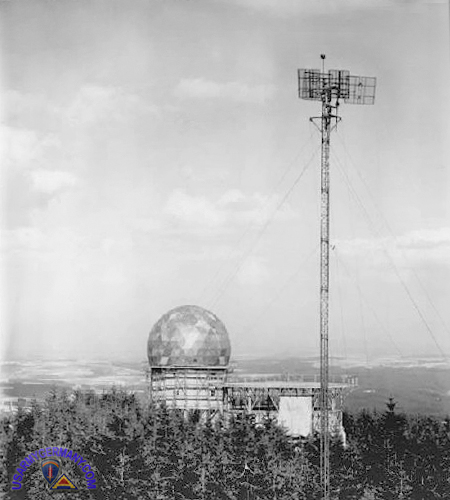 Doebraberg Radar Site still under construction |
|||||||||||||||||||||||||||||||||||||||||||||||||||||||||||||||||||||||||||||||||||||||||||||||||||||||||||||||||||||||||||||||||||||||||||||||||||||||||||||||||||||||||||||||||||||||||||||||||||||||||||||||||||||||||||||||||||||||||||||||||||||||||||||||||||||||||||||||||||
| 1961 | |||||||||||||||||||||||||||||||||||||||||||||||||||||||||||||||||||||||||||||||||||||||||||||||||||||||||||||||||||||||||||||||||||||||||||||||||||||||||||||||||||||||||||||||||||||||||||||||||||||||||||||||||||||||||||||||||||||||||||||||||||||||||||||||||||||||||||||||||||
| (Email from Dennis Burr, OL-1, 602nd ACWS and 606th ACWS, Hof then Doebraberg) | |||||||||||||||||||||||||||||||||||||||||||||||||||||||||||||||||||||||||||||||||||||||||||||||||||||||||||||||||||||||||||||||||||||||||||||||||||||||||||||||||||||||||||||||||||||||||||||||||||||||||||||||||||||||||||||||||||||||||||||||||||||||||||||||||||||||||||||||||||
| I was assigned to Hof from the 920th AC&W Sqdn, Resolution Island, NWT, Labrador in December 1961. My first duty station was at Hof with the 602nd AC&W Sqdn, Operating Location 1. About January of 1963 we closed down the Hof site, moved to Doebraberg, and were re-constituted as the 606th AC&W Sqdn (412L). I remained there until December 1965 when I transferred back to CONUS to the 780th AC&W Sqdn (BUIC), Fortuna, ND. The (Hof) site was located to the west of the kaserne in a more or less open field, enclosed by barbed wire fencing. To the north of the site was a local flugplatz used for sailplanes. Except for the gate shack, all the buildings on site were canvas covered Quonset huts which, technically, could be dismantled, loaded on trucks and moved to another working location. Happily we never had to do that until the move to Doebraberg. Commander, first sergeant, admin and medics had work space in the kaserne; in the basement of the building we shared with 2nd ACR for billeting. I was a 27350A radar operator at that time, assigned to Alpha crew. We had three crews in Ops, working a six and four schedule; with split shifts on swings and mids. I believe we had a FPS 20 for search and a FPS 6 for height finder. Our comm was landline, radio relay and air to ground. We were also backup control for the Southern Berlin Corridor. The 602nd AC&W Sqdn at Giebelstadt was our parent organization. In late 1962 we started getting an influx of 412L operators, even though the Doebraberg site was still under construction. We assimilated them into our existing crews and cross-trained them as manual operators while the best of the new troops started teaching the rest of us the 412L system. When we closed out operations at Hof we had put in place a manual operations set-up at Doebraberg using the new radars at the site, and our old equipment from Hof. We needed the extra height finder from Hof at Doebraberg since the newer model wasn't up to snuff - plus we needed an additional height capability to meet some special needs of a program we were running with the 6915th Security Squadron. We ran both the manual and 412L environments simultaneously at Doebraberg until final acceptance sometime in late 1963 or early 1964. Up until the time I left in December of 1965 we were still using some of the old manual system equipment for a few dedicated programs - including full time control for the Southern Berlin Corridor. |
|||||||||||||||||||||||||||||||||||||||||||||||||||||||||||||||||||||||||||||||||||||||||||||||||||||||||||||||||||||||||||||||||||||||||||||||||||||||||||||||||||||||||||||||||||||||||||||||||||||||||||||||||||||||||||||||||||||||||||||||||||||||||||||||||||||||||||||||||||
| 606th ACWS, Doebraberg | |||||||||||||||||||||||||||||||||||||||||||||||||||||||||||||||||||||||||||||||||||||||||||||||||||||||||||||||||||||||||||||||||||||||||||||||||||||||||||||||||||||||||||||||||||||||||||||||||||||||||||||||||||||||||||||||||||||||||||||||||||||||||||||||||||||||||||||||||||
| 1964 | |||||||||||||||||||||||||||||||||||||||||||||||||||||||||||||||||||||||||||||||||||||||||||||||||||||||||||||||||||||||||||||||||||||||||||||||||||||||||||||||||||||||||||||||||||||||||||||||||||||||||||||||||||||||||||||||||||||||||||||||||||||||||||||||||||||||||||||||||||
| (Source: STARS & STRIPES, July 26, 1964) | |||||||||||||||||||||||||||||||||||||||||||||||||||||||||||||||||||||||||||||||||||||||||||||||||||||||||||||||||||||||||||||||||||||||||||||||||||||||||||||||||||||||||||||||||||||||||||||||||||||||||||||||||||||||||||||||||||||||||||||||||||||||||||||||||||||||||||||||||||
| The 606th Aircraft Control & Warning Squadron operates a radar site on Doebraberg near Hof. A radar surveillance station (reporting post) has been operating at the site since October 1962 but only in January 1964 was the operating unit (a detachment of the 602nd AC&W Sq) redesignated as the 606th. CO of the squadron is Lt Col James E. Heradon. The reorganization/redesignation was concurrent with the activation of the radar site as a 412L RP site. The squadron comprises 170 men. The role of the squadron was to identify and track all aircraft approaching the East German-German and Czech-German borders. The radar site also served as a back up to the Wasserkuppe radar site which provided corridor control for the Southern Air Corridor into Berlin. The site operates 24x7, in shifts -- operators constantly watch the bright, flickering traces on radar scopes and radar technicians are also on duty around the clock. In January of 1964, the Air Force had expanded the Buffer Zone along the border to keep pilots from straying into East German or Czech territory. Personnel housed in government quarters live in Bindlach. The Air Force station in Hof provides support to the radar site. There is a small EES snack bar (but no mess hall) and a day room at the site. |
|||||||||||||||||||||||||||||||||||||||||||||||||||||||||||||||||||||||||||||||||||||||||||||||||||||||||||||||||||||||||||||||||||||||||||||||||||||||||||||||||||||||||||||||||||||||||||||||||||||||||||||||||||||||||||||||||||||||||||||||||||||||||||||||||||||||||||||||||||
|
|||||||||||||||||||||||||||||||||||||||||||||||||||||||||||||||||||||||||||||||||||||||||||||||||||||||||||||||||||||||||||||||||||||||||||||||||||||||||||||||||||||||||||||||||||||||||||||||||||||||||||||||||||||||||||||||||||||||||||||||||||||||||||||||||||||||||||||||||||
| 615th AC&WS / 114th AC&WS | |||||||||||||||||||||||||||||||||||||||||||||||||||||||||||||||||||||||||||||||||||||||||||||||||||||||||||||||||||||||||||||||||||||||||||||||||||||||||||||||||||||||||||||||||||||||||||||||||||||||||||||||||||||||||||||||||||||||||||||||||||||||||||||||||||||||||||||||||||
| (Source: Wes MacDonald's 615th AC&W Squadron site) | |||||||||||||||||||||||||||||||||||||||||||||||||||||||||||||||||||||||||||||||||||||||||||||||||||||||||||||||||||||||||||||||||||||||||||||||||||||||||||||||||||||||||||||||||||||||||||||||||||||||||||||||||||||||||||||||||||||||||||||||||||||||||||||||||||||||||||||||||||
| On Nov 1, 1951, the 114th Aircraft Control & Warning Squadron was activated as part of the Florida Air National Guard in Miami, Florida. In December 1951, the Squadron was relocated to Donaldson AFB in South Carolina where it was consolidated with other units in preparation for deployment overseas. The unit arrived in Germany on Nov 4, 1952 and was assigned to the 526th Tactical Control Group, 12th Air Force, with station at Bitburg Air Base, Bitburg. On Sept 1, 1953, the 114th was assigned a permanent location at Schonfeld Site #2 (Prum Air Base) in the town of Prum, Germany near the Belgium Border. The Squadron was inactivated on Nov 1, 1953, and reorganized as the 615th Aircraft Control & Warning Squadron, 526th Tactical Control Group, 12th Air Force, USAFE. (Mission, personnel and equipment remained the same.) The primary mission of the 615th Aircraft Control and Warning Squadron was to operate and maintain all tactical control facilities assigned within its sector of responsibility and to furnish the Air Control Center with information necessary to conduct air defense. The secondary mission was that the squadron will be prepared to participate in special missions as directed by this or higher headquarters. |
|||||||||||||||||||||||||||||||||||||||||||||||||||||||||||||||||||||||||||||||||||||||||||||||||||||||||||||||||||||||||||||||||||||||||||||||||||||||||||||||||||||||||||||||||||||||||||||||||||||||||||||||||||||||||||||||||||||||||||||||||||||||||||||||||||||||||||||||||||
| (Source: TANSCEIVER, March 1956) | |||||||||||||||||||||||||||||||||||||||||||||||||||||||||||||||||||||||||||||||||||||||||||||||||||||||||||||||||||||||||||||||||||||||||||||||||||||||||||||||||||||||||||||||||||||||||||||||||||||||||||||||||||||||||||||||||||||||||||||||||||||||||||||||||||||||||||||||||||
| The 615th AC&W Squadron was activated on 1 Nov 1953 at Schoenfeld, Germany. It was attached to the 526th TCG. | |||||||||||||||||||||||||||||||||||||||||||||||||||||||||||||||||||||||||||||||||||||||||||||||||||||||||||||||||||||||||||||||||||||||||||||||||||||||||||||||||||||||||||||||||||||||||||||||||||||||||||||||||||||||||||||||||||||||||||||||||||||||||||||||||||||||||||||||||||
| (Source: Email from Rodrigo Gebhard, Germany) | |||||||||||||||||||||||||||||||||||||||||||||||||||||||||||||||||||||||||||||||||||||||||||||||||||||||||||||||||||||||||||||||||||||||||||||||||||||||||||||||||||||||||||||||||||||||||||||||||||||||||||||||||||||||||||||||||||||||||||||||||||||||||||||||||||||||||||||||||||
| I was in the Luftwaffe and was a member of the Fernmelderegiment 32 stationed at Birkenfeld in the late 1960s. We worked side-by-side with members of the 615th AC&W Squadron also based at Birkenfeld. All sections and positions were staffed by either an American or a German airman. The only position that was staffed jointly was that of Crew Chief - manned by an American and a German. I was initially assigned to the ID Section, serving as a Flight Plan Recorder and an ID Operator. Then, after completing additional training in the Weapons Section, I was transferred to an ICT position. I also served for a long time in the CICT and Flight Follow Controller positions where I worked the US Army Border Mission (RED CATCHER, etc.) and also as the MCT. The MC was initially always an American, only later did Germans fill that position. We were bussed with USAF or Luftwaffe buses from Birkenfeld to the CRC at Börfink. |
|||||||||||||||||||||||||||||||||||||||||||||||||||||||||||||||||||||||||||||||||||||||||||||||||||||||||||||||||||||||||||||||||||||||||||||||||||||||||||||||||||||||||||||||||||||||||||||||||||||||||||||||||||||||||||||||||||||||||||||||||||||||||||||||||||||||||||||||||||
|
|||||||||||||||||||||||||||||||||||||||||||||||||||||||||||||||||||||||||||||||||||||||||||||||||||||||||||||||||||||||||||||||||||||||||||||||||||||||||||||||||||||||||||||||||||||||||||||||||||||||||||||||||||||||||||||||||||||||||||||||||||||||||||||||||||||||||||||||||||
In the late 1950s, an Upper Area Control Center operated by USAF/GAF and BFS (Callsign "Cornbeef Control") was located on the Erbeskopf. The Sector Operations Center (SOC-3) was located at Kindsbach, from 1967 to about 1989, and then for a long time at Börfink (into the 1990s). Its Call signs were "Logroll", "Captive" und "Copper Ring". Individual SOC tasks were assigned to CRC Börfink periodically (MIDO etc). Commander of the SOC was the Sector Controller, always an American. |
|||||||||||||||||||||||||||||||||||||||||||||||||||||||||||||||||||||||||||||||||||||||||||||||||||||||||||||||||||||||||||||||||||||||||||||||||||||||||||||||||||||||||||||||||||||||||||||||||||||||||||||||||||||||||||||||||||||||||||||||||||||||||||||||||||||||||||||||||||
| 1970 | |||||||||||||||||||||||||||||||||||||||||||||||||||||||||||||||||||||||||||||||||||||||||||||||||||||||||||||||||||||||||||||||||||||||||||||||||||||||||||||||||||||||||||||||||||||||||||||||||||||||||||||||||||||||||||||||||||||||||||||||||||||||||||||||||||||||||||||||||||
| (Source: Email from Robert Burgett, Börfink CRC, 1970-74) | |||||||||||||||||||||||||||||||||||||||||||||||||||||||||||||||||||||||||||||||||||||||||||||||||||||||||||||||||||||||||||||||||||||||||||||||||||||||||||||||||||||||||||||||||||||||||||||||||||||||||||||||||||||||||||||||||||||||||||||||||||||||||||||||||||||||||||||||||||
| I can’t vouch for 1968, but in 1970 there was an additional function not shown here: that of FA or Fighter Allocator. This later became WA or Weapons Allocator. This was the position that actually scramble alert aircraft. I was an IC/WA/MC beginning in 1971 as a second lieutenant and was at the time the youngest WA and MC—we had a shortage of field grade officers. I was reassigned to the Briefly, the WA (or FA in 1971) had scramble authority. Later, in my 4-year tour, not even the sector controller at the SOC could scramble without calling up the chain. The FA or WA, during every shift, conducted a briefing over the TAC loop: "Attention on the loop, this is the WA. All units check in with how you read the WA." Sites checked in, verifying whether they could receive or transmit over the loop. Scandalize, Shanty, Rooter, Batman, Patrick, and Cold Track--plus the 3 fighter squadrons. I believe the SOC also responded but I have to think about that one. "The sector controller is Colonel Blank. The master controller is Major Blank2. Master CRC functions are at Scandalize." The FA/WA then gave any NOTAMS ("Ramstein, ILS out"), a listing of active runways were given for Ramstein, Hahn, Bitburg, Wiesbaden, and Neuberg. (I'm forgetting 1 to 3 here, I know there was an even number, and the order might be screwed up except Ramstein was definitely first). Then fighter units "on mandatory" were given, if any. Any site whose TAC loop did not work was announced as being "on ring status" meaning you had to call them via ESC or a land line. "If there are no additions or corrections, this concludes the weapons briefing." I need some time to think about all this. WA's might have given a list of 3 zulu alternative recovery airbases during their briefings. I remember stuff like active runways, coordinates of the 3 U.S. bases from the Erbeskopf. I can give you an example of dialogue when "the light" was activated, indicating a buffer zone or ADIZ violation, a flight off flight path, or other aircraft problem or emergency. I guess I was young and impressionable because no one in their right mind should remember this stuff after over 40 years! Additional Callsign Info The RP at Burglangenfeld, I lost my place now on the website and can’t remember it now, was known as “Trumpet” in 1971 at least. I don’t remember if its name changed at the same time the 615th changed from “Scandalize” to “Hard Tire” or not. By the way, there was an abbreviated or aborted change sometime in the early 1970s when for a day or so, “Scandalize” was known as “Burneo.” Yes, not Additional input on the Callsign List created by Frank Fischer - link (PDF file format) |
|||||||||||||||||||||||||||||||||||||||||||||||||||||||||||||||||||||||||||||||||||||||||||||||||||||||||||||||||||||||||||||||||||||||||||||||||||||||||||||||||||||||||||||||||||||||||||||||||||||||||||||||||||||||||||||||||||||||||||||||||||||||||||||||||||||||||||||||||||
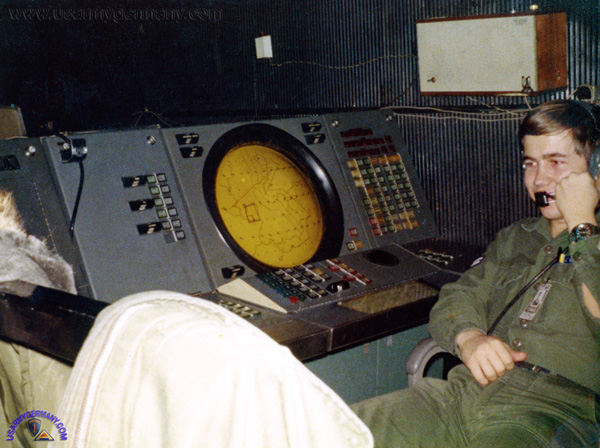 Robert Jordan, Det 1, 615th ACWRON, in front of 412L Console, 1973 |
|||||||||||||||||||||||||||||||||||||||||||||||||||||||||||||||||||||||||||||||||||||||||||||||||||||||||||||||||||||||||||||||||||||||||||||||||||||||||||||||||||||||||||||||||||||||||||||||||||||||||||||||||||||||||||||||||||||||||||||||||||||||||||||||||||||||||||||||||||
| (Source: Email from Robert Jordan, Det 1, 615th ACWRON, the "CAVE," 1972-74) | |||||||||||||||||||||||||||||||||||||||||||||||||||||||||||||||||||||||||||||||||||||||||||||||||||||||||||||||||||||||||||||||||||||||||||||||||||||||||||||||||||||||||||||||||||||||||||||||||||||||||||||||||||||||||||||||||||||||||||||||||||||||||||||||||||||||||||||||||||
| Just another "scope dope" fresh out of VietNam and another TACC, I was assigned to Kindsbach as a radar operator at the ADOC/SOC. My memories are of very boring long shifts, in which we played a lot of card games. As we were not controllers, our mission was no more that just monitoring and updating the information on the scopes and boards for the commander downstairs. And, giving the French liaison a hard time. We worked 9 days on, and 3 days off. 3 days, 3 swings and 3 mids. Often, because of an overage of personnel, we would get an extra 2-3 days within the 9 days. And, sometimes it would coincide with the normal days off, leaving a great 6 day stretch of offtime. This is when I would hit the train and head to Paris for 4-5 days. The Air Force housing for enlisted was at Ramstein AFB. Because we were a small squadron, we got shuffled to different barracks every 10-12 months, or so it seemed. I lived in 3 different locations over 2 years. Once, we were the only Air Force in the midst of an Army barracks. Then, once on a floor full of AFN troops. Meals at Kindsbach were at the small dining facility inside the caves. There was a civilian Italian cook that took pride in his work. They served breakfast and lunch only. Dinner was either brown bagged in, or you caught it at the regular chow hall at Ramstein (yuck). I remember having steak and eggs once a week on Friday's and even Lobster a few times when major brass were visiting. As a NATO facility, we were often entertaining officers from different countries. There was a small breakroom outside of the entrance, where coke machines and sandwiches were "sometimes" available. Oh, and an early microwave oven. Which, one slightly crazed French liaison officer would blow up things on a regular basis. He couldn't get the idea that one should not put foil or uncooked eggs in shells, or other non microwave items....in the oven. After any near miss, you would see him pacing around the outside perimeter...cursing in french and talking to himself. I recall wandering, just a little bit, around the tunnels and never seeing the entire facility. There were tunnels that would end at sealed doors. Doors that were sealed at the end of WWII and never re-opened. I have lost touch with almost everyone that was stationed with me in the early 70's over there. One exception is a mad Greek by the name of Grafanakis, who was my roommate. He's turned up in Arizona, and keeps in touch via letters and an occasional email. But, others like "dirty" Ernie Goodman and Tom Dunham, have drifted in oblivion over the years. Hindsight's always 20/20. If I had known then, what I know now, I would have traded SS numbers and parent's home addresses and any other way to find them over the years. Even web searches don't always pan out. BTW, I have a lot of photos taken of people that were stationed there. But, very few of the facility itself. We were always a little intimidated by our Top Secret clearances and didn't always chance taking cameras into the Cave. ADDITIONAL INFORMATION My memory fails me a bit, but I was an SDO which I believe was Situation Display Operator or Surveillance Display Operator, at least that was one of my assignments. These were surveillance consoles and were on the 2nd floor of the SOC. I believe I mentioned some time ago, and you have it posted, that the 3rd floor was not occupied when I was there. So, we had our officers and senior enlisted, on the 1st floor below us. On our floor were two consoles sitting across from each other, on opposite sides of the room. Slightly in front of us, at the end of the floor overlooking the 1st floor, were two positions (no scopes) of the French liaison personnel....usually two enlisted men. I wish I could remember their names and rank, as we became good friends. I went and visited them and their families on more than one occasion and had a great time. My job consisted primarily of simply watching tracks and updating status information. It was similar (in my opinion) to Monkey Mountain Vietnam, which was a BUIC II site, and my job there was an Air Surveillance Monitor and Interface Systems Tech. Motel was a Tactical Air Control/Command Center and our job was surveillance and not aircraft control. The same can be said for Kindsbach. It was a Combat Operations Center, and most decisions were made by the commanders below us on the first floor. The large projection screen was in operation when I was there. There was no Plexiglas plotting screen, and the projection came from the small back-set floor above us. |
|||||||||||||||||||||||||||||||||||||||||||||||||||||||||||||||||||||||||||||||||||||||||||||||||||||||||||||||||||||||||||||||||||||||||||||||||||||||||||||||||||||||||||||||||||||||||||||||||||||||||||||||||||||||||||||||||||||||||||||||||||||||||||||||||||||||||||||||||||
|
|||||||||||||||||||||||||||||||||||||||||||||||||||||||||||||||||||||||||||||||||||||||||||||||||||||||||||||||||||||||||||||||||||||||||||||||||||||||||||||||||||||||||||||||||||||||||||||||||||||||||||||||||||||||||||||||||||||||||||||||||||||||||||||||||||||||||||||||||||
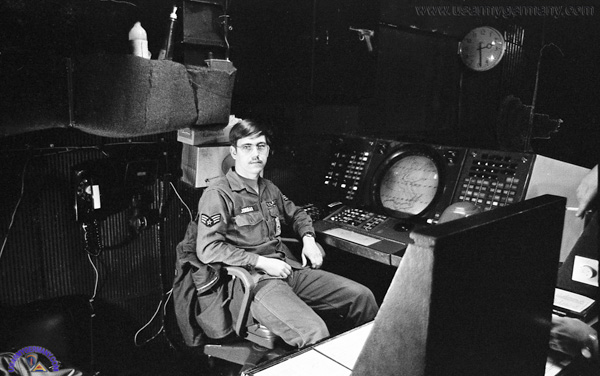 |
|||||||||||||||||||||||||||||||||||||||||||||||||||||||||||||||||||||||||||||||||||||||||||||||||||||||||||||||||||||||||||||||||||||||||||||||||||||||||||||||||||||||||||||||||||||||||||||||||||||||||||||||||||||||||||||||||||||||||||||||||||||||||||||||||||||||||||||||||||
| (Source: Email from Pat Michael, 615th AC&W Sqdn, 1962-63) | |||||||||||||||||||||||||||||||||||||||||||||||||||||||||||||||||||||||||||||||||||||||||||||||||||||||||||||||||||||||||||||||||||||||||||||||||||||||||||||||||||||||||||||||||||||||||||||||||||||||||||||||||||||||||||||||||||||||||||||||||||||||||||||||||||||||||||||||||||
| I was assigned to the 615th AC & W Squadron at Birkenfeld, approximately 90 miles west of Frankfurt, Germany between 1962 and 1963. We helped to control the three corridors leading to Berlin. I worked in the Identification Section of the radar site and was responsible for identifying all aircraft that did not have an active flight plan. The location of the underground control center was located in a mountain called Erbeskopf. Is the air station in Berkenfeld still active? Getting to Erbeskopf required a bus trip from the air station to the mountain, followed by a long walk through a tunnel to the Operations Room. First, when I arrived there, the CRC as you call it, was not fully staffed -- the ops. room was basically empty. The operations room was one large room with several tiers. The front of the room had a large Plexiglas display which was used to plot aircraft movement. The display showed East and The top tier was the senior director who was responsible for launching and controlling fighter intercepts and training. Other tiers contained the controllers whose job was to control those fighter aircraft. The remaining tiers had search radar scopes and height finder scopes. The search radar scope had a sweep that rotated several times per minute and the height finder scopes rocked back and forth like rocking chairs. Both types, but especially the height finders, were great for putting you to sleep especially if you worked The lower tier was where I worked with another There was a separate briefing room, which was used for mission planning for the day, and what the Russians were currently up to. They had a bad habit of crossing the border with their aircraft as did we. Mutual reconnaissance as they say. They were dangerous times! A cafeteria/lounge room was where we eat, played cards and napped. And of course there were bathrooms. The toilet paper was like thin cardboard. It's amazing what you remember and what you forget. The scopes were manned by Germans, French and Americans. ADDITIONAL INFORMATION The operations room was lighted with adjustable incandescent lights. Only the greenish/yellowish lights from the scope, the white light from the plexiglas screen and various ancillary lighting (various reading lights) at some scopes were basically all that was used. In comparison, the SAGE system in the States used a dark purplish hue in its ops. room. According to my orders and my performance records (I found these records under a pile of other material) the designation of the 412L system was hyphenated: 412-L The 412-L system was, according to my orders, designated as a manually operated radar control system. I'll keep searching for more records, and try to get the info that's buried way way back in my head to the conscious front. As I think of hopefully pertinent items, I'll email them to you. |
|||||||||||||||||||||||||||||||||||||||||||||||||||||||||||||||||||||||||||||||||||||||||||||||||||||||||||||||||||||||||||||||||||||||||||||||||||||||||||||||||||||||||||||||||||||||||||||||||||||||||||||||||||||||||||||||||||||||||||||||||||||||||||||||||||||||||||||||||||
| (Source: COMMUNITY NEWS, April 9, 1982) | |||||||||||||||||||||||||||||||||||||||||||||||||||||||||||||||||||||||||||||||||||||||||||||||||||||||||||||||||||||||||||||||||||||||||||||||||||||||||||||||||||||||||||||||||||||||||||||||||||||||||||||||||||||||||||||||||||||||||||||||||||||||||||||||||||||||||||||||||||
| 615th extends TDY by Randy Nelson The members of the 615th Aircraft Control and Warning Squadron (ACWS) will continue going TDY to the 603rd Tactical Air Control Squadron (TACS) near Sembach AFB until the spring of 1983. The new German Air Defense Group Environment (GEADGE) system, replacing the old 412L system, has encountered problems which have caused a delay in the operational date of the system. The 603 TACS began full time air defense operations to replace the radar coverage left when 412L system terminated operating here in September 1980. Although extremely disruptive to personal and family lives, the members of the 615th continue meeting the rigorous TDY schedule with few complaints. They know there's not much they can do but grin and bear it. This slippage will not mean that some people will spend most of their 3 year tour in Germany in a continuous TDY mode. |
|||||||||||||||||||||||||||||||||||||||||||||||||||||||||||||||||||||||||||||||||||||||||||||||||||||||||||||||||||||||||||||||||||||||||||||||||||||||||||||||||||||||||||||||||||||||||||||||||||||||||||||||||||||||||||||||||||||||||||||||||||||||||||||||||||||||||||||||||||
| (Source: Email from Ronald "Smokey" Bassett, MSgt & GS-12, USAF Retired) | |||||||||||||||||||||||||||||||||||||||||||||||||||||||||||||||||||||||||||||||||||||||||||||||||||||||||||||||||||||||||||||||||||||||||||||||||||||||||||||||||||||||||||||||||||||||||||||||||||||||||||||||||||||||||||||||||||||||||||||||||||||||||||||||||||||||||||||||||||
| Came across your web page on Europe and thought I would share some things with you about the USAF radar units. Your page shows: ADOC, Kindsbach, Germany. Det 1, 615th AC&WS. Located in an underground bunker called the "Cave". In the 1950s, the Air Force, in conjunction with NATO, used a manual plotting system to display the European air picture to the NATO staff; in the early 1960s the semi-automatic 412L system was installed. SOC, Langerkopf, Germany. Andrews. 615th AC&WS SOC-3 was previously known as "Smallarm" – Changed to "Andrews" effective 1 Nov 61. SOC-3 moved to Börfink in 1965? Here is an update: |
|||||||||||||||||||||||||||||||||||||||||||||||||||||||||||||||||||||||||||||||||||||||||||||||||||||||||||||||||||||||||||||||||||||||||||||||||||||||||||||||||||||||||||||||||||||||||||||||||||||||||||||||||||||||||||||||||||||||||||||||||||||||||||||||||||||||||||||||||||
|
|||||||||||||||||||||||||||||||||||||||||||||||||||||||||||||||||||||||||||||||||||||||||||||||||||||||||||||||||||||||||||||||||||||||||||||||||||||||||||||||||||||||||||||||||||||||||||||||||||||||||||||||||||||||||||||||||||||||||||||||||||||||||||||||||||||||||||||||||||
| ADDITIONAL INFORMATION Det 1 was the USAFE unit supporting SOC III. We were located on the second tier [D Area - 2nd floor on your chart] of the bunker, overloking the bottom floor operations area. Our admin offices were on both sides of the hallway leading from the main entrance (turn left...) leading to the bunker. My training office was on the left - with the tiny bathroom. There was no German counterpart to our unit, but the French desk was on the same tier -- and they worked very hard to produce at least one new model ship (!) every several months. No, we never did figure out what their role was - except to watch what was going on below. The photos on your site show there were changes made to the 2nd floor after we departed, closing in the front of the floor from below. I assume that is where the ADOC moved into after USAFE handed over the unit's floor space in the summer of 1983, which was my job as the last site chief/unit NCOIC. |
|||||||||||||||||||||||||||||||||||||||||||||||||||||||||||||||||||||||||||||||||||||||||||||||||||||||||||||||||||||||||||||||||||||||||||||||||||||||||||||||||||||||||||||||||||||||||||||||||||||||||||||||||||||||||||||||||||||||||||||||||||||||||||||||||||||||||||||||||||
| Det 2, 615th AC&W Sq. I was stationed at Det 2, 615th ACW from April 1968 - April 1972. Det 2 was also known as the Air Movement and Identification Section (AMIS) and worked as a liaison with the German Air Traffic Control (BFS) within the Frankfurt & Rhein Control Centers located at the Frankfurt International Airport. The unit passed flight plans of aircraft going into Berlin, as well as others that would cross the east border. Det 2 was an all NCO unit, with a Chief (E-9) as the detachment commander. (Source: U.S. Military Steins web page by Louis Foster) |
|||||||||||||||||||||||||||||||||||||||||||||||||||||||||||||||||||||||||||||||||||||||||||||||||||||||||||||||||||||||||||||||||||||||||||||||||||||||||||||||||||||||||||||||||||||||||||||||||||||||||||||||||||||||||||||||||||||||||||||||||||||||||||||||||||||||||||||||||||
|
|||||||||||||||||||||||||||||||||||||||||||||||||||||||||||||||||||||||||||||||||||||||||||||||||||||||||||||||||||||||||||||||||||||||||||||||||||||||||||||||||||||||||||||||||||||||||||||||||||||||||||||||||||||||||||||||||||||||||||||||||||||||||||||||||||||||||||||||||||
The cave (KUF) was under administrative control of an FRG Colonel. He had been Luftwaffe during the war and had served there as a Lt. One Christmas eve he joined us on the mid watch and read a report that he had written during the war while stationed there and then found in the files when he came back to command the facility.
Locals told me that the Allies had never taken the KUF during the war and they (the residents of Kindsbach) used to hide in it during air raids.
The KUF's history pre-dated WWII and it actually had hosted all of the Nazi hierarchy at one time or another, even serving as the HQ for the Western War for some time. Having spent three years there, I can believe it. |
|||||||||||||||||||||||||||||||||||||||||||||||||||||||||||||||||||||||||||||||||||||||||||||||||||||||||||||||||||||||||||||||||||||||||||||||||||||||||||||||||||||||||||||||||||||||||||||||||||||||||||||||||||||||||||||||||||||||||||||||||||||||||||||||||||||||||||||||||||
| (Source: STARS & STRIPES, June 14, 1969) | |||||||||||||||||||||||||||||||||||||||||||||||||||||||||||||||||||||||||||||||||||||||||||||||||||||||||||||||||||||||||||||||||||||||||||||||||||||||||||||||||||||||||||||||||||||||||||||||||||||||||||||||||||||||||||||||||||||||||||||||||||||||||||||||||||||||||||||||||||
| The Air Defense Notification Center is manned by personnel from Det 2, 615th AC&W Sq. The office is located inside the Frankfurt International Airport's traffic control tower. The mission of the Notification Center is to extract from the nearby German radar operators and traffic controllers information about any aircraft entering Allied Sector III airspace. (Air defense radar sites in the SOC III area that pickup aircraft they cannot identify call the Notification Center to get the information.) The detachment, staffed with one officer - det commander - and 20 men, works in shifts of six men around the clock, seven days a week. The Det was assigned to the Rhein-Main airfield in 1957. The Frankfurt traffic control center is responsible for tracking, guiding, and checking both civilian and military aircraft through their assigned checkpoints to insure that flight plans are followed and border violations or incidents are avoided. |
|||||||||||||||||||||||||||||||||||||||||||||||||||||||||||||||||||||||||||||||||||||||||||||||||||||||||||||||||||||||||||||||||||||||||||||||||||||||||||||||||||||||||||||||||||||||||||||||||||||||||||||||||||||||||||||||||||||||||||||||||||||||||||||||||||||||||||||||||||
|
|||||||||||||||||||||||||||||||||||||||||||||||||||||||||||||||||||||||||||||||||||||||||||||||||||||||||||||||||||||||||||||||||||||||||||||||||||||||||||||||||||||||||||||||||||||||||||||||||||||||||||||||||||||||||||||||||||||||||||||||||||||||||||||||||||||||||||||||||||
| 616th AC&WS / 123rd AC&WS | |||||||||||||||||||||||||||||||||||||||||||||||||||||||||||||||||||||||||||||||||||||||||||||||||||||||||||||||||||||||||||||||||||||||||||||||||||||||||||||||||||||||||||||||||||||||||||||||||||||||||||||||||||||||||||||||||||||||||||||||||||||||||||||||||||||||||||||||||||
| (Source: Email from Harold S. Wojtaluk) | |||||||||||||||||||||||||||||||||||||||||||||||||||||||||||||||||||||||||||||||||||||||||||||||||||||||||||||||||||||||||||||||||||||||||||||||||||||||||||||||||||||||||||||||||||||||||||||||||||||||||||||||||||||||||||||||||||||||||||||||||||||||||||||||||||||||||||||||||||
| I just discovered your TACS website today and as a former radio operator (Joplin 1) member ot the 616th AC&WS (123rd AC&WS), I can correct a couple of what I think are errors on the page regarding the 616th and 123rd AC&W Squadron. We were stationed at Donaldson AFB, Greenville, S.C. until 17 OCT 1952 when we went by train to Newport News, thence to Stuttgart via Wiesbaden aboard the MSTS General Hershey. Upon arriving in Germany we first went to Nellingen Army Base near Stuttgart for about a month until Flandernkaserne in Ulm was ready for occupancy by US Forces. We (123rd) moved to Flandernkaserne and then I was with Joplin Detachment #1 in Freising alongside the 604th AC&W and a friend of mine was with Joplin Detachment #3 in Wels, Austria. Later in 1954 I returned to Joplin Flandernkaserne until I was shipped to the ZI and discharged in 15 SEP 1955. My friend was discharged about a month later. I just managed to pick a couple of names out of my ancient and failing memory! Lt. Col. Zed Barnes was CO when I left in 1955, Lt. Virginia Keenan, Lt. Robert Woods were a couple of the other officers. Woods was a real quiet, nice guy. He introduced me to Pernod (the drink) one night when I was low on bucks and five marks later I stood up to tell him how wrong he was about the strength of the drink and I fell off of the bar stool! Another mission accomplished!!!!!!! 1st Sgt Hubbard a bell? How 'bout Roger Paraday?, Jim McKibben (radio op) |
|||||||||||||||||||||||||||||||||||||||||||||||||||||||||||||||||||||||||||||||||||||||||||||||||||||||||||||||||||||||||||||||||||||||||||||||||||||||||||||||||||||||||||||||||||||||||||||||||||||||||||||||||||||||||||||||||||||||||||||||||||||||||||||||||||||||||||||||||||
| (Source: Email from Jim Guglielmo) | |||||||||||||||||||||||||||||||||||||||||||||||||||||||||||||||||||||||||||||||||||||||||||||||||||||||||||||||||||||||||||||||||||||||||||||||||||||||||||||||||||||||||||||||||||||||||||||||||||||||||||||||||||||||||||||||||||||||||||||||||||||||||||||||||||||||||||||||||||
|
|||||||||||||||||||||||||||||||||||||||||||||||||||||||||||||||||||||||||||||||||||||||||||||||||||||||||||||||||||||||||||||||||||||||||||||||||||||||||||||||||||||||||||||||||||||||||||||||||||||||||||||||||||||||||||||||||||||||||||||||||||||||||||||||||||||||||||||||||||
| (Source: Email from Joe Rushton) | |||||||||||||||||||||||||||||||||||||||||||||||||||||||||||||||||||||||||||||||||||||||||||||||||||||||||||||||||||||||||||||||||||||||||||||||||||||||||||||||||||||||||||||||||||||||||||||||||||||||||||||||||||||||||||||||||||||||||||||||||||||||||||||||||||||||||||||||||||
It is sad to see that no one seems to care about the old 616th. I have remained in touch with two other former members of the squadron, lost touch with two others, ran into one other some years ago, but don't know what became of him. Of course, we all referred to the place as "Heartbreak Hotel," a direct reference to the Elvis Presley hit song.
Also, worked for a while with a former member of TACONWG (Prov) that was actually at the Tuerkheim CRC for one day while a new radar was being delivered and installed while I was there. We met almost fifty years later, had lived within a few miles of one another all that time and never knew it. The others have been in touch with a few additional members of 616th, but no one wants to remember those days. |
|||||||||||||||||||||||||||||||||||||||||||||||||||||||||||||||||||||||||||||||||||||||||||||||||||||||||||||||||||||||||||||||||||||||||||||||||||||||||||||||||||||||||||||||||||||||||||||||||||||||||||||||||||||||||||||||||||||||||||||||||||||||||||||||||||||||||||||||||||
|
|||||||||||||||||||||||||||||||||||||||||||||||||||||||||||||||||||||||||||||||||||||||||||||||||||||||||||||||||||||||||||||||||||||||||||||||||||||||||||||||||||||||||||||||||||||||||||||||||||||||||||||||||||||||||||||||||||||||||||||||||||||||||||||||||||||||||||||||||||
Late in 1954 or early 1955, the 123rd and its sister squadrons were converted to regular Air Force units. As I recall the story, 526th TACONGP had been the headquarters for the Guard units.
As time went on, we opened Det. 6 at Pforzheim as a back-up CRC for periods of maintainence, etc., but no real day-to-day function. We never knew, but assumed that it would replace Tuerkheim when that facility was returned to the Germans. And we all KNEW the site was going to be turned over very soon. Commanding officer at Det. 6 was Major Edwin L. Jalozinski who had been a C&E officer at Tuerkheim before his promotion and reassignment.
It was late in 1958 that the 616th was disbanded and at least some of the scope dopes from Operations were reassigned to Berlin. I am still in touch with one of them.
I left Flandern Kaserne on Thanksgiving Day 1957, after dinner of course, and was transported back to the ZI by air from Rhein-Main the next day.
To say that I never looked back would not be entirely honest. I have some photographs of people and a few of the Kaserne itself. I never managed to get any pictures of Tuerkheim, though I wish I had. But, the pictures are still in my mind.
One of my contacts visited Tuerkheim and Ulm in 1999. He found no discernable trace of the site, but was welcomed with open arms by the Germans at Flandern. The Kaserne no longer was clad in its wartime camoflage and several new buildings had been constructed behind our old motor pool area. What ever operation they were conducting in 1999 also included the old Whilemsberg Castle, a Displaced Persons Camp in the 1950's. Somewhere, we both have photographs of that visit.
Somehow, I just don't remember any 606th ACW in the network. There was a 619th TACONRON that was, to all apperances, a johnnie-come-lately that either replaced 807th or was its alter-ego. They even shared a call sign. There was a 61st ACWRON, RCAF at Metz, France. They seemed to be a back-up unit in case we were ever lost and the front moved up. Strictly speaking they were not "ours," but 4th ATAF was our common denominator.
Hope some of this is helpful. Anyway, I thank you for reading the ramblings of an old man.
I might add, with no sense of modesty, that I was Cryptographic Operations Supervisor at Tuerkheim from roughly June 1956 until mid November 1957. Not the big deal that most people would think, but then, maybe you know that anyway.
Joseph R. Rushton |
|||||||||||||||||||||||||||||||||||||||||||||||||||||||||||||||||||||||||||||||||||||||||||||||||||||||||||||||||||||||||||||||||||||||||||||||||||||||||||||||||||||||||||||||||||||||||||||||||||||||||||||||||||||||||||||||||||||||||||||||||||||||||||||||||||||||||||||||||||
| (Source: Email from Gene Sanderson, 616th AC&WS, 1958-61) | |||||||||||||||||||||||||||||||||||||||||||||||||||||||||||||||||||||||||||||||||||||||||||||||||||||||||||||||||||||||||||||||||||||||||||||||||||||||||||||||||||||||||||||||||||||||||||||||||||||||||||||||||||||||||||||||||||||||||||||||||||||||||||||||||||||||||||||||||||
| I was stationed in Ulm with the 616th AC&WS from Sept 1958 to Sept 1961. I was in radar opsand trained German AF personnel when they took over the station around 1960. (Webmaster: official hand over was 10 Sept 1959.) I remember Flandern Kaserne then Boelcke Kaserne. Flandern Kaserne was the headquraters (of the 616th AC&WS) at the time when I arrived, then in early 1959 we moved to Boelcke Kaserne. Boelcke was much nicer and larger. Lived on the economy for about two months then moved to base housing. Base housing was in Neu Ulm Volgelweh (Webmaster: maybe this should be Vorfeld?). The radar site was at Tuerkheim, 22 miles away. Drove it sometimes but usually rode the bus. Met a lot of German troops as we trained them to take over the station. I left there and went to Otis AFB to airborne radar. Still have some German friends in Neu Ulm, Germany. I went back to Ulm in 1994 and 1995. Went to Boelcke Kaserne -- most of it had been torn down. Would love to hear from anyone who was there during those years. |
|||||||||||||||||||||||||||||||||||||||||||||||||||||||||||||||||||||||||||||||||||||||||||||||||||||||||||||||||||||||||||||||||||||||||||||||||||||||||||||||||||||||||||||||||||||||||||||||||||||||||||||||||||||||||||||||||||||||||||||||||||||||||||||||||||||||||||||||||||
| (Source: ON GUARD Magazine, October 1961) | |||||||||||||||||||||||||||||||||||||||||||||||||||||||||||||||||||||||||||||||||||||||||||||||||||||||||||||||||||||||||||||||||||||||||||||||||||||||||||||||||||||||||||||||||||||||||||||||||||||||||||||||||||||||||||||||||||||||||||||||||||||||||||||||||||||||||||||||||||
|
|||||||||||||||||||||||||||||||||||||||||||||||||||||||||||||||||||||||||||||||||||||||||||||||||||||||||||||||||||||||||||||||||||||||||||||||||||||||||||||||||||||||||||||||||||||||||||||||||||||||||||||||||||||||||||||||||||||||||||||||||||||||||||||||||||||||||||||||||||
| 1966 | |||||||||||||||||||||||||||||||||||||||||||||||||||||||||||||||||||||||||||||||||||||||||||||||||||||||||||||||||||||||||||||||||||||||||||||||||||||||||||||||||||||||||||||||||||||||||||||||||||||||||||||||||||||||||||||||||||||||||||||||||||||||||||||||||||||||||||||||||||
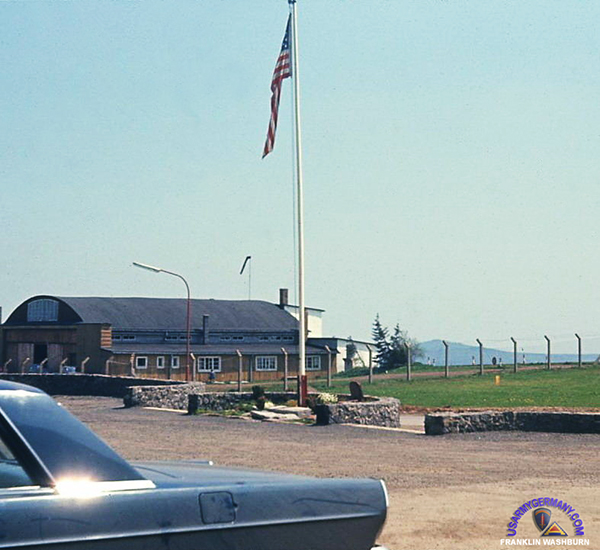 Wasserkuppe Radar Site - view from Hqs building (Franklin Washburn) |
|||||||||||||||||||||||||||||||||||||||||||||||||||||||||||||||||||||||||||||||||||||||||||||||||||||||||||||||||||||||||||||||||||||||||||||||||||||||||||||||||||||||||||||||||||||||||||||||||||||||||||||||||||||||||||||||||||||||||||||||||||||||||||||||||||||||||||||||||||
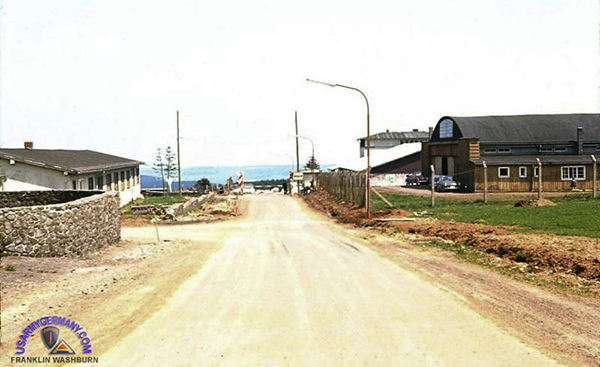 Wasserkuppe Radar Site - looking towards site gate (Franklin Washburn) |
|||||||||||||||||||||||||||||||||||||||||||||||||||||||||||||||||||||||||||||||||||||||||||||||||||||||||||||||||||||||||||||||||||||||||||||||||||||||||||||||||||||||||||||||||||||||||||||||||||||||||||||||||||||||||||||||||||||||||||||||||||||||||||||||||||||||||||||||||||
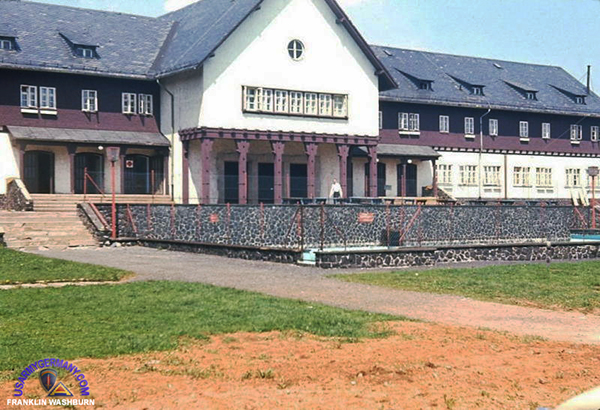 Wasserkuppe Radar Site - barracks and swimming pool (Franklin Washburn) |
|||||||||||||||||||||||||||||||||||||||||||||||||||||||||||||||||||||||||||||||||||||||||||||||||||||||||||||||||||||||||||||||||||||||||||||||||||||||||||||||||||||||||||||||||||||||||||||||||||||||||||||||||||||||||||||||||||||||||||||||||||||||||||||||||||||||||||||||||||
| (Source: Email from Pat Souders, Det 12 and Det 12A, 1945th CG) | |||||||||||||||||||||||||||||||||||||||||||||||||||||||||||||||||||||||||||||||||||||||||||||||||||||||||||||||||||||||||||||||||||||||||||||||||||||||||||||||||||||||||||||||||||||||||||||||||||||||||||||||||||||||||||||||||||||||||||||||||||||||||||||||||||||||||||||||||||
|
|||||||||||||||||||||||||||||||||||||||||||||||||||||||||||||||||||||||||||||||||||||||||||||||||||||||||||||||||||||||||||||||||||||||||||||||||||||||||||||||||||||||||||||||||||||||||||||||||||||||||||||||||||||||||||||||||||||||||||||||||||||||||||||||||||||||||||||||||||
| 1979 | |||||||||||||||||||||||||||||||||||||||||||||||||||||||||||||||||||||||||||||||||||||||||||||||||||||||||||||||||||||||||||||||||||||||||||||||||||||||||||||||||||||||||||||||||||||||||||||||||||||||||||||||||||||||||||||||||||||||||||||||||||||||||||||||||||||||||||||||||||
| (Source: Resource.org) | |||||||||||||||||||||||||||||||||||||||||||||||||||||||||||||||||||||||||||||||||||||||||||||||||||||||||||||||||||||||||||||||||||||||||||||||||||||||||||||||||||||||||||||||||||||||||||||||||||||||||||||||||||||||||||||||||||||||||||||||||||||||||||||||||||||||||||||||||||
| Transfer of Wasserkuppe Radar Site to GAF | |||||||||||||||||||||||||||||||||||||||||||||||||||||||||||||||||||||||||||||||||||||||||||||||||||||||||||||||||||||||||||||||||||||||||||||||||||||||||||||||||||||||||||||||||||||||||||||||||||||||||||||||||||||||||||||||||||||||||||||||||||||||||||||||||||||||||||||||||||
| Click here to view the agreement between HQ USAFE and the German MOD for the transfer of the Wasserkuppe Radar Site to the German Air Force in 1979. Document contains some interesting details on equipment installed at the site at the time of the transfer. |
|||||||||||||||||||||||||||||||||||||||||||||||||||||||||||||||||||||||||||||||||||||||||||||||||||||||||||||||||||||||||||||||||||||||||||||||||||||||||||||||||||||||||||||||||||||||||||||||||||||||||||||||||||||||||||||||||||||||||||||||||||||||||||||||||||||||||||||||||||
|
|||||||||||||||||||||||||||||||||||||||||||||||||||||||||||||||||||||||||||||||||||||||||||||||||||||||||||||||||||||||||||||||||||||||||||||||||||||||||||||||||||||||||||||||||||||||||||||||||||||||||||||||||||||||||||||||||||||||||||||||||||||||||||||||||||||||||||||||||||
| 619th TCS | |||||||||||||||||||||||||||||||||||||||||||||||||||||||||||||||||||||||||||||||||||||||||||||||||||||||||||||||||||||||||||||||||||||||||||||||||||||||||||||||||||||||||||||||||||||||||||||||||||||||||||||||||||||||||||||||||||||||||||||||||||||||||||||||||||||||||||||||||||
| (Source: TACONEER, April 1957) | |||||||||||||||||||||||||||||||||||||||||||||||||||||||||||||||||||||||||||||||||||||||||||||||||||||||||||||||||||||||||||||||||||||||||||||||||||||||||||||||||||||||||||||||||||||||||||||||||||||||||||||||||||||||||||||||||||||||||||||||||||||||||||||||||||||||||||||||||||
| The 619th TCS at Birkenfeld operates (among other activities) an Air Traffic Control facility. The facility has been in operation for three years. | |||||||||||||||||||||||||||||||||||||||||||||||||||||||||||||||||||||||||||||||||||||||||||||||||||||||||||||||||||||||||||||||||||||||||||||||||||||||||||||||||||||||||||||||||||||||||||||||||||||||||||||||||||||||||||||||||||||||||||||||||||||||||||||||||||||||||||||||||||
 619th Tactical Control Sqdn Emblem 619th Tactical Control Sqdn Emblem |
|||||||||||||||||||||||||||||||||||||||||||||||||||||||||||||||||||||||||||||||||||||||||||||||||||||||||||||||||||||||||||||||||||||||||||||||||||||||||||||||||||||||||||||||||||||||||||||||||||||||||||||||||||||||||||||||||||||||||||||||||||||||||||||||||||||||||||||||||||
| The 619th Tactical Control Squadron was reactivated at Spangdahlem Air Base, Germany in November, 1953. The 619th had previously operated in the Philippines after World War II. The 619th was a unit of the 526th Tactical Control Group of the 12th Air Force. It was assigned the men and equipment of another squadron which was concurrently inactivated. During the early part of 1954 a large percentage of the squadron personnel were on temporary duty at Kaiserslautern, operating a tactical air control center which served as a display facility for the Twelfth Air Force commander. The unit moved to Toul-Rosieres, France in July 1954. At Toul, the squadron served as a back-up control facility . The squadron also operated communications relay sites at Birkenfeld, Hohenstadt, and Leonberg in Germany, and at Toul/Rosiere Air Base, St. Mihiel, and Verdun in France. On 25 November 1955 the 619th moved to Birkenfeld Aircraft Control and Warning Station , Germany, and remained there for more than three years. The move to Birkenfeld was led by Maj. Edward J. Komyati. The squadron assumed control of the base on 5 Dec 1955. Between 1954 and 1958 the squadron participated in many exercises and maneuvers of the North Atlantic Treaty Organization (NATO), the United States Air Force in Europe (USAFE), and the Twelfth Air Force. During this period its primary mission was to operate and maintain an alternate air control center capable of operating eight hours a day in order to control air traffic and operate direction finding equipment. The mission of the 619th was unique in 12th Air Force. It was a fully operational, mobile Tactical Control Squadron, designed to be deployed on short notice, set up, man and operate an Air Control Center wherever needed. At Birkenfeld, the mission was reduced to that of an Alternate Air Control Center and other base support functions. The air traffic control of Cornbeef Control's Upper Area Control Center on Erbeskopf was assumed. This function provided positive IFR (instrument flight rules) control to military and civilian aircraft flying above 20,000 ft. With the addition of expanded ATC services and the assignment of German Air Force and BFS (German FAA) controllers, this activity would ultimately pass to the 7100th Support Wing, Wiesbaden AB, Germany and Rhein Control would draw base support from Birkenfeld Air Base. Birkenfeld still maintained its reputation as a giant on the playing fields. The TCW (Tactical Control Wing) football team, the Taconeers, was assigned to Birkenfeld. Aspiring football players from throughout the wing were assigned to the Alternate ACC, and then trained long and hard to make the team. The Taconeers finished third in 1956 in the European Conference and won the USAFE championship in 1957. It is understood that a rowdy time was had by all. In April 1958 the squadron as relieved from the mission of maintaining the alternate air control center. The decision to eliminate the Alternate ACC spelled doom for the 619th as a unit. Deactivation began on 28 April 1958 and on 18 January 1959 the unit was officially inactivated in Germany. As many airmen as could be used in other squadrons were dispersed throughout the wing. The remaining officers and men (over 100) were placed on orders to activate the 7424th Support Squadron at Birkenfeld AB on 1 July 1958. Commanders of Birkenfeld Air Base for the 619th were Maj Edward J. Komyati (5 Dec 1955-24 Jun 1956)Maj Lowell D. Sollenberger (24 Jun1955-Jan 1958)Maj. Harold D. Steer (Jan 1958-5 May 1958)Capt Emil A. Zogheib (5 May 1958-1 July 1958) |
|||||||||||||||||||||||||||||||||||||||||||||||||||||||||||||||||||||||||||||||||||||||||||||||||||||||||||||||||||||||||||||||||||||||||||||||||||||||||||||||||||||||||||||||||||||||||||||||||||||||||||||||||||||||||||||||||||||||||||||||||||||||||||||||||||||||||||||||||||
|
|||||||||||||||||||||||||||||||||||||||||||||||||||||||||||||||||||||||||||||||||||||||||||||||||||||||||||||||||||||||||||||||||||||||||||||||||||||||||||||||||||||||||||||||||||||||||||||||||||||||||||||||||||||||||||||||||||||||||||||||||||||||||||||||||||||||||||||||||||
| 807th Tactical Control Squadron | |||||||||||||||||||||||||||||||||||||||||||||||||||||||||||||||||||||||||||||||||||||||||||||||||||||||||||||||||||||||||||||||||||||||||||||||||||||||||||||||||||||||||||||||||||||||||||||||||||||||||||||||||||||||||||||||||||||||||||||||||||||||||||||||||||||||||||||||||||
| 807th Tactical Control Squadron, Landsberg 807th Tactical Control Squadron, Ramstein 807th Tac Con Sq Command Histories |
|||||||||||||||||||||||||||||||||||||||||||||||||||||||||||||||||||||||||||||||||||||||||||||||||||||||||||||||||||||||||||||||||||||||||||||||||||||||||||||||||||||||||||||||||||||||||||||||||||||||||||||||||||||||||||||||||||||||||||||||||||||||||||||||||||||||||||||||||||
 807th TAC CON SQUADRON 807th TAC CON SQUADRON |
|||||||||||||||||||||||||||||||||||||||||||||||||||||||||||||||||||||||||||||||||||||||||||||||||||||||||||||||||||||||||||||||||||||||||||||||||||||||||||||||||||||||||||||||||||||||||||||||||||||||||||||||||||||||||||||||||||||||||||||||||||||||||||||||||||||||||||||||||||
| (Source: Email from Enrico Casaletto) | |||||||||||||||||||||||||||||||||||||||||||||||||||||||||||||||||||||||||||||||||||||||||||||||||||||||||||||||||||||||||||||||||||||||||||||||||||||||||||||||||||||||||||||||||||||||||||||||||||||||||||||||||||||||||||||||||||||||||||||||||||||||||||||||||||||||||||||||||||
| The following may be of interest, it is an excerpt from "Historical Data Pertaining To The 807th Tactical Control Squadron 1 August 1951 - Fall 1954" The 807th Tactical Control Squadron was constituted, assigned to the United States Air Forces in Europe, and authorized to be activated (pursuant to authority contained in DAF Ltr. 322 (AFOMO 305g), dated 2 July 1951). The 807th Tactical Control Squadron was activated at Landsberg, Germany, effective 1 August 1951 (per GO No. 52, Hq., United States Air Forces in Europe, dated 21 July 1951, pursuant to authority contained in the above cited letter, dated 2 July 1951). |
|||||||||||||||||||||||||||||||||||||||||||||||||||||||||||||||||||||||||||||||||||||||||||||||||||||||||||||||||||||||||||||||||||||||||||||||||||||||||||||||||||||||||||||||||||||||||||||||||||||||||||||||||||||||||||||||||||||||||||||||||||||||||||||||||||||||||||||||||||
| (Source: Email from Enrico Casaletto) | |||||||||||||||||||||||||||||||||||||||||||||||||||||||||||||||||||||||||||||||||||||||||||||||||||||||||||||||||||||||||||||||||||||||||||||||||||||||||||||||||||||||||||||||||||||||||||||||||||||||||||||||||||||||||||||||||||||||||||||||||||||||||||||||||||||||||||||||||||
| I was stationed with the 807th Tactical Control Sqdn from May 1954 until April 1957. I would appreciate any information you might have on the "Bann Site". It was a UHF/VHF, FM and microwave radio site, situated on a hill top outside of Landstuhl. It was know as Head Man One and had direct communications with the cave in Kindsbach. The Bann site was connected to the "cave", and served as the link to all the other radio sites. When I arrived we were stationed at Kleber Kaserne, in Kaiserslautern, but we were living in 14 man tents at the Bann site. The radio equipment (receivers) were in a trailer, the transmitters were about 100 yards away in another trailer. We would go down to the Landsthul Medical Center to eat, wash and fill up a tanker for water at the site.
Living with us at the site were our Air Police and maintenance men for the generators. There were three (3) of us (Radio Repairmen) in our tent. Down the road from our site (a few miles) was the HF Site. About 100 yards from our site were the bombed out bunkers and the "Dragon Teeth", used to stop tank penetration. |
|||||||||||||||||||||||||||||||||||||||||||||||||||||||||||||||||||||||||||||||||||||||||||||||||||||||||||||||||||||||||||||||||||||||||||||||||||||||||||||||||||||||||||||||||||||||||||||||||||||||||||||||||||||||||||||||||||||||||||||||||||||||||||||||||||||||||||||||||||
|
|||||||||||||||||||||||||||||||||||||||||||||||||||||||||||||||||||||||||||||||||||||||||||||||||||||||||||||||||||||||||||||||||||||||||||||||||||||||||||||||||||||||||||||||||||||||||||||||||||||||||||||||||||||||||||||||||||||||||||||||||||||||||||||||||||||||||||||||||||
| ADDITIONAL INFORMATION The initial Historical Data of the 807th Tactical Control Squadron. APO 61, for the period 1 August 1951 to 31 August 1951, was prepared on September 27, 1951, by 1st Lt. Walter D. Strang (Squadron Historian).
The number of authorized Personnel was: 48 officers and 308 Airmen; actual strength was: 18 officers and 239 Airmen
The first Mission Statement reads as follows:
1. To provide, operate and maintain a Tactical Air Control Center capable of presenting a
complete air picture for the Tactical Air Force Commander.
2. Control aircraft as assigned, for the purpose of identifying aircraft overflying the US
Zone of Germany.
3. Be prepared to provide personnel and equipment for the operation of twenty-four (24)
motorized, and two (2) airborne Tactical Control Parties.
4. Be prepared to engage in field maneuvers and demonstrations.
5. To provide, operate and maintain such other authorized equipment and facilities
necessary for the support of Tactical Air operations.
6. To develop and perfect operating methods for support of Tactical Air operations.
|
|||||||||||||||||||||||||||||||||||||||||||||||||||||||||||||||||||||||||||||||||||||||||||||||||||||||||||||||||||||||||||||||||||||||||||||||||||||||||||||||||||||||||||||||||||||||||||||||||||||||||||||||||||||||||||||||||||||||||||||||||||||||||||||||||||||||||||||||||||
|
|||||||||||||||||||||||||||||||||||||||||||||||||||||||||||||||||||||||||||||||||||||||||||||||||||||||||||||||||||||||||||||||||||||||||||||||||||||||||||||||||||||||||||||||||||||||||||||||||||||||||||||||||||||||||||||||||||||||||||||||||||||||||||||||||||||||||||||||||||
| (Source: Email from Carl Wenberg, 807th TCS, 1950s) | |||||||||||||||||||||||||||||||||||||||||||||||||||||||||||||||||||||||||||||||||||||||||||||||||||||||||||||||||||||||||||||||||||||||||||||||||||||||||||||||||||||||||||||||||||||||||||||||||||||||||||||||||||||||||||||||||||||||||||||||||||||||||||||||||||||||||||||||||||
| I worked in the Aircraft Identification Section. We had to ID aircraft in or near the ADIZ and going up the Berlin corridor. A decision had to be made: to scramble or not to Scramble. We were in control of Fighter Interceptors at Landstuhl AB, Fuertsenfeldbruck AB, Bitburg AB, also the RCAF 3rd Wing at Zweibruecken. I am trusting my memory of 50 yrs, this was all in the 1951-58 time frame. A lot more info on types of AC used etc. if you want any more. By the way, have a son who is the AF - he is in Germany a lot . Here it is, as much as I know: 501st Tac Control Grp. was comprised of the 807th Tac Control Sq. (call sign Passport) (619th Tac Cont Sq was back-up control center stationed in Nancy, France (Toul AB). The 807th started out in Landsberg, Ger until 1952 or '53 then the Kaiserslautern area (Kleber Kaserne) and from there to Landstuhl AB. The unit set up operation in a cave in Kindsbach which coordinated all the radar sites and the Army AAA batt. in Air Defense; also, it was in direct contact with 7th Army in Stuttgart (call sign Bull Dog). We had an Army NCO with us who reported to his command (a little side lite on that - one NCO was a Sgt Ed Leavitt, my room mate. He is now a retired superior court judge for the State of Connecticut). The operation in the "Cave" at Kindsbach was known as TACC - Tactical Air Control Center. The concept of "Sector Operations Center" (SOC) had not been introduced yet. TACC did not have its own organic search radar. There were CRC's, CRP's and RPs around Germany and Austria: 601st & 602nd Aircraft Control & Warning Sq. at Kassel and Wasserkuppe, respectively. They controlled aircraft up and down the Berlin corridor (call sign Gunpost) 603rd AC&W Sq at Langerkopf (outside of Kaiserslautern; call sign Log Roll). 604th AC&W Sq at Freising, with a detachment at Wels, Austria (call sign Race Card). 616th AC&W Sq and 615th AC&W Sq - one was at Pruem, the other at Birkenfeld; they had an RP at Hof, on Czech border. ADDITIONAL INFORMATION: I checked out new photos of the "Cave" @ Kindsbach, they all are new to me I predate that timeframe, we were the 1st to operate the "Bunker" (as the Germans called it). Aat the time one big room was used for ops. with a large Horz. plotting board (using raid stands as plots); it was a copy of the type the British used in WW2. There was also a large verticle status board -- WX, A/C on alert, etc. The room had 3 levels -- the top one was behind glass for high command. Can't remember who was on what level. I worked on 1st row in Movements and ID, along with duty controllers and chief controller. Other rooms were a war room with large easy chairs for generals and staff & a huge map of Europe on the wall. (As a young Airman we had to clean the room while on night shift; many times I sneaked in and slept on generals' chairs during my break.) Another room had a UHF/DF net control station where I worked also. Chow hall, offices, comm. area at the time there were unfinished areas from WW2. Approx. 1956 they decided to re-do the inside of the cave so we moved our total operation into a mobile unit under a huge tent in the parking lot, |
|||||||||||||||||||||||||||||||||||||||||||||||||||||||||||||||||||||||||||||||||||||||||||||||||||||||||||||||||||||||||||||||||||||||||||||||||||||||||||||||||||||||||||||||||||||||||||||||||||||||||||||||||||||||||||||||||||||||||||||||||||||||||||||||||||||||||||||||||||
| (Source: Email from Brian Coy, 807th TCS, 1957-61) | |||||||||||||||||||||||||||||||||||||||||||||||||||||||||||||||||||||||||||||||||||||||||||||||||||||||||||||||||||||||||||||||||||||||||||||||||||||||||||||||||||||||||||||||||||||||||||||||||||||||||||||||||||||||||||||||||||||||||||||||||||||||||||||||||||||||||||||||||||
I arrived in Germany in July 1957, as an A1C (E4). I was assigned to the 807th Tac Con Sq, part of the 501st Tac Con Wg (Provisional). The wing and the squadron were located on Landstuhl AB, with the squadron operating the Operations Center in a tent in the parking lot in front of the cave at Kindsbach. We were the Control Center for all the GCI sites in Germany, and we also had an Offensive Missions Section which scheduled and coordinated all the Tactical Direction Posts in Germany. There was a Direction Finding function in one corner of the Operations room - call sign Mother Goose - which practiced making DF fixes on any military aircraft they could contact. |
|||||||||||||||||||||||||||||||||||||||||||||||||||||||||||||||||||||||||||||||||||||||||||||||||||||||||||||||||||||||||||||||||||||||||||||||||||||||||||||||||||||||||||||||||||||||||||||||||||||||||||||||||||||||||||||||||||||||||||||||||||||||||||||||||||||||||||||||||||
| (Source: Email from Dean L. Shipley) | |||||||||||||||||||||||||||||||||||||||||||||||||||||||||||||||||||||||||||||||||||||||||||||||||||||||||||||||||||||||||||||||||||||||||||||||||||||||||||||||||||||||||||||||||||||||||||||||||||||||||||||||||||||||||||||||||||||||||||||||||||||||||||||||||||||||||||||||||||
| While recently wandering around the Internet, I found your site containing the information on the Control System in Europe. In 1956, I was assigned to the 807th TCS in Landstuhl. I worked at Passport Control in Kindsbach. I worked in the DF area, along with Chuck Robillard. We attempted to locate aircraft that were unsure of their position. We served on “Charlie Crew” in the Cave. While Chuck and I were on a trip to Copenhagen, several members of Charlie Crew were on a flight down to Italy and crashed into Mount Vesuvius. I believe that Sgt Brewster (listed below) may have been killed in that accident. As I remember it, we (807 th TCS) were always in the Cave while I was there. Chuck does remember being in tents near the entrance, and I vaguely remember them, so I just don’t know. Some of the names I remember: Charles Robillard, Mora, MN; Ervin D. Reynolds, Lufkin, TX; Ken Hollis, TX; Thomas I. Taggart, Patterson, NJ; Benjamin D. Sheffield III, Ennis, MT.; Peter Slocum, Hepner, OR; Randolph Keliikuli, HI; Chuck Stovall; Charles Schroeder, Pueblo, CO; Jim Henderson, CA; Bernie Betts; ? Humphries; Don Killingsworth; ? Brewster; ? White; Capt. ? Black; Tony Gomes. While still at Landstuhl, I went over to Giebelstadt for a couple of months, but other than being Logroll, I cannot remember their designation. (Webmaster: 603rd AC&W Sqdn). I was there when the strange airplanes (Webmaster: Lockheed U-2's of CIA Det 2) were going in and out, but was told that they were weather recon flights. I even bought it! In 1958, I transferred to a remote MSQ site at Wunsdorf (Webmaster: OL #7, 601st AC&W Sq?) - Call sign: Suzy Q. We worked mostly with another site called Overtone, which I believe was located at Celle (?). Our headquarters were at Kassel (again, not quite sure). I cannot remember the designation of the unit. I was only at Kassel for a couple of days before going on to Wunsdorf, near Hannover. Some of the names of personnel at Wunsdorf: Edward Herrel; Larry Anderson; Perris Pringle; Rolf Eggers; Roger Muller; "Dutch" Grogan; Robert Cueto, FL; Charles Brown, Chicago, IL; ? Heideman; ? Lefevre; ? Breslin; ? Qillen; Lt. Carey, Commanding Officer; Lt. Bruck; Lt. Rosenberg. I would really enjoy hearing from anyone with the 807th TCS, MSQ or Suzy Q. ADDITIONAL INFORMATION: When I first went into the "Cave," I was assigned to the Movements & Identification Section. It was our job to identify aircraft moving in and out of the East Zone. If I remember right, we would receive a flight plan via teletype. The pilot was then required to be over certain check points within a certain time frame, and then he could be identified as a "friendly." I think the main corridor into and out of Berlin was called Red 10 (Webmaster: was this the southern corridor?) and that Fulda was the primary check point. As you entered the big operations room, the ID Section was located immediately on the left. You had kind of an oblique view of the huge plotting board. So, as you faced the plotting board, we were set off to the right. Sometime later I transferred into the DF Section. It consisted of a table or large cabinet with a map overlay. Each of the radar sites had a compass rose overlaid on it. Weighted strings were attached through at each radar site location. A pilot would call in on a UHF frequency and request a fix. We had a demand telephone where we could talk with all of the sites at the same time. We would broadcast that an aircraft would be transmitting. We would then poll each site by calling their call sign and they would respond with the bearing they had received. By pulling the strings out and aligning them on the compass rose, we would get three or four strings going together and forming a small triangle which showed you were the aircraft was. By walking parallel rulers from the aircraft triangle to the nearest base and then walking over to a compass rose we could tell the heading he needed to take. I remember calling for bearings from LOGROLL, BARBER and, possibly, JOPLIN. Can't remember the rest. The DF area was also in the main operations room. As I remember it, it was almost behind the plotting board. However, this may have been when we were still in the tents. For some reason, I remember the DF Section being in a large van, or vehicle of some kind. I do know that from the doorway of the DF area you could see the people plotting the position of aircraft and writing backwards (on the plotting board). I believe there were three shifts: 1600 - 2400; 0000 - 0800; and 0800 - 1600. I don't remember there being a chow hall out there. A quick story: on a lot of the shifts someone would make up a sandwich list and gather up the necessary Marks and a couple of us would walk into Kindsbach to a Gasthaus on the corner to buy the sandwiches. They would make them with large crisp pickles. The owners and customers there seemed really nice, but would usually just sit there and watch us like we were little green men. The sandwiches with that dark German bread, with the great fillings, were wonderful. I remember them a lot more than anything about the chow hall at Landstuhl. |
|||||||||||||||||||||||||||||||||||||||||||||||||||||||||||||||||||||||||||||||||||||||||||||||||||||||||||||||||||||||||||||||||||||||||||||||||||||||||||||||||||||||||||||||||||||||||||||||||||||||||||||||||||||||||||||||||||||||||||||||||||||||||||||||||||||||||||||||||||
| (Source: TACONEER, April 1957) | |||||||||||||||||||||||||||||||||||||||||||||||||||||||||||||||||||||||||||||||||||||||||||||||||||||||||||||||||||||||||||||||||||||||||||||||||||||||||||||||||||||||||||||||||||||||||||||||||||||||||||||||||||||||||||||||||||||||||||||||||||||||||||||||||||||||||||||||||||
| "Sites for Sore Eyes" By Raymond G. Cummins In taking advantage of the terrain, most AC&W radio transmitter sites will be found on some hilltop, and the UHF/FM and HF/VHF sections of the 807th Tactical Control Squadron are no exception. Located at Kreuzberg, overlooking the picturesque village of Bann, the sites are manned by personnel who daily commute from Landstuhl to maintain their twenty-four hour vigil. The hill, with its array of antenna masts, resembles the back of an oversized porcupine. T/Sgt "Ed" Baumann of Butte, Montana, and a WWII Eighth Air Force veteran, is the NCOIC of the HF/VHF site and reports his chief enemy is mud. Baumann, who stands a fraction over the five foot mark, swears he can walk fifty yards at the site and be the tallest man in the outfit. Lt Williams M. Ormsby, OIC, reports a strange affinity existing between the site and stray dogs. For the most part, these stray dogs are tolerated because of the commotion they set up when unauthorized personnel trespass on the site. However, one previous itinerant canine sojourner developed a passion for that portion of a person's anatomy known as "the seat of the britches" and was given to a grateful dog lover. This site is the location of the transmitters for the communications networks which extend to the far corners of the Tactical Control Wing area of responsibility. Although a semi-fixed installation, it is equipped to move out as a Mobile Radio unit in support of the 12th AF Air Control Center. Looking over to the next hill you will see the rising columns of Lt Byron C. Baxter's UHF/FM site, humorously referred by the men as (CENSORED BY LT BAXTER), although may I hastily add, not in his presence. Lt Baxter, who hails from Oregon, is the OIC of UHF and FM communications utilized by the Air Control Center for Air/Ground aircraft traffic direction. The columns previously referred to are the antennas for the equipment, some of which appear to be "Rube Goldberg" inventions to the uninitiated. Mud is also a problem here, however, the most recent perplexing problem was the "shifting, drifting snow," which reached 2½ to 3 feet, making roads impassable. . . |
|||||||||||||||||||||||||||||||||||||||||||||||||||||||||||||||||||||||||||||||||||||||||||||||||||||||||||||||||||||||||||||||||||||||||||||||||||||||||||||||||||||||||||||||||||||||||||||||||||||||||||||||||||||||||||||||||||||||||||||||||||||||||||||||||||||||||||||||||||
| (Source: Email from Bob Heck, 807th TCS, late 1950s) | |||||||||||||||||||||||||||||||||||||||||||||||||||||||||||||||||||||||||||||||||||||||||||||||||||||||||||||||||||||||||||||||||||||||||||||||||||||||||||||||||||||||||||||||||||||||||||||||||||||||||||||||||||||||||||||||||||||||||||||||||||||||||||||||||||||||||||||||||||
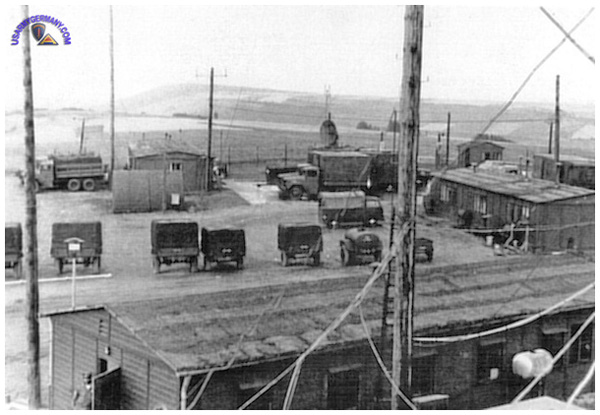 |
|||||||||||||||||||||||||||||||||||||||||||||||||||||||||||||||||||||||||||||||||||||||||||||||||||||||||||||||||||||||||||||||||||||||||||||||||||||||||||||||||||||||||||||||||||||||||||||||||||||||||||||||||||||||||||||||||||||||||||||||||||||||||||||||||||||||||||||||||||
807th TCS Communications site, Bann Hill, late 1950s |
|||||||||||||||||||||||||||||||||||||||||||||||||||||||||||||||||||||||||||||||||||||||||||||||||||||||||||||||||||||||||||||||||||||||||||||||||||||||||||||||||||||||||||||||||||||||||||||||||||||||||||||||||||||||||||||||||||||||||||||||||||||||||||||||||||||||||||||||||||
|
|||||||||||||||||||||||||||||||||||||||||||||||||||||||||||||||||||||||||||||||||||||||||||||||||||||||||||||||||||||||||||||||||||||||||||||||||||||||||||||||||||||||||||||||||||||||||||||||||||||||||||||||||||||||||||||||||||||||||||||||||||||||||||||||||||||||||||||||||||
| Both sites were above the (Kindsbach) Cave. Reportedly there was a tunnel that led from our site to the Cave but it had been filled in after the war. We used the opening for an air raid shelter. It only went in about 10 feet. Our section communicated to all of the AC&W Squadrons. We had HF and UHF equipment. The HF was for communicating to the AC&W Squadrons while the UHF was ground to air. Our (equipment) building is not shown but it was to the left. The gate would have been to the right. Nobody in our unit was billeted at the site. We rode in the back of a 6X6 (2-1/2 ton truck) every day. We were billited in the 807th building on Ramstein Air Base. |
|||||||||||||||||||||||||||||||||||||||||||||||||||||||||||||||||||||||||||||||||||||||||||||||||||||||||||||||||||||||||||||||||||||||||||||||||||||||||||||||||||||||||||||||||||||||||||||||||||||||||||||||||||||||||||||||||||||||||||||||||||||||||||||||||||||||||||||||||||
|
|||||||||||||||||||||||||||||||||||||||||||||||||||||||||||||||||||||||||||||||||||||||||||||||||||||||||||||||||||||||||||||||||||||||||||||||||||||||||||||||||||||||||||||||||||||||||||||||||||||||||||||||||||||||||||||||||||||||||||||||||||||||||||||||||||||||||||||||||||
 .
. 
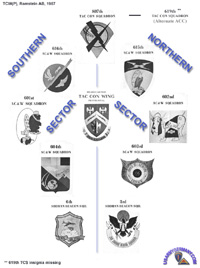
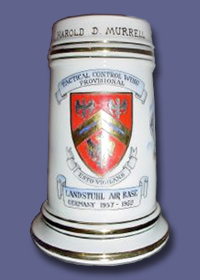
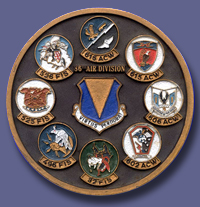
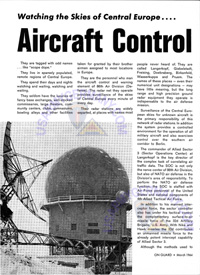
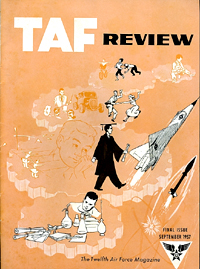
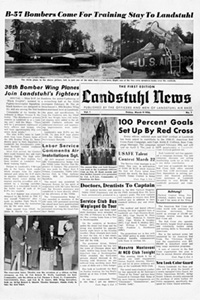


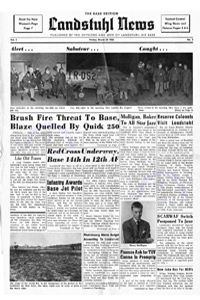
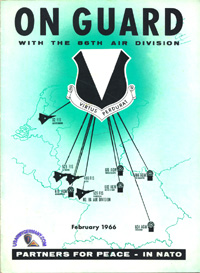
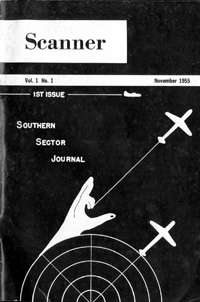
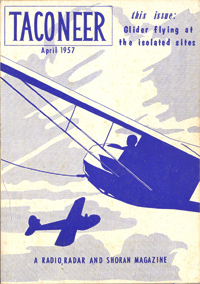
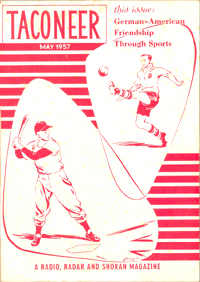
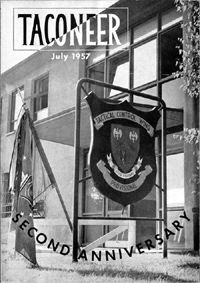
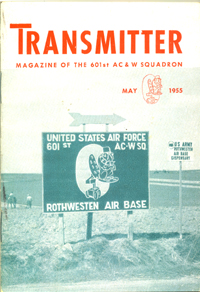
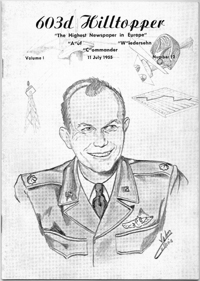
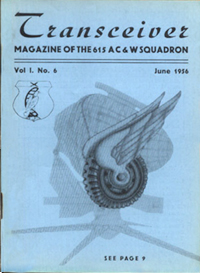

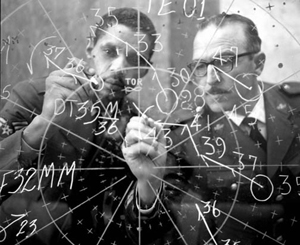
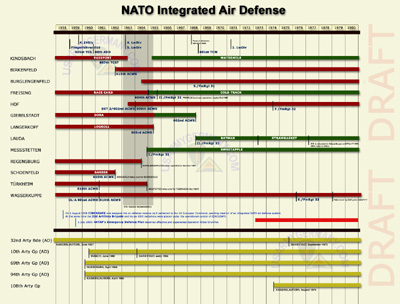
 Still under construction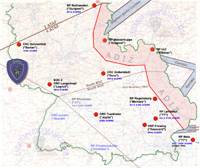
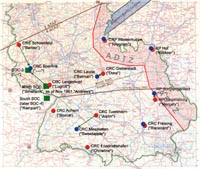
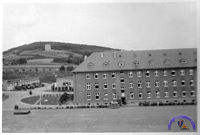
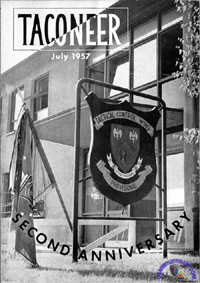
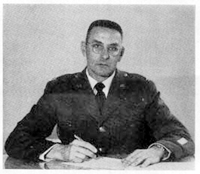
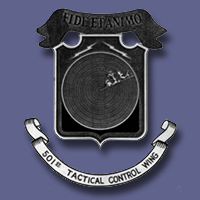
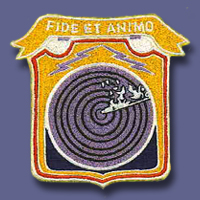 501st TCW Patch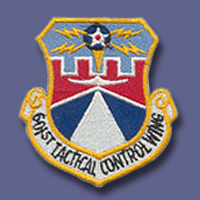
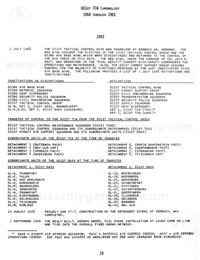
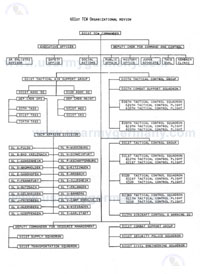
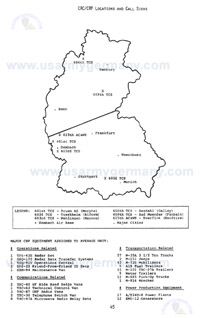
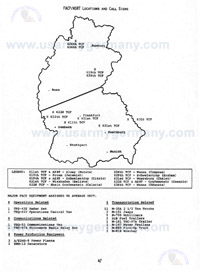
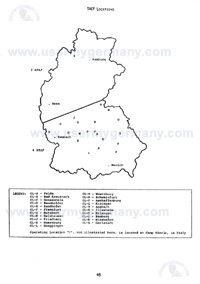
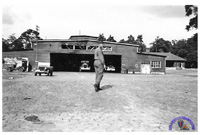
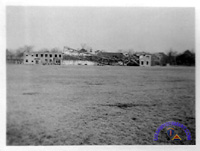
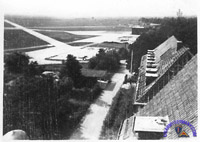
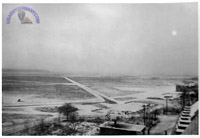
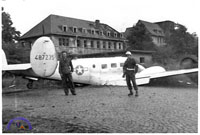
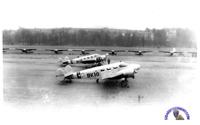
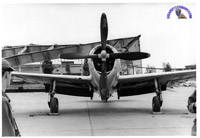
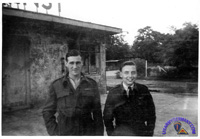
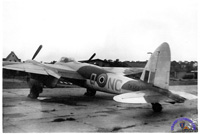
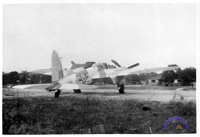
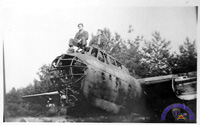
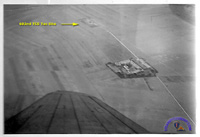
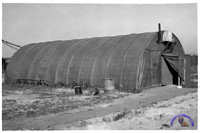
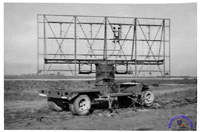
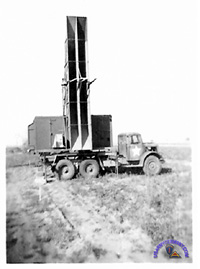
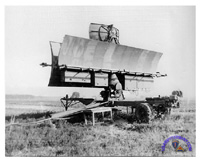
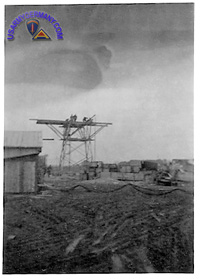
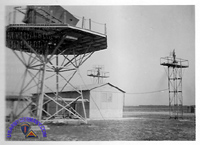
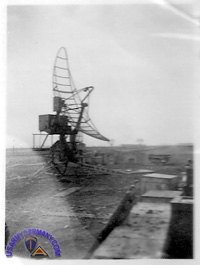
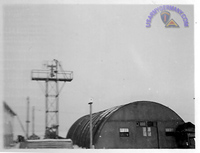
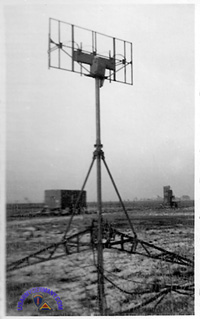
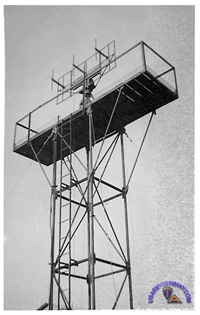
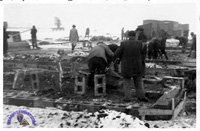
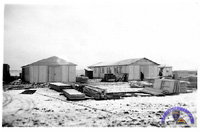
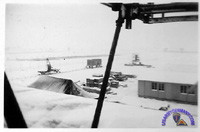
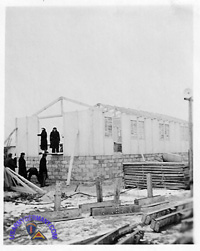
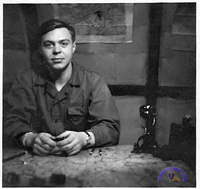
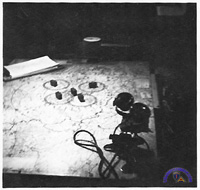
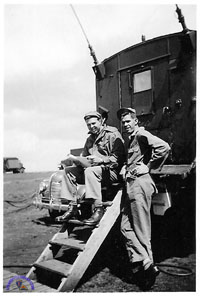
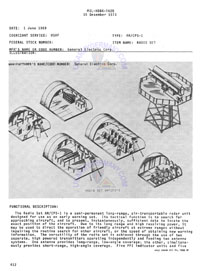
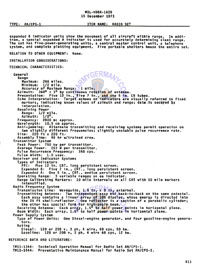
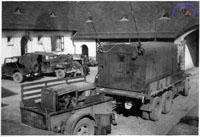
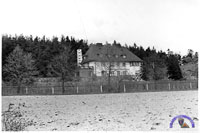
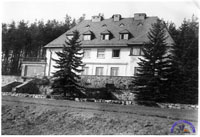
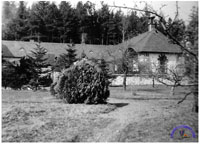
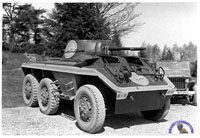
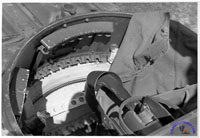
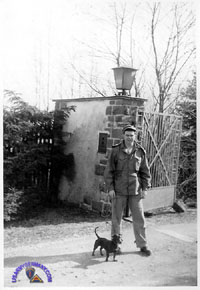
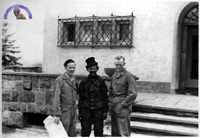
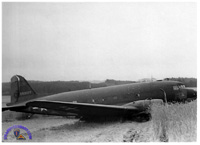
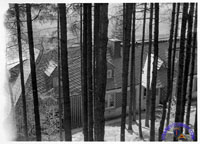
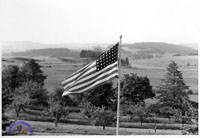
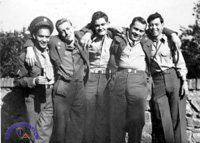
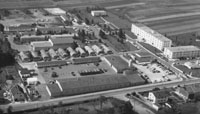

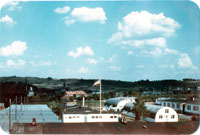
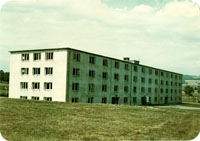
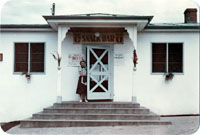
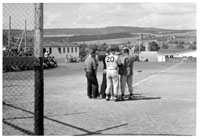
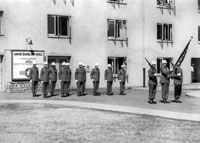
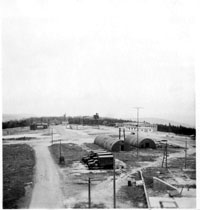
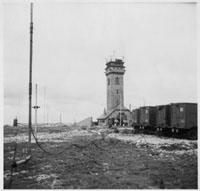
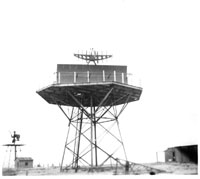
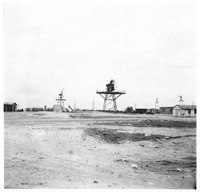
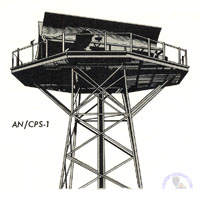
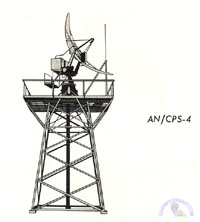
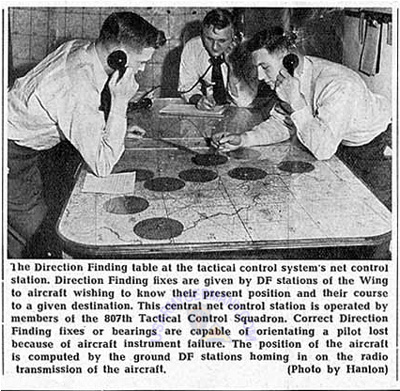
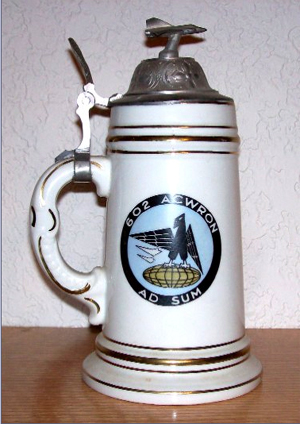
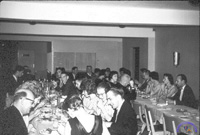
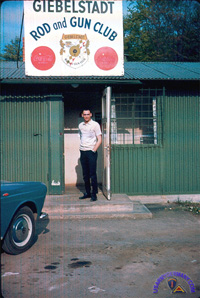
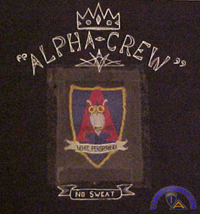
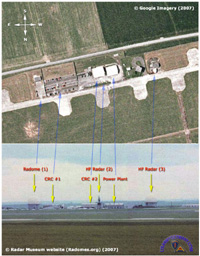
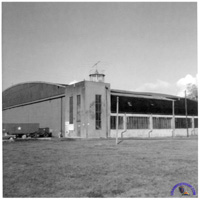
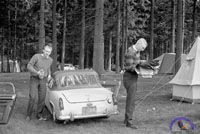
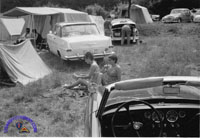
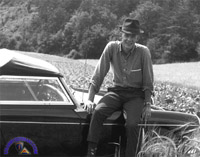
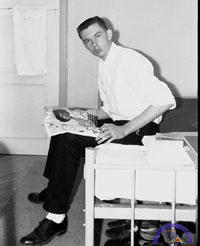
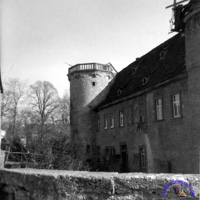
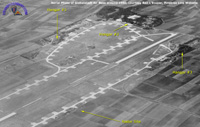
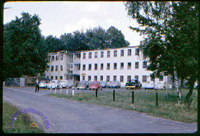
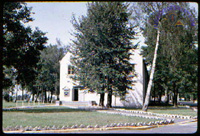
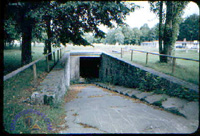
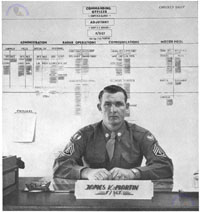
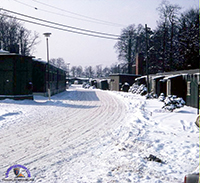
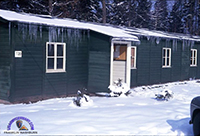
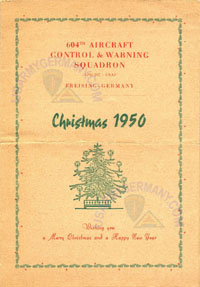
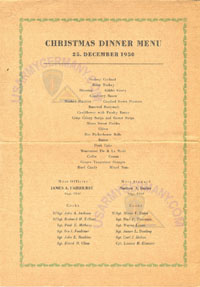
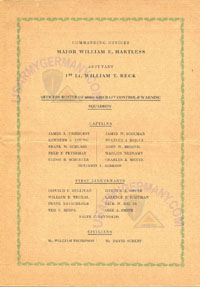
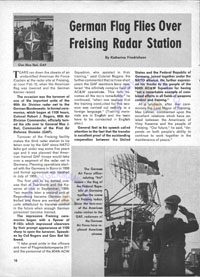
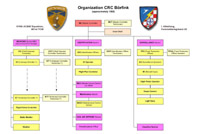

 -
-